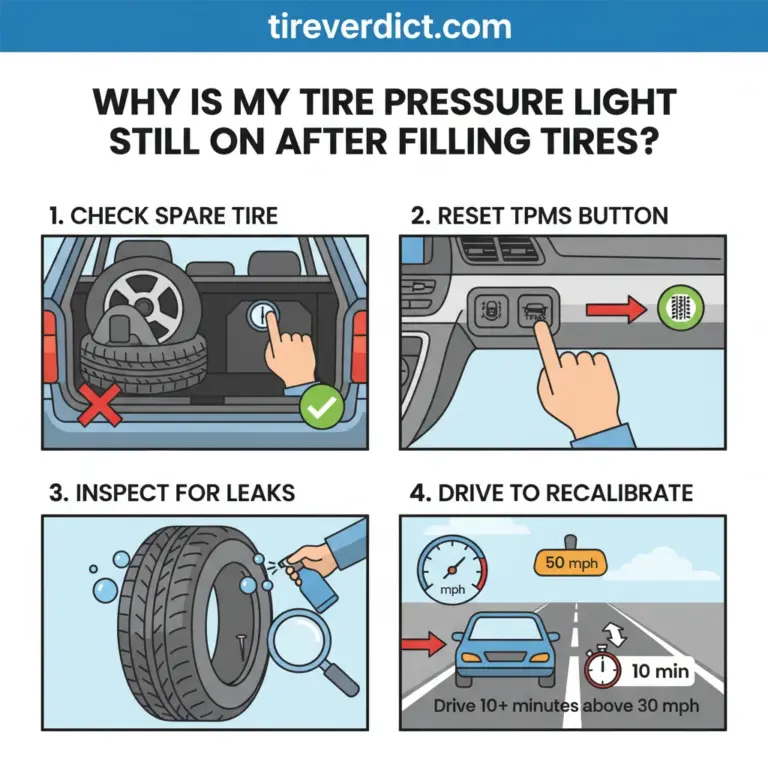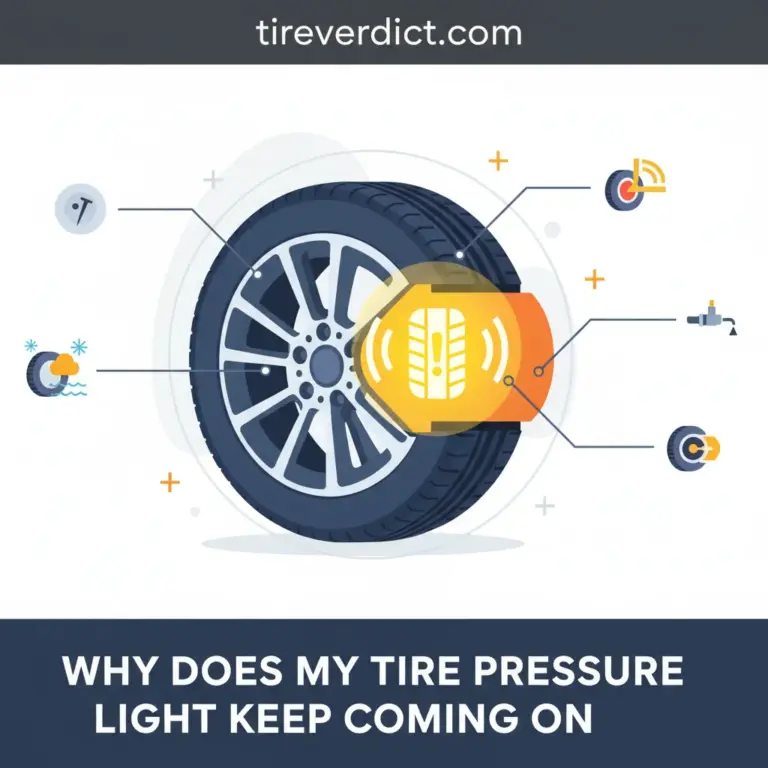
Maintaining optimal tire pressure is not merely a recommendation; it is a critical component of vehicular safety, fuel efficiency, and tire longevity. Many drivers, however, struggle to visually identify an underinflated tire, often relying solely on dashboard indicators or encountering significant deflation before taking action. This oversight can lead to severe operational and safety risks. This professional guide will equip you with the expert knowledge to accurately recognize the signs of a low tire, understand the underlying causes, mitigate associated dangers, and implement proactive maintenance strategies to ensure your vehicle’s reliable performance and your continued safety on the road in 2026 and beyond.
What Causes Tire Pressure Loss: An Expert Analysis
Understanding the root causes of tire pressure loss is fundamental to both diagnosing and preventing underinflation. As a seasoned expert, I can affirm that while some causes are acute and obvious, many are subtle and cumulative, often contributing to the initial signs of a low tire. A professional approach to tire maintenance begins with this foundational knowledge.
📤 Share Image
Natural Permeation: The Unavoidable Reality
Even a perfectly sound tire will gradually lose air over time. This phenomenon, known as natural permeation, occurs because compressed air molecules are small enough to slowly migrate through the microscopic pores of the rubber compound. It’s a standard and unavoidable process, not indicative of a fault. Research indicates that tires typically lose 1-3 PSI per month due to natural permeation alone. This slow, steady loss often goes unnoticed until the cumulative effect becomes significant, leading to a visibly low tire.
Punctures and Road Hazard Damage: Common Culprits
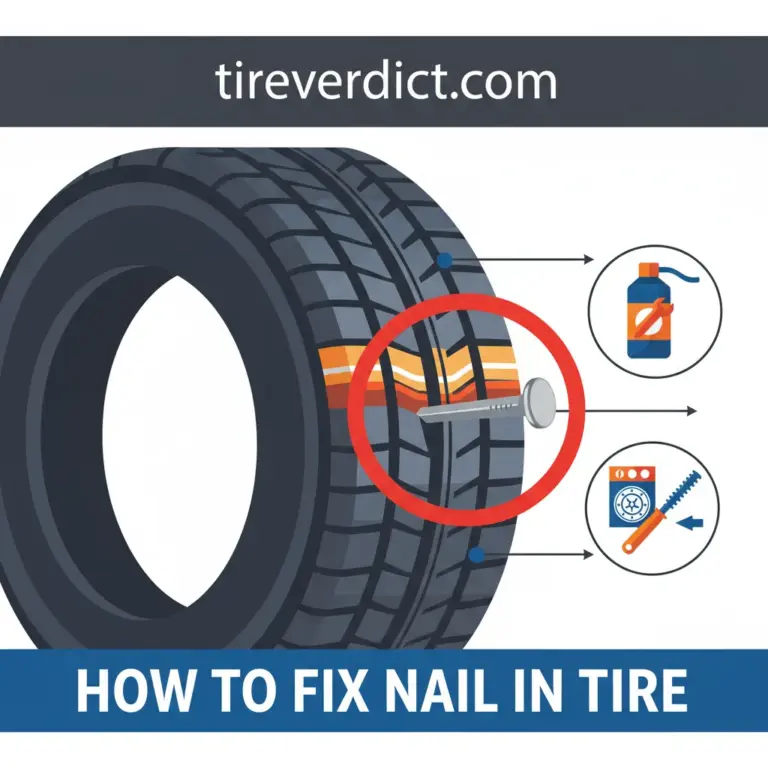
One of the most immediate and common reasons for significant pressure loss is a puncture. These can range from a slow leak caused by a small nail embedded in the tread to a rapid deflation from a larger, sharper object. Common culprits include:
- Nails and Screws: Often picked up in construction zones or unpaved areas, these typically cause a slow, steady leak if lodged in the tire’s tread.
- Glass Shards: Can create sharp, irregular cuts, sometimes resulting in rapid air loss.
- Metal Debris: Objects like car parts or sharp fragments can cause substantial damage.
It’s important to note that punctures in the tread area are often repairable, whereas damage to the sidewall – the thin, flexible part of the tire – almost always necessitates replacement due to its critical structural role.
Valve Stem Malfunctions: A Silent Thief
The valve stem, though small, is a common point of potential air leakage. Issues include:
- Loose or Damaged Valve Core: The small, spring-loaded pin inside the valve stem can loosen or become compromised, allowing air to escape.
- Cracked Rubber Valve Stem: Over time, rubber valve stems can degrade and crack, especially when exposed to harsh environmental conditions.
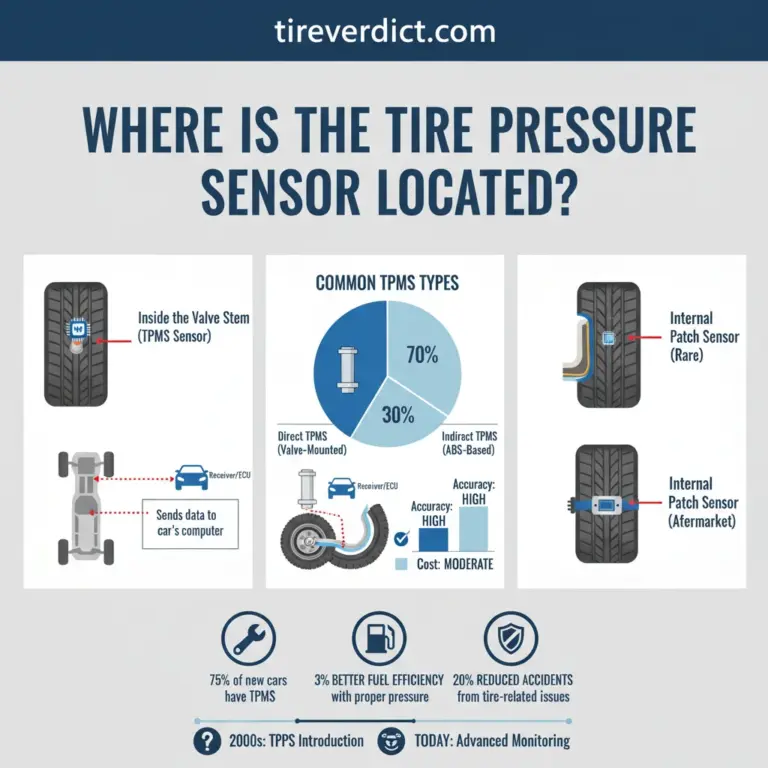
- Corroded Metal Valve Stems (TPMS): For vehicles equipped with TPMS, the metal valve stems can corrode, particularly if exposed to road salt or moisture, leading to seal failure.
These issues often result in slow, hard-to-detect leaks that contribute to a perpetually low tire, requiring trusted professional diagnosis.
Rim Leaks: The Seal Compromise
The seal between the tire and the wheel rim is crucial. Any compromise here can lead to air loss:
- Corrosion on the Wheel Rim: Rust or pitting on the rim’s bead seat can prevent the tire from sealing properly. This is particularly common in older vehicles or those in regions with high road salt use. A visual inspection might reveal a rough, flaky edge where the tire meets the rim.
- Damaged Tire Bead: The bead is the edge of the tire that seals against the rim. It can be damaged during mounting or by impact, causing a leak.
- Improper Seating: If the tire was not properly seated on the rim during installation, it might not form a perfect seal, leading to a slow leak.
Temperature Fluctuations: The Physics of Pressure
Temperature plays a significant role in tire pressure. The ideal gas law (PV=nRT) dictates that as ambient temperature drops, so does the tire pressure. This is why a tire that was perfectly inflated in summer can appear significantly underinflated when colder weather arrives. As a general rule, tire pressure can drop by approximately 1-2 PSI for every 10°F (5.5°C) decrease in ambient temperature. For example, a tire filled to 32 PSI at 70°F (21°C) could read as low as 28 PSI on a 30°F (-1°C) morning, visually appearing low and potentially triggering a TPMS warning.
How to Identify a Low Tire: Visual & Mechanical Diagnostics for Reliable Assessment
Recognizing a low tire requires a combination of visual acuity, understanding vehicle feedback, and, most reliably, precise measurement. As a professional, I emphasize that relying solely on one method can be misleading. A comprehensive approach ensures a trusted diagnosis and prompts timely action.
Visual Inspection Cues: The Obvious Signs
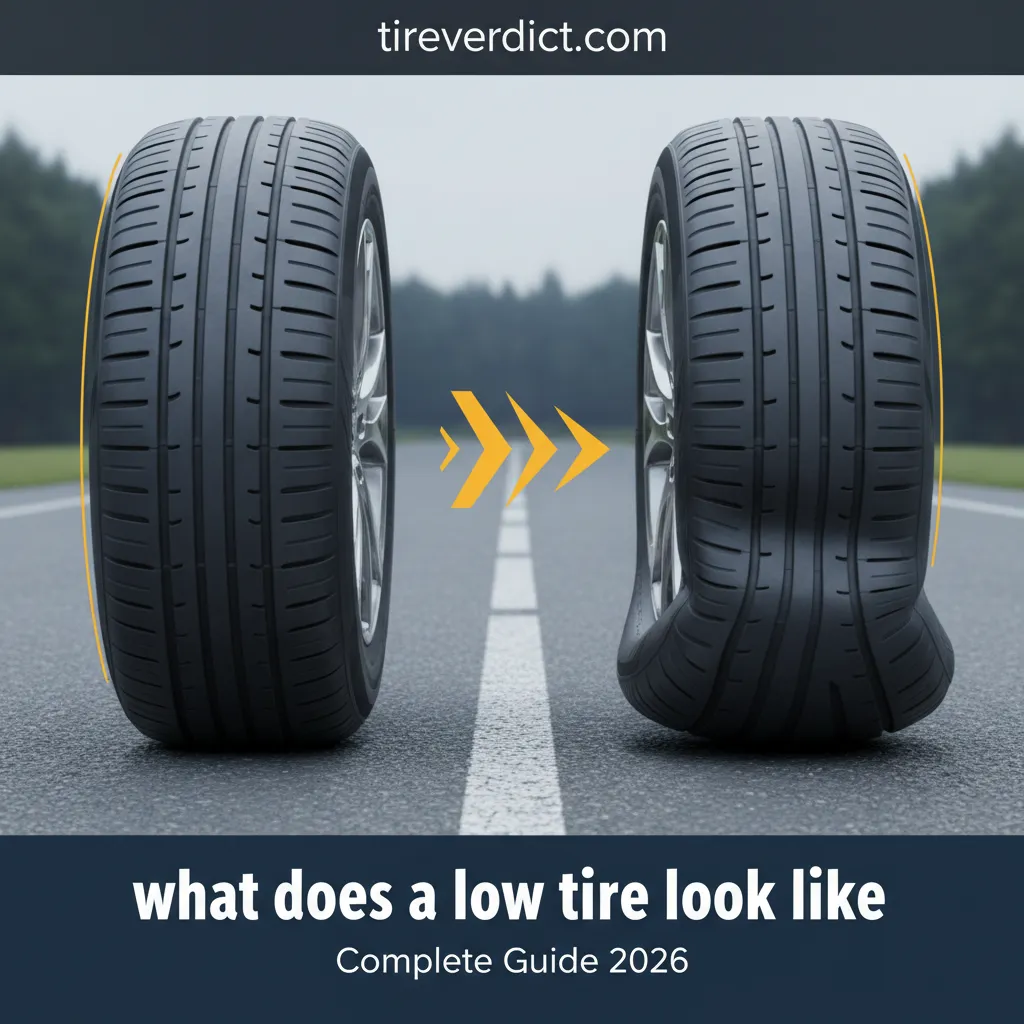
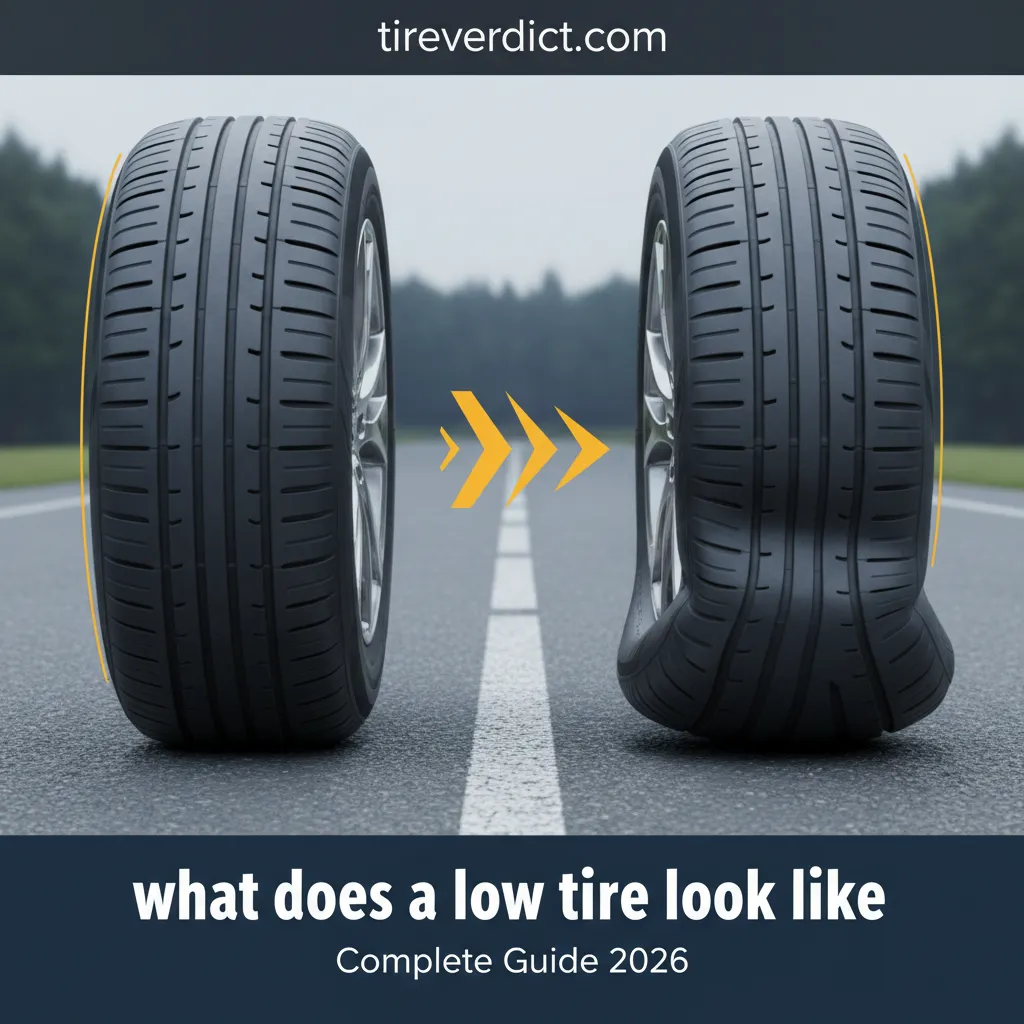
The most direct way to identify a low tire is through visual observation. A tire that is significantly underinflated will exhibit several tell-tale signs:
- Pronounced Sidewall Bulge: The most common visual cue. Instead of a smooth, firm curve, the tire’s sidewall will visibly bulge outwards where it meets the ground, creating a distinct “squashed” appearance. Imagine a properly inflated balloon versus one with some air let out – the latter sags.
- Flatter Contact Patch: The area of the tire touching the road (the contact patch) will appear wider and flatter than usual. A properly inflated tire has an even, relatively small contact patch; an underinflated one spreads out more to bear the weight.
- Rim Sits Closer to the Road: If the tire is severely underinflated, the metal wheel rim will appear noticeably closer to the ground, and the gap between the top of the tire and the fender will look smaller than normal compared to other tires on the vehicle or a fully inflated state.
Comparing the suspected low tire to the other tires on your vehicle or to photographs of properly inflated tires can help confirm these visual cues.
Tire Pressure Monitoring System (TPMS) Alerts: Your Dashboard Guardian
Modern vehicles manufactured after 2007 (in the U.S.) are equipped with a Tire Pressure Monitoring System (TPMS). This system provides a critical electronic alert for low tire pressure. The most common indicator is a dashboard warning light, often depicted as a horseshoe with an exclamation point inside. This light typically illuminates when pressure in one or more tires drops approximately 25% below the vehicle manufacturer’s recommended PSI. Some advanced systems provide specific tire pressure readings for each wheel. A flashing TPMS light usually indicates a system malfunction rather than low pressure, but warrants immediate professional inspection.
Tactile and Handling Indicators: Feeling the Difference
While less precise than a gauge, your driving experience can also signal underinflation:
- Soft Feel: A severely underinflated tire might feel perceptibly softer to the touch, though this is not a primary diagnostic method for expert use.
- Steering Pull: The vehicle may pull to one side, especially if only one tire is significantly low.
- ‘Spongy’ or ‘Mushy’ Ride: The vehicle’s suspension might feel less responsive, and the ride quality can become noticeably softer or less stable, similar to driving on soft ground.
- Decreased Responsiveness: During turns or lane changes, the vehicle might feel sluggish or less precise, requiring more steering input. A scenario where reduced vehicle stability is evident during a quick lane change often points to underinflated tires.

📋
The Definitive Pressure Gauge Method
Find your vehicle’s recommended tire pressure (often between 30-35 PSI for standard passenger vehicles) on the door jamb placard (driver’s side), in the owner’s manual, or sometimes on the fuel filler door. Never use the “max PSI” molded into the tire sidewall, as this is the maximum pressure the tire can hold, not the recommended operating pressure.
For the most accurate reading, check tire pressure when the tires are “cold” – meaning the vehicle hasn’t been driven for at least three hours or less than a mile at moderate speed. Driving heats the air inside the tire, increasing pressure and yielding an artificially high reading.
Remove the valve stem cap, firmly press a reliable, quality tire pressure gauge onto the valve stem, and hold it until the reading stabilizes. You should hear a brief hiss of air as you press it on. Read the PSI displayed on the gauge.
Compare the gauge reading to your vehicle’s recommended PSI. If it’s below, the tire is underinflated and requires air. Replace the valve stem cap to prevent dirt and moisture ingress.
Listening for Audible Leaks: A Quick Check
During an initial professional inspection, a technician will often listen closely around the tire, particularly the valve stem area and the rim, for any hissing sounds. A distinct hiss indicates a rapid leak, pinpointing a potential issue like a damaged valve core or a significant puncture that might not be immediately visible, requiring further trusted investigation.

The Dangers of Driving on Low Tires: Safety and Performance Implications for Quality Operation
Driving on underinflated tires is one of the most neglected yet critical safety hazards. From an expert perspective, the risks extend far beyond mere inconvenience, significantly compromising vehicle performance, safety, and the lifespan of your tires. This neglect can lead to serious consequences, undermining the overall quality and reliability of your vehicle’s operation.
Driving on underinflated tires significantly escalates the risk of catastrophic tire failure, reduces vehicle control, and incurs substantial financial penalties in terms of fuel and premature tire replacement. Never delay addressing a low tire indication.
Reduced Fuel Efficiency and Increased Rolling Resistance
Underinflation causes the tire to flatten more against the road, increasing its rolling resistance. This means the engine has to work harder to maintain speed, consuming more fuel. The excessive flexing of the tire sidewalls also generates more heat. Studies indicate a 0.2% decrease in fuel efficiency for every 1 PSI drop below the recommended pressure. Over time, this adds up to significant wasted fuel and higher operating costs.
Accelerated and Uneven Tire Wear
A properly inflated tire distributes vehicle weight evenly across its tread. When a tire is underinflated, the center of the tread lifts slightly, causing increased stress and friction on the outer edges (shoulders) of the tire. This leads to premature and uneven wear patterns on the tire shoulders, drastically shortening its lifespan. Visually, you might see the outer edges of the tread appear significantly more worn down than the center.
Compromised Handling and Braking Performance
The structural integrity of an underinflated tire is severely compromised. This leads to:
- Diminished Grip: A soft tire has less effective contact with the road, reducing traction.
- Increased Braking Distances: With reduced grip, the tires cannot slow the vehicle as effectively. Professional estimates suggest that significantly underinflated tires can increase braking distances by 20-30%, a critical factor in emergency stops.
- Heightened Risk of Hydroplaning: Underinflated tires are less effective at channeling water away, increasing the risk of losing control on wet roads.
A scenario demonstrating longer stopping distances in an emergency with compromised control is a direct consequence of neglecting proper tire pressure.
Increased Risk of Tire Failure and Blowouts
The excessive flexing and heat buildup in underinflated tires are their greatest enemies. This heat weakens the tire’s internal structure and components, such as the steel belts and polyester plies. This significantly increases the likelihood of a sudden tread separation or a dangerous blowout, particularly at higher speeds. The National Highway Traffic Safety Administration (NHTSA) consistently links underinflation to a substantial number of tire-related accidents, underscoring the severe safety implications of neglecting this issue.
Reduced Load Carrying Capacity
Tire pressure directly correlates with a tire’s ability to safely support weight. Underinflated tires cannot safely carry the vehicle’s weight and any cargo, leading to potential instability and increased stress on other vehicle components like the suspension. This compromises the vehicle’s overall reliable operation, especially when fully loaded.
Addressing a Low Tire: Steps for Inflation and Repair with Professional Standards
Once a low tire is identified, prompt and correct action is essential. As an expert, I guide you through the professional steps for accurate inflation and discerning when a tire needs professional repair versus replacement, ensuring trusted and reliable solutions.
📋
Proper Tire Inflation Techniques
Before adding air, always consult your vehicle’s door jamb placard (usually on the driver’s side), owner’s manual, or sometimes the fuel filler door for the manufacturer’s recommended cold tire inflation pressure (PSI). This figure is crucial for optimal performance, safety, and fuel efficiency.
As discussed, ensure your tires are cold. Remove the valve cap. Using a trusted, quality tire pressure gauge, check the current pressure. This provides a baseline for how much air needs to be added. Even if you suspect it’s low, a reading confirms it and quantifies the deficit.
Using an air compressor (found at most gas stations or a portable unit), firmly attach the air hose nozzle to the tire valve stem. Add air in short bursts, checking the pressure with your gauge after each burst. This incremental approach prevents overinflation. A scenario of inflating a tire at a gas station involves repeatedly attaching the hose, listening for air, and then re-checking with your own gauge or the station’s built-in one until the specified PSI is met.
Once the tire reaches the recommended PSI, remove the air hose and re-check the pressure one last time with your gauge for accuracy. Securely replace the valve stem cap to prevent dirt, moisture, and potential leaks. Repeat for all tires as needed, including the spare.
When to Seek Professional Repair: Repair vs. Replacement
Not all punctures are repairable. Adhering to Tire Industry Association (TIA) guidelines is crucial for ensuring a safe and lasting repair. Here’s what an expert considers:
- Repairable Punctures: Generally, punctures are repairable if they are located within the tire’s tread area (the flat, central part that contacts the road) and do not exceed 1/4 inch (6mm) in diameter. A nail puncture in this zone is often a candidate for repair.
- Non-Repairable Damage:
- Sidewall Damage: Any puncture, cut, or gash in the sidewall (the flexible side of the tire) is typically not repairable because this area flexes constantly, making a permanent seal impossible. This requires immediate tire replacement.
- Damage Near the Shoulder: Punctures too close to the shoulder (where the tread meets the sidewall) are also usually deemed non-repairable.
- Large Punctures or Multiple Punctures: Holes larger than 1/4 inch, or too many punctures in close proximity, render a tire unsafe for repair.
For instance, a simple nail in the middle of the tread (a repairable puncture) differs greatly from a deep gash on the tire’s sidewall (requiring replacement). The average cost for a professional tire repair ranges from $20-$40, a small investment for extended tire life and safety.
Understanding Temporary Fixes vs. Permanent Repairs
It’s crucial to distinguish between quick fixes and lasting solutions:
- Temporary Sealants (e.g., “Fix-a-Flat”): These aerosols are designed for emergency use only to get you to a service center. They inject a sealant into the tire. While they can temporarily stop a leak, they are not a permanent solution and often make professional repair more complicated or impossible without thorough cleaning.
- Permanent Plug-and-Patch Repairs: Performed by certified technicians, this involves dismounting the tire, inspecting it internally for hidden damage, cleaning the puncture area, inserting a plug from the inside, and then applying a patch over it. This comprehensive method ensures a reliable, permanent seal and maintains the tire’s structural integrity.
Always treat temporary sealants as just that – temporary. Seek professional assessment and a proper, permanent repair as soon as possible for long-term safety and performance.
Persistent Tire Pressure Loss: Troubleshooting and Professional Intervention for Lasting Solutions
When a tire repeatedly loses air despite no obvious puncture or after a recent repair, it signals a deeper issue requiring meticulous investigation. As an expert, I know that these persistent leaks demand a systematic, professional approach to diagnose and resolve, ensuring a quality and lasting solution for your vehicle’s reliable operation.
Systematic Leak Detection: The Soapy Water Test
For subtle leaks, the soapy water test is an invaluable diagnostic tool. After inflating the tire to its recommended PSI, mix a solution of dish soap and water in a spray bottle. Liberally spray this solution over:
- The entire tread surface.
- Both sidewalls.
- The area around the valve stem.
- The entire circumference where the tire bead meets the rim.
Any leak will manifest as a stream of persistent bubbles forming at the escape point. This detailed method allows for the precise identification of even the slowest, most elusive leaks.
Thorough Wheel and Rim Inspection: Beyond the Tire
Often, the problem isn’t the tire itself, but the wheel. A professional will conduct a thorough visual and tactile inspection for:
- Corrosion: Particularly on the bead seat of the rim, where oxidation can prevent an airtight seal. Visual signs include flaky rust or pitting along the rim edge.
- Bends or Dents: Impact from potholes or curbs can deform the rim, creating gaps for air to escape.
- Cracks: Hairline cracks, especially in alloy wheels, can be a source of persistent leaks.
These issues might not always be visible without removing the tire from the wheel.
Valve Stem and TPMS Sensor Examination
The valve stem assembly is a frequent culprit:
- Degraded Rubber: The rubber portion of traditional valve stems can crack or harden with age.
- Loose Valve Core: A simple tightening can often resolve this.
- Faulty TPMS Sensor: The sensor itself, or its seal, can fail. TPMS sensor batteries typically last 5-10 years, and a dying battery can sometimes trigger false alerts or lead to sensor failure, causing a real, yet hidden, air leak from the seal.
A malfunctioning TPMS sensor might be the cause of a false alert, but sometimes it masks an actual, hard-to-find leak at its base.
Internal Tire Damage Assessment
Some tire damage is not externally visible. For example, a pothole impact might not cause an immediate blowout but could create an internal separation or bruise that slowly leaks air. Professional leak repair often involves dismounting the tire for internal inspection, where technicians can identify subtle structural damage or non-visible punctures that contribute to persistent air loss.
When Professional Consultation is Essential
For complex diagnostics, unidentified leaks, or when specialized tools and expertise are required, seeking a qualified mechanic or tire specialist is paramount. They possess the knowledge and equipment (e.g., bead breakers, diagnostic tools for TPMS) to accurately pinpoint the issue and perform a reliable, lasting repair. If a tire repeatedly loses air despite no visible external damage, or if you’ve tried basic troubleshooting without success, it’s time for expert intervention to ensure your safety and the longevity of your tires.
Proactive Tire Maintenance for Optimal Performance and Safety in 2026
In the evolving landscape of automotive technology and demands, proactive tire maintenance remains a cornerstone of vehicle safety and performance. As a trusted expert, I can confidently state that adherence to a consistent maintenance schedule not only extends tire longevity but also ensures a reliable and quality driving experience well into 2026 and beyond.
Regular Tire Pressure Checks: Your Monthly Mandate
The single most impactful maintenance habit is checking your tire pressure regularly. Aim for monthly pressure checks, ideally when tires are cold. This is especially crucial before long road trips and during significant seasonal temperature changes, as outlined earlier with the 1-2 PSI per 10°F rule. Consistent, professional pressure monitoring prevents underinflation from becoming a hidden danger and optimizes fuel economy.
Tire Rotation and Balancing Schedules: Even Wear, Smooth Ride
Routine tire rotation helps promote even tread wear across all four tires, as each wheel position experiences different stresses. This extends the overall life of your tire set. Most manufacturers and tire experts recommend rotating tires every 5,000 to 8,000 miles or every 6 months. Concurrently, regular tire balancing ensures the weight is evenly distributed around the wheel, preventing vibrations and uneven wear, contributing to a smooth, reliable ride.
Wheel Alignment Verification: Precision and Longevity
Proper wheel alignment ensures that your vehicle’s wheels are correctly angled relative to each other and the road. Misalignment can cause rapid and irregular tire wear, reduced handling, and diminished fuel efficiency. Advising on periodic alignment checks (e.g., annually or after any significant impact) is key to preventing premature tire replacement and maintaining precise vehicle handling, ensuring a quality driving experience.
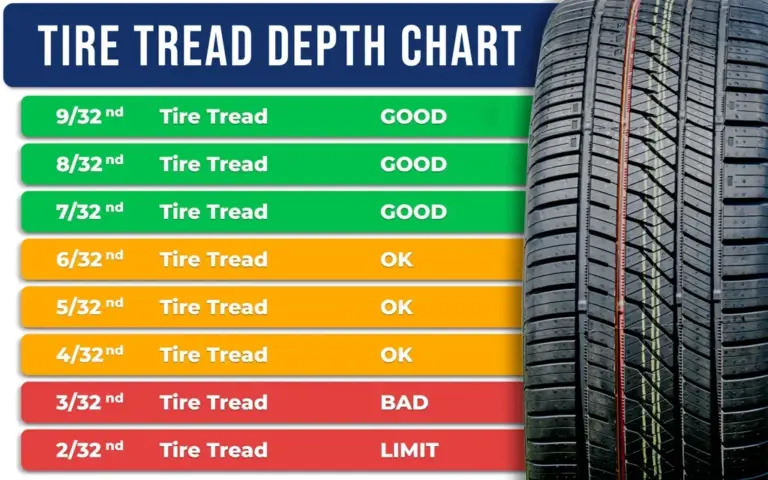
Tread Depth Monitoring: Ensuring Grip and Safety
Adequate tread depth is crucial for grip, especially in wet conditions. You can easily check tread depth using a simple method:
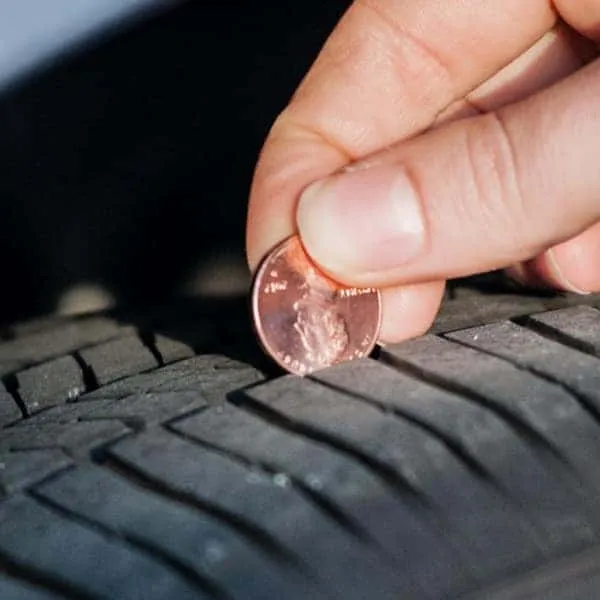
- The Penny Test: Insert a penny into a tread groove with Lincoln’s head upside down and facing you. If you can see the top of Lincoln’s head, your tread depth is below 2/32 of an inch, which is the minimum legal tread depth in most regions, and it’s time for new tires.
- Tread Wear Indicators: Most tires have built-in tread wear indicator bars (small rubber bars molded into the grooves) that become flush with the tread when it reaches 2/32 inch.
Regular monitoring ensures your tires retain adequate grip for safety.
Selecting Quality Replacement Tires: An Investment in Safety
When it’s time for new tires, investing in quality replacement tires is an investment in your safety and performance. Choose tires that are appropriate for your vehicle type, typical driving conditions, and climate. Consult with a professional tire specialist to select trusted, durable options that offer superior performance, handling, and longevity, contributing to your vehicle’s overall reliability.
By The Numbers: Tire Maintenance in 2026
Natural Loss (per month)
Drop per 10°F
Recommended Rotation Interval
Minimum Legal Tread Depth
Visually identifying a low tire, coupled with routine pressure checks, is paramount for vehicle safety and performance. Understanding the causes of pressure loss from permeation to punctures enables prompt and effective remedial action. Proactive maintenance, including regular inspections and proper inflation, extends tire life and prevents costly issues. Prioritize your vehicle’s health by integrating monthly tire pressure checks into your routine. For any persistent pressure issues or concerns about tire integrity, consult a qualified automotive professional to ensure expert diagnosis and repair. Drive confidently and safely.
Frequently Asked Questions
How low can a tire be before it’s visibly noticeable?
Visually detecting a low tire can be challenging, as a significant pressure drop of 20-25% below the recommended PSI is often required before it becomes readily apparent. Modern TPMS systems are designed to alert drivers to this critical threshold, often before any visual cues manifest, underscoring the importance of mechanical checks over solely relying on sight for quality assurance.
Can a tire look fine but still be underinflated?
Absolutely. Tires can appear adequately inflated yet still be significantly under their optimal pressure, sometimes by 10-15 PSI or more, without a noticeable visual difference. This subtle underinflation still compromises handling, accelerates wear, and reduces fuel efficiency. A professional-grade tire pressure gauge is the only reliable and trusted method for accurate assessment.
What PSI indicates a tire is critically low?
A tire is critically low if its pressure drops more than 25% below the manufacturer’s recommended PSI, which is typically found on the driver’s side door jamb placard. For instance, if the recommended pressure is 32 PSI, a reading below 24 PSI signals a critical state requiring immediate attention to prevent damage and ensure reliable operation.
How often should I check my tire pressure?
As a quality maintenance practice, tire pressure should be checked at least once a month, and always before embarking on long journeys. Fluctuations in ambient temperature, particularly between seasons, can also significantly impact tire pressure, necessitating more frequent checks to maintain optimal and professional operating standards.
Is it safe to drive on a slightly low tire?
Driving on even a slightly low tire is not recommended. While it may seem minor, underinflation increases rolling resistance, reduces fuel efficiency, and accelerates tire wear, particularly on the shoulders. More critically, it compromises vehicle handling, braking performance, and significantly elevates the risk of tire overheating and eventual failure, posing a serious safety hazard.