As temperatures plummet with the onset of winter, an often-overlooked yet critical aspect of vehicle safety and performance comes to the forefront: tire pressure. Many drivers are unaware that ambient temperature significantly impacts tire inflation, leading to potential underinflation that compromises handling, fuel efficiency, and tire longevity. This comprehensive guide will precisely explain why tire pressure decreases in cold weather, the associated risks, and provide professional, actionable steps to ensure your tires remain optimally inflated, safeguarding your journeys throughout the colder months of 2026 and beyond.
Understanding the Physics: Why Cold Weather Causes Tire Pressure Drop
As a seasoned industry expert with over 15 years of experience, I can affirm that the phenomenon of tire pressure decreasing in cold weather is not an automotive myth, but a direct consequence of basic physics. The behavior of air (or any gas) within a sealed volume, such as a tire, is governed by the Ideal Gas Law, often expressed as PV=nRT.
In this equation, P represents pressure, V is volume, n is the number of gas moles (amount of air), R is the ideal gas constant, and T is temperature. Within a tire, the volume (V) is largely constant, and the amount of air (n) remains constant unless there’s a leak. This means that pressure (P) is directly proportional to temperature (T). As the ambient temperature drops, the air molecules inside the tire lose kinetic energy, move slower, and collide with the tire’s inner walls less frequently and with less force. This reduction in molecular activity directly translates to a decrease in internal pressure.
Quantifying this effect, the widely accepted rule of thumb among professionals is that tire pressure drops approximately 1 PSI for every 10°F (or 5.6°C) decrease in ambient temperature. Consider a practical scenario: a vehicle’s tires are properly inflated to 32 PSI at 70°F (21°C) in a garage. If that vehicle is parked outside overnight and the temperature plummets to 20°F (-6.7°C), a 50°F temperature drop will result in an approximate 5 PSI decrease. Your tires would then read around 27 PSI, a significant reduction that can impact safety and performance. In temperate zones, average ambient temperature can easily drop 20-30°F (11-17°C) from autumn to winter, highlighting the real-world impact.
It’s crucial to differentiate between ambient temperature and operating temperature. While driving, tires flex and generate heat through friction, causing the internal air temperature—and thus pressure—to increase temporarily. However, this is a transient effect. The critical measurement is the cold inflation pressure, taken before driving, as this establishes the baseline for optimal performance. While minor factors like slow leaks or the natural permeation of air through the tire walls can contribute to pressure loss over time, temperature is by far the primary seasonal cause for noticeable and widespread drops in tire pressure.
The Critical Impact of Underinflation: Safety, Performance, and Longevity
Driving with underinflated tires, especially in colder conditions where the effect is compounded, introduces a cascade of negative consequences for vehicle safety, operational performance, and tire lifespan. As a professional, I’ve witnessed firsthand the dangers and costly repairs that stem from neglected tire pressure.
Firstly, compromised vehicle handling and stability are immediate concerns. Underinflation causes the tire’s contact patch with the road to spread out, resulting in increased sidewall flex and a less stable footprint. This leads to diminished steering responsiveness, making the vehicle feel sluggish or “mushy.” The heightened risk of hydroplaning and loss of control, particularly on wet or icy winter roads, becomes substantially greater. Your trusted vehicle’s ability to respond predictably to driver input is severely impaired.
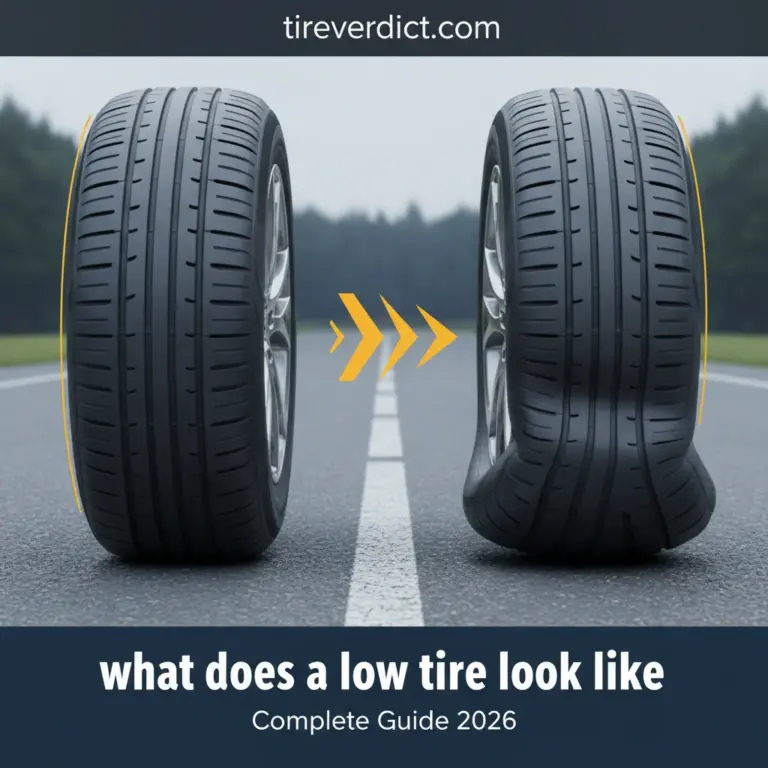
Secondly, underinflation accelerates increased tire wear and premature failure. Excessive flexing of the tire sidewalls generates significant heat. This heat degrades the tire’s internal structure and tread rubber, leading to uneven wear patterns—most commonly, accelerated wear on the outer shoulders of the tread. This dramatically shortens the tire’s useful life and increases the risk of sudden tire failure or dangerous blowouts, a serious safety hazard. A tire exhibiting severe shoulder wear from prolonged underinflation is a common sight in repair shops, indicating months of compromised performance.
Moreover, decreased fuel efficiency is an unavoidable consequence. Underinflated tires have a larger contact patch and more flex, which increases rolling resistance. This forces the engine to work harder to maintain speed, consuming more fuel. The Environmental Protection Agency (EPA) highlights that for every 1 PSI drop in tire pressure, vehicles can experience an approximate 0.2% fuel economy loss. While seemingly small, this accumulates, costing drivers significant amounts over time, especially in a world where fuel costs are an ongoing concern.
Finally, braking performance degradation is a critical safety issue. The altered shape and compromised integrity of an underinflated tire’s contact patch can extend braking distances. On a simulated wet road surface, a properly inflated tire might stop a vehicle meters shorter than a significantly underinflated one, a difference that can be life-saving in an emergency stop, particularly in adverse winter conditions when stopping distances are already extended.
By The Numbers: The Cost of Underinflation
~0.2% Fuel Economy Loss
Tire-related crashes linked to underinflation (NHTSA)
Reduction in Tire Lifespan
Maintaining Optimal Tire Pressure in Cold Climates: A Professional’s Guide
Ensuring your tires maintain their optimal pressure throughout the winter requires diligence and the right approach. As an expert, I advocate for a proactive and precise methodology to keep your vehicle safe and performing reliably. Here’s your professional guide to checking and adjusting tire pressure in cold weather:
📋
Step-by-Step Guide: Cold Weather Tire Pressure Management
Always refer to your vehicle’s manufacturer-recommended cold inflation pressure. This vital information is typically found on a placard located on the driver’s side door jamb, inside the glove compartment, or within your owner’s manual. Never use the ‘max PSI’ stamped on the tire sidewall; this indicates the maximum pressure the tire can withstand, not the optimal operating pressure for your specific vehicle.
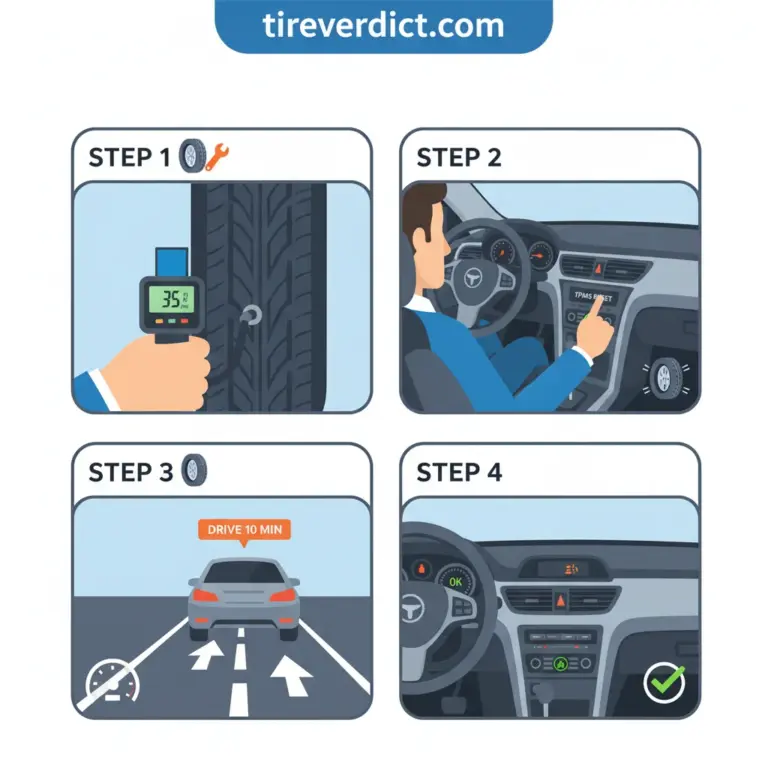
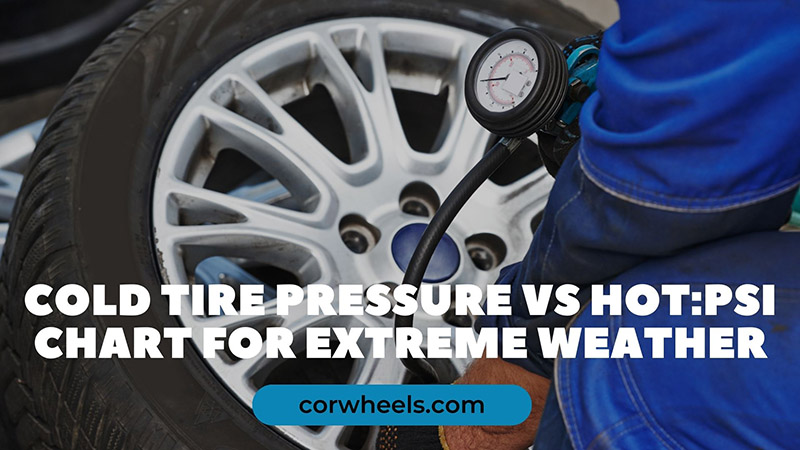
Invest in a high-quality digital or stick gauge. They offer greater accuracy than those integrated into air pumps. Crucially, check pressure when your tires are ‘cold’. This means the vehicle has been stationary for at least three hours, or driven for less than a mile at moderate speed. This ensures you’re measuring the true baseline pressure, unaffected by driving-induced heat.
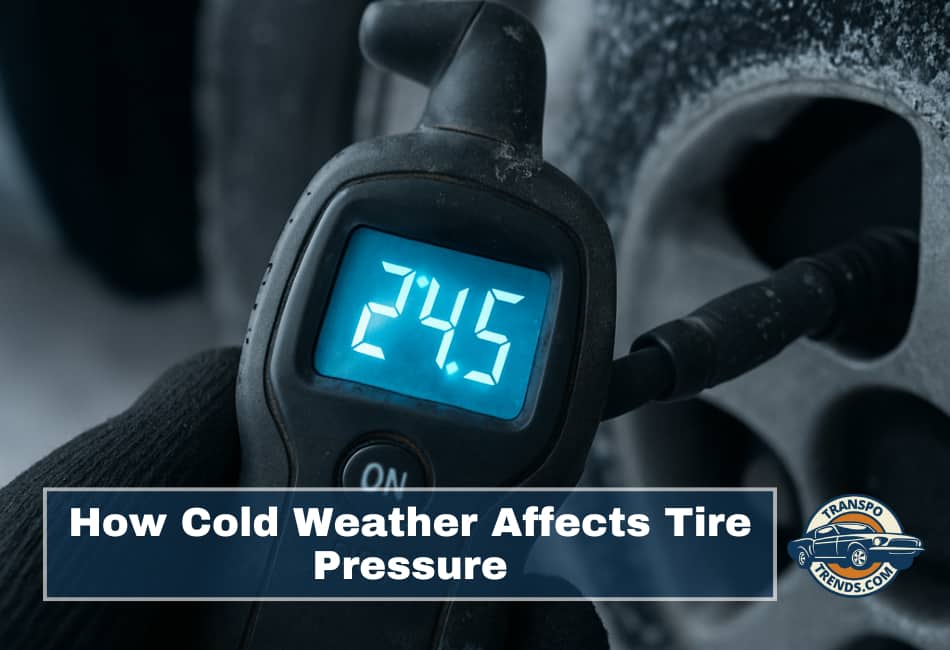
Remove the valve cap, press the gauge firmly and squarely onto the valve stem, and read the pressure. If the reading is too low (e.g., you find your tires at 28 PSI when 32 PSI is recommended), add air in short bursts. Recheck the pressure frequently until it reaches the manufacturer’s specification. If it’s too high, briefly depress the metal pin in the center of the valve stem to release air. A reliable gauge is paramount for this precise adjustment. Remember to replace the valve caps securely.
In cold weather, your tires are losing pressure more rapidly. Therefore, I recommend checking tire pressure at least once a month, and more frequently—ideally bi-weekly or even weekly—during periods of significant temperature fluctuation or prolonged cold snaps. Consistent monitoring is key to maintaining quality performance and safety.
Your spare tire is just as susceptible to pressure loss from cold weather as your primary tires, yet it’s frequently overlooked. A flat or underinflated spare is useless in an emergency. Check its pressure periodically, adhering to its specific recommended PSI, which may differ from your other tires.
Troubleshooting Persistent Tire Pressure Issues in Winter Conditions
While temperature-induced pressure drops are common, persistent or rapid pressure loss, even after diligent checks, points to underlying issues. As an expert, I advise looking beyond simple cold-weather effects when tires consistently lose more pressure than expected.
One of the most frequent culprits is a slow leak. These can stem from various sources: a small nail or screw embedded in the tread that hasn’t caused an immediate puncture, a faulty valve stem, or even corrosion along the rim where the tire bead seats. To detect a slow leak, inflate the tire to its recommended pressure, then spray a mixture of soap and water onto the tread, sidewalls, and around the valve stem and rim edge. Bubbles indicate an air leak. This simple, reliable test can often pinpoint the problem area.
In winter, tire bead leaks and wheel issues become more prevalent. Road salt, grime, and moisture can accelerate corrosion on alloy wheels, particularly where the tire’s bead forms a seal against the rim. This corrosion creates microscopic pathways for air to escape. If a soap-and-water test reveals bubbles around the rim, a professional tire shop can dismount the tire, clean the wheel’s bead seat, and reseal it, often resolving the issue. This is a common and professional repair that extends the life of your wheels and tires.
Faulty valve stems or caps are another source of air loss. Over time, rubber valve stems can crack or degrade, leading to slow leaks. Metal valve stems can also develop issues, particularly if improperly installed. The valve cap, while seemingly minor, acts as a secondary seal and prevents dirt and moisture from entering the valve, protecting the delicate valve core. A missing or damaged cap can lead to gradual air loss and dirt ingress.
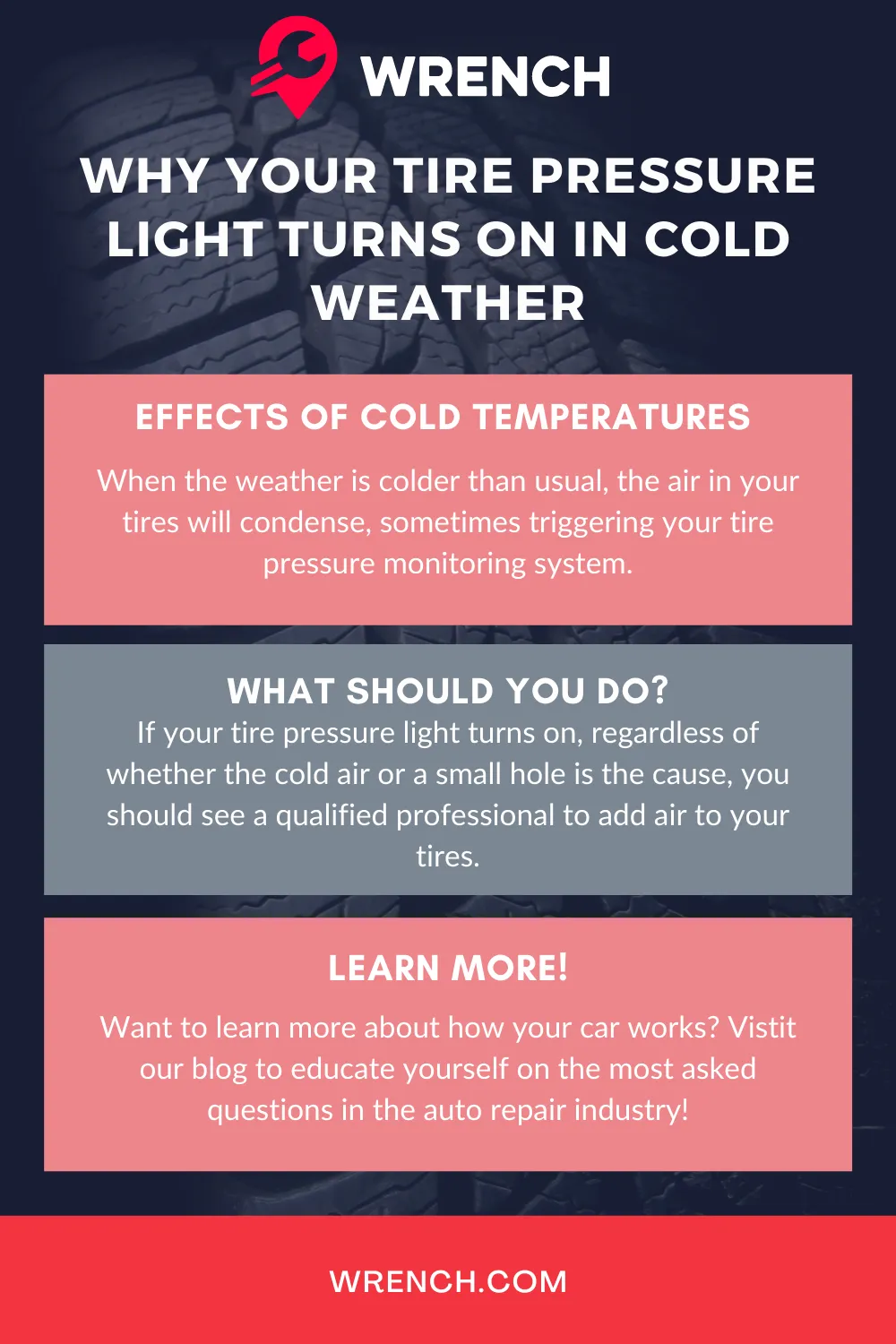
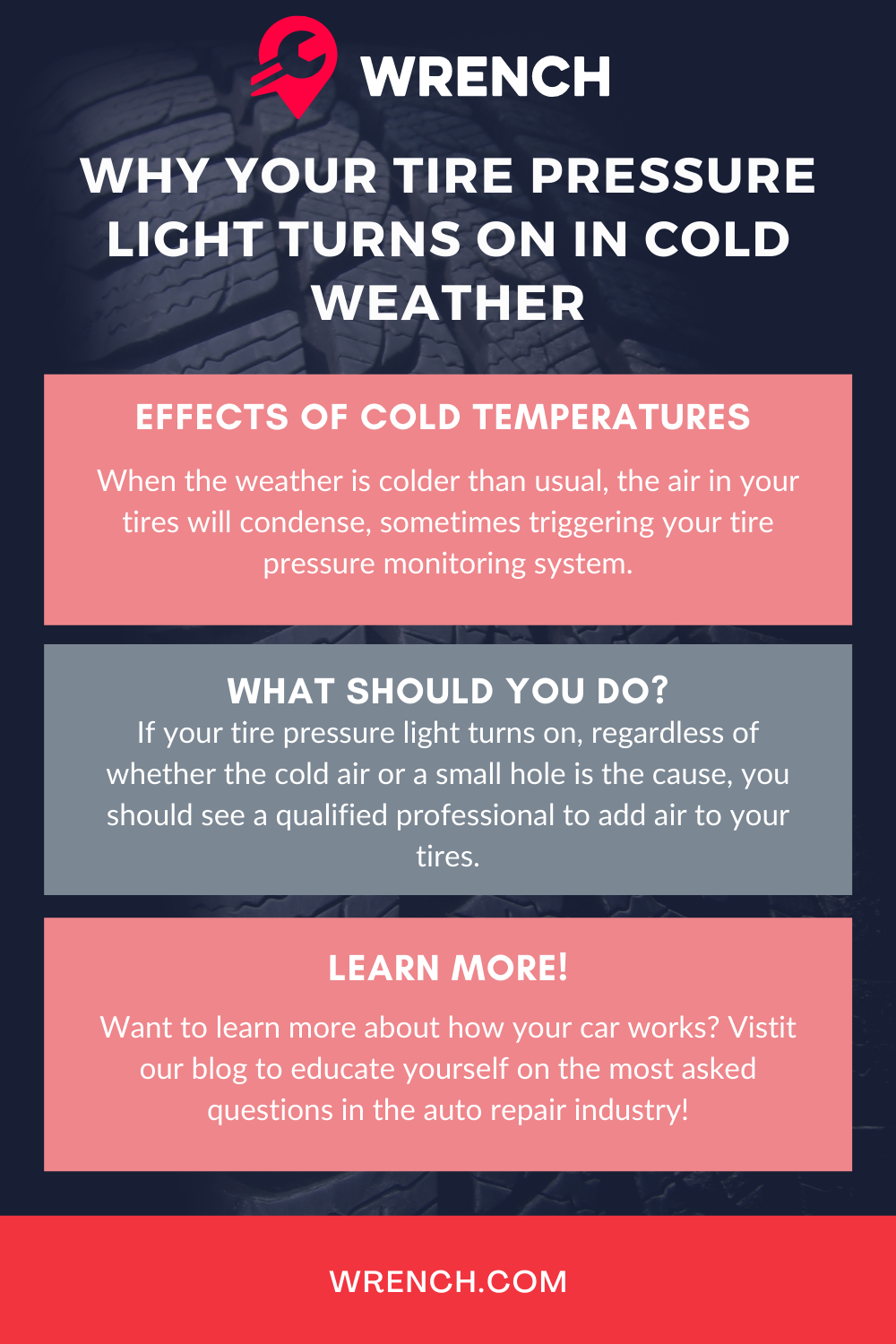
Finally, issues with the Tire Pressure Monitoring System (TPMS) can cause confusion. In cold weather, it’s common for the TPMS warning light to illuminate as tires lose pressure. This is its intended function. However, sometimes the system itself malfunctions. This could be due to sensor battery depletion (TPMS sensor batteries typically last 5-10 years), sensor damage, or a system recalibration error. If your TPMS light stays on even after you’ve manually checked and adjusted all tires to the correct pressure, it indicates a system fault rather than just low pressure. In such cases, a trusted professional diagnosis is required.
A sudden, significant drop in pressure, even in cold weather, should always prompt an immediate visual inspection for punctures. Don’t assume it’s just the cold; a small nail or screw can quickly turn into a larger problem if left unattended.
Seasonal Tire Care and TPMS: Advanced Considerations for Cold Weather
Beyond routine pressure checks, a holistic approach to tire care in winter involves understanding advanced factors and leveraging technology. As your trusted guide, I offer these insights for optimal cold-weather performance.
For drivers in regions experiencing sustained cold temperatures (below 45°F or 7°C), the role of winter tires cannot be overstated. Unlike all-season tires, winter tires are engineered with specialized rubber compounds that remain flexible in freezing temperatures, providing superior grip. Their aggressive, deeper tread designs feature more sipes (small slits) to evacuate snow and slush, dramatically improving traction, braking, and handling on ice and snow-covered roads. This performance advantage is independent of tire pressure effects and offers a significant safety margin even without deep snow, purely due to the cold.
Your vehicle’s TPMS calibration and reliability are particularly sensitive to cold. The system is designed to alert you to dangerously low pressure, a feature that becomes highly valuable when external temperatures are causing continuous pressure drops. Understanding that an intermittently illuminated TPMS light in extreme cold often indicates a genuine low-pressure warning—not a system fault—is key. However, after tire rotations or replacements, especially with different winter wheels, professional recalibration of the TPMS may be necessary to ensure accurate readings and system functionality.
The discussion around nitrogen vs. compressed air for tire inflation often resurfaces in cold climates. Nitrogen is less prone to temperature-induced pressure fluctuations than regular compressed air because it contains less moisture, which can expand and contract with temperature changes. Furthermore, nitrogen molecules are larger than oxygen molecules, leading to slower permeation through tire walls. Industry data suggests nitrogen-filled tires may lose pressure 3-4 times slower than those filled with air. While nitrogen offers theoretical benefits for more stable pressure, for the average driver, the cost-effectiveness may not outweigh the simplicity of using readily available compressed air, provided regular manual checks are performed. For high-performance vehicles or those seeking every marginal advantage, nitrogen can be a professional choice.
Finally, prioritize a thorough pre-winter inspection and maintenance. Before the severe cold sets in, have a professional inspect your tires for adequate tread depth (a minimum of 4/32 inch is recommended for safe winter driving, as opposed to the legal minimum of 2/32 inch), sidewall integrity, and any signs of damage. Ensuring your tires are properly balanced and rotated according to your vehicle’s maintenance schedule will also contribute to even wear and optimal performance throughout the winter months, enhancing the quality and safety of your driving experience for 2026 and beyond.
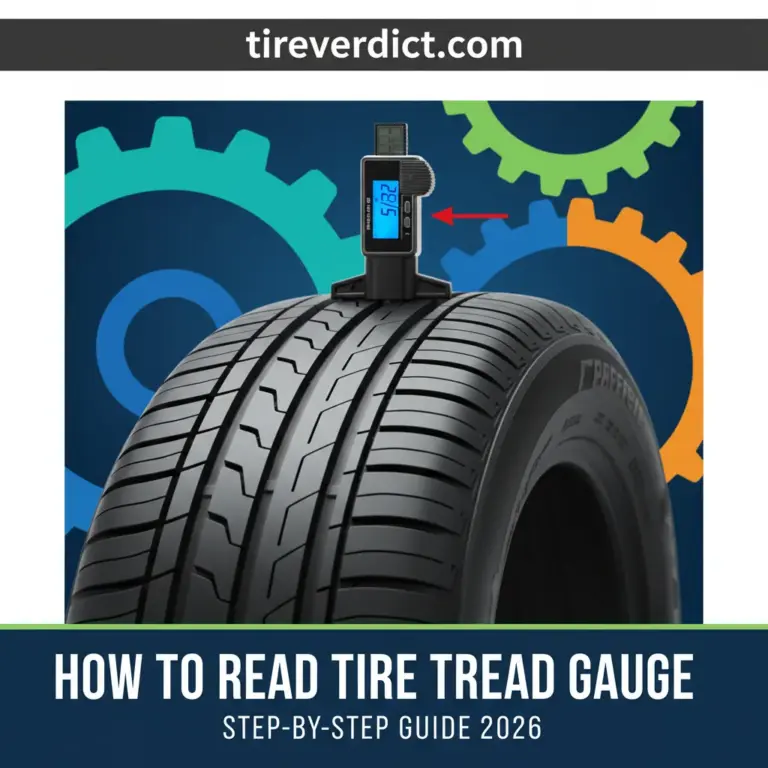
While a professional gauge is best, the ‘penny test’ offers a quick check. Insert a penny into a tread groove with Lincoln’s head upside down and facing you. If you can see the top of Lincoln’s head, your tread depth is below 2/32 inch and it’s time for new tires. For winter, however, you’ll want more tread, ideally not seeing the top of Lincoln’s head at all, indicating at least 4/32 inch.
Conclusion
In summary, the question “Does tire pressure decrease in cold weather?” is answered with a definitive yes. Tire pressure consistently decreases with colder temperatures, roughly 1 PSI for every 10°F drop, dictated by fundamental gas laws. Maintaining correct tire pressure is paramount for vehicle safety, extending tire life, improving fuel efficiency, and ensuring optimal handling. Regular, cold-weather specific pressure checks using a reliable gauge and prompt adjustments are crucial to mitigate risks and ensure peak performance.
Prioritize your vehicle’s safety and performance this winter. Consult your owner’s manual, invest in a quality tire gauge, and establish a routine for checking and adjusting your tire pressure. For persistent issues or if your TPMS light remains on despite corrections, consult a certified automotive technician. Your vigilance in maintaining proper tire pressure is a small effort with significant returns in safety, reliability, and the longevity of your tires.
Frequently Asked Questions
How much PSI does a tire lose per 10 degrees in cold weather?
Generally, a tire will lose approximately 1 PSI (pound per square inch) for every 10°F (5.6°C) drop in ambient temperature. This is a direct consequence of the Ideal Gas Law, where gas contracts as temperature decreases, leading to lower internal pressure. Consistent monitoring is essential.
What is the recommended cold tire pressure for my vehicle?
The recommended cold tire pressure for your specific vehicle is found on a placard located on the driver’s side door jamb, in the glove compartment, or within your owner’s manual. Never use the maximum PSI listed on the tire’s sidewall; this is the tire’s maximum inflation limit, not the vehicle’s optimal operating pressure.
How often should I check my tire pressure in winter?
During winter, it is professionally recommended to check your tire pressure at least once a month, and ideally more frequently (e.g., bi-weekly or weekly) during periods of significant or rapid temperature fluctuations. Always check pressure when tires are ‘cold’ for accurate readings.
Can cold weather cause my TPMS light to come on?
Yes, cold weather frequently triggers the Tire Pressure Monitoring System (TPMS) warning light. As temperatures drop, tire pressure decreases, potentially falling below the manufacturer’s threshold that activates the TPMS alert. It serves as a reliable indicator that pressure adjustment is likely needed.
Is it safe to inflate tires to a higher PSI in cold weather?
No, it is not advisable to intentionally overinflate tires beyond the manufacturer’s recommended cold PSI to compensate for anticipated cold weather drops. Overinflation can lead to reduced traction, a harsher ride, premature tread wear in the center, and increased susceptibility to impact damage. Adjust to the specified PSI only.