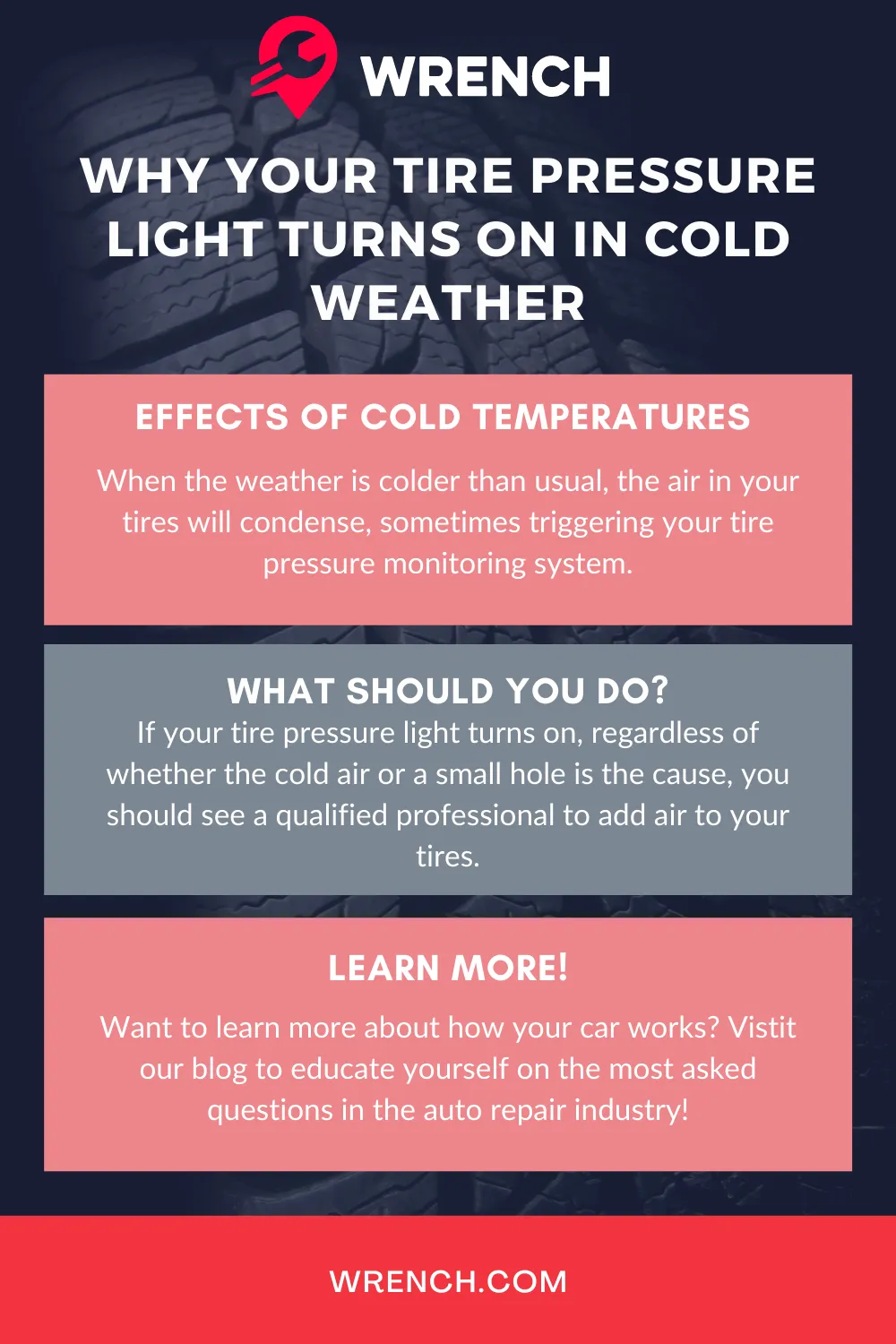
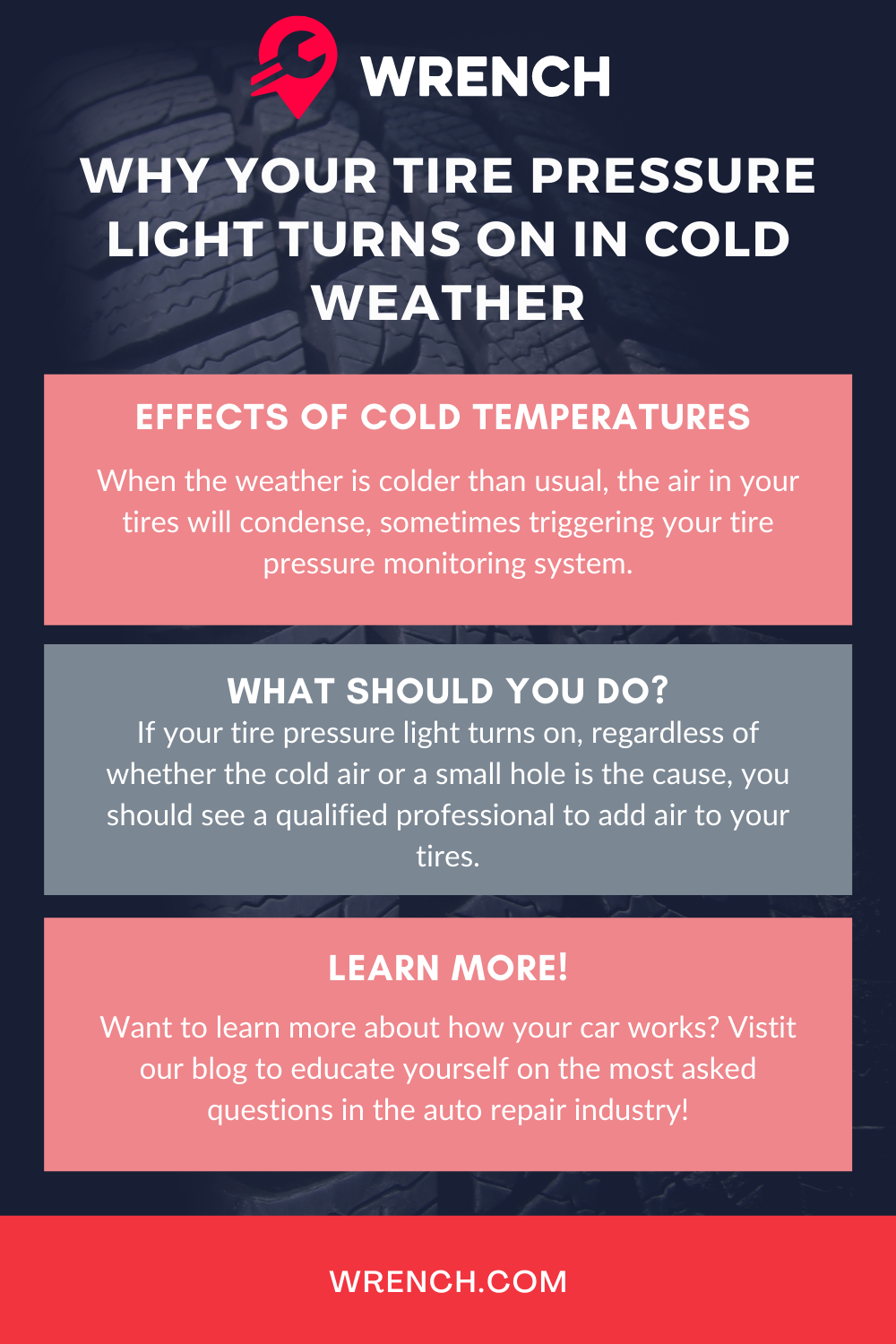
As temperatures plummet, a silent but critical factor begins to affect your vehicle’s performance and safety: your tire pressure. Many drivers are unaware of the significant impact cold weather has on tire pressure, often leading to underinflated tires, compromised handling, and increased risk on frosty roads. This expert guide will demystify the science behind cold weather’s effect on tire pressure, outline its crucial implications, and provide professional, actionable strategies to ensure your tires remain optimally inflated and reliable throughout the winter season of 2026 and beyond.
What Causes Cold Weather to Affect Tire Pressure: The Science Behind Pressure Drop
The relationship between temperature and tire pressure is not anecdotal; it’s governed by fundamental scientific principles, primarily Charles’s Law and the Ideal Gas Law (PV=nRT). These laws dictate that for a fixed amount of gas (the air inside your tires) within a constant volume (the tire itself), its pressure is directly proportional to its absolute temperature.
When ambient temperatures drop, the air inside your tires cools. This cooling reduces the kinetic energy of the air molecules. With less kinetic energy, these molecules move slower and collide with the inner walls of the tire less frequently and with less force. The result is a measurable decrease in the internal pressure of the tire. This phenomenon is a consistent and reliable physical principle, impacting all tires regardless of whether they are filled with standard compressed air (a mixture of nitrogen and oxygen) or pure nitrogen. While nitrogen tires experience slightly slower leakage rates due to larger molecule size, the temperature-pressure relationship remains identical.
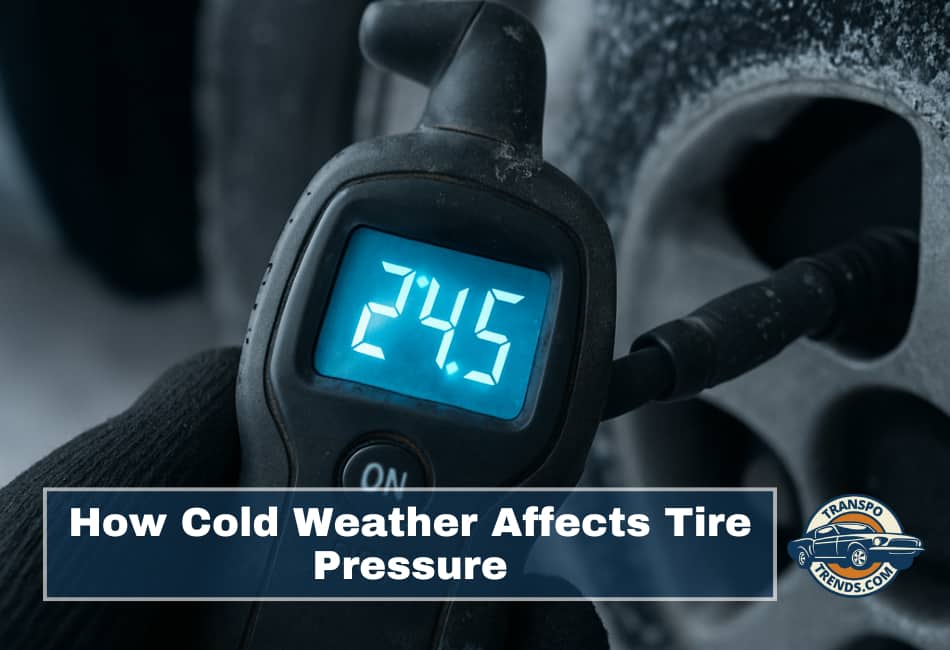
Expert research indicates that for every 10°F (5.6°C) decrease in ambient temperature, tire pressure will drop by approximately 1 PSI (Pound per Square Inch). This consistent rate is a critical piece of information for drivers. Consider a scenario: a tire correctly inflated to 35 PSI at a comfortable 70°F (21°C). If the temperature then falls to a chilly 20°F (-6.7°C) overnight – a common temperature swing in many regions from autumn to winter – the tire pressure can drop by approximately 5 PSI, bringing it down to 30 PSI. Such a drop places the tire significantly below its recommended inflation level, often enough to trigger a TPMS warning light.
Conversely, warm weather or extended driving increases the kinetic energy of air molecules, causing pressure to rise. This cyclical nature of tire pressure changes underscores the necessity of regular checks, especially during seasonal transitions. Understanding this basic science is the first step in maintaining quality tire health.
Understanding the Impact: Dangers and Performance Implications of Underinflation in Winter
The consequences of driving on underinflated tires, particularly in the challenging conditions of winter, extend far beyond just a dashboard warning light. These conditions significantly compromise vehicle safety, performance, and the longevity of your tires. As a trusted automotive expert, I’ve seen firsthand the dangers this presents.
- Compromised Vehicle Handling and Stability: Underinflated tires are inherently less rigid. This leads to increased tire deflection, where the sidewalls flex more. The tire contact patch – the area of the tire touching the road – can become distorted, reducing its effectiveness. On icy, snowy, or wet roads, this means a significant loss of grip, less responsive steering, and impaired braking capabilities. A vehicle can experience hydroplaning or even a loss of control on black ice more readily with underinflated tires, turning a routine commute into a high-risk situation.
- Increased Risk of Tire Damage and Failure: The excessive flexing of underinflated tires generates abnormal amounts of heat, especially at highway speeds. This heat buildup can degrade the internal structure of the tire, leading to accelerated tread wear, sidewall fatigue, and a significantly higher probability of sudden tire failure or a catastrophic blowout. Industry statistics indicate that tire-related accidents, often attributed to underinflation, contribute to a considerable number of road incidents annually.
- Reduced Fuel Efficiency: Increased tire deflection and a distorted contact patch also lead to greater rolling resistance. This means your engine has to work harder to move the vehicle, directly impacting fuel consumption. Research consistently shows that even a small drop in PSI can translate to noticeable fuel economy losses. Severely underinflated tires can decrease miles per gallon (MPG) by 0.2% for every 1 PSI drop. Over a typical winter season, for a driver neglecting tire pressure, this could result in hundreds of dollars in increased fuel costs.
- Uneven Tread Wear and Shortened Tire Lifespan: When a tire is underinflated, the central part of the tread bows inward, causing the outer edges to bear a disproportionate amount of the vehicle’s weight and road contact. This results in premature and irregular wear patterns, specifically on the shoulders of the tire. This uneven wear drastically shortens the tire’s lifespan, necessitating earlier and more frequent replacements. Chronic underinflation can reduce a tire’s overall lifespan by 15-20%, a costly oversight for consumers.
Ensuring proper tire pressure is not just about compliance; it’s a critical safety measure that directly influences your vehicle’s performance and your personal safety during winter’s demanding conditions. Regular, professional checks and adjustments are paramount.
By The Numbers
Drop for every 10°F (5.6°C) temperature fall
Fuel Economy Loss with 10-20% Underinflation
Typical TPMS Activation Threshold Below Recommended PSI
Tire Lifespan Reduction due to Chronic Underinflation

How to Properly Check and Maintain Tire Pressure in Cold Weather Conditions
Maintaining optimal tire pressure is a crucial aspect of responsible vehicle ownership, particularly during the colder months. As a seasoned expert, I consistently advise a proactive approach. The key to accurate readings and effective maintenance is adhering to the ‘cold’ pressure rule and employing the right techniques.
📋
Step-by-Step Guide: Cold Weather Tire Pressure Check
Always check your tire pressure when the tires are “cold.” This means they haven’t been driven for at least three hours or have been driven for less than a mile at moderate speed. Driving heats the air inside the tires, artificially increasing pressure readings, leading to potential underinflation once they cool down. For reliable, quality readings, timing is everything.
Invest in a reliable digital tire pressure gauge for precision. Avoid inexpensive stick gauges, which can be inaccurate. Crucially, find your vehicle manufacturer’s recommended PSI. This is always located on a placard on the driver’s side door jamb (a visual guide example being a sticker with tire size and pressure specifications) or in your owner’s manual. Never inflate to the ‘max pressure’ stamped on the tire sidewall, as this is the maximum safe pressure for the tire, not the recommended operating pressure for your specific vehicle.
Remove the valve stem cap, press the gauge firmly onto the valve stem until the hiss of air stops and a reading is displayed. Repeat for all four road tires and, critically, your spare tire if applicable. Many spare tires, especially temporary ones, require a much higher PSI than regular tires. A trusted professional would always check all five.
If the pressure is low, add air using a compressor (available at most gas stations or home units) until it matches the manufacturer’s recommendation. If over-inflated, gently press the small pin in the center of the valve stem to release air. Recheck the pressure after each adjustment. Remember, the 1 PSI per 10°F rule reinforces the need for seasonal adjustments – don’t just fill to the same level you did in summer.
The Tire Pressure Monitoring System (TPMS) acts as a vital secondary alert system. While beneficial, it is not a substitute for manual checks. TPMS typically activates when pressure drops approximately 25% below the recommended PSI. For example, if your recommended PSI is 35, the light might not come on until it drops to around 26 PSI. By then, your tires are already significantly underinflated, potentially compromising safety. Therefore, regular manual checks provide proactive, reliable information, ensuring your tires are always at their optimal pressure.
Troubleshooting Common Cold Weather Tire Pressure Issues and TPMS Alerts
Even with diligent maintenance, you might encounter persistent low tire pressure or TPMS warnings that seem to defy simple inflation. As a seasoned professional, I understand these situations can be frustrating. Here’s how to approach them systematically, offering trusted solutions beyond just adding air.
Persistent Low Pressure: Beyond Temperature Drops
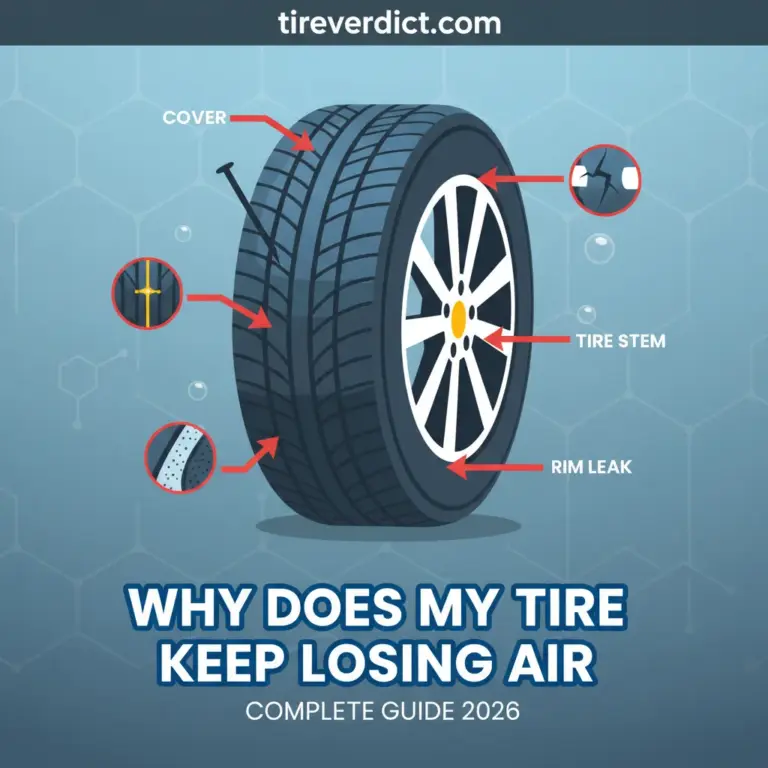
If your tire pressure continues to drop rapidly after adjustment, even accounting for temperature fluctuations, it’s a clear indicator of an underlying issue. Potential causes include:
- Slow Punctures: A small nail, screw, or piece of debris embedded in the tread or sidewall can cause a gradual, almost imperceptible air leak.
- Leaking Valve Stems: The rubber or metal valve stem can degrade, crack, or become loose, allowing air to escape. This is a surprisingly common issue.
- Faulty Tire Beads: The bead is the edge of the tire that seals against the wheel rim. Corrosion on the rim, improper tire mounting, or damage to the tire bead itself can create a poor seal and a slow leak.
- Cracked Wheel: Less common, but a hairline crack in the wheel itself can also be a source of persistent air loss.
TPMS Light Remains On After Inflation
You’ve inflated your tires to the correct PSI, yet the TPMS light stubbornly remains illuminated. This is a common scenario. Reasons include:
- Driving Cycle Requirement: Many TPMS systems require a certain amount of driving (e.g., 10-20 minutes above 25 mph) to reset after inflation. The system needs to register a consistent correct pressure for a period.
- Sensor Battery Issues: TPMS sensors are battery-powered, and these batteries have an average lifespan of 5-10 years. Once depleted, the sensor will fail to transmit data, keeping the light on even if pressure is correct.
- Faulty Sensor: Damage during tire mounting, corrosion, or simple malfunction can render a sensor inoperative.
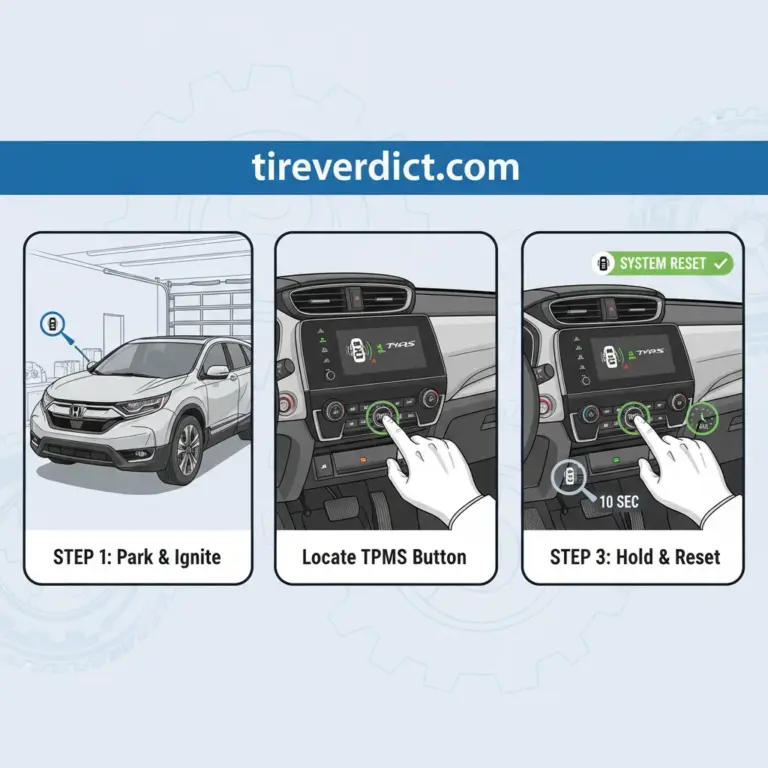
- Recalibration Needs: Some advanced systems require manual recalibration after significant pressure changes or tire rotations, though this is less common with direct TPMS.
If a driver inflates tires but the TPMS light remains on for several drives, and no obvious leak is present, a deeper diagnostic is needed.
Diagnosing a Slow Leak
Identifying a slow leak requires methodical steps:
- Visual Inspection: Look for embedded objects like nails or screws in the tread. Check sidewalls for obvious cuts, bulges, or cracks.
- Soapy Water Test: Inflate the suspected tire to its recommended PSI. Mix a solution of dish soap and water and spray it liberally over the tire’s tread, sidewalls, and especially around the valve stem. Bubbles forming indicate escaping air. This is a highly effective, simple diagnostic for finding small punctures or valve stem leaks, like an example of finding a small nail after a soapy water test.
- Professional Inspection: For leaks that remain elusive or require internal inspection, it’s critical to seek expert assistance from a trusted tire technician. They possess specialized tools, such as bead spreaders and tire baths, to diagnose and repair issues safely and effectively. Neglecting slow leaks can lead to premature tire replacement, costing more in the long run.
Never attempt to plug a sidewall puncture or repair a tire if the damage exceeds industry-recommended limits. Such repairs are unsafe and significantly increase the risk of tire failure. Always consult a professional for tire repairs to ensure quality and safety.
Proactive Measures and Best Practices for Optimal Tire Health in Winter
Beyond regular pressure checks, a holistic approach to tire maintenance is essential for ensuring safety, extending tire lifespan, and maintaining peak vehicle performance through the winter months and into 2026. As a seasoned expert, I emphasize these proactive strategies for robust tire health.
Seasonal Tire Changes: The Winter Tire Advantage
For drivers in regions experiencing consistently cold temperatures below 45°F (7°C), switching to dedicated winter tires is arguably the most impactful proactive measure. Unlike all-season tires, winter tires feature specialized rubber compounds that remain flexible in frigid temperatures, along with unique tread patterns designed to channel away slush and provide superior grip on snow and ice. Studies consistently demonstrate their performance advantage, for example, significantly shorter braking distances on icy surfaces compared to all-season tires.
✅ Pros (Winter Tires)
- Superior grip and braking in snow/ice
- Maintains flexibility in extreme cold
- Enhanced safety for winter driving
❌ Cons (Winter Tires)
- Higher upfront cost (two sets of tires)
- Storage requirements for off-season set
- Performance diminishes in warm weather
Regular Visual Inspections
Beyond pressure, a quick visual check can identify potential problems. Routinely inspect your tires for:
- Tread Depth: Use a tread depth gauge or the “penny test.” While 2/32 inch is the legal minimum, for winter, a minimum of 4/32 inch is recommended for effective traction.
- Signs of Damage: Look for cuts, bulges, cracks, or embedded objects (like a nail or sharp rock).
- Uneven Wear: Patterns of uneven wear can indicate alignment issues or improper inflation that needs addressing.
Tire Rotation and Balancing
Regular tire rotation, typically every 5,000-7,500 miles or with every oil change, ensures even wear across all four tires, extending their overall lifespan and maintaining consistent handling characteristics. Balancing helps prevent vibrations and promotes a smoother ride, contributing to overall ride quality and prolonging the life of suspension components. Neglecting rotation can lead to premature tire replacement due to uneven wear, as one side of the vehicle’s tires wears down faster.
Considering Nitrogen Inflation
Inflating tires with nitrogen is often touted for its benefits. Since nitrogen molecules are larger than oxygen, they theoretically leak out of tires slower, leading to more stable pressure over time. Additionally, nitrogen is less susceptible to temperature-induced pressure fluctuations than oxygen, offering a marginal theoretical advantage. However, for the average driver, the practical benefits are often minor compared to the cost, and diligent manual checks remain paramount regardless of the gas used.
Professional Tire Service
Annual or bi-annual professional tire inspections are a wise investment. A trusted tire technician can assess overall tire health, check alignment, inspect for hidden damage, and ensure all components are functioning correctly. This expert service can identify potential issues before they escalate into costly repairs or dangerous situations, ensuring long-term reliability and peak performance for your vehicle.
Make tire pressure checks a regular habit, perhaps once a month, and always before a long trip. During periods of significant temperature swings, increase the frequency of your checks. This simple routine will dramatically enhance your safety and save you money in the long run.
Cold weather directly reduces tire pressure due to fundamental gas laws, decreasing approximately 1 PSI for every 10°F drop. Underinflated tires pose significant safety risks, including compromised handling, increased wear, reduced fuel efficiency, and higher blowout potential. Regular, accurate ‘cold’ tire pressure checks and proactive maintenance are essential for safe and efficient winter driving. Prioritize your safety and your vehicle’s performance by regularly checking and adjusting your tire pressure this winter. Consult a trusted professional for any persistent issues or seasonal tire service to maintain optimal tire health.
Frequently Asked Questions
How often should I check my tire pressure in cold weather?
During cold weather, it is professionally recommended to check your tire pressure at least once a month, and ideally, every two weeks. Significant temperature fluctuations, common in winter, can cause rapid pressure drops. Always check when tires are ‘cold’—before driving or after they’ve been parked for several hours—to ensure the most accurate readings and reliable data.
What is the ideal tire pressure for winter driving?
The ideal tire pressure for winter driving is the same as for any other season: the manufacturer’s recommended PSI found on the placard inside your driver’s side door jamb or in your owner’s manual. Do not overinflate beyond this recommendation to compensate for cold, as it can reduce traction and compromise safety. This quality recommendation provides optimal performance.
Will my TPMS light always come on if my tires are underinflated in cold weather?
Your Tire Pressure Monitoring System (TPMS) light will illuminate if one or more tires fall significantly below the recommended pressure, typically by 25%. While cold weather frequently triggers TPMS alerts, it’s not foolproof. A slow leak might not drop pressure enough to trigger it immediately, emphasizing the need for regular manual checks for trusted reliability.
Should I add more air to my tires than recommended in winter?
No, you should not intentionally overinflate your tires beyond the manufacturer’s recommended PSI, even in winter. Overinflation can lead to a smaller contact patch with the road, reducing traction, especially on slippery surfaces. It also results in a harsher ride, accelerated center tread wear, and can increase the risk of tire damage. Maintain professional adherence to factory specifications.
Does using nitrogen instead of air prevent cold weather tire pressure drops?
While nitrogen molecules are larger and theoretically leak more slowly than oxygen, and nitrogen is less susceptible to temperature fluctuations than ambient air (due to less water vapor), cold weather will still cause nitrogen-filled tires to lose pressure. The effect is simply less pronounced. Manual checks remain critical for quality maintenance, regardless of the gas type.