For owners of 4-wheel drive (4WD) vehicles, the question of tire replacement often brings forth specific considerations far beyond those for two-wheel drive counterparts. The notion of replacing just one tire, perhaps due to a puncture or isolated damage, seems convenient and cost-effective, yet it can pose a significant and often expensive risk to a 4WD system’s intricate mechanics. This expert guide will professionally demystify the complexities of 4WD tire uniformity, explaining why tire matching is critical, detailing the potential consequences of discrepancies, and outlining reliable best practices for ensuring your vehicle’s drivetrain remains in optimal condition for 2026 and beyond.
SECTION 1: Understanding 4WD Drivetrains: The Critical Role of Tire Uniformity
Modern 4-wheel drive (4WD) and all-wheel drive (AWD) systems are engineering marvels designed to optimize traction and stability across diverse driving conditions. However, their sophisticated nature also introduces specific requirements, paramount among them being tire uniformity. Understanding the operational mechanics of these systems is fundamental to appreciating why replacing just one tire can be so problematic.
At their core, 4WD and AWD systems distribute power to all four wheels. While the goal is consistent power delivery, the method varies. Part-time 4WD systems, common in rugged off-road vehicles like some Jeep models with Selec-Trac, are designed to be engaged only when extra traction is needed, typically in low-traction environments. They lock the front and rear axles together, meaning all four wheels rotate at the same speed. On dry pavement, this creates significant stress if the wheels are forced to turn at different rates. Full-time 4WD and AWD systems, such as Subaru’s Symmetrical AWD or Ford’s Intelligent 4WD, employ a center differential or a multi-plate clutch system within the transfer case. This crucial component allows the front and rear axles to rotate at different speeds, which is essential for turning on dry pavement without binding the drivetrain.
Differentials—found in the front, center (for full-time 4WD/AWD), and rear axles—allow wheels on the same axle (or between axles) to spin at different speeds. During a turn, for instance, the outer wheels travel a greater distance than the inner wheels and thus need to rotate faster. Imagine a differential as a gear assembly that intelligently splits engine torque, allowing one wheel to spin faster while the other spins slower, preventing wheel hop and ensuring smooth cornering. The transfer case, a central component in most 4WD systems, directs power from the transmission to both the front and rear drive shafts.
The challenge arises when tires on the same vehicle have differing circumferences. Even a minor discrepancy, perhaps due to varied tread wear or simply mixing a new tire with three worn ones, means that the mismatched tire will inherently try to rotate at a different speed than its counterparts over the same distance. For example, a new tire with a full tread depth will have a larger circumference than a worn tire. If a 28-inch diameter tire (approximately 88 inches in circumference) has 4/32nds of an inch less tread than another, its circumference will be slightly smaller. Research indicates that even small variations, such as an approximately 0.25-inch difference in circumference for a typical 28-inch tire, can create constant rotational speed differences. Vehicle manufacturers typically cite acceptable circumference differences of less than 1-3% between tires, emphasizing the narrow tolerance.
This continuous discrepancy forces the differentials and transfer case to work overtime, constantly compensating for the mismatched rotational speeds. Modern vehicles also feature sophisticated electronic systems like Tire Pressure Monitoring Systems (TPMS) and Traction Control Systems (TCS). These systems rely on consistent wheel speed sensor readings. When tire sizes are mismatched, these sensors detect varying rotational speeds, potentially leading to false alerts, impaired system performance, or even complete deactivation of critical safety features. Vehicle owner’s manuals for many popular 4WD/AWD vehicles explicitly contain warnings regarding the necessity of matching tire sizes and tread depths.

SECTION 2: Why Mismatched Tires Threaten 4WD System Integrity: Diagnosis of Drivetrain Stress
The seemingly minor act of installing a single new tire alongside three worn ones on a 4WD vehicle sets in motion a cascade of mechanical stresses that can severely compromise the entire drivetrain. The intricate balance of torque distribution and rotational synchronization is disrupted, leading to predictable and often expensive failures.
The primary mechanical threat stems from what experts term ‘drivetrain binding’ and ‘wind-up’. When tires of different circumferences are present, the differentials and, crucially, the center differential (in full-time 4WD/AWD vehicles) are forced into a state of perpetual slip. Instead of operating fluidly to accommodate natural speed differences during turns, they are constantly trying to compensate for an artificial, persistent speed discrepancy introduced by the tires. This constant compensatory action generates immense friction and heat within the transfer case and differential assemblies. Imagine the gears and clutches inside these components continuously struggling against an invisible force, similar to trying to drive with the parking brake partially engaged.
This accelerated, continuous stress leads to premature and severe wear on internal components. Critical parts such as gears, clutches, and bearings within the transfer case and differential assemblies are subjected to forces far beyond their design parameters for sustained periods. This significantly reduces their lifespan, leading to symptoms like grinding noises, vibrations, or even catastrophic failure. Scenarios where binding might be most noticeable include tight turns on dry pavement, where the drivetrain audibly protests with clunking or a sensation of the vehicle resisting the turn. Many owner forums and professional mechanic reports detail case studies of premature transfer case failure, often directly attributed to owners using mismatched tires without understanding the implications.
Manufacturer guidelines are explicit: many state “do not mix tire sizes” or “replace all four tires simultaneously.” Ignoring these directives can void your vehicle’s warranty for drivetrain components, leaving you responsible for repair costs.
Beyond mechanical wear, modern electronic systems also suffer. Anti-lock Braking Systems (ABS), traction control, and stability control (ESC) rely on consistent wheel speed readings from sensors at each wheel. Inconsistent readings caused by differing tire circumferences can confuse these systems, leading to false alerts, reduced effectiveness, or even diagnostic trouble codes (DTCs) that illuminate dashboard warning lights. This compromises safety and vehicle performance. Furthermore, the constant struggle within the drivetrain to overcome tire discrepancies can lead to increased fuel consumption as the engine expends more energy to move the vehicle, and overall reduced performance and responsiveness.
The financial repercussions are substantial. Typical repair costs for transfer case or differential replacement for 4WD vehicles can range from $1,500 to $4,000+, depending on the vehicle model and the extent of the damage. This significant expense far outweighs the perceived savings of replacing only one tire. This underscores the critical importance of maintaining tire uniformity for any quality 4WD system, ensuring its long-term reliability and your financial well-being.

SECTION 3: Evaluating Your Options: When Can a Single Tire Be Replaced on a 4WD?
Given the severe risks associated with mismatched tires on 4WD vehicles, the circumstances under which a single tire replacement might be considered are extremely limited and require stringent criteria. An expert understanding of these rare exceptions is crucial to avoid costly mistakes.
One highly specialized, albeit costly, option is ‘tire shaving’ or ‘truing’. This involves mechanically grinding down the tread of a new tire to precisely match the remaining tread depth and circumference of the three existing worn tires. This practice is most feasible when a new tire is irreparably damaged very early in its lifespan, and the other three tires are still relatively new, perhaps at 8/32nds of an inch tread depth. While tire shaving can effectively restore circumference uniformity, it reduces the new tire’s overall lifespan and traction. It’s a precise procedure requiring specialized equipment and should only be performed by highly skilled, trusted professionals. The cost of tire shaving, combined with the cost of the new tire, can approach the expense of replacing two tires, making its economic viability questionable in many scenarios.
Some manufacturers specify minimal tread depth differences that might be permissible, often referred to as the ‘2/32nd rule’ (meaning the new tire should be within 2/32nds of an inch of the worn tires). However, this rule is applied with extreme caution and usually only when a tire has sustained damage very early in its life, and the remaining three tires are still close to full tread depth. These exceptions are rare, and strict adherence to specific OEM guidelines is paramount. Many OEMs, especially for sophisticated AWD systems, maintain a zero-tolerance policy for tread depth differences, recommending all four tires be replaced simultaneously. Consult your vehicle’s owner’s manual or a certified dealership for the definitive stance on your specific model for 2026.
Always consult your vehicle’s owner’s manual for specific tire matching requirements. Discrepancies can be as low as 1/32nd of an inch of tread depth or 1% circumference difference, depending on the vehicle manufacturer and drivetrain type.
The use of a full-size spare tire also falls under this category. While a full-size spare may appear identical, it is often a new tire with full tread depth. If your existing tires are significantly worn, using the new spare can still introduce detrimental circumference differences. Emphasize its temporary nature; it serves as a stop-gap measure to get you to a service center, not a permanent solution. Prolonged driving with a full-size spare mismatched in wear to the other three tires is highly discouraged for 4WD vehicles.
Ultimately, the decision to replace a single tire on a 4WD vehicle must involve a professional assessment by a qualified technician. This includes accurate measurement of tread depth on all four existing tires and potentially their circumference. Only with precise data can a technician advise on the narrowest of permissible margins, or more commonly, recommend the safest and most reliable course of action: replacing two or all four tires to ensure drivetrain integrity.

SECTION 4: Best Practices for 4WD Tire Replacement: Ensuring System Longevity
For 4WD vehicle owners, safeguarding the complex drivetrain is paramount to achieving long-term performance and avoiding costly repairs. Adhering to expert-recommended procedures for tire replacement is not just advisable; it’s essential for ensuring system longevity and optimal vehicle operation.
By The Numbers
Max Tire Circumference Diff
Transfer Case Replacement Cost
Miles for Tire Rotation
Drivetrain Lifespan Reduction
📋
Recommended 4WD Tire Care Protocol
For optimal performance and to guarantee the integrity of your 4WD system, always replace all four tires at the same time. Ensure they are the exact same brand, model, size, and tread pattern. This eliminates any circumference discrepancies from the outset, protecting your sensitive drivetrain components.
Consistency is key. Follow a diligent tire rotation schedule, typically every 5,000-7,500 miles. This practice ensures even wear across all four tires, maintaining consistent circumference and maximizing their lifespan. A common rotation pattern for 4WD vehicles involves moving front tires to the rear and rear tires to the opposite front position.
Choose tires that match your vehicle’s intended use and the prevailing driving conditions. Options include all-season, all-terrain, or mud-terrain tires. Investing in quality tire brands known for their consistency and durability, like Michelin, BFGoodrich, or Goodyear, provides reliable performance and longer wear life, which is crucial for 4WD systems.
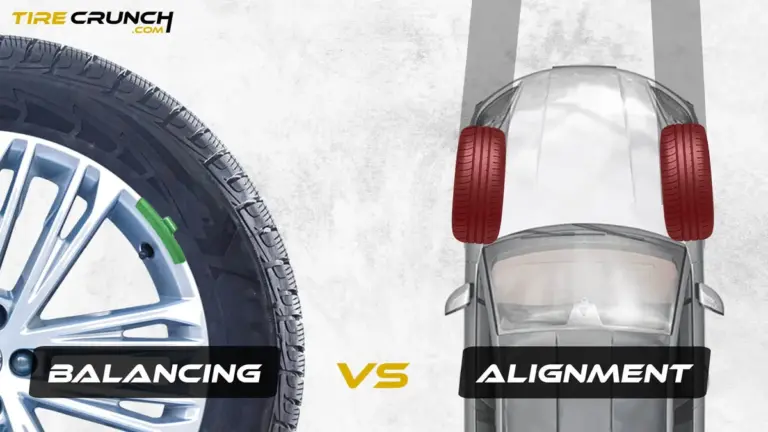
Following any tire replacement or significant suspension work, always have a professional tire shop perform a wheel alignment and tire balancing. This ensures that the tires wear evenly, track correctly, and contribute to optimal handling, further protecting your drivetrain from unnecessary stress. A professional setup includes proper mounting, balancing, and recalibration of TPMS sensors.
The average lifespan of a quality set of 4WD tires typically ranges from 40,000 to 60,000 miles, depending on the tire type, driving habits, and maintenance. While the initial investment in a full set of tires for an SUV or truck can range from $800 to $2,000+, this expense is a fraction of the cost of repairing or replacing a damaged transfer case or differential. This is a testament to the importance of proactive maintenance and professional care for your 4WD vehicle, ensuring it remains a reliable and trusted companion on any terrain.
SECTION 5: Consequences of Mismatched Tires: Recognizing and Addressing System Damage
Ignoring the warnings and replacing just one tire on a 4WD vehicle can lead to a range of identifiable symptoms, indicating that the drivetrain is under significant stress or has already sustained damage. Recognizing these signs early is crucial for mitigating further deterioration and managing repair costs effectively.
Common warning signs of drivetrain stress or damage from mismatched tires often manifest as unusual vehicle behavior or noises. Drivers might notice whining or grinding noises emanating from beneath the vehicle, particularly during acceleration, deceleration, or when turning. Vibrations that become more pronounced at certain speeds are also a key indicator. A particularly telling symptom is a ‘hopping’ or ‘binding’ sensation during low-speed turns on dry pavement. This occurs as the differentials and transfer case struggle to reconcile the different rotational speeds, causing the vehicle to feel like it’s resisting the turn, or even juddering. Harsh engagement of the 4WD system, or a reluctance to shift out of 4WD, can also point to underlying issues caused by tire discrepancies.
Modern vehicles also communicate potential issues via the dashboard. Mismatched tire sizes can trigger various dashboard warning lights, including the Anti-lock Braking System (ABS), Traction Control System (TCS), Stability Control (ESC), or even the Check Engine Light (CEL). These illuminations occur because the wheel speed sensors detect inconsistent rotational speeds that fall outside normal operating parameters, leading to diagnostic trouble codes (DTCs) related to speed sensor discrepancies or drivetrain component malfunctions.
If you suspect drivetrain damage, it is imperative to seek a trusted professional technician immediately. Their diagnostic process typically involves:
- Visual Inspection: Examining tires for uneven wear, checking for fluid leaks from the transfer case and differentials.
- Tread Depth Measurement: Precisely measuring all four tires to confirm discrepancies.
- Diagnostic Computer Scans: Utilizing specialized equipment to retrieve DTCs and analyze real-time data from wheel speed sensors and drivetrain components.
- Specialized Drivetrain Tests: Performing road tests and lifts inspections to identify the source of noises, vibrations, or binding. For instance, a technician might listen for specific clunking sounds during low-speed turns, which are indicative of differential binding.
Once damage is confirmed, the repair or replacement options can be extensive and expensive. Damaged components, such as the transfer case, front/rear differentials, or axles, may require complete replacement or complex internal repairs. The average labor rates for automotive repairs typically range from $90 to $150 per hour, and drivetrain repairs often involve many hours of specialized labor. Research indicates that continuous stress from mismatched tires can reduce the lifespan of drivetrain components by up to 50% or more. In severe cases, a transfer case needing complete replacement can result from prolonged use of mismatched tires, an outcome that underscores the critical importance of proper tire maintenance for your 4WD vehicle’s long-term health and your personal safety.
Replacing a single tire on a 4WD vehicle is almost universally unadvised due to inherent risks to the drivetrain. Maintaining uniform tire circumference and tread depth across all four wheels is paramount for 4WD system longevity and preventing costly damage. Professional assessment and adherence to manufacturer guidelines are critical when considering any deviation from four-tire replacement. Investing in a full set of quality tires and proper rotation schedules safeguards your vehicle’s complex 4WD components. Consult with a trusted automotive professional or your vehicle’s manufacturer for specific guidance tailored to your 4WD system before making any tire replacement decisions. Prioritize your vehicle’s long-term health and reliability.
Frequently Asked Questions
What is the maximum allowable tread depth difference for 4WD tires?
Most automotive manufacturers and tire experts recommend a maximum tread depth difference of 2/32nds of an inch between the new tire and the most worn tire on a 4WD vehicle. Exceeding this critical threshold can induce excessive stress on the transfer case and differentials, leading to premature wear and potential failure. Always consult your specific vehicle’s owner’s manual for precise recommendations.
Can I use a tire shaving service for a new 4WD tire?
Yes, tire shaving is a professional service where a new tire’s tread is precisely shaved down to match the exact circumference and tread depth of your existing, worn tires. This can be a viable, albeit specialized and potentially costly, solution for a single damaged tire, but only if the remaining tires are in good condition and the new tire can be matched within OEM tolerances. Seek an expert technician for this procedure.
What are the risks of ignoring tire matching recommendations for my 4WD?
Ignoring tire matching recommendations for your 4WD vehicle significantly increases the risk of severe and costly drivetrain damage. This includes accelerated wear on the transfer case, differentials, and axle components due to constant binding and rotational stress. It can also interfere with electronic stability and traction control systems, compromising safety and vehicle performance. Repair costs can easily exceed the price of a new set of tires.
Does this apply to all types of 4WD and AWD systems?
Generally, yes. The principle of maintaining uniform tire circumference applies across almost all types of 4WD and AWD systems, including part-time 4WD, full-time 4WD, and various AWD configurations. While some older, less sophisticated part-time 4WD systems might be marginally more forgiving in 2WD mode, the fundamental mechanical principles of differential operation demand tire uniformity when the system is engaged. Modern AWD systems are particularly sensitive.
How often should I rotate my 4WD tires to ensure even wear?
To promote even wear across all four tires and minimize circumference discrepancies, it is professional and reliable practice to rotate your 4WD tires every 5,000 to 7,500 miles, or as recommended by your vehicle manufacturer. Consistent rotation helps extend tire life, maintain optimal vehicle handling, and, most importantly, reduces stress on your 4WD system’s critical drivetrain components by keeping tread depths as uniform as possible.