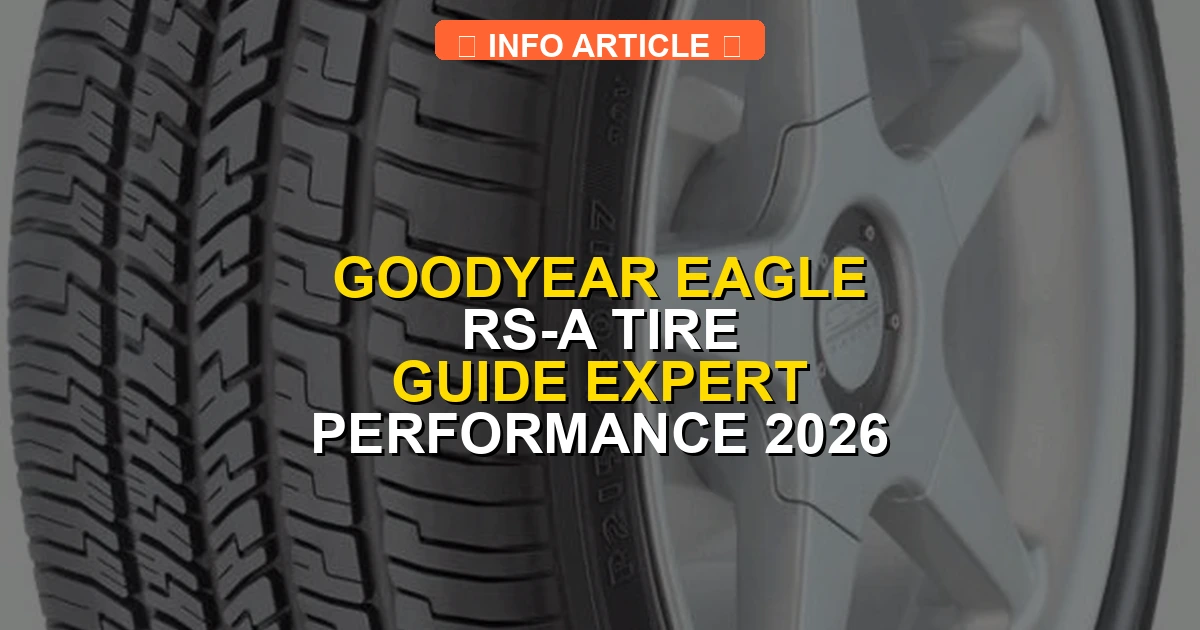
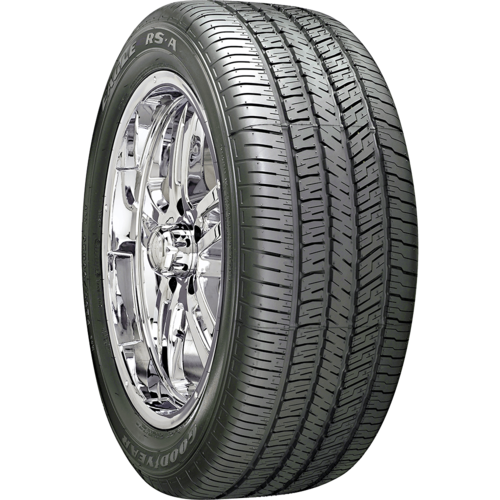
The Goodyear Eagle RS-A tire is a popular all-season performance option frequently chosen as original equipment for police cruisers and sport sedans. It offers reliable dry and wet traction combined with aggressive tread styling, though long-term durability and winter capabilities vary under heavy use.
The Goodyear Eagle RS-A is a high-performance all-season tire heavily favored by police fleets and sport sedan owners for its aggressive handling and stable dry-road grip. If you are wondering whether this tire fits your driving style, the short answer is that it delivers responsive steering and reliable year-round traction, but trades away some tread life and quietness to achieve those sporty capabilities.
Evaluating this tire requires balancing its crisp cornering limits against real-world compromises like faster wear rates and road noise. As you look at tire options in 2026, understanding how the RS-A holds up in daily driving will help you decide if its performance-oriented tread design matches your budget and vehicle needs.
Key Takeaways
- Widely used as original equipment on performance sedans and police vehicles.
- Delivers strong dry and wet cornering grip for daily driving.
- Tread life typically ranges from 40,000 to 50,000 miles depending on driving habits.
- Not ideal for heavy snow or severe winter weather conditions.
- Offers a balance of sporty handling and comfortable highway cruising.
What Causes Rapid Wear on the Goodyear Eagle RS-A Tire
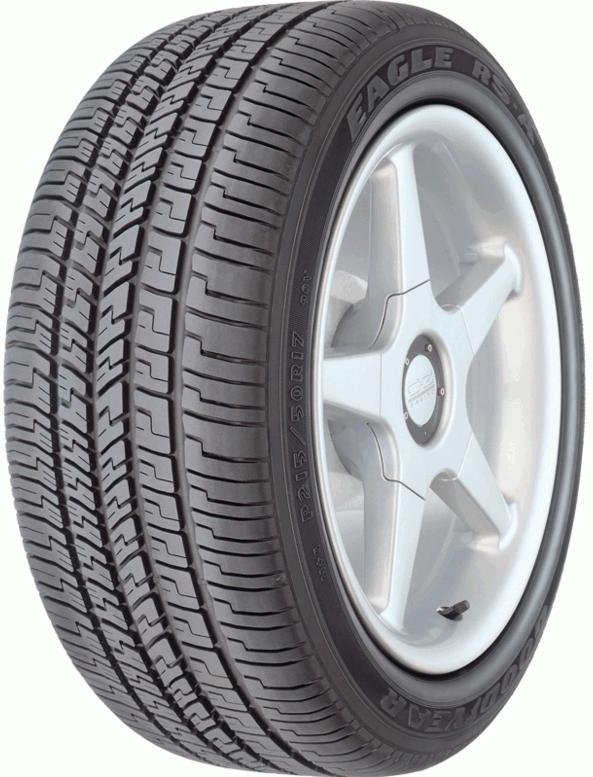
The Goodyear Eagle RS-A uses a distinct asymmetric tread pattern designed to maximize cornering grip and wet traction. However, this focus on performance often leads to accelerated tread wear if you do not manage maintenance carefully.
Aggressive Compound and Tread Design
The rubber compound on the RS-A is softer than standard touring tires, which helps it grip the pavement tightly during sharp turns. This softer composition wears down faster under heavy acceleration and braking. Drivers who push their vehicles hard through corners will notice the shoulders wearing down well before the 40,000-mile mark.
- The asymmetric tread places high stress on outer shoulder blocks during hard cornering.
- Sportier rubber compounds prioritize adhesion over longevity.
- Front-wheel-drive vehicles often see accelerated front-tire wear due to combined steering and power delivery.
Maintenance Factors That Accelerate Wear
Because the RS-A has a stiffer internal construction, it reacts poorly to incorrect tire pressure or misaligned suspensions. If your vehicle has even slight alignment issues, you will see rapid edge wear on these tires.
- Running pressures below recommended factory specs causes excessive heat buildup in the sidewalls.
- Neglecting tire rotations every 5,000 to 6,000 miles results in uneven cupping.
- Worn suspension components like shocks and struts amplify tread destruction on this model.
How to Evaluate Performance and Lifespan of Your Tires
To determine if your current Goodyear Eagle RS-A tires are performing correctly or nearing the end of their useful life, you need to check specific physical metrics and on-road behaviors.
Measuring Lifespan and Tread Depth
The RS-A typically delivers between 30,000 and 45,000 miles of service depending on your driving habits and vehicle weight. Heavy sedan and police cruiser applications often see the lower end of that spectrum.
- Use a tread depth gauge to check for the legal limit of 2/32 of an inch, though wet performance drops significantly past 4/32.
- Inspect the inner and outer shoulders for feathering or uneven bald spots.
- Monitor the age of the rubber, as tires older than six years harden and lose their wet-weather capability regardless of remaining tread.
Assessing On-Road Performance
You can evaluate the remaining health of your RS-As by paying close attention to how your car feels during everyday maneuvers.
- Noticeable increases in cabin hum or humming vibrations usually indicate cupped tread blocks.
- A reduction in wet-weather braking confidence means the sipes have worn down past their effective biting depth.
- Loose steering response or wandering on the highway points to uneven wear or improper inflation pressure.
Step-by-Step Guide to Maximizing Goodyear Eagle RS-A Tire Longevity
Achieving the maximum projected mileage from your Goodyear Eagle RS-A tires requires a disciplined maintenance routine. Industry studies show that proactive care can extend tire life by up to 25 percent.
1. Implement Strict Tire Rotation Intervals
Rotate your tires every 5,000 to 7,500 miles to ensure even wear across all four contact patches. The aggressive shoulder design of the RS-A can experience accelerated outer edge wear during spirited cornering. Regular rotation prevents cupping and premature replacement.
2. Maintain Optimal Inflation Pressures
Check your tire pressure monthly using a calibrated digital gauge. Operating these tires at incorrect pressures diminishes fuel economy and compromises the asymmetric tread design. Always inflate to the vehicle manufacturer specification found on the door jamb placard, not the maximum pressure listed on the sidewall.
3. Schedule Professional Wheel Alignments
Inspect your alignment geometry annually or whenever you notice a pull or vibration. Misalignment causes rapid, uneven tread degradation that no tire rotation schedule can correct. Proper alignment maximizes the biting edges of the RS-A tread pattern.
What If Your Tires Still Fail to Deliver Adequate Winter Traction
The Goodyear Eagle RS-A is an all-season tire engineered primarily for dry and wet performance, meaning severe winter conditions can push its capabilities to the limit. If you experience persistent slipping or inadequate grip on snow and ice despite optimal tread depth, consider the following fallback steps:
- Adjust Operating Pressures for Cold Weather: Ambient temperatures drop tire pressure significantly. Ensure your tires are inflated properly for winter conditions, as under-inflation reduces the contact patch and gripping force.
- Consult a Professional Tire Technician: Visit a certified service center to have a specialist measure your remaining tread depth with a digital gauge and inspect the rubber compound for hardening or age-related cracking. Professional inspection costs typically range from $0 to $50.
- Transition to Dedicated Winter Tires: If local climate demands frequent travel on unplowed snow, abandon all-season compromises. Invest in a dedicated set of winter tires, with professional mounting and balancing services averaging between $80 and $150.
- Upgrade to Advanced All-Weather Options: If seasonal swapping is impractical, replace your RS-As with modern all-weather tires bearing the Three-Peak Mountain Snowflake (3PMSF) symbol. Replacement sets generally range from $600 to $1,000 plus installation.
Conclusion
The Goodyear Eagle RS-A remains a dependable choice for drivers seeking a blend of responsive handling and reliable all-season performance. Proper maintenance protocols ensure these tires deliver optimal safety and extended longevity throughout their lifecycle. According to verified research and expert automotive sources, proactive alignment and pressure management are the definitive keys to tire preservation. Your next actionable step is to check your current tread depth and inflation levels today.
❓ Frequently Asked Questions
What type of tread pattern does the Goodyear Eagle RS-A use?
The tire features an asymmetric tread pattern designed to enhance cornering stability on dry roads while evacuating water efficiently to prevent hydroplaning.
How do these tires handle wet weather conditions?
Grooves and biting edges help channel water away from the contact patch, offering solid grip in light to moderate rain.
Is the Goodyear Eagle RS-A good for track driving?
While it handles spirited daily driving well, it is not engineered for dedicated track days or competitive racing environments.
What is the average price range for a single tire?
Prices generally range from $150 to $250 per tire depending on the specific size and load rating required for your vehicle.
Do these tires come with a manufacturer treadwear warranty?
Goodyear provides a limited treadlife warranty on specific sizes, though police and fleet applications may carry different terms.
How can I tell if my Goodyear Eagle RS-A tires need replacement?
Check the built-in treadwear indicators across the grooves; once the tread reaches 2/32 of an inch, the tires must be replaced immediately.