Dealing with a flat tire on the side of the road requires immediate safety precautions before attempting any repairs. Prioritize pulling completely out of traffic, activating your hazard lights, and getting all passengers to a secure location away from the vehicle.
Dealing with a flat tire on the side of the road in 2026 requires immediate action focused strictly on personal safety before you even touch a wrench. When your tire deflates at highway speeds, you must secure your vehicle, protect yourself from oncoming traffic, and safely execute the tire change or call for professional roadside assistance.
Every year, thousands of drivers are injured on road shoulders because they skip critical safety protocols. Knowing the exact sequence of steps to take ensures you stay visible to distracted drivers and prevents your vehicle from rolling or falling off an unstable jack.
Key Takeaways
- Pull over safely onto a flat, stable surface away from fast-moving traffic.
- Turn on hazard lights and set up reflective triangles or flares immediately.
- Ensure the parking brake is firmly engaged before loosening any lug nuts.
- Never place any part of your body underneath the vehicle while it is jacked up.
- Call professional roadside assistance if you are on an unsafe shoulder or bridge.
What Causes a Flat Tire on the Side of the Road and Immediate Safety Protocols

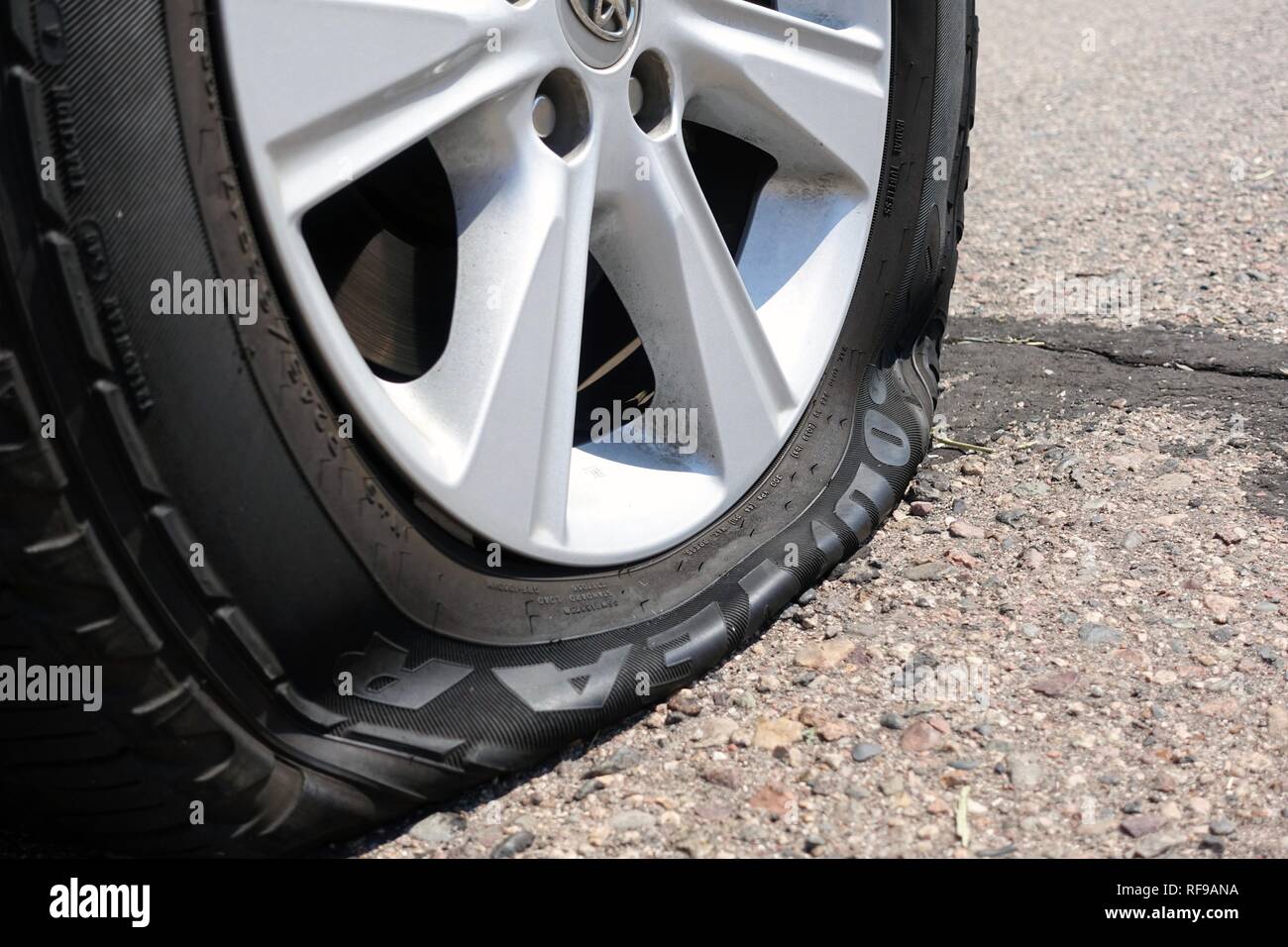
Punctures from road debris, potholes, worn tread, and failing valve stems are the primary culprits behind sudden deflation. When your tire goes flat, your immediate priority is getting your vehicle away from high-speed traffic.
Pulling Over Safely and Positioning Your Vehicle
As soon as you notice handling changes or hear the dreaded thumping sound, signal and steer toward the right shoulder, an exit ramp, or a well-lit parking lot. Avoid stopping on narrow bridges or blind curves if possible. Once stopped, take these critical actions:
- Shift your transmission into Park (or reverse for manual transmissions) and engage the emergency parking brake firmly.
- Turn on your hazard warning flashers immediately to alert drivers behind you.
- Keep your steering wheel pointed straight so the front tires do not roll into traffic if the car shifts.
Setting Up Emergency Markers and Securing Passengers
Modern 2026 traffic patterns demand high visibility. Never stand behind or directly in front of your vehicle while waiting or working. Follow these rules to keep everyone safe:
- Have all passengers exit the vehicle immediately through the side facing away from traffic, and have them wait behind a guardrail or far up the embankment.
- Set up reflective emergency triangles or LED flares about 50 to 100 feet behind your vehicle to give approaching motorists ample warning.
- Turn off the engine and ensure no one remains inside the car while it is lifted on a jack.
How to Fix a Flat Tire on the Side of the Road Step-by-Step
Once you are completely certain the vehicle is secure and passengers are out of harm’s way, you can begin the physical process of swapping the flat tire for your spare. Work calmly and methodically.
Locating Gear and Loosening Lug Nuts
Open your trunk, lift the floor mat, and pull out the spare tire, jack, and lug wrench. Before you lift the car off the ground, you must break the tension on the lug nuts because the weight of the vehicle keeps the wheel from spinning.
- Remove the hubcap or wheel cover if your car has one.
- Attach the lug wrench and turn the nuts counterclockwise to loosen them by about a quarter to a half turn. Do not remove them completely yet.
- If a lug nut is stuck, place the wrench on it and carefully apply your body weight downward; never jump on the wrench.
Lifting the Vehicle and Swapping the Tire
Consult your vehicle owner’s manual to find the designated frame pinch weld or jacking point closest to the flat tire. Placing the jack in the wrong spot can crush your rocker panels or slip.
- Position the jack under the frame and crank it until the flat tire is roughly six inches off the asphalt.
- Remove the loosened lug nuts entirely, placing them in a secure spot like your hubcap so they do not roll away.
- Pull the flat tire straight toward you off the wheel bolts, and slide the spare tire onto the bolts.
- Screw the lug nuts back on by hand as tightly as possible in a star pattern to ensure even seating.
What If It Still Doesn’t Work or You Need Professional Help
Sometimes changing a flat tire on the side of the road does not go according to plan. You might encounter rusted lug nuts, a damaged jack, or find yourself in an unsafe location. According to data from AAA, roadside assistance handles millions of flat tire calls annually because standard DIY changes fail due to mechanical obstacles.
Troubleshooting Common Roadside Hurdles
- Stripped or Rusted Lug Nuts: If lug nuts refuse to turn, do not stand on the lug wrench unless you are certain of your footing. Spray a penetrating lubricant if available, or call for professional assistance to avoid injury.
- Damaged Jack Points: If the vehicle frame is compromised or the jack slips, lower the vehicle immediately. Continuing to lift a car with an unstable jack risks catastrophic failure and severe injury.
- Unsafe Traffic Conditions: If you are stranded on a busy highway shoulder with limited visibility or aggressive traffic in 2026, abandon the DIY change immediately. Relocate to a safe distance behind the guardrail and call for help.
When to Call Professional Roadside Assistance
Knowing when to surrender the task to professionals keeps you safe. Contact a mobile tire service or your auto insurance roadside provider if mechanical challenges outmatch your tools.
According to current industry pricing for 2026, professional roadside flat tire changes average between $75 and $150 if you lack coverage. Towing a vehicle to the nearest service center typically ranges from $100 to $250 depending on mileage. Modern connected vehicles often feature built-in telematics buttons that dispatch verified technicians directly to your precise GPS coordinates within 30 to 45 minutes.
Conclusion
Dealing with a flat tire on the side of the road demands caution, the right safety gear, and a methodical approach to swapping the rubber. By securing your vehicle, utilizing proper jack placement, and torquing your lug nuts in a star pattern, you can resume your journey safely. According to verified research and automotive safety experts, prioritizing personal visibility and structural vehicle stability remains the single most effective way to prevent roadside injuries during a flat tire incident. Make your immediate next step checking your spare tire pressure and jack kit today so you are fully prepared for unexpected roadside emergencies.
❓ Frequently Asked Questions
How do I safely pull over when I have a flat tire on the side of the road?
Signal your intention, slow down gradually, and steer toward a wide shoulder, rest area, or exit. Avoid stopping on narrow bridges, sharp curves, or in active traffic lanes if possible.
What tools do I need to change a flat tire?
You will need the vehicle’s spare tire, a car jack, and a lug wrench. These are typically stored in the trunk beneath the floor panel or mounted underneath the vehicle.
In what order should I tighten the lug nuts?
Tighten the lug nuts in a star or crisscross pattern to ensure the wheel is secured evenly against the hub. Never tighten them in a circle.
What should I do if a lug nut is completely stuck and won’t turn?
Apply downward body weight onto the lug wrench, or carefully use your foot for extra leverage. If it still refuses to budge, stop and call roadside assistance to avoid stripping the bolt.
When is it unsafe to change a tire myself?
If you are on a busy highway with no safe shoulder, on an incline where the car might roll, or during severe weather conditions, stay inside the vehicle and call for professional help.
How far can I drive on a temporary spare tire?
Temporary spares are designed for short trips to the nearest repair shop, usually limited to 50 miles maximum. Replace or repair your primary tire as soon as possible.