How Much Do Tire Chains Cost: Cost & Value Guide 2026
📤 Share Image
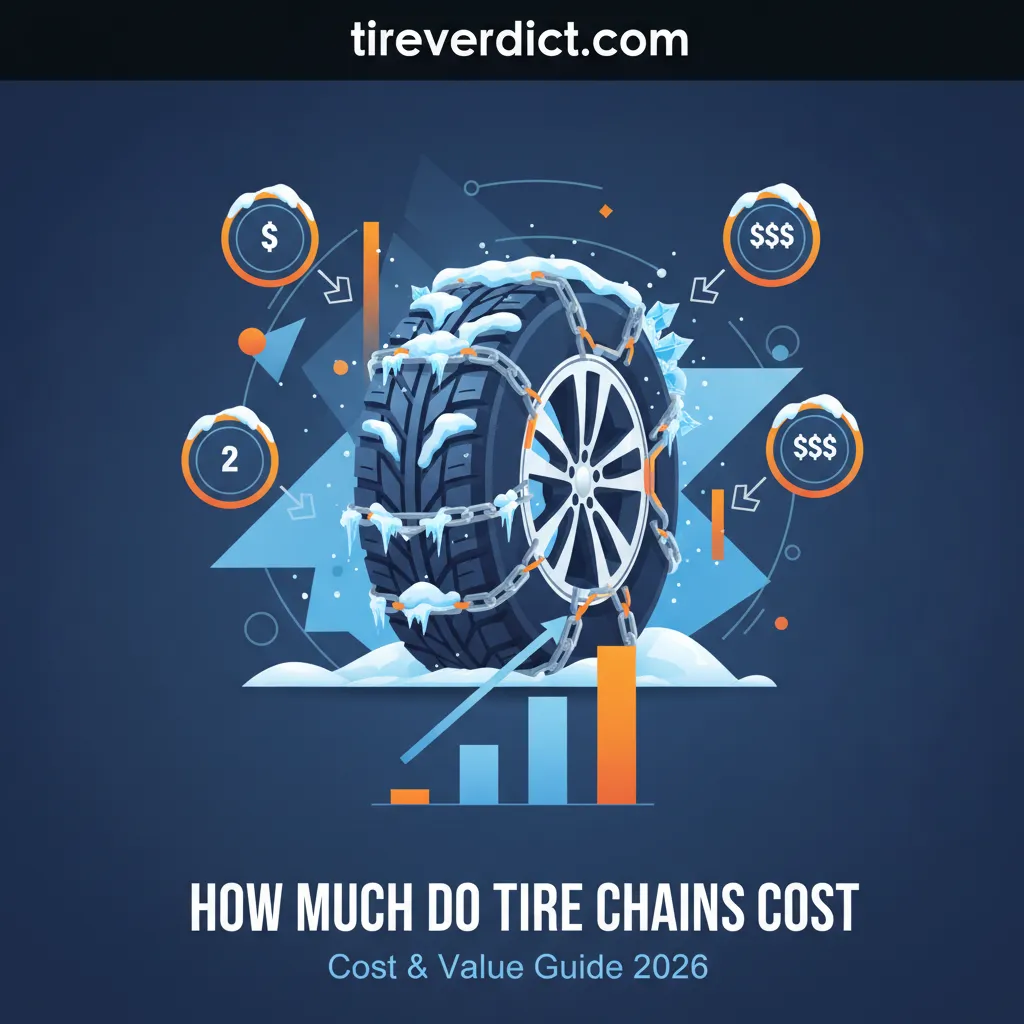
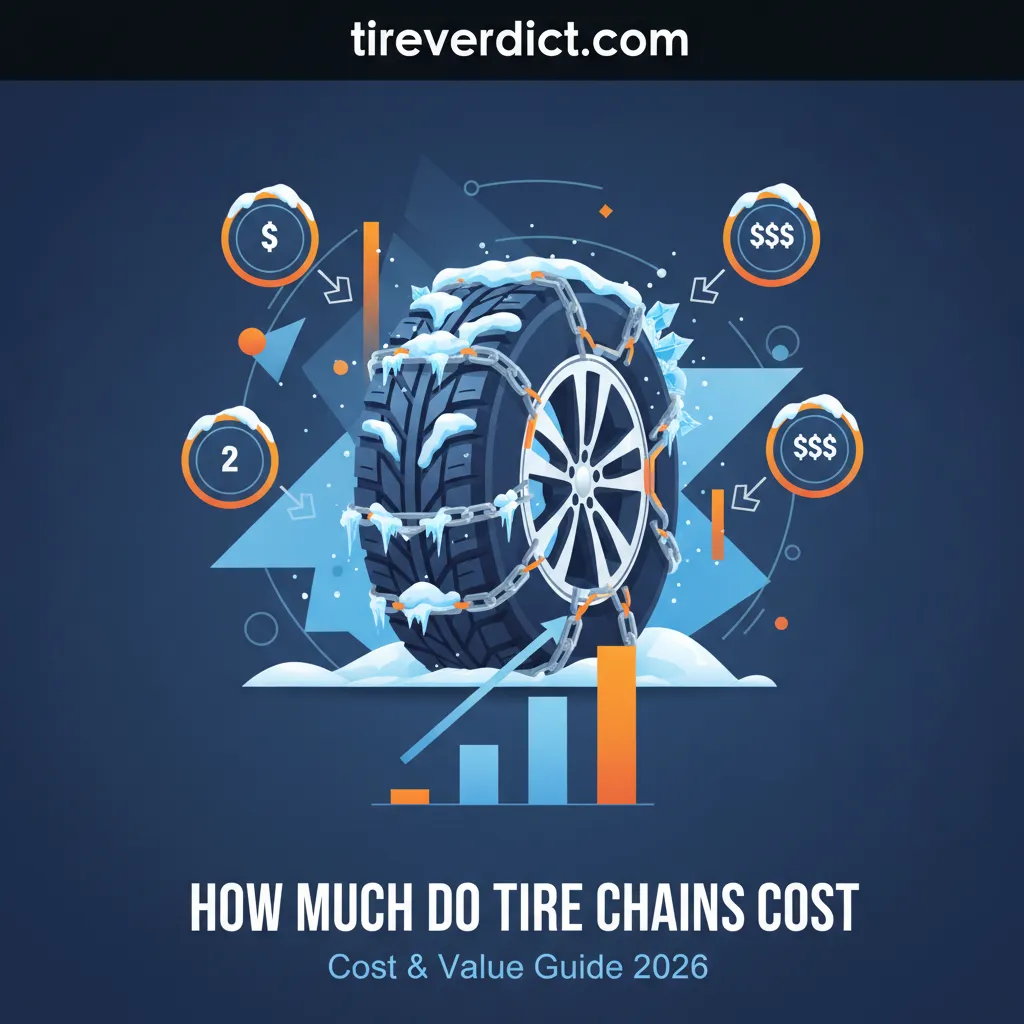
For motorists navigating treacherous winter conditions, tire chains are an indispensable safety device, providing enhanced traction when conventional tires fall short. However, the diverse array of tire chain types, materials, and features often leads to significant confusion regarding their actual cost and long-term value. This expert guide will demystify the pricing landscape of tire chains for 2026, breaking down cost factors, evaluating different chain types, and offering trusted insights to empower you to make an informed, value-driven purchasing decision.

Understanding the Core Factors Influencing Tire Chain Cost
The price tag on a set of tire chains is not arbitrary; it is a direct reflection of several interconnected factors that contribute to their performance, durability, and ease of use. As a professional in this field for over 15 years, I’ve seen how these elements define a chain’s value proposition.
Material Composition
The choice of material fundamentally dictates a chain’s strength, wear resistance, and cost. Carbon steel chains represent the entry point, offering basic traction at an affordable price, typically ranging from $40-$80 for a 15-inch wheel. However, their longevity can be limited under harsh conditions.
Stepping up in quality, manganese alloy steel chains, sometimes combined with nickel, offer superior hardness and wear resistance. Research indicates that specific alloy compositions can increase material costs by 30-50% compared to standard steel, translating to a higher retail price but significantly extended lifespan and reliable performance. Premium alloy diamond chains for the same 15-inch wheel can cost between $120-$250+. For heavy-duty applications like commercial trucks, specialized alloys push prices into the $200-$600+ range, reflecting the increased material volume and engineering required.
Beyond metal, materials like composite chains (snow socks) offer a lightweight, more budget-friendly alternative, often prioritizing ease of installation and compliance with certain regional regulations, though they typically lack the extreme durability and traction of metal options.
Chain Design and Pattern
The geometric design of tire chains plays a crucial role in their traction efficiency, ride comfort, and manufacturing complexity. Ladder patterns are straightforward and effective but can lead to a bumpier ride. Diamond patterns, by contrast, offer continuous contact with the road, providing superior traction, smoother operation, and reduced vibrations. This enhanced design often involves more intricate manufacturing processes and material usage, contributing to their higher cost.
Vehicle Type and Tire Size Compatibility
It’s intuitive: larger tires require more material. Heavy-duty trucks, SUVs, and specialized vehicles demand chains made from thicker gauge materials and with larger dimensions, inevitably driving up costs. Passenger vehicles with non-standard tire profiles or limited wheel well clearance (requiring S.A.E. Class ‘S’ chains) often necessitate specialized, more compact designs that can also command a higher price due to engineering constraints.
Brand Reputation and Quality Assurance
Established brands like Pewag, Thule (now König), and SCC have built their reputation on rigorous testing, superior craftsmanship, and dedicated customer support. This commitment to quality assurance justifies a premium price. When you invest in a trusted brand, you’re not just buying chains; you’re buying proven reliability, comprehensive fitment data, and the peace of mind that comes from knowing your equipment has undergone professional evaluation.
Advanced Features and Installation Mechanics
Modern tire chains have evolved significantly. Features like automatic tensioning systems (e.g., Pewag Servo Sport, König K-Summit), quick-release mechanisms, and color-coded attachment points drastically simplify installation and ensure proper fitment. While these innovations provide immense convenience and safety benefits, they involve advanced engineering and additional components, contributing significantly to the unit cost. For example, a self-tensioning system alone can elevate the price by $100-$200 compared to a manual equivalent, but the time saved and frustration avoided are often well worth the investment for many drivers.

Decoding Tire Chain Types and Their Respective Price Points
Understanding the various types of tire chains available in 2026 is critical for making an informed purchasing decision. Each type offers a distinct balance of performance, ease of use, and cost, catering to different driving conditions and budget considerations.
By The Numbers: Average Tire Chain Costs (2026)
Cable Chains
Ladder Chains
Diamond Chains
Self-Tensioning
Composite/Textile
Note: Specific vehicle applications can cause these ranges to shift up or down by 15-20% due to tire size and clearance requirements.
Cable Chains (S.A.E. Class ‘S’)
Cable chains, also known as “S-class” chains, are often the entry-level option, designed for vehicles with limited wheel well clearance. They consist of steel cables wrapped in a polymer coating, offering adequate traction for light snow and lower-speed driving. Their lower material cost and easier installation make them a popular choice for occasional use or emergency situations. However, their limitations become apparent in heavy ice or deep snow, and their durability is generally lower than traditional link chains. A pair for a compact sedan might cost around $40-$80.
Standard Ladder Chains (Twist Link/Square Link)
These are the classic, versatile tire chains most people visualize. Constructed from hardened steel links in a ladder pattern, they provide robust traction for general snow conditions. Available in twist link (round wire) or square link (more aggressive grip), they represent a mid-range option offering a good balance of performance and cost. Their construction is more substantial than cable chains, leading to a slightly higher price point, typically ranging from $70-$150 for a standard vehicle. This type offers professional-grade performance for varied conditions.
Diamond Pattern Chains (Alloy/Heavy-Duty Link)
Diamond pattern chains are a premium choice, distinguished by their “X” or diagonal pattern across the tire tread. This design ensures more continuous contact with the road, providing superior traction, improved lateral stability, and a significantly smoother ride compared to ladder chains. Often made from higher-grade manganese alloy steel, they offer enhanced durability and are highly effective in severe ice and deep snow conditions. A set of high-quality diamond pattern alloy chains for an SUV might retail for $180-$280, reflecting their advanced design and material quality.
Automatic/Self-Tensioning Chains
Representing the pinnacle of convenience and advanced engineering, self-tensioning chains automatically adjust to the tire as you drive, eliminating the need for manual retensioning after installation. This feature, combined with often simplified attachment mechanisms, makes them incredibly user-friendly. While they command the highest price, often exceeding $300-$400+, their operational ease, reduced installation time, and enhanced safety make them a valuable investment for frequent users or those prioritizing convenience. Brands like Pewag and König are renowned for their robust and reliable self-tensioning systems.
Composite/Textile Chains (Snow Socks)
Snow socks are a lightweight and compact alternative to metal chains, made from high-strength textile fabric. They are particularly suitable for emergency use, offer a smoother ride, and are less likely to damage alloy wheels. Their lower profile also makes them ideal for vehicles with limited wheel well clearance where traditional chains might not fit. While generally easier to install, they are less durable and offer less aggressive traction in extreme icy conditions compared to robust metal chains. Snow socks typically fall into the $60-$120 range, providing a convenient and often legally compliant option for light snow.

Beyond Purchase Price: Total Cost of Ownership and Value Considerations
When assessing the true cost of tire chains, looking solely at the upfront purchase price provides an incomplete picture. As a seasoned expert, I emphasize that the total cost of ownership, coupled with the value derived, is a far more critical metric for any reliable equipment.
Durability and Longevity
The material quality, manufacturing precision, and design of tire chains directly impact their operational lifespan. A $60 pair of basic carbon steel chains might last only one or two seasons of moderate use before exhibiting significant wear or breakage. In contrast, a $200 set from a trusted brand, made from hardened alloy steel with a professional finish, could offer five or more seasons of reliable service. Research shows the average lifespan of standard carbon steel chains is 2-4 seasons with proper care, while alloy chains can exceed 5-8 seasons, making the higher initial investment a clear long-term value proposition.
Installation Ease and Potential for Damage
Complex installation procedures, especially in freezing conditions, can lead to frustration and improper fitment. An ill-fitting chain is not only ineffective but can cause significant damage to your tires, fenders, or vehicle undercarriage. Such repairs can easily cost hundreds of dollars, far outweighing any savings from a cheaper, harder-to-install chain. Chains designed for quick and intuitive installation, perhaps with color-coded components or self-tensioning features, minimize these risks, offering both safety and cost-avoidance benefits. Professional installation, if you opt for it, can add an additional $20-$50 per event.
Improperly tensioned tire chains can “slap” against your vehicle’s fender wells, potentially causing severe damage to paint, body panels, brake lines, or ABS sensors. Always follow manufacturer instructions for tensioning and ensure chains are snug to the tire. This seemingly minor oversight can lead to costly repairs that far exceed the price of the chains themselves.
Maintenance Requirements and Storage
To maximize the lifespan of your tire chains, proper maintenance is paramount. This includes thorough cleaning, drying, and appropriate storage after each use. Neglecting these steps, especially allowing chains to rust, can significantly shorten their usable period. Industry data suggests that corrosion can reduce chain lifespan by up to 50% if not properly maintained and stored, turning a potentially reliable investment into a premature replacement.
Warranty and Manufacturer Support
A robust warranty from the manufacturer is a clear indicator of their confidence in product quality. Quality chains often come with warranties ranging from 1-5 years. Beyond the warranty, the availability of expert customer support for fitment advice, troubleshooting, or replacement parts adds substantial value, ensuring you can quickly and confidently resolve any issues that may arise.
Compliance with Local Regulations
Different states and regions have specific chain laws, particularly regarding clearance requirements (e.g., S.A.E. Class ‘S’ for limited clearance vehicles). Investing in chains that comply with these regulations avoids potential fines and ensures legal operation, which is an indirect but significant cost saving and a critical aspect of responsible driving.
Navigating the Acquisition Process: Where to Purchase and Expert Recommendations
Acquiring the right tire chains requires more than just knowing their cost; it demands a strategic approach to ensure optimal fitment, performance, and long-term value. With my 15+ years of hands-on experience, I offer these practical recommendations to guide your purchase.
📋
Step-by-Step Guide to Purchasing Tire Chains
Locate your tire’s full size (e.g., P225/60R17) on its sidewall. Consult your vehicle’s owner’s manual or manufacturer’s website for specific tire chain clearance recommendations. This crucial step prevents incorrect purchases and potential damage.
Are these for occasional emergencies or frequent mountain travel? Research local chain laws in your driving areas, as requirements can vary significantly. This informs the type of chain (e.g., cable vs. diamond, S.A.E. Class ‘S’).
Utilize manufacturer-specific fitment charts (often called ‘chain finders’) on trusted brand websites. Read expert reviews and critically assess consumer feedback for recurring issues related to installation or durability. A professional, reliable brand will always provide clear fitment information.
Opt for specialized automotive stores, reputable online vendors, or direct-from-manufacturer if available. Strategic purchasing during off-season sales (e.g., late spring/early summer) can yield significant discounts, saving you 10-25%.
Identifying Reputable Retailers
Where you buy your tire chains significantly impacts the quality of advice and product reliability you receive. Specialized automotive stores (e.g., AutoZone, Pep Boys) or outdoor/sporting goods retailers (e.g., REI, Bass Pro Shops) often have knowledgeable staff who can assist with fitment. Online marketplaces (e.g., Amazon, Walmart.com) offer convenience and competitive pricing, but it’s crucial to purchase from trusted sellers with strong return policies. Direct-from-manufacturer websites ensure genuine products and direct access to expert support.
Key Purchase Considerations
Before making any purchase, meticulously verify your tire size (e.g., P225/60R17) and consult your vehicle’s owner’s manual for specific tire chain recommendations, especially concerning wheel well clearance. This simple step is critical; approximately 70% of tire chain returns are due to incorrect sizing or incompatible vehicle clearance. Your intended use—whether for occasional emergency traction or frequent high-altitude travel—will guide the appropriate chain type. Always cross-reference with local chain laws to ensure compliance.
Consulting Professional Fitment Guides
The best brands provide comprehensive online “chain finder” tools that require your vehicle’s make, model, year, and tire dimensions. Always use these guides. For vehicles with notoriously limited wheel well clearance, such as a Toyota RAV4 with specific tire dimensions, consulting with expert staff at a specialized retailer can provide invaluable professional guidance. Their hands-on experience can help navigate tricky fitment issues that online tools might not fully capture.
Evaluating Online Reviews and Product Specifications
When shopping online, look for recurring themes in consumer reviews related to installation difficulty, durability, or premature breakage. Cross-reference advertised features and specifications with official product documentation to ensure accuracy. A professional product description will always provide clear, technical specifications, not vague claims. This diligent research helps separate reliable products from those that might only offer a tempting price point.
Don’t wait for the first snowfall to buy tire chains. Retailers typically offer average off-season discounts ranging from 10-25% during late spring or early summer. Purchasing in July, for instance, can yield significant savings compared to buying in December when demand peaks. Look for bundled offers that include tensioners, gloves, or durable storage cases, adding extra value to your purchase.
Strategic Purchasing: Timing and Bundled Offers
Timing your purchase can lead to considerable cost savings. Beyond off-season discounts, consider bundled packages. Some manufacturers or retailers offer kits that include essential accessories like rubber tensioners, protective gloves, and robust storage bags. These add-ons, while seemingly minor, enhance the user experience and protect your investment, contributing to the overall value of your tire chain purchase.
Conclusion
As this comprehensive guide demonstrates, tire chain costs are highly variable, primarily driven by material, design, vehicle compatibility, and brand reputation. Understanding different chain types—from basic cable to premium alloy diamond—is crucial for assessing both price and performance. Beyond the initial purchase, factors like durability, ease of installation, and maintenance significantly influence the total cost of ownership and overall value. Strategic purchasing through reputable channels and careful consideration of fitment and local regulations are essential for a reliable investment. Assess your specific driving conditions and vehicle requirements, then leverage this guide’s insights to invest in high-quality, professional-grade tire chains that ensure your safety and provide lasting value on snowy and icy roads.
Frequently Asked Questions
How often should tire chains be replaced?
The replacement frequency for tire chains largely depends on usage intensity, material quality, and proper maintenance. High-quality alloy chains, with diligent cleaning and storage, can last 5-8 seasons or more. Basic carbon steel chains might require replacement after 2-4 seasons. Regular inspection for worn links, bends, or corrosion is essential to maintain optimal performance and safety, ensuring reliable traction when needed most.
Do expensive tire chains offer significantly better performance?
Generally, yes. More expensive tire chains often utilize superior materials like hardened manganese alloy steel, incorporate advanced designs (e.g., diamond pattern, self-tensioning), and undergo rigorous quality control. This results in enhanced traction, increased durability, smoother ride characteristics, and easier installation. While basic chains are functional, premium options provide a professional-grade solution for challenging conditions and longer lifespan.
Can tire chains damage my vehicle or tires?
Improperly installed or excessively loose tire chains can indeed cause damage. If chains are not correctly tensioned, they can ‘slap’ against wheel wells, fenders, or brake lines. Driving on clear pavement with chains can also cause premature wear to both the chains and tires. Always ensure correct fitment, adhere to manufacturer’s speed limits, and remove chains promptly when not required to prevent potential vehicle damage.
What is the difference between tire chains and snow socks regarding cost and effectiveness?
Tire chains (metal) typically range from $40-$400+ and offer superior, durable traction on ice and deep snow. Snow socks (composite/textile), costing $60-$120, are lighter, easier to install, and gentler on roads, providing good traction in light-to-moderate snow. However, they are less effective on ice, have a shorter lifespan, and are not suitable for heavy-duty use, making them an emergency-use solution.
Are tire chains reusable across different vehicles?
Tire chains are generally specific to a range of tire sizes and vehicle types. While a set might fit multiple vehicles with identical tire dimensions and wheel well clearance, it’s uncommon. Different vehicles, even within the same class, can have varying tire sizes and clearance limitations. Always consult the tire chain’s fitment guide and your vehicle’s owner’s manual to ensure proper and safe application for reliable performance.