The Tesla Model Y Performance stands as a pinnacle of electric vehicle engineering, renowned for its breathtaking acceleration and precise handling. Achieving and maintaining this exceptional performance, however, hinges significantly on one critical component: its tires. Owners often face challenges in understanding the specific OEM requirements, navigating replacement options, and ensuring proper maintenance for this high-performance EV. This expert guide will provide Model Y Performance owners with a professional, in-depth understanding of tire specifications, optimal selection strategies, essential maintenance practices, and future considerations, ensuring your vehicle consistently delivers its intended superior driving experience through 2026 and beyond.
Understanding the OEM Tire Specifications for Tesla Model Y Performance Models
📤 Share Image
As a seasoned expert in high-performance vehicles, I can confidently state that the foundation of the Tesla Model Y Performance’s exhilarating drive lies in its meticulously engineered original equipment (OEM) tire setup. Unlike its Long Range counterpart, the Performance model utilizes a distinctive staggered tire configuration. This involves a narrower tire on the front axle and a wider tire on the rear axle, a common practice in sports cars and powerful rear-wheel-drive or rear-biased all-wheel-drive vehicles.
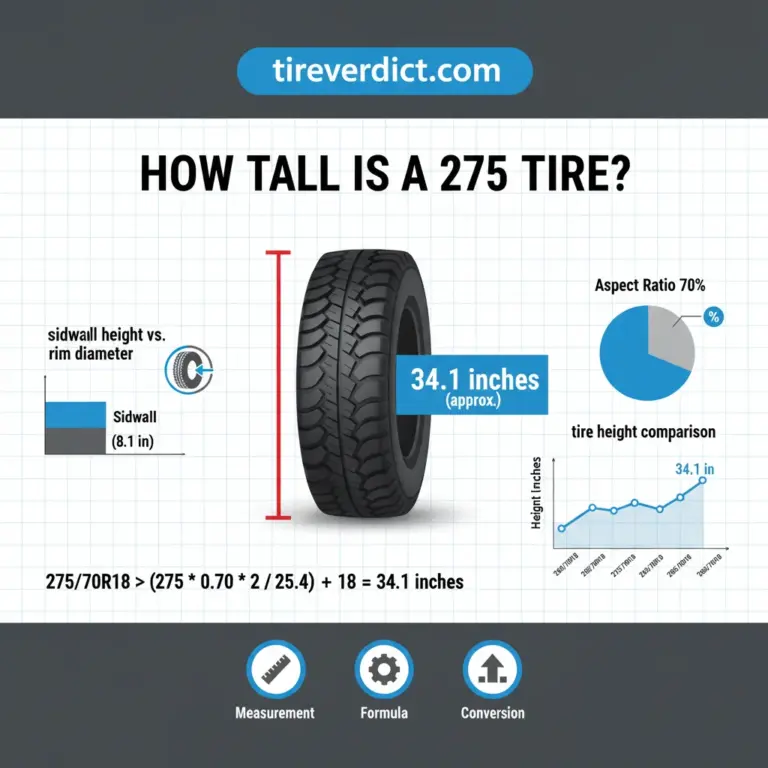
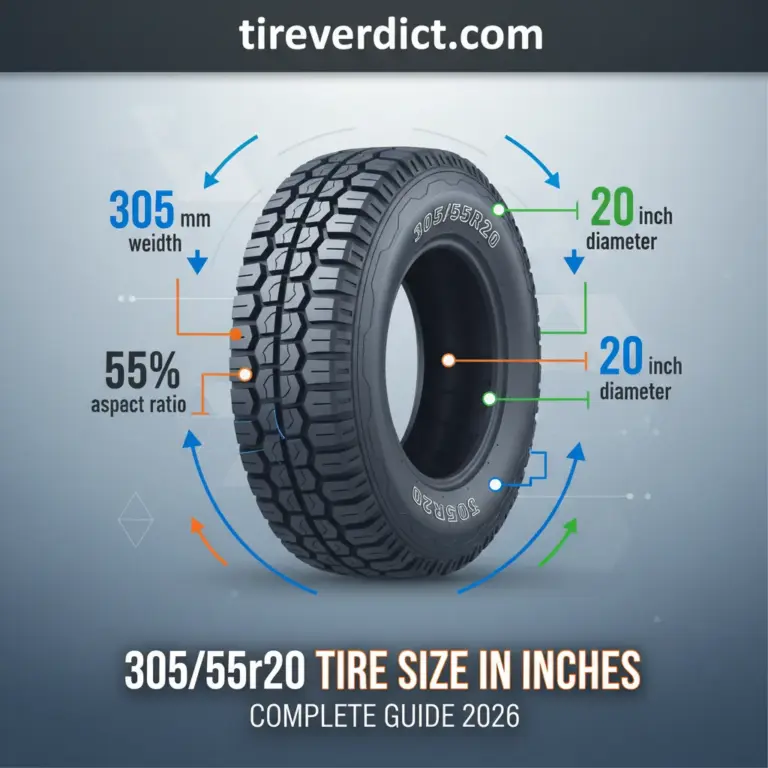
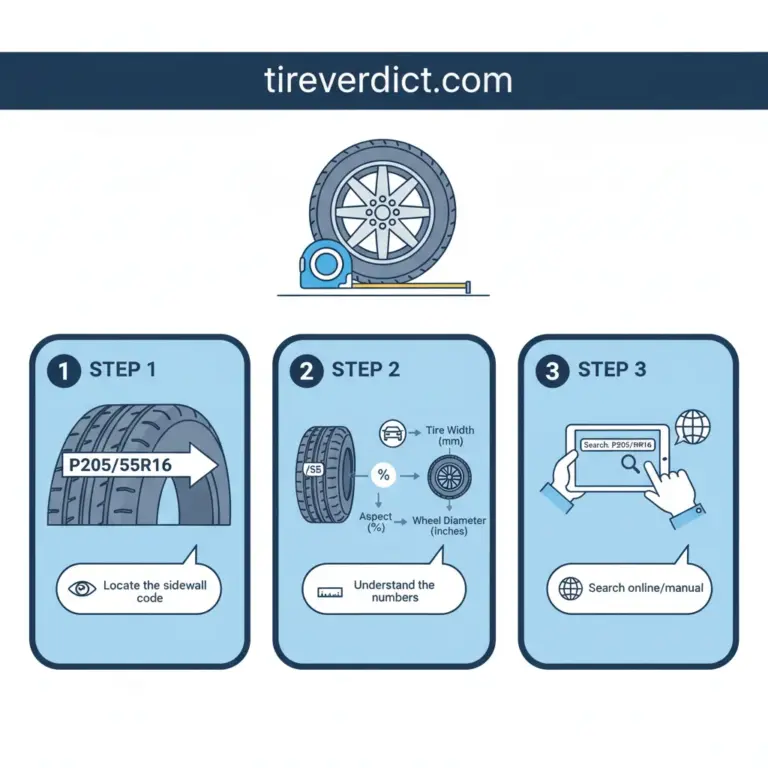
Specifically, the Model Y Performance comes equipped with 255/35R21 tires on the front and 275/35R21 tires on the rear. These are mounted on stunning 21-inch Überturbine wheels, with standard dimensions of 21×9.5-inch for the front and 21×10.5-inch for the rear. Let’s break down these numbers: “255” and “275” denote the tire width in millimeters. “35” represents the aspect ratio, meaning the sidewall height is 35% of the tire’s width. “R21” signifies a radial construction tire designed for a 21-inch wheel diameter.
The engineering rationale behind this staggered setup for performance EVs is critical. It primarily aims to provide enhanced traction for the powerful rear-wheel-biased dual-motor system, which delivers instant torque. The wider rear tires offer a larger contact patch, optimizing power delivery and grip during aggressive acceleration. This configuration also contributes significantly to optimized handling characteristics, improving cornering stability and reducing oversteer, allowing the vehicle to achieve remarkable lateral g-forces. This contrasts sharply with the non-staggered setup typically found on the Model Y Long Range, which prioritizes range and comfort over maximum track performance.
Original equipment manufacturers (OE) like Pirelli (e.g., P Zero) or Michelin (e.g., Pilot Sport 4S) are trusted partners in supplying these specialized tires. These tires feature specific compounds and construction designed to meet EV performance requirements, including: low rolling resistance to maximize range, high load capacity to support the heavy battery pack, and specialized noise-reducing foam technology to ensure a quiet cabin experience. Look for the ‘T0’ marking, which indicates a Tesla-specific OEM fitment, often optimized for the vehicle’s unique characteristics.
These precise tire specifications directly influence crucial vehicle attributes. They impact acceleration times, braking distance, and cornering stability, allowing the Model Y Performance to truly shine. While exceptional grip often comes with a trade-off, affecting the often-debated range and ride comfort compared to less aggressive setups, the performance benefits are undeniable. Understanding key tire ratings is paramount: typical load indices range from 96 to 101, and a common speed rating is Y (rated for speeds up to 186 mph or 300 km/h). The average treadwear rating for these performance tires falls between 240-300, indicating their high-grip, shorter-lifespan nature. Maintaining or exceeding these OEM standards is critical for both safety and preserving the Model Y Performance’s intended dynamic capabilities.
By The Numbers
Front Tire Size
Rear Tire Size
Speed Rating (186 mph)
Avg. Treadwear Rating
Navigating Replacement Tire Options for Your Tesla Model Y Performance
When it comes to replacing the tires on your Tesla Model Y Performance, understanding your options beyond the factory fitment is essential. As a professional, I emphasize that the primary goal is to maintain the vehicle’s dynamic integrity while addressing your specific driving needs. The most critical step is to identify suitable replacement tires that adhere to or surpass OEM specifications.
📋
Step-by-Step Guide: Selecting Replacement Tires
Unless you have specific professional advice for a track-only or highly specialized use case, always maintain the 255/35R21 front and 275/35R21 rear staggered setup. This is non-negotiable for preserving the Model Y Performance’s intended handling balance and traction.
Ensure new tires have a load index and speed rating equal to or higher than the OEM specifications. A lower rating can compromise safety and vehicle performance, especially in emergency maneuvers.
Evaluate your typical driving environment. Do you need maximum dry grip, year-round versatility, or dedicated winter traction? Select the appropriate tire category: ultra-high performance summer, all-season performance, or dedicated winter tires.
Prioritize tires designed with EV-specific technology, such as reinforced sidewalls for heavy batteries, specialized compounds for instant torque, and noise-reducing foam. These features are critical for a quality EV driving experience.
Opt for trusted brands like Michelin, Continental, Goodyear, and Pirelli, which have a proven track record of producing reliable, high-performance tires compatible with Tesla vehicles. This ensures both quality and professional support.
Let’s evaluate the different tire categories pertinent to the Model Y Performance:
- Ultra-High Performance Summer Tires: These offer maximum grip in dry and wet conditions above 45°F (7°C). They are ideal for spirited driving and track use, providing unparalleled handling and braking. Examples include the Michelin Pilot Sport 4S (OE option) or the Pirelli P Zero. Their typical treadwear rating of 240-300 reflects their focus on grip over longevity.
- All-Season Performance Tires: For versatility and year-round usability in regions with moderate winters, these tires provide a balanced performance. While not matching summer tires for ultimate dry grip or dedicated winter tires for snow/ice, they offer a reliable compromise. The Michelin Pilot Sport All Season 4 or Continental ExtremeContact DWS06 Plus are excellent, trusted choices. Their treadwear ratings often fall between 400-500, indicating longer life.
- Dedicated Winter Tires: Crucial for cold climates, especially when temperatures consistently drop below 45°F (7°C) or snow and ice are present. These tires utilize specialized rubber compounds that remain flexible in low temperatures, providing superior traction. They are essential for safety and optimal performance in winter conditions.
Crucial considerations for EV-specific tire technology cannot be overstated. The Model Y Performance’s substantial battery weight demands reinforced sidewalls for structural integrity and handling stability. The instant torque delivery requires specialized, durable compounds to prevent premature wear and ensure consistent traction. Furthermore, noise-reducing foam inserts are vital in minimizing road noise, a common concern in quiet EVs, contributing to a truly quality driving experience. Research indicates that EV-specific tires can reduce cabin noise by 5-10 dB compared to standard tires, a significant difference.
Deviating from OEM tire sizes or types carries significant implications. Incorrect tire diameters can impact speedometer accuracy and disrupt the calibration of critical safety systems like ABS (Anti-lock Braking System) and ESC (Electronic Stability Control), potentially compromising safety. Furthermore, using non-recommended tires could void portions of your vehicle’s warranty and negatively affect the overall longevity and performance integrity. Research suggests that non-optimized tires can lead to a 5-10% range impact due to increased rolling resistance or incorrect load ratings. For example, installing square (non-staggered) tires can lead to unpredictable handling at speed and uneven wear on other components due to altered vehicle dynamics.
Optimizing Performance and Longevity Through Proper Tesla Model Y Tire Maintenance
Proper tire maintenance is not merely about extending tire life; it’s about preserving the Model Y Performance’s intended driving dynamics, ensuring safety, and maximizing efficiency. As a trusted professional, I emphasize that diligent care can significantly impact your ownership experience.
Maintaining Correct Tire Pressure
One of the most fundamental yet overlooked aspects of tire maintenance is maintaining correct tire pressure. For the Tesla Model Y Performance, Tesla typically recommends 42 PSI (pounds per square inch) cold for all four tires. “Cold” refers to the tire pressure before driving, when the tires have not been heated by friction. The TPMS (Tire Pressure Monitoring System) is your first line of defense, constantly alerting drivers to significant pressure deviations. Regular monthly checks, or before any long trips, are vital. Incorrect pressure—whether under or over-inflated—leads to uneven wear, reduced grip, compromised range, and increased risk of tire failure.
Tire Rotation Challenges for Staggered Setups
Tire rotation for a staggered setup like the Model Y Performance presents unique challenges. Because the front and rear tires are different sizes, traditional rotation patterns (e.g., front-to-back) are impossible. Expert recommendations typically include:
- Side-to-Side Rotation: If the tires are non-directional, they can be swapped from the left side to the right side on the same axle (front left to front right, rear left to rear right). However, many performance tires are directional, making this impossible.
- Dismounting/Remounting: The most comprehensive method involves dismounting the tires from the wheels and remounting them to achieve the desired rotation pattern, which is labor-intensive and costly.
- Foregoing Rotation: Given the complexities and costs, many owners of staggered, performance-oriented vehicles, particularly if wear is even across the axle, choose to forego rotation and replace tires as needed. However, this demands vigilant monitoring of wear patterns.
Addressing Common Tire Wear Patterns
Recognizing and addressing common tire wear patterns is crucial. Feathering (tread blocks worn more on one side) often indicates incorrect toe alignment. Cupping or scalloping points to worn suspension components or imbalanced wheels. Center wear suggests over-inflation, while shoulder wear indicates under-inflation. The importance of a professional diagnosis cannot be overstated, as addressing the root cause prevents premature tire failure. Optimal tread depth for safety is generally considered to be 4/32 inch, while the minimum legal tread depth is 2/32 inch, indicated by wear bars.
Wheel Alignment and Balancing
The critical importance of regular wheel alignment and balancing for a powerful EV like the Model Y Performance cannot be overstressed. Proper alignment ensures that all tires are parallel to each other and perpendicular to the ground, mitigating uneven wear, improving handling precision, and extending tire life. Unbalanced wheels cause vibrations, leading to uneven wear and discomfort. Tesla recommends checking alignment annually or if you notice uneven wear or steering pull. The average cost of a wheel alignment is typically $100-$200, a small investment considering the cost of premature tire replacement.
Routine Visual Inspections
Finally, performing routine visual inspections is a simple yet effective maintenance practice. Look for: cuts, bulges, embedded objects (nails, screws), and monitor tread depth using the wear indicators. Early detection of damage can prevent costly repairs or dangerous blowouts. If you spot anything concerning, seeking a trusted professional’s assessment immediately is paramount. Tesla’s recommended service intervals suggest checking tires and alignment every 12,500 miles or annually, whichever comes first, ensuring consistent, reliable performance.
📋
Step-by-Step Guide: Checking Tire Pressure
You’ll need a reliable tire pressure gauge. Ensure your Model Y Performance has been stationary for at least three hours, or driven for less than a mile, to get an accurate “cold” reading.
Remove the valve cap, press the gauge firmly onto the valve stem, and read the pressure. Compare it to Tesla’s recommended 42 PSI (cold) found on the driver’s side door jamb sticker.
If pressure is low, add air using an air compressor until it reaches 42 PSI. If it’s too high, gently press the pin in the center of the valve stem to release air. Re-check pressure. Repeat for all four tires.
Once pressures are set, securely replace all valve caps to prevent dirt and moisture from entering the valve stem and causing slow leaks.
Addressing Common Tire Issues and When to Seek Expert Service for Your Model Y Performance
Even with diligent maintenance, tire issues can arise. Knowing when to address a problem yourself and when to consult a professional is crucial for maintaining the safety and performance of your Tesla Model Y Performance.
Puncture Management: Repair or Replace?
Managing punctures effectively requires understanding the difference between repairable damage and situations demanding replacement. Generally, a tire can be repaired if the puncture is a small (less than 1/4 inch or 6mm) single hole located in the central tread area. However, damage to the sidewall, shoulder, or multiple punctures in close proximity typically renders the tire irreparable. Any puncture larger than 1/4 inch or that causes significant structural damage also requires replacement. It is imperative to use professional, trusted tire repair services, as improper repairs can lead to dangerous blowouts. The average cost for a professional tire patch is $25-$50, a small price for safety.
Troubleshooting Abnormal Vibrations or Noises
Abnormal vibrations or noises are clear indicators of a problem. A consistent vibration felt through the steering wheel or seat, especially at certain speeds, often points to unbalanced wheels. If the vibration is accompanied by a clunking or thumping noise, it could indicate worn suspension components. A humming or droning sound, particularly when cornering, might suggest a wheel bearing issue or severe tire wear (e.g., cupping due to misalignment). Initial diagnostic steps include checking tire pressure and visually inspecting for obvious damage. However, persistent or severe symptoms warrant immediate professional diagnosis, as delaying can lead to further damage or safety hazards. Wheel balancing typically takes 15-30 minutes per wheel and can eliminate many vibration issues.
Never attempt to repair any damage to a tire’s sidewall. The sidewall is crucial for supporting the vehicle’s weight and absorbing impacts. Any cut, bulge, or puncture in this area compromises the tire’s structural integrity, making it extremely dangerous to drive on. Immediate replacement is the only safe option.
Understanding TPMS Warnings
The TPMS is a critical safety feature. A yellow tire icon indicates low pressure, requiring immediate attention. A flashing yellow icon typically signals a TPMS system malfunction, meaning a sensor might be faulty or its battery depleted (average lifespan: 5-10 years). If you receive a TPMS warning, pull over safely, check your tire pressures, and inflate if necessary. If the warning persists after inflation, or if it indicates a system malfunction, seek professional service for recalibration or sensor replacement. Maintaining reliable TPMS operation ensures you’re always informed about potential tire safety issues.
Sourcing Professional Tire Services
For Model Y Performance vehicles, sourcing the right professional tire services is paramount. I strongly recommend utilizing certified Tesla service centers or independent shops with proven EV experience. These facilities possess the specialized equipment (e.g., specific lifting pads, alignment racks for EVs) and trained technicians necessary to work on high-performance electric vehicles. A professional shop should demonstrate a commitment to quality service, using appropriate torque specifications and handling procedures for Tesla’s unique design, ensuring the longevity of your components.
Preparing Your Vehicle for Tire Service
Before bringing your Model Y Performance in for tire service, ensure the vehicle is prepared. Crucially, engage ‘jack mode’ through the infotainment screen (Controls > Service > Jack Mode). This disables the air suspension (if equipped) and prevents accidental leveling attempts that could damage the suspension components or battery pack when the vehicle is lifted. Clearly communicate any specific concerns or observations to the service technicians, as your input can aid in a more accurate and efficient diagnosis, enhancing the professional service you receive.
Future Trends and Considerations for Tesla Model Y Performance Tire Technology
The tire industry is rapidly evolving, with significant innovations targeting high-performance electric vehicles like the Tesla Model Y. As we look towards 2026 and beyond, owners can anticipate even more sophisticated and specialized tire solutions that will further enhance their driving experience.
Advancements in EV-Specific Tire Compounds and Construction
Expect continued advancements in EV-specific tire compounds and construction. Tire manufacturers are investing heavily in developing materials that can handle the unique demands of electric vehicles: the increased weight of battery packs, the instant and immense torque delivery, and the critical need for extended range. Next-generation compounds will offer superior grip without sacrificing wear life, and innovative constructions will further reinforce sidewalls while minimizing rolling resistance. Research indicates that the projected Compound Annual Growth Rate (CAGR) for the EV tire market is around 15-20% by 2030, signaling rapid development and increased quality.
Sustainable Tire Technologies
The drive towards sustainability is transforming tire production. We will see greater integration of recycled materials, bio-based components (like natural rubber from dandelion or guayule), and more energy-efficient manufacturing processes. Brands like Michelin and Pirelli are already showcasing prototypes of tires made from nearly 100% sustainable materials. These innovations aim to reduce environmental impact while maintaining and even improving product quality and reliable performance. Advancements in next-gen EV tires are expected to reduce rolling resistance by another 5-10%, directly contributing to increased range.
‘Smart’ Tire Technology
The advent of ‘smart’ tire technology will revolutionize tire monitoring. Embedded sensors will provide real-time data beyond simple pressure readings, including temperature, precise tread depth, and even road surface conditions. This will offer drivers and vehicle systems more precise information, enabling predictive maintenance, optimizing performance dynamically, and enhancing overall trusted safety. Industry experts predict that the adoption rate of smart tire technology in premium EVs like the Model Y Performance could reach 20-30% by 2028.
✅ Pros of Smart Tires
- Real-time, comprehensive tire health monitoring.
- Predictive maintenance alerts, preventing failures.
- Optimized performance and safety through precise data.
- Potential for dynamic adjustment of vehicle settings.
❌ Cons of Smart Tires
- Higher initial cost of tires and sensors.
- Complexity in repair or replacement of sensors.
- Potential data privacy concerns.
- Dependence on integrated vehicle systems for full benefit.
Influence of Autonomous Driving on Tire Design
As autonomous driving capabilities become more prevalent, they will influence tire design. Tires may be optimized for consistent, predictive driving patterns rather than aggressive, variable human input. This could lead to longer-lasting tires that prioritize smooth operation and efficiency, with algorithms managing wear and performance more intelligently. Software updates will likely play a role in how vehicles interact with these advanced tires.
Evolution of Maintenance and Replacement Services
The future will also bring changes to tire maintenance and replacement services. We might see the rise of subscription models for tires, where manufacturers offer tires as a service, including all maintenance and replacements. Integrated vehicle health diagnostics will proactively recommend tire service based on sensor data. This shift will underscore the increasing reliance on expert, specialized technicians who understand these complex, interconnected tire and vehicle systems, reinforcing the need for professional and trusted service providers.
The Tesla Model Y Performance utilizes a specific staggered tire setup (255/35R21 F, 275/35R21 R) crucial for its dynamic handling and traction. Selecting replacement tires requires careful consideration of OEM specifications, EV-specific technologies, and trusted brands to maintain performance and safety. Consistent, professional tire maintenance—including proper inflation, alignment, and inspections—is paramount for longevity and optimal vehicle operation. Future tire innovations promise enhanced performance, sustainability, and intelligent monitoring for electric vehicles. For reliable, professional advice and services regarding your Tesla Model Y Performance tires, consult a certified Tesla service center or a reputable, EV-experienced tire specialist today to ensure continued top-tier performance.
Frequently Asked Questions
Can I put non-staggered tires on my Tesla Model Y Performance?
While technically possible, installing a non-staggered tire setup (same size front and rear) on a Tesla Model Y Performance is generally not recommended. The staggered configuration is a key engineering decision by Tesla to optimize handling, traction, and stability, especially under high performance. Deviating from this can negatively impact vehicle dynamics, potentially affect stability control systems, and may void certain warranty aspects. Always consult an expert professional before making such changes.
What is the recommended tire pressure for the Tesla Model Y Performance?
Tesla recommends a cold tire inflation pressure of 42 PSI (pounds per square inch) for all four tires on the Model Y Performance. It is crucial to check tire pressure when the tires are cold (before driving) to get an accurate reading. Maintaining the correct pressure is vital for optimal performance, range, tire longevity, and safety, ensuring reliable handling and stability for your high-performance EV.
How often should I rotate the tires on my Tesla Model Y Performance with a staggered setup?
Due to the staggered tire sizes on the Model Y Performance (different front and rear dimensions), traditional tire rotation methods are not applicable. Tesla generally advises against rotating staggered setups. Instead, focus on regular wheel alignment and balancing, along with consistent visual inspections for uneven wear. If uneven wear becomes apparent, a professional technician should diagnose the cause, which might involve dismounting and remounting tires if they are non-directional.
Are EV-specific tires necessary for the Model Y Performance?
While not strictly ‘necessary’ to move the vehicle, EV-specific tires are highly recommended for the Tesla Model Y Performance. These tires are expertly designed to handle the unique demands of EVs, including heavier battery weight, instant torque delivery, and noise reduction requirements. They offer benefits like improved range, reduced cabin noise, and enhanced durability compared to conventional tires, providing a higher quality driving experience tailored to your electric vehicle’s characteristics.
What is the typical lifespan of Tesla Model Y Performance tires?
The lifespan of Tesla Model Y Performance tires can vary significantly, typically ranging from 15,000 to 30,000 miles. This wide range depends on several factors: driving style (aggressive vs. conservative), road conditions, consistent tire maintenance (pressure, alignment), and the specific tire compound chosen (e.g., ultra-high performance summer tires often wear faster). Regular, professional inspections can help maximize longevity and ensure trusted safety.