Driving safety, fuel efficiency, and tire longevity hinge on one often-overlooked factor: optimal tire inflation. Despite its critical importance, many drivers are unsure how to accurately determine or maintain the correct air pressure for their vehicle’s tires, leading to significant risks and unnecessary expenses. This comprehensive guide for 2026 will provide professional, authoritative insights into every aspect of tire pressure, from locating specifications to advanced maintenance strategies, ensuring your tires perform optimally.
Understanding the Foundation of Optimal Tire Pressure Specifications
📤 Share Image
As a seasoned expert with over 15 years in automotive maintenance and tire technology, I consistently emphasize that the single most authoritative source for determining your vehicle’s correct tire pressure is the vehicle manufacturer’s placard, not the maximum PSI listed on the tire sidewall itself. This critical information is typically found on the driver’s side door jamb, inside the glove compartment, or within the owner’s manual. The values listed on this placard are precisely engineered for your specific vehicle’s weight distribution, suspension geometry, and braking characteristics, ensuring optimal safety and performance.
The ‘Cold’ Tire Pressure Standard
It is paramount to understand the concept of ‘cold’ tire pressure. This refers to the tire pressure measurement taken before the vehicle has been driven for any significant distance (typically less than a mile) or when it has been stationary for at least three hours. As a tire rolls, friction generates heat, which in turn causes the air inside to expand, increasing the PSI reading. A ‘hot’ reading will be artificially high and lead to underinflation if adjusted down to the cold specification. For instance, after a 20-minute drive, a tire might read 3-5 PSI higher than its true cold pressure. Always allow tires to cool down for an accurate assessment.
Why Correct PSI is Non-Negotiable
The relationship between correct PSI and overall vehicle operation is multifaceted and critical. Optimal tire pressure directly influences:
- Safety: Proper inflation ensures maximum tire contact with the road, vital for emergency maneuvers and stability.
- Handling: Predictable steering response and cornering stability are heavily reliant on balanced tire pressure.
- Braking Performance: An evenly distributed contact patch allows for efficient braking, potentially reducing stopping distances significantly.
- Fuel Economy: Underinflated tires increase rolling resistance, forcing the engine to work harder. Research indicates that for every 2 PSI below the recommended level, fuel efficiency can decrease by approximately 0.6%. While seemingly small, this accumulates over thousands of miles.
- Tire Lifespan: Incorrect pressure leads to uneven wear patterns. Statistics show that consistent under-inflation by just 6 PSI can reduce a tire’s lifespan by up to 15%, translating to premature replacement costs.
Dispelling Misconceptions: Sidewall vs. Placard
A common and dangerous misconception is to inflate tires to the “MAX. PRESS” or “MAX. LOAD” pressure printed on the tire sidewall. This figure represents the maximum cold inflation pressure a tire can safely hold when carrying its maximum load, not the recommended operating pressure for your specific vehicle. Inflating to this maximum can lead to overinflation for most driving conditions, compromising ride comfort, traction, and potentially leading to premature center tread wear. Always defer to your vehicle’s placard.
Consider the contact patch, the portion of your tire that touches the road. With correct inflation, this contact patch is broad and even, maximizing grip. An underinflated tire will have a contact patch that bulges at the shoulders, leading to increased heat and shoulder wear. Conversely, an overinflated tire will have a contact patch concentrated in the center, reducing overall grip and accelerating center tread wear. NHTSA (National Highway Traffic Safety Administration) data consistently links improper tire inflation to a significant percentage of tire-related accidents, underscoring the vital importance of this fundamental maintenance task.

The Professional Procedure for Checking and Adjusting Tire Pressure
Accurate tire pressure maintenance is a core component of responsible vehicle ownership. This professional, reliable methodology will guide you through measuring and correcting tire inflation, ensuring your vehicle’s performance and safety for 2026.
Essential Tools for Precision
Investing in quality equipment is the first step toward reliable tire pressure management. While basic stick gauges are common, a high-quality digital tire pressure gauge is recommended for its precision and ease of reading. Digital gauges provide readings to a tenth of a PSI, offering a level of accuracy critical for optimal performance. They are typically more consistent than their analog counterparts, particularly after repeated use. A portable air compressor is also a wise investment for convenient at-home adjustments, eliminating the need to visit a service station solely for air.

📋
Step-by-Step Guide: Checking and Adjusting Tire Pressure
Ensure your vehicle has been stationary for at least three hours or driven for less than one mile. Locate your vehicle’s recommended cold tire pressure on the door jamb placard or in the owner’s manual. Gather your high-quality tire pressure gauge.
Unscrew the valve stem cap from one tire. Firmly and squarely press the tire gauge onto the valve stem. You’ll hear a brief hiss of air; this is normal. Ensure a tight seal to get an accurate reading. Read the PSI displayed on your gauge.
Compare the measured PSI to your vehicle’s recommended cold pressure. If the reading is lower, connect an air compressor to the valve stem and add air in short bursts. Re-check the pressure frequently until it matches the recommended PSI. Over-inflating slightly and then releasing air to the exact specification is a common professional practice.
If the measured PSI is higher than recommended, use the small knob or tool on your gauge (or a dedicated valve stem tool) to gently depress the pin inside the valve stem, releasing air. Do this in short bursts, re-checking the pressure after each release, until the correct PSI is achieved.
Once the correct pressure is set, screw the valve cap back on tightly to prevent dirt and moisture from entering and to maintain a seal. Repeat this process for all four road tires. Don’t forget your spare tire; a full-sized spare should be checked and maintained at the highest pressure listed on the placard for optimal readiness.
Best Practices for Consistency
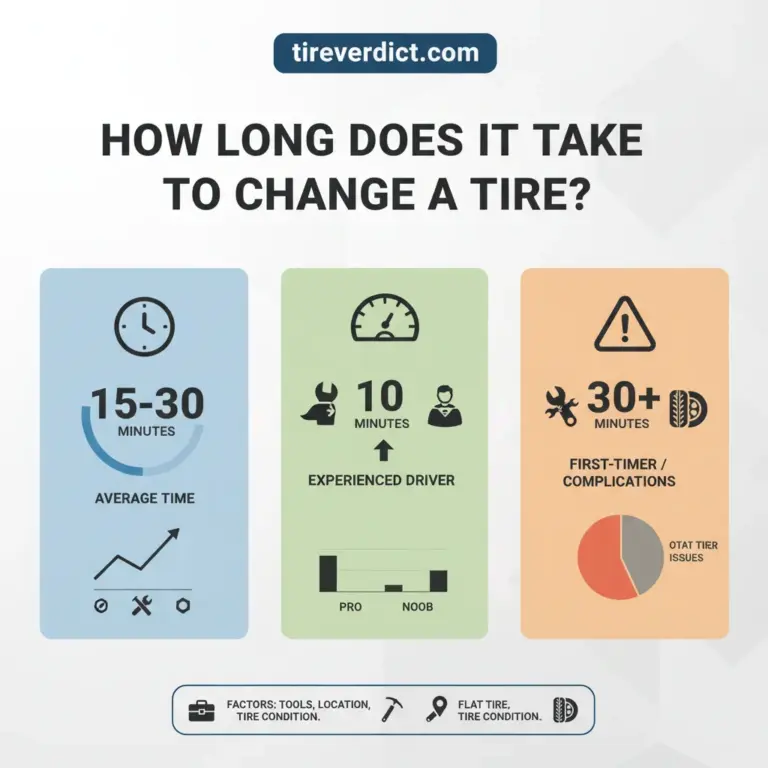
For truly reliable data and long-term tire health, consistency is key. Industry best practices recommend checking all tires, including the spare, at least once a month and always before any long journey (e.g., over 100 miles). A full tire pressure check, when done correctly, typically takes only 5-10 minutes, a small investment for significant returns in safety and economy. For instance, consider a scenario where a driver neglected their spare tire. A flat on the road would leave them stranded with an equally flat spare, turning a minor inconvenience into a major roadside emergency. Consistent checks eliminate such risks.
When using a public air compressor at a gas station, be mindful that the gauges provided may not always be perfectly calibrated. It’s always best to use your own trusted, high-quality gauge to verify readings immediately after inflating with a public compressor for maximum accuracy.

Diagnosing the Consequences: The Impacts of Incorrect Tire Inflation
Improper tire inflation, whether under or over the recommended PSI, poses significant risks to vehicle safety, performance, and the longevity of your tires. Understanding these adverse effects is crucial for proactive maintenance and identifying potential issues.
The Perils of Underinflated Tires
Underinflated tires are a common culprit for a range of problems:
- Increased Rolling Resistance: This demands more energy from the engine, leading to reduced fuel economy.
- Excessive Heat Buildup: The increased flexing of tire sidewalls generates heat, which can weaken the tire’s internal structure and lead to tread separation.
- Premature Shoulder Wear: The outer edges of the tread bear the brunt of the load, causing them to wear down much faster than the center.
- Compromised Handling: Steering can feel sluggish or unresponsive, and the vehicle’s stability, especially during cornering or emergency maneuvers, is severely diminished.
- Elevated Blowout Risk: The combination of excessive heat and compromised structural integrity makes the tire highly susceptible to sudden, catastrophic failure. Studies reveal that a significant percentage of tire failures are directly linked to underinflation.
- Increased Braking Distance: Research consistently shows that underinflated tires reduce effective braking. For example, a tire that is 20% underinflated can increase stopping distance by up to 10%, a critical difference in an emergency situation.
The Drawbacks of Overinflated Tires
While less common than underinflation, overinflation also presents distinct disadvantages:
- Reduced Contact Patch: The center of the tire bulges, lifting the shoulders off the road. This significantly reduces the area of rubber in contact with the pavement, diminishing grip and traction.
- Harsher Ride: The tire’s ability to absorb road imperfections is reduced, leading to a noticeably less comfortable and bumpier ride quality.
- Accelerated Center Tread Wear: With the load concentrated on the center of the tread, this area wears out much faster, leading to premature tire replacement.
- Diminished Traction: Especially noticeable in wet or icy conditions, the smaller contact patch means less grip for acceleration, braking, and cornering.
- Increased Susceptibility to Impact Damage: An overly rigid tire has less flexibility to absorb impacts from potholes or road debris, making it more prone to punctures, sidewall bubbles, or even blowouts upon striking an object.
TPMS: Your First Line of Defense (with Limitations)
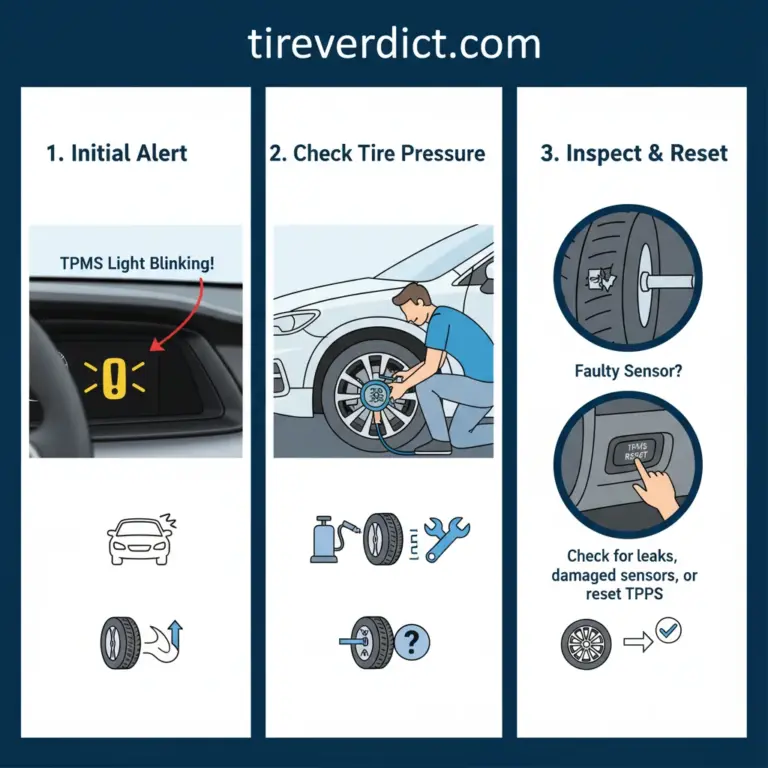
Modern vehicles manufactured since 2007 (in many regions) are equipped with a Tire Pressure Monitoring System (TPMS). This system is designed to alert the driver when a tire’s pressure falls significantly below the recommended level, typically 25% or more. While invaluable as an early warning system, TPMS is not a substitute for manual checks. It usually only alerts to a substantial pressure drop, not to minor underinflation that can still impact fuel economy and tire wear. For instance, TPMS might alert you to a slow leak only after the tire has lost 8-10 PSI, by which point the tire has already been operating inefficiently and potentially unsafely for some time.
Visual Cues for Abnormal Wear
Regular visual inspection of your tires can also provide diagnostic cues. Underinflated tires often show noticeable wear on both shoulder edges of the tread. Overinflated tires, conversely, will exhibit wear concentrated prominently down the center of the tread. Catching these patterns early, before they become severe, is an excellent indicator that your consistent pressure checks are either not occurring or need more precise attention.
Tires naturally lose 1-3 PSI per month, even without a puncture. Do not rely solely on your TPMS light; it’s designed for significant pressure drops, not to maintain optimal efficiency. Regular manual checks are indispensable for preventing tire damage and ensuring safety.
By The Numbers
Fuel Economy Loss per 2 PSI Underinflation
Tire Lifespan Reduction for 6 PSI Underinflation
Braking Distance Increase with 20% Underinflation
Natural Monthly Pressure Loss
Advanced Considerations for Precise Tire Pressure Management
Beyond the standard recommendations, several factors can necessitate adjustments to your vehicle’s tire pressure. An expert understanding of these nuances ensures optimal performance in diverse conditions.
Adjusting for Load Conditions
Your vehicle’s manufacturer placard typically lists different tire pressure recommendations for varying load conditions. For instance, a sedan might have one recommendation for light loads (driver only) and another for full passenger and cargo capacity, or when towing or hauling. Always consult your owner’s manual for these specific values. Overloading a vehicle without increasing tire pressure can be extremely dangerous, as it exacerbates all the negative effects of underinflation. This is particularly relevant when considering your vehicle’s Gross Vehicle Weight Rating (GVWR), which defines the maximum operating weight. For a family preparing for a cross-country road trip with a fully loaded SUV, adjusting tire pressure to the higher “max load” specification on the placard is not merely advisable but a critical safety measure.
The Influence of Ambient Temperature
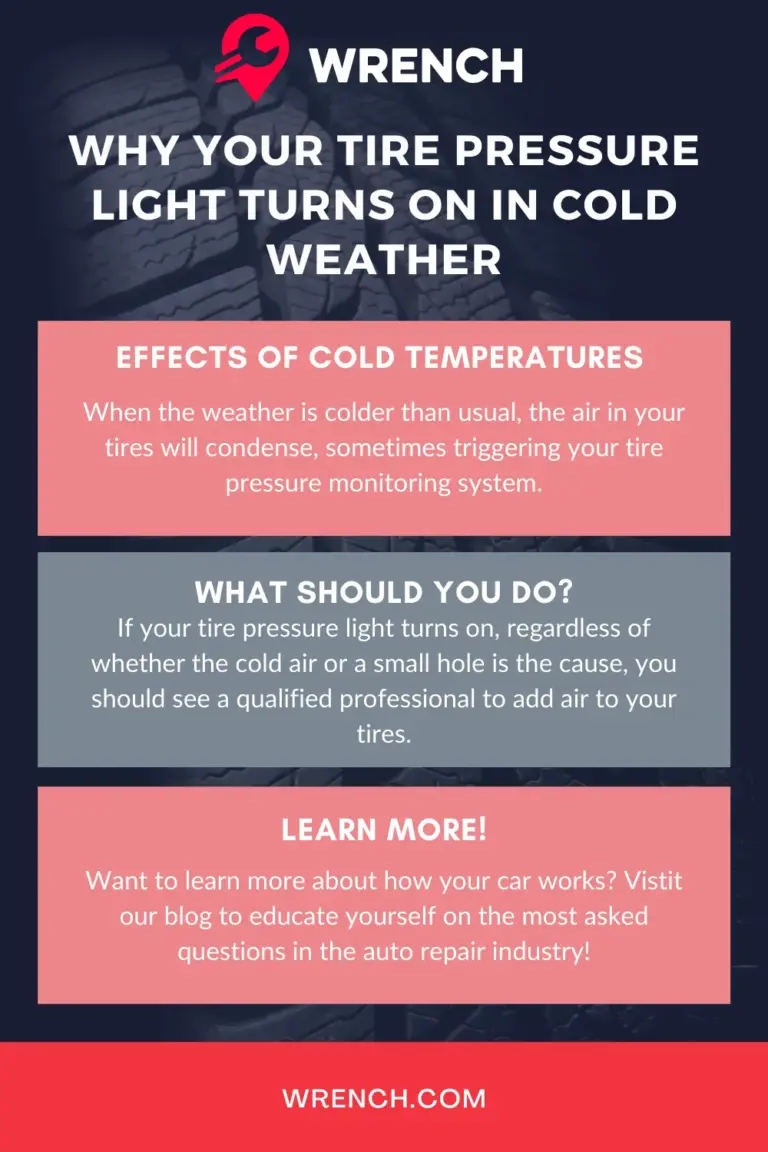
Air pressure inside your tires fluctuates with ambient temperature. As a general rule of thumb, tire pressure changes approximately 1 PSI for every 10°F (5.6°C) change in air temperature. This means a cold snap in winter can cause your tires to significantly drop in pressure, while a sudden heatwave can increase it. For example, if you set your tires to 32 PSI in 70°F weather, and the temperature drops to 30°F, your tires will effectively lose about 4 PSI, reading only 28 PSI. This seasonal recalibration is crucial to maintain safety and efficiency.
Specialized Tire Types and Their Requirements
Different tire types may have unique pressure considerations:
- Off-Road Tires: For serious off-roading, some enthusiasts temporarily reduce tire pressure (known as “airing down”) to increase the contact patch and enhance grip over challenging terrain. This is a specialized technique that requires re-inflation to road pressure immediately after returning to paved surfaces.
- Performance Tires: High-performance vehicles, especially those used for track days, may have specific track-day pressure recommendations that differ from daily street pressures. These are often higher to manage increased heat and cornering forces but must be reduced for street use.
- Run-Flat Tires: These tires typically follow the vehicle manufacturer’s standard recommendations but can maintain structural integrity for a limited distance after a puncture. However, their pressure should still be monitored regularly.
Nitrogen Inflation: Benefits and Drawbacks
Some tire service centers offer nitrogen inflation as an alternative to compressed air. While compressed air is about 78% nitrogen, 21% oxygen, and other gases, pure nitrogen inflation aims to remove oxygen and moisture. The practical considerations include:
✅ Pros
- Nitrogen molecules are larger than oxygen, theoretically leading to slower pressure loss. Statistics on professional fleet vehicles show a slight but measurable improvement in pressure retention consistency over extended periods.
- Elimination of moisture and oxygen reduces internal tire corrosion and oxidation of rubber components.
- More stable pressure over temperature fluctuations, though the 1 PSI per 10°F rule still applies to a lesser extent.
❌ Cons
- Often comes with an additional cost for inflation.
- Requires dedicated nitrogen top-offs; mixing with regular air negates its primary benefits.
- The real-world benefits for average consumer vehicles are often minimal compared to simply maintaining proper pressure with compressed air.
While nitrogen can offer marginal benefits, consistent manual checks with a reliable gauge remain the most important factor, regardless of the gas used for inflation.
Establishing a Trusted Regimen for Proactive Tire Pressure Maintenance
To ensure maximum safety, extend tire longevity, and optimize fuel efficiency for your vehicle in 2026, establishing a proactive and reliable maintenance regimen is essential. This isn’t just about checking a box; it’s about building a trusted habit that protects your investment and ensures peace of mind.
Developing a Consistent Schedule
The cornerstone of effective tire pressure management is a consistent schedule. Make it a habit to check your tire pressures at least once a month, and critically, always before embarking on any long-distance travel. A sample monthly vehicle maintenance checklist might include checking tire pressure, inspecting tire condition for visible damage or wear, checking oil levels, and verifying windshield washer fluid. Integrating tire pressure into these routine checks ensures it’s never overlooked.
The Importance of Professional Tire Inspections
While DIY checks are fundamental, don’t underestimate the value of professional tire inspections. During services like tire rotations or seasonal changes, trusted tire professionals can assess more than just pressure. They check for:
- Valve Stem Integrity: Ensuring there are no leaks or damage.
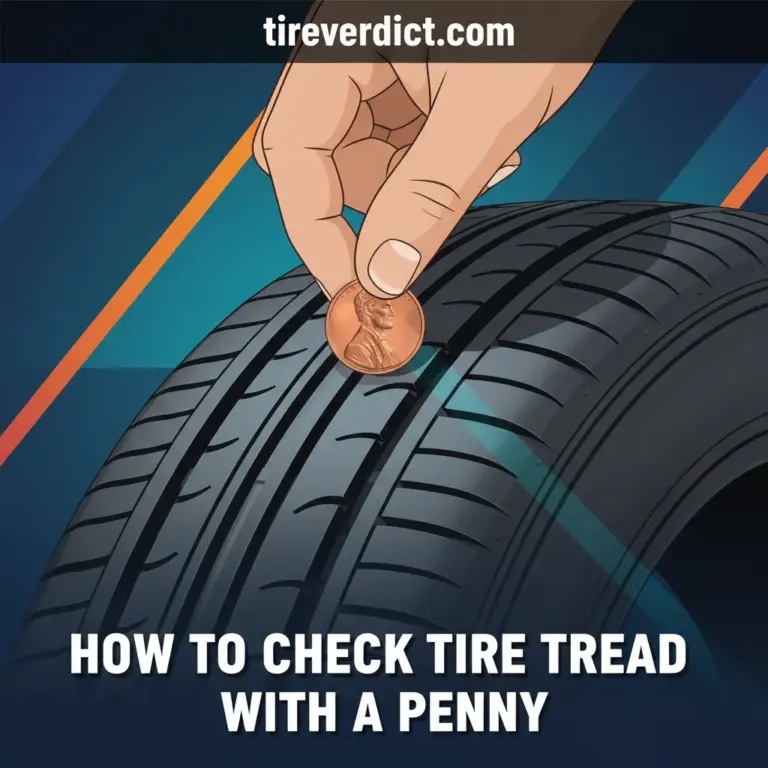
- Tread Depth: Confirming adequate remaining tread for safety.
- Sidewall Condition: Identifying cracks, bulges, or punctures.
- Overall Tire Health: Spotting irregular wear patterns indicative of alignment issues or suspension problems, which can also affect how pressure is maintained and distributed.
A regular tire rotation, for example, always includes a thorough pressure check and adjustment by the technician.
Investing in Quality Equipment
For dependable and accurate at-home adjustments, invest in a quality digital tire pressure gauge (such as those from trusted brands like Accutire, Jaco, or Milton) and a reliable portable air compressor. These tools empower you to perform accurate checks and adjustments whenever needed, reinforcing your proactive maintenance approach.
A Holistic Maintenance Approach
Integrate tire pressure checks with other vehicle fluid and component checks for a truly holistic maintenance approach. This collective diligence ensures that all aspects of your vehicle are operating optimally. Studies show that regular, comprehensive maintenance, including proper tire pressure, can significantly extend tire lifespan by 20-30% and markedly improve vehicle safety ratings. Furthermore, the average cost saving on fuel over a year for a driver with correctly inflated tires can be substantial, often hundreds of dollars, making it a financially savvy practice.
Enhanced Safety
Maintain optimal grip, handling, and braking performance, drastically reducing accident risk.
Maximized Fuel Efficiency
Reduce rolling resistance, leading to significant savings at the pump over the vehicle’s lifetime.
Extended Tire Lifespan
Prevent premature and uneven wear, saving on costly tire replacements and improving sustainability.
This complete guide provides the expert information needed to manage your tire pressure effectively in 2026 and beyond. Adopting these professional habits will not only save you money but, more importantly, contribute to a safer and more reliable driving experience.
To summarize, always consult your vehicle’s manufacturer placard for the correct cold tire PSI. Regular, accurate checking and adjustment are paramount for safety and efficiency, as both underinflation and overinflation pose serious risks to performance and tire lifespan. Finally, proactive maintenance and understanding advanced factors like load and temperature ensure long-term tire health. Prioritize tire pressure checks monthly and before long journeys to uphold vehicle integrity and safety. Invest in a quality gauge and consult with trusted tire professionals for any concerns.
Frequently Asked Questions
What PSI should my tires be at?
Your tire’s optimal PSI is specified by your vehicle’s manufacturer, not the tire’s sidewall. Look for a sticker on the driver’s side door jamb, in the glove compartment, or consult your owner’s manual. This pressure ensures the best balance of safety, handling, and fuel efficiency for your specific vehicle model and recommended tire size.
Does tire pressure change with temperature?
Yes, ambient temperature significantly affects tire pressure. For every 10°F (5.6°C) change in temperature, tire pressure can fluctuate by approximately 1 PSI. This means tires lose pressure in colder weather and gain pressure in hotter conditions, necessitating regular checks, especially during seasonal transitions, to maintain optimal levels.
Is 35 PSI a good tire pressure?
While 35 PSI is a common recommended pressure for many passenger vehicles, it’s not universally ‘good’ for all. The ideal pressure is unique to your specific vehicle and its designated load. Always refer to your vehicle’s manufacturer placard for the precise PSI to ensure safety, performance, and tire longevity, rather than relying on a generic number.
How often should I check my tire pressure?
For professional tire management and safety, it is recommended to check your tire pressure at least once a month and always before embarking on a long journey. This proactive approach helps detect slow leaks, account for temperature changes, and ensures your tires consistently operate at their manufacturer-specified optimal PSI.
What happens if tire pressure is too high or too low?
Incorrect tire pressure compromises safety and tire lifespan. Underinflated tires generate excessive heat, increasing blowout risk, reducing fuel efficiency, and causing premature shoulder wear. Overinflated tires lead to a harsher ride, reduced traction, uneven center tread wear, and increased susceptibility to impact damage. Both scenarios are detrimental.