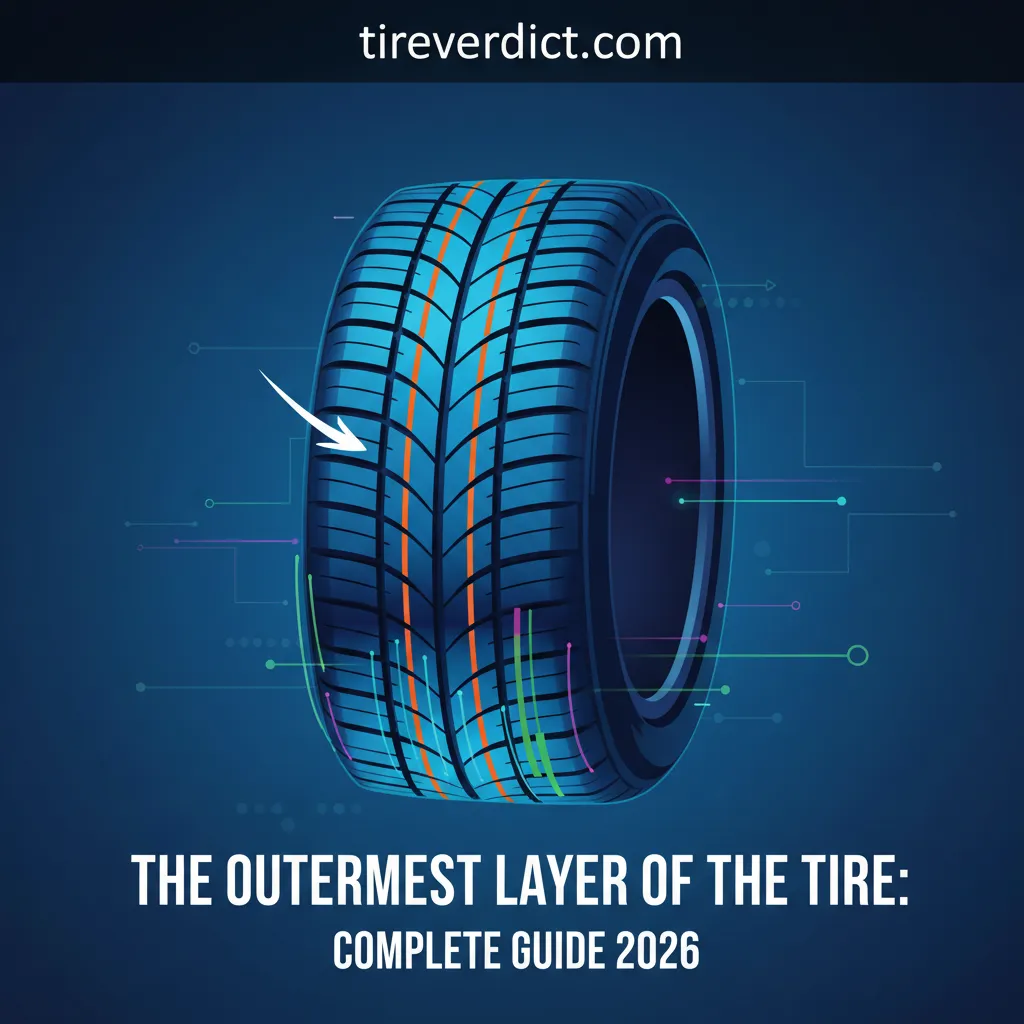
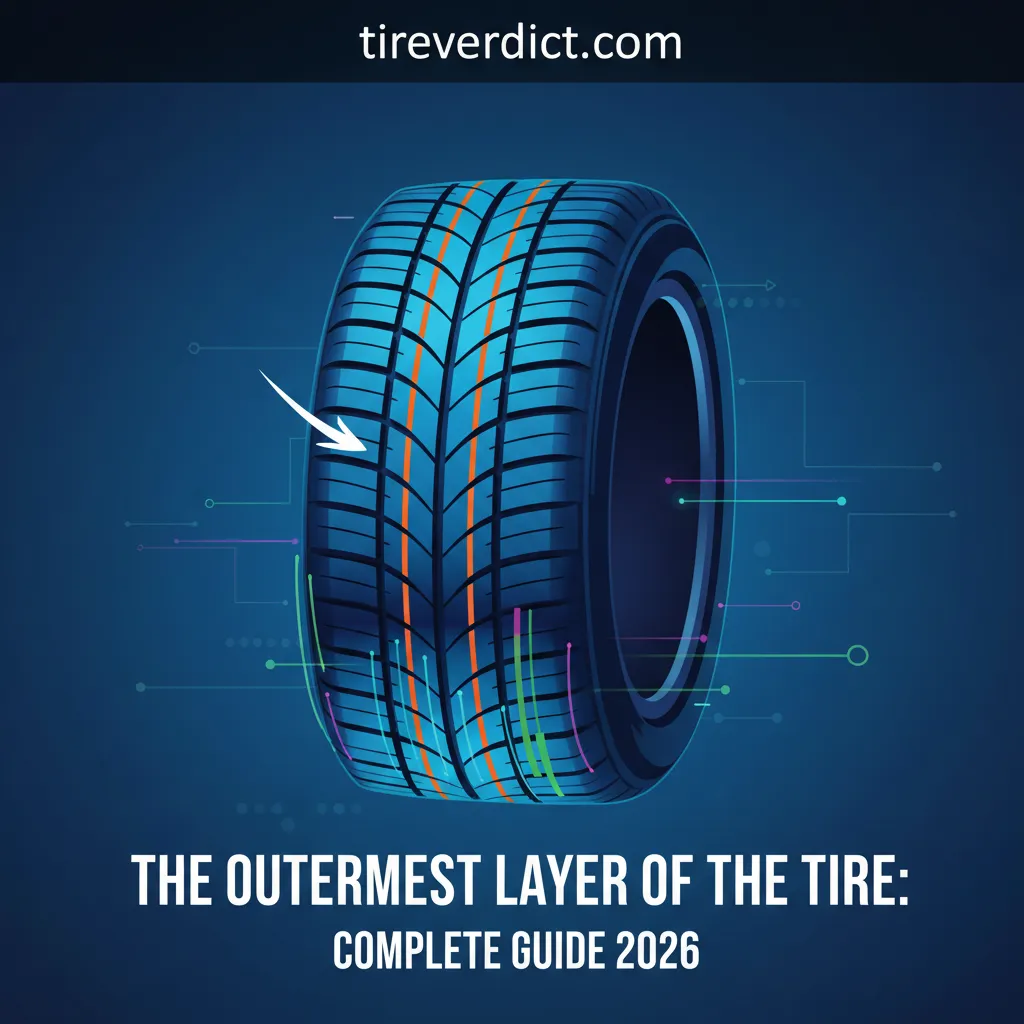
Every interaction between your vehicle and the road hinges on a critical interface, often overlooked yet paramount to performance and safety. Many drivers possess limited understanding of the intricate engineering behind their tires’ outermost surface, the tread, leading to suboptimal maintenance decisions and potentially compromised vehicle dynamics. This comprehensive guide will demystify the tire’s outermost layer, detailing its complex composition, essential functions, critical design elements, optimal maintenance requirements, and professional selection considerations. Gain expert-level insight to ensure reliable performance and enhanced driving safety through a trusted understanding of tire technology.
The Outermost Layer Of The Tire: Complete Guide 2026
📤 Share Image

Defining the Tire Tread: Composition, Function, and Engineering Principles
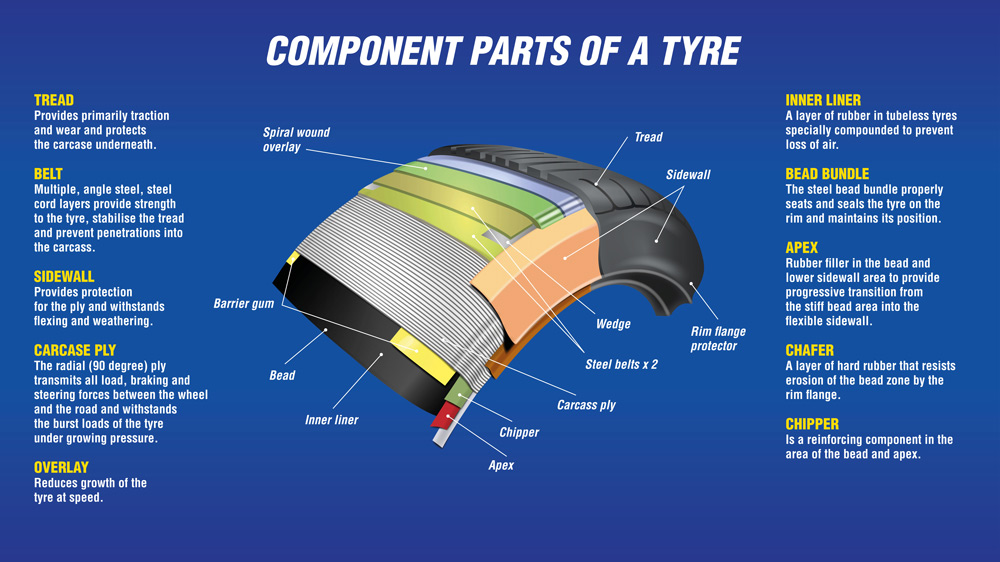
The tire tread, the outermost layer in direct contact with the road surface, is far more than just a rubber coating; it’s a meticulously engineered composite critical for a vehicle’s performance envelope and driver safety. Its complex composition and design are the result of decades of research and development, aiming to optimize grip, durability, and efficiency across diverse driving conditions. Achieving this delicate balance requires a deep understanding of polymer science and mechanical engineering, ensuring a quality product every time.
Composition: The Science Behind the Grip
Modern tire treads are composed of sophisticated rubber compounds, a blend of natural and synthetic rubbers, carbon black, silica, oils, resins, and various chemical additives. Each component plays a vital role in the tread’s overall performance:
- Natural Rubber: Primarily sourced from rubber trees, it provides excellent tensile strength, tear resistance, and heat dissipation properties, crucial for maintaining tire integrity under stress.
- Synthetic Rubber: Polymers like Styrene-Butadiene Rubber (SBR) and Butadiene Rubber (BR) are engineered to enhance wear resistance, grip in wet conditions, and fuel efficiency. Research indicates that modern passenger tires typically feature a blend where synthetic rubber constitutes 60-80% of the total rubber content, especially in all-season and high-performance applications.
- Carbon Black: This fine particulate filler significantly increases the tread’s strength, abrasion resistance, and heat conductivity, directly impacting the tire’s lifespan and structural integrity.
- Silica: A more recent innovation, silica, when combined with specific coupling agents, dramatically improves wet traction and reduces rolling resistance, leading to better fuel economy. Expert analysis shows that silica can enhance wet grip by up to 15% and reduce rolling resistance by 5-10% compared to traditional carbon black-only compounds, particularly vital for all-season and dedicated winter tire formulations.
Functions: The Core Responsibilities of the Tread
The tread performs three primary, intertwined functions, ensuring reliable and safe vehicle operation:
- Providing Traction: The tread blocks and sipes generate the necessary friction for acceleration, braking, and cornering. This is evident in specialized compounds; for instance, high-performance summer tires utilize stickier compounds with less void for maximum dry grip, while dedicated winter tires employ softer, silica-rich compounds for optimal traction in freezing temperatures.
- Displacing Water: An often-underestimated role, the tread’s intricate pattern of grooves is designed to channel water away from the contact patch, preventing hydroplaning. Circumferential grooves (running around the tire) and lateral channels (across the tread) work in concert to effectively evacuate thousands of liters of water per minute at speed, maintaining consistent contact and professional-grade control.
- Protecting the Casing: The robust tread layer shields the internal belt package and carcass from punctures, abrasions, and road hazards, preserving the structural integrity and extending the overall life of the tire.
Manufacturing and Quality Control
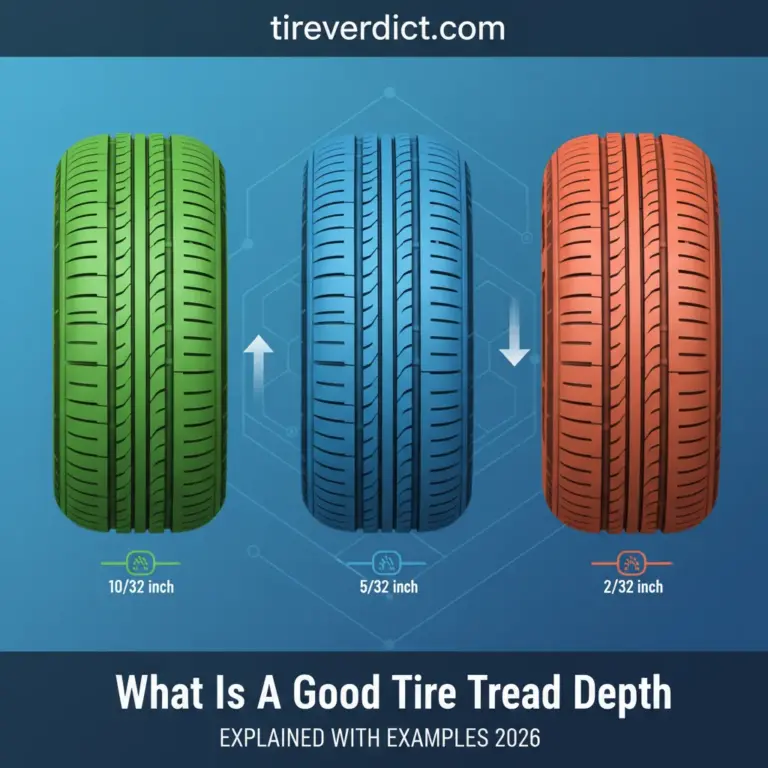
The manufacturing process involves precise mixing of raw materials, extrusion of the tread compound into specific patterns, and then curing (vulcanization) where heat and pressure permanently bond the tread to the tire casing. This process includes rigorous quality control measures, from material inspection to final product testing, to ensure that every tire meets stringent performance and safety standards. The average new passenger tire typically begins with a tread depth of 8-12/32nds of an inch, a testament to the engineering designed for longevity and reliable performance.

Key Elements of Tread Design: Patterns, Grooves, and Siping for Optimal Performance
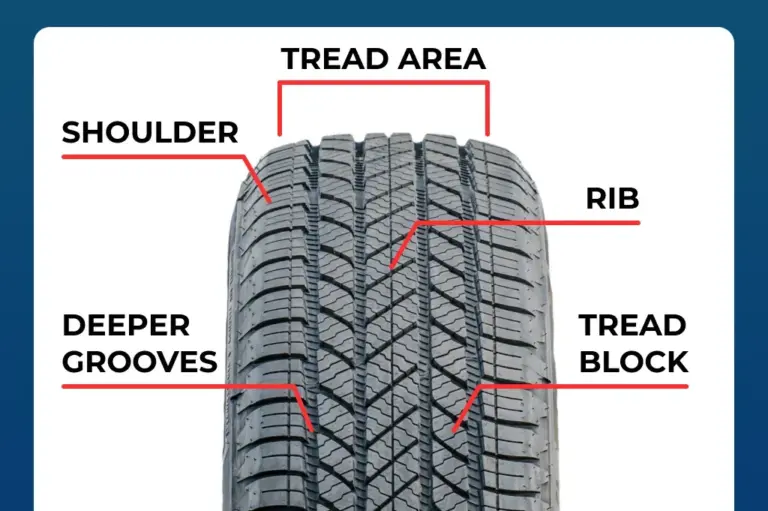
The intricate architecture of a tire’s tread is a sophisticated balance of form and function, where every groove, block, and siping detail is meticulously engineered to achieve specific performance characteristics. This expert design significantly influences a tire’s grip, noise levels, handling, and wear patterns, providing quality and professional-grade performance.
Tread Pattern Types
Tread patterns are broadly categorized into three main types, each with distinct advantages and applications:
- Symmetric: These patterns feature the same design across the entire tread surface. They are typically found on economy and touring tires, offering good all-around performance, low noise, and ease of rotation. Their primary advantages lie in their versatility and cost-effectiveness.
- Asymmetric: Characterized by different tread patterns on the inner and outer shoulders, asymmetric designs allow for specialized performance zones. The outer shoulder often has larger blocks for dry grip and stability during cornering, while the inner shoulder features more siping and grooves for wet traction. Many modern all-season and performance tires, such as the Michelin Pilot Sport A/S series, utilize this design for its versatile and reliable adherence in varied conditions.
- Directional: These patterns feature V-shaped or arrow-like grooves designed to rotate in only one direction. They are highly effective at evacuating water at high speeds, making them common on high-performance summer tires (e.g., Pirelli P Zero) and dedicated winter tires. Their main benefits include superior wet traction and resistance to hydroplaning, though they require specific mounting and rotation practices.
Grooves and Tread Blocks
The void areas within the tread pattern, known as grooves, and the solid rubber elements, called tread blocks, are fundamental to performance:
- Circumferential Grooves: These run continuously around the tire, acting as primary channels for water evacuation and contributing to straight-line stability. They are also crucial for heat dissipation.
- Lateral Grooves: Running perpendicular or at angles to the circumferential grooves, these aid in shedding water and providing biting edges for braking and acceleration.
- Tread Blocks: These solid rubber segments provide the direct contact with the road. Their size, shape, and arrangement impact dry grip, braking stability, noise levels, and wear. Larger, stiffer blocks typically offer better dry handling, while smaller, more numerous blocks enhance wet and snow traction.
The tread void ratio, which is the percentage of the tread area occupied by grooves, directly impacts a tire’s resistance to hydroplaning. Tires with higher void ratios (e.g., winter tires) can displace more water, improving wet performance, while lower void ratios (e.g., summer performance tires) offer greater contact patch for dry grip.
Siping: The Hidden Edges
Sipes are the thin, razor-like slits cut into the tread blocks. Often overlooked, siping is a fundamental feature that significantly boosts traction, especially on wet, icy, or snowy surfaces. They serve several critical functions:
- Biting Edges: Sipes create thousands of additional biting edges that grip slippery surfaces, much like tiny claws. This is paramount for professional-grade handling in adverse conditions.
- Water Film Penetration: They help cut through the thin film of water on the road, allowing the tread blocks to make more direct contact.
- Block Flexibility: Sipes allow tread blocks to flex and conform to irregularities on the road surface, improving grip without compromising block rigidity too much for dry performance.
Research indicates that advanced siping technologies, such as 3D interlocking sipes, can quantifiably improve wet braking distance by up to 10-15% and provide 20-30% better snow traction compared to tires with conventional sipes or none at all. This highlights the expert engineering required to optimize these microscopic features for reliable performance.
Diagnosing Tread Wear: Identifying Patterns, Causes, and Professional Remediation
The way a tire’s tread wears can provide invaluable diagnostic information about the vehicle’s alignment, suspension, and overall maintenance. As an expert, I’ve seen countless cases where irregular tread wear signaled underlying mechanical issues, compromising safety and reliable performance. Accurately identifying these patterns is the first step towards professional remediation.
Common Tread Wear Patterns and Their Meanings
Regular, diligent inspection is crucial. Here are the prevalent wear patterns:
- Uniform Wear: The ideal scenario, where the tread wears evenly across its entire surface. This indicates proper inflation, good alignment, and sound suspension components.
- Center Wear: The center of the tread wears faster than the shoulders. This is a classic sign of overinflation. Excessive air pressure causes the tire to bulge slightly, concentrating contact pressure in the middle. Beyond accelerated wear, overinflation reduces the contact patch, leading to diminished grip and a harsher ride.
- Shoulder Wear (Edge Wear): Both outer edges of the tread wear faster than the center. This indicates underinflation. Insufficient air pressure causes the tire’s sidewalls to sag, forcing the shoulders to carry more load and increasing friction. Underinflation is a significant safety hazard, generating excessive heat and increasing the risk of tire failure, while also reducing fuel efficiency.
- Feathering or Sawtooth Wear: Tread blocks are worn higher on one side and lower on the other, creating a feathered or sawtooth-like appearance when you run your hand across the tread. This is a strong indicator of alignment issues, specifically incorrect toe settings (the inward or outward angle of the wheels). Uncorrected, feathering can lead to steering pull and reduced directional stability.
- Cupping or Scalloping: Irregular dips and hollows appear around the tread circumference, often in patches. This pattern typically points to worn or damaged suspension components, such as shock absorbers, struts, or ball joints. A failing shock absorber, for instance, can cause the tire to bounce, leading to uneven contact and localized wear.
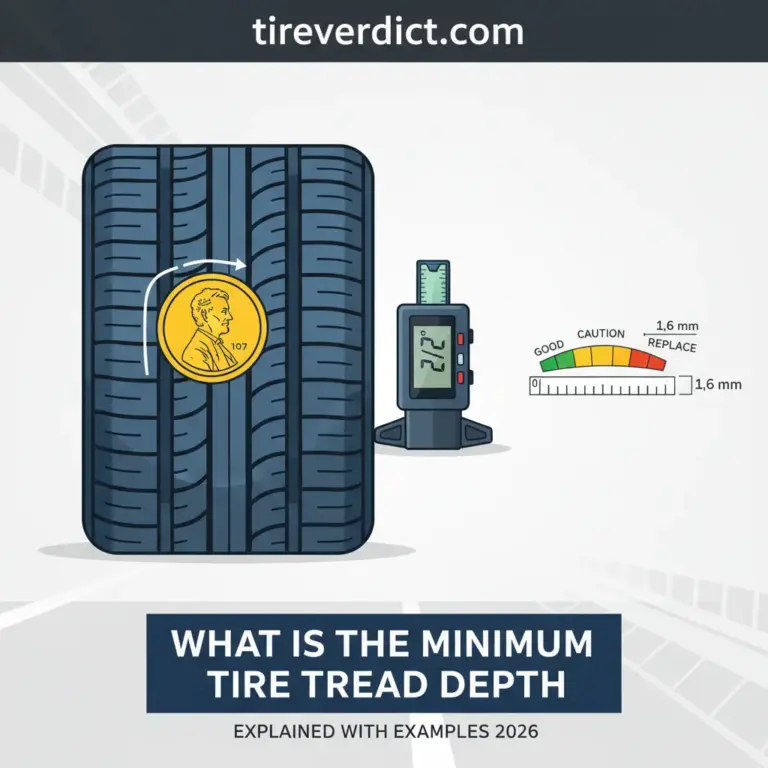
Ignoring irregular tread wear is not merely an aesthetic concern; it directly impacts vehicle safety, stability, and braking performance. Research indicates that tires with less than 4/32nds of an inch of tread depth significantly increase accident risk, particularly in wet conditions. Legal minimums, typically 2/32nds of an inch, represent the absolute limit before a tire is considered unsafe and illegal.
Tread Depth Checks and Professional Intervention
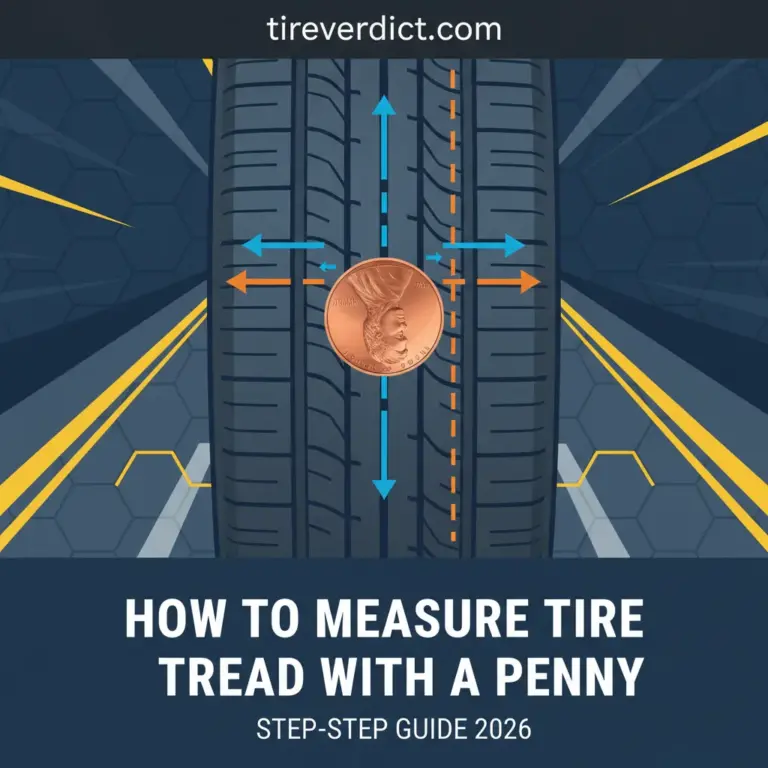
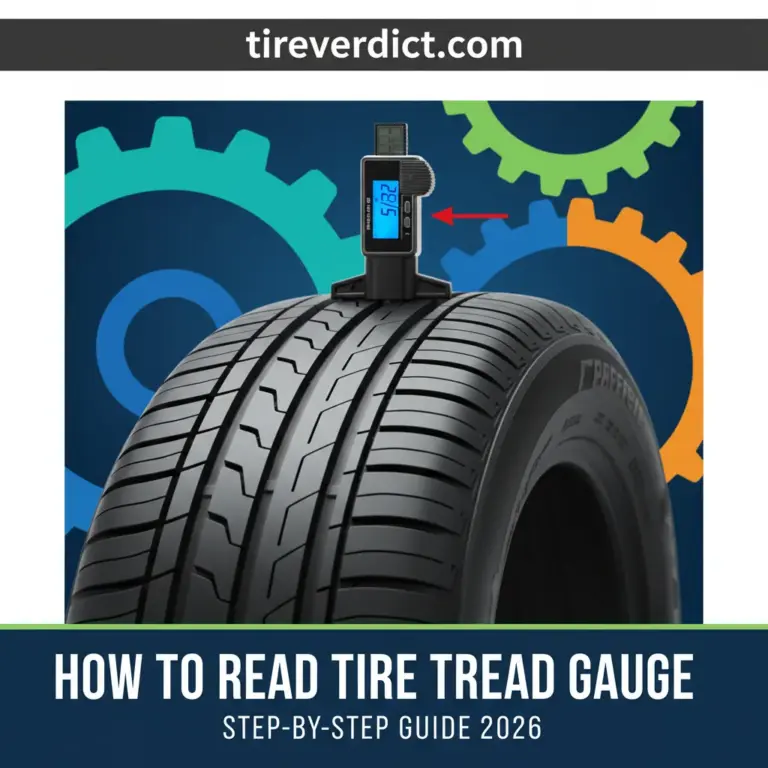
Regularly checking tread depth with a dedicated tire depth gauge is paramount. While a quick “penny test” can offer a rough estimate, a precise gauge provides quantifiable data. When any irregular wear pattern is observed, or if tread depth approaches critical levels, expert professional intervention is unequivocally necessary. Trusted technicians possess the tools and knowledge to diagnose the root cause—be it incorrect tire pressure, misaligned wheels, or faulty suspension components—and recommend the correct remediation. Studies consistently show a proven correlation between incorrect wheel alignment and premature, uneven tread wear, highlighting the need for regular professional checks.
By The Numbers
Minimum Legal Tread Depth
Increased Stopping Distance (Wet, from 4/32″)
Fuel Economy Loss (Underinflated by 6 PSI)
Proactive Tread Maintenance: Strategies for Extending Life and Ensuring Safety
Diligent and proactive maintenance of your tire tread is the cornerstone of maximizing its lifespan, ensuring consistent quality, and upholding optimal safety performance. As a seasoned expert, I consistently emphasize that a minimal investment in routine care yields significant returns in both reliable performance and cost savings over the long term. These professional practices are critical for every vehicle owner.
The Cornerstones of Tread Maintenance
📋
Step-by-Step Guide to Proactive Tire Care
Always check your tires’ cold inflation pressure at least once a month, and before any long journey. Refer to your vehicle’s owner’s manual or the placard on the driver’s side door jamb for the recommended PSI, not the maximum pressure listed on the tire sidewall. Precise inflation ensures the optimal contact patch, uniform tread wear, improved fuel efficiency (quantifiably up to 3% for every 3 PSI increase to correct pressure), and predictable vehicle handling.
Rotate your tires every 5,000 to 7,500 miles, or as recommended by your vehicle manufacturer. Tire rotation ensures that all four tires wear evenly, as different wheel positions experience varying stresses. This promotes balanced wear, extends the life of the entire set, and maintains consistent grip, ultimately saving you money on early replacements—a significant economic benefit.
Have your wheel alignment checked annually or whenever you notice steering pull, uneven wear, or after hitting a significant pothole. Balancing should be done when new tires are installed, or if vibrations are felt. These services are crucial for preventing irregular wear patterns, mitigating vibrations, and maintaining steering precision for a quality, predictable driving experience.
Regularly inspect your tires for visual signs of damage. Look for punctures (nails, screws), cuts, bulges or blisters on the sidewall or tread, cracks, and embedded foreign objects. Early detection allows for prompt professional repair or timely replacement, which is critical for ensuring continued safety and the structural integrity of the tire. Neglecting these checks is a primary safety implication of routine tire care.
Even if your tires appear visually sound, always refer to the manufacturer’s recommended lifespan, typically 6-10 years from the date of manufacture (DOT code on the sidewall), regardless of tread depth. Rubber compounds degrade over time due to UV exposure and oxidation, impacting elasticity and grip—a vital, often overlooked, aspect of quality tire maintenance.
Strategic Tread Selection: Choosing the Right Tires for Your Driving Environment
Selecting the right tires is not a one-size-fits-all proposition; it’s a strategic decision that profoundly impacts safety, performance, and driving experience. As a trusted industry expert, I emphasize that the chosen tread pattern and compound must be optimally matched for your specific driving conditions and vehicle. Understanding these nuances is key to making highly informed decisions that reflect professional advice.
Categorization of Tires by Tread and Compound
Tires are broadly categorized based on their intended use, influencing their tread characteristics:
- All-Season Tires: Designed for year-round performance in moderate climates, these offer a balanced tread pattern with a medium void ratio, moderate siping density, and a compound optimized for a wide temperature range. They are a reliable choice for drivers who experience mild winters and hot summers, providing good performance in light snow and wet conditions.
- Summer Performance Tires: Featuring a less voided, often directional or asymmetric tread with larger, stiffer blocks and minimal siping, these are engineered for maximum dry grip and precise handling in warm conditions. Their compounds harden significantly below 7°C (45°F), leading to significantly reduced effectiveness and grip in cold weather.
- Winter/Snow Tires: Characterized by aggressive, highly siped tread patterns, deeper grooves, and a softer, silica-rich rubber compound that remains flexible in freezing temperatures. The Three-Peak Mountain Snowflake (3PMSF) symbol, a critical marking, denotes certified severe snow performance. Documented performance differences show that dedicated winter tires can reduce stopping distances on ice by up to 20-30% compared to all-season tires at 0°C (32°F).
- All-Terrain (A/T) Tires: Predominantly for trucks and SUVs, these boast large, aggressive tread blocks with wide, deep grooves for off-road traction, yet are designed to be reasonably quiet on pavement. Their reinforced sidewalls and robust construction provide durability for challenging environments.
Understanding Critical Environmental Factors
Your choice of tread should align with your specific environment and driving habits:
- Local Climate: Drivers in areas with distinct winter seasons (e.g., snowy mountain conditions) should strongly consider a dedicated winter tire setup. Conversely, those in consistently mild climates benefit from summer or high-performance all-season options. Specific temperature thresholds, such as the 7°C (45°F) rule, mark where summer compounds lose significant elasticity and grip.
- Typical Road Surfaces: Commuting primarily on paved highways demands a different tire than frequent driving on gravel roads or off-road trails.
- Individual Driving Style: An aggressive driver seeking maximum cornering grip will prioritize a performance-oriented tread, while a moderate commuter might favor longevity and comfort from a touring all-season tire.
Interpreting Sidewall Markings
Crucial information about a tire’s tread performance is etched onto its sidewall:
- M+S Designation: “Mud + Snow” indicates a tire designed to provide better-than-average traction in muddy and light snowy conditions. While useful, it does not signify severe winter capability.
- Three-Peak Mountain Snowflake (3PMSF) Symbol: This symbol is a robust indicator of severe winter performance, certifying that the tire meets specific industry standards for acceleration and braking on snow and ice. This is an essential quality assurance mark for dedicated winter tires.
The Indispensable Role of a Trusted Tire Specialist
Given the complexity and safety implications, the indispensable role of a trusted and certified tire specialist cannot be overstated. These professionals provide expert guidance in recommending the most appropriate tires based on your vehicle’s specifications, local regulations, and individual user requirements for optimal safety, quality, and performance. Their nuanced understanding of tire technology and extensive product knowledge ensures you make an informed investment in your vehicle’s most critical safety component.
The tire tread is a complex, multi-functional component critical for vehicle traction, stability, and overall safety, impacting every aspect of reliable performance. Understanding diverse tread patterns, diligently monitoring wear indicators, and adhering to professional maintenance practices are paramount for optimizing tire lifespan and operational dependability. Strategic selection of tires, guided by expert insights into driving conditions and vehicle requirements, significantly enhances both vehicle safety, handling, and overall quality of the driving experience. We urge you to prioritize regular tire inspections and maintenance, consult with professional technicians for trusted advice, and always ensure your vehicle is equipped with quality, reliable tires tailored precisely to your driving needs for maximum safety and performance.
Frequently Asked Questions
What is the primary purpose of the tire tread?
The primary purpose of the tire tread is to provide optimal grip and traction with the road surface, facilitate efficient water evacuation to prevent hydroplaning, and robustly protect the tire’s internal structure. Its engineered patterns and specialized rubber compounds are crucial for safe braking, acceleration, and cornering, contributing significantly to a vehicle’s reliable performance, stability, and overall quality under various driving conditions.
How often should I check my tire tread depth?
It is professionally recommended to check your tire tread depth at least once a month, ideally concurrently with monitoring tire pressure. This frequent inspection allows for early detection of irregular wear patterns or critically low tread, which can severely compromise safety and vehicle handling. Prompt action based on these expert checks ensures consistent quality, reliable road contact, and extends tire lifespan.
What is the legal minimum tread depth for tires?
In most regions, the widely accepted legal minimum tread depth for passenger vehicle tires is 2/32nds of an inch (approximately 1.6 mm). However, specialized tires, particularly dedicated winter tires, often have higher recommended minimums for optimal performance and safety. Driving with tread depth below this legal limit is unsafe, compromises vehicle control, and can result in fines or vehicle impoundment, requiring professional attention.
Can I mix different tire tread patterns on my vehicle?
While technically possible, experts strongly advise against mixing different tire tread patterns, especially on the same axle. Doing so can significantly compromise vehicle handling, braking performance, and overall stability, particularly in adverse weather conditions. For consistent, reliable, and safe performance, maintaining a uniform set of four tires with identical tread patterns and quality is the professional recommendation from trusted sources.
How does temperature affect tire tread performance?
Temperature significantly influences tire tread performance due to the specific properties of the rubber compounds. Colder temperatures cause standard rubber to stiffen, drastically reducing grip, which is why specialized winter tires with softer, flexible compounds are essential. Conversely, excessively high temperatures can cause accelerated wear and reduce handling characteristics in performance tires not designed for such extremes. Selecting the right tire type based on climate is key to quality and reliable performance.