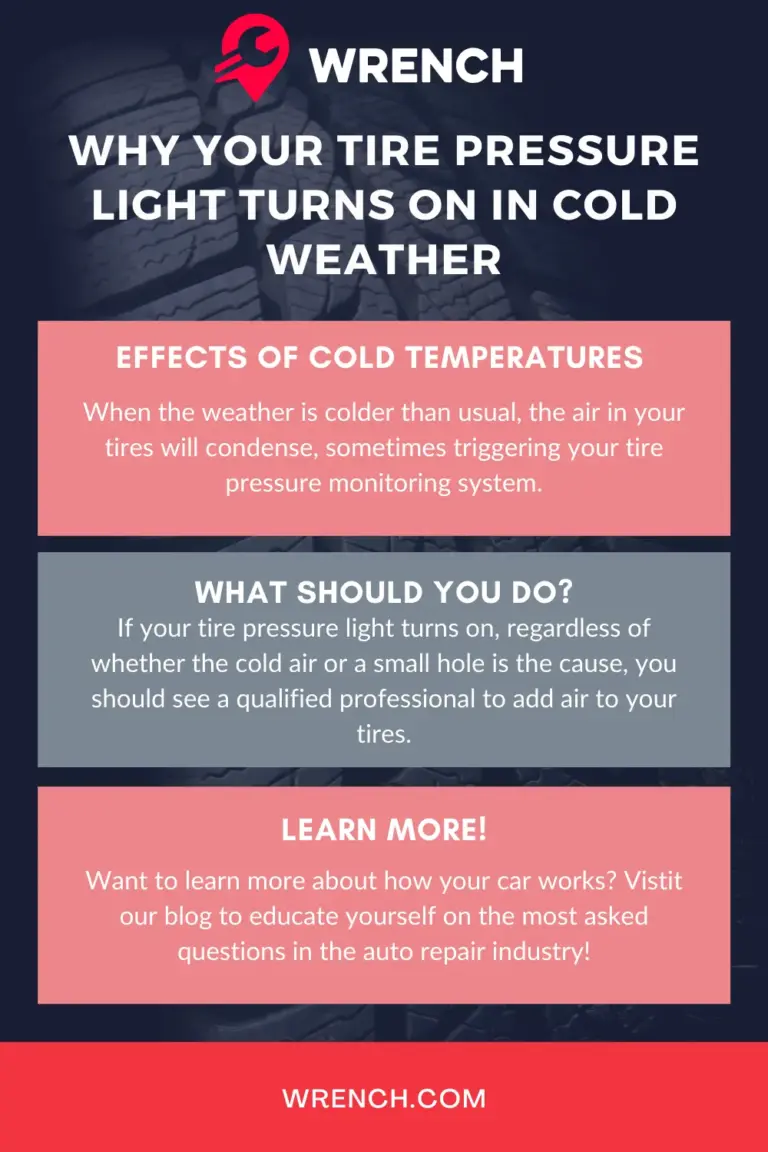

The illumination of a dashboard warning light can be unsettling, particularly when it concerns critical vehicle systems like tire pressure. For Ford Escape owners, a ‘TPMS Fault’ message or flashing tire pressure indicator signals an issue beyond simple low tire pressure, prompting questions about its cause and resolution. This comprehensive guide, crafted from over 15 years of industry experience, will precisely diagnose the common causes of Ford Escape tire pressure sensor faults and provide expert, step-by-step solutions to repair and resolve these issues, ensuring your vehicle’s safety and optimal performance through 2026 and beyond.
Understanding the Ford Escape Tire Pressure Monitoring System (TPMS)

📤 Share Image
The Tire Pressure Monitoring System (TPMS) in your Ford Escape is a critical safety feature designed to alert you when one or more tires are significantly under-inflated, which can lead to unsafe driving conditions, premature tire wear, and decreased fuel efficiency. Since 2008, all Ford Escape models have utilized a direct TPMS system, meaning each tire, including the spare tire on some models, houses a dedicated pressure sensor.
This direct system comprises several key components: tire pressure sensors located inside each wheel (typically integrated with the valve stem), a central TPMS module (often referred to as the Smart Junction Box or Body Control Module), and a warning indicator on the dashboard. These sensors continuously monitor the tire’s internal pressure and temperature, transmitting this data wirelessly to the TPMS module. If a tire’s pressure drops below a pre-set threshold (typically 25% below the recommended cold inflation pressure), the module triggers a visual alert.
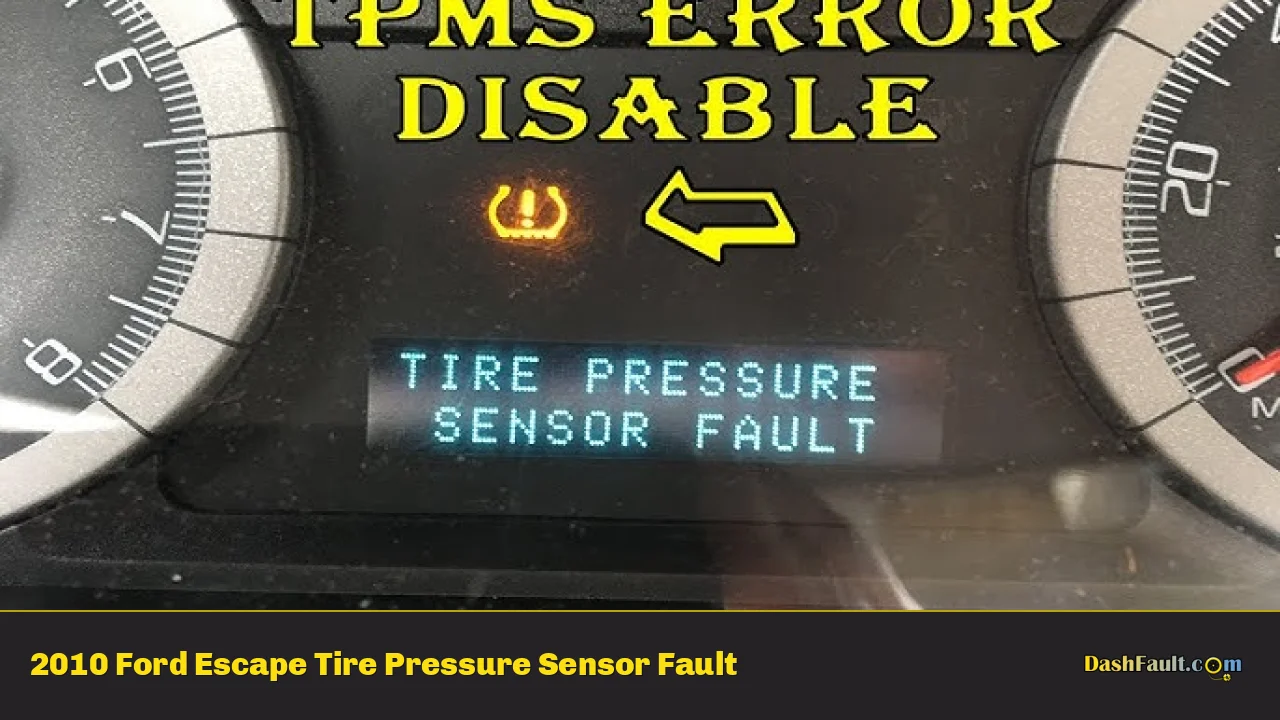
A properly functioning TPMS is not merely a convenience; it’s a safety imperative. Research indicates that TPMS systems have been instrumental in significantly reducing tire-related accidents, a core reason for their mandate by safety regulations such as the TREAD Act in the United States. Beyond the straightforward low-pressure warning (a solid illuminated light), a deeper issue often presents as a flashing TPMS light or a specific ‘TPMS Fault’ message displayed on the instrument cluster. For instance, a flashing light that eventually stays solid indicates a system malfunction rather than just low tire pressure. Ignoring these warnings compromises vehicle safety, fuel economy, and tire longevity, making prompt diagnosis and repair crucial.

Diagnosing Ford Escape Tire Pressure Sensor Faults: Indicators & Initial Steps
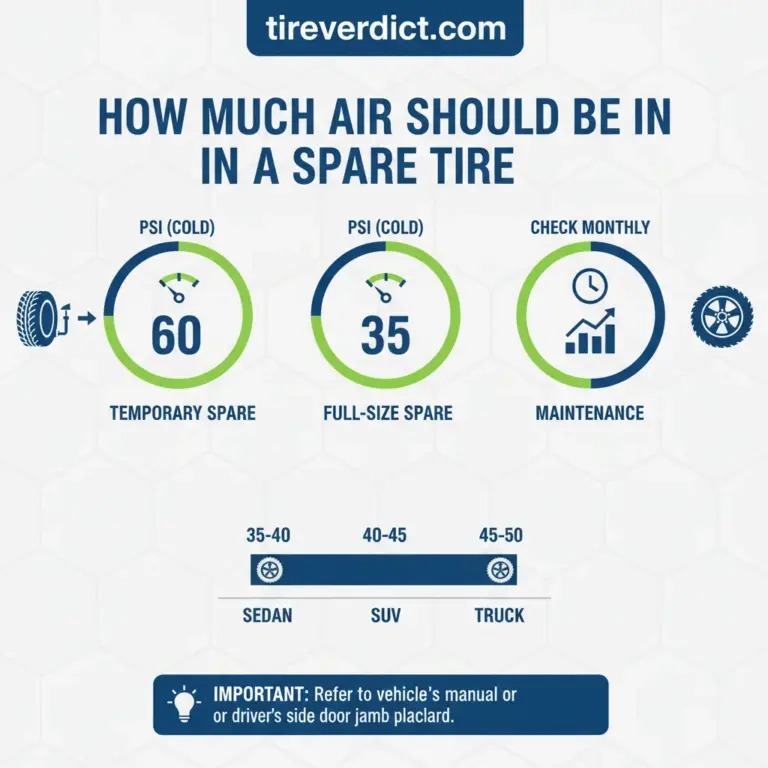
Effectively diagnosing a Ford Escape TPMS fault begins with accurately interpreting the warning signals and performing diligent initial checks. The behavior of the TPMS warning light on your dashboard is your first critical clue. If the light simply stays on solid, it usually signifies that one or more tires are under-inflated, and a simple inflation to Ford’s recommended specifications (e.g., 35 PSI for many Escape models) will resolve the issue.
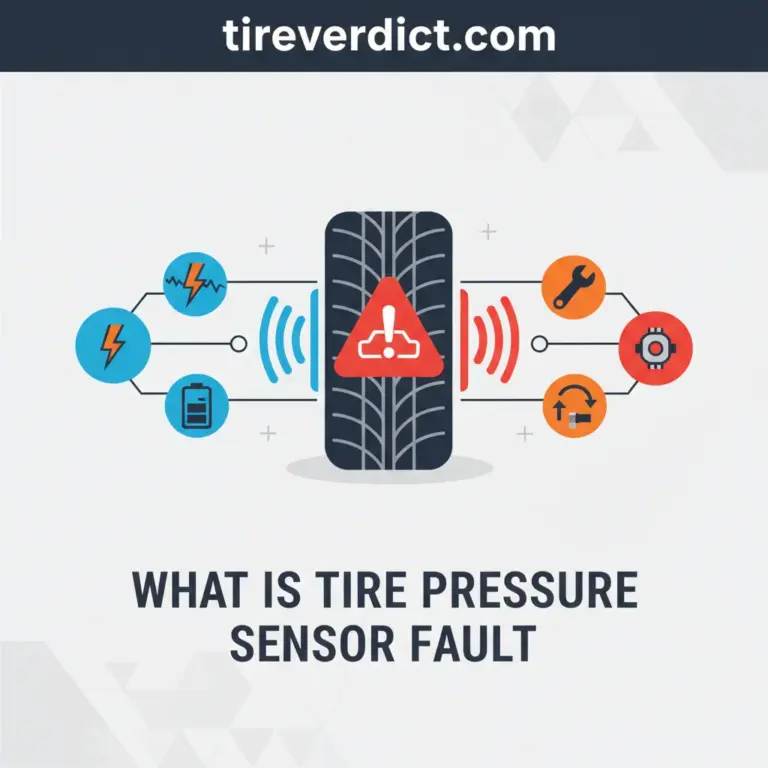
However, if the TPMS light flashes for approximately 60-90 seconds upon startup and then remains solid, this is the definitive indicator of a system malfunction or a faulty sensor, not just low pressure. In this scenario, the system has detected an error within its components. Your initial steps should include a visual inspection of all tires for obvious punctures, proper inflation, and any visible damage to the valve stems, as these can sometimes indicate sensor damage.
To truly diagnose the root cause, an OBD-II scanner with TPMS capabilities or a dedicated TPMS scan tool is indispensable. These tools can read Diagnostic Trouble Codes (DTCs) specific to the TPMS system and often display individual sensor IDs and battery status. Common Ford Escape TPMS DTCs include C101D (Right Front sensor fault), C101F (Left Front sensor fault), C1021 (Right Rear sensor fault), or C1024 (Left Rear sensor fault). These codes directly point to a specific sensor that needs attention. Without these tools, pinpointing the exact malfunctioning sensor or component becomes a process of elimination, which is inefficient and often costly.
Always check your Ford Escape’s door jamb sticker for the exact recommended tire pressure for your specific model and year. This is the baseline for all TPMS function and fault diagnosis.
By The Numbers
Typical TPMS Battery Life
Common Escape Recommended Tire Pressure
Cost of a Single TPMS Sensor Part
Sensor Battery Life Expectancy (or 7 years)
Common Causes of TPMS Sensor Malfunctions in Ford Escape
Understanding the root causes of a TPMS fault is paramount to a successful repair. From our extensive experience, most Ford Escape TPMS issues stem from a few recurring problems, often related directly to the sensors themselves.
Battery Depletion
This is, without a doubt, the most frequent cause of a TPMS sensor fault. Each sensor contains a small, non-rechargeable battery to power its pressure monitoring and wireless transmission functions. These internal batteries have a finite lifespan, typically designed to last for about 100,000 miles or 7 years. Once depleted, the sensor can no longer transmit data, triggering a fault. Because these batteries are sealed within the sensor, they are not independently replaceable, meaning the entire sensor must be replaced.
Physical Damage
TPMS sensors are robust but not indestructible. They are susceptible to physical damage during routine tire services, especially during tire mounting or dismounting if technicians are not careful. Impacts from potholes, striking curbs, or even off-road driving can directly damage the sensor housing or the delicate valve stem. Furthermore, in regions using road salt, corrosion around the metal valve stem can lead to air leaks or compromise the sensor’s connection to the wheel, triggering a fault. We’ve seen numerous cases where a simple tire change resulted in a new TPMS fault due to improper handling.
Sensor Malfunction/Failure
Like any electronic component, the internal circuitry of a TPMS sensor can simply malfunction or fail due to manufacturing defects, prolonged exposure to extreme temperatures (hot or cold), or moisture ingress. Even without physical impact, a sensor can stop working correctly, sending erratic data or no data at all, which the TPMS module will interpret as a fault.
TPMS Module Issues
While less common than sensor failures, the central TPMS control module itself can develop issues. Problems with the module’s power supply, ground connections, or its internal processing unit can lead to system-wide faults. Similarly, damage to the wiring harness connecting the module to the vehicle’s electrical system can disrupt communication and generate fault codes. This often requires advanced debug procedures and specialized diagnostic equipment.
Environmental Factors/Interference
Though rare, strong electromagnetic interference from external sources can temporarily disrupt the TPMS system’s ability to receive sensor signals. This is less likely to cause a permanent fault but can lead to intermittent warnings. However, for a persistent TPMS fault, the primary cause is almost always physical or battery-related to the sensor itself.

Step-by-Step Solutions: How to Fix Ford Escape Tire Pressure Sensor Issues
Once you’ve diagnosed the likely cause of your Ford Escape’s TPMS fault, the next step is implementing the correct solution. This often involves a combination of simple checks and more involved procedures.
📋
Step-by-Step Guide to Resolving TPMS Faults
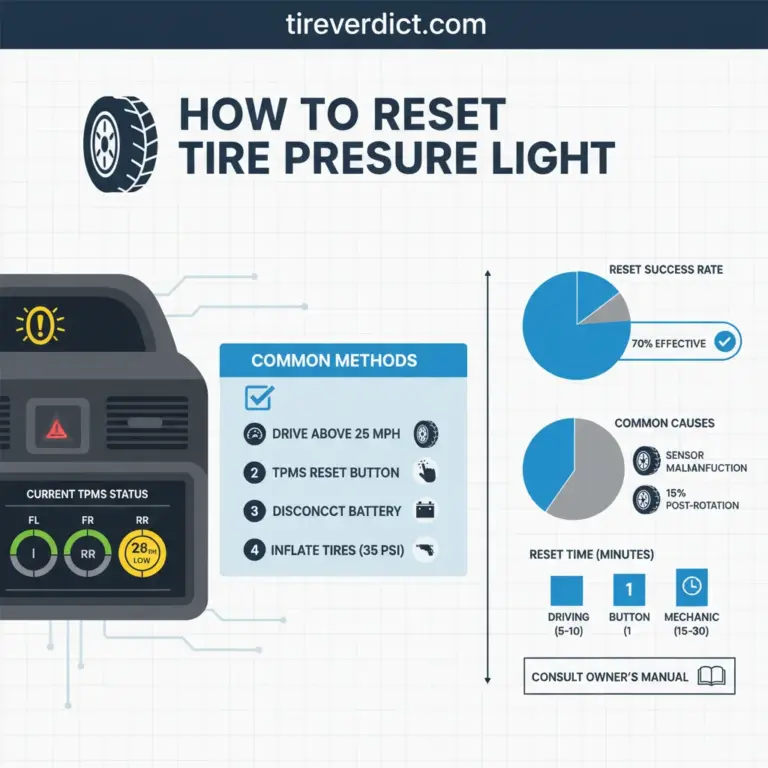
If the light is solid (not flashing), start by ensuring all four tires, and the spare if equipped with a sensor, are inflated to the precise PSI indicated on your driver’s side door jamb. Drive for at least 15-20 minutes at speeds above 25 mph. For a manual reset, some Ford Escape models (especially 2013-2019) may require a sequence like: Turn ignition ON (engine off), OFF, ON, OFF, then press and release the brake pedal. Repeat this sequence two more times. The horn will chirp to confirm entry into relearn mode. This is often the simplest workaround for minor issues.
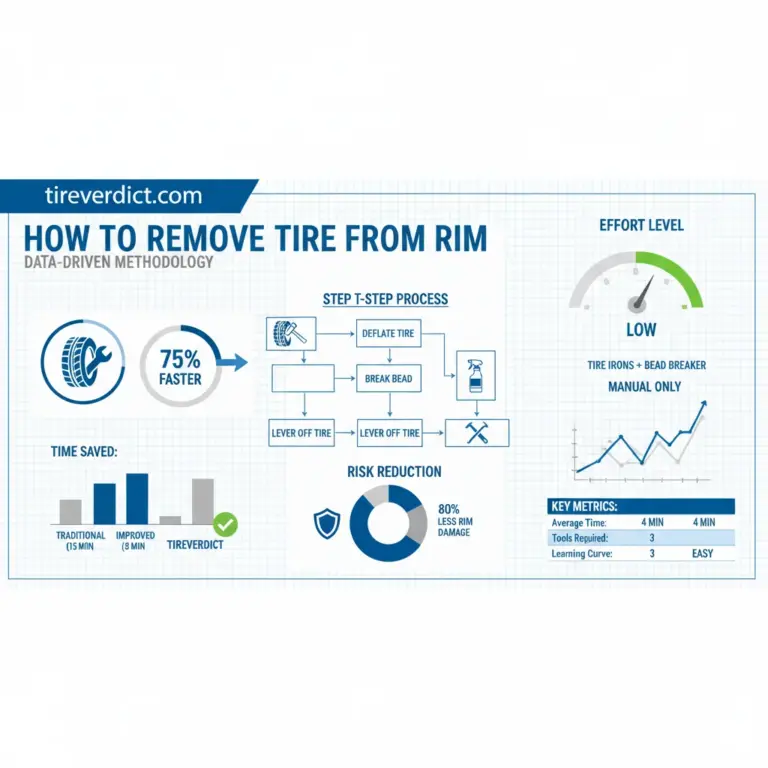
If diagnostic tools indicate a faulty sensor (e.g., dead battery, no signal), it needs replacement. This typically involves removing the tire from the wheel, carefully dismounting the old sensor from the valve stem, and installing a new one. Choose OEM Ford sensors for guaranteed compatibility or high-quality aftermarket options from reputable brands known for Ford compatibility, such as Schrader or Continental. A single TPMS sensor replacement typically costs $50-$150 for the part, plus labor, which can vary depending on tire shop rates.
After replacing a sensor, it must be programmed or “relearned” to the vehicle’s TPMS module. This crucial step allows the module to recognize the new sensor’s ID. Relearn procedures can vary slightly by model year (e.g., 2013-2019 vs. 2020+). For many Ford Escapes, the manual sequence mentioned in Step 1 (ignition cycle and brake pedal presses) will initiate a relearn, followed by incrementally deflating/inflating tires in a specific order (often LF, RF, RR, LR) until the horn chirps after each. Newer models (2020+) often use an auto-relearn feature after a short drive or require a dedicated TPMS scan tool for programming.
Whenever a tire is serviced or a sensor replaced, it’s good practice to replace the valve stem core and cap, and if applicable, the grommet and nut (for clamp-in sensors). These small components are vital for maintaining an airtight seal and protecting the sensor from contaminants. A basic TPMS service kit costs less than $10 per wheel and can prevent future leaks or damage.
If you lack the specialized tools (like a dedicated TPMS scan tool) or comfort level, or if the fault persists after basic troubleshooting, seeking assistance from a certified technician or Ford dealership is advisable. They have advanced diagnostic equipment to accurately troubleshoot complex issues, including TPMS module failures or wiring problems, which are beyond DIY capabilities. Getting expert help ensures a proper repair and helps resolve the underlying issue effectively.
What If the TPMS Fault Persists After Initial Repairs?
It can be frustrating when a TPMS fault persists even after seemingly addressing the issue. When basic troubleshooting and sensor replacement don’t resolve the problem, it’s time for more advanced diagnostic strategies to debug the system.
Advanced Diagnostic Tool Use
A professional-grade TPMS diagnostic tool is crucial at this stage. These tools not only read DTCs but can also display live sensor data, including pressure, temperature, and crucially, signal strength. This allows a technician to verify if a newly installed sensor is transmitting correctly and if the signal is reaching the TPMS module. If a sensor is transmitting but the module isn’t receiving, it points to a communication problem elsewhere.
Inspecting TPMS Module and Wiring
If all sensors are verified to be functioning, the focus shifts to the central TPMS control module and its associated wiring. This requires checking for proper power and ground connections to the module using a multimeter. Technicians will also consult wiring diagrams to inspect the communication lines (often CAN bus) for continuity, shorts, or opens. Module failure is less common, but replacement can be expensive, ranging from $200-$600 for parts alone, plus significant labor due to its integration within the vehicle’s electrical system.
Checking for RF Interference
While rare, electromagnetic or radio frequency (RF) interference can disrupt TPMS signals. This could be caused by poorly installed aftermarket electronic devices, certain types of radar detectors, or even external sources. Isolating and temporarily disabling suspect devices can help determine if this is the cause of an intermittent or persistent fault.
Technical Service Bulletins (TSBs) and Software Updates
Ford, like all manufacturers, issues Technical Service Bulletins (TSBs) to address known issues that affect multiple vehicles. Researching TSBs for your specific Ford Escape model year can reveal if there’s a documented TPMS problem with a prescribed solution. For example, a TSB might exist for an ‘intermittent TPMS light’ on a 2015 Ford Escape that points to a software glitch. Additionally, the TPMS module’s firmware can sometimes be updated. Software updates may be required after replacing certain electronic components or to fix known bugs, which often necessitates a visit to a Ford dealership with their proprietary diagnostic tools (IDS/FDRS).
Never attempt to force a TPMS sensor into a wheel or use improper tools during tire service. This can easily damage the sensor or cause air leaks, leading to costly additional repairs.
Preventative Maintenance for Ford Escape TPMS Longevity
Proactive care for your Ford Escape’s TPMS can significantly extend sensor life and help avoid unexpected faults, ultimately saving you time and money. Incorporating these practices into your routine will contribute to the system’s longevity through 2026 and beyond.
Regular Tire Pressure Checks
Don’t solely rely on your TPMS. Manually check tire pressures with a reliable gauge at least once a month, and always before long trips. This helps identify slow leaks before they trigger a TPMS warning and ensures tires are optimally inflated. Proper tire maintenance can extend tire life by up to 10,000 miles.
Proper Tire Service
Always use reputable tire shops that demonstrate an understanding of TPMS sensor handling. Damage often occurs during tire mounting or dismounting. Good technicians will use specific tools and techniques to avoid stress on the sensors.
Valve Stem Care
Each time a tire is serviced or a sensor is replaced, ensure the valve stem service kit (grommet, washer, nut, and cap) is replaced. These components are inexpensive, typically costing less than $10 per wheel, and are crucial for maintaining the sensor’s integrity and preventing air leaks and corrosion.
Seasonal Tire Changes
If you use separate winter and summer tire sets, consider investing in a second set of TPMS sensors for your second set of wheels. This avoids the need for seasonal reprogramming and potential damage from repeated sensor transfers. While an upfront cost, it saves time and potential future repair expenses.
Monitoring Sensor Age
Given the typical 7-10 year battery life, proactively consider replacing all TPMS sensors when your vehicle approaches this age, especially when getting new tires. This preventive measure can avoid individual sensor failures and the associated hassle, providing a robust solution for future driving.
Ford Escape TPMS faults are often due to sensor battery depletion, physical damage, or less commonly, module issues. Accurate diagnosis involves observing warning light patterns and utilizing specific TPMS scan tools to read DTCs and sensor data. Solutions range from tire inflation and simple resets to sensor replacement, always followed by a crucial relearn procedure. Persistent faults may necessitate advanced diagnostics, a review of Technical Service Bulletins (TSBs), or professional intervention for complex module or wiring problems. Proactive maintenance, such as regular manual pressure checks, proper tire service, and timely valve stem care, can significantly extend sensor lifespan and prevent future faults. Ensure your Ford Escape’s safety and efficiency by promptly addressing any TPMS warning. Diagnose the fault using the methods outlined, and implement the appropriate repair or seek certified professional assistance for complex issues to resolve your TPMS fault effectively.
Frequently Asked Questions
Can I drive my Ford Escape with the TPMS light on?
While it’s generally possible to drive, it is not recommended, especially if the light is flashing, indicating a system malfunction. A persistent TPMS light means you lack real-time tire pressure monitoring, which is a safety feature. Driving without proper TPMS increases the risk of undetected low tire pressure, leading to poor handling, reduced fuel economy, and potential tire failure.
How much does it cost to replace a TPMS sensor on a Ford Escape?
The cost to replace a single TPMS sensor on a Ford Escape typically ranges from $75 to $200 per wheel. This includes the sensor part, which is usually $30-$100, plus labor for tire removal, sensor replacement, tire remounting, balancing, and the necessary TPMS relearn procedure. Prices vary based on parts quality and labor rates.
How often should Ford Escape TPMS sensors be replaced?
Ford Escape TPMS sensors typically have an internal battery lifespan of 5 to 10 years or approximately 100,000 miles. Many automotive experts recommend proactive replacement of all four sensors when replacing tires after this timeframe, even if they haven’t failed, to prevent future issues and reduce labor costs associated with separate replacements.
What is a TPMS relearn procedure, and is it always necessary after sensor replacement?
A TPMS relearn procedure is a process where the vehicle’s TPMS module is taught to recognize the unique ID codes of newly installed tire pressure sensors. This is almost always necessary after replacing sensors to ensure proper communication and accurate pressure readings. Without it, the TPMS warning light will likely remain on.
Can a bad battery cause a Ford Escape TPMS fault?
Yes, a failing or depleted internal battery within a TPMS sensor is the most common cause of a ‘TPMS Fault’ on a Ford Escape. These batteries are sealed and not replaceable independently. As the battery weakens, the sensor transmits a weaker signal or no signal at all, triggering the TPMS warning light and requiring sensor replacement.