Why Does My Tire Keep Losing Air: Complete Guide 2026
📤 Share Image
Few automotive issues are as frustrating and potentially dangerous as a tire that consistently loses air pressure. This phenomenon not only compromises vehicle performance, handling, and fuel efficiency but also poses significant safety risks due to reduced grip and increased blowout potential. For drivers, the inconvenience of frequent inflation and the uncertainty of a looming flat tire are daily concerns. Understanding the root causes of persistent air loss is crucial for maintaining vehicle safety and operational efficiency. This comprehensive guide will meticulously explore the various reasons your tire might be losing air, provide actionable steps for accurate diagnosis, detail effective solutions, and outline preventative maintenance strategies to ensure your vehicle remains safe and efficient on the road in 2026 and beyond.

The Fundamentals of Tire Pressure Dynamics and Normal Air Loss
To effectively troubleshoot why a tire keeps losing air, it’s crucial to first gain an understanding of the fundamental principles governing tire pressure dynamics. Tires are complex engineered components designed to hold air under significant pressure, yet they are not hermetically sealed units.
Ideal Tire Pressure Maintenance
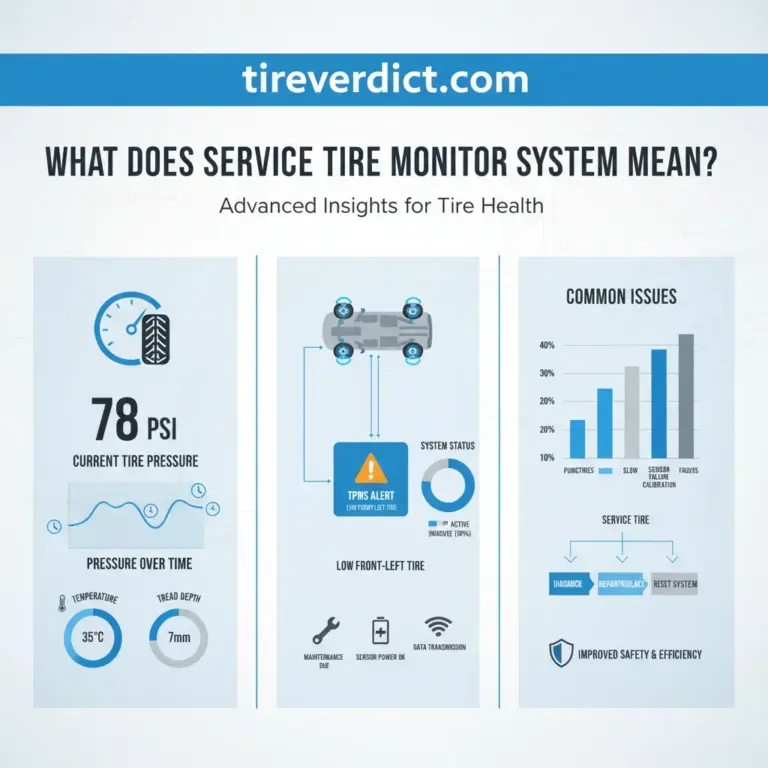
Every vehicle manufacturer specifies an Ideal Tire Pressure (PSI) for optimal performance, safety, and fuel efficiency. This critical information is typically found on a placard inside the driver’s side door jamb, in the glove compartment, or within the owner’s manual. Maintaining this precise PSI is not merely a recommendation; it’s a fundamental aspect of vehicle operation. Modern vehicles in 2026 are equipped with a Tire Pressure Monitoring System (TPMS), which serves as a primary warning indicator. An amber dashboard icon resembling a horseshoe with an exclamation mark ( tire symbol ) illuminates when one or more tires are significantly under-inflated, typically by 25% or more below the recommended PSI. It is important to check cold tire pressure, meaning the tires have not been driven for at least three hours or more than a mile, to get the most accurate reading.
Molecular Permeability and Natural Air Loss
Even perfectly healthy tires experience a natural, gradual loss of air. This occurs due to the inherent molecular permeability of rubber compounds. Air molecules, particularly oxygen and nitrogen, are small enough to slowly permeate through the tire’s structure over time. Research indicates that tires typically lose 1-3 PSI per month under normal circumstances. This slow, steady deflation is a normal characteristic of pneumatic tires and does not usually signify a fault.
Impact of Temperature Fluctuations
Ambient temperature significantly influences tire pressure, a phenomenon explained by Gay-Lussac’s Law, which states that for a fixed amount of gas, pressure is directly proportional to temperature. As a general rule, tire pressure will decrease in colder conditions and increase in warmer ones by approximately 1 PSI for every 10°F change. This means a tire correctly inflated to 35 PSI in 70°F weather could drop to 32 PSI if the temperature falls to 40°F. This fluctuation is normal and requires adjustment, not repair. For instance, seasonal temperature shifts can lead to a 5-10 PSI swing, necessitating pressure checks as seasons change.
Defining ‘Persistent Air Loss’
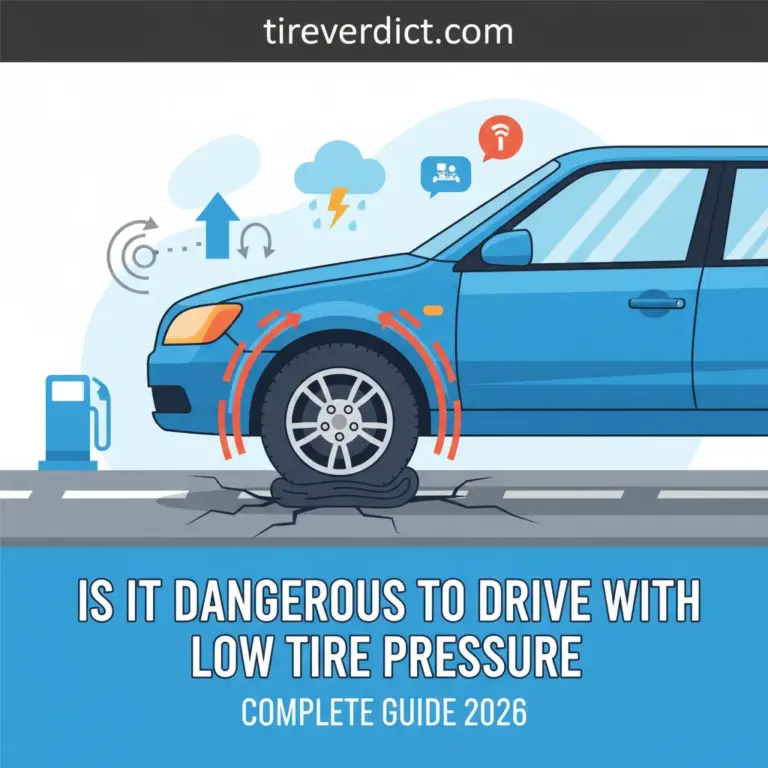
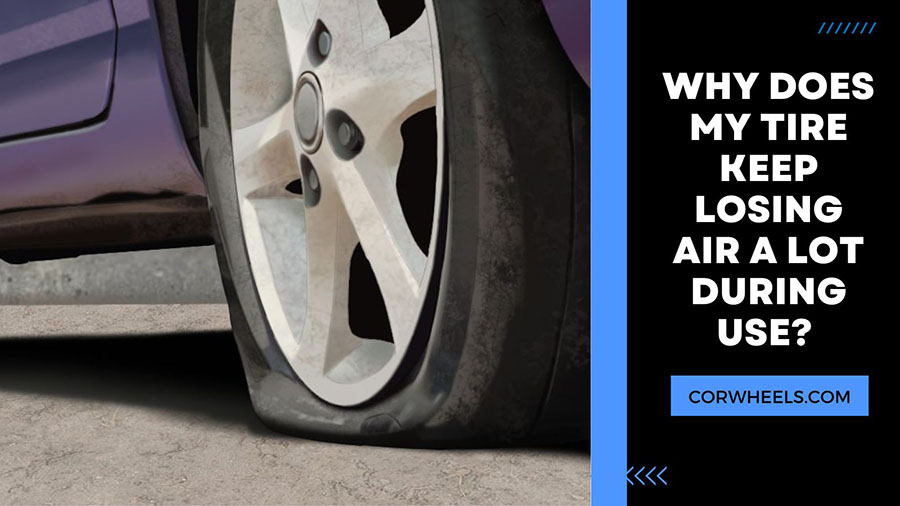
It is vital to differentiate between this normal, gradual pressure drop and what we term ‘persistent air loss’. While a loss of 1-3 PSI per month is expected, a tire that consistently loses significantly more air, requires weekly or bi-weekly topping up, or triggers the TPMS light frequently, signals an underlying mechanical or structural problem. Such persistent air loss is a leading cause of tire failure and decreased fuel economy, demanding immediate investigation.
Diagnosing Persistent Tire Air Loss: Common Culprits Explained
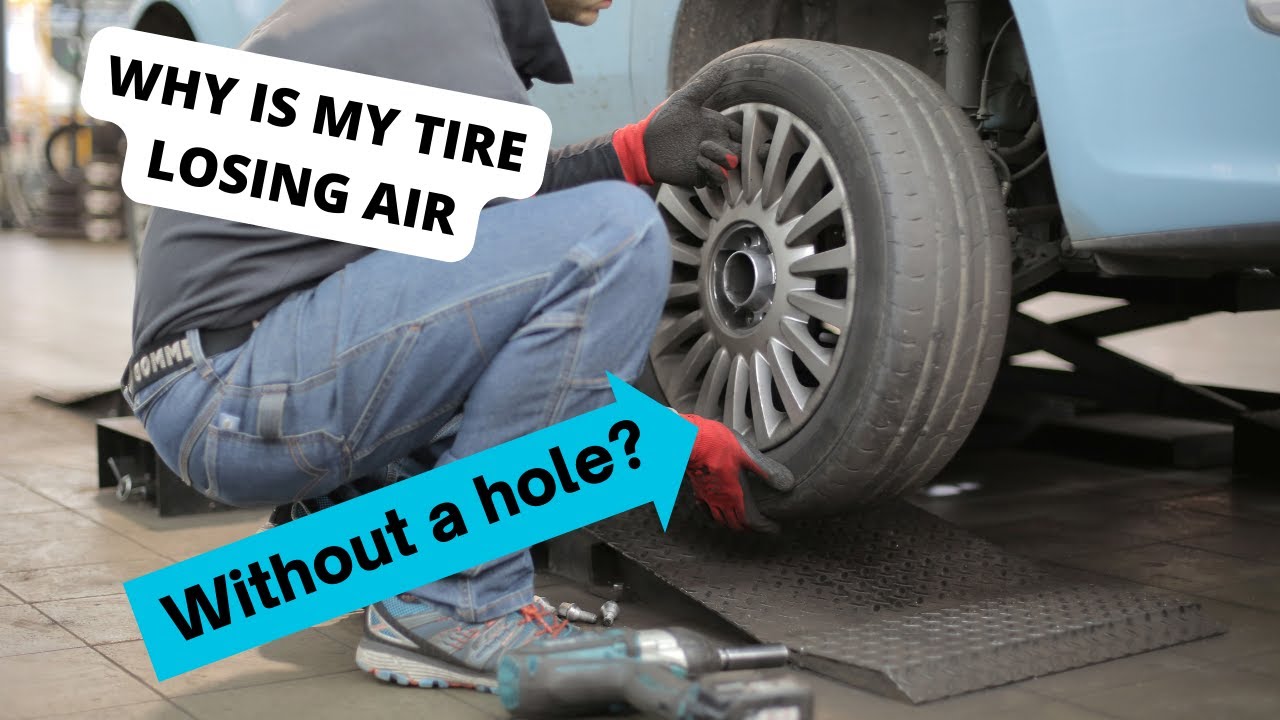
When a tire repeatedly loses air beyond normal expectations, it indicates a compromised integrity within the tire or wheel assembly. Pinpointing the exact source of the leak is the first critical step. Here, we delve into the most frequent causes based on extensive field experience and industry data.
Punctures and Perforations
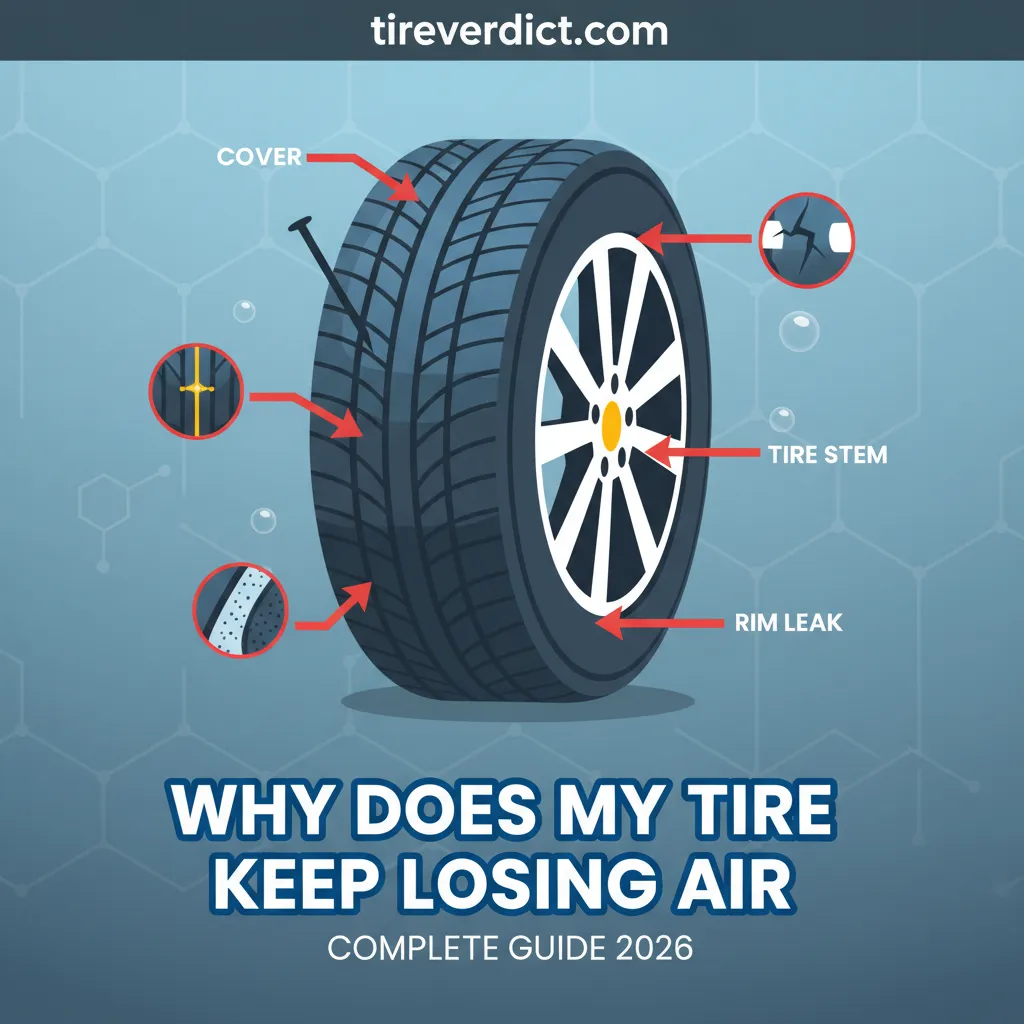
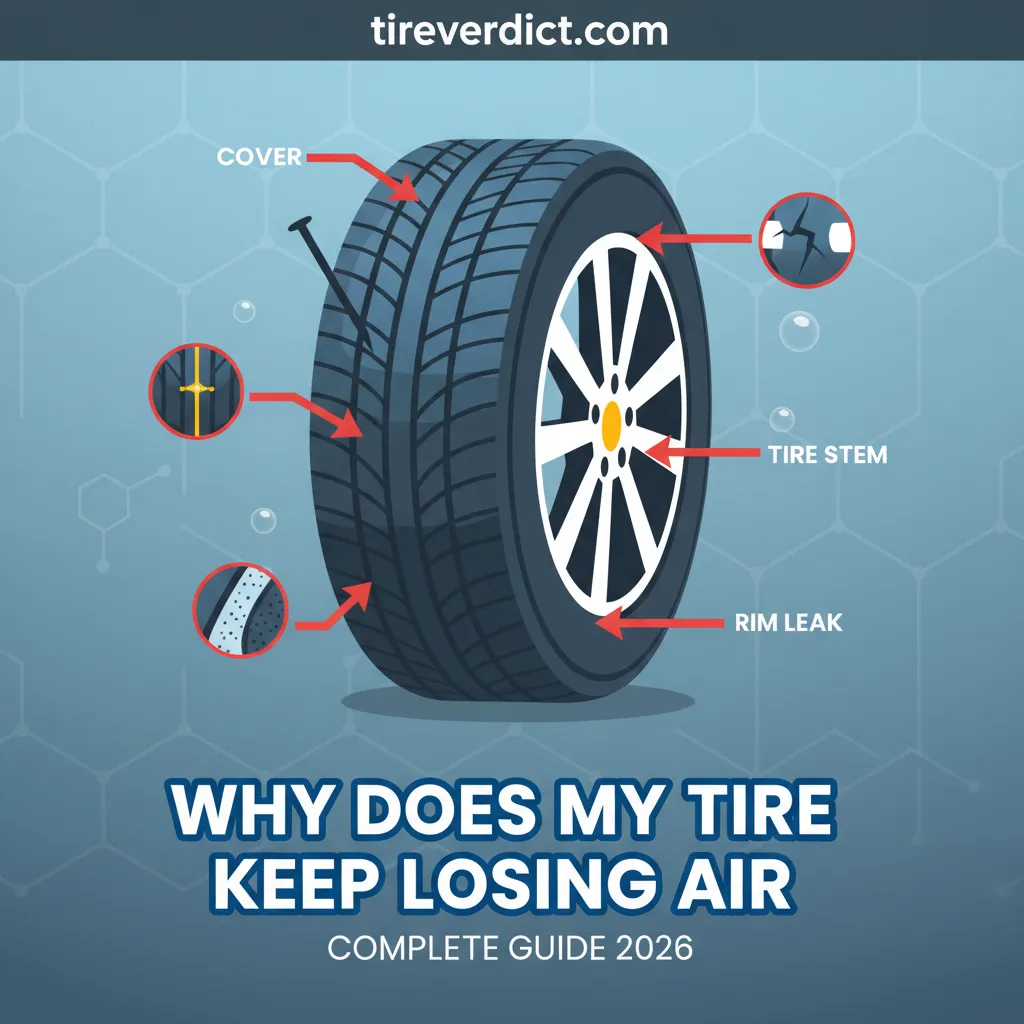
The most common reason for persistent air loss is a puncture or perforation. These are often caused by embedded objects such as nails, screws, pieces of glass, or sharp road debris that slowly work their way into the tire’s tread. A slow leak can persist for days or weeks before becoming severe enough to fully deflate the tire. Field data from tire service centers indicate that punctures account for approximately 80% of tire air loss issues requiring repair. These can be difficult to spot without close inspection, especially if the object is small or flush with the tire surface. A vehicle frequently driven on gravel roads, for example, is highly susceptible to developing multiple slow punctures over time.
Faulty Valve Stems
The valve stem is a small but critical component responsible for maintaining tire pressure. Over time, these can degrade. Common issues include degraded rubber (especially on older snap-in valve stems), a loose or corroded valve core, or direct damage to the stem itself from impacts. A tire’s valve stem assembly typically has a lifespan of 3-5 years before rubber degradation can occur, making regular inspection important during tire service. A compromised valve stem allows air to escape, often audibly, leading to persistent air loss.
Wheel Rim Leaks
The interface between the tire and the wheel, known as the bead seat, must form an airtight seal. However, this seal can be compromised by various issues affecting the wheel rim itself. Corrosion, particularly in areas exposed to road salt or moisture, can build up on the rim’s bead seat, creating microscopic channels for air to escape. Minor bends, cracks, or damage from curb impacts or potholes can also prevent the tire bead from seating properly, resulting in a slow, steady leak. This is especially prevalent in steel and alloy wheels used in harsh winter climates.
Tire Bead Leaks
Similar to wheel rim issues, tire bead leaks occur when the very edge of the tire, designed to seal against the wheel, fails to do so. This can happen due to improper mounting where the bead is pinched or damaged during installation. Accumulated debris, such as dirt, sand, or tire sealant residue, can settle between the bead and the rim, preventing a tight seal. Furthermore, physical damage to the bead itself, often from aggressive mounting/dismounting or impacts, can lead to persistent air loss.
Tire Sidewall Damage and Dry Rot
The sidewall of a tire, being thinner and more flexible than the tread, is vulnerable to damage. Impacts with curbs, road hazards, or even prolonged exposure to UV radiation and ozone can lead to structural compromise. Dry rot, or material degradation due to age, manifests as small cracks or micro-fissures in the rubber, especially along the sidewall and around the tread blocks. These cracks may seem superficial but can extend deep enough to compromise the inner liner, allowing air to escape. Such damage often renders a tire irreparable and necessitates replacement due to safety concerns.
By The Numbers
Tire air loss issues caused by punctures
Typical lifespan of a valve stem assembly
Step-by-Step: Identifying and Addressing Persistent Tire Air Loss
When faced with persistent air loss, a systematic approach is essential for accurate diagnosis and effective resolution. While professional expertise is invaluable, you can perform several initial steps to pinpoint the problem.
📋
Step-by-Step Guide
Begin by visually inspecting the entire tire. Look closely at the tread area for embedded objects like nails, screws, or glass. Scan the sidewalls for bulges, cuts, cracks (signs of dry rot), or impact damage. Also, examine the valve stem for any visible damage, cracks in the rubber, or a loose valve core. Sometimes, the cause is obvious, like a bolt protruding from the tread.
If no obvious damage is found, inflate the tire to its recommended pressure. Mix a solution of dish soap and water (roughly 1 part soap to 2-3 parts water) in a spray bottle. Liberally spray this solution over the entire tire surface: the tread, both sidewalls, around the valve stem, and especially the bead seat where the tire meets the rim. Observe closely for bubbles, which indicate air escaping. Large, consistent bubbles confirm a significant leak, while smaller, slower bubbles might reveal a micro-leak. Rotate the tire to inspect all areas.
Once a leak is located, assess its repairability. According to the Tire Industry Association (TIA) guidelines, only punctures within the tread area and under 1/4 inch (6mm) in diameter are safely repairable using a plug-patch combination. Punctures to the tire’s sidewall or shoulder are generally not recommended for repair due to structural integrity concerns and the dynamic stresses in these areas. If the damage is extensive, near the shoulder, or on the sidewall, replacement is the safer, and often only, option.
For anything beyond a simple, obvious puncture, or if you’re uncertain about repairability, always consult certified tire technicians. They possess specialized equipment for detecting minute leaks, can safely dismount the tire for internal inspection, and will perform repairs according to stringent industry standards. Proper repair involves preparing the area, installing a patch from the inside, and sometimes a plug from the outside for a complete seal.
After any repair, it’s important to re-check the tire pressure and continue monitoring it over the following days and weeks. This verifies that the repair was successful and that no other undetected leaks exist. Establishing a routine for ongoing pressure monitoring—even after a repair—is critical for long-term tire health.
Never attempt to repair a puncture in the tire’s sidewall or shoulder area. These zones undergo immense flexing and stress, making any repair inherently unsafe and likely to fail catastrophically. Such damage always necessitates tire replacement.
Preventative Measures and Sustaining Optimal Tire Health
Proactive maintenance is the cornerstone of preventing persistent tire air loss and ensuring the longevity and safety of your tires. Incorporating these practices into your vehicle care routine will significantly reduce the likelihood of encountering such issues.
Regular Tire Pressure Monitoring
The single most effective preventative measure is regular tire pressure monitoring. Check your tire pressure at least monthly, and always before long trips, using a quality, accurate gauge. It is crucial to perform these checks when tires are ‘cold’ (driven less than a mile or after sitting for several hours) to ensure accurate readings, as driving heats the air inside the tire, increasing pressure. Properly inflated tires can improve fuel efficiency by up to 3% and extend tire life by thousands of miles, according to industry research.
Routine Tire Rotations and Balancing
Implementing routine tire rotations and balancing every 5,000-7,500 miles promotes even tire wear across all four wheels. Uneven wear patterns can prematurely expose the tire’s internal structure to damage, making it more susceptible to punctures or stress-induced leaks. Balancing, meanwhile, ensures smooth operation, reducing undue vibration and strain on tire components.
Vehicle Alignment Checks
Proper wheel alignment is vital. Misalignment can cause rapid, irregular tire wear, often seen as feathered or worn edges. This uneven wear can thin out parts of the tread or sidewall, exposing them to damage and potential leaks. Regular alignment checks, especially after significant impacts or suspension work, are a sound investment.
Prudent Driving Habits and Road Hazard Avoidance
Adopting defensive driving techniques significantly reduces the risk of tire damage. Actively avoiding potholes, curbs, and other road debris prevents impact damage that can bend rims, damage tire beads, or cause immediate punctures. For instance, a driver who frequently drives over curbs is likely to experience repeated bead leaks or sidewall damage.
Annual Professional Tire Inspections
Even with diligent personal checks, it’s advisable to have annual professional tire inspections. Certified technicians can identify early signs of wear, dry rot, minor damage, or subtle issues like corroding rim surfaces that may not be obvious to the untrained eye. These expert assessments can prevent small issues from escalating into significant air loss problems.
Industry Data
Fuel efficiency improvement with proper inflation
Fatalities annually due to under-inflated tires (NHTSA)
Injuries annually due to under-inflated tires (NHTSA)
Persistent Air Loss: Troubleshooting After Initial Interventions
Even after an initial diagnosis or repair, some tires continue to inexplicably lose air. This can be particularly frustrating, indicating a more elusive or complex issue that requires a deeper level of investigation. Here’s how to approach such persistent problems.
Re-evaluation of Previous Repairs
If a tire that was previously repaired continues to lose air, the first step is to re-evaluate the repair itself. A failed or improper repair—such as an incorrectly applied patch, a poorly seated plug, or using an external plug without an internal patch—can compromise the seal. Field experience shows that failed tire repairs, often due to incorrect procedure or location, account for a small percentage of persistent air loss cases. Return to the original repair shop for re-inspection, or seek a second opinion from another certified technician.
Investigation of Overlooked Leak Sources
Sometimes, an initial inspection might miss a subtle or secondary leak. The entire tire and wheel assembly needs a meticulous re-examination. This includes the possibility of minor inner liner damage not visible from the exterior, a hairline crack in the rim that only opens under stress, or even a second, smaller puncture located close to the first. Professionals often use specialized equipment that can detect micro-leaks, which are almost impossible to identify with a simple soapy water test.
In-Depth Rim and Bead Seat Inspection
If the leak source remains elusive, a comprehensive in-depth rim and bead seat inspection is warranted. The tire should be completely dismounted from the wheel. The technician can then thoroughly clean and inspect the entire rim for any subtle corrosion, minor bends, imperfections, or micro-cracks that could be compromising the tire’s seal. Often, a wire brush and sealant can resolve minor corrosion issues, but significant damage may necessitate wheel repair or replacement.
Valve Stem and TPMS Sensor Component Check
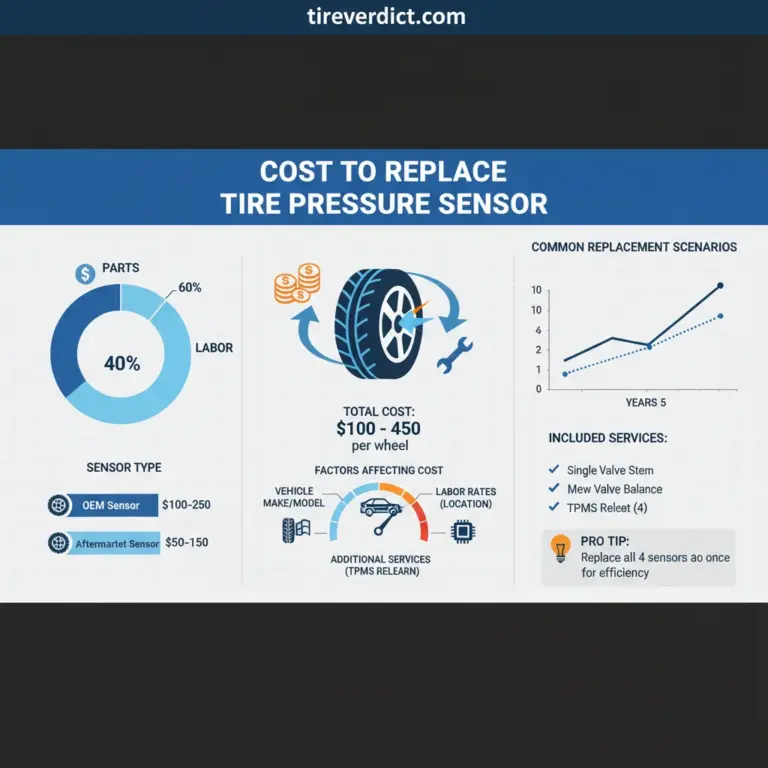
Do not overlook the valve stem and, if applicable, the TPMS sensor component. Even if initially deemed fine, subtle internal failures can occur. Consider replacing the entire valve stem assembly, including the core and cap, as a low-cost troubleshooting step. For TPMS-equipped wheels, the sensor’s seal or gasket can degrade over time. Re-evaluating the integrity of the TPMS sensor’s seal or considering a sensor replacement may resolve persistent air loss, particularly if other sources have been ruled out. Approximately 10-15% of persistent air leaks are attributable to issues beyond simple punctures, such as rim corrosion or bead damage requiring specialized attention.
When a leak is extremely slow and hard to find, sometimes letting the tire sit in a tank of water (if possible) or using a dedicated leak detection spray (more sensitive than soapy water) can help identify minute bubbles from obscure sources like porous areas of the rim or extremely small punctures.
Consideration of Tire Replacement
Ultimately, there are situations where full tire replacement becomes the most prudent and safest course of action. This applies when the air loss is persistent and unresolvable after multiple attempts at diagnosis and repair, when extensive damage (e.g., severe sidewall cracks, multiple punctures, or damage beyond repairable zones) is discovered, or when the tire has simply reached the end of its useful life due to age (typically 6-10 years, regardless of tread wear). Prioritizing safety over repeated, potentially ineffective repairs is always the recommended approach.
Persistent tire air loss is a critical indicator of an underlying issue, ranging from minor punctures to complex structural integrity problems. Accurate diagnosis, often involving visual inspection and the soapy water test, is essential to pinpoint the exact source of the leak. Addressing these issues promptly, through professional repair or replacement, is crucial for maintaining vehicle safety, optimizing fuel efficiency, and prolonging tire lifespan. Do not overlook the warning signs of consistent air loss. Implement a routine of monthly pressure checks and seek expert technician evaluation at the first indication of a problem to ensure your tires remain in optimal condition for every journey in 2026 and beyond.
Frequently Asked Questions
How much air loss is considered normal for a tire?
Normal air loss for a tire is typically about 1-3 PSI per month due to the natural permeability of rubber. However, any consistent loss exceeding this, or requiring weekly inflation, indicates an underlying problem that warrants immediate investigation. Temperature fluctuations also cause pressure changes, with a 1 PSI change for every 10°F.
Can temperature changes cause my tire to lose air?
Temperature changes don’t cause the tire to “lose” air from a leak, but they do significantly affect its pressure. For every 10°F drop in ambient temperature, tire pressure can decrease by approximately 1 PSI. Conversely, pressure increases with rising temperatures. This is a natural physical reaction, not a leak, but it requires pressure adjustment.
Is it safe to drive on a tire that is slowly losing air?
No, it is generally unsafe to drive on a tire that is slowly losing air. Under-inflated tires lead to increased rolling resistance, reduced fuel efficiency, compromised handling, and significantly elevated risks of a blowout due to excessive heat buildup and sidewall stress. Prompt inspection and repair are crucial for safety.
Can a faulty valve stem be the reason for air loss?
Yes, a faulty valve stem is a common culprit for persistent air loss. The rubber around the stem can degrade over time, or the valve core itself can become loose, corroded, or damaged, allowing air to escape. A simple soapy water test applied directly to the valve stem can often effectively reveal this type of leak.
When should I replace a tire instead of repairing it?
A tire should be replaced rather than repaired if the puncture is located outside the tread area (e.g., on the sidewall or shoulder), exceeds 1/4 inch (6mm) in diameter, or if the tire shows signs of extensive damage, dry rot, exposed cords, or previous improper repairs. Professional assessment is vital for safety.