Drivers of the 2018 Nissan Rogue SV frequently seek precise information regarding their vehicle’s tire specifications and optimal maintenance. Navigating the various tire sizes, types, and maintenance requirements can be intricate, potentially leading to suboptimal performance, compromised safety, or unforeseen expenses if not addressed correctly. This authoritative guide will meticulously detail the correct tire sizes for the 2018 Nissan Rogue SV, provide a systematic approach to selection, and outline essential maintenance practices to ensure your vehicle operates with peak efficiency, safety, and longevity. Our expert insights, honed over 15+ years in the automotive industry, offer trusted and reliable information to empower your decisions.
Understanding the Standard Tire Specifications for the 2018 Nissan Rogue SV
For owners of the 2018 Nissan Rogue SV, precise knowledge of your vehicle’s tire specifications is not merely technical detail; it is fundamental to maintaining optimal performance, ensuring safety, and preserving the longevity of your investment. As an expert, I can definitively state that the most common and primary standard tire size for the 2018 Nissan Rogue SV is P225/65R17.
📤 Share Image
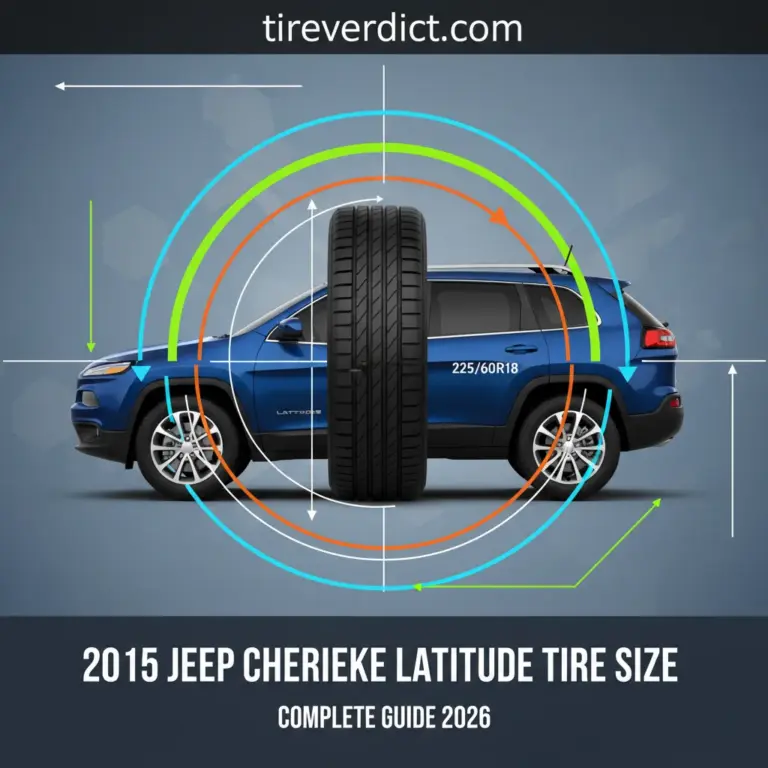
While P225/65R17 represents the core offering, it is important to note that some factory-installed alternative or optional tire sizes might be present, particularly if your Rogue SV came with specific trim packages or optional wheel upgrades. One such common alternative is P225/60R18. This usually means your vehicle is equipped with 18-inch wheels instead of the standard 17-inch. Always cross-reference with your specific vehicle’s information, as we will detail later.
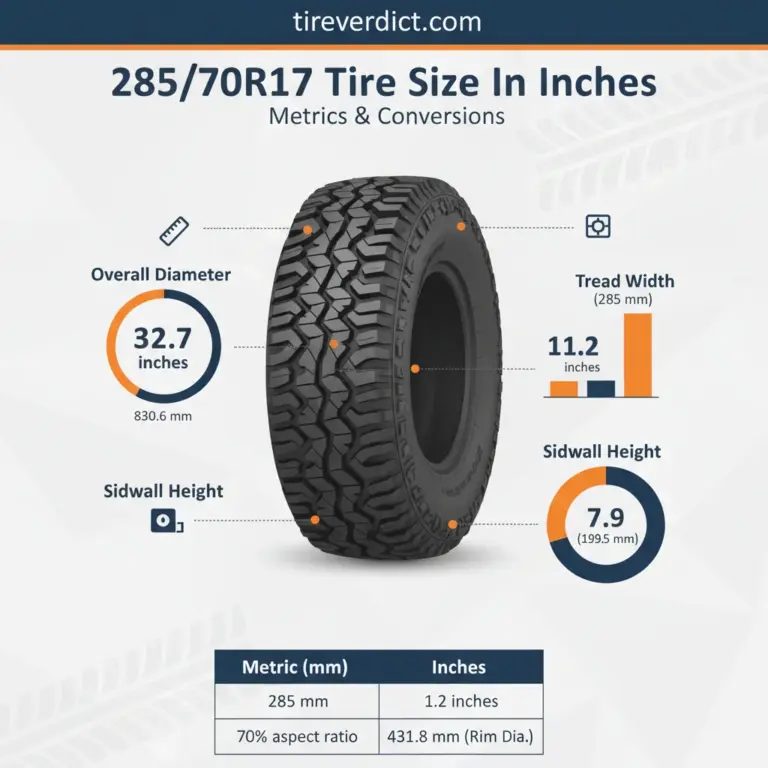
Let’s break down the nomenclature of these tire size codes, using P225/65R17 as our primary example. Understanding each element is critical for making informed decisions:
- P: This prefix signifies a “P-metric” tire, designed for passenger vehicles. It indicates the tire adheres to standards set by the Tire and Rim Association, primarily for cars, SUVs, and light-duty trucks.
- 225: This number represents the tire’s section width in millimeters, measured from sidewall to sidewall. In this case, the tire is 225 millimeters wide.
- 65: This is the aspect ratio, expressed as a percentage. It indicates the height of the tire’s sidewall as a proportion of its section width. Here, the sidewall height is 65% of 225mm. A higher number means a taller sidewall.
- R: This letter indicates the tire’s internal construction. ‘R’ stands for Radial, meaning the plies (layers of cord fabric) are arranged radially, perpendicular to the direction of travel. Radial tires are standard for modern passenger vehicles due to their superior handling, comfort, and tread life.
- 17: This number denotes the diameter of the wheel (rim) in inches that the tire is designed to fit. So, a ’17’ indicates a 17-inch wheel.
The original equipment (OE) tires for the 2018 Nissan Rogue SV typically feature an all-season tread pattern, engineered to provide a balanced performance across various conditions – dry, wet, and light snow. These OE tires also come with specific load indexes and speed ratings, which are equally important for safety and performance. Research indicates that the load index is often 102 (meaning each tire can carry 1,874 pounds) or 100 (1,764 pounds), and the speed rating is typically H (rated for speeds up to 130 mph or 210 km/h). Matching or exceeding these specifications is paramount when selecting replacement tires.
Understanding these specific dimensions and ratings is critical because they directly impact your vehicle’s ride comfort, handling dynamics, fuel efficiency, braking performance, and overall safety. Deviating from these specifications without proper expert consultation can lead to serious performance compromises and potential safety hazards.
Accurately Locating Your 2018 Nissan Rogue SV’s Specific Tire Information and Pressure
While we’ve outlined the standard tire sizes, relying solely on general information can be misleading, especially if previous owners made modifications. For definitive, vehicle-specific tire information, including recommended cold inflation pressure, it’s imperative to consult the authoritative sources unique to your 2018 Nissan Rogue SV. This professional approach ensures you always have the correct data.

📋
Step-by-Step Guide
This is the single most reliable source for your vehicle’s specific tire information. Open the driver’s door and look for a sticker, typically located on the B-pillar or the edge of the door. This placard explicitly lists the OE tire size(s) and the manufacturer’s recommended cold inflation pressure for both front and rear tires, often under varying load conditions. It also details the maximum vehicle load capacity.
The owner’s manual for your 2018 Nissan Rogue SV contains a dedicated section on tires. This resource provides comprehensive details on tire specifications, recommended pressures, and crucial guidance on managing tire pressure for light versus heavy loads. For instance, the manual might specify a baseline pressure for typical use, and a slightly higher pressure for carrying a full passenger load or significant cargo.
While useful for a quick check, visually inspecting the sidewall of your existing tires for size markings (e.g., P225/65R17) should be a secondary method. This is because aftermarket wheels or tires might have been installed by a previous owner, which could deviate from the manufacturer’s original specifications. Always prioritize the placard and manual for accuracy.
The term ‘cold inflation pressure’ is critical. It refers to the tire pressure measured when the vehicle has been parked for at least three hours or has not been driven more than a mile. Tires heat up and pressure increases during driving, so measuring them cold provides the most accurate reading against manufacturer recommendations. Typical recommended cold tire pressure for the 2018 Nissan Rogue SV is often around 33-35 PSI, but again, the door jamb placard is the authoritative source for your specific vehicle. Industry data shows that pressure can drop by approximately 1 PSI for every 10°F drop in ambient temperature, underscoring the need for regular checks, especially with seasonal changes. Using a quality, reliable tire pressure gauge is a professional standard practice.
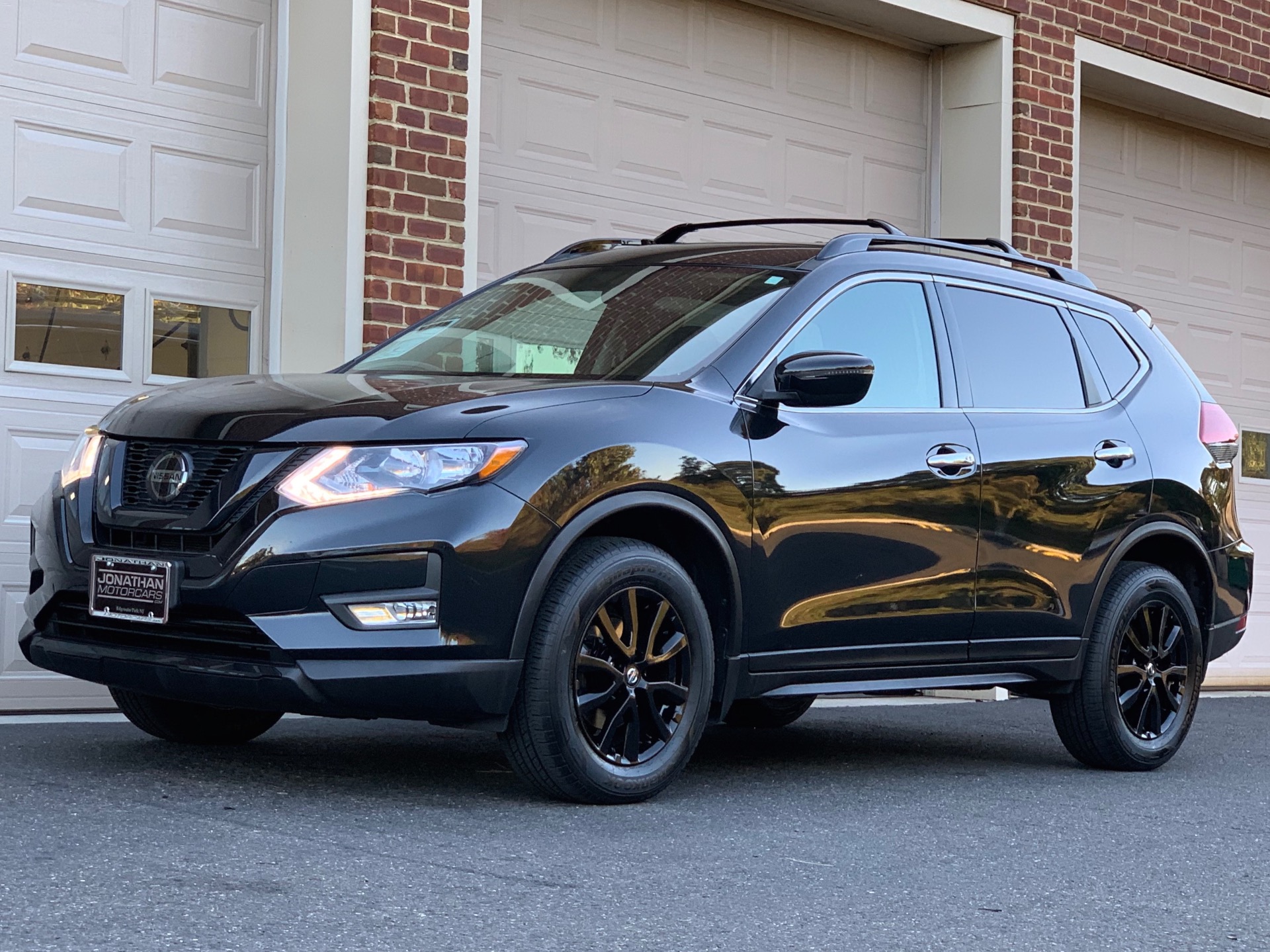
Strategic Tire Selection: Choosing the Optimal Replacements for Your 2018 Nissan Rogue SV
When it comes time to replace the tires on your 2018 Nissan Rogue SV, simply knowing the correct size is only the first step. A strategic and professional approach considers several crucial factors beyond just the dimensions to ensure optimal performance, safety, and economic value. As an expert, I emphasize that matching or exceeding the original equipment (OE) specifications for load index and speed rating is paramount. These ratings are safety-critical; an inadequate load index can lead to tire failure under stress, while a lower speed rating than OE could compromise high-speed stability and safety.
Types of Tires for Your Rogue SV
The 2018 Nissan Rogue SV, being a versatile crossover, can benefit from several tire types depending on your driving environment and preferences:
- All-Season Tires: These are the most common OE choice, designed for a balanced performance in dry, wet, and light snow conditions. They offer a good compromise for most drivers and climates, such as the widely respected Michelin Defender T+H, known for its longevity and comfort, or the Continental CrossContact LX25, offering slightly better handling characteristics.
- Touring Tires: Often a subset of all-season tires, touring tires emphasize ride comfort, reduced road noise, and improved treadwear life. They are an excellent choice for drivers who prioritize a smooth, quiet ride on highways and city streets.
- Winter/Snow Tires: For drivers in regions with severe winter conditions, dedicated winter tires are indispensable. They feature specialized rubber compounds that remain flexible in freezing temperatures and aggressive tread patterns for superior grip on snow and ice.
- All-Terrain Light-Duty Tires: While less common for the Rogue SV, some drivers seeking enhanced capability for occasional off-road excursions on gravel or unpaved roads might consider light-duty all-terrain options. However, be mindful that these often come with compromises in on-road comfort and fuel efficiency.
Wet Traction
Crucial for safety in rainy conditions, indicated by a tire’s “Traction” grade.
Treadwear Longevity
Directly impacts the lifespan of the tire, influenced by the UTQG “Treadwear” grade.
Noise Level & Comfort
Affects driving experience; many touring tires are designed for quiet operation.
Fuel Efficiency
Lower rolling resistance tires can contribute to marginal improvements in fuel economy.
When evaluating tires, consider the UTQG (Uniform Tire Quality Grade) rating, established by NHTSA. This includes ‘Treadwear’, ‘Traction’, and ‘Temperature’ grades. For example, a tire with a Treadwear rating of 600 is expected to last twice as long as a tire with a 300-rated tire under standardized testing conditions. While not a direct mileage guarantee, it provides a comparative framework. Always choose reputable tire brands known for their quality and engineering, and carefully review their warranties, including treadwear guarantees and road hazard protection, which add significant value to your purchase.
Maintaining Optimal Performance and Longevity for Your 2018 Nissan Rogue SV Tires
Beyond selecting the correct tires, consistent and diligent maintenance is the cornerstone of maximizing their lifespan, ensuring safety, and preserving the precise handling characteristics of your 2018 Nissan Rogue SV. As a seasoned expert, I cannot overstate the importance of these routine practices.
Essential Tire Maintenance Practices
- Regular Tire Pressure Checks: This is arguably the most critical maintenance item. Tires should be checked monthly and ideally before any long trips, using a reliable gauge, and always when the tires are cold. Proper inflation ensures even tread wear, maintains designed handling characteristics, and contributes significantly to fuel efficiency. According to the U.S. Department of Energy, proper inflation can improve fuel economy by up to 3%. Conversely, underinflation can lead to excessive heat buildup, premature wear on the tire shoulders, and an increased risk of blowouts. Overinflation, while not as dangerous, leads to center tread wear and a harsher ride.
- Routine Tire Rotation: To promote even tread wear across all four tires, it’s essential to rotate them at recommended intervals, typically every 5,000 to 7,500 miles or with every oil change. Common patterns include front-to-rear for non-directional tires or a cross-pattern for specific vehicle types. This practice helps to counteract the different wear patterns that naturally occur on front (steering and braking) and rear (power delivery) axles, thereby extending the overall life of your tire set.
- Wheel Balancing and Alignment:
- Wheel Balancing: This prevents vibrations that can lead to driver fatigue, premature suspension wear, and uneven tire wear. If you feel a vibration in the steering wheel or seat, especially at higher speeds, your wheels likely need rebalancing. This service should always be performed when new tires are installed or whenever a tire is dismounted.
- Wheel Alignment: Proper wheel alignment ensures all wheels are parallel to each other and perpendicular to the ground, as per manufacturer specifications. Incorrect alignment leads to rapid and irregular tire wear (e.g., feathering or camber wear) and can cause the vehicle to pull to one side. It should be checked annually, after hitting a significant pothole, or after any suspension component replacement.
- Visual Inspections: Develop a habit of visually inspecting your tires regularly. Look for signs of uneven wear, such as excessive wear on one edge (which could indicate an alignment issue), bulges (signaling internal damage), cuts, punctures, or cracking in the sidewall. Crucially, monitor tread depth. Most tires have built-in tread wear indicators (small bars between the tread blocks). When the tread is flush with these bars, the tire has reached the legal minimum tread depth, typically 2/32nds of an inch (1.6mm), and must be replaced for safety, especially in wet conditions.
Consider investing in a high-quality digital tire pressure gauge and a small portable air compressor. This allows you to check and adjust your tire pressure conveniently at home, ensuring consistent, optimal inflation without frequent trips to a service station. This simple habit contributes significantly to the reliability and safety of your 2018 Nissan Rogue SV.
By The Numbers
Minimum Tread Depth
Fuel Economy with Proper Inflation
Recommended Rotation Interval
Pressure Change Due to Temperature
Impact of Incorrect Tire Choices on Your 2018 Nissan Rogue SV’s Performance and Safety
As an automotive expert, I must unequivocally state that deviating from the manufacturer’s recommended tire specifications for your 2018 Nissan Rogue SV carries significant risks, impacting not only performance but, more critically, your safety and potentially your financial standing. While it might seem like a minor detail, an incorrect tire choice can cascade into a myriad of problems that undermine the engineering integrity of your vehicle.
Safety Implications
The primary concern with incorrect tire choices is compromised safety. Tires are the sole point of contact between your vehicle and the road, and any mismatch can lead to:
- Compromised Handling: Tires with different aspect ratios or overall diameters can alter the vehicle’s center of gravity and suspension geometry, leading to unpredictable handling, especially during evasive maneuvers.
- Reduced Braking Efficiency: Incorrect tire types (e.g., performance-oriented tires in winter) or mismatched sizes can significantly increase braking distances, particularly in adverse conditions like wet or icy roads, increasing the risk of collisions.
- Increased Risk of Hydroplaning: Tires with inadequate tread design or width for the vehicle’s weight and speed can struggle to displace water, leading to a loss of traction on wet surfaces.
- Diminished Stability: An inadequate load index on tires can cause them to flex excessively under load, leading to reduced stability, especially during cornering or when carrying heavy cargo. This can also lead to catastrophic tire failure.
Vehicle System Malfunctions
Modern vehicles, including the 2018 Nissan Rogue SV, rely heavily on precise sensor data. Changes in tire circumference can throw off these systems:
- Erroneous Speedometer and Odometer Readings: If a tire with a smaller overall diameter is installed, the speedometer will read higher than the actual speed. Conversely, a larger diameter tire will make the speedometer read lower, potentially leading to speeding tickets or inaccurate mileage tracking. Research indicates that a 3% difference in tire circumference can lead to a 3 mph error at 100 mph, which can be significant.
- Impact on ABS/Traction Control Systems: These critical safety systems rely on wheel speed sensor data. Incorrect tire sizes can lead to misinterpretations by the vehicle’s computer, causing these systems to engage incorrectly or not at all, severely compromising safety.
- Transmission Shift Points: The vehicle’s transmission control unit uses wheel speed to determine optimal shift points. Incorrect tire diameters can confuse this system, leading to rough or inefficient gear changes, and potentially accelerating transmission wear.
Accelerated Component Wear and Decreased Fuel Efficiency
Beyond immediate safety concerns, using non-compliant tires can lead to long-term mechanical issues and higher operating costs:
- Undue Stress on Components: Incorrect tire sizes, especially those with significantly different weights or offsets, can place undue stress on suspension components (shocks, struts), wheel bearings, and steering mechanisms, leading to premature wear and costly repairs.
- Decreased Fuel Efficiency: Tires that are too wide, have an incorrect rolling resistance, or are improperly inflated can significantly increase fuel consumption. Industry data suggests that improper tire pressure alone can decrease fuel economy by approximately 0.2% for every 1 PSI drop below recommended levels.
Warranty Invalidation and Insurance Considerations
From a legal and financial perspective, using tires that do not meet manufacturer specifications can have severe consequences. It can potentially void portions of your vehicle’s warranty, particularly those related to powertrain, suspension, or tire-related components. Furthermore, in the unfortunate event of an accident, your insurance provider might scrutinize the vehicle’s condition, and using non-compliant tires could potentially impact or complicate insurance claims, leaving you liable for damages. Always prioritize the professional recommendation to maintain compliance.
Never compromise on tire specifications. Installing tires with an incorrect load index or speed rating poses a direct and serious safety risk that can lead to tire failure, loss of control, and severe accidents. Always match or exceed the original equipment specifications to safeguard yourself and others on the road.
In conclusion, the right tires are a vital safety component, not just an accessory. Making informed decisions, backed by professional guidance, ensures your 2018 Nissan Rogue SV continues to deliver the performance, safety, and reliability you expect.
The 2018 Nissan Rogue SV typically uses P225/65R17 tires, with some optional configurations employing P225/60R18; always verified via the door jamb placard. Correct tire selection involves matching OE specifications for size, load index, and speed rating, while considering specific driving conditions and tire types. Regular maintenance, including pressure checks, rotation, balancing, and alignment, is paramount for safety, performance, and extending tire lifespan. Ensure your 2018 Nissan Rogue SV maintains its superior performance and safety by regularly inspecting your tires and adhering to manufacturer-recommended specifications. Consult a trusted automotive professional for any tire-related concerns or replacement needs to ensure quality, expert care for your vehicle.
Frequently Asked Questions
What is the primary tire size for the 2018 Nissan Rogue SV?
The primary or standard tire size for the 2018 Nissan Rogue SV is P225/65R17. This specification is designed to ensure optimal handling, comfort, and fuel efficiency for the vehicle. However, it’s crucial to always verify the exact tire size and specifications on your vehicle’s door jamb placard or in the owner’s manual, as some factory options may differ.
Can I use different tire sizes on my 2018 Nissan Rogue SV?
While it’s generally recommended to stick to the manufacturer’s specified tire sizes for safety and performance, minor variations may be permissible. Deviating significantly can negatively impact speedometer accuracy, ABS/traction control systems, handling, and fuel economy. Always consult a qualified tire specialist before considering any non-standard tire sizes to ensure compatibility and safety.
What is the recommended tire pressure for the 2018 Nissan Rogue SV?
The recommended tire pressure for your 2018 Nissan Rogue SV is precisely listed on the tire information placard located on the driver’s side door jamb. This placard provides the cold inflation pressure for both front and rear tires, often around 33-35 PSI, which can vary slightly based on load. Always check pressure when tires are cold for accuracy.
How often should I rotate my 2018 Nissan Rogue SV’s tires?
For optimal tire longevity and even wear, it is professionally recommended to rotate your 2018 Nissan Rogue SV’s tires every 5,000 to 7,500 miles, or as specified in your owner’s manual. Regular rotation helps distribute wear evenly across all four tires, extending their lifespan and maintaining consistent handling characteristics. Consult a technician for the appropriate rotation pattern.
When should I replace my 2018 Nissan Rogue SV’s tires?
You should replace your 2018 Nissan Rogue SV’s tires when the tread depth reaches the legal minimum of 2/32nds of an inch (indicated by tread wear bars), or if you observe significant damage like deep cuts, bulges, or consistent punctures. Tires older than six years, regardless of tread, should also be inspected by a professional, as rubber degrades over time, affecting safety.