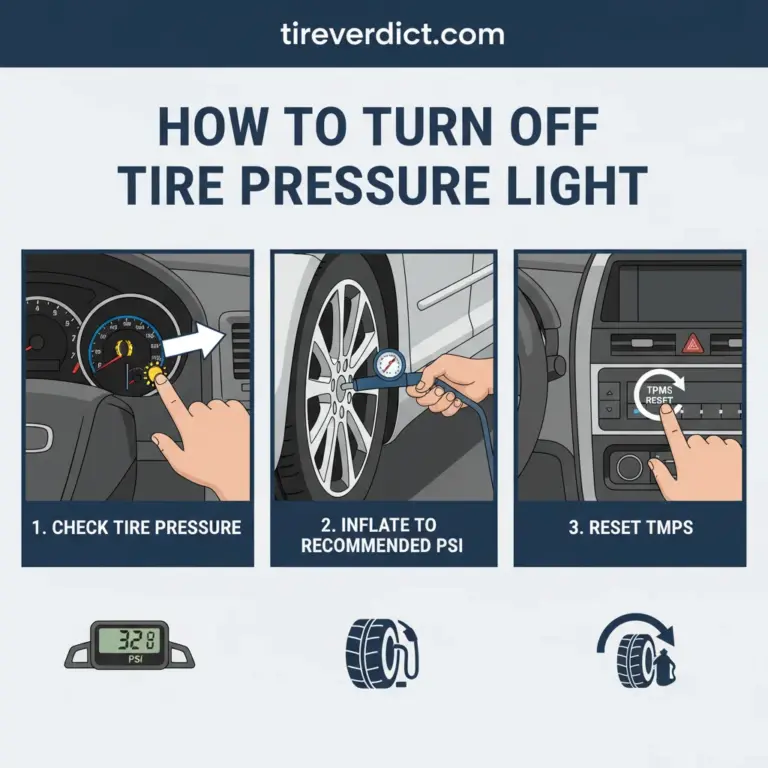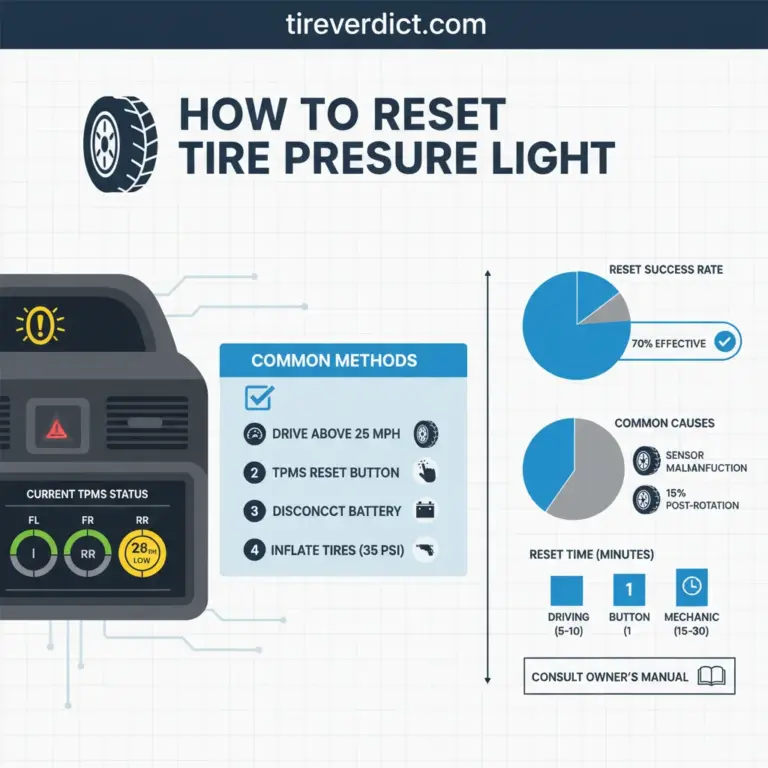
Imagine embarking on a long journey in your Tesla, enjoying its silent power and advanced features, only for a sudden flat tire to disrupt your plans. A common question among current and prospective Tesla owners revolves around flat tire preparedness, specifically whether these cutting-edge electric vehicles come equipped with a spare tire, a traditional staple of automotive safety. This comprehensive guide will precisely answer that question, delve into the engineering and design philosophies behind Tesla’s approach, explore practical and professional solutions for owners, and forecast future trends in tire technology and support services, ensuring you’re fully informed and prepared for 2026 and beyond.
The Standard Tesla Approach to Flat Tires: A Comprehensive Overview
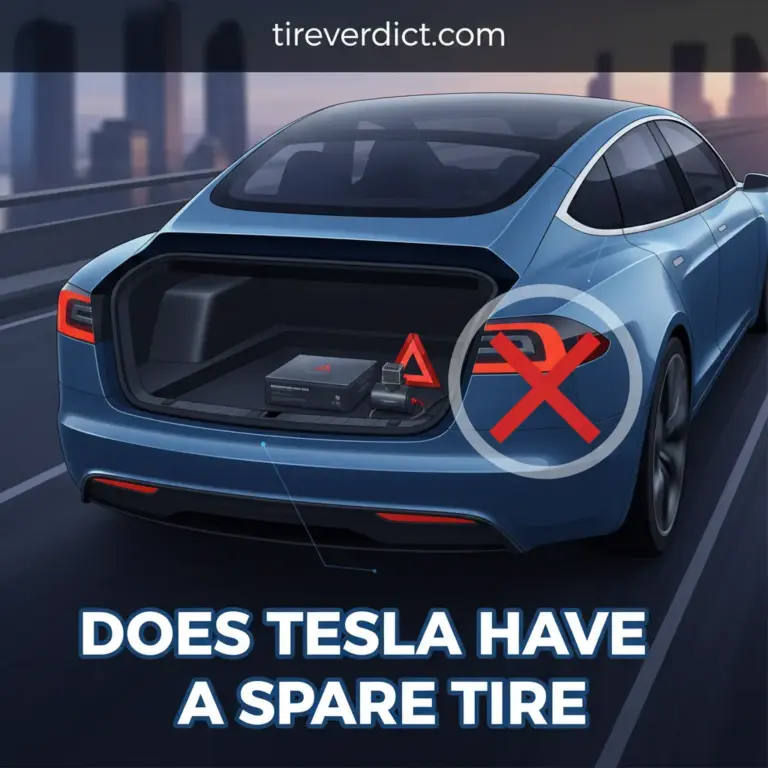
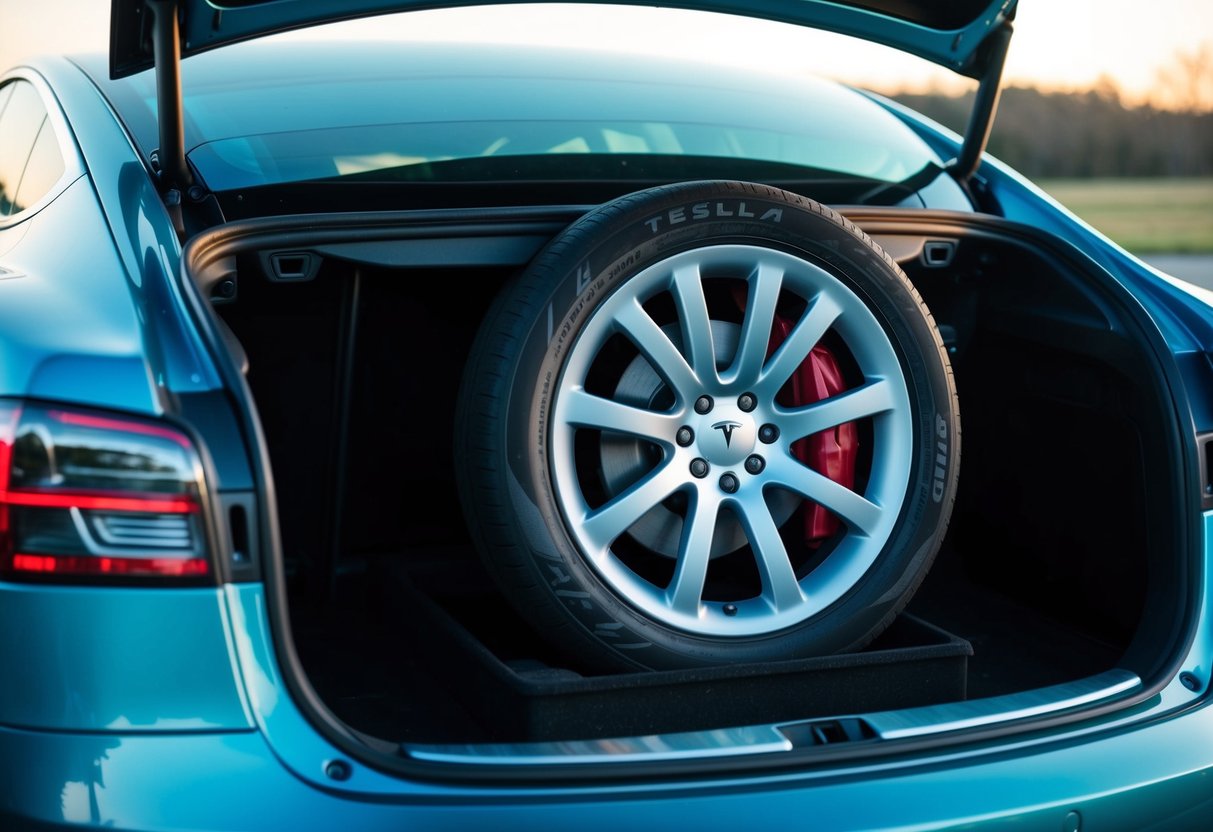
The definitive answer to whether Teslas come with a spare tire is a clear no. Across all current Tesla models—the Model S, Model 3, Model X, Model Y, and the newly introduced Cybertruck—a physical spare tire is not included as standard factory equipment. This approach, while surprising to some traditional vehicle owners, reflects a deliberate engineering and design philosophy.
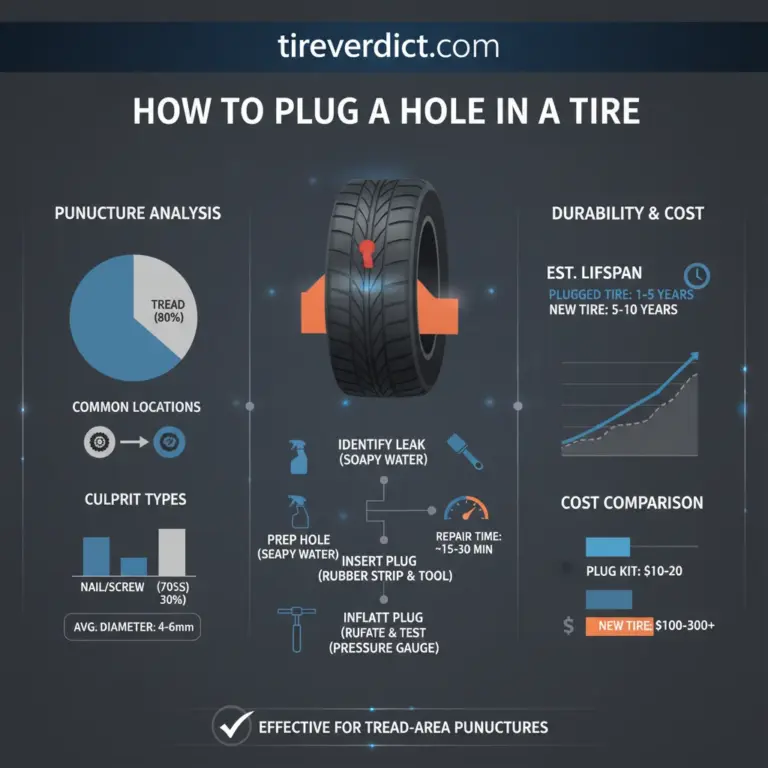
In lieu of a spare, Tesla provides a specific set of provisions to address minor tire issues. The primary solution for minor punctures is an integrated tire repair kit. This kit typically consists of a compact air compressor and a sealant bottle. For instance, a common scenario for a Model 3 owner encountering a nail puncture would involve using this kit to temporarily seal the leak and reinflate the tire, allowing them to drive to a service center for professional repair or replacement. However, it’s crucial to understand that this kit is designed for small punctures in the tread area, not for sidewall damage or large blowouts.
For more significant tire damage that the repair kit cannot handle, Tesla leverages its comprehensive roadside assistance program. This service is a primary support mechanism, available to owners 24/7 for a defined period or mileage (e.g., 4 years/50,000 miles, whichever comes first, though this can vary by region and purchase terms). In cases of irreparable flat tires, Tesla’s roadside assistance can dispatch a service vehicle to tow the vehicle to the nearest Tesla Service Center or a reputable tire shop. This integrated, professional support ensures reliable assistance for owners.
Tesla’s strategy aligns with a broader trend across the automotive industry. Research indicates that a growing percentage of new vehicles, both electric and internal combustion engine (ICE), are sold without spare tires. For example, industry statistics show that over 30% of new vehicles sold in North America now omit a spare tire, opting instead for repair kits or roadside assistance programs. This shift is driven by various factors, including regulatory pressures for fuel efficiency (which extends to EV range efficiency), cost reduction, and advancements in tire technology. Tesla’s official communication consistently emphasizes the repair kit and roadside assistance as its primary flat tire protocol, reflecting confidence in these provisions as a modern, quality solution.
Engineering Philosophy and Practical Implications: Why Teslas Forgo Spare Tires
Tesla’s decision to exclude a factory-provided spare tire is deeply rooted in its core engineering philosophy, which prioritizes efficiency, performance, and maximizing utility. This approach is not arbitrary but rather a calculated strategy aligning with the brand’s commitment to quality and innovation in electric vehicle design.
Weight Reduction for Enhanced Efficiency and Range
Eliminating the weight of a spare tire, jack, and tools directly contributes to a lighter vehicle. A typical spare tire assembly can weigh anywhere from 50 to 70 pounds. For electric vehicles, every pound saved translates into improved energy consumption and extended battery range—a critical metric for EV performance. Tesla’s design principles consistently emphasize minimizing mass to achieve optimal range and responsiveness, making this omission a logical step in their pursuit of industry-leading efficiency.
Maximizing Cargo and Interior Utility
The space traditionally allocated for a spare tire beneath the trunk floor or in a dedicated well is ingeniously repurposed in Teslas. This contributes to the impressive cargo volume, including the rear underfloor storage and the “frunk” (front trunk). For instance, Model 3 and Model Y boast significantly more usable cargo space than many similarly sized conventional vehicles, partly due to this design choice. This space can also accommodate other critical components or enhance structural integrity.
Advancements in Tire Technology
Modern tire technology has progressed significantly, mitigating the absolute necessity of a spare. Many Tesla OEM tires, such as those provided by Michelin and Pirelli, incorporate features like self-sealing layers (e.g., Michelin Acoustic Technology which includes a polyurethane foam layer to reduce noise, and often self-sealing properties for minor punctures) or enhanced durability. These advancements, coupled with reliable tire repair kits, mean that many common punctures can be managed without a full tire change, providing a trusted temporary fix.
Safety and Structural Integrity Considerations
The omission of a heavy, unsecured object like a spare tire can also influence vehicle dynamics and crash performance positively. The space can be used for structural reinforcement, contributing to the vehicle’s overall safety ratings. A spare tire, if improperly secured, could become a projectile in a collision. By not including it, Tesla further optimizes its vehicle’s crash structures and occupant protection systems.
This integrated approach allows Tesla to deliver vehicles that are not only efficient and spacious but also maintain a high level of safety and reliability, relying on a sophisticated ecosystem of design choices, technology, and support services rather than traditional solutions.
Owner Solutions and Aftermarket Options for Tesla Flat Tire Preparedness
While Teslas do not come with a spare tire, owners have several professional, actionable, and reliable options to ensure preparedness for flat tire incidents. Understanding these solutions is crucial for any Tesla owner seeking a trusted approach to roadside emergencies.
Effective Utilization of the Official Tesla Tire Repair Kit
Tesla provides a factory tire repair kit designed for specific, minor punctures. This kit is your first line of defense for a small tread puncture.
📋
Step-by-Step Guide: Using Your Tesla Tire Repair Kit
Ensure the puncture is in the tread area and not larger than approximately 1/4 inch (6mm). The kit is ineffective for sidewall damage, large cuts, or blowouts.
Attach the sealant bottle to the compressor and then connect the compressor’s hose to the tire valve stem. Ensure all connections are secure to prevent leaks.
Plug the compressor into your vehicle’s 12V outlet (if available) or an external power source. Inflate the tire to the recommended PSI. After inflation, drive for a few miles at a moderate speed (typically below 50 mph) to allow the sealant to spread and fully seal the puncture. Recheck pressure and reinflate if necessary.
The sealant is a temporary fix. Promptly drive to a Tesla Service Center or a reputable tire shop for a permanent repair or tire replacement. Inform the technician that sealant was used, as it requires special cleaning.
Exploring Aftermarket Compact Spare Tire Kits
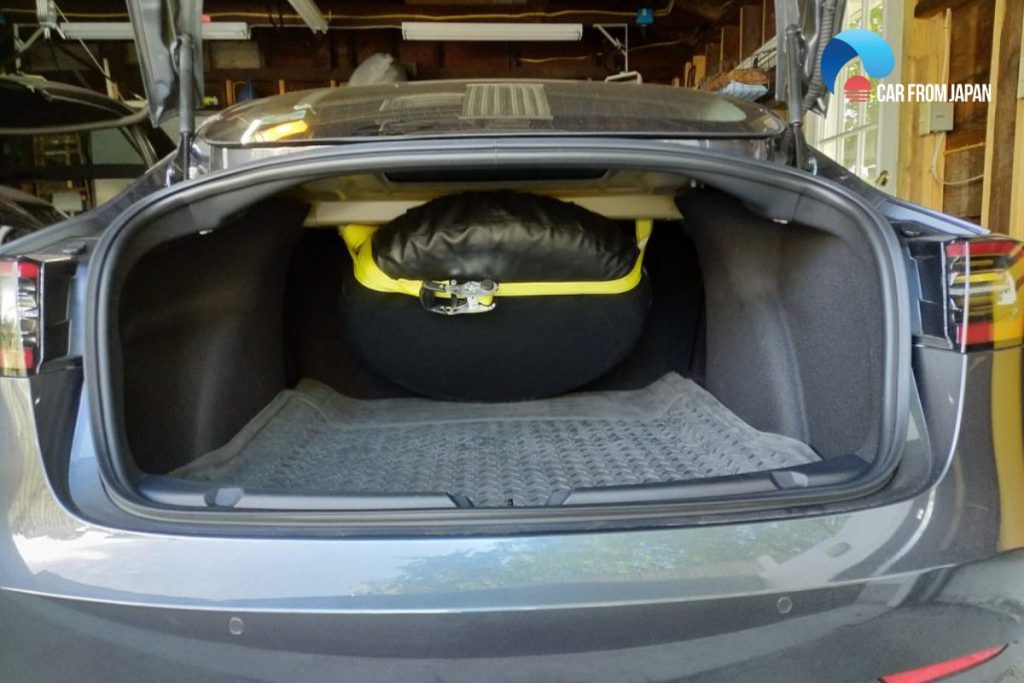
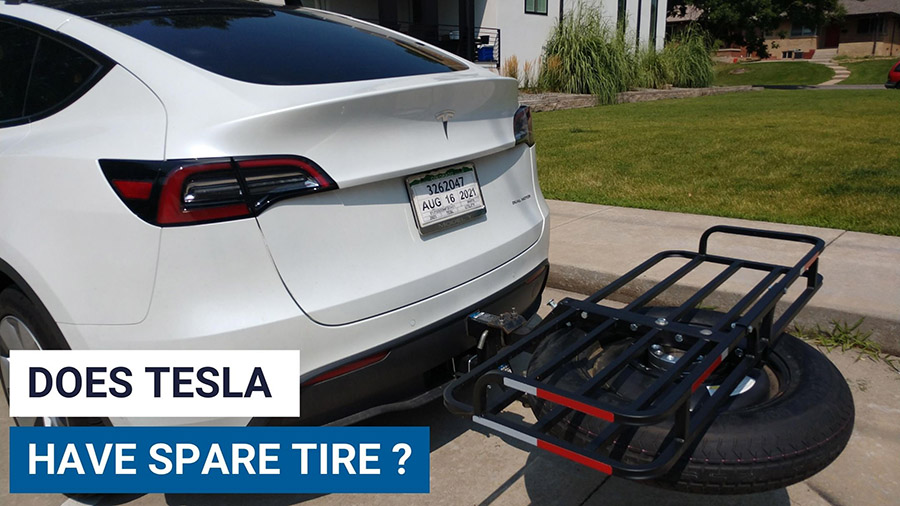
For owners who desire the peace of mind of a physical spare, several reputable third-party vendors offer compact spare tire kits specifically designed for Tesla models. Companies like Modern Spare are expert vendors providing dedicated kits that include a temporary spare, jack, and tools tailored to the vehicle’s specifications. These kits typically range in cost from $350 to $700, a worthwhile investment for those prioritizing a full spare solution. When selecting one, ensure it’s compatible with your specific Tesla model and wheel size, and consider storage—many owners store these in the trunk or frunk.
Leveraging Tesla’s and Third-Party Roadside Assistance
Tesla’s integrated roadside assistance is a robust and reliable resource. For unrepairable damage or situations where you’re uncomfortable using the repair kit, contacting Tesla directly via the mobile app or vehicle touchscreen is the recommended course of action. Typical response times for Tesla’s roadside assistance average under 60 minutes in metropolitan areas, though this can vary by location and demand. Additionally, integrating this with personal insurance roadside coverage or membership services like AAA provides comprehensive backup, ensuring a tow or tire service is always available. Research indicates that approximately 25% of all roadside assistance calls for EVs are related to tires, making these services particularly vital.
Professional Tire Plug Kits and Mobile Repair Services
For a more robust temporary fix than sealant alone, professional tire plug kits can be highly effective, though they require a certain level of skill. Many professional mobile tire repair services have emerged, offering significant convenience. These units, such as those operated by certain tire chains or independent mobile mechanics, can often perform on-site tire repairs or even replacements, bringing the service directly to the stranded vehicle. This is particularly valuable for Tesla owners, who may find it challenging to transport a damaged tire or prefer to avoid the hassle of towing. The cost for mobile tire repair can range from $75 to $150 for a repair, plus a service call fee, making it a competitive option for timely, trusted support.
Always inspect your tires regularly, even if you rely on TPMS. Understanding the condition of your tires can prevent many flat tire scenarios and allow for proactive maintenance, saving you time and potential headaches on the road.
The Longevity and Reliability of Tesla Tires: An Expert Perspective on Maintenance
Maintaining optimal tire health is paramount for Tesla owners, given the unique demands placed on EV tires. An expert understanding of these factors ensures the quality, longevity, and reliable performance that Tesla vehicles are designed to deliver.
Understanding OEM Tire Specifications for Teslas
Tesla typically partners with leading tire manufacturers like Michelin, Pirelli, and Goodyear to develop original equipment (OEM) tires specifically engineered for its vehicles. These tires are not generic; they are designed with several key characteristics:
- Low Rolling Resistance: Essential for maximizing battery range and energy efficiency.
- Noise-Reducing Foam: Many Tesla OEM tires feature a layer of acoustic foam inside the tire to minimize road noise, enhancing the quiet EV cabin experience.
- EV-Specific Compounds: Tire compounds are optimized to handle the instant, high torque delivery of electric motors, which can otherwise lead to accelerated wear.
- Load Rating: Designed to support the increased weight of an EV, primarily due to the heavy battery pack, while maintaining performance characteristics.
These specialized designs contribute significantly to the trusted performance and quality of Tesla vehicles.
Impact of EV Characteristics on Tire Wear
Electric vehicles place unique stresses on tires, leading to potentially accelerated wear patterns compared to their ICE counterparts:
- High Torque: The immediate, high torque available from electric motors can cause more rapid tire scrub during acceleration.
- Increased Vehicle Weight: The substantial weight of the battery pack means Teslas are generally heavier than comparable ICE vehicles, leading to higher friction and wear.
- Regenerative Braking: While efficient, the constant engagement of regenerative braking, particularly on the driven wheels, can contribute to uneven wear patterns over time if not managed with proper maintenance.
Industry data suggests that EV tires may experience a 10-20% faster wear rate compared to tires on lighter, less torquey ICE vehicles if not properly maintained.
Recommended Tire Maintenance Schedule
To maximize tire lifespan and ensure reliable performance, a consistent and professional maintenance schedule is vital:
- Regular Tire Pressure Checks: Tesla’s official maintenance recommendations emphasize checking tire pressure monthly, or before long trips. Incorrect tire pressure can reduce efficiency by up to 3% and significantly impact safety and wear. The integrated Tire Pressure Monitoring System (TPMS) is a trusted tool for real-time monitoring.
- Tire Rotations: Rotating tires every 6,250 miles (10,000 km) or annually, as per Tesla’s guidelines, helps equalize wear across all four tires, especially crucial with the heavy and torquey nature of EVs.
- Wheel Alignments: Regular alignment checks, particularly after hitting potholes or noticing unusual steering behavior, prevent uneven wear and maintain precise handling.
- Balance Checks: Ensuring tires are properly balanced prevents vibrations and promotes even wear.
Identifying and Addressing Common Tire Issues
Owners should be vigilant in recognizing signs of tire distress:
- Uneven Wear: Look for wear on the inner or outer edges, or cupping, which can indicate alignment issues or improper inflation.
- Punctures and Sidewall Damage: Visually inspect tires regularly for foreign objects or cracks/bulges on the sidewall, which often necessitate immediate replacement.
- Vibrations or Noise: Unusual vehicle vibrations or persistent road noise can signal imbalance, alignment problems, or internal tire damage.
Timely professional inspection and repair are essential to maintaining safety and avoiding more extensive damage or unexpected roadside events.
Never ignore a TPMS warning. A drop in tire pressure can drastically affect handling, increase the risk of a blowout, and reduce vehicle range. Address pressure warnings immediately with proper inflation or professional inspection.
Future Trends in Automotive Tire Technology and Roadside Support for EVs
Looking towards 2026 and beyond, the landscape of automotive tire technology and roadside support for electric vehicles, particularly Teslas, is set for transformative advancements. These innovations promise to further enhance safety, convenience, and sustainability, solidifying the trend away from traditional spare tires.
Emergence of Self-Healing and Puncture-Proof Tires
The pursuit of puncture-proof solutions is a significant area of research and development. Major tire manufacturers are heavily investing in:
- Non-Pneumatic (Airless) Tires: Prototypes from companies like Michelin (e.g., Uptis) and Goodyear are progressing towards commercial viability. These designs eliminate air pressure, making them immune to punctures and blowouts.
- Advanced Self-Sealing Materials: Next-generation sealants and tire linings are being developed that can instantly seal larger punctures without driver intervention, building upon existing sealant technologies.
- Robust Puncture-Resistant Designs: New composite materials and tire structures aim to significantly reduce the likelihood of penetration by road debris.
These innovations could render roadside tire interventions largely obsolete for minor incidents, further reinforcing the decision to omit spare tires.
Integrated Predictive Tire Monitoring Systems
Current TPMS technology primarily alerts to pressure drops. Future systems will be far more sophisticated:
- Wear Sensors: Integrated sensors will precisely monitor tread depth and uneven wear patterns, providing proactive maintenance alerts.
- Temperature and Load Monitoring: Advanced systems will track tire temperature and load conditions, offering warnings for potential overheating or overloading that could lead to failure.
- AI-Powered Analytics: Data from these sensors will be processed by AI to predict potential tire failures based on historical data and real-time conditions, allowing for preventative action. Statistics show that advanced TPMS systems, when fully utilized, can reduce tire-related incidents by up to 15-20%.
Expansion of Dedicated EV Roadside Assistance and Mobile Repair
As the EV market continues its rapid growth—projections indicate EV sales will exceed 25% of new vehicle sales by 2026 in many key markets—the infrastructure for specialized EV support will expand significantly. This includes:
- Rapid-Response Mobile Tire Units: More prevalent and geographically widespread mobile units equipped specifically for EV tire repair and replacement, including specialized jacking points and knowledge of EV-specific components.
- Integrated Diagnostics: Roadside technicians will have advanced diagnostic tools that interface directly with the vehicle’s systems, providing precise fault identification and faster resolution.
- Battery Jump-Start Services (for 12V): While not directly tire-related, the expansion of general EV roadside assistance will also address other common EV-specific issues like 12V battery drain.
By The Numbers: Future of Tire Tech
New vehicles without spare tires (current)
Approximate weight of a spare tire assembly
Projected EV sales share by 2026
Reduction in incidents with advanced TPMS
Sustainable Tire Manufacturing and Recycling
Beyond functionality, the industry is moving towards more sustainable practices. Efforts include developing tires from renewable and recycled materials, reducing microplastic shedding, and improving end-of-life tire recycling processes. This reflects a broader quality and ethical consideration, where the entire lifecycle of a tire is optimized for environmental impact, aligning with Tesla’s own sustainability mission.
Potential Regulatory Shifts and Standardization
As technology evolves, regulatory bodies may introduce new standards for flat tire management. This could include mandates for more sophisticated on-board repair systems or standardized roadside assistance protocols for EVs. These shifts would further shape how manufacturers design and equip vehicles, influencing the provisions for flat tire management in the coming years and ensuring a consistent level of safety and convenience for all drivers.
Teslas do not include a factory-provided spare tire, instead offering a tire repair kit and relying on robust roadside assistance. This strategic omission is driven by a focus on maximizing efficiency, optimizing cargo space, and leveraging modern tire technologies and support networks. Tesla owners have several reliable and professional options for managing flat tires, from utilizing the provided kit and roadside services to investing in trusted aftermarket spare tire solutions. Equip yourself with the expert knowledge from this guide and ensure your Tesla journey remains smooth and uninterrupted by proactively understanding and preparing for all your tire repair and preparedness options.
Frequently Asked Questions
Why don’t Teslas come with spare tires?
Tesla prioritizes efficiency, extended range, and maximized cargo space in its vehicle design. Eliminating the spare tire significantly reduces vehicle weight, directly enhancing battery range and overall performance. Furthermore, it frees up valuable storage area typically occupied by a spare, aligning with their minimalist design philosophy. This professional approach also leverages advancements in roadside assistance and tire repair technologies, reducing the perceived necessity for a physical spare.
What do Teslas provide instead of a spare tire for a flat?
Instead of a traditional spare, Teslas typically include a quality tire repair kit. This kit generally consists of a sealant and an air compressor, designed for temporary repair of small punctures to allow the driver to reach a service center. Tesla also offers comprehensive and reliable roadside assistance for more severe tire damage, providing towing or mobile tire service to ensure owners receive expert help when needed.
Are aftermarket spare tire kits a viable option for Tesla owners?
Yes, numerous trusted aftermarket companies offer compact spare tire kits specifically engineered for Tesla models. These professional kits typically include a temporary spare wheel, a jack, and a lug wrench, often fitting conveniently in the vehicle’s trunk or frunk. They provide a reliable and comprehensive solution for owners seeking additional peace of mind beyond the factory repair kit, ensuring readiness for significant tire damage.
How long does Tesla’s tire repair kit last, and is it a permanent fix?
The tire repair kit provided by Tesla is strictly a temporary solution, designed for emergency use. It is engineered to effectively seal minor punctures for a limited distance and time, allowing the driver to safely reach a professional tire service center. It is not a permanent fix, and expert inspection and proper repair or replacement of the tire are essential as soon as possible after using the sealant to maintain vehicle safety and tire integrity.
What steps should a Tesla owner take immediately after experiencing a flat tire?
Upon experiencing a flat, the most professional first step is to safely pull over to a secure location and assess the damage. For minor punctures, utilize the factory-provided tire repair kit as directed for a temporary fix. For severe damage or a blown-out tire, immediately contact Tesla’s roadside assistance or your trusted preferred towing service. Avoid driving on a severely damaged tire to prevent further vehicle harm or compromise safety, ensuring a reliable resolution.