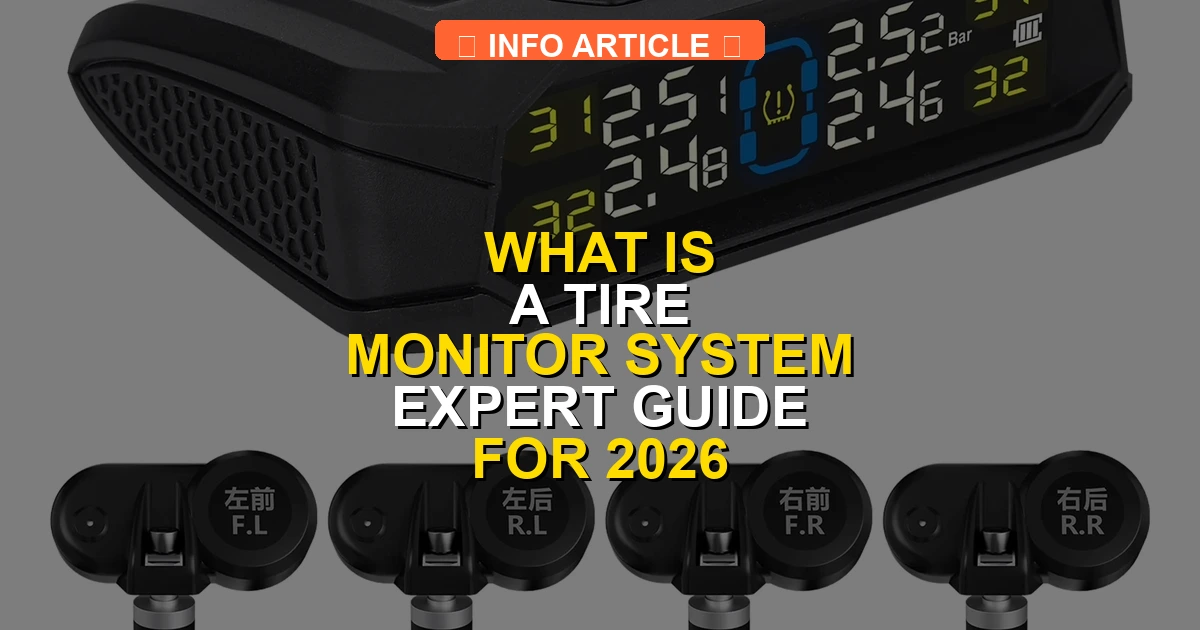
A tire pressure monitoring system (TPMS) is an electronic safety feature designed to monitor the air pressure inside your vehicle’s tires. When pressure drops significantly below recommended levels, the system triggers a dashboard warning light to alert you before a dangerous blowout can occur.
A Tire Pressure Monitoring System, commonly known as TPMS, is an electronic setup designed to monitor the air pressure inside your vehicle’s pneumatic tires. The system’s primary safety purpose is to provide real-time alerts to the driver when a tire’s pressure drops significantly below recommended safety levels, typically 25 percent or more under the manufacturer’s specification. By warning you before a dangerous deflation occurs, TPMS helps prevent catastrophic tire blowouts, reduces uneven tread wear, and optimizes your vehicle’s fuel efficiency.
Driving on underinflated tires creates excessive heat, which structurally weakens the rubber and risks a sudden failure on the highway. Modern safety regulations require all passenger vehicles manufactured since late 2007 to feature this technology, and 2026 automotive standards have made these systems faster, more accurate, and seamlessly integrated with modern vehicle dashboards. Understanding how your tire monitor system functions allows you to respond correctly when a warning light illuminates on your instrument cluster.
Key Takeaways
- TPMS alerts drivers to dangerously low tire pressure.
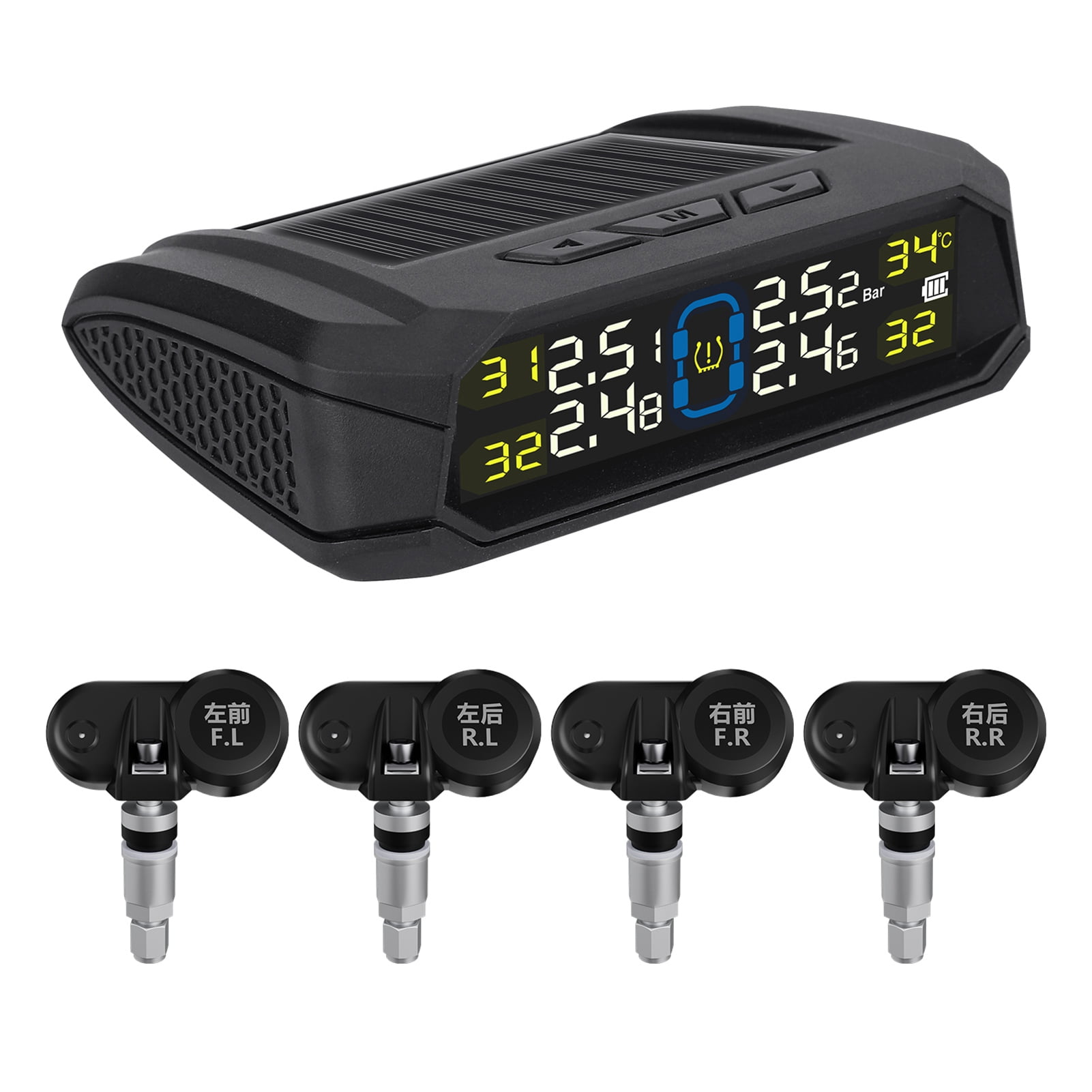
- Direct TPMS uses physical sensors inside each tire valve.
- Indirect TPMS calculates pressure using wheel speed sensors.
- Proper tire pressure improves fuel economy and safety.
- Always check tires manually despite having a monitor.
What Causes Tire Pressure Monitoring System Warnings
Environmental Temperature Fluctuations
The most common trigger for a TPMS warning light is a change in ambient weather conditions rather than a puncture. As outdoor temperatures drop during seasonal shifts, the air molecules inside your tires contract, causing a measurable decrease in pressure. A general rule of thumb is that tire pressure drops about 1 to 2 PSI for every 10-degree Fahrenheit drop in temperature. If your tires were inflated to the exact minimum threshold during warm weather, a sudden cold snap in late autumn or winter will easily trigger the dashboard alert.
Slow Leaks and Natural Permeation
Natural air loss, known as permeation, causes tires to lose roughly 1 to 2 PSI per month even without any damage. Beyond natural loss, minor punctures from nails, failing valve stems, or microscopic rim corrosion cause slow leaks that gradually drop your tire pressure below the safety threshold. When one specific tire loses pressure at a faster rate than the others, your tire monitor system identifies the anomaly and illuminates either a general warning light or a specific pressure reading for that wheel.
How to Fix a Triggered TPMS Warning Light Step-by-Step
Diagnosing and Inflating the Tires
When your TPMS light turns on, do not panic, but do not ignore it either. Follow this practical sequence to resolve the issue safely:
- Visually inspect all four tires for obvious flats, embedded nails, or visible damage.
- Locate the official placard sticker inside your driver-side door jamb to find the correct cold PSI specifications for your specific vehicle.
- Use a reliable digital pressure gauge to measure the pressure of all four tires, including the spare if equipped with a sensor.
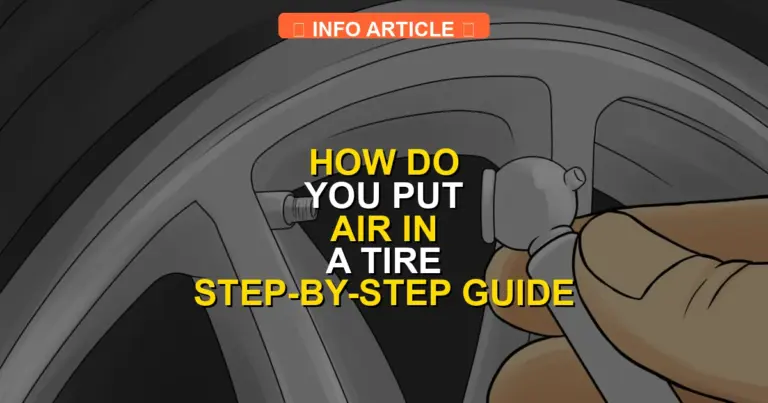
- Inflate any low tire to the manufacturer’s recommended PSI using a portable compressor or a gas station air pump.
- Drive your vehicle at speeds above 25 mph for a few miles to allow the sensors to reset and turn off the dashboard warning light.
Addressing Persistent Sensor Failures
Sometimes the warning light remains illuminated even after you have corrected the tire pressures to the exact recommended levels. This usually indicates a dead internal battery within a direct TPMS sensor, physical damage to a valve stem sensor during a recent tire rotation, or a system calibration error. Direct sensors rely on small lithium batteries that typically last between 5 to 10 years. If a sensor fails, you will need to visit a tire service center to have the faulty unit scanned, diagnosed, and replaced.
What If Your Tire Monitor System Light Won’t Turn Off
Sometimes, your TPMS light stays on even after you have inflated every tire to the correct manufacturer-recommended PSI. According to automotive service experts, this usually indicates a recalibration issue, a dead sensor battery, or a failing component within the system.

Common Causes for Stubborn TPMS Warnings
Direct TPMS sensors rely on small internal lithium-ion batteries. In 2026, many vehicles manufactured a decade ago are seeing these batteries reach the end of their typical five-to-eight-year lifespan. When a battery dies, the sensor stops transmitting data to the onboard computer, triggering a persistent warning light.
How to Reset Your TPMS
If you know your tire pressure is accurate and the tires are not losing air, you may need to manually reset the system. Follow these manufacturer-approved steps to clear the warning light:
- Park your vehicle on a flat surface and turn off the engine completely.
- Locate the physical TPMS reset button, which is commonly found beneath the steering wheel column or inside the glove box.
- Turn the vehicle’s ignition to the “On” position without starting the engine.
- Press and hold the TPMS reset button until the dashboard indicator light blinks slowly three times, then release it.
- Allow the vehicle to sit with the ignition on for roughly twenty minutes to let the computer recapture sensor signals.
- Drive the vehicle consistently at speeds above 25 mph for up to ten miles to complete the sensor relearn process.
What If It Still Doesn’t Work?
If you have inflated your tires and completed the manual reset procedure without success, a deeper mechanical or electronic issue is likely present. Try these final fallback steps to resolve the problem:
- Check the pressure in your spare tire. Many modern vehicles equip the full-size or compact spare with a TPMS sensor that also monitors pressure levels.
- Inspect the tire valve stems for corrosion or physical damage, which frequently disrupts direct sensor communication.
- Use an OBD-II scanner capable of reading TPMS protocols to identify which specific wheel position is failing to transmit a signal.
- Visit a certified tire service center or dealership to have them scan individual sensors using specialized radio-frequency activation tools.
- Replace faulty sensors. According to recent automotive maintenance data, professional TPMS sensor replacement typically ranges from $50 to $150 per wheel, including parts and labor.
Conclusion
A functional Tire Monitor System is a critical component of modern vehicle safety, actively preventing dangerous blowouts and optimizing your fuel economy. When the warning light appears, verifying pressure and following proper reset procedures will quickly restore normal operations. According to verified research and expert sources from the National Highway Traffic Safety Administration, maintaining correct tire inflation saves billions of dollars in fuel annually. Take the next step today by checking all four tires with a reliable digital gauge to ensure your vehicle is road-ready for 2026.
❓ Frequently Asked Questions
How does a direct tire pressure monitoring system work?
Direct TPMS utilizes battery-powered sensors mounted inside each tire or attached to the valve stems. These sensors measure actual air pressure and transmit the data via radio frequency to the vehicle’s computer system.
What is an indirect tire pressure monitoring system?
Indirect TPMS does not use physical pressure sensors inside the tires. Instead, it monitors individual wheel speeds using the anti-lock braking system (ABS) wheel speed sensors, as an under-inflated tire has a smaller rolling circumference and rotates faster.
Why does the TPMS light turn on when the weather gets cold?
Air contracts as temperatures drop, causing tire pressure to decrease by about 1 to 2 PSI for every 10-degree Fahrenheit drop in temperature. This sudden pressure loss often triggers the dashboard warning light during the first cold days of autumn or winter.
What should I do after inflating my tires to turn off the light?
Once you inflate all tires to the manufacturer’s recommended PSI, you may need to drive for a few miles to reset the system. Some vehicles also require you to manually reset the TPMS via a dashboard button or the infotainment menu.
What does a blinking TPMS warning light mean?
A flashing TPMS light that stays on for about 60 to 90 seconds when you start the car usually indicates a system malfunction. This means one or more sensors have failed, the battery in a direct sensor is dead, or the system needs reprogramming.
Do aftermarket tires affect the tire monitor system?
If you install new rims or tires, the direct TPMS sensors must be carefully swapped over or replaced to ensure compatibility. If your vehicle uses an indirect system, changing tire sizes may require a system recalibration to prevent false warnings.