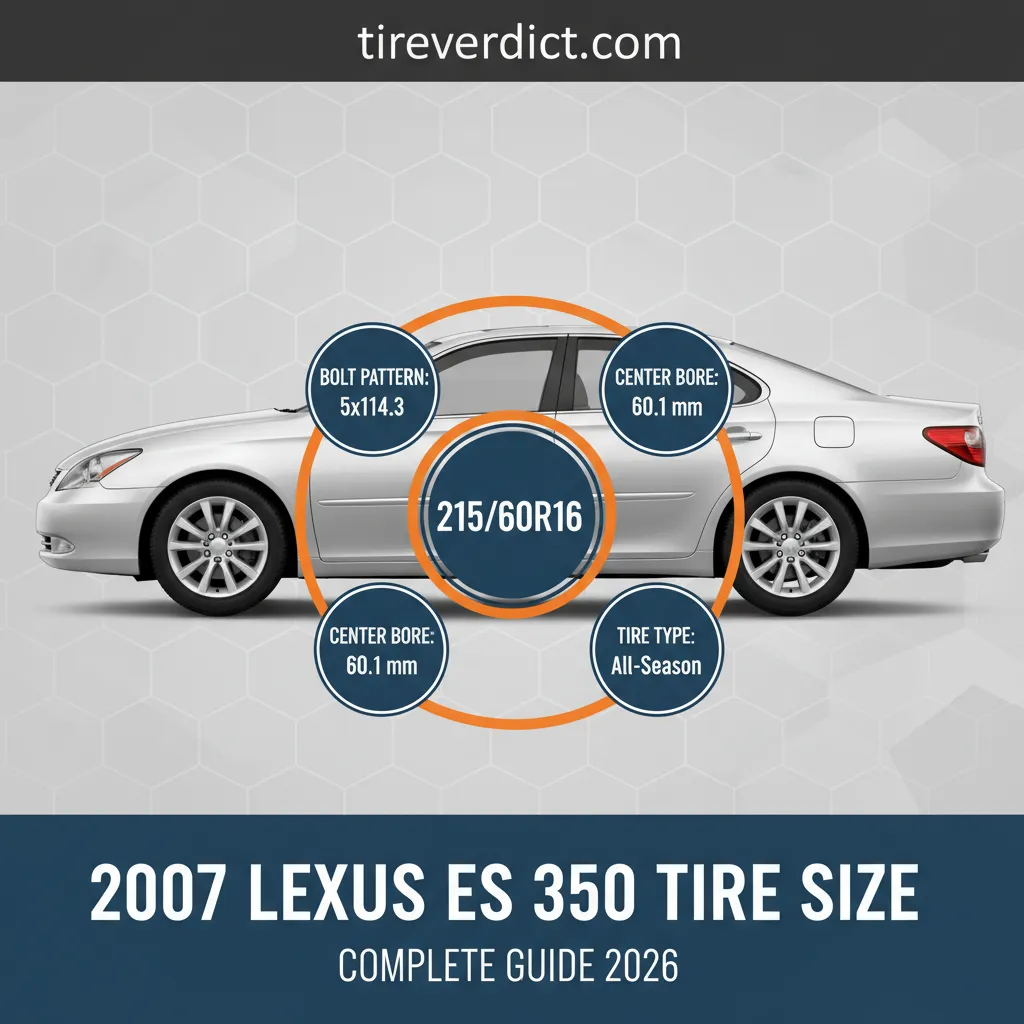
The right set of tires is paramount for the unparalleled comfort, safety, and performance expected from your 2007 Lexus ES 350. As a sophisticated luxury sedan, its driving dynamics are meticulously engineered, and the tires play a critical role in translating that engineering to the road. Navigating the myriad of tire specifications, especially for a vehicle like the 2007 Lexus ES 350, can be complex, often leading to confusion about correct sizing, optimal selection, and proper maintenance. This expert guide will provide a definitive breakdown of the 2007 Lexus ES 350’s tire size, empowering you with the knowledge to make informed decisions for replacements, understand sidewall markings, and implement essential maintenance practices to ensure your vehicle’s continued excellence.
Understanding the Standard 2007 Lexus ES 350 Original Equipment Tire Specifications
When it comes to maintaining the integrity and performance of your 2007 Lexus ES 350, understanding its original equipment (OE) tire specifications is the foundational step. Lexus engineers meticulously select tires to complement the vehicle’s suspension, steering, and overall ride quality. Deviating from these specifications without proper knowledge can compromise handling, safety systems, and even fuel efficiency.
📤 Share Image
Primary and Optional Factory Tire Sizes
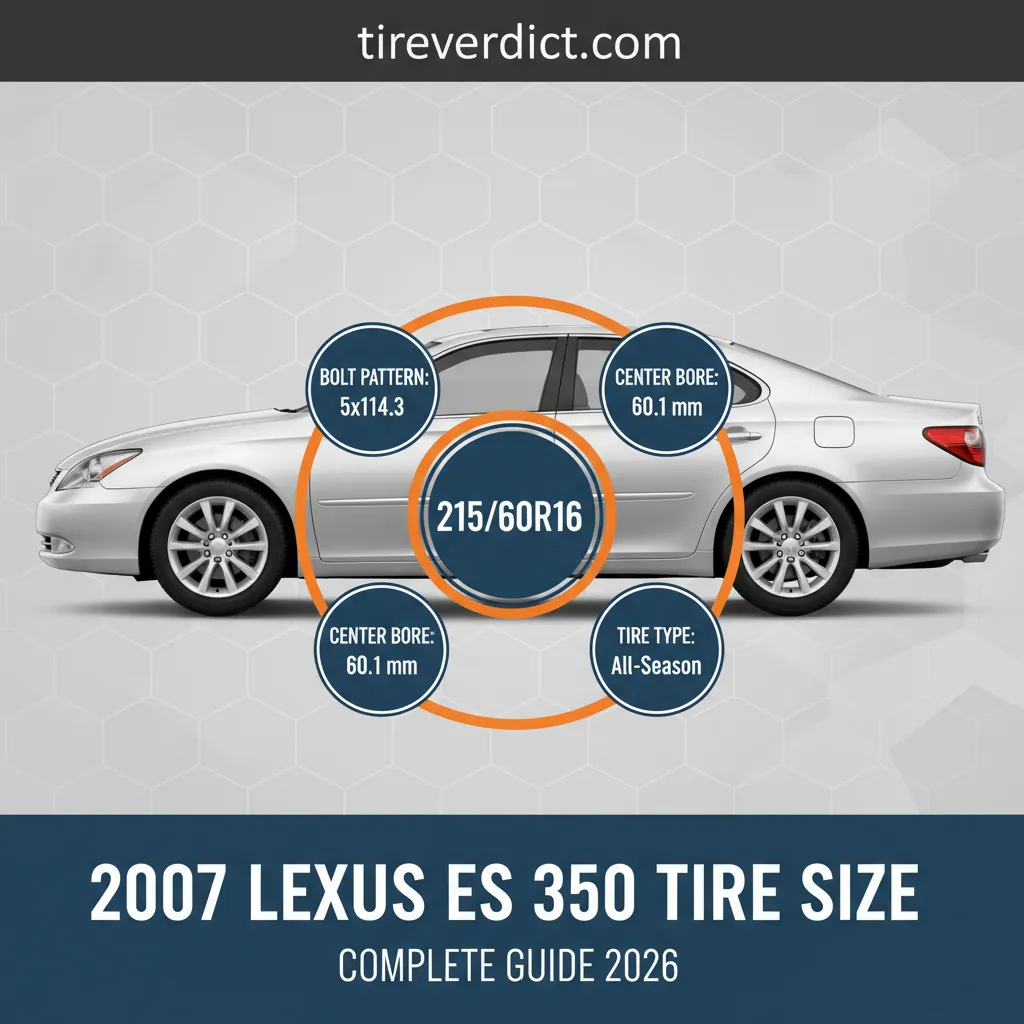
For the 2007 Lexus ES 350, the most common and widely recognized original equipment tire size is 215/55R17. This size was standard on the majority of ES 350 models, paired with 17-inch alloy wheels. However, Lexus also offered an optional upmarket package, which included larger wheels and, consequently, a different tire size: 225/45R18. This secondary factory option was typically found on models equipped with 18-inch wheels, providing a slightly wider tread and lower profile, which can contribute to a more responsive feel, albeit sometimes at the expense of ride comfort.
Locating and Interpreting Your Vehicle’s Tire Placard
The most accurate and reliable source for your specific vehicle’s tire information is the official tire information placard. This essential label is usually located on the driver’s side door jamb, though it can sometimes be found in the glove compartment or inside the fuel filler door. This placard provides crucial data, including the OE tire size and the manufacturer’s recommended cold inflation pressures. For the 2007 Lexus ES 350, recommended pressures typically fall within the range of 30-35 PSI for all four tires, but always confirm this against your specific placard.
For example, if your placard states “P215/55R17 94V,” this tells you the precise tire dimensions and specifications. If you were to find conflicting information, perhaps from a previous owner who installed non-standard tires, cross-referencing with this official source is paramount. This ensures you’re aligning with the expert specifications originally intended for your vehicle’s optimal performance and safety systems.
Correlation Between Wheel Sizes and Tire Dimensions
The factory wheel size (e.g., 17-inch vs. 18-inch) directly correlates with the corresponding tire dimensions. A 17-inch wheel necessitates a tire with a 17-inch rim diameter, and similarly for an 18-inch wheel. This relationship is non-negotiable for proper fitment. Maintaining this correlation is vital not just for physical fit but also for preserving the vehicle’s original speedometer accuracy, anti-lock braking system (ABS), and vehicle stability control (VSC) calibrations. These systems rely on precise wheel and tire circumference data for accurate operation, and incorrect sizes can introduce dangerous discrepancies.
Deconstructing Tire Size Nomenclature
Understanding the numerical components of a tire size empowers you to confidently identify and discuss your vehicle’s tire requirements. Let’s break down the common 215/55R17 example:
- 215: This represents the tire’s section width in millimeters. In this case, 215mm.
- 55: This is the aspect ratio, indicating the tire’s sidewall height as a percentage of its width. So, the sidewall height is 55% of 215mm. A lower number means a shorter sidewall.
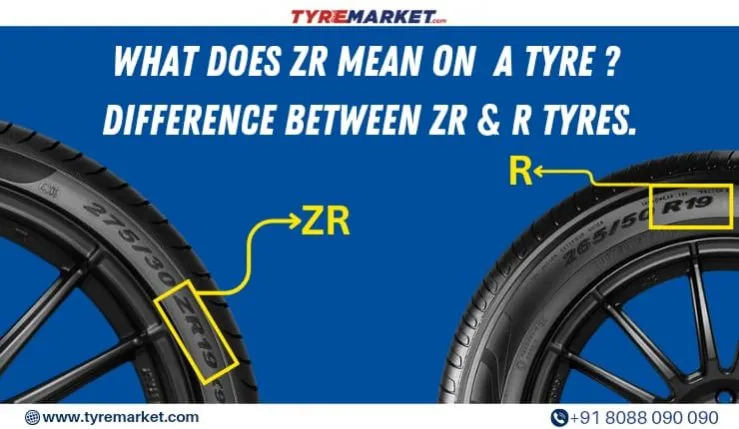
- R: This denotes the tire’s internal construction, which is Radial-ply. Virtually all passenger car tires today are radial.
- 17: This is the diameter of the wheel (rim) in inches that the tire is designed to fit.
This standardized system ensures clarity and precision in tire selection, a hallmark of reliable automotive practice.

Deciphering Tire Sidewall Markings and Their Importance for the ES 350
Beyond the primary size designation, the sidewall of every tire is a treasure trove of information critical for safety, performance, and compliance. As an expert, I emphasize that understanding these markings is fundamental for any 2007 Lexus ES 350 owner. These codes, often overlooked, provide a deep insight into a tire’s capabilities and suitability for your luxury sedan.
Comprehensive Breakdown of Sidewall Markings
Let’s consider a typical full tire sidewall code for a 2007 Lexus ES 350: P215/55R17 94V M+S DOT XXXXXXXX. Each segment holds significant meaning:
- P: Indicates a “P-metric” or passenger car tire, designed for cars, minivans, and light-duty pickup trucks. You might also encounter “LT” for Light Truck tires, which are not suitable for the ES 350.
- 215/55R17: As discussed, this is the tire’s width, aspect ratio, construction type, and rim diameter.
- 94: This is the Load Index, a numerical code representing the maximum weight the tire can support when properly inflated.
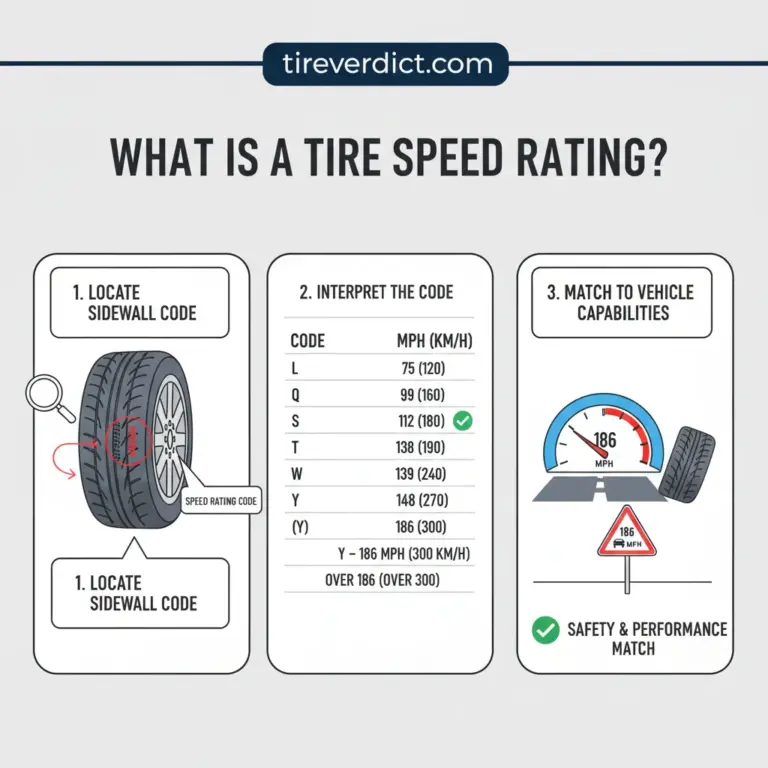
- V: This is the Speed Rating, an alphabetical code indicating the maximum speed at which the tire can carry its rated load under specified conditions.
- M+S: Stands for “Mud and Snow,” indicating the tire has some all-season capability for light winter conditions.
- DOT XXXXXXXX: The Department of Transportation (DOT) code certifies compliance with U.S. safety standards and contains crucial manufacturing information, including the plant code, tire size code, and the date of manufacture.
Load Index and Speed Rating: Safety Implications
The Load Index and Speed Rating are vital for the safety and performance of your ES 350. For the 2007 Lexus ES 350, typical OE tires have a Load Index around 94, meaning each tire can support approximately 1477 lbs (670 kg). It is imperative that replacement tires meet or exceed this load index to safely carry the vehicle’s weight and cargo. Using tires with a lower load index can lead to tire failure, especially under heavy loads or during spirited driving.
Similarly, the Speed Rating for OE ES 350 tires is typically V (rated for up to 149 mph / 240 km/h) or sometimes H (rated for up to 130 mph / 210 km/h), reflecting the vehicle’s performance capabilities. While few drivers will approach these speeds, the speed rating indicates the tire’s ability to dissipate heat and maintain structural integrity. Replacing with a lower speed rating is generally not recommended as it can compromise handling and safety at higher speeds or under sustained stress.
Uniform Tire Quality Grading (UTQG) Standards
The UTQG system, developed by the National Highway Traffic Safety Administration (NHTSA), provides consumers with a set of benchmarks to compare tires based on three key performance characteristics:
- Treadwear: A comparative rating based on the wear rate of the tire when tested under controlled conditions. A tire with a Treadwear rating of 400 is expected to last twice as long as one with a rating of 200. For the ES 350, touring or all-season tires often have Treadwear ratings from 300 to 600.
- Traction: Rated A, B, or C, indicating the tire’s ability to stop on wet pavement under controlled conditions. ‘AA’ is the highest, and ‘C’ is the lowest. Most quality tires for the ES 350 will have a Traction rating of A or AA.
- Temperature: Rated A, B, or C, representing the tire’s resistance to heat generation and its ability to dissipate heat. ‘A’ is the highest, indicating greater resistance to heat buildup. For safety, always opt for a Temperature rating of A.
These standards influence tire lifespan, wet weather performance, and heat resistance, all crucial factors for the luxury and safety expected from a Lexus.
Checking the Manufacturing Date (DOT Code)
Within the DOT code, the last four digits indicate the week and year of manufacture (e.g., “1521” means the 15th week of 2021). Tires, even if unused, degrade over time due to exposure to elements, UV light, and ozone. Research indicates that tires typically have a useful life of about 6-10 years from their manufacturing date, regardless of tread depth. Purchasing aged tires, especially those older than 5-6 years, can compromise safety and performance, as the rubber compounds harden and lose elasticity. Always inspect this code when purchasing new tires to ensure you’re getting a fresh, reliable product.
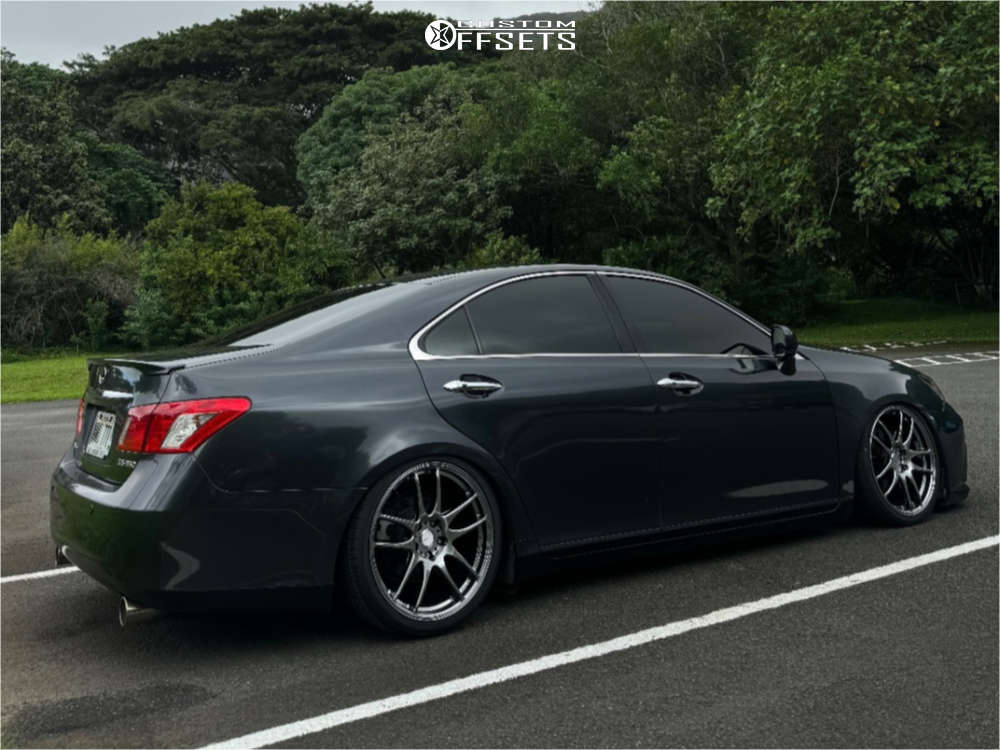
Selecting Optimal Replacement Tires for Your 2007 Lexus ES 350: Performance and Longevity
Choosing the right replacement tires for your 2007 Lexus ES 350 is a decision that directly impacts your driving experience, safety, and long-term operating costs. As a trusted guide, I always advise a balanced approach, considering vehicle specifications, personal driving habits, and regional climate.
Prioritizing Exact OE Tire Size Replacement
The paramount rule for tire replacement on your ES 350 is to adhere to the original equipment tire size: either 215/55R17 or 225/45R18, as specified on your vehicle’s placard. This is not merely a recommendation; it’s a critical factor for maintaining:
- Original Vehicle Dynamics: The suspension and steering systems are tuned for a specific tire circumference and contact patch.
- Speedometer Accuracy: Incorrect tire circumference will lead to inaccurate speed readings.
- Safety Systems: ABS, Traction Control (TRAC), and Vehicle Stability Control (VSC) systems rely on consistent wheel speed data across all four corners. Deviations can compromise their effectiveness.
- Clearance: Non-OE sizes risk rubbing against wheel wells or suspension components, especially during turns or over bumps.
Evaluating Tire Categories for the ES 350
The Lexus ES 350 is a sophisticated touring sedan, and tire choices should reflect this. Here are the primary categories:
- All-Season Tires: These are the most common choice, offering a balanced performance across various conditions (dry, wet, light snow). They provide a comfortable ride, good tread life, and decent traction. For the ES 350, quality all-season tires like the Continental PureContact LS or Pirelli Cinturato P7 All Season Plus II are excellent choices, offering a blend of quiet ride and capable handling.
- Touring Tires: Often overlapping with all-season, touring tires prioritize ride comfort, quietness, and extended tread life. They are an ideal match for the ES 350’s luxury character. The Michelin Primacy MXV4 (or its successor) is a classic example, known for its refined feel.
- Performance Tires: While the ES 350 is not a sports car, some drivers might opt for performance-oriented all-season tires for enhanced grip and steering response. These may offer slightly less comfort or tread life but provide a more dynamic driving experience.
- Winter/Snow Tires: If you reside in regions with harsh winter conditions (heavy snow, ice), dedicated winter tires are indispensable. They feature specialized tread compounds and patterns for superior grip in cold temperatures. For example, drivers in snowy regions should consider a set of dedicated winter tires like the Bridgestone Blizzak WS90 for optimal safety from November to March.
Factors Beyond Size: Tread, Compound, Noise, and Warranty
Beyond size and category, several other factors influence tire choice:
- Tread Pattern: Impacts wet traction, noise, and snow performance. Symmetrical patterns often offer a quieter ride; asymmetrical patterns can enhance handling.
- Rubber Compound: Determines grip, tread life, and performance across temperature ranges. Softer compounds offer more grip but wear faster.
- Noise Levels: A crucial factor for a luxury sedan. Look for tires engineered for quiet operation. Professional reviews often include subjective noise ratings.
- Ride Comfort: Tires significantly influence ride quality. Touring and premium all-season tires generally offer the best comfort.
- Warranty: Many quality tires come with a tread life warranty (e.g., 50,000-70,000 miles for touring tires). This indicates the manufacturer’s confidence in the tire’s durability and offers peace of mind.
Impact on Fuel Efficiency and Operating Costs
Tire selection also affects your ES 350’s fuel efficiency. Tires with lower rolling resistance require less energy to keep moving, thus improving gas mileage. While dedicated “eco” tires exist, many modern all-season and touring tires incorporate low rolling resistance technologies. Investing in quality tires with an average tread life expectancy of 50,000 to 70,000 miles (for touring tires) and good fuel efficiency characteristics contributes to lower overall operating costs. While a single premium tire might range from $150-$250 per tire for the ES 350, the long-term benefits in safety, performance, and fuel savings often outweigh the initial cost.
By The Numbers
Common OE Tire Size
Typical OE Pressure Range
Typical Load/Speed Rating
Recommended Rotation Interval

Maintaining Your 2007 Lexus ES 350 Tires for Enhanced Safety and Extended Life
Proper tire maintenance is not just about extending the life of your tires; it’s a fundamental aspect of vehicle safety, fuel efficiency, and preserving the refined driving experience of your 2007 Lexus ES 350. Neglecting routine care can lead to premature wear, compromised handling, and increased risk of tire failure.
Step-by-Step Guide for Checking Tire Pressure
Maintaining correct tire pressure is the single most important tire maintenance task. Under-inflated tires generate excessive heat and wear unevenly, while over-inflated tires lead to a harsher ride and reduced grip. Always refer to your vehicle’s door jamb placard for the exact recommended cold inflation pressure (typically 30-35 PSI for the ES 350).
📋
Step-by-Step Guide: Tire Pressure Check
Invest in a good quality tire pressure gauge. Digital gauges offer precise readings.
Check tire pressure when the tires are “cold” – meaning the car hasn’t been driven for at least three hours or more than a mile. Driving heats up tires, increasing pressure readings.
Unscrew the valve cap, press the gauge firmly onto the valve stem, and read the pressure. Compare this to the recommended PSI on your door jamb placard.
Add air if below the recommended PSI, or release air if overinflated. Repeat for all four tires, and remember to replace the valve caps.
Importance of Tire Rotation
Tires on a front-wheel-drive vehicle like the ES 350 wear differently at each position. Front tires tend to wear faster due to steering and transmitting engine power, while rear tires handle less stress. Regular tire rotation, typically every 5,000-7,500 miles or as recommended in your Lexus owner’s manual (Lexus often suggests every 5,000 miles), promotes even wear across all four tires. This practice extends the overall lifespan of your tire set, maintains balanced handling, and ensures consistent traction. For FWD vehicles, a “front-cross” pattern (front tires move straight back, rear tires cross to the opposite front) or a “rear-cross” pattern (rear tires move straight forward, front tires cross to the opposite rear) are common, but always follow your manufacturer’s specific recommendation.
Wheel Balancing and Alignment
Even perfectly manufactured tires can have slight weight variations. Wheel balancing corrects these imbalances, preventing vibrations that can cause discomfort, premature tire wear (e.g., cupping), and stress on suspension components. Balancing should be performed whenever new tires are installed or if you notice vibrations at certain speeds.
Wheel alignment refers to the angle and direction at which your tires are set. Proper alignment is critical for precise steering, straight-line stability, and preventing irregular tire wear (e.g., feathering, rapid shoulder wear). Potholes, curbs, or even normal wear and tear can knock your ES 350’s alignment out of specification. I recommend having your alignment checked annually or whenever you notice steering pulling, uneven tire wear, or after hitting a significant road hazard.
Inspecting for Wear and Damage
Regular visual inspection of your tires is simple yet effective for identifying potential issues before they become critical:
- Tread Depth: Most tires have built-in tread wear indicators (small bars between the tread blocks). When the tread is flush with these indicators, it’s time for replacement. The legal minimum tread depth in many regions is 2/32 inches, but for optimal wet traction and safety, replacement at 4/32 inches is often recommended.
- Sidewall Damage: Look for cuts, cracks, bulges, or bubbles. These indicate internal damage and can lead to sudden tire failure.
- Punctures: Check for nails, screws, or other foreign objects. Small punctures in the tread area can often be repaired by a professional, but sidewall punctures typically require tire replacement.
Always carry a tire pressure gauge in your 2007 Lexus ES 350 and check pressures monthly, or before long trips. Even a small drop in pressure can impact fuel economy and tire life, making this one of the simplest and most effective maintenance habits.
Troubleshooting Common Tire-Related Issues and Addressing Incorrect Sizes on the ES 350
Even with diligent maintenance, tire-related issues can arise. Understanding common symptoms and their implications, especially regarding incorrect tire sizes, is crucial for preserving the quality and safety of your 2007 Lexus ES 350. As a professional, I’ve seen firsthand the problems that can emerge from overlooked tire details.
Diagnosing Common Tire Wear Patterns
Tire wear patterns often tell a story about underlying issues. Recognizing these patterns can help you diagnose problems early:
- Center Wear: If the tread is significantly more worn in the center, it typically indicates overinflation. The excess pressure causes the center of the tire to bulge slightly, concentrating contact with the road.
- Edge Wear (both edges): Wear on both the inner and outer edges of the tread often points to underinflation. The tire sags, causing its edges to bear the primary load.
- One-Sided Wear (inner or outer edge only): This is a strong indicator of an alignment issue or a problem with suspension components. For the ES 350, worn bushings or ball joints can cause such wear.
- Cupping or Scalloping: Irregular dips and valleys on the tread are often caused by worn or damaged suspension components (e.g., shock absorbers, struts).
Consequences of Using Incorrect Tire Sizes
Using tire sizes that deviate from the manufacturer’s recommendations for your 2007 Lexus ES 350 can lead to a cascade of negative consequences:
- Speedometer Inaccuracy: Changing the tire’s overall diameter alters the number of rotations per mile, leading to incorrect speed and odometer readings. For example, a 3% circumference difference can lead to a 3 mph error at 100 mph, which is a significant safety concern.
- Compromised ABS/VSC Operation: The anti-lock braking system (ABS) and vehicle stability control (VSC) rely on precise wheel speed sensor data. Incorrect tire sizes distort this data, potentially causing these safety systems to engage improperly or fail entirely.
- Increased Fuel Consumption: Larger or heavier tires can increase rolling resistance and unsprung weight, leading to reduced fuel economy.
- Rubbing Against Wheel Wells/Suspension: Tires that are too wide or have an incorrect offset can physically contact the fender liners, suspension components, or even the brake calipers, especially during turns or when encountering bumps.
- Altered Handling Characteristics: Different aspect ratios or widths change the tire’s sidewall flex and contact patch, altering the steering feel, ride comfort, and overall handling balance of the ES 350.
Never install tires that are physically too large or too small for your 2007 Lexus ES 350’s wheel wells or those that deviate significantly from the factory-recommended overall diameter. The risks to safety systems, handling, and potential mechanical damage far outweigh any perceived aesthetic or performance benefits of non-standard fitments.
Addressing Suspected Incorrect Tires or Persistent Problems
If you suspect your 2007 ES 350 has incorrect tires or if you’re experiencing persistent tire-related problems (e.g., unusual vibrations, pulling, rapid wear), immediate action is required:
- Verify Tire Size: First, visually inspect the sidewall markings on all four tires and compare them to the size listed on your vehicle’s door jamb placard.
- Check Pressure and Condition: Ensure tires are correctly inflated and visually inspect for damage or abnormal wear patterns.
- Professional Inspection: If discrepancies or problems persist, take your vehicle to a trusted automotive technician. They can properly assess tire fitment, check for suspension and alignment issues, and recommend corrective actions.
Understanding the Tire Pressure Monitoring System (TPMS)
The 2007 Lexus ES 350 is equipped with a Tire Pressure Monitoring System (TPMS) that alerts you if tire pressure falls significantly below the recommended level. Most 2007 models use direct TPMS, where each tire has a sensor mounted inside the wheel. A TPMS warning light (often an exclamation mark inside a cross-section of a tire) indicates a low-pressure condition in one or more tires.
Common reasons for a TPMS warning light include:
- Low Pressure: The most common cause, easily resolved by inflating tires to the correct PSI.
- Temperature Drop: Cold weather causes air pressure to drop, often triggering the light.
- Sensor Battery Failure: TPMS sensors have batteries that eventually die, typically after 5-10 years.
- Sensor Damage: Impact or improper tire mounting can damage a sensor.
After correcting tire pressure, the TPMS light may turn off automatically after driving a short distance. If it remains on or blinks, it may indicate a sensor issue requiring professional diagnosis and potential replacement.
Navigating the world of tire specifications for your 2007 Lexus ES 350 requires reliable information and a professional approach. This guide has aimed to demystify the critical aspects of tire size, markings, selection, and maintenance, ensuring your luxury sedan performs optimally and safely for years to come.
In summary, the 2007 Lexus ES 350 primarily uses 215/55R17 tires, with some optional 225/45R18 fitments. Understanding tire sidewall codes, including the load index, speed rating, and UTQG, is crucial for informed tire selection that aligns with your vehicle’s performance requirements and driving conditions. Moreover, proper tire maintenance—including regular pressure checks, rotation, balancing, and alignment—is vital for maximizing safety, performance, and longevity. Ignoring these professional guidelines, or using incorrect tire sizes, can severely impact vehicle dynamics, compromise critical safety systems, and detract from the overall driving experience you expect from your trusted Lexus ES 350.
Ensure your 2007 Lexus ES 350 continues to deliver its signature blend of luxury and reliability by routinely verifying your tire specifications and adhering to a professional maintenance schedule. Consult a trusted automotive technician for any uncertainties regarding tire selection or persistent performance issues, thereby safeguarding your investment and ensuring continued quality on every journey.
Frequently Asked Questions
What is the primary factory tire size for the 2007 Lexus ES 350?
The most common original equipment tire size for the 2007 Lexus ES 350 is 215/55R17. This specification ensures optimal handling, ride comfort, and compatibility with the vehicle’s safety systems. Always confirm this on your vehicle’s door jamb placard or owner’s manual for precise information regarding your specific trim level.
Can I use 18-inch tires on my 2007 Lexus ES 350?
Yes, some premium packages of the 2007 Lexus ES 350 were equipped from the factory with 18-inch wheels, typically using 225/45R18 tires. If your vehicle originally came with 17-inch wheels, upgrading to 18-inch wheels and tires requires careful consideration to maintain correct overall diameter and clearance, ideally matching factory 18-inch specs.
Where can I find the recommended tire pressure for my 2007 Lexus ES 350?
The recommended tire pressure for your 2007 Lexus ES 350 is located on a placard typically affixed to the driver’s side door jamb, inside the glove compartment, or sometimes on the fuel filler door. This placard provides the cold inflation pressure for both front and rear tires, which is critical for optimal performance and safety.
How often should I rotate the tires on my 2007 Lexus ES 350?
For the 2007 Lexus ES 350, it is generally recommended to rotate tires every 5,000 to 7,500 miles, or as specified in your owner’s manual. Regular rotation helps promote even tread wear across all four tires, extending their lifespan and maintaining balanced handling characteristics, which is vital for a front-wheel-drive vehicle.
What happens if I use an incorrect tire size on my 2007 Lexus ES 350?
Using an incorrect tire size on your 2007 Lexus ES 350 can lead to several issues, including speedometer inaccuracy, compromised anti-lock braking system (ABS) and vehicle stability control (VSC) performance, altered handling, potential rubbing against wheel wells, and increased fuel consumption. Always adhere to manufacturer-recommended sizes for optimal vehicle integrity and safety.