Understanding your vehicle’s tires goes beyond simply reading the numbers on the sidewall; it involves deciphering a standardized code that holds critical information about performance and safety. Many drivers encounter tire size codes like ‘315’ and struggle to translate these metric figures into more intuitive imperial measurements, particularly when trying to conceptualize the tire’s width in inches. This article will thoroughly explain what ‘315’ signifies in tire sizing, guide you through its precise conversion to inches, and detail how this dimension, alongside other factors, impacts overall tire performance and vehicle compatibility, providing clarity for 2026 and beyond.
Decoding Tire Size Nomenclature: Understanding the 315 Designation
📤 Share Image
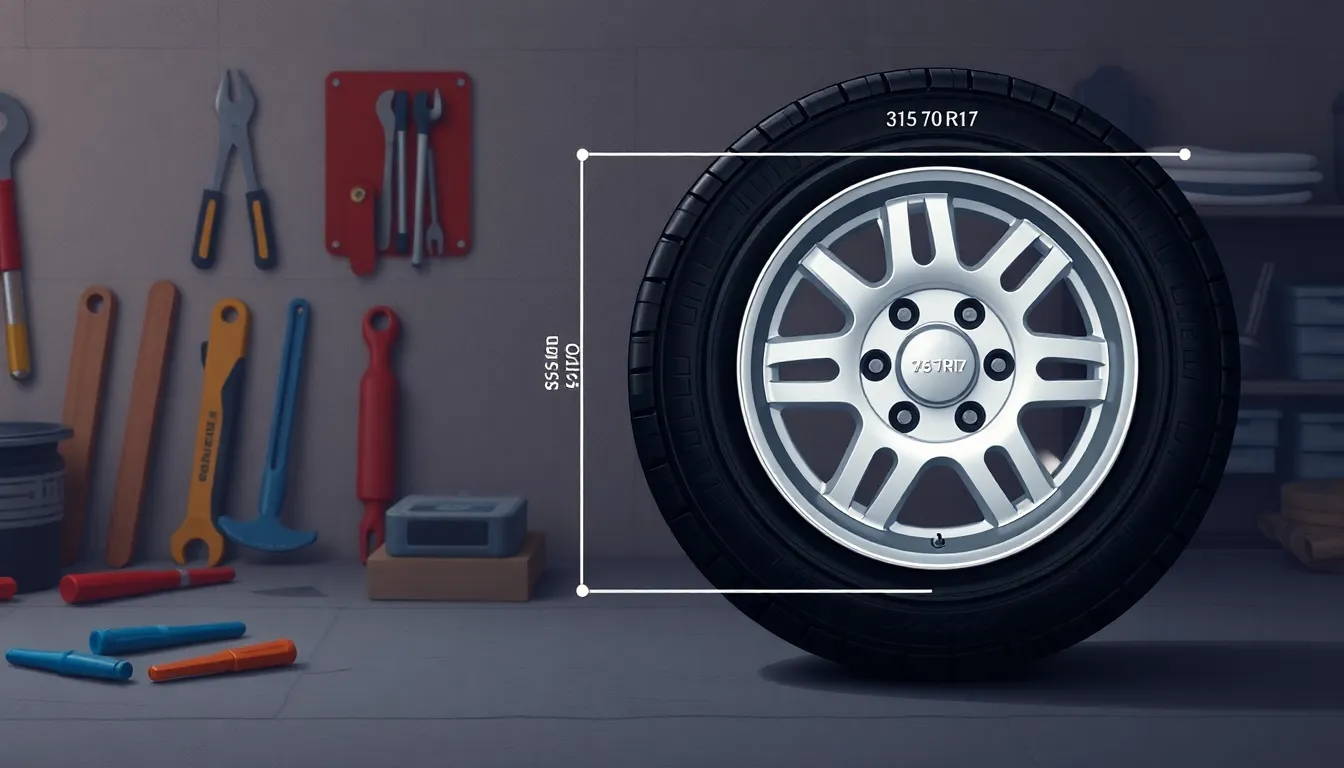
To truly grasp what a 315 tire means in inches, we must first dive into the fundamentals of tire sizing nomenclature. Modern tires typically use a standardized system known as P-metric (for passenger vehicles) or Euro-metric, which provides a comprehensive overview of the tire’s dimensions and characteristics. A common example you’ll find on a tire’s sidewall is P315/70R17. Deciphering this code is the key point to understanding the ‘315’ designation.
The Components of a Metric Tire Code
- P (or no prefix): Indicates a passenger car tire. Light truck (LT) tires would have ‘LT’ as a prefix. Euro-metric sizes often omit a prefix.
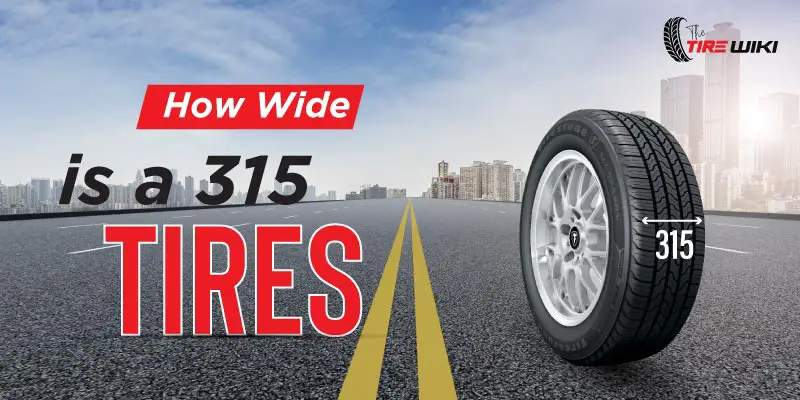
- 315: This is the focus of our discussion. It represents the tire’s section width in millimeters.
- 70: Known as the aspect ratio. It’s the height of the sidewall as a percentage of the section width. In this case, the sidewall height is 70% of 315mm.
- R: Denotes the tire’s construction type. ‘R’ stands for Radial, the most common construction method today, where plies run radially across the tire. Other types like ‘D’ (diagonal bias) or ‘B’ (bias-belted) are less common now.
- 17: This number specifies the diameter of the wheel (rim) in inches that the tire is designed to fit.
The ‘315’ figure is not an arbitrary number; it’s a precise measurement. It signifies the section width, which is defined as the widest point of an unmounted tire from sidewall to sidewall. It’s crucially important to note that this is not the tread width, which can often be narrower. Industry standards dictate that section width is measured on the tire’s approved measuring rim, ensuring consistency across manufacturers. Historically, tire sizing evolved from simple imperial measurements (e.g., 6.00-16) to the more detailed metric system we use today, offering greater precision, particularly important for modern vehicle dynamics and safety systems.
Converting 315 Millimeters to Inches: The Width Explained Precisely
Now, let’s address the core query directly: what is a 315 tire in inches? The conversion from millimeters to inches is straightforward and relies on a universally accepted conversion factor. This section provides a clear, step-by-step methodology for converting the 315mm section width into its imperial equivalent.
📋
Step-by-Step Guide: 315mm to Inches Conversion
The standard and exact conversion factor is 1 inch = 25.4 millimeters. This is a fundamental constant in dimensional analysis, making calculations highly accurate.
Divide the given millimeter measurement by the conversion factor. For a 315 tire, the calculation is: 315 mm ÷ 25.4 mm/inch.
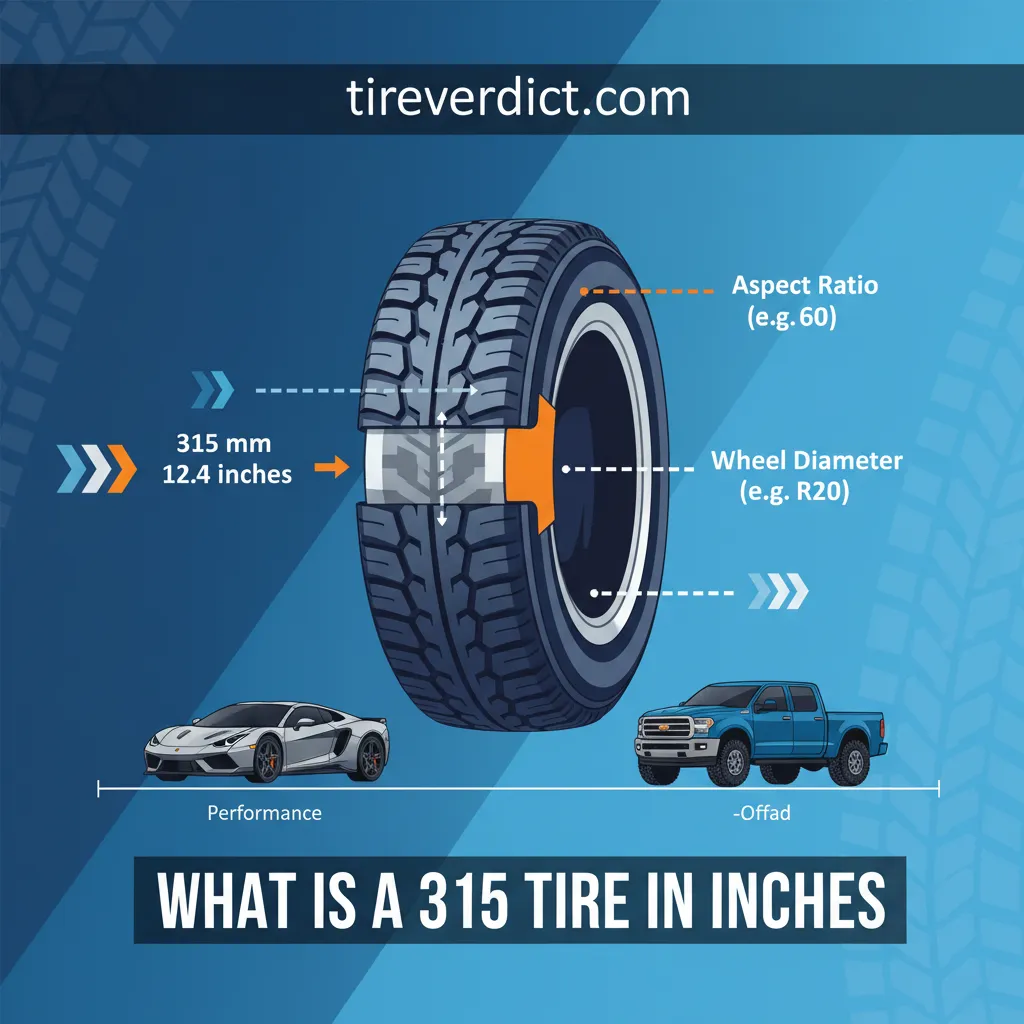
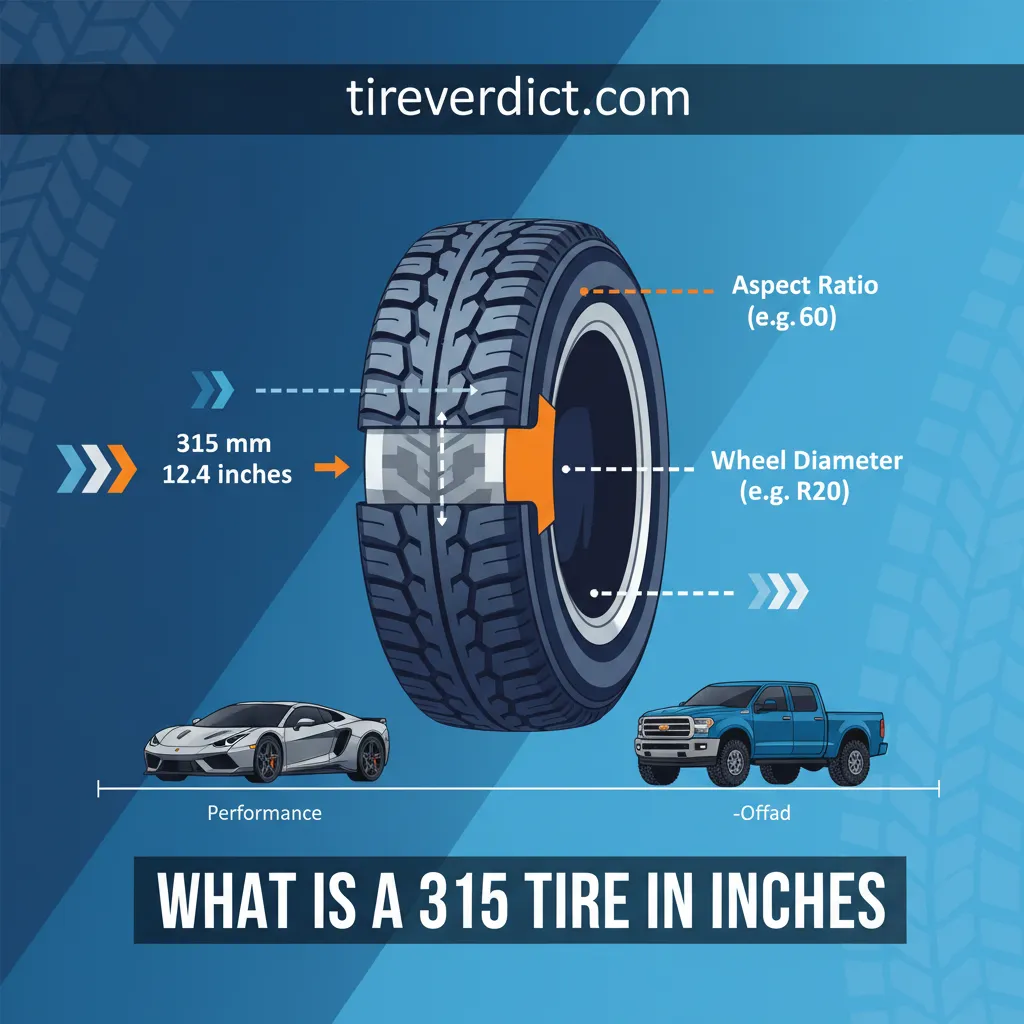
The precise numerical result is 12.40157 inches. In practical applications, this is typically rounded to one or two decimal places, such as 12.4 inches or 12.40 inches.
This precise numerical result makes it clear: a 315 tire measures approximately 12.4 inches wide. It’s important to emphasize that this measurement pertains solely to the tire’s section width. It does not account for its height or overall diameter, which are determined by other factors in the tire code. While the metric system is universal in tire manufacturing, many vehicle enthusiasts and particularly those in the aftermarket often prefer imperial measurements for width, as it provides a more intuitive sense of how a tire will look or fit on a vehicle, especially for trucks and off-road applications. For instance, comparing a 315mm (12.4 inches) tire to a 285mm (11.2 inches) tire immediately illustrates the significant difference in footprint and visual bulk.
The practical implications of a ~12.4-inch wide tire are considerable. For performance vehicles, this width translates to a larger contact patch, enhancing grip. For trucks and SUVs, it can improve stability and load-carrying capacity. However, this width also dictates minimum rim width requirements and has direct implications for vehicle clearance and desired stance, as we will explore further.
By The Numbers: Tire Sizing Fundamentals
Millimeters per Inch (Exact)
315mm in Inches (Rounded)
Avg. Sidewall Ratio for Light Truck Tires
Modern Tires are Radial Construction
Beyond Width: Calculating Overall Tire Diameter and Why It Matters
While understanding that a 315 tire is 12.4 inches wide is a crucial first step, it’s only one piece of the puzzle. The true impact of a tire on a vehicle’s performance and fitment is determined by its overall diameter. This is where the aspect ratio and rim diameter come into play, forming a complete dimensional picture. As a seasoned expert, I can tell you that neglecting this full calculation is a common pitfall leading to fitment issues.
The Role of Aspect Ratio and Sidewall Height
Recall the ’70’ in our P315/70R17 example. This is the aspect ratio, and it’s expressed as a percentage. It defines the height of the tire’s sidewall relative to its section width. A 70 aspect ratio means the sidewall height is 70% of the 315mm section width. This is an important factor because it directly contributes to the tire’s overall height.
Step-by-Step Overall Diameter Calculation
Let’s calculate the overall diameter using our P315/70R17 example:
- 1. Calculate Sidewall Height in Millimeters:
Section Width (315 mm) Aspect Ratio (70%) = 315 0.70 = 220.5 mm - 2. Convert Sidewall Height to Inches:
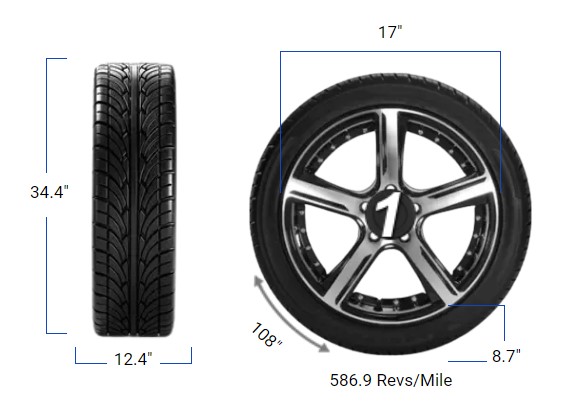
220.5 mm ÷ 25.4 mm/inch = 8.68 inches (approximately) - 3. Calculate Overall Tire Diameter:
The overall diameter is the sum of the rim diameter plus two sidewall heights (one for the top, one for the bottom).
(Sidewall Height 2) + Rim Diameter
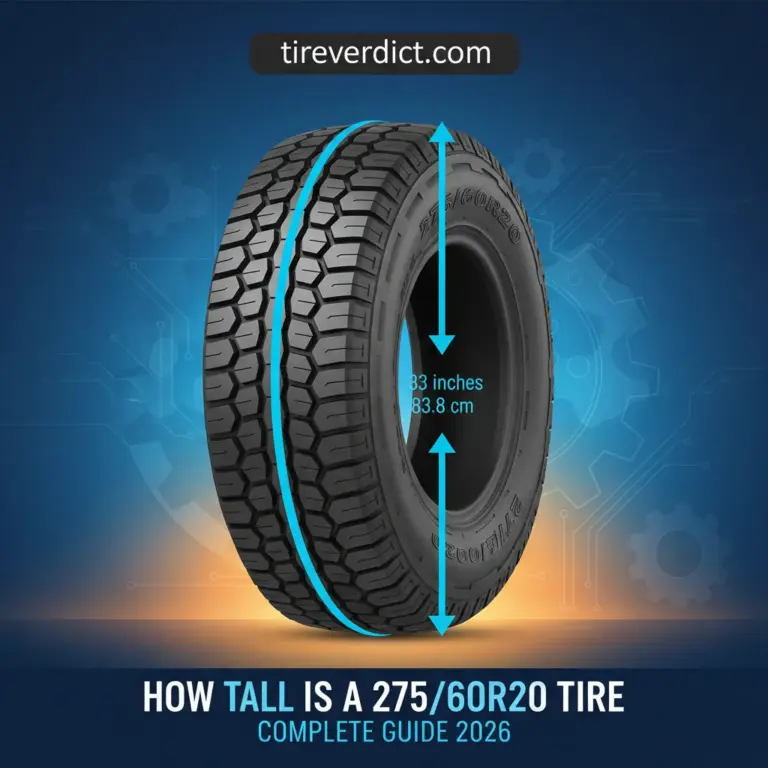
(8.68 inches 2) + 17 inches = 17.36 inches + 17 inches = 34.36 inches
So, a P315/70R17 tire has an approximate overall diameter of 34.36 inches. This full overall diameter calculation is an important aspect for anyone considering new tires, especially when upsizing or downsizing.
Why Overall Diameter Matters
The tire’s overall diameter has profound implications for a vehicle:
- Speedometer Accuracy: Changing the diameter significantly alters your speedometer reading. A larger tire will make your speedometer read slower than your actual speed, while a smaller tire will make it read faster. This can lead to legal issues or inaccurate navigation.
- Gear Ratios: A larger diameter tire effectively changes your vehicle’s final drive ratio, making the vehicle feel like it has “taller” gearing. This can reduce acceleration and increase strain on the engine and transmission, particularly noticeable in lower-powered vehicles.
- Suspension and Fender Clearance: This is a primary concern. A larger diameter tire might rub against fenders, suspension components (e.g., control arms), or inner fender liners, especially during turns or when the suspension is compressed. Practical insights from the field show that even a half-inch difference can cause significant issues.
- Vehicle Dynamics and Safety Systems: Modern vehicles rely heavily on accurate wheel speed sensor data for systems like Anti-lock Braking Systems (ABS), Electronic Stability Control (ESC), and traction control. Significant changes in tire diameter can confuse these systems, potentially leading to erratic behavior or even system malfunctions. Research indicates that deviations of more than 3% from the original tire diameter can compromise these safety features.
A comprehensive understanding of how section width, aspect ratio, and rim diameter combine to form the overall tire dimensions is essential for optimal performance, safety, and vehicle integrity. This holistic approach is a key point for any responsible vehicle owner or modifier.
Practical Implications and Compatibility: When Does 315 Matter?
Understanding the raw numbers is one thing, but knowing the practical implications of a 315 tire is where real-world expertise comes into play. A 315mm (12.4-inch) wide tire is not a universal fit; it’s a specific dimension chosen for distinct applications and comes with a unique set of compatibility considerations.
Vehicles Utilizing 315-Width Tires
This width is typically found on:
- High-Performance Sports Cars: Vehicles like the Dodge Challenger Hellcat or certain Porsche 911 variants might use 315mm wide tires on their rear axles for maximum traction under extreme acceleration. The increased contact patch directly translates to improved grip on the pavement.
- Heavy-Duty Trucks and SUVs: Larger 315-width tires are common on lifted Ford F-150 Raptor models, Chevrolet Silverado HD trucks, or modified Jeep Wranglers. Here, the wider footprint aids in off-road traction, stability, and load capacity. For heavy-duty applications, the sheer volume of air in a larger tire also contributes to load support.
- Custom Builds and Aftermarket Modifications: Enthusiasts often opt for 315 tires to achieve a specific aesthetic (“meaty” look) or to handle significant power upgrades, even if the vehicle didn’t originally come with tires that wide.
Critical Fitment Considerations
Installing a 315-width tire requires careful assessment:
- Fender Clearance: The most immediate concern. A 12.4-inch wide tire can easily rub against inner fender liners or outer fender lips, especially during turns, dips, or full suspension compression. This is why many vehicles running 315s require fender flares or lift kits.
- Suspension Components: Wider tires can foul against shock absorbers, control arms, or sway bar end links. Proper wheel offset is paramount to avoid this.
- Steering Articulation: On full lock turns, the tire might contact parts of the frame or steering linkage.
- Brake Caliper Clearance: While more related to rim diameter and spoke design, very wide tires on certain rims might also affect caliper clearance, though less directly than diameter.
Impact on Handling and Performance
- Increased Grip: The primary benefit. A larger contact patch means more rubber on the road, translating to superior acceleration, braking, and cornering grip, particularly on dry pavement.
- Potential for Increased Rolling Resistance: Wider tires typically have greater rolling resistance due to increased friction and air displacement. Research indicates that for every 10mm increase in tire width, fuel economy can decrease by approximately 1-2%, varying by vehicle and tire design. This can lead to slightly reduced fuel efficiency.
- Heavier Steering Effort: More rubber on the road means more effort is required to turn the steering wheel, even with power steering.
- Hydroplaning Risk: While offering excellent dry grip, wider tires can be more susceptible to hydroplaning on wet surfaces because they have to displace more water.
Rim Width Compatibility
The relationship between tire width and rim width is paramount. Every tire size has a recommended range of rim widths it can be safely mounted on. For a 315mm wide tire, the recommended rim width typically falls between 9.5 and 11.5 inches. Mounting it on a rim that’s too narrow will cause the sidewalls to bulge excessively, compromising stability and even risking bead separation. Too wide a rim can stretch the tire too thin, exposing the rim to damage and reducing sidewall integrity. Always consult the tire manufacturer’s specifications for the appropriate rim width range.
For optimal performance and tire wear with a 315-width tire, aim for a rim width in the middle of the manufacturer’s recommended range, typically 10 to 11 inches. This provides the best support for the sidewall and tread, ensuring the tire’s designed contact patch is fully utilized.
Finally, legal and safety aspects cannot be overlooked. Always adhere to manufacturer recommendations for tire sizing and ensure any modifications comply with local vehicle regulations, especially regarding tire protrusion beyond fender lines. Consulting experts is critical for any custom application to ensure safety and performance.
Common Misconceptions and Expert Tips for Tire Sizing Accuracy
Even with a solid understanding of tire sizing fundamentals, several common misconceptions persist, leading to costly errors or compromised safety. As an expert with years in the industry, I’ve seen these pitfalls firsthand. Here are some key points to keep in mind for accurate tire selection in 2026 and beyond.
Addressing Key Misconceptions
- Misconception 1: 315mm is the tread width.
As explained earlier, 315mm denotes the section width – the widest point of the unmounted tire from sidewall to sidewall. The actual tread width, the part that contacts the road, is almost always narrower than the section width. Relying on section width as tread width can lead to overestimating the tire’s footprint. - Misconception 2: All 315 tires have the same overall diameter.
Absolutely not. While they share the same section width, the aspect ratio and rim diameter are equally critical for overall diameter. For example, a P315/70R17 tire (approx. 34.4 inches tall) is significantly taller than a P315/50R20 tire (approx. 32.4 inches tall), despite both being 315mm wide. Failing to account for these differences is a primary cause of fitment issues. - Misconception 3: Metric and imperial tire sizes are directly interchangeable without conversion.
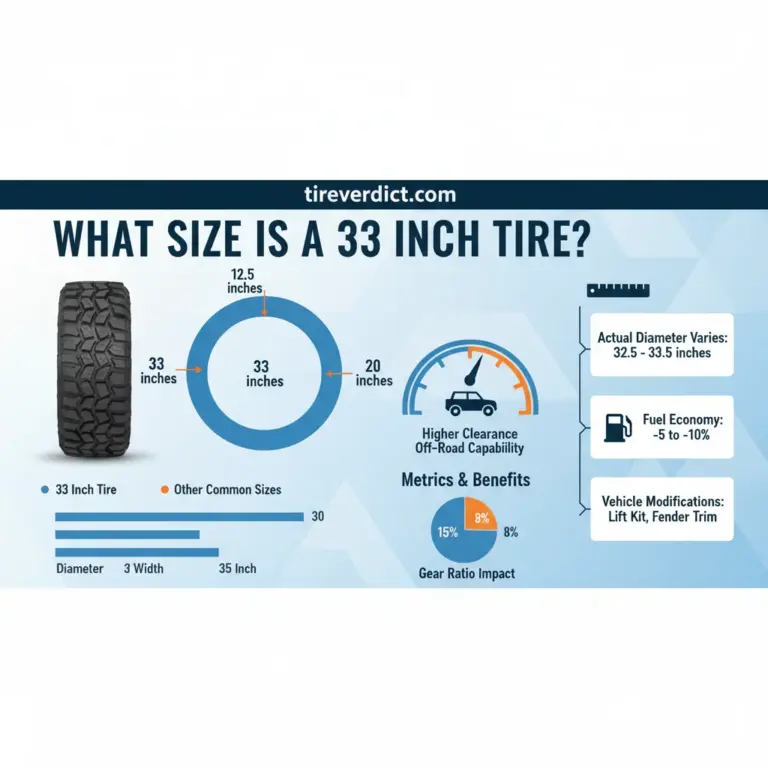
This is a dangerous assumption. While some tires might have similar nominal sizes (e.g., a “33-inch tire” often approximates a 285/75R16), precise conversion is always necessary. Automotive engineers work with exact measurements, and even small discrepancies can impact performance, safety systems, and vehicle longevity.
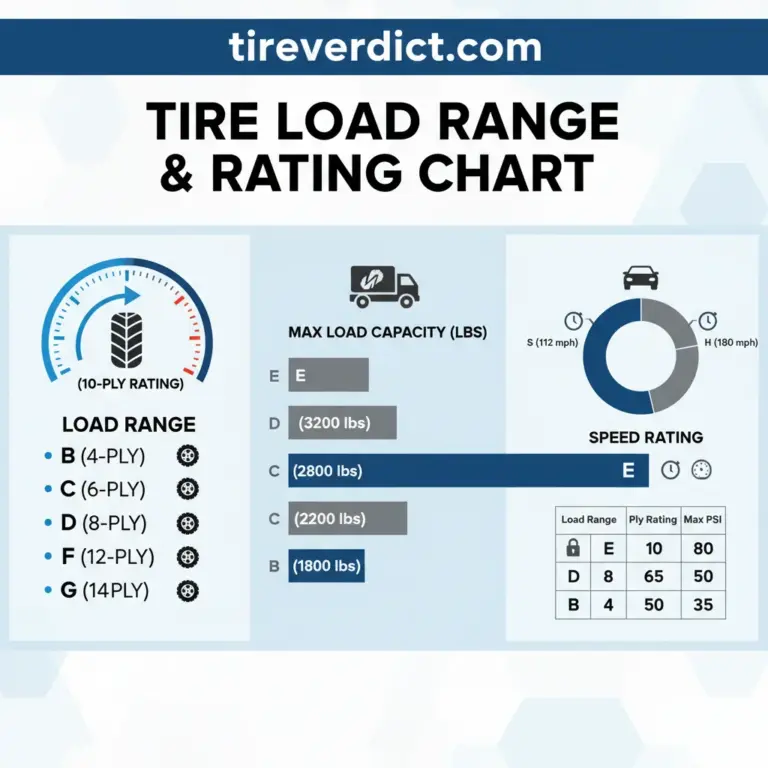
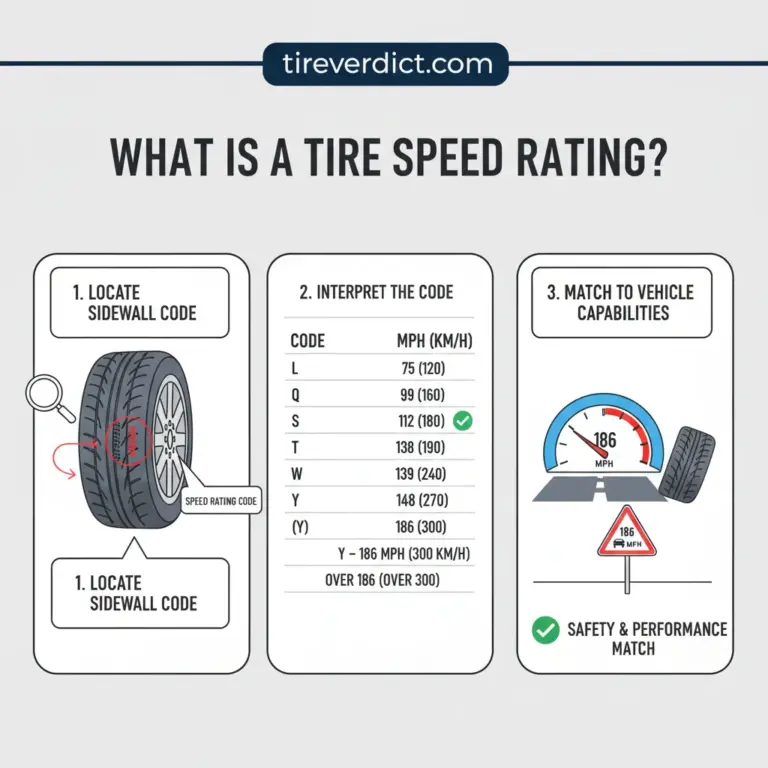
Beyond physical dimensions, never overlook the tire’s Load Index and Speed Rating. These are critical safety parameters that must meet or exceed your vehicle’s requirements, as specified on the door jamb placard. Downgrading these ratings can severely compromise vehicle safety and handling, especially under load or at high speeds.
Expert Tips for Accurate Tire Sizing
- Always Refer to the Vehicle’s Placard: The most reliable source for your vehicle’s recommended tire sizes, load capacity, and inflation pressures is the sticker located on the driver’s side door jamb, glove compartment, or fuel filler door. This provides the optimal basics for your specific vehicle configuration.
- Measure Twice, Order Once: If considering an aftermarket or non-standard tire size, physically measure the available clearance in your fender wells, paying attention to suspension travel and steering lock. Don’t rely solely on online forums or anecdotal advice.
- Consult with Tire Professionals: For complex conversions, custom setups, or when dealing with modified vehicles, always seek advice from certified tire and suspension specialists. Their practical insights and access to industry databases can prevent costly mistakes and ensure safety. A reputable tire shop has the tools and experience to verify fitment and address potential issues.
- Understand Manufacturing Tolerances: While tire sizes are standardized, slight variations in dimensions can occur between manufacturers and even batches due to manufacturing tolerances (typically +/- 1-2%). This is why careful measurement or professional advice is always prudent.
By internalizing these key points and avoiding common pitfalls, you can confidently navigate the world of tire sizing and ensure your vehicle is equipped for optimal performance and safety.
The ‘315’ in a tire size denotes the tire’s section width in millimeters, which translates to approximately 12.4 inches. However, this is only one dimension; correctly calculating the overall tire diameter requires incorporating the aspect ratio and rim diameter. A complete understanding of all these factors is crucial for ensuring proper vehicle fitment, maintaining speedometer accuracy, preserving safety system integrity, and optimizing driving performance. Always refer to your vehicle’s specific recommendations and, when in doubt, consult with certified tire professionals.
For precise fitment and optimal vehicle performance, ensure you fully understand your tire’s complete dimensional specifications and consult certified tire experts for any custom applications or concerns. This comprehensive overview of what is a 315 tire in inches should serve as a valuable resource for both enthusiasts and everyday drivers well into 2026 and beyond.
Frequently Asked Questions
What does the ‘315’ specifically refer to in a tire size, as explained in 2026?
In the standard metric tire sizing code (e.g., 315/70R17), ‘315’ precisely refers to the tire’s section width. This measurement indicates the maximum width of the tire from its outermost sidewall to its innermost sidewall when it’s mounted on its recommended rim and not under load, expressed in millimeters.
How is a 315 tire’s width calculated in inches, with examples for 2026?
To calculate a 315 tire’s width in inches, you divide the millimeter value by the conversion factor of 25.4. So, 315 mm ÷ 25.4 mm/inch = 12.40157 inches. This means a 315 tire is approximately 12.4 inches wide. This calculation is a fundamental conversion in tire science.
Does a ‘315’ tire always have the same overall diameter, as per 2026 standards?
No, a ‘315’ tire does not always have the same overall diameter. The ‘315’ only specifies the section width. The overall diameter also depends on the aspect ratio (the second number, e.g., ’70’) and the rim diameter (the last number, e.g., ’17’). A 315/70R17 tire will have a different diameter than a 315/50R20 tire.
Why do tire sizes use both metric (mm) and imperial (inches) units in 2026?
Tire sizes use both metric and imperial units due to historical evolution and global standardization efforts. Metric measurements (like 315mm for width) are standard in most of the world for precision, while imperial measurements (like 17 inches for rim diameter) persist, especially in North America, reflecting legacy manufacturing and consumer familiarity. This hybrid system necessitates understanding conversions.
What are common vehicle types that use 315 tires, and how is this explained in 2026?
315-width tires are typically found on vehicles that demand a wider footprint for enhanced traction, stability, or load-carrying capacity. This includes many high-performance sports cars, muscle cars, lifted or heavy-duty trucks, and certain SUVs. For instance, modified Ford F-150s or performance-oriented Dodge Challengers often utilize 315-width tires for their aggressive stance and improved grip.