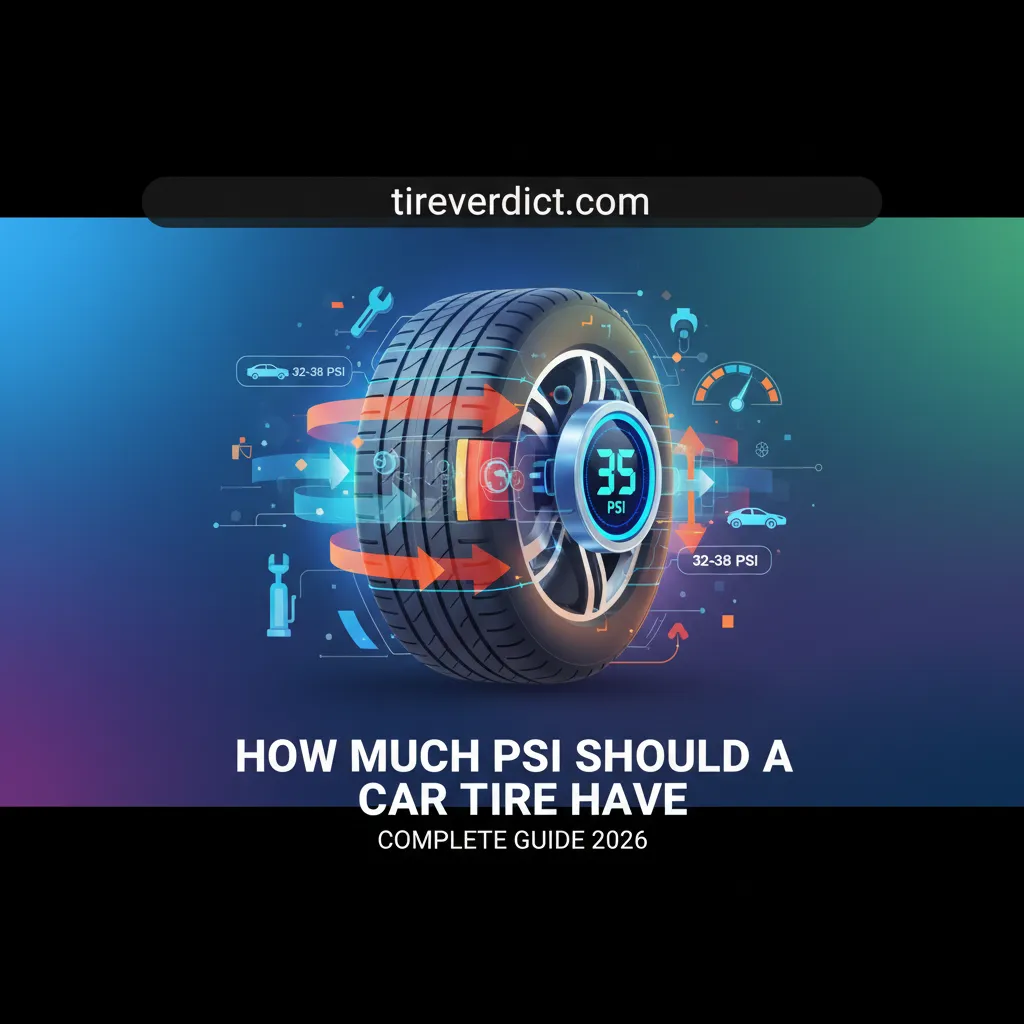
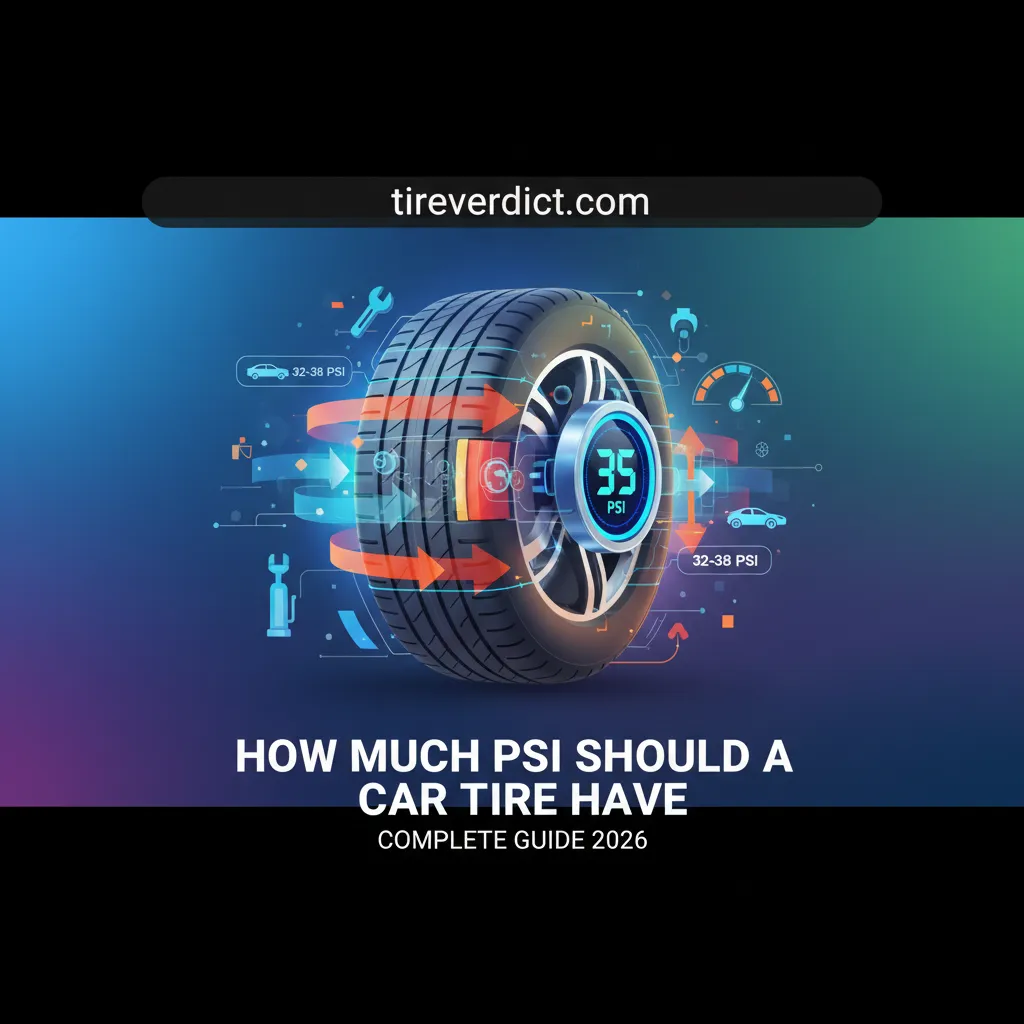
For any vehicle owner, understanding the foundational principles of tire maintenance is paramount to ensuring safety, optimizing performance, and extending the lifespan of one’s investment. A common query, yet often misunderstood, revolves around a deceptively simple question: ‘How much PSI should a car tire have?’ The answer isn’t universal, and misconceptions can lead to significant risks and inefficiencies. This expert guide will provide professional, authoritative insights into correctly determining and maintaining optimal tire pressure, equipping you with the reliable knowledge needed to drive confidently and efficiently in 2026 and beyond.
Understanding the Crucial Role of Correct Tire Pressure in Vehicle Performance
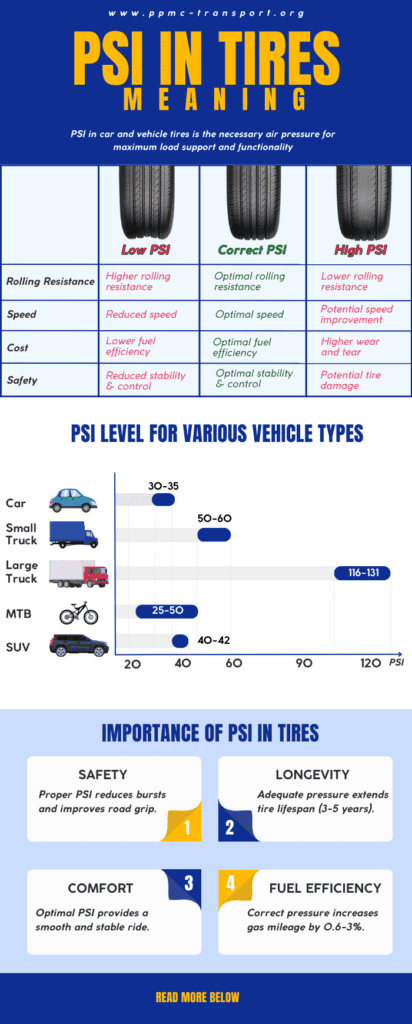
Maintaining the correct tire pressure, measured in pounds per square inch (PSI), is not merely a recommendation; it is a critical aspect of vehicle safety, performance, and operational economy. As a seasoned expert with over 15 years in the automotive industry, I can affirm that proper inflation directly impacts several key areas that every driver should understand.
📤 Share Image
Firstly, correct PSI directly impacts vehicle handling and stability. Tires are the sole point of contact between your vehicle and the road. Optimal pressure ensures the tire’s tread makes full and even contact, providing reliable grip for steering, acceleration, and braking. An under-inflated tire, for instance, compromises the tire’s structure, leading to sluggish steering response and reduced stability, especially during emergency maneuvers. Consider two identical vehicles: one with optimal PSI, and another under-inflated by just 5 PSI. The under-inflated vehicle could see its braking distance increase by 10-15 feet at 60 mph, a difference that can be critical in avoiding collisions.
Secondly, there’s a significant influence on fuel efficiency. Tires that are not properly inflated create increased rolling resistance, forcing the engine to work harder to maintain speed. This directly translates to higher fuel consumption. Research indicates that properly inflated tires can improve gas mileage by up to 3.3%, representing substantial savings over time. The U.S. Department of Energy further specifies that for every 1 PSI drop in all four tires, fuel efficiency can decrease by 0.2%. This underscores why consistent, quality tire maintenance is an economic imperative.
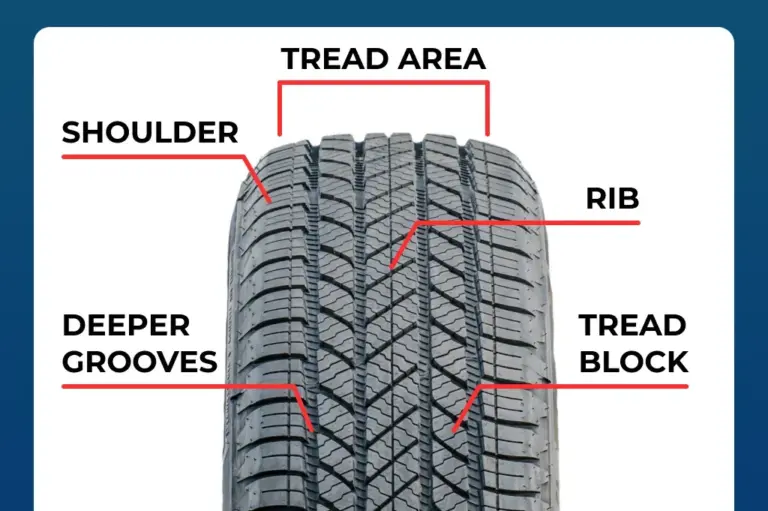
Lastly, the relationship between tire pressure and tire longevity is undeniable. Accurate PSI prevents irregular wear patterns, which are a hallmark of neglected tire pressure. Under-inflation typically leads to excessive wear on the outer edges (shoulders) of the tread, while over-inflation causes premature wear down the center. Such uneven wear drastically reduces the tire’s lifespan, necessitating earlier and more frequent replacements. By maintaining the specified pressure, you ensure even tread wear across the entire surface, extending tire life and offering a reliable return on your investment in quality tires. When discussing tire pressure, it’s crucial to always refer to ‘cold inflation pressure,’ which is the professional standard for accurate measurement.
By The Numbers: The Impact of Tire Pressure
Improvement in Gas Mileage with Proper Inflation (NHTSA)
Fuel Efficiency Drop Per 1 PSI Under-inflation (U.S. DOE)
Increased Braking Distance at 60 mph (5 PSI under-inflation)
Factors Influencing Tire Pressure Readings: Diagnostics for Variances
Understanding the recommended PSI is only half the battle; knowing why your tire pressure might deviate from that ideal is crucial for effective maintenance. Several environmental and operational factors influence tire pressure readings, making regular monitoring essential.
Ambient Temperature Fluctuations
The most significant external factor affecting tire pressure is ambient temperature. Air expands when heated and contracts when cooled. This scientific principle is directly applicable to the air inside your tires. The general rule of thumb, a key diagnostic indicator, is that for every 10°F change in ambient temperature, tire pressure typically changes by approximately 1 PSI. For example, if you inflate your tires to 32 PSI in a garage at 70°F, and then a cold snap brings the temperature down to 20°F overnight, those tires could read as low as 27 PSI the next morning. This substantial drop underscores why seasonal checks are vital, particularly during transitions from warm to cold weather.
Driving Conditions and Heat Buildup
Driving itself generates heat within the tires due to friction with the road surface and internal flexing. This heat temporarily increases the internal pressure. High-speed driving or driving under heavy loads can significantly exacerbate this effect. It’s not uncommon for tire pressure to temporarily increase by 2-4 PSI after an hour of highway driving. This is a normal phenomenon and reinforces why tire pressure should always be checked when the tires are ‘cold’—before driving or after the vehicle has been stationary for at least three hours.
Natural and Microscopic Leaks
Even without a puncture, tires naturally lose air over time. A typical vehicle’s tires can naturally lose 1-2 PSI per month due to the porosity of the rubber and the slow escape of air past the valve stem seal. Beyond this natural diffusion, microscopic leaks can arise from a poorly seated bead, a faulty valve stem, or minor punctures that don’t immediately cause a flat. Expert insights suggest that even a seemingly innocuous piece of road debris can cause a slow, undetectable leak that compounds over weeks.
Elevation Changes
While less impactful for daily driving, significant elevation changes can subtly influence tire pressure readings. As atmospheric pressure decreases with altitude, the relative internal pressure within the tire can appear higher. This is generally a minor factor for most drivers but is a consideration in professional-grade applications, such as transport across mountain ranges, where precise pressure management is paramount.
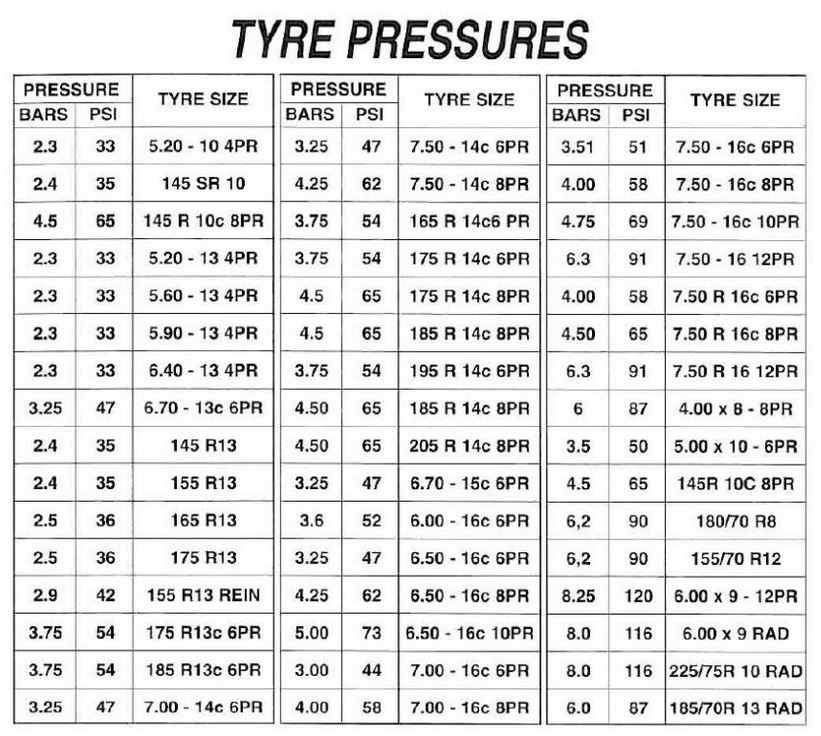
Locating Your Vehicle’s Recommended Tire Pressure: An Authoritative Guide
One of the most frequent misconceptions is confusing the maximum pressure listed on a tire’s sidewall with the vehicle manufacturer’s recommended operating pressure. As a trusted guide, I must emphasize this distinction. The only accurate and reliable source for your vehicle’s specific tire PSI is provided by the vehicle manufacturer.
The Tire Placard (Door Jamb Sticker)
Your first and most common point of reference should be the tire placard, typically a sticker located on the driver’s side door jamb. This sticker is often found on the B-pillar when the door is open, but can also be inside the glove compartment or fuel filler door. This placard contains crucial information, including:
- Recommended cold inflation pressure (PSI) for front and rear tires.
- Recommended tire size.
- Vehicle weight capacity.
- Spare tire pressure (if applicable).
The values listed here are determined by extensive testing by the vehicle manufacturer to optimize safety, handling, and tire longevity for your specific model and its intended use.
The Vehicle Owner’s Manual
For comprehensive details, particularly for older vehicles, less common models, or specific use cases, always consult your vehicle owner’s manual. This document is a primary, trusted source that often elaborates on pressure recommendations for various scenarios, such as different load conditions (e.g., normal load vs. full load/towing). For instance, a light truck might have a recommendation of 35 PSI for everyday driving but require 45 PSI when towing a heavy trailer, as clearly outlined in the owner’s manual.
Manufacturer’s PSI vs. Tire Sidewall PSI: A Critical Distinction
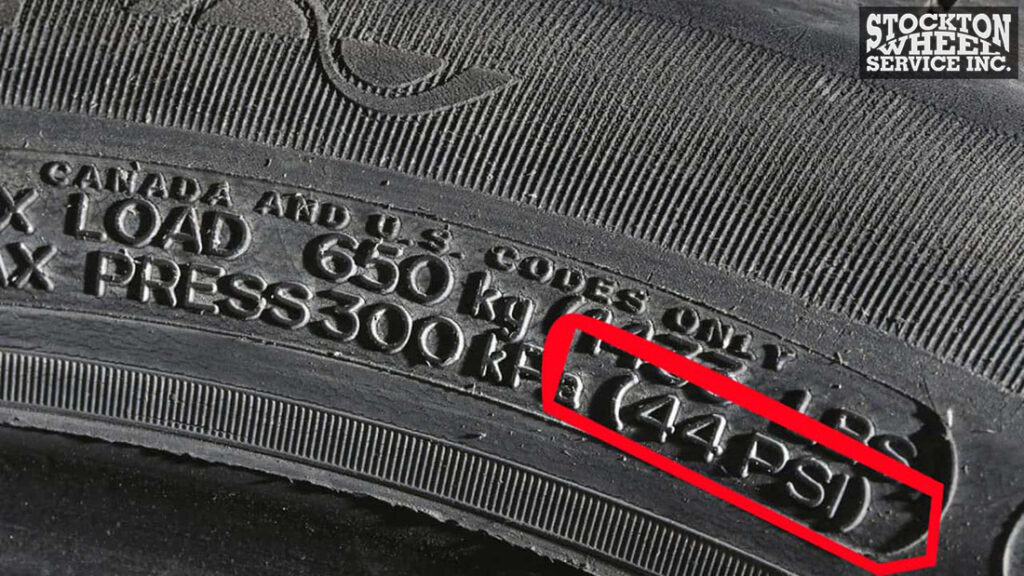
It is absolutely critical to differentiate between the vehicle manufacturer’s recommended PSI and the ‘Maximum Permissible Inflation Pressure’ printed on the tire sidewall. The PSI on the tire sidewall refers to the maximum pressure the tire can safely hold under specific conditions (e.g., maximum load, cold inflation) when mounted on any suitable vehicle, not the recommended operating pressure for your specific vehicle. Over-inflating to the sidewall maximum can lead to a harsh ride, reduced traction, and premature tire wear. The manufacturer’s recommended PSI is meticulously calculated for your vehicle’s weight, suspension, and handling characteristics, providing the most reliable and safe operating pressure.
Understanding how recommended PSI can vary for front vs. rear tires, and for different load conditions (e.g., normal load vs. full load/towing), provides a professional understanding of vehicle dynamics. Many vehicles, particularly those with front-wheel drive or significant weight distribution differences, have different front and rear tire pressure recommendations to ensure optimal balance and handling.
Always rely on your vehicle’s door jamb sticker or owner’s manual for recommended PSI, not the maximum pressure printed on the tire sidewall. This ensures optimal performance and safety tailored to your specific vehicle.
Precise Tire Pressure Management: A Step-by-Step Procedure for Inflation
Accurately checking and adjusting your vehicle’s tire pressure is a straightforward process that anyone can master. Following this professional, step-by-step guide will ensure you maintain optimal pressure for safety, efficiency, and tire longevity.
📋
Step-by-Step Guide
To perform an accurate check, you’ll need a reliable tire pressure gauge. While stick gauges are inexpensive, a high-quality digital or dial gauge provides more precise and consistent readings (a properly calibrated digital gauge typically offers an accuracy of ±0.5 PSI). You will also need access to an air compressor, either a portable unit, one at home, or a public air pump at a service station.
This is paramount for accurate measurement. “Cold” means the vehicle has been stationary for at least three hours or has been driven for less than one mile at moderate speed. A common scenario: a driver checks their tires on a Saturday morning before errands, ensuring the vehicle has sat overnight for accurate ‘cold’ readings. Driving generates heat, which artificially inflates pressure readings.
Remove the valve cap from one tire. Press the gauge firmly and squarely onto the valve stem. You’ll hear a brief hiss of air; the gauge will then display the PSI. Repeat this for all four road tires and, critically, for your spare tire if applicable. Compare these readings to the manufacturer’s recommended PSI found on your door jamb sticker or owner’s manual.
If a tire is under-inflated, use an air compressor to add air in short bursts, rechecking with the gauge frequently until the recommended PSI is reached. If a tire is over-inflated, use the small knob or lever on your gauge (or the back of a valve cap) to press the valve pin gently, releasing air until the correct pressure is achieved. Ensure precise adjustment.
Consistency is key to quality vehicle maintenance. According to tire experts, monthly checks are sufficient for most drivers, but temperature fluctuations (e.g., seasonal changes) can necessitate more frequent adjustments. Always check before long trips, as fully inflated tires are critical for extended journeys.
Addressing Common Tire Pressure Anomalies: When Standard Adjustments Aren’t Enough
While regular checks and adjustments handle most situations, sometimes persistent issues arise. Understanding how to diagnose and address these anomalies is a mark of a truly informed driver.
Diagnosing Persistent Slow Leaks
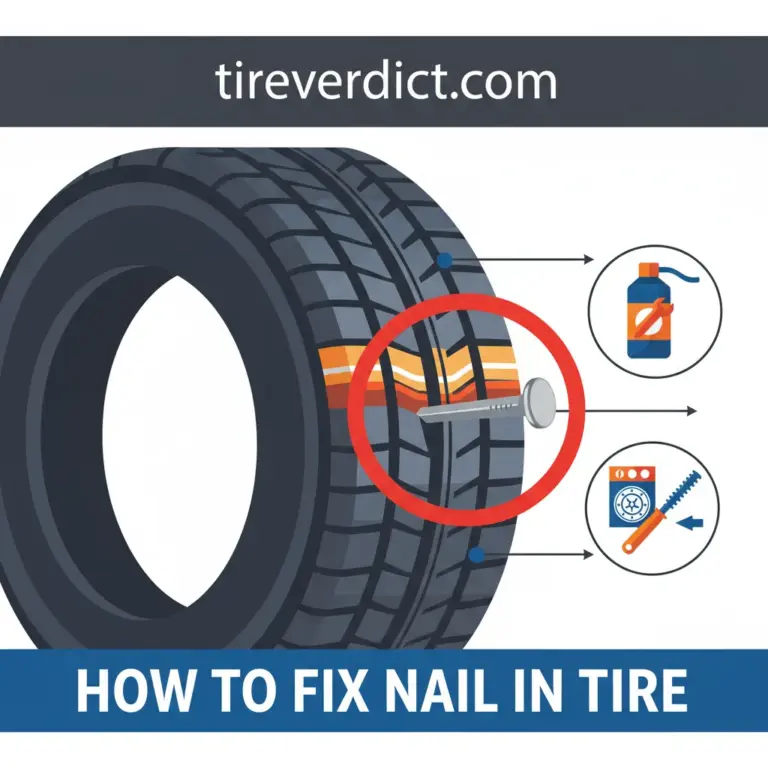
If you consistently find one tire losing pressure more rapidly than others (e.g., a driver consistently loses 2 PSI per week in one tire), it likely indicates a slow leak. Begin with a visual inspection for obvious culprits like nails, screws, or other foreign objects embedded in the tread. If nothing is visible, perform a soapy water test: fill a spray bottle with water and a few drops of dish soap, then spray it generously over the entire tire surface, paying close attention to the tread, sidewalls, and especially around the valve stem and rim edge. Bubbles forming indicate an air leak. A single nail puncture typically results in a slow leak, often losing 1-3 PSI per day.
Addressing Tire Pressure Monitoring Systems (TPMS) Issues
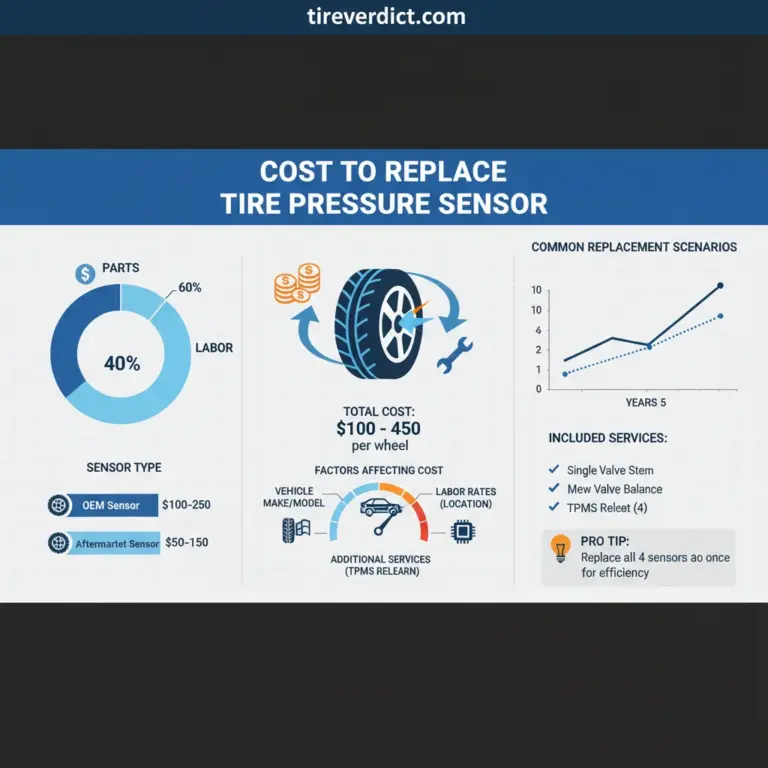
TPMS became mandatory in all new U.S. passenger vehicles starting in 2007, serving as a vital safety feature. A solid TPMS warning light indicates that one or more tires are significantly under-inflated (typically 25% below recommended PSI). A blinking TPMS light, however, usually signals a sensor malfunction or system error, not necessarily low pressure. Ignoring these warnings can compromise safety. While you can inflate tires with a solid light, a blinking light or persistent pressure issues warrant expert diagnosis, as a faulty sensor can cost $50-$200 to replace and requires specialized tools for reprogramming.
Improper Valve Stems or Damaged Valve Cores
The valve stem and its tiny internal valve core are critical components that seal the air within your tire. Over time, these can degrade, crack, or become loose, leading to slow air loss. A common cause of undetected leaks is a faulty valve stem seal or a loose valve core. A quick check with soapy water around the valve stem can often reveal these professional-grade issues. If you hear a faint hiss or see bubbles, it’s likely the culprit.
When Professional Intervention is Necessary
While many minor issues can be self-diagnosed, there are clear instances when professional intervention is paramount for safety and quality repair. These include:
- Large punctures: If a puncture is larger than ¼ inch, or located in the tire’s sidewall, it generally cannot be safely repaired and requires tire replacement.
- Repeated unexplained pressure loss: If you’ve tried all the diagnostic steps and a tire continues to lose pressure without an obvious cause, there might be internal tire damage or a complex rim leak that requires specialized equipment to detect and fix.
- Visible tire damage: Any signs of sidewall bulging, cracking, or exposed cords indicate structural failure and necessitate immediate professional inspection and likely replacement.
- Persistent TPMS light: A professional technician can accurately diagnose sensor issues, conduct recalibration, or replace faulty components.
Never ignore a persistent low tire pressure warning or a slow leak. Continued driving on a compromised tire significantly increases the risk of tire failure, loss of control, and serious accidents. Always seek professional advice for any unresolvable tire issues.
Consequences of Improper Tire Inflation: Safety, Durability, and Efficiency Impacts
The seemingly minor act of neglecting proper tire pressure carries a cascade of negative consequences, impacting everything from immediate safety to long-term operational costs. Understanding these impacts reinforces why diligent tire maintenance is a non-negotiable aspect of vehicle ownership.
The Dangers of Under-Inflated Tires
Under-inflated tires are a significant safety hazard. When a tire lacks sufficient air, its sidewalls flex excessively, generating immense heat. This increased tire temperature is the primary cause of tread separation and catastrophic blowouts, particularly at highway speeds. The National Highway Traffic Safety Administration (NHTSA) estimates that under-inflated tires contribute to over 78,000 crashes annually in the U.S. Beyond blowouts, under-inflation leads to decreased braking performance and compromised steering response, making emergency maneuvers less effective. Furthermore, under-inflation by just 6 PSI can reduce tire life by up to 25%, drastically shortening the lifespan of an otherwise quality tire.
The Negative Effects of Over-Inflated Tires
While less dramatic than a blowout, over-inflation also poses serious risks. An over-inflated tire has a smaller contact patch with the road, leading to significantly reduced traction. This affects braking, acceleration, and cornering, making the vehicle feel ‘skittish’ or less stable, especially in wet or icy conditions. Over-inflation also results in a harsher, less comfortable ride and makes the tire more rigid and susceptible to damage from potholes or road debris. Premature wear occurs primarily in the center of the tread, as the tire bulges slightly, causing uneven surface contact. Over-inflation by 25% can lead to a 10% reduction in traction and accelerate this center tread wear.
Accelerated and Irregular Tire Wear
Both under- and over-inflation accelerate irregular tire wear patterns, leading to reduced tire lifespan and increased replacement costs. As mentioned, under-inflation causes shoulder wear, while over-inflation causes center wear. These uneven wear patterns not only shorten the tire’s life but also contribute to poor handling and increased road noise. A quality tire should exhibit even wear across its tread surface, a clear indicator of proper inflation and alignment.
In summary, improper tire pressure comprehensively compromises overall vehicle performance, affecting everything from handling dynamics and the reliability of emergency maneuvers to fuel economy and the longevity of your tires. Adopting a consistent and expert tire care regimen is fundamental to safe, efficient, and reliable driving.
Optimal tire pressure is dynamic, found on your vehicle’s door jamb or manual, not the tire sidewall. Regular, cold-inflation checks are crucial for safety, fuel economy, and tire longevity. Temperature, load, and potential leaks are key factors influencing PSI, requiring expert troubleshooting. Incorrect tire pressure significantly compromises safety, accelerates wear, and reduces fuel efficiency.
Prioritize your vehicle’s health and your safety by integrating monthly tire pressure checks into your routine. Utilize a quality gauge, consult your vehicle’s specifications, and address any persistent issues with a trusted automotive professional. This reliable guide provides the information you need for confidence on the road in 2026 and beyond.
Frequently Asked Questions
Is the PSI on the tire sidewall the correct pressure?
No, the PSI on the tire sidewall represents the *maximum* permissible inflation pressure for that tire, not the recommended operating pressure for your specific vehicle. Always refer to your car’s door jamb sticker or owner’s manual for the accurate and **trusted** cold inflation pressure specified by the vehicle manufacturer for **optimal** performance and **safety**.
How often should I check my tire pressure?
It is **professionally** recommended to check your tire pressure at least once a month, as well as before any long trips. Regular monitoring is a **reliable** practice because tires naturally lose air over time, and temperature fluctuations significantly impact PSI readings, ensuring **quality** maintenance.
Why does tire pressure change with temperature?
Tire pressure changes with temperature due to the expansion and contraction of air. As ambient temperature drops, the air inside the tire becomes denser and contracts, causing PSI to decrease. Conversely, warmer temperatures cause air to expand, increasing pressure. This thermodynamic principle is a key consideration for **expert** tire management.
Can over-inflating tires be dangerous?
Yes, over-inflating tires can be dangerous. While it might seem to improve fuel economy slightly, it reduces the tire’s contact patch with the road, leading to decreased traction, a harsher ride, and premature wear in the center of the tread. It also increases the risk of tire damage from impacts, compromising **safety** and **reliability**.
What should I do if my TPMS light comes on?
If your TPMS (Tire Pressure Monitoring System) light illuminates, it indicates that one or more of your tires are significantly under-inflated, or there’s a system malfunction. You should immediately and **professionally** check all tire pressures with a **quality** gauge. If pressure adjustments don’t resolve the light, consult a **trusted** technician to diagnose potential sensor issues.