Few automotive incidents are as universally inconvenient and potentially disruptive as a flat tire. The sudden thumping, the unnerving pull of the steering wheel, or the sight of a completely deflated tire can instantly transform a routine journey into a stressful ordeal. When a tire gives out, drivers often face immediate uncertainty: Is it safe to change it myself? Who should I call? What are my options? The unexpected nature of a flat tire can leave even experienced motorists feeling stranded and unsure of the best course of action.
This comprehensive guide for 2026 will demystify the process, providing clear, authoritative instructions on exactly who to call, when to call them, and how to prepare for this common roadside occurrence, ensuring you make informed decisions swiftly and safely.
Understanding the Immediate Situation: What Constitutes a Flat Tire Emergency?
Before making any calls, a clear understanding of your immediate situation is paramount. A flat tire isn’t just an inconvenience; it’s a safety hazard. Defined as a tire that has lost air pressure to the point where it can no longer support the vehicle’s weight effectively, flat tires can stem from several common causes:
- Puncture: The most frequent culprit, typically from nails, screws, or sharp debris. Research indicates that punctures account for approximately 60% of all tire failures, making them a leading cause for roadside assistance calls.
- Valve Stem Failure: A compromised valve stem can lead to a slow leak or rapid deflation.
- Bead Leak: Air escaping where the tire meets the wheel rim, often due to corrosion, debris, or improper mounting.
- Rapid Deflation/Blowout: A sudden, often dramatic loss of air, typically from hitting a severe pothole, curb, or due to a manufacturing defect or extreme underinflation. This constitutes the highest level of urgency.
Immediate Safety Protocols
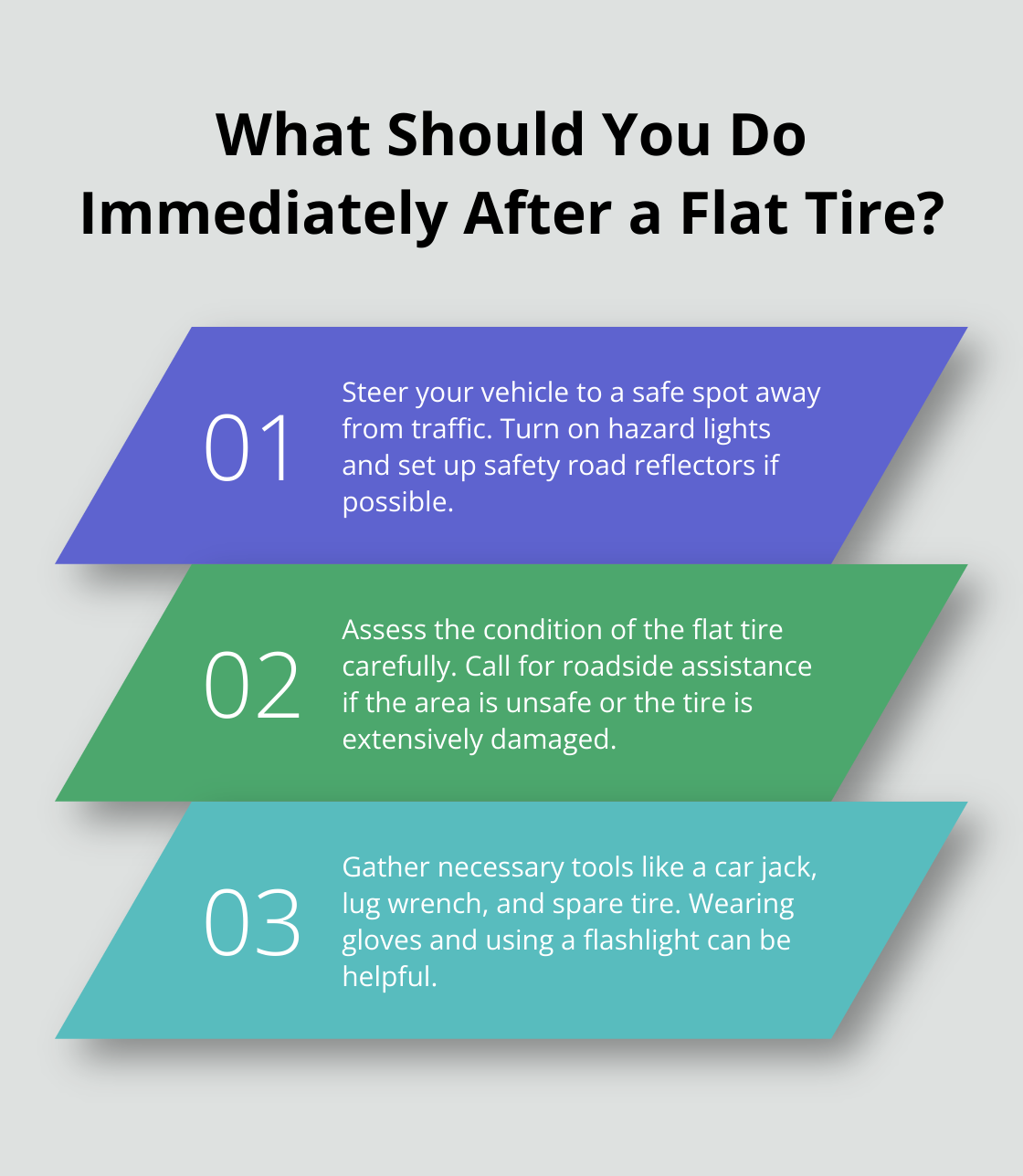
Your first priority is always safety. As soon as you suspect a flat tire, take these steps:
- Pull Over Safely: Gradually reduce speed and steer your vehicle to the safest possible location. This means a flat, stable surface, as far away from active traffic as possible. If you’re on a busy highway, aim for an emergency lane or exit ramp. If you’re in a residential area, a wide shoulder or parking lot is ideal.
- Activate Hazard Lights: Turn on your vehicle’s hazard warning lights immediately. This alerts other drivers to your presence and distress. In many jurisdictions, legal requirements mandate the use of hazard lights when stalled or disabled on public roadways, especially on high-speed routes.
- Assess Surroundings: Before exiting your vehicle, check your mirrors and surroundings for oncoming traffic or other hazards. If it’s dark, use your interior lights or a flashlight to check for obstacles or uneven ground.
Differentiating Urgency: Slow Leak vs. Catastrophic Blowout
The nature of the flat tire dictates the urgency of your response. A slow leak might allow you to drive a short distance to a safer spot or even a service station if air is periodically added. Visual cues often include a slightly lower profile on one tire, or a gradual pressure drop reported by your TPMS (Tire Pressure Monitoring System). A catastrophic blowout, however, presents as an immediate, dramatic loss of control, accompanied by loud noises and the unmistakable sight of a completely collapsed sidewall or the rim resting on the ground. In such cases, stopping immediately and seeking professional assistance is non-negotiable. This overview of initial response protocols is an important first step in managing a tire incident effectively.

Primary Assistance Options: Who Can Help With Your Flat Tire
Once you’ve secured your vehicle and assessed the situation, the next step is determining who to call for professional assistance. These are your most reliable and professional options, offering direct support for tire-related issues.
Roadside Assistance Programs
Your first line of defense is often a dedicated roadside assistance program. These services provide crucial support, particularly for common roadside issues like flat tires.
- Independent Providers: Organizations like AAA (American Automobile Association) are perennial leaders. AAA offers various membership tiers, with higher levels like AAA Premier providing extended towing distances and enhanced benefits, including tire change services.
- Insurance-Backed Services: Many auto insurance carriers, including Progressive, Geico, State Farm, and Allstate, offer roadside assistance as an add-on to your policy. This is often a cost-effective solution, though coverage limits can vary.
- Credit Card Benefits: Certain premium credit cards include complimentary roadside assistance. It’s always worth checking your cardholder benefits guide.
When contacting these services, be prepared to provide your exact location, a description of your vehicle, and details about the tire issue. Response times can vary based on location, time of day, and demand, but industry data for 2026 indicates average wait times for roadside assistance often fall within 30-60 minutes. Most programs will either install your spare tire (compact or full-size) or tow your vehicle to the nearest service center if a spare isn’t available or the damage is severe.
Mobile Tire Service and Local Tire Shops
For situations requiring more than just a spare tire installation, mobile tire services are a game-changer. These specialized providers come directly to your location, equipped to repair or replace your tire on the spot. This is particularly advantageous if you’re in a remote location or don’t have a spare. Many independent tire shops and larger chains like Discount Tire or Pep Boys now offer mobile service options or emergency roadside calls for their customers.
The advantages are clear: direct repair capabilities mean you might not need a separate trip to a shop, and they often carry specialized equipment for stubborn lug nuts or wheel balancing. While non-member mobile tire service calls can range from $75-$150 for basic service (excluding the cost of a new tire), the convenience and speed often justify the expense. A quick online search for “mobile tire repair near me” or “emergency tire service [your city]” will typically yield local providers.
Vehicle Manufacturer Assistance Programs
Newer vehicles, especially those from premium brands, often come with manufacturer-specific roadside assistance programs. Brands such as Mercedes-Benz Roadside Assistance, BMW Assist, Ford Roadside Assistance, and ToyotaCare typically include flat tire service as part of their new vehicle warranty or extended service plans. These programs can offer a seamless experience, often dispatching technicians familiar with your specific vehicle model.
- Eligibility: Usually tied to the new vehicle warranty period, but some extended warranties or certified pre-owned programs may also include it.
- Service: Typically includes spare tire installation or towing to the nearest authorized dealership or service center. For example, a dealership-affiliated roadside service will install a compact spare or tow your vehicle to their facility for a proper repair.
It’s crucial to review your owner’s manual or vehicle purchase documents to understand the full scope and duration of your manufacturer’s program. This provides an overview of the most common and effective professional help available.
Always have the contact numbers for your primary roadside assistance provider, insurance company, and vehicle manufacturer’s roadside service saved in your phone or accessible in your glove compartment. In a stressful situation, quick access to this information is invaluable.
Secondary and Emergency Contacts for Flat Tire Situations
While primary assistance options are usually your best bet, certain circumstances might necessitate contacting other services. These options are particularly relevant when safety is a heightened concern or when your primary choices are unavailable.
Law Enforcement/Emergency Services
In specific, high-risk scenarios, contacting law enforcement should be your immediate action. This is not for a tire change, but for scene safety and traffic management.
- When to Call:
- Unsafe Location: If your vehicle is stranded on a high-speed road (e.g., a busy interstate shoulder) or in a hazardous spot where pulling over safely is impossible.
- No Emergency Lane: When there’s no safe shoulder, and you’re partially obstructing a lane of traffic.
- Injury Involved: If anyone in your vehicle has been injured due to the tire failure or subsequent events.
- Feeling Unsafe: If you are in an isolated area, late at night, or feel threatened by your surroundings.
- Their Role: Law enforcement (police, highway patrol) will secure the scene, deploy flares or cones, and direct traffic to ensure your safety while you await mechanical assistance. They typically do not perform tire changes themselves but can often call for a tow service on your behalf. Remember to use non-emergency dispatch numbers for roadside assistance if it’s not a direct emergency, though 911 is appropriate for immediate threats or accidents.
Local Towing Companies
If your primary roadside assistance provider is taking too long, or if the tire damage is extensive (e.g., a damaged rim or suspension components), an independent towing company might be necessary. Many towing companies offer more than just vehicle transport; they often provide basic roadside assistance, including tire changes.
- Direct Engagement: You can call a local towing company directly. Their services are paid out-of-pocket unless your insurance or roadside assistance plan covers it.
- Services Offered: Besides towing your vehicle to a repair shop, many can change a flat tire to a spare. If a spare isn’t an option, they’ll provide a flatbed service to transport your vehicle safely.
Towing costs can vary significantly based on distance and service type. Research for 2026 indicates average towing costs typically include an initial hook-up fee (e.g., $50-$100) plus $2-$4 per mile thereafter. Always clarify pricing before they dispatch a truck.
General Automotive Repair Shops
While most general automotive repair shops don’t offer immediate roadside assistance, they become relevant in two key scenarios:
- Post-Tow Repair: If your vehicle has been towed due to a flat that couldn’t be resolved roadside, an auto repair shop is where it will likely end up for a new tire or specialized repair.
- Limited Mobile Services: Some local garages might offer limited mobile services for their regular customers or within a very close radius. It never hurts to call your trusted mechanic to see if they can assist or recommend someone.
By The Numbers
Punctures account for tire failures
Average roadside assistance wait time
Cost for non-member mobile tire service
Average towing cost after hook-up
What If You Attempt a DIY Tire Change: Risks and Requirements
For many motorists, the idea of changing a flat tire themselves is a source of apprehension. However, with the right tools, knowledge, and an understanding of safety protocols, it’s a manageable task for some. This section provides an overview of the basics for self-reliance.
Tools and Equipment Required
A successful DIY tire change hinges on having the correct equipment, typically found in your vehicle’s trunk:
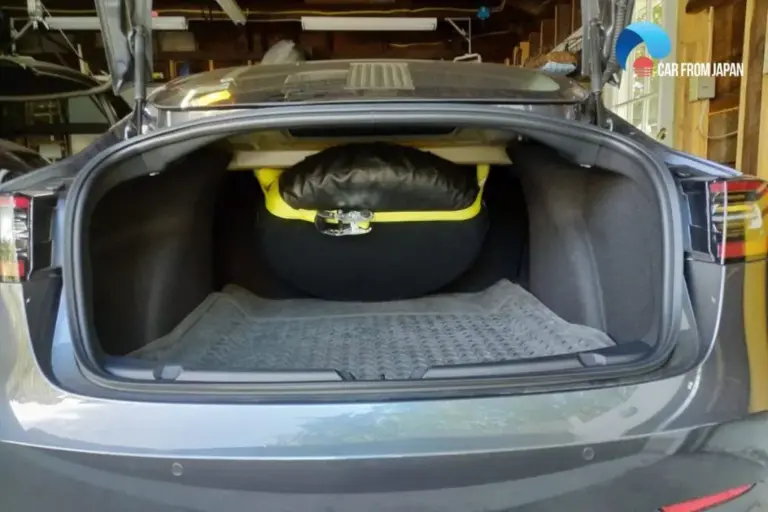
- Spare Tire: Ensure it’s properly inflated. Know if you have a full-size spare (ideal for normal driving) or a compact spare (often called a “donut,” meant for temporary use).
- Jack: The device used to lift your vehicle. Understand its type (scissor, bottle) and proper placement points.
- Lug Wrench: Used to loosen and tighten the lug nuts that hold the wheel on.
- Wheel Chocks: Blocks placed under tires (opposite the flat) to prevent the vehicle from rolling.
- Owner’s Manual: Crucial for specific jacking points and torque specifications.
- Safety Gear: Gloves, a flashlight (especially at night), and reflective triangles or flares to enhance visibility.
Safety Precautions and Best Practices
Your safety is paramount. Follow these key points:
Never attempt to change a tire on an incline, uneven ground, or on the soft shoulder of a road. The risk of the vehicle slipping off the jack is extremely high, leading to severe injury or fatality. Always find a firm, level surface.
- Level, Stable Surface: This cannot be overstated. A slight slope or soft ground can cause the jack to fail.
- Engage Parking Brake: Always activate your parking brake and put the vehicle in “Park” (automatic) or first/reverse gear (manual).
- Block Wheels: Place wheel chocks behind a tire diagonally opposite the flat to prevent any movement.
- Loosen Lug Nuts First: Before jacking, slightly loosen the lug nuts while the tire is still on the ground for better leverage.
- Jack Properly: Consult your owner’s manual for specific jacking points. Lift the vehicle just high enough for the flat tire to clear the ground.
- Install Spare: Mount the spare, hand-tighten lug nuts, lower the vehicle, then fully tighten lug nuts in a star pattern.
An average car tire and wheel assembly can weigh 30-50 lbs, requiring significant effort and proper technique.
Limitations and When Not to Attempt DIY
There are critical situations where attempting a DIY tire change is ill-advised or simply impossible:
- Missing or Unusable Spare: If your vehicle lacks a spare (nearly 30% of new vehicles sold for 2026 come without a full-size spare, opting for repair kits instead) or if your spare is flat.
- Incorrect or Missing Tools: Trying to improvise with inadequate tools is dangerous and ineffective.
- Unsafe Environment: As discussed, highways, inclines, or areas with poor visibility are not suitable for DIY.
- Damaged Wheel/Hub Assembly: If the impact that caused the flat also damaged the wheel, brakes, or suspension, a simple tire change won’t suffice. Professional assessment is critical.
- Physical Limitations: If you lack the physical strength or mobility to safely perform the task, call for help.
- Seized Lug Nuts: Lug nuts can sometimes be overtightened or corroded, requiring pneumatic tools only found in a shop.
Preventative Measures and Future Preparedness for Tire Incidents
The best way to handle a flat tire is to prevent one from happening in the first place, or at least to be fully prepared. This important section covers fundamentals for long-term tire health and emergency readiness.
Regular Tire Maintenance
Proactive maintenance significantly reduces your risk of a flat tire. The basics are straightforward:
- Proper Tire Pressure: Check your tire pressure monthly with a reliable gauge (not just visually). Correct inflation is crucial for safety, fuel economy, and tire longevity. Research shows that proper tire inflation can improve fuel efficiency by approximately 0.2% for every 1 PSI above optimal pressure (up to recommended maximum). Your vehicle’s TPMS will alert you to significant drops, but a gauge offers precise readings.
- Tire Rotations: Rotate your tires every 5,000-8,000 miles to ensure even wear, extending their lifespan.
- Wheel Alignments: Get your alignment checked annually or if you notice uneven tire wear or steering pull.
- Routine Inspections: Periodically inspect your tires for embedded objects (nails, screws), cracks in the sidewall, bulges, or excessive wear. Address any issues promptly.
Emergency Kit Essentials
Beyond the standard tire-changing tools, a well-stocked emergency kit is a non-negotiable for any motorist in 2026:
- First-Aid Kit: For minor injuries.
- Jumper Cables: For dead batteries, not just flats.
- Powerful Flashlight: With extra batteries, crucial for night-time incidents.
- Reflective Vest/Triangles/Flares: To make yourself visible to passing traffic.
- Communication Devices: A fully charged cell phone and a portable charger. Consider a satellite messenger for remote areas.
- Water and Snacks: Especially important if you’re waiting for assistance in extreme weather.
- Blanket/Warm Clothing: For cold weather.
Understanding Your Vehicle’s Spare Tire System
Knowing what kind of spare system your vehicle has is fundamental:
- Full-Size Spare: Best option, allows normal driving speeds and distances. Requires occasional rotation with other tires.
- Compact Spare (Donut): Lighter and smaller, but has significant limitations. Typically rated for 50-100 miles at reduced speeds (usually under 50 mph). It’s for emergency use only, not a permanent replacement.
- Run-Flat Tires: Designed to be driven for a limited distance (e.g., 50 miles at 50 mph) even after a puncture. This eliminates the need for a spare but requires specialized repair or replacement, and often doesn’t give much warning before total deflation.
- Tire Repair Kits (Sealant and Compressor): Common in newer vehicles to save weight and space. Effective for small punctures in the tread but useless for sidewall damage, large holes, or blowouts. A tire sealant kit can get you to the nearest repair shop but usually requires the tire to be replaced afterward.
Regularly check the condition and pressure of your spare tire, even if it’s stored in your trunk. This complete guide is designed to give you a full understanding and proper planning.
Navigating a flat tire incident successfully comes down to preparation and knowing your options. By prioritizing safety, leveraging established roadside assistance programs or specialized mobile services, and understanding the limitations of DIY solutions, you can handle this common automotive challenge with confidence. This explanation provides an introduction to making informed decisions.
Conclusion
Facing a flat tire can be daunting, but with the right knowledge, it’s a manageable situation. Remember to prioritize safety by pulling over and assessing the situation before contacting anyone. Utilize established roadside assistance programs or mobile tire services for professional, efficient help. Be prepared with an emergency kit, and critically, understand your vehicle’s specific tire system for self-reliance only when appropriate and safe.
Equip yourself with the knowledge from this guide and ensure your vehicle is prepared for a flat tire event. Review your roadside assistance coverage today or assemble a comprehensive emergency kit, so you’re never caught unprepared and can confidently call the right person when a flat tire strikes.
Frequently Asked Questions
Is it always safe to change a flat tire myself?
No, it is not always safe. Changing a flat tire yourself is only advisable if you are on a level, stable surface, away from active traffic, have all the necessary tools, and possess the physical capability and knowledge to do so safely. In unsafe conditions or if unsure, professional assistance is strongly recommended.
What is the typical response time for roadside assistance?
Response times for roadside assistance can vary significantly based on location, time of day, weather conditions, and service provider demand. On average, expect a wait time between 30 to 90 minutes. Major providers like AAA often provide real-time tracking, allowing you to monitor your service vehicle’s progress.
Can I drive on a flat tire to get to a repair shop?
Driving on a completely flat tire is highly discouraged. It can severely damage the wheel rim, brake components, and the vehicle’s alignment, leading to more expensive repairs. If you have run-flat tires, you can drive for a limited distance and speed (e.g., 50 miles at 50 mph), but a standard flat tire requires immediate attention.
Will my car insurance cover flat tire assistance?
Many car insurance policies offer optional roadside assistance coverage, which typically includes flat tire changes, towing, lockout service, and fuel delivery. It’s crucial to review your specific policy details or contact your insurance provider directly to confirm if this coverage is included and what its limitations are before an incident occurs.
What’s the difference between a compact spare and a full-size spare?
A full-size spare tire is identical to your vehicle’s other tires and can be driven normally. A compact spare (often called a ‘donut’) is smaller and lighter, designed only for temporary, limited use, typically up to 50 miles at a maximum speed of 50 mph. It’s meant to get you to a repair shop, not for extended driving.