Do you often feel a subtle shimmy in your steering wheel or vibrations through the seat of your pants at highway speeds? These unsettling sensations are often tell-tale signs of unbalanced tires, a common yet frequently misunderstood issue that affects vehicle performance, tire longevity, and your overall driving comfort. Many drivers are unsure about what tire balancing entails, its critical importance, and crucially, how much it costs to rectify. This comprehensive guide for 2026 will demystify ‘How Much Is A Tire Balance’, providing a detailed breakdown of costs, factors influencing pricing, the professional process involved, and why consistent, quality tire balancing is an essential aspect of responsible vehicle maintenance. We aim to equip you with the expert knowledge needed to make informed decisions for your vehicle.
Understanding Tire Balancing: What It Is and Why It’s Crucial
As a seasoned automotive expert, I’ve seen firsthand how a seemingly minor issue like tire imbalance can profoundly impact a vehicle’s performance and safety. Tire balancing is the precise process of evenly distributing the weight around the circumference of a tire and wheel assembly. Even slight weight discrepancies can cause the wheel to wobble as it rotates, leading to noticeable vibrations and accelerated wear.
It’s crucial to distinguish tire balancing from tire alignment. While both are vital for vehicle health, they address different issues. Tire balancing focuses on the rotational weight distribution of the tire and wheel unit itself. In contrast, tire alignment adjusts the angles of the wheels relative to the vehicle chassis and the road, ensuring they are parallel to each other and perpendicular to the ground. An expert technician understands that you can have perfectly balanced tires on a misaligned vehicle, or vice versa, and both scenarios are detrimental.
The benefits of a properly balanced tire are extensive and immediately noticeable. Drivers with unbalanced tires often experience a disturbing steering wheel vibration at highway speeds (typically indicating front wheel imbalance) or vibrations through the seat and floorboard (suggesting rear wheel imbalance). A smooth, balanced ride, however, provides enhanced driving comfort and significantly contributes to road safety. Research indicates that modern vehicles with advanced suspension systems are more sensitive to even minor imbalances, making precision balancing even more critical. Moreover, balanced tires ensure even tread wear, preventing issues like cupping or scalloping, which are direct consequences of imbalance and can shorten tire life by up to 15-20%. This also reduces strain on delicate suspension components and can even improve fuel efficiency by minimizing rolling resistance. According to industry data, up to 90% of all vehicles on the road exhibit some degree of tire imbalance, often unnoticed until symptoms become severe.
Common causes of tire imbalance include normal wear and tear, tire repair (which can shift weight), the installation of new tires (as no tire is perfectly round or balanced from the factory), loss of previously applied wheel weights, or even slight manufacturing defects. Ensuring your tires are properly balanced is a fundamental aspect of quality vehicle maintenance.
Decoding the Cost: Key Factors Influencing Tire Balancing Prices in 2026
Understanding the final price tag for a tire balancing service in 2026 involves more than just a single number. Several interconnected factors dictate the cost, and as an expert, I’ve observed significant variations based on these elements. Discerning these factors empowers you to make informed choices and ensures you receive reliable service for your investment.
1. Type of Balancing Service
- Standard Dynamic Balancing: This is the most common method, using a spinning balancer to detect imbalances along two planes (static and dynamic). It’s highly effective for most vehicles and general driving conditions.
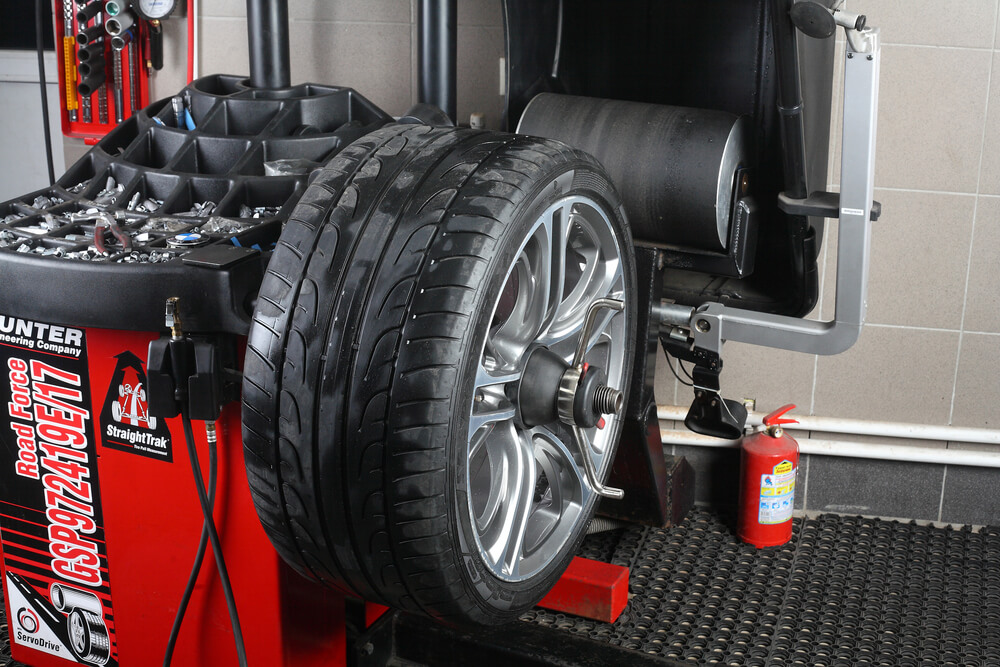
- Road Force Balancing: This advanced method is superior for enhanced diagnostics and resolving persistent vibrations. A road force balancer simulates real-world driving conditions by pressing a roller against the tire, measuring radial and lateral runout (tire uniformity) under load. This can detect subtle imperfections in the tire or wheel that a standard dynamic balancer might miss. Given the specialized equipment and diagnostic capability (road force balancing machines can cost shops tens of thousands of dollars), this service is typically pricier.
2. Vehicle and Tire Specifications
The type of vehicle and its tires play a significant role. Larger tires, such as those found on SUVs, light trucks, or performance vehicles, generally cost more to balance. They require more effort to mount, heavier weights, and sometimes specialized adaptors for the balancing machine. Similarly, low-profile tires or specialty wheels (e.g., chrome, custom alloys) may necessitate more careful handling and specific adhesive weights instead of traditional clip-on weights, adding to labor time and material costs. Balancing a standard sedan tire is less complex than balancing a 35-inch truck tire.
3. Service Provider Type
Where you get your tires balanced impacts the price. Independent tire shops often offer competitive pricing, balancing cost with quality service. Franchised service centers (e.g., national chains) might have standardized pricing, sometimes offering deals. Dealership service departments typically charge the highest rates due to their specialized equipment, factory-trained technicians, and premium brand affiliation. Mobile tire services offer unparalleled convenience, balancing tires at your home or office, but this often comes with a premium for the on-demand service. A specialized shop for high-end custom wheels, for instance, will likely charge more for their advanced road force balancing and meticulous handling than a quick-lube chain performing standard dynamic balancing.
4. Inclusion in a Package vs. Standalone Service
When you purchase a new set of tires, balancing is almost always included in the overall price. Many tire retailers offer free rotations and re-balancing for the life of the tires as part of the purchase package. Similarly, if you’re getting a tire rotation, some shops will include a re-balance for a reduced or no additional fee. Requesting balancing as a standalone service for an older set of tires will, naturally, incur the full service charge.
5. Geographic Location
As with most automotive services, geographic location significantly influences pricing. Labor rates and operational costs vary widely. For example, average automotive technician labor rates on the East Coast and West Coast tend to be higher than in the Midwest or southern states. This regional variation is a key driver of price differences, even for identical services.
Always inquire if balancing is included when purchasing new tires or scheduling a rotation. Bundling services can significantly reduce your overall maintenance costs and ensure comprehensive care for your wheels and tires.
How Much Does a Tire Balance Cost? A Detailed Breakdown for 2026
Navigating the costs of tire balancing can be straightforward once you understand the typical price ranges for 2026. As an industry expert, I can provide concrete figures to help you budget accurately and understand what to expect from professional service providers.
Average Costs for Standard Dynamic Balancing
For a standard dynamic balance, which is suitable for the vast majority of vehicles and issues, you can expect to pay:
- Per Tire: $15 – $35
- Full Set (4 Tires): $60 – $140
This range reflects the difference between basic sedans and larger SUVs, as well as varying labor rates across regions.
Costs for Road Force Balancing
When higher precision or diagnostic capabilities are required, road force balancing is the premium service. This is particularly recommended for luxury vehicles, high-performance cars, or when standard balancing hasn’t resolved vibration issues. The advanced technology and expertise involved mean higher costs:
- Per Tire: $30 – $50
- Full Set (4 Tires): $120 – $200
Balancing as Part of a Package
Often, the most cost-effective way to get balancing done is through a bundled service:
- New Tire Purchase: Balancing is almost always included free of charge with the purchase and installation of new tires from reputable retailers.
- Tire Rotation: If not explicitly included, adding balancing to a tire rotation service might cost an additional $5 – $10 per tire, or sometimes it’s bundled into a ‘tire maintenance package’ for a slightly higher overall price.
Additional Costs to Consider
- Specialized Weights: For alloy wheels, technicians often use adhesive (stick-on) weights to avoid damaging the wheel’s finish. These can be slightly more expensive than traditional clip-on weights, though usually, the difference is negligible and absorbed into the overall cost.
- Valve Stem Replacement: If a tire needs to be dismounted, it’s good practice to replace the valve stem. This typically costs $2 – $5 per tire.
- Tire Disposal Fees: If you’re replacing old tires, a disposal fee of $2 – $7 per tire is common.
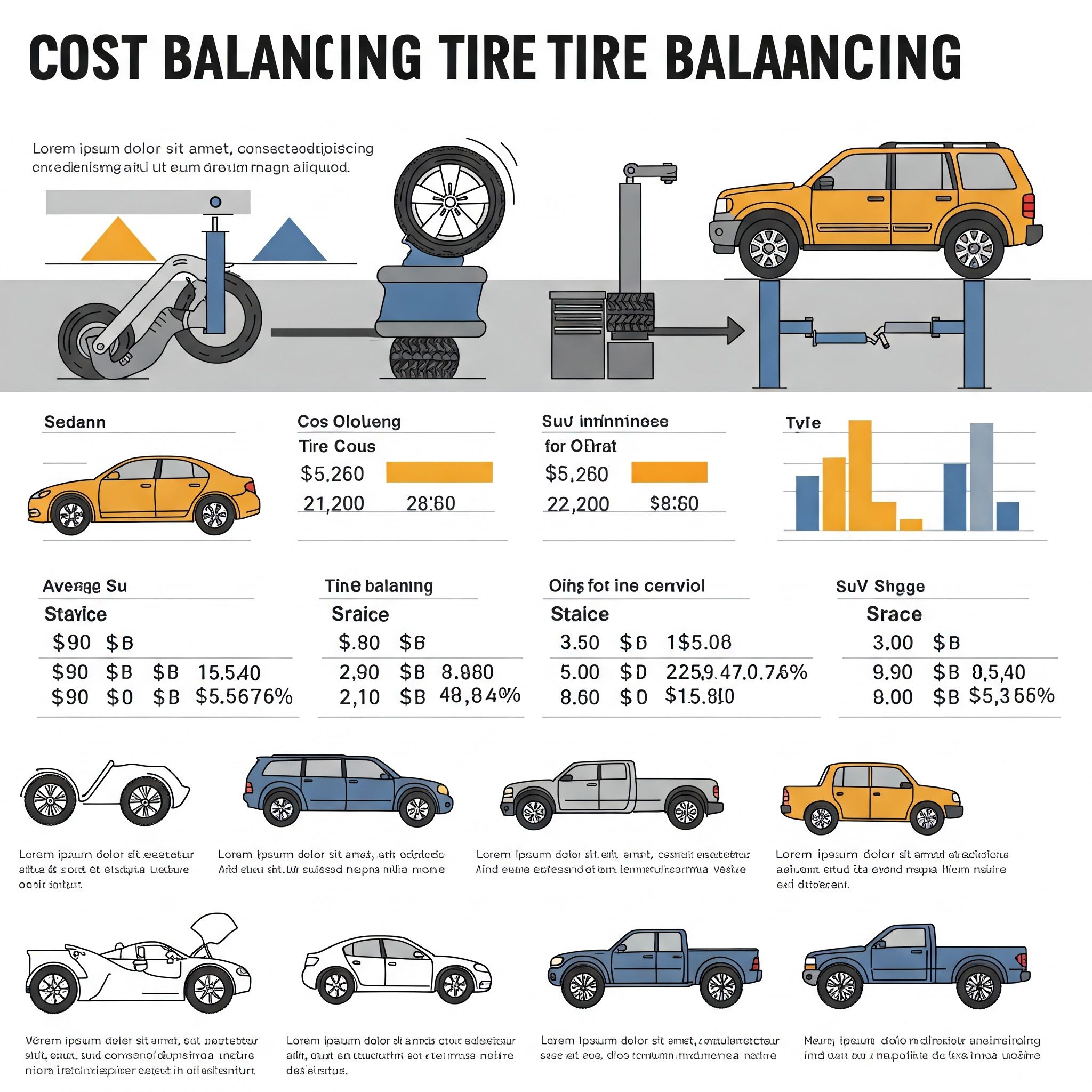
Cost Variations by Vehicle Type (Estimates for 2026)
Here’s a breakdown of estimated balancing costs for different vehicle types:
These figures are averages and can vary. Always get a specific quote from your chosen service provider. According to recent aftermarket service surveys, average tire service costs have seen a modest increase of about 3-5% year-over-year, making these 2026 estimates reliable benchmarks.
By The Numbers
Standard Balance Per Tire
Road Force Balance Per Tire
Vehicles with Some Imbalance
Tire Life Reduction from Imbalance
The Professional Tire Balancing Process Explained: What an Expert Technician Does
The act of balancing a tire may seem simple, but in the hands of a professional, it’s a precise, multi-step process utilizing advanced equipment. As someone with extensive hands-on experience, I can tell you that the quality of the outcome hinges on the technician’s expertise and the sophistication of their tools.
📋
Step-by-Step Guide: The Expert Balancing Process
Before any machine is involved, a skilled technician conducts a visual inspection of the tire and wheel for damage, uneven wear, or foreign objects. Old, incorrect wheel weights are meticulously removed, and the wheel hub area is cleaned to ensure proper seating and accuracy. This preliminary step is crucial for accurate readings.
The tire and wheel assembly is then securely mounted onto a specialized wheel balancing machine. Modern balancers, like those from Hunter Engineering, are highly sophisticated instruments. The technician inputs relevant tire and wheel data, and the machine spins the assembly at various speeds to detect imbalances along both the static (up-and-down) and dynamic (side-to-side) axes.
The machine’s computer precisely identifies the exact locations and magnitudes of imbalance. The technician then applies specific counterweights to achieve perfect equilibrium. For steel wheels, clip-on weights are common. For alloy wheels, adhesive (stick-on) weights are typically used to preserve the wheel’s finish. Modern balancers can detect imbalances as small as 1/4 ounce, requiring meticulous placement by the technician.
While dynamic balancing measures static and couple imbalance, road force balancing takes it a step further. A specialized roller applies up to 250 pounds of load force against the tire as it spins, simulating real-world driving conditions. This allows the machine to diagnose radial and lateral runout (tire uniformity issues) and wheel eccentricities, which are subtle tire or wheel defects that a standard dynamic balancer might miss, but can cause vibrations on the road.
Once weights are applied, the assembly is spun again to verify that the balance is perfect and within manufacturer specifications. A professional technician will always perform this final check. Post-service, the wheels are carefully re-installed on the vehicle, torqued to factory specifications, ensuring safety and preventing issues like over-tightening or under-tightening that can cause future problems.
Maintaining Performance: When and Why to Prioritize Tire Balancing
Proactive maintenance is the cornerstone of vehicle longevity and safe operation. When it comes to tires, knowing when to balance and understanding the benefits is paramount. As an expert, I always advise clients that consistent tire balancing is not an option but a necessity for peak performance and safety.
Recommended Service Intervals
The general recommendation is to have your tires balanced every 5,000 to 7,500 miles, or every 6 months. This often aligns perfectly with your tire rotation schedule, creating an efficient maintenance routine. OEM tire manufacturers typically recommend balancing with every rotation to maintain even wear and maximize tire lifespan. This ensures that any minor imbalances that develop over time due to wear or road hazards are addressed promptly.
Recognizing the Warning Signs of Imbalance
Your vehicle will often tell you when its tires are out of balance. Be vigilant for these common symptoms:
- Steering Wheel Vibrations: This is the most common sign, especially noticeable at highway speeds (typically 50-70 mph). If you feel a shake in the steering wheel, it generally indicates an imbalance in the front wheels.
- Seat or Floorboard Vibrations: If the vibrations are felt more generally throughout the vehicle, particularly in the seat or floorboard, it often points to an imbalance in the rear wheels.
- Uneven or Premature Tire Wear: Watch for patterns like scalloping or cupping (alternating high and low spots around the tire’s circumference). This is a direct result of the tire bouncing unevenly on the road and can lead to premature tire replacement.
- Abnormal Noise: A consistent humming or thumping sound that changes with speed can sometimes indicate an imbalance, though it can also point to other issues like worn wheel bearings.
For example, if a driver notices vibrations appearing only at speeds above 50 mph, and it subsides below that speed, it’s a classic indicator of front wheel imbalance needing immediate attention.
Balancing After Specific Events
Beyond routine maintenance, certain events necessitate tire balancing:
- New Tire Installation: Always balance new tires upon installation.
- Tire Repair: After any tire repair, especially a puncture patch, the tire should be re-balanced. The repair process can alter the weight distribution.
- Wheel Removal for Service: If a tire or wheel has been removed from the vehicle for any reason (e.g., brake service), re-balancing is a good preventative measure.
Long-Term Benefits of Consistent Balancing
The modest cost of regular balancing is a worthwhile investment. Consistent balancing:
- Prevents premature suspension wear (shocks, struts, bearings).
- Improves braking performance and responsiveness.
- Maintains the safety and comfort of your ride.
- Extends the lifespan of your tires significantly. Studies show that a well-maintained tire can last up to 20,000 miles longer than one whose balancing is neglected.
Impact of Neglecting Balancing
Ignoring the signs of imbalance can lead to severe consequences: irreversible tire damage requiring early replacement (e.g., a tire that had to be replaced prematurely due to aggressive cupping from neglected balancing), accelerated wear on expensive suspension components, decreased fuel economy, and a significantly compromised driving experience, both in terms of comfort and safety.
Do not delay addressing tire imbalance. Continued driving on unbalanced tires can lead to permanent damage to the tire carcass, making them unrepairable and necessitating costly premature replacement. It also accelerates wear on critical suspension and steering components, potentially leading to much more expensive repairs down the line.
Choosing a Quality Service Provider for Your Tire Balancing Needs
The effectiveness of a tire balance is only as good as the technician performing it and the equipment they use. As an expert who has evaluated countless automotive service centers, I cannot stress enough the importance of selecting a trusted and professional provider. Quality service ensures your investment yields reliable, long-lasting results.
Importance of Certified Technicians
Always seek out facilities that employ ASE-certified technicians or those specifically trained by tire manufacturers. ASE certification signifies that a technician has passed rigorous industry exams, demonstrating a high level of competency and up-to-date knowledge. An expert technician understands the nuances of different wheel and tire combinations, the correct application of weights, and can accurately diagnose related issues. Don’t hesitate to ask if their technicians are certified for tire services – it’s a mark of their commitment to quality.
Equipment and Technology
A reputable shop will invest in modern, well-maintained equipment. Inquire about the type of balancing machines they use. Shops committed to providing the best service will often feature dynamic balancers from leading brands, and many will offer road force balancers. The presence of such advanced equipment indicates a shop’s dedication to precision diagnostics and superior service quality. For instance, shops using Hunter Engineering models are generally investing in top-tier technology.
Transparency and Pricing
Look for service centers that offer clear, upfront pricing. A professional establishment will explain the balancing process, any additional costs (like valve stems or specialized weights), and provide a written estimate before work begins. Be wary of places that offer unusually low prices without explanation or push for numerous unnecessary additional services. Transparency builds trust.
Reputation and Customer Reviews
Before committing, take the time to check online reviews on platforms like Google, Yelp, or local automotive forums. Look for consistent positive feedback regarding their tire services, professionalism, and honesty. Ask friends or family for recommendations. A shop with numerous positive reviews specifically mentioning ‘tire service’ and ‘professionalism’ is typically a strong candidate for providing reliable service.
Warranties and Guarantees
A trustworthy service provider often stands behind their work. Inquire if they offer any warranty or guarantee on their tire balancing service. This provides peace of mind that if vibrations persist after the service, they will re-check and rectify the issue without additional charge. This commitment to customer satisfaction is a hallmark of a quality and reliable operation.
✅ Pros of Choosing a Quality Shop
- Precise and lasting balance, eliminating vibrations.
- Extended tire lifespan and even wear.
- Protection of suspension and steering components.
- Access to advanced diagnostic tools (e.g., road force).
- Expert advice on overall tire health.
❌ Cons of Choosing a Subpar Shop
- Improper balancing, leading to persistent vibrations.
- Premature tire wear and damage.
- Potential damage to wheels during service.
- Unnecessary upsells or hidden fees.
- Lack of warranty or guarantee on work.
Choosing wisely ensures that the cost of your tire balance translates into real value and peace of mind for miles to come. For comprehensive information and a truly expert guide to vehicle care, prioritizing quality in service providers is non-negotiable.
Tire balancing is a crucial maintenance task ensuring vehicle safety, comfort, and extended tire lifespan. Costs typically range from $15-$35 per tire for standard dynamic balancing and $30-$50 per tire for more precise road force balancing, influenced by service type, vehicle specifications, and the chosen service provider. Regular balancing every 5,000-7,500 miles, or upon new tire installation or repair, prevents vibrations, uneven wear, and premature component failure. Choosing a trusted, professional service provider with expert technicians and quality equipment is paramount for reliable results and maximizing the value of your automotive maintenance investment.
Don’t overlook the subtle signs of imbalance. Prioritize professional tire balancing to safeguard your investment in your tires, enhance your driving experience, and maintain the structural integrity of your vehicle. Consult a reputable service center for a quality inspection and expert balancing today.
Frequently Asked Questions
How often should I get my tires balanced?
It is generally recommended to have your tires balanced every 5,000 to 7,500 miles, or at least once a year. This often coincides with tire rotations, which help promote even wear. Additionally, tires should always be rebalanced whenever new tires are installed, a tire is repaired, or a wheel is removed for other service, to ensure optimal performance and safety.
Is tire balancing included with new tires?
In most cases, yes, the cost of tire balancing is included when you purchase and have new tires installed by a reputable dealer or tire shop. This is a standard part of the installation process, as new tires must be balanced to ensure a smooth ride. Always confirm this inclusion with your service provider prior to purchase.
What’s the difference between tire balancing and alignment?
Tire balancing corrects uneven weight distribution around the wheel-tire assembly, preventing vibrations. Tire alignment, on the other hand, adjusts the angles of the wheels to ensure they are parallel to each other and perpendicular to the ground, preventing steering pull and uneven tread wear. Both are critical for vehicle performance but address different issues.
Can I balance my tires myself?
While DIY balancing kits exist, achieving a precise and reliable tire balance typically requires specialized, professional equipment and expert training. Improper DIY balancing can lead to persistent vibrations, accelerated tire wear, and potential damage to suspension components. For accurate and safe results, it is strongly recommended to use a professional service.
What are the signs that my tires need balancing?
Key indicators that your tires need balancing include vibrations felt in the steering wheel, especially at higher speeds (often indicating front wheel imbalance), vibrations in the seat or floorboard (suggesting rear wheel imbalance), unusual or uneven tire wear patterns like cupping or scalloping, and abnormal humming noises from the tires. Addressing these promptly is crucial.