Driving with properly inflated tires isn’t just about optimal performance; it’s a critical safety imperative often overlooked until a dashboard warning light illuminates. Low tire pressure can lead to reduced fuel efficiency, increased tire wear, impaired handling, and a heightened risk of blowouts, posing significant dangers to vehicle occupants and others on the road. This expert guide will demystify the causes of low tire pressure and provide a precise, step-by-step methodology for diagnosis, reinflation, and temporary repair, empowering you to maintain your vehicle’s safety and efficiency in 2026 and beyond.
What Causes Low Tire Pressure: Diagnosing Common Issues
📤 Share Image
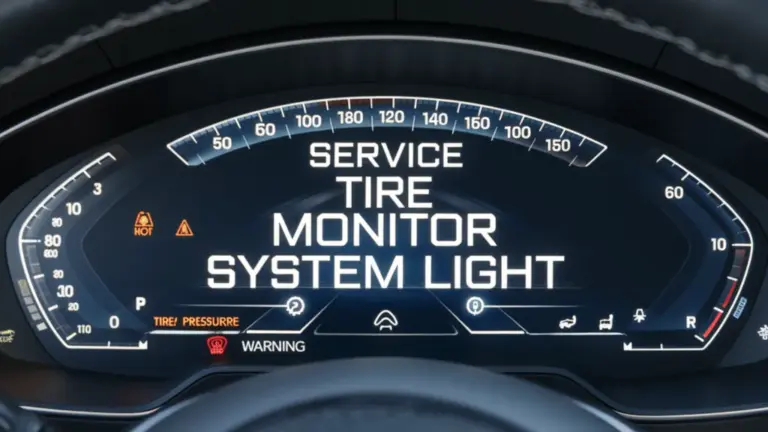
Understanding why your tires lose pressure is the first critical step toward a lasting solution. Many drivers only react when the TPMS light illuminates, but by then, significant pressure loss may have already occurred. As an automotive expert with over 15 years in the field, I can tell you that successful tire maintenance begins with proactive diagnosing the underlying cause.
Ambient Temperature Fluctuations
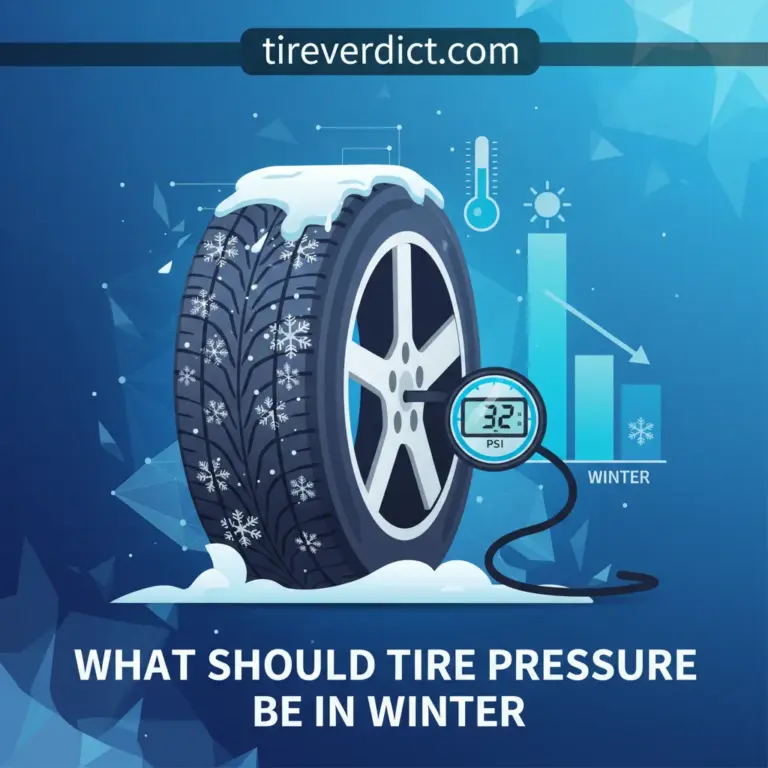
One of the most frequent, yet often overlooked, reasons for diminished tire pressure is the changing ambient temperature. Air contracts when it cools and expands when it heats. Research indicates that tire pressure can drop by approximately 1 PSI for every 10°F (5.5°C) temperature decrease. Consider a scenario where a vehicle is parked overnight as temperatures plummet from 60°F to 30°F (15.5°C to -1°C). This 30°F drop can easily result in a 3 PSI loss across all tires, triggering your TPMS warning without any actual leak.
Slow Leaks and Punctures
This category encompasses the most common mechanical failures. Small foreign objects like nails, screws, or even shards of glass can create a slow leak. These can be particularly insidious because the air loss is gradual, often taking days or weeks to become noticeable. Micro-fractures, which are tiny, almost invisible cracks in the tire’s rubber or even within the internal structure, can also contribute to a steady, hard-to-pinpoint pressure decline. A visual inspection might show a nail embedded in the tire tread, or a faint, almost imperceptible crack near the sidewall that hints at the issue.
Valve Stem and Cap Malfunctions
The valve stem is the conduit for air entering and exiting your tire, and it’s a surprisingly common point of failure. Over time, the rubber valve stem can deteriorate and crack, especially due to exposure to UV light and road chemicals, leading to air seepage. A loose valve core – the small, spring-loaded pin inside the stem – is another frequent culprit. Even a missing valve cap, while not directly sealing air, protects the valve core from dirt and moisture, which can otherwise cause corrosion and inhibit proper sealing. A corroded valve stem, often visible as discoloration or cracking at its base, is a clear sign of impending or active air loss.
Tire Bead Leaks
The “bead” is the edge of the tire that seats against the rim of the wheel, creating an airtight seal. Corrosion on the rim, particularly on older steel wheels, can create small channels for air to escape. Damage to the tire bead itself, perhaps from hitting a pothole or improper mounting, can also compromise this seal. An improper mounting during tire installation is a straightforward cause of a bead leak, as the bead isn’t fully seated.
Wheel Damage and Porosity
The wheel itself can be a source of air loss. A bent rim from an impact can deform the seating surface, preventing a proper seal. Cracks in the wheel, particularly in alloy wheels, are direct pathways for air to escape and are a serious safety concern. Furthermore, some older or low-quality aftermarket wheels may exhibit porosity, where the metal itself has microscopic imperfections that allow air to slowly leak through. Recognizing these issues is crucial for an effective repair strategy.
By The Numbers
Pressure loss per 10°F temp drop
Vehicles with at least one underinflated tire
Fuel efficiency reduction from underinflation
Miles added to tire life with proper care

How To Fix Low Tire Pressure: A Step-by-Step Procedure for Reinflation and Minor Repairs
Once you’ve identified low pressure, the immediate next step is to reinflate your tire. This comprehensive guide will walk you through the process, from basic inflation to identifying and addressing minor leaks. This methodical approach is your best solution for quickly and effectively restoring proper tire pressure.
📋
Step-by-Step Guide
Never use the “MAX PSI” indicated on the tire sidewall. Your vehicle’s optimal tire pressure, crucial for safety and performance, is found on a placard on the driver’s side door jamb, inside the fuel filler door, or in your owner’s manual. This figure is specific to your vehicle model and its weight distribution.
You’ll need a reliable tire pressure gauge (digital or stick-type is fine, but digital offers more precision) and an air compressor. Portable 12V compressors are convenient for home use, or you can utilize the air pumps found at most gas stations. For potential minor punctures, a basic tire plug kit might be useful, but remember its limitations.
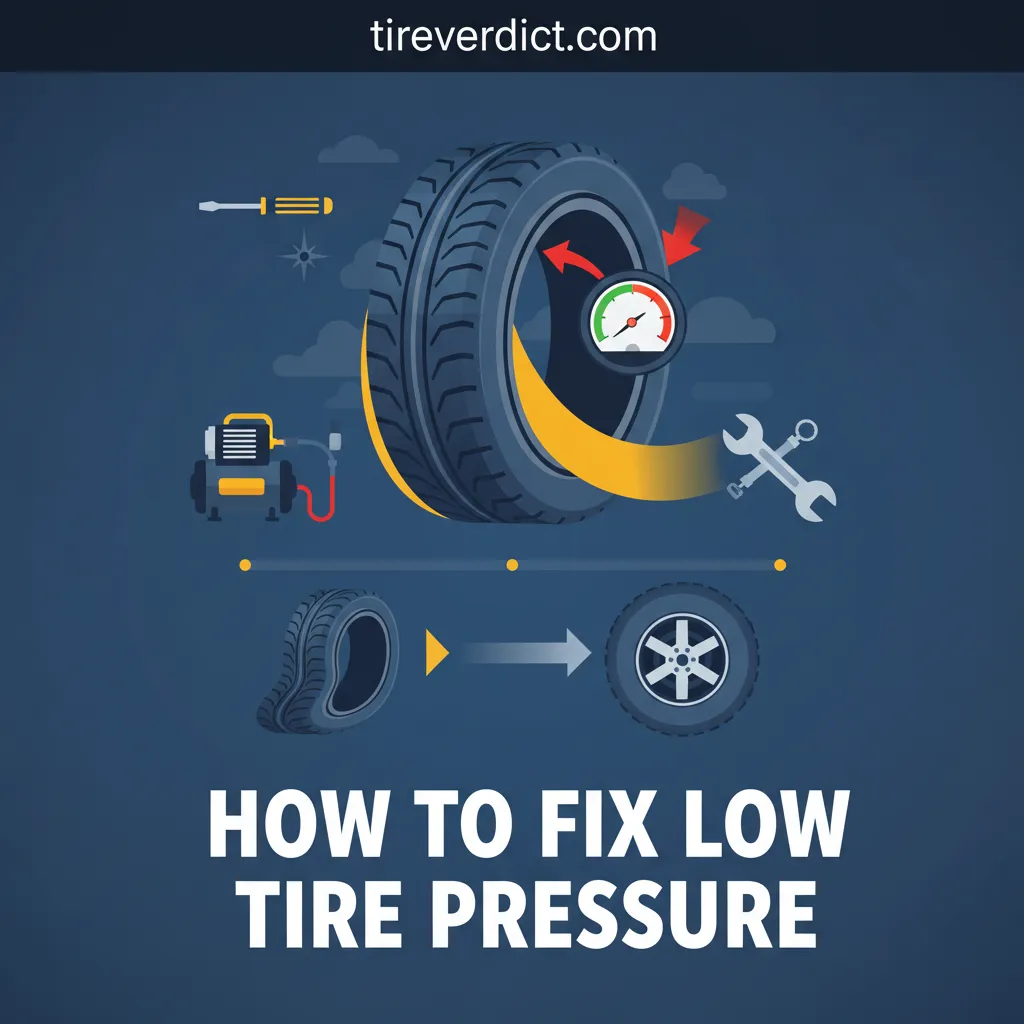
For the most accurate reading, check pressure when your tires are ‘cold’ – meaning the vehicle has been driven for less than a mile, or has been sitting for at least three hours. Remove the valve cap, press the gauge firmly onto the valve stem, and read the displayed PSI. Compare this to your vehicle’s recommended PSI. This is a crucial step to effectively troubleshoot any discrepancies.
Connect the air compressor nozzle to the valve stem. If using a gas station pump, ensure the compressor hose is securely attached. Add air in short bursts (5-10 seconds), then remove the compressor and recheck the pressure with your gauge. Repeat this process until the tire reaches the optimal PSI. Over-inflation is as detrimental as under-inflation, so be precise. Driving on underinflated tires can reduce fuel efficiency by up to 3% and decrease tire lifespan by 15-20%.
If you suspect a leak or the tire has lost significant pressure, mix a small amount of dish soap with water in a spray bottle. Inflate the tire slightly above its recommended pressure (e.g., 5-10 PSI over). Spray the entire tire surface—tread, sidewalls, valve stem, and especially around the rim where the tire bead seats. Look for bubbles forming, which will indicate an active air leak. A continuous stream of bubbles means you’ve pinpointed the cause.
For small punctures (typically less than 1/4 inch or 6mm) within the tread area only, a tire plug kit can offer a temporary repair. Carefully remove the offending object, ream the hole with the tool provided, insert the rubber plug using the applicator, and trim any excess. This is a temporary measure designed to get you safely to a professional tire shop for a permanent repair or replacement. Most tire manufacturers do not endorse plug-only repairs as a permanent solution due to safety concerns and potential long-term failures. After plugging, reinflate and recheck for leaks immediately.
Always carry a reliable tire pressure gauge in your vehicle. Even if your car has a TPMS, manual checks provide peace of mind and help you catch slow leaks before they become critical, allowing you to proactively resolve issues.
Never attempt to plug a puncture in the tire’s sidewall or shoulder area. These are critical structural components, and such damage renders the tire irreparable and unsafe. Immediate replacement is required for safety.

Troubleshooting Persistent Low Tire Pressure and When to Seek Professional Help
While basic reinflation and minor patch-ups can address immediate concerns, persistent low tire pressure signals a deeper issue that demands thorough diagnosing. Ignoring these recurring problems can lead to serious safety hazards. Knowing when to escalate from DIY to professional intervention is key to a safe and effective repair.
Persistent Pressure Loss After Reinflation
If, after properly inflating your tire, it consistently loses more than 2-3 PSI per month, you almost certainly have an active leak that requires further investigation. For example, a driver might reinflate a tire to specification, only to find the TPMS light reappear within a week. This scenario strongly suggests a slow, undetected leak that needs professional troubleshooting beyond a simple soap-and-water test.
TPMS Light Remains On or Reactivates
Your Tire Pressure Monitoring System (TPMS) is a vital safety feature. NHTSA estimates TPMS systems have prevented thousands of crashes and fatalities annually by alerting drivers to underinflated tires. If the TPMS light stays on even after you’ve reinflated your tires to the correct PSI, or if it reactivates shortly after, it could indicate several issues: the pressure wasn’t reset correctly (check your owner’s manual for specific reset procedures, which vary by vehicle model), a faulty TPMS sensor, or indeed, a persistent leak. If a reset doesn’t resolve the light, professional diagnosis is warranted to debug the system or find the leak.
Identifying Significant Tire Damage
Not all tire damage is repairable. According to Tire Industry Association (TIA) guidelines, professional tire shops will deem a tire irreparable if it has:
- Sidewall punctures or damage (e.g., a bulge or cut).
- Punctures larger than 1/4 inch (6mm) in diameter.
- Multiple punctures too close together, or too many punctures within the tread area.
- Damage that extends through the internal steel belts.
Visual examples of irreparable damage include a visible sidewall bulge, a large jagged tear in the tread, or a crack extending from the tread into the shoulder. In such cases, the only safe solution is tire replacement.
Recognizing Wheel or Rim Issues
Sometimes the tire isn’t the problem, but the wheel itself. Symptoms like a visible bend in the rim, cracks (especially if you’ve hit a pothole recently), or persistent bead leaks despite the tire being remounted indicate potential wheel damage. A tire technician can dismount the tire to thoroughly inspect the wheel for internal corrosion, structural integrity, or hairline cracks not visible externally, providing a definitive repair assessment.
Professional Diagnostics and Repair vs. DIY Limitations
While DIY methods are great for temporary fixes or simple reinflation, their limitations are critical to understand. Professional tire shops possess advanced diagnostic tools, such as specialized leak detection tanks, and the ability to safely dismount tires for internal inspection and proper patch-plug repairs (which adhere to TIA standards for permanent fixes). For any persistent pressure loss, non-repairable damage, or TPMS malfunctions, professional expertise is indispensable for ensuring your vehicle’s safety and long-term reliability. Trusting a certified technician to resolve complex issues is always the safest course of action.
Preventative Maintenance for Optimal Tire Pressure and Longevity in 2026
Proactive maintenance is the cornerstone of tire longevity and safety. By incorporating simple habits into your routine, you can significantly reduce the frequency of low tire pressure issues and extend the life of your tires. This isn’t just about avoiding a dashboard light; it’s about optimizing performance and ensuring road safety for years to come.
Routine Tire Pressure Checks
The most fundamental preventative measure is routine pressure checks. Make it a habit to check your tire pressure monthly, and always before long road trips. Even if your TPMS light isn’t on, slow leaks are common and can slowly erode your tire’s integrity and fuel economy. Consistent monitoring is the best solution to catch problems early.
Regular Visual Tire Inspections
During your monthly pressure checks, perform a quick visual inspection of each tire. Look for:
- Cuts, cracks, or bulges in the sidewalls.
- Any embedded objects (nails, screws).
- Signs of uneven wear patterns (e.g., excessive wear on one side, or in the center/edges), which could indicate alignment issues or improper inflation.
These checks can help you diagnose potential problems before they lead to significant pressure loss or failure.
Tire Rotation and Balancing
Regular tire rotation (typically every 5,000-8,000 miles, or as recommended by your vehicle manufacturer) and balancing are crucial for promoting even tire wear across all four tires. This not only extends tire life but can also help reveal early signs of issues, such as a subtle wobble indicating an unbalanced wheel or uneven wear suggesting an alignment problem. Proper tire maintenance can extend tire life by up to 10,000 miles.
Understanding and Maintaining TPMS
Your TPMS is designed to actively monitor tire pressure and alert you to significant drops. A well-maintained TPMS system can alert drivers to a 25% drop in tire pressure from the recommended level. Ensure that when you get new tires or have significant tire service, the TPMS sensors are also serviced or replaced if necessary. Some vehicle models require a specific reset procedure after inflation or tire service; familiarize yourself with yours to properly troubleshoot TPMS warnings.
Proper Tire Selection and Storage
Choosing the right tires for your climate and driving conditions is foundational. For seasonal tire users, proper storage is equally vital. Store removed tires in a cool, dry place away from direct sunlight and ozone-producing equipment (like electric motors) to prevent premature rubber degradation that can lead to subtle cracks and air loss.
Regular tire pressure monitoring is essential for safety, fuel economy, and tire longevity. Diagnosing the root cause, whether environmental or a leak, is critical for effective resolution. While temporary fixes are possible, professional assessment is often necessary for persistent issues or significant damage. Prioritize your safety and vehicle performance by integrating routine tire pressure checks into your maintenance regimen. Equip yourself with a reliable gauge and compressor, and do not hesitate to consult a certified automotive technician for any persistent or complex tire pressure concerns.
Frequently Asked Questions
How often should I check my tire pressure?
It is recommended to check your tire pressure at least once a month, as well as before any long journeys. Tire pressure should be checked when tires are ‘cold’ (driven less than a mile) for the most accurate reading, as driving heats the tires and increases pressure, leading to an artificially high reading.
Can low tire pressure cause a flat tire?
Yes, driving on significantly underinflated tires can generate excessive heat and stress on the tire’s structure, increasing the risk of a blowout or sudden flat tire. This also makes the tire more susceptible to damage from road hazards and can lead to irreversible internal damage over time.
What PSI should my tires be inflated to?
Your tires should be inflated to the Pounds Per Square Inch (PSI) level recommended by your vehicle’s manufacturer, not the ‘MAX PSI’ listed on the tire sidewall. This information is typically found on a placard on the driver’s side door jamb, in the glove compartment, or in your vehicle’s owner’s manual.
Is it safe to drive with a tire plug?
A tire plug can be a viable temporary repair for small punctures within the tire tread area, allowing you to reach a service center safely. However, it is generally not considered a permanent solution. For long-term safety and performance, a professional internal patch-plug repair by a qualified technician is highly recommended.
Why does my tire pressure light keep coming on after I fill my tires?
If your TPMS (Tire Pressure Monitoring System) light remains on after inflating your tires, it could indicate several issues. The tires might not be inflated to the correct pressure, the TPMS system may need a reset procedure specific to your vehicle, or there could be a faulty TPMS sensor or an ongoing slow leak that requires professional diagnosis.