Beneath every successful journey lies a critical component often overlooked: correctly inflated tires. Many vehicle owners are unsure precisely how much air their tires need, leading to compromised safety, reduced efficiency, and premature tire wear. This comprehensive guide for 2026 will equip you with the expert knowledge and professional strategies required to accurately determine and maintain optimal tire pressure, ensuring a safer, more efficient, and reliable driving experience.
Understanding Optimal Tire Pressure: The Foundation of Vehicle Performance
📤 Share Image
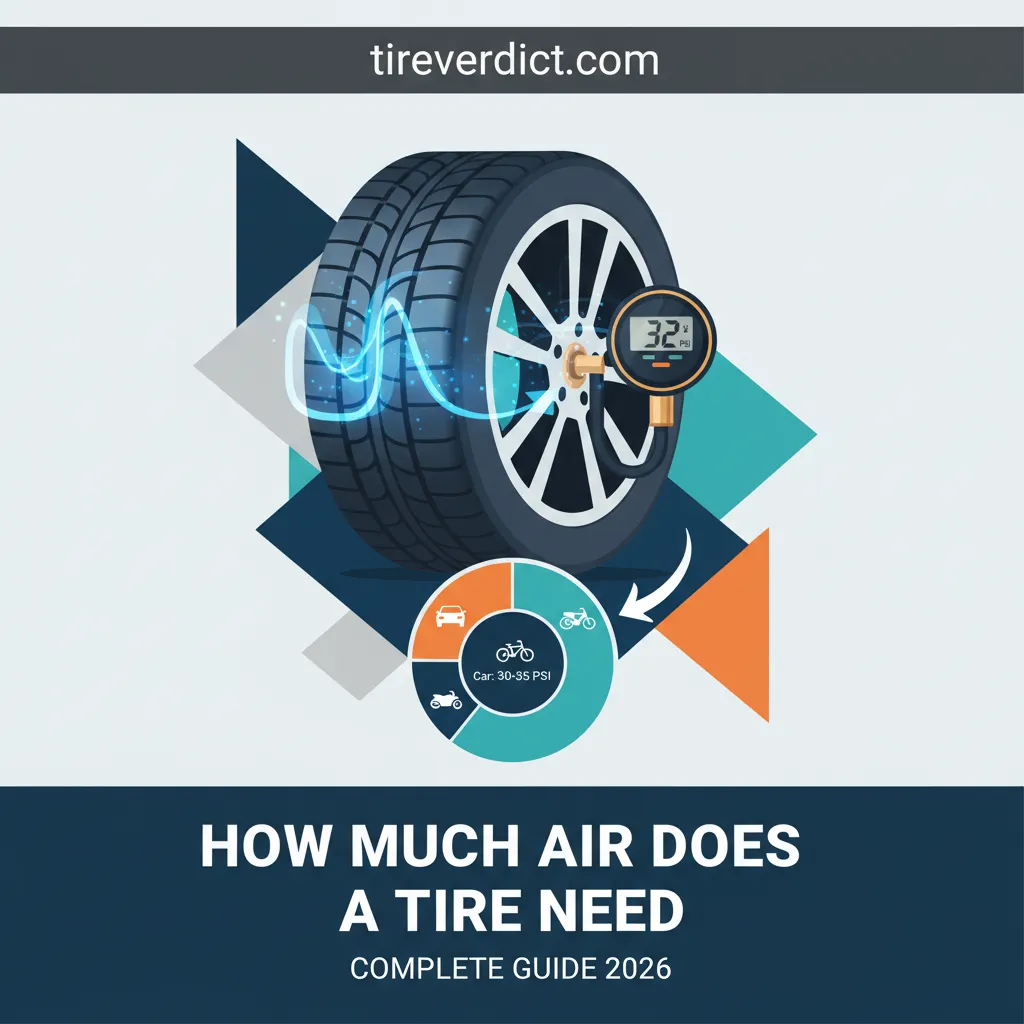
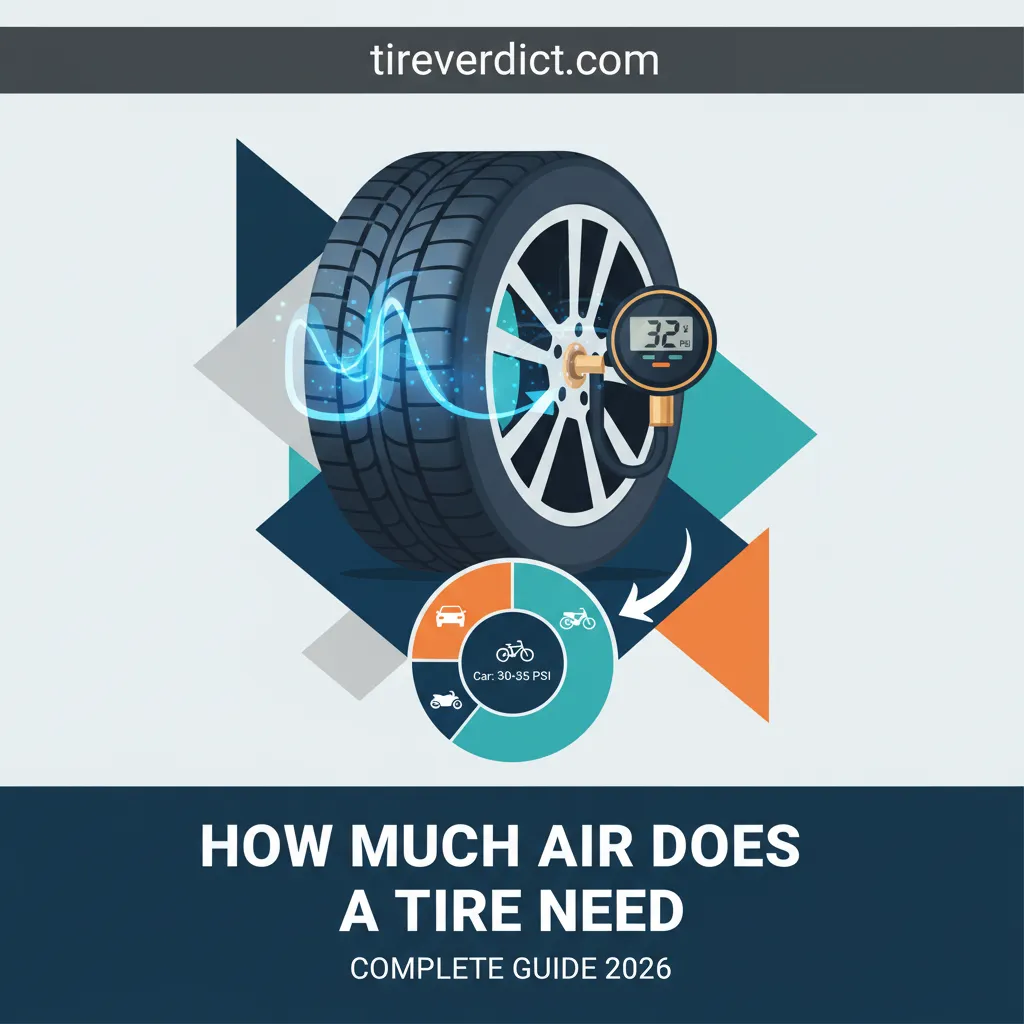
In the realm of vehicle maintenance, few factors are as critical yet as frequently misunderstood as tire pressure. The industry standard for measuring this essential metric is PSI (pounds per square inch), representing the force exerted by the air inside your tires. The manufacturer’s specified guideline for this force is known as cold inflation pressure, which refers to the pressure in your tires before they have been driven, or when the vehicle has been stationary for at least three hours or has not been driven more than a mile at a moderate speed.
The significance of adhering to this precise cold inflation pressure cannot be overstated. It forms the bedrock of vehicle safety, directly influencing handling, stability, and responsiveness. Consider a scenario: a vehicle with correctly inflated tires navigates a tight turn with predictable precision, maintaining consistent road contact. In contrast, a vehicle with underinflated tires in the same turn might feel sluggish, with excessive tire roll and a noticeable reduction in control – a precarious situation for any driver. This is why professional drivers emphasize pre-race tire checks, as even minor deviations can alter performance dynamics significantly.
Beyond immediate safety, correct inflation profoundly impacts your vehicle’s economic and environmental footprint. Research indicates that underinflated tires can reduce fuel economy by up to 3% for every 1 PSI drop in all four tires. This isn’t just an economic drain; it also translates to increased emissions. Furthermore, improper pressure significantly affects tire lifespan. Underinflation causes excessive friction and heat, leading to premature wear and potential tire failure, while overinflation can also lead to uneven wear patterns. A correctly inflated tire maintains its intended shape and contact patch, distributing load evenly and maximizing its service life. This simple, reliable maintenance practice is fundamental to trusted vehicle operation.
How to Accurately Determine and Maintain Your Vehicle’s Tire Pressure
Knowing how much air your tires need is only half the battle; the other half is knowing where to find that information and how to act on it. Your vehicle’s recommended tire pressure is not a generic value but a specific, engineered parameter provided by the manufacturer. It is almost never found on the tire sidewall itself, which displays the maximum allowable pressure, not the recommended operating pressure.
Locating Your Vehicle’s Tire Placard
The primary source for your vehicle’s exact cold inflation pressure is the tire placard. This small sticker or label contains vital information including tire size, load capacity, and the recommended PSI for both front and rear tires, and often for the spare. You’ll typically find this placard in one of a few key locations:
- Inside the driver’s side door jamb (most common location, as exemplified by a driver finding it on their sedan).
- In the glove compartment.
- Within your vehicle’s owner’s manual, under the “Tires” or “Specifications” section.
- Sometimes on the fuel filler door.
Pay close attention to any distinctions for front and rear tires, or if different pressures are recommended for light versus full loads. This specific information is a cornerstone of professional vehicle maintenance.
Always use a quality, reliable tire pressure gauge. While built-in TPMS systems are convenient, a dedicated gauge provides a precise measurement. Digital gauges often offer greater accuracy than traditional pencil-style analog gauges.
 highlighted.jpg)
📋
Step-by-Step Guide: Checking and Adjusting Tire Pressure
For an accurate reading, always check your tires when they are “cold”. This means your vehicle hasn’t been driven for at least three hours or has been driven less than a mile at moderate speed. Remember, tire pressure can fluctuate by approximately 1 PSI for every 10-degree Fahrenheit change in ambient temperature, so temperature variations play a key role in readings.
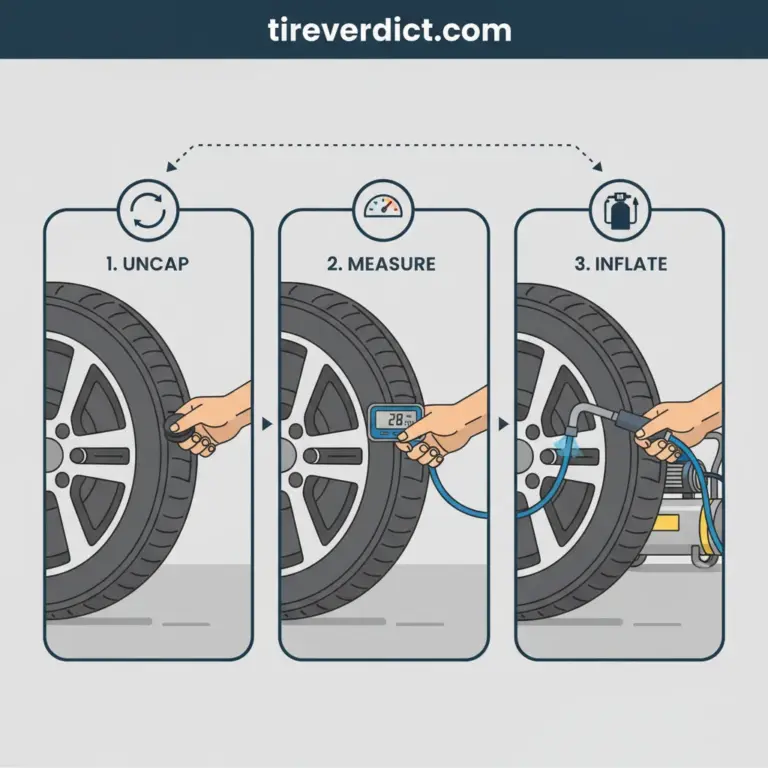
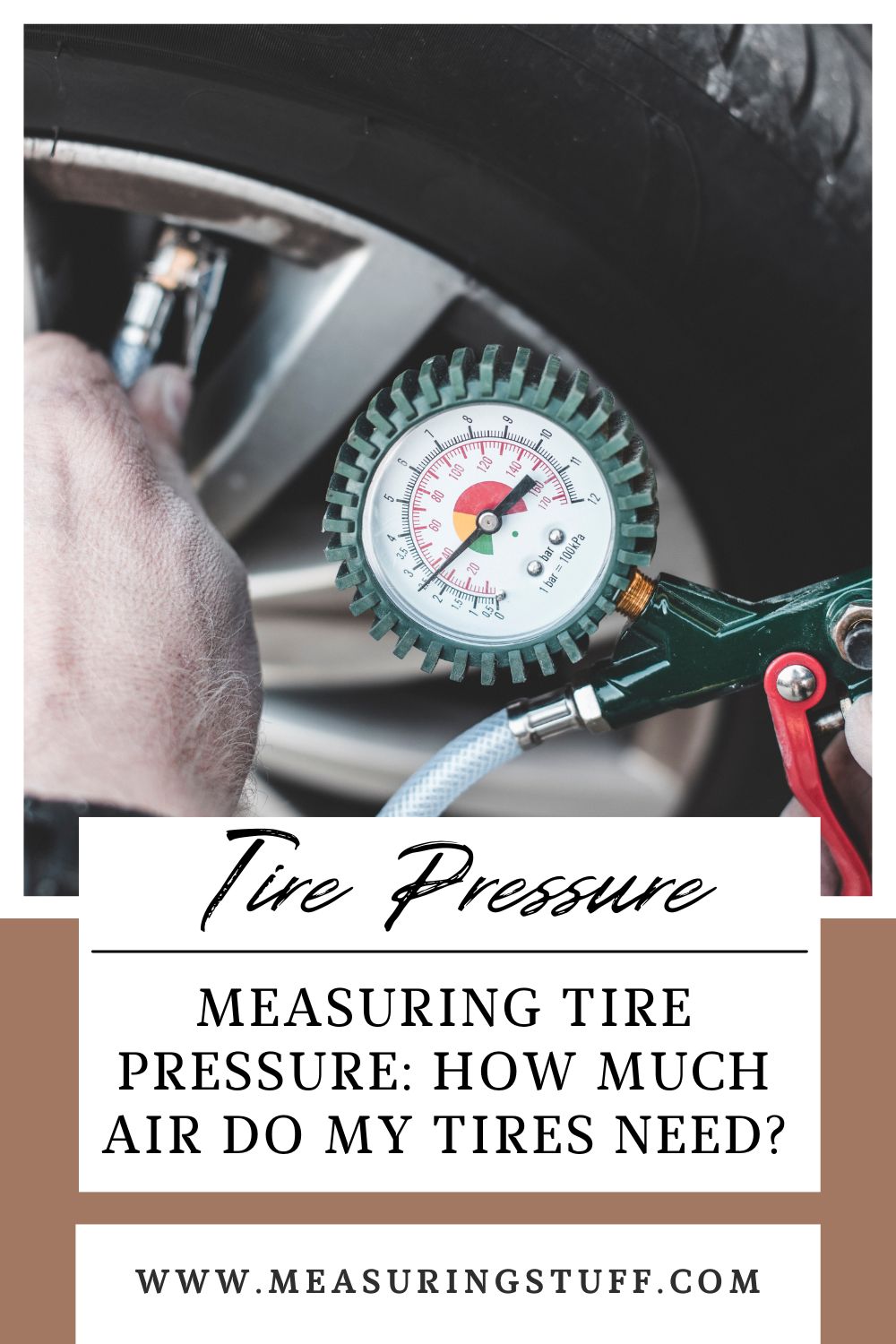
Unscrew the cap from the tire’s valve stem. Firmly press the tire pressure gauge onto the valve stem. You’ll hear a brief hiss of air; this is normal. The gauge will then display the current PSI. If using a service station air compressor, ensure the nozzle is pressed firmly and securely.
If the reading is below the recommended PSI, add air using a portable air compressor or an air hose at a service station. Add air in short bursts and re-check the pressure frequently until you reach the target. If the reading is above the recommended PSI, gently press the small pin in the center of the valve stem with the back of the gauge or a small tool to release air. Re-check frequently. Repeat for all four tires and the spare.
Once the desired pressure is achieved for each tire, securely replace the valve caps. These caps protect the valve stem from dirt, moisture, and potential leaks, ensuring reliable long-term integrity.
This simple yet crucial maintenance task should be performed regularly, ideally monthly and always before long trips. Consistent adherence to these steps is a hallmark of professional vehicle care and ensures a trusted, safer driving experience.

The Impact of Deviations: What Happens with Incorrect Tire Inflation
While the goal is optimal tire pressure, understanding the specific consequences of deviations – both underinflation and overinflation – is vital for any informed driver. These deviations aren’t just minor inconveniences; they pose significant risks to safety, performance, and the longevity of your tires.
The Dangers of Underinflation
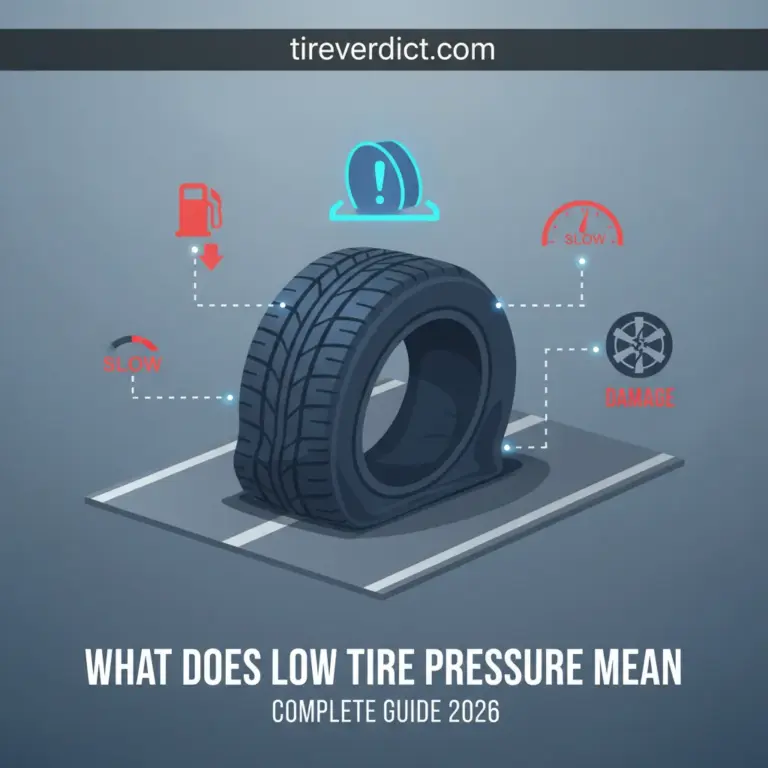
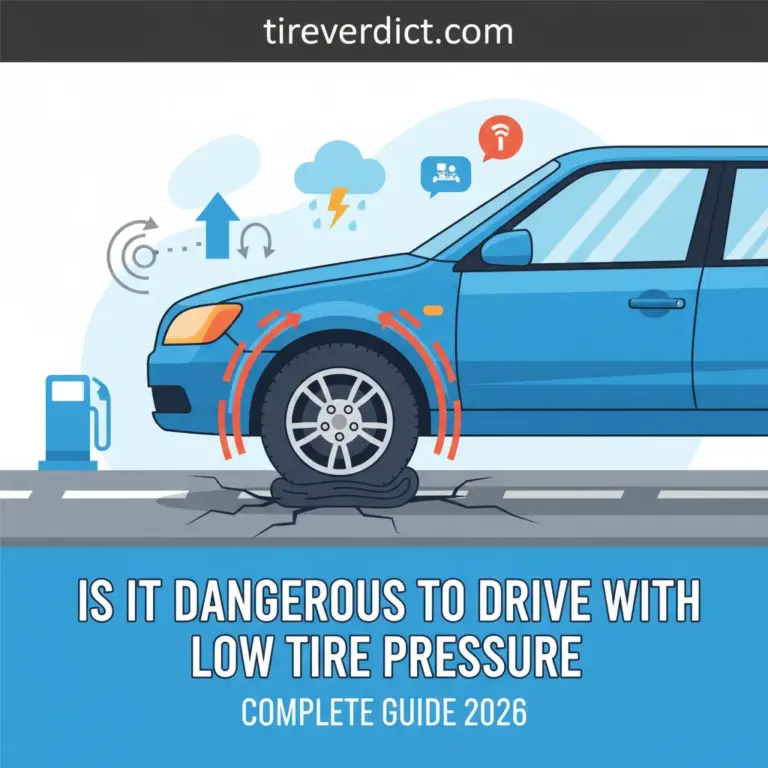
When a tire is underinflated, its sidewalls flex excessively, leading to increased rolling resistance. This means your engine has to work harder to move the vehicle, directly translating to poorer fuel economy. More critically, this excessive flexing generates substantial heat buildup within the tire’s structure. This heat can degrade tire components, weaken the internal construction, and ultimately lead to catastrophic tire failure, such as a tread separation or blowout, especially at highway speeds. Visually, underinflation often results in premature shoulder wear, where the outer edges of the tread wear down faster than the center. This compromises the tire’s grip, particularly during cornering and braking. Furthermore, significantly underinflated tires (e.g., 25% below recommended PSI) can dramatically increase the risk of hydroplaning and reduce braking efficiency by up to 10-15%, a critical aspect of professional vehicle operation and safety.
The Problems with Overinflation
Conversely, overinflation, while often perceived as less dangerous, also brings its own set of serious issues. An overinflated tire bulges in the center, causing a reduced tire contact patch with the road. This smaller contact area means less grip, which negatively impacts braking, acceleration, and cornering ability. The vehicle’s ride quality also suffers, becoming noticeably harsher as the tire loses its ability to absorb road imperfections effectively. An overinflated tire is more rigid and therefore more susceptible to damage from road hazards like potholes or debris, increasing the risk of punctures or impact breaks. From a wear perspective, overinflation typically leads to accelerated center tread wear, shortening the tire’s useful life.
External Factors and Their Influence
Beyond static under- or overinflation, various external factors can transiently influence tire pressure. Ambient temperature is a major contributor; as temperatures drop, so does tire pressure, and vice-versa. A scenario of extreme summer heat, for example, can cause tire pressure to rise several PSI above cold inflation pressure, necessitating checks and potential adjustments. Similarly, vehicle load plays a crucial role. A heavily loaded SUV traveling for a family vacation will require different, often higher, tire pressures than when commuting with only a driver. Consult your tire placard or owner’s manual for specific load-dependent PSI recommendations. Prolonged high-speed driving also generates significant heat, causing pressure to increase. Understanding these dynamics is essential for maintaining optimal pressure and ensuring reliable performance, especially for those who demand expert care from their vehicles.
Never adjust tire pressure based solely on a hot reading. Always allow tires to cool to their “cold” state before making adjustments to ensure you are meeting the manufacturer’s specified cold inflation pressure. Adjusting hot tires risks underinflation once they cool down.
Ensuring Consistent Tire Integrity: Troubleshooting and Advanced Considerations
Even with diligent checks, persistent tire pressure issues can arise. Understanding how to troubleshoot these problems and knowing when to seek professional assistance is crucial for maintaining optimal tire health and overall vehicle safety. This section addresses common issues and provides specialized considerations for diverse driving scenarios.
Troubleshooting Persistent Pressure Loss
If you consistently notice a gradual PSI drop in one or more tires, it signals an underlying issue that requires attention. Common culprits include:
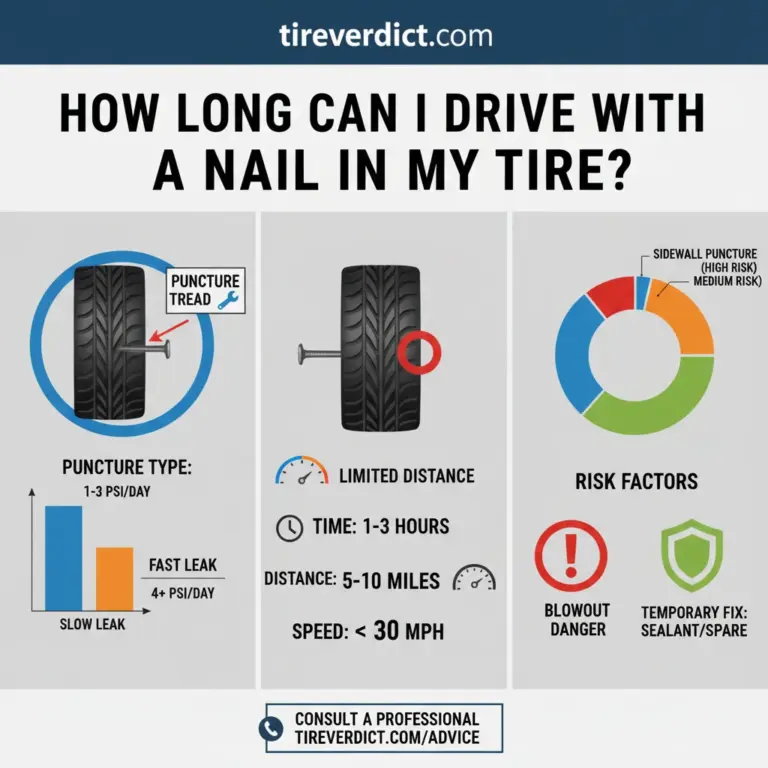
- Slow Punctures: A small nail or screw embedded in the tread can cause a slow, barely perceptible leak. A driver noticing a gradual PSI drop will need a thorough leak check.
- Faulty Valve Stems: The rubber valve stem can degrade over time, leading to cracks and air leaks.
- Wheel Leaks: Corrosion on the wheel rim where the tire bead seats can create pathways for air to escape. Damaged rims from impacts can also cause leaks.
- TPMS (Tire Pressure Monitoring System) Issues: While designed to enhance safety, TPMS sensors themselves can malfunction or their batteries can die, leading to false readings or failure to alert.
A functioning TPMS is a valuable tool, alerting drivers to significant pressure drops. TPMS became mandatory in the U.S. for all new passenger vehicles starting in 2007, significantly enhancing tire safety monitoring. When the TPMS light illuminates, it’s a prompt to check all tire pressures manually and investigate the cause if the pressure is indeed low.
Specialized Tire and Driving Conditions
The “how much air does a tire need” question isn’t always a one-size-fits-all answer, especially for specific applications:
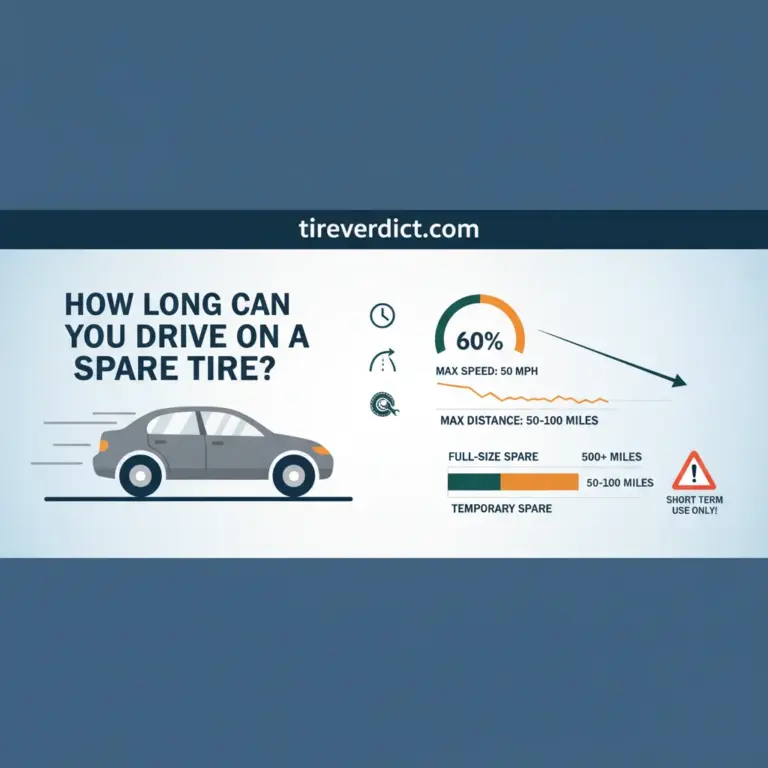
- Spare Tires: Temporary (donut) spare tires often require a much higher PSI (e.g., 60 PSI) than regular tires. Always check the sidewall of the temporary spare for its specific inflation pressure. Full-size spares should ideally match the vehicle’s regular tire pressure.
- Towing or Hauling Heavy Loads: As discussed, increased weight necessitates higher tire pressure to support the load and prevent excessive heat buildup. Refer to your vehicle’s owner’s manual or tire placard for specific recommendations when towing a utility trailer or carrying maximum payload.
- Performance or Off-Road Applications: Enthusiasts often adjust pressures for specific conditions. Lowering pressure for off-road driving increases the contact patch and improves traction over uneven terrain, but requires re-inflating for road use. Performance driving on a track might also involve specific hot-pressure targets.
When to Consult a Professional Tire Technician
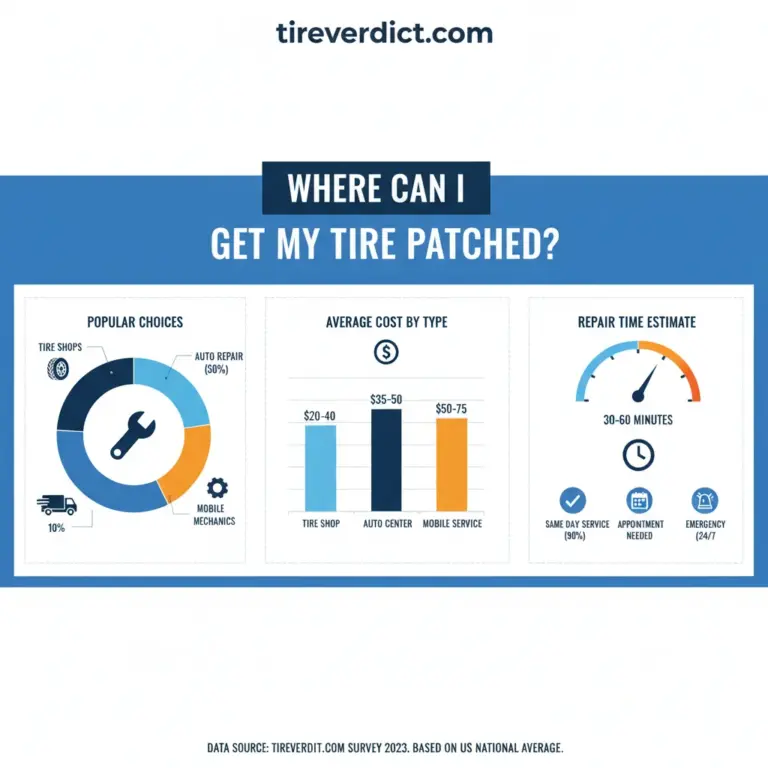
While regular checks and minor adjustments are DIY tasks, some issues warrant expert intervention. If you cannot identify the source of a persistent leak, if your TPMS light remains on despite correct pressure, or if you suspect internal tire damage, it’s time to visit a professional tire technician. Their specialized tools and knowledge allow for accurate diagnosis and reliable repair, ensuring the tire’s structural integrity. This professional guidance is invaluable for complex issues or sustained pressure loss, providing trusted advice that protects your investment and your safety. Additionally, remember the role of tire rotation and wheel alignment. These services ensure even tire wear across all four wheels, which is closely linked to consistent pressure maintenance and extends the life of your tires significantly.
By The Numbers
Pressure Fluctuation
Fuel Economy Loss per 1 PSI Drop
Braking Efficiency Loss (underinflated)
Mandatory TPMS in U.S.
Optimal tire pressure, found on your vehicle’s placard, is crucial for safety, performance, and tire longevity. Regularly check and adjust your tires’ cold inflation pressure using a reliable gauge to prevent common issues. Both underinflation and overinflation lead to serious safety risks, reduced fuel economy, and accelerated tire wear. Address persistent pressure issues promptly, consulting professionals for complex diagnoses or repairs to ensure trusted vehicle integrity. Prioritize your vehicle’s tire pressure today by locating your specific PSI recommendations and performing a cold inflation check, securing your safety and optimizing performance for the road ahead.
Frequently Asked Questions
How often should I check my tire pressure?
For optimal safety and performance, it is professionally recommended to check your tire pressure at least once a month, and always before embarking on a long journey. Additionally, check your tires after any significant temperature fluctuations, as changes in ambient temperature directly impact internal tire pressure. Consistent, reliable monitoring ensures peak vehicle efficiency.
Does tire pressure change with temperature?
Yes, tire pressure is highly sensitive to temperature changes. For every 10-degree Fahrenheit change in ambient temperature, tire pressure typically fluctuates by approximately 1 PSI. This means tires lose pressure in colder weather and gain pressure in hotter conditions. Always check pressure when tires are ‘cold’ for accurate readings.
Can I use the PSI written on the tire sidewall?
No, the PSI stamped on the tire sidewall represents the *maximum* permissible pressure for that tire, not the recommended operating pressure for your specific vehicle. Always refer to your vehicle’s tire placard, usually located on the driver’s side door jamb, or the owner’s manual for the correct ‘cold inflation pressure’ specific to your car’s requirements. This ensures expert-level safety and performance.
What happens if my tires are overinflated?
Overinflated tires can lead to several professional concerns. They result in a reduced contact patch with the road, leading to diminished traction, especially in wet conditions, and increased braking distances. This also creates a harsher ride, accelerated wear in the center of the tire tread, and makes the tire more susceptible to damage from road hazards like potholes, compromising overall quality and longevity.
Why is my TPMS light on even after adding air?
If your TPMS light remains on after inflating your tires, several factors could be at play. It might take a few miles of driving for the system to reset, or one of your tires may have a slow leak that requires professional attention. Alternatively, there could be a fault with a TPMS sensor itself, which would necessitate expert diagnosis and repair at a trusted service center to maintain reliable monitoring.