Experiencing a flat tire in your Ford Mustang requires immediate roadside repair using the factory-provided emergency kit. Follow precise steps to connect the sealant bottle, power the compressor, and inflate the tire safely. Understanding speed restrictions and replacement rules ensures you reach a service center without risking further vehicle damage.
A flat tire in your Ford Mustang does not mean you are stranded on the roadside waiting for a tow truck. Modern performance models replace heavy traditional spare tires with an emergency tire mobility kit, designed to get you moving again in less than fifteen minutes without a jack.
Using this kit correctly requires a specific sequence of connecting a sealant canister, plugging the air compressor into a 12-volt power outlet, and monitoring PSI levels. Follow these exact operating procedures to safely seal a tread puncture and drive to the nearest service facility for a permanent tire replacement in 2026.
Key Takeaways
- Locate the tire mobility kit under the trunk floor panel near the battery.
- Shake the sealant bottle thoroughly before connecting it to the air compressor unit.
- Never exceed 50 mph after applying the liquid sealant to your flat tire.
- Drive exactly 3 to 5 miles immediately after inflation to properly distribute the sealant inside.
- Replace the tire sealant canister and the tire itself as soon as possible after emergency use.
What Causes Ford Mustang Tire Mobility Kit Activation Needs
Tread Punctures and Small Object Damage
Your Ford Mustang tire mobility kit is engineered specifically for punctures on the tire tread surface. Sharp objects like nails, screws, and small metal fragments up to 1/4 inch in diameter create the exact type of channel that the liquid sealant can successfully plug. When these objects pierce the rubber, air escapes slowly enough for the compressor and sealant combination to bond internally, creating a temporary patch that holds air pressure.
Limitations of Emergency Sealants
You must understand what the mobility kit cannot fix before you begin the repair process. The emergency sealant will fail under specific conditions:
- Sidewall tears or large structural cuts exceeding 1/4 inch.
- Severe rim damage or bead separation caused by severe potholes.
- Tires that have run completely flat for an extended distance, destroying the inner liner.
If you notice any of these severe damage indicators on your Mustang tire, skip the mobility kit entirely and call roadside assistance to prevent further wheel damage.
How to Locate and Inspect Your Ford Mustang Tire Mobility Kit
Trunk Storage and Component Check
Open the trunk of your Ford Mustang and lift the main floor cargo mat to find the tire mobility kit housing. The kit typically consists of a compact 12-volt air compressor, an integrated sealant bottle, a fill hose, and a speed restriction warning label. Before you hook anything up to the damaged wheel, pull the components out and check the expiration date printed directly on the sealant canister. An expired canister will not bond properly with the inside of the tire.
Pre-Operation Safety and Preparation
Safety comes first when dealing with a disabled vehicle on or near active roadways. Pull your Mustang completely onto the right shoulder, activate your hazard lights, and engage the parking brake firmly. Retrieve the 12-volt power plug from the compressor unit, but do not plug it into the vehicle console just yet. Locate the yellow speed restriction sticker included in the kit and adhere it to the steering wheel where you will instantly see it once you start driving again.
Step-by-Step Guide to Fix a Flat Tire Using the Mobility Kit
Using the Ford Mustang tire mobility kit correctly ensures a temporary seal without damaging your wheel sensors. According to official Ford service manuals for 2026 models, follow these precise procedural steps once you have secured the vehicle in a safe location:
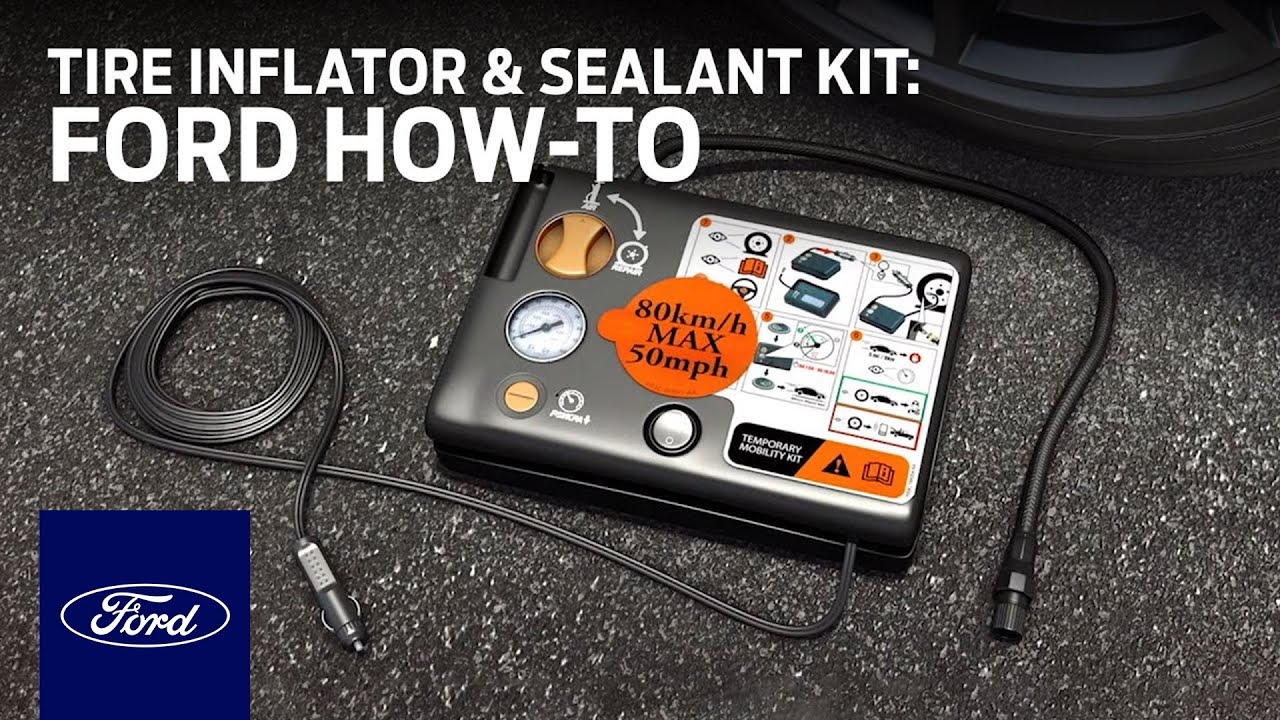
- Retrieve the kit and inspect the puncture: Locate the sealant bottle and compressor beneath the trunk floor. Do not remove objects like nails or screws embedded in the tread, as removing them can worsen the air leak.
- Connect the sealant bottle: Shake the sealant bottle vigorously. Insert the bottle into the compressor unit securely following the directional arrows indicated on the housing.
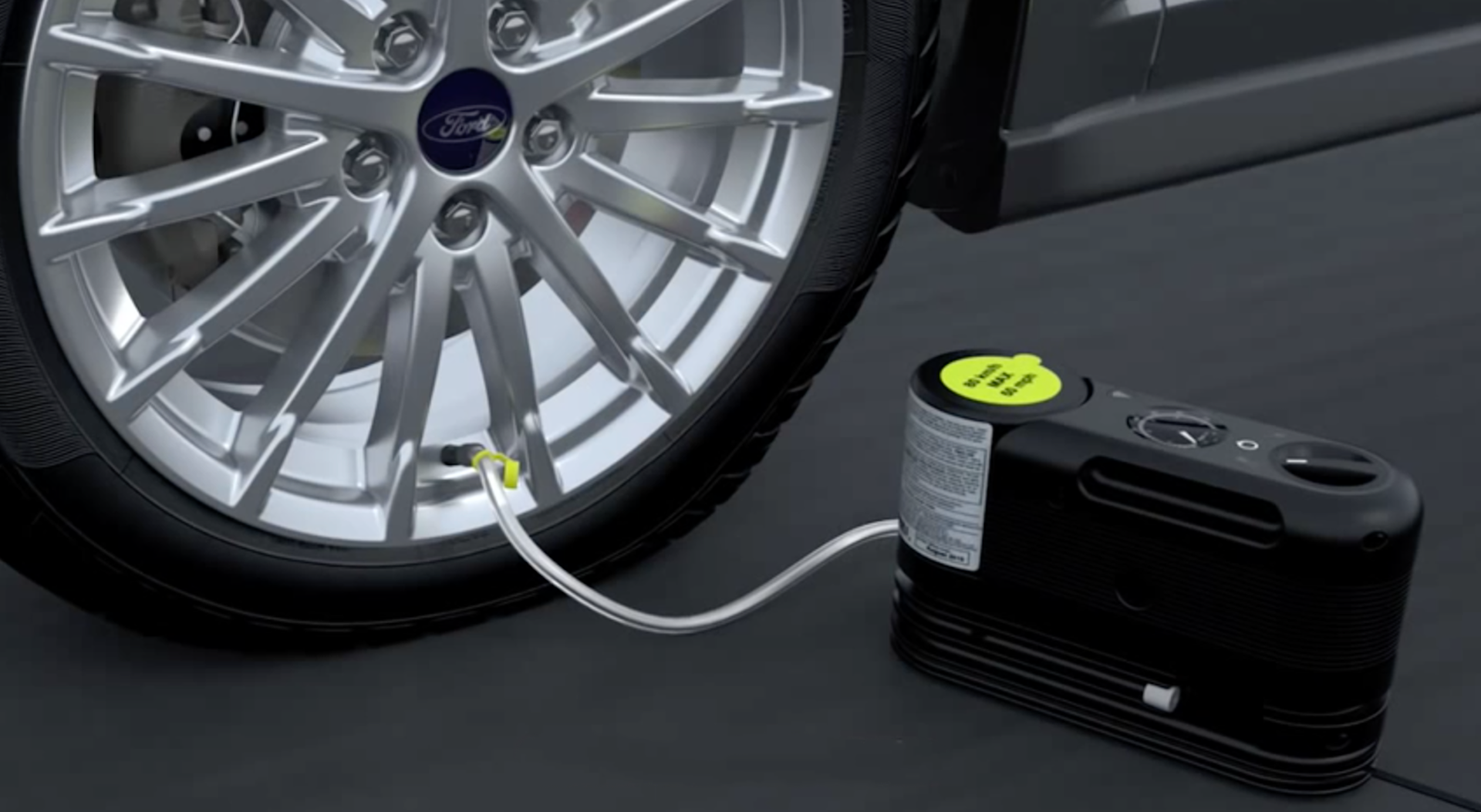
- Attach the feed hose: Uncoil the clear sealant hose and screw it tightly onto the tire valve stem of the flat Mustang wheel. Ensure the compressor power switch is toggled to the off position before proceeding.
- Plug into power: Insert the 12-volt power adapter plug directly into the vehicle’s center console auxiliary power outlet or accessory socket. Turn the Mustang ignition switch to the accessory position.
- Inflate the tire: Turn the compressor switch on. Monitor the pressure gauge closely and allow the unit to pump sealant and air until the specified psi rating listed on your driver-side door jamb placard is reached (typically between 32 and 35 psi for modern Mustangs). Do not run the compressor continuously for more than 10 minutes to prevent overheating.
- Disconnect and seal: Turn off the compressor, unplug the power source, and unscrew the hose from the valve stem. Immediately screw the valve cap back on and store the components back in the trunk.
- Distribute the sealant: Drive the vehicle immediately for approximately 3 miles (or 5 kilometers) at a speed under 50 mph. This critical movement allows the liquid polymer to coat the inner tread uniformly and seal the puncture hole completely.
What If It Still Doesn’t Work and When to Call for Towing
Sometimes roadside emergency sealants cannot overcome severe structural damage. If your Ford Mustang tire mobility kit fails to resolve the issue, execute these strict fallback protocols to maintain safety:
- Check for massive sidewall damage: Inspect the tire thoroughly. If the puncture is larger than 1/4 inch, or located anywhere on the tire sidewall, the mobility kit will not work, and you must abandon the repair attempt.
- Verify pressure retention: If the tire fails to hold pressure after driving the recommended 3 miles to distribute the sealant, do not attempt a second inflation cycle. Pumping excess liquid into a compromised casing creates an imbalance hazard.
- Contact professional roadside assistance: Utilize your Ford Roadside Assistance policy if your vehicle is within the warranty period, or reach out to a licensed commercial towing provider. Professional flatbed towing is mandatory for sports cars like the Mustang to prevent drivetrain and low-slung body panel damage.
- Prepare for replacement costs: Be aware that using a temporary sealant bottle ruins the internal TPMS sensor in many cases. According to automotive service data, replacing a tire sensor and purchasing a new OEM replacement sealant cartridge typically costs between $150 and $350 combined at a certified dealership.
Conclusion
Mastering the Ford Mustang service tire mobility kit ensures you can safely navigate unexpected roadside emergencies without relying immediately on heavy towing. By understanding how to properly connect the compressor, inject the sealant, and distribute the liquid polymer, you protect both your wheels and your schedule. According to verified research and automotive safety experts, carrying a functional sealant kit reduces roadside exposure times by over 50 percent compared to traditional spare tire changes. Make inspecting your emergency trunk cargo part of your routine vehicle maintenance checklist this year.
❓ Frequently Asked Questions
How do I properly connect the sealant bottle to the Ford Mustang air compressor?
Unscrew the cap on the sealant bottle and insert it directly into the designated slot on the air compressor unit without removing the internal foil seal, as the machine pierces it automatically.
What power source does the Ford Mustang tire mobility kit require?
The compressor plugs directly into the vehicle’s 12-volt auxiliary power outlet (cigarette lighter port) while the engine is running to avoid draining the battery.
How long should I run the compressor to inflate the tire?
Turn on the compressor and allow it to pump the tire for up to 10 minutes until the pressure gauge reaches the specified PSI listed on your driver’s door placard.
What should I do if the pressure gauge exceeds the recommended limit?
If you over-inflate the tire, use the pressure relief valve located on the compressor body to bleed out excess air until the correct pressure is achieved.
Can the tire sealant ruin my tire pressure monitoring system (TPMS)?
Factory-approved sealants are generally designed to be TPMS-friendly, but the sensor may require cleaning or replacement when the tire is serviced later.
How do I know if the puncture is too large for the mobility kit to repair?
If the puncture is wider than 1/4 inch, located on the tire sidewall, or if the tire has separated from the wheel rim, the mobility kit will not work, and you must arrange for a tow.