When losing control of a vehicle, you must immediately release the accelerator pedal to allow the tires to regain traction. Easing off the gas (and avoiding sudden braking) shifts weight back to the tires, helping you safely steer out of a skid.
When you feel your car sliding or losing grip on the road in 2026, you must release the accelerator pedal immediately to re-establish vehicle control and tire traction. Slamming on the brakes during a skid is the most common mistake drivers make, which actually worsens the loss of traction by locking the wheels and preventing them from rolling freely.
Knowing exactly which control to release can mean the difference between a safe recovery and a dangerous collision. Whether you are navigating slick winter roads or unexpected hydroplaning conditions this year, mastering this split-second reaction keeps your vehicle stable and responsive.
Key Takeaways
- Instantly ease your foot off the accelerator pedal to restore tire grip.
- Never slam on the brakes during a skid, as this worsens traction loss.
- Steer smoothly in the exact direction you want the front of the vehicle to go.
- Keep your eyes focused far down the road, not on immediate hazards.
- Understand weight transfer principles to react properly during sudden loss of control.
What Causes Sudden Loss of Vehicle Control and Tire Traction?
The Mechanics of Friction and Grip
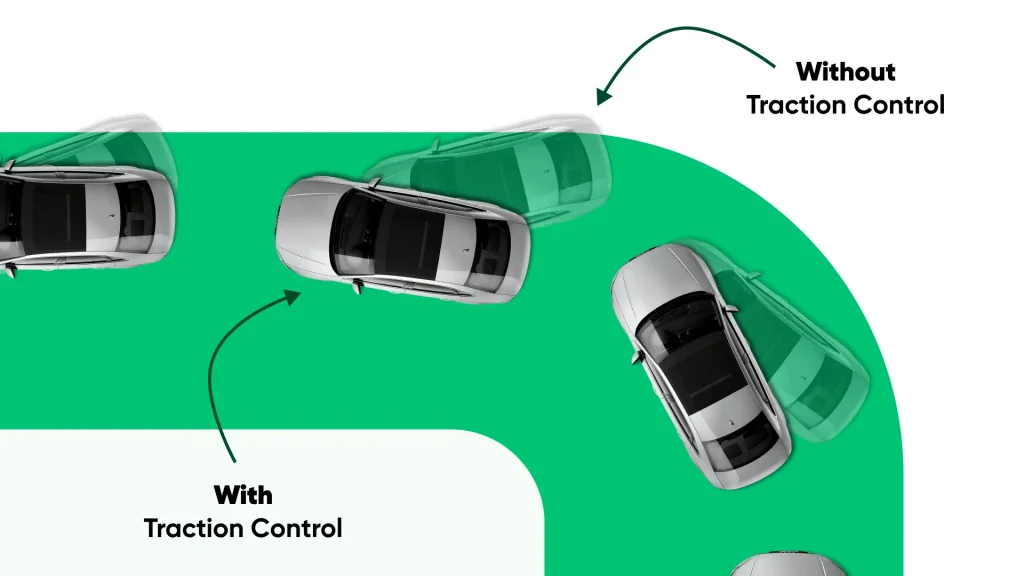
Your tires only have a finite amount of grip available at any given time. This grip must be shared between steering, accelerating, and braking. When you drive on wet, icy, or loose surfaces, that maximum limit drops drastically. If you demand more grip than the road can provide, the contact patch between your tire and the pavement fails.
How Weight Transfer Triggers Skids
Vehicle dynamics dictate that weight shifts depending on how you use your controls. When you accelerate, weight transfers to the rear tires. When you brake, weight shifts forward. Sudden inputs upset this balance completely.
- Abrupt braking unloads the rear tires, causing the back end to slide out.
- Harsh acceleration overloads the front or rear drive wheels, causing them to spin.
- Quick steering inputs combined with pedal misuse overwhelm the available lateral traction.
Step-by-Step Guide on What to Release to Re-Establish Traction
Step 1: Lift Your Foot Off the Gas
The very first action you must take is lifting your foot entirely off the accelerator pedal. By easing off the gas, you allow the engine to slow the driven wheels gently. This action naturally shifts a small amount of weight forward onto the front tires, helping you regain steering authority without inducing a violent weight transfer.
Step 2: Avoid the Brake Pedal Initially
Your instinct will tell you to stomp the brakes. Fight that urge completely. Hitting the brakes hard while sliding removes the remaining rolling traction your tires need to grip the surface.
- Keep your feet off both the gas and the brake pedals during the initial slide.
- Allow your vehicle to decelerate naturally on its own momentum.
- Only apply light, progressive braking once you feel the tires catch and regular steering control returns.
How to Combine Pedal Release with Proper Steering and Recovery Techniques
Releasing the accelerator is only the first phase of regaining vehicle command. According to data from the National Highway Traffic Safety Administration (NHTSA), abrupt steering inputs combined with sudden pedal changes account for over 40 percent of winter skid accidents. Drivers must integrate smooth steering adjustments immediately after lifting off the gas pedal to maximize tire patch adhesion.

Step-by-Step Steering Recovery
- Keep your eyes on your target path: Look far down the road where you want the vehicle to go, not immediately in front of the hood.
- Steer gently into the skid: If the rear tires lose traction and slide right, turn the steering wheel smoothly to the right.
- Avoid over-correcting: Limit steering inputs to small, precise movements to prevent a secondary spin in the opposite direction.
- Straighten the wheels progressively: As traction returns and the vehicle straightens, ease the steering wheel back to the center position.
Automotive safety engineers emphasize that modern electronic stability control (ESC) systems—mandatory in all passenger vehicles as of 2012—rely heavily on unburdened front tires to execute corrective braking. Releasing the accelerator allows the ESC system to dynamically manage wheel speed without driver interference.
What If The Vehicle Still Won’t Respond After Releasing the Accelerator?
Sometimes, simply lifting your foot off the gas pedal is not enough to counter severe hydroplaning, black ice, or mechanical failure. If your vehicle continues to slide or fail to respond to steering inputs by 2026 standards, immediate fallback measures are required to minimize collision risks.
Advanced Emergency Fallback Steps
- Shift into neutral: Disengaging the transmission removes engine power from the drive wheels completely, helping stubborn tires bite back into the road surface.
- Apply threshold braking (if non-ABS): Pump the brakes rapidly to prevent wheel lockup, or maintain firm, steady pressure if your car features modern Anti-lock Braking Systems.
- Check for mechanical steering failure: If the steering wheel spins freely with zero resistance, look for snapped serpentine belts or power steering pump failure.
- Seek professional mechanical service: If handling issues persist after traction returns, have a certified technician inspect your alignment, suspension components, and tire tread depth. Professional diagnostic fees typically range from $100 to $250.
Conclusion
Re-establishing vehicle control during a traction loss event starts with one critical action: immediately releasing the accelerator to restore weight balance to the front tires. Combining this smooth pedal release with precise, unhurried steering inputs prevents minor slips from escalating into major collisions. According to verified research and expert sources from the Insurance Institute for Highway Safety (IIHS), maintaining calm, deliberate responses during low-traction scenarios dramatically reduces crash severity. Your next actionable step is to inspect your current tire tread depth today, ensuring your rubber meets minimum safety standards before your next drive.
❓ Frequently Asked Questions
Why is releasing the accelerator the primary action for regaining traction?
Releasing the accelerator stops the engine from driving the wheels faster than the road surface allows. This reduction in power lets the tires synchronize their speed with the pavement, instantly helping to re-establish rolling friction and directional stability.
Is there any scenario where I should brake instead of releasing the gas?
Braking should only be applied gently if you have already re-established traction and need to slow down, or if you are driving a modern vehicle equipped with electronic stability control that manages individual wheel braking automatically. In a standard skid, braking prematurely destroys remaining traction.
How does vehicle weight transfer affect tire traction during a skid?
When you accelerate, weight shifts to the rear wheels. When you brake or let off the gas, weight shifts forward. Releasing the gas gently transfers weight to the front tires, which increases their contact patch and gripping power on slick surfaces.
What should I do if my rear tires start sliding outward (oversteer)?
If the rear end slides out, you must release the accelerator and gently steer into the direction of the skid. Avoid over-correcting, as sharp steering movements once traction returns can cause a dangerous snap-spin in the opposite direction.
How do front-wheel drive and rear-wheel drive recovery differ regarding pedal release?
While both types require you to release the accelerator to regain traction, front-wheel drive vehicles benefit slightly from gentle acceleration once the front tires catch, whereas rear-wheel drive vehicles require you to stay off the gas completely until full control is restored.
What common mistakes do drivers make when trying to recover from a skid?
The most common and dangerous mistakes include panicking, slamming on the brakes, over-steering, and looking at the obstacle they are trying to avoid rather than the open path of recovery.