
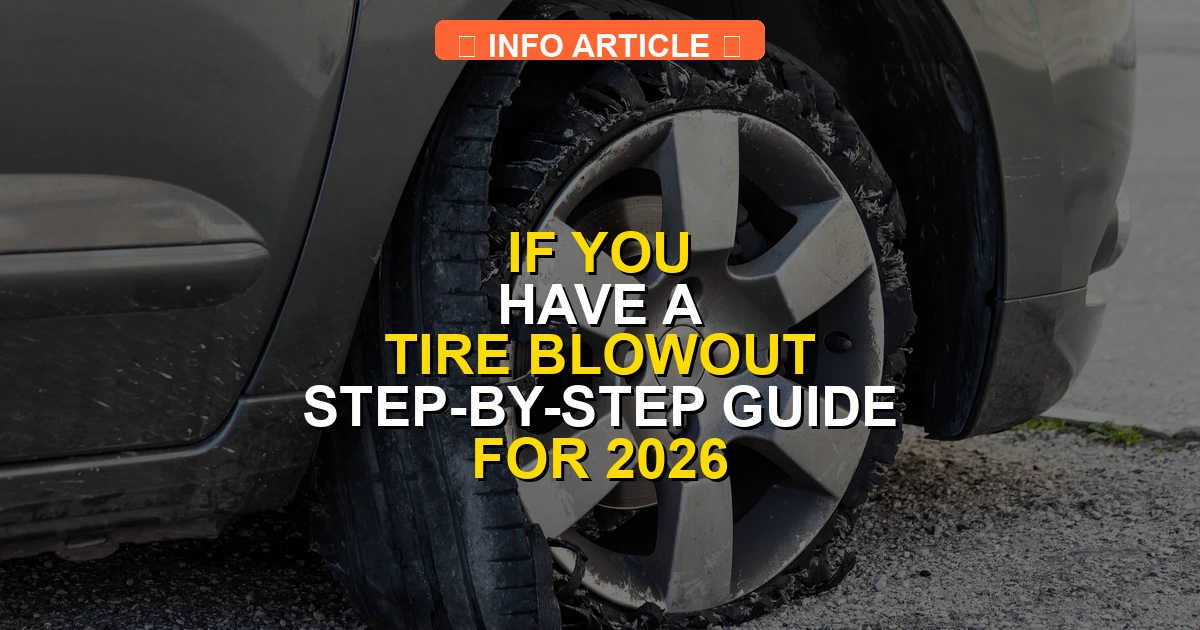
If you have a tire blowout, never slam on the brakes because it can cause a dangerous loss of vehicle control. Instead, firmly grip the steering wheel, ease your foot off the gas pedal, and gently coast until you can safely steer onto the roadside.
When a tire blows out at highway speeds in 2026, your vehicle will violently pull to one side, accompanied by a loud thumping sound and sudden vibration. You must immediately fight your natural survival instincts by refusing to slam on the brakes or jerk the steering wheel, as these reflexive actions frequently cause catastrophic rollovers or loss of vehicle control.
Knowing exactly how to handle this high-stress emergency keeps you and your passengers safe while navigating modern, congested roadways. This step-by-step breakdown walks you through the exact physical reactions and steering techniques required to bring your car safely to a stop.
Key Takeaways
- Keep both hands firmly on the steering wheel to maintain vehicle control.
- Ease your foot off the accelerator to let the car naturally slow down.
- Avoid slamming on the brakes, as this causes sudden weight shifts.
- Activate your hazard lights once you stabilize the vehicle’s speed.
- Pull over to a safe shoulder or exit away from fast-moving traffic.
What Causes a Tire Blowout and How to Recognize It
Common Triggers on the Road
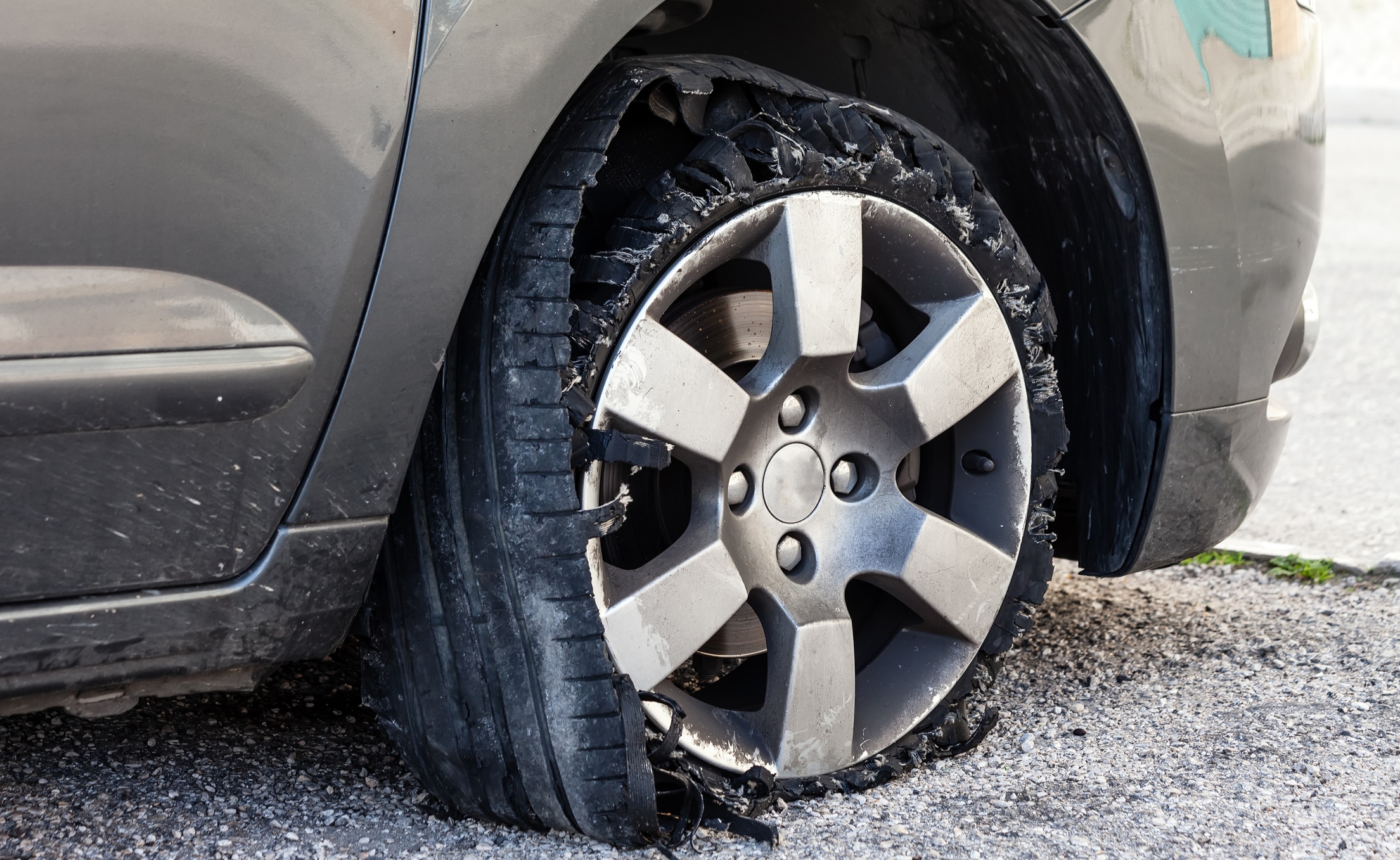
Modern highway driving places immense heat and friction demands on your tires. Potholes left behind after harsh winter weather, sharp roadside debris, and low tire pressure remain the leading culprits behind sudden structural failures. When a tire’s inner liner is compromised or overloaded, the compressed air escapes violently, tearing the rubber tread apart in milliseconds.
Auditory and Physical Warning Signs
A blowout announces itself loudly. You will experience a distinct set of physical indicators:
- A sudden, explosive bang or a rapid succession of heavy thumping noises.
- Immediate, heavy resistance pulling your steering wheel firmly toward the side of the failed tire.
- A spongy, unresponsive feeling in your gas pedal and steering column.
- Rapid deceleration as the flat tire creates massive friction and drag against the asphalt.
Step-by-Step Guide to Controlling Your Car During a Blowout
Phase One: Maintain Control and Ease Off the Gas
Your absolute priority during the first three seconds of a blowout is keeping your vehicle traveling in a straight line. Grip the steering wheel firmly with both hands at the nine-and-three o’clock positions to counter the sudden pull.
Do not touch the brake pedal. Slamming on the brakes shifts the vehicle’s weight forward, destabilizes the rear end, and often causes an uncontrollable spin. Instead, gently lift your foot off the accelerator and let the natural drag of the blown tire slow your momentum.
Phase Two: Maneuver to Safety and Signal
Once your vehicle drops below 45 miles per hour and feels stable under your steering input, begin your transition to the shoulder:
- Turn on your hazard warning flashers immediately to alert surrounding 2026 traffic of your reduced speed.
- Check your mirrors and blind spots carefully for merging vehicles.
- Steer smoothly and gradually toward the right-hand shoulder or the nearest safe exit ramp.
- Apply light, steady pressure to the brake pedal only after your car is traveling at low speeds and tracking straight.
How to Safely Pull Over and Signal Other Drivers
Once your vehicle slows down to a manageable speed of roughly 20 to 30 mph, you can initiate your lane change. According to traffic safety authorities, moving completely out of the active flow of traffic is critical to prevent secondary collisions.
Executing the Maneuver
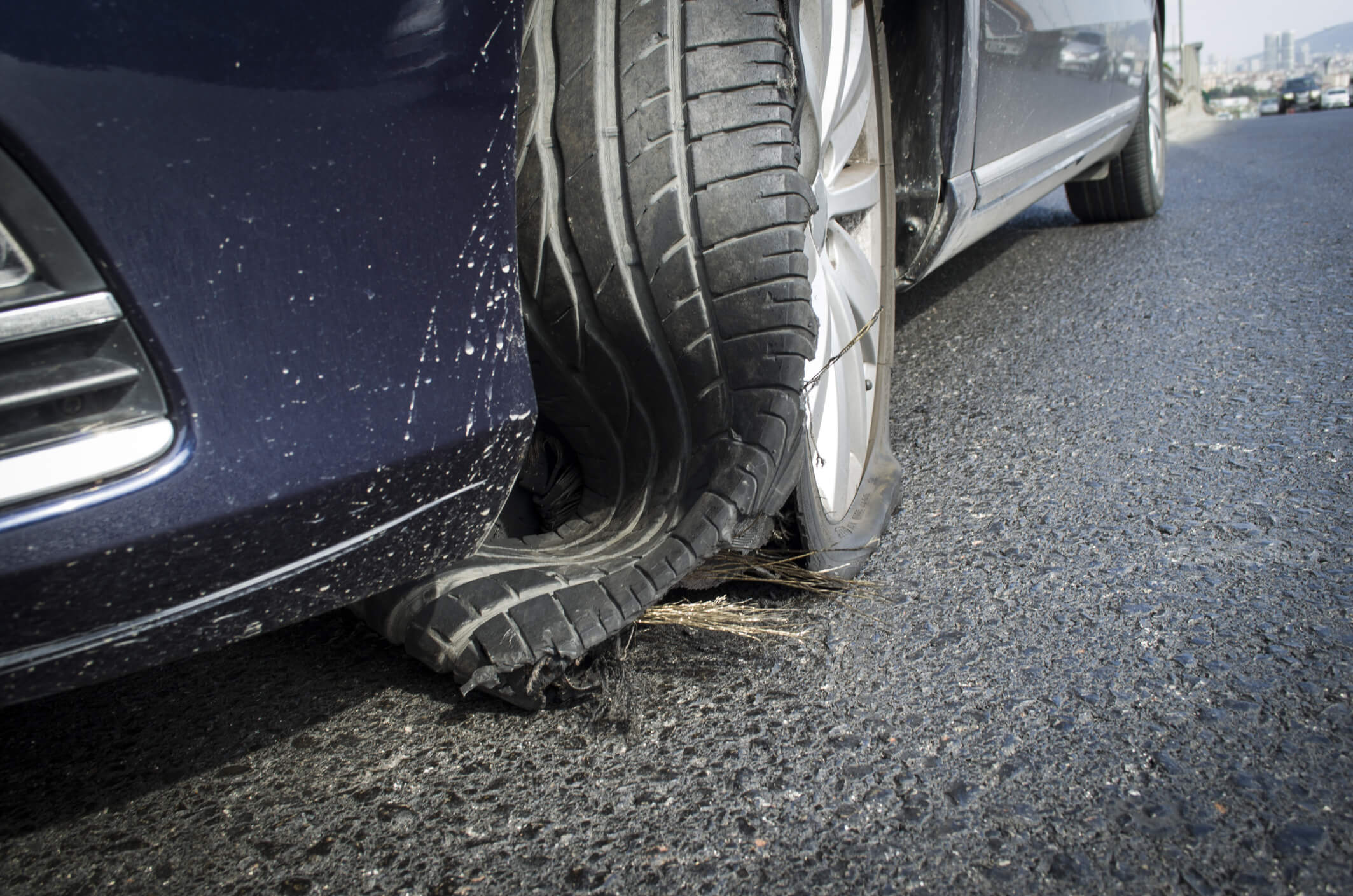
Follow these precise steps to clear the roadway:
- Scan your mirrors and blind spots to check for passing vehicles.
- Activate your turn signal in the direction of the nearest safe shoulder.
- Steer smoothly toward the shoulder, grass median, or exit ramp, avoiding abrupt steering inputs that could cause a spin-out.
- Apply steady brake pressure until the vehicle comes to a complete, final stop.
- Shift your transmission into Park (or Reverse for manual vehicles) and engage the emergency parking brake.
Alerting Surrounding Traffic
Making your disabled vehicle visible to 2026 motorists prevents devastating rear-end accidents. Turn on your hazard warning flashers immediately upon stopping. If you possess reflective warning triangles or LED road flares, place them 10 feet, 100 feet, and 200 feet behind your vehicle on the shoulder. Never stand directly behind your car while setting up warnings; always walk along the outer edge of the shoulder facing oncoming traffic.
What If Your Car Still Pulls Hard or Doesn’t Stop Safely
Sometimes, severe tire structural failure damages the wheel rim, steering linkage, or brake lines, rendering normal stopping procedures difficult. If your vehicle continues to fight your steering inputs or fails to decelerate properly, you must implement emergency fallback measures.
Emergency Troubleshooting Steps
- Pump the brakes firmly if you experience brake fade or spongy pedal feel caused by heat or fluid loss.
- Grip the steering wheel with both hands at the 9-and-3 o’clock positions to maintain maximum leverage against the violent pull.
- Utilize the electronic parking brake (EPB) switch by lifting and holding it up; modern 2026 vehicle software will apply controlled, anti-lock braking to all four wheels safely.
- Aim for a soft barrier, guardrail glancing angle, or ditch only as an absolute last resort to scrub off speed if total brake failure occurs.
- Contact emergency roadside assistance or dial 911 immediately once stationary if you are stranded in a blind curve or active travel lane.
Professional roadside assistance dispatchers or mobile tire replacement services typically charge between $80 and $200 for a service call, depending on your location and coverage plan. If structural suspension or wheel rim damage occurred, towing fees to a certified repair facility average $100 to $250.
Conclusion
Experiencing a sudden tire blowout demands immediate composure, firm steering control, and disciplined deceleration without slamming on the brakes. By avoiding panic and guiding your vehicle onto a safe shoulder, you protect yourself and fellow motorists from catastrophic harm. According to verified research and expert sources from highway safety administrations, adhering to these structured protocol steps drastically reduces secondary collision rates during tire emergencies. Make your actionable next step today: verify that your vehicle’s spare tire is properly inflated to manufacturer PSI specifications and inspect your emergency roadside kit before your next journey.
❓ Frequently Asked Questions
What is the physical sensation of a tire blowout while driving?
A blowout typically creates a loud bang or rumble followed by a severe pull to one side. The vehicle will feel sluggish and heavy to steer as air rapidly escapes the tire.
Can I use cruise control when a tire blows out?
You should never use cruise control while driving, but if it is active, the vehicle may try to maintain speed. Braking or pressing the clutch/canceling cruise control immediately is necessary to override it.
What should I do if there is no safe shoulder to pull onto?
Slow down gradually and continue driving slowly with hazards on until you reach an exit, well-lit parking lot, or a safer area, even if it ruins the remaining tire.
Is it safe to change the tire myself on the highway shoulder?
Changing a tire on a narrow highway shoulder is extremely dangerous due to passing traffic. It is often safer to stay inside your vehicle with seatbelts fastened or move behind a barrier and call roadside assistance.
How can I prevent a tire blowout before it happens?
Regularly check your tire pressure, inspect treads for uneven wear or cracks, and replace tires that are old or damaged. Avoid overloading your vehicle beyond its maximum weight limit.
What happens if a front tire blows out versus a rear tire?
A front tire blowout creates a much stronger pull on the steering wheel, requiring a firm grip to keep straight. A rear tire blowout makes the rear end fishtail, which requires gentle steering corrections.
