
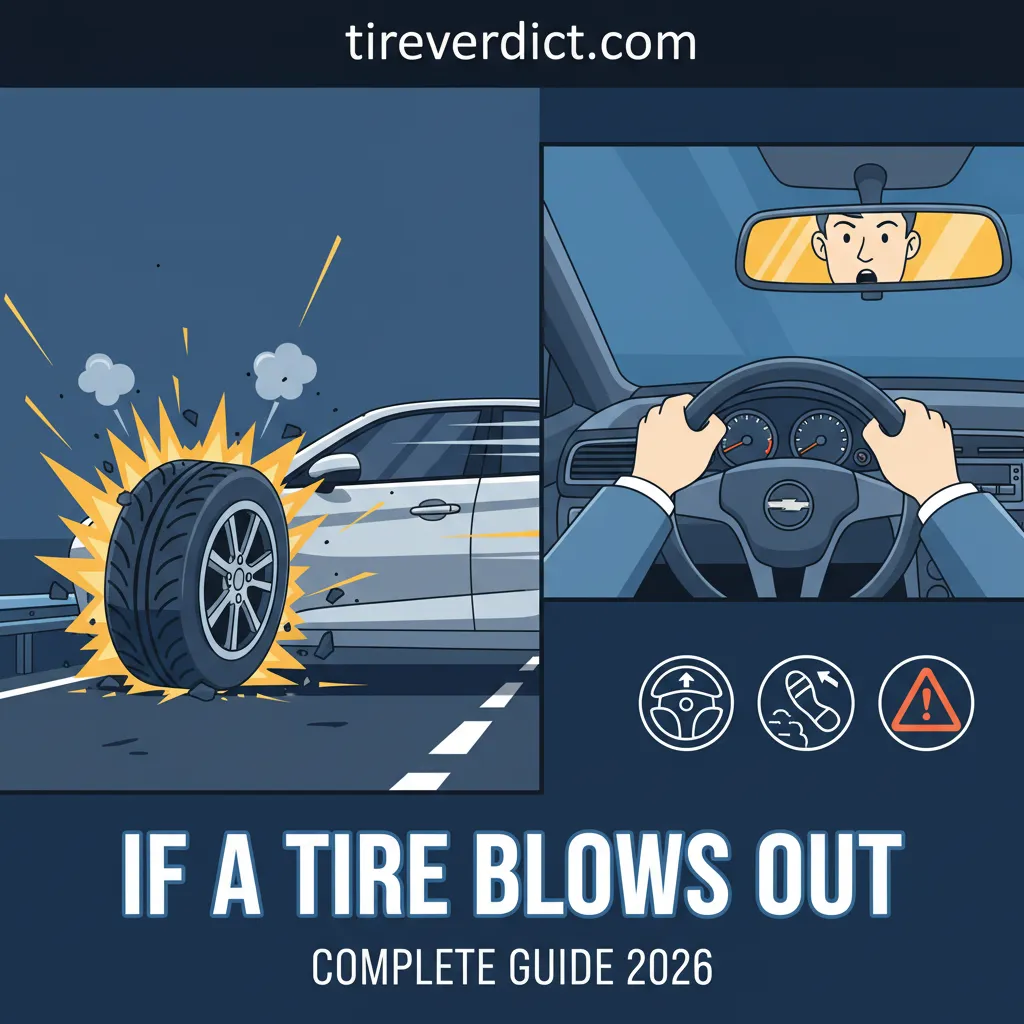
If A Tire Blows Out: Complete Guide 2026
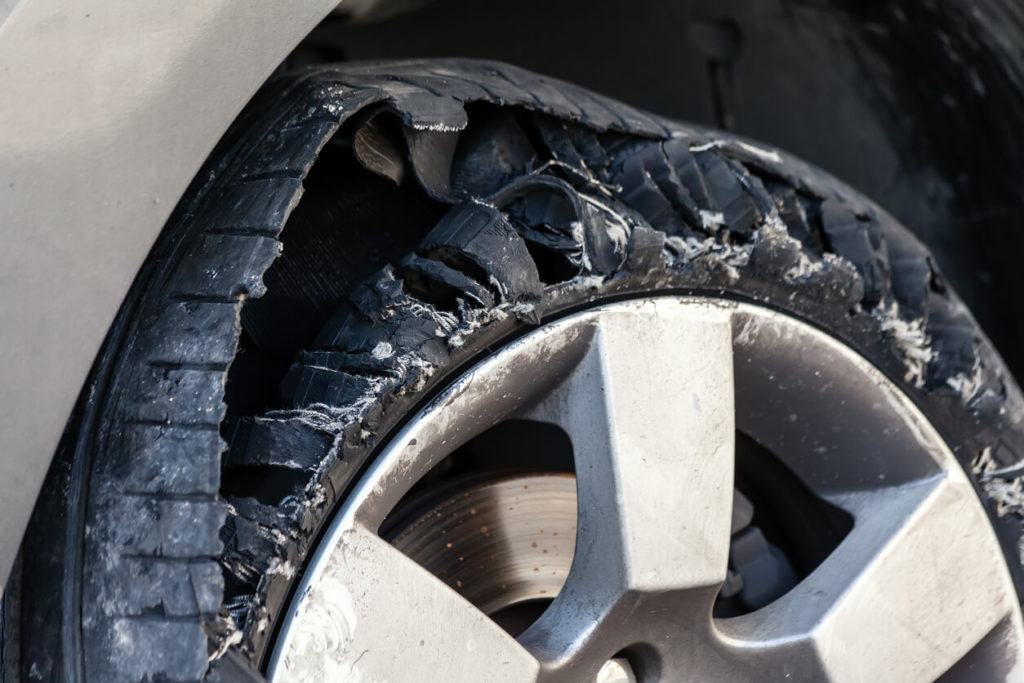
The sudden, explosive sound and immediate loss of control when a tire blows out is undoubtedly one of the most alarming roadside emergencies a driver can face. Beyond the initial shock, many drivers are uncertain of the precise, critical steps to take to safely manage this dangerous situation and prevent further incident. The consequences of an improper reaction can be severe, ranging from a loss of control to catastrophic accidents. This professional guide provides a detailed, authoritative framework for safely reacting to a tire blowout, understanding its causes, and implementing preventative measures to ensure reliable vehicle operation and your peace of mind in 2026 and beyond.
Immediate Actions During a Tire Blowout: Prioritizing Safety
When a tire blows out, the initial instinct for many drivers is to panic and react abruptly. However, after more than 15 years in the automotive industry, I can confidently assert that a controlled, calculated response is paramount. The sudden loss of air pressure from a tire creates immense instability, but understanding the vehicle’s dynamics and applying specific techniques can prevent a dangerous situation from escalating.
📤 Share Image
The very first action you must take is to maintain a firm, two-handed grip on the steering wheel. This is non-negotiable. A blowout, especially a front tire blowout, will cause an immediate and strong pull to one side. For instance, a front left tire blowout on a highway at 65 mph will cause your vehicle to lurch sharply left. Your immediate and consistent counter-steering against this pull is critical to keep the vehicle tracking as straight as possible. Conversely, a rear tire blowout, while still disruptive, often manifests as a fishtailing or swaying sensation, requiring smaller, more nuanced steering corrections rather than direct counter-steering.
Next, resist the urge to slam on the brakes. This is a common and often disastrous reflex. According to data from the National Highway Traffic Safety Administration (NHTSA), sudden braking is a leading cause of loss of control after a blowout. Instead, slowly and gradually ease off the accelerator. This allows engine braking to naturally and progressively reduce your speed, helping to maintain vehicle stability. The drag from the blown tire itself will also contribute significantly to deceleration. Attempting aggressive braking will almost certainly induce a skid or further loss of directional control.
As you decelerate, steer gently in the direction the vehicle wants to go to correct movement, avoiding abrupt inputs. This means if the vehicle pulls left, provide firm but steady resistance with the steering wheel, not a sudden jerk. Your goal is to guide, not fight, the vehicle. Once you regain a degree of control and your speed is significantly reduced, activate your hazard lights, check your mirrors for other traffic, and carefully guide the vehicle to the safest available shoulder or breakdown lane. Always be acutely aware of other traffic and potential hazards during this emergency stop. Ensuring clear communication to other drivers about your distress is a professional and reliable practice.
Understanding the Causes of Tire Blowouts: Expert Diagnosis
As an expert in vehicle dynamics and maintenance, I’ve observed that most tire blowouts are not sudden, unpredictable events, but rather the culmination of preventable issues. Understanding these primary factors is crucial for implementing effective preventative measures and ensuring the quality of your tire investment.
Underinflation: The Silent Killer
One of the most prevalent causes is underinflation. When a tire operates with insufficient air pressure, its sidewalls flex excessively. This increased flexion generates tremendous heat, weakening the tire’s internal structure and bond between its components. This heat buildup can lead to a sudden, catastrophic failure, often known as a ‘blowout’. Research indicates that underinflated tires are three times more likely to be involved in a crash due to blowouts. This highlights the critical importance of regular pressure checks.
Overinflation: A Different Kind of Vulnerability
While less common than underinflation, overinflation also poses a risk. An excessively inflated tire becomes rigid and taut, reducing its contact patch with the road and making it significantly more susceptible to impact damage from road hazards like potholes or debris. The force of impact on a rigid tire can cause a sudden rupture or even damage the wheel itself.
Road Hazards: Unseen Threats
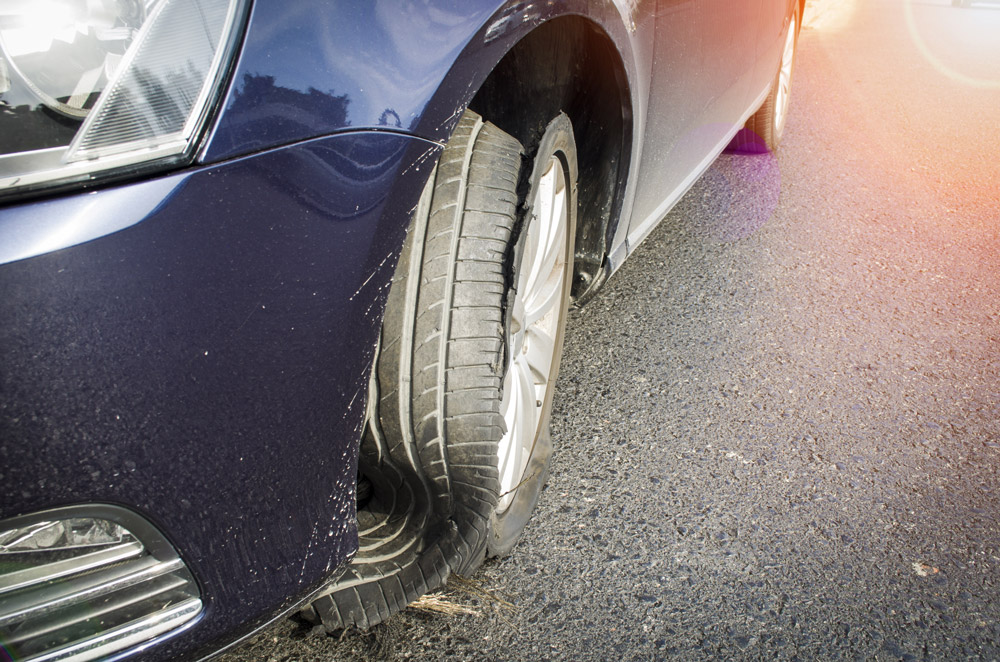
Road hazards are an undeniable factor. Potholes, sharp objects (nails, screws, glass), and curb impacts can inflict immediate damage such as punctures, sidewall cuts, or internal structural compromises. Consider the common scenario of a slow leak from an unaddressed nail puncture, which, if not noticed, can lead to chronic underinflation and an eventual blowout on the highway. Even minor damage can weaken the tire over time, leading to unexpected failure.
Overloading: Exceeding Limits
Overloading a vehicle beyond its manufacturer-specified load capacity puts immense stress on the tires. Similar to underinflation, this generates excessive heat and can cause internal components to separate, leading to structural failure. A clear example is a commercial truck experiencing a blowout on an incline due to persistent overloading, placing undue strain on its tires.
Tire Age and Wear: The Passage of Time
Finally, tire age and wear are crucial factors. Rubber compounds degrade over time, a process often visible as ‘dry rot’ or cracking, even if the tread appears sufficient. Major tire manufacturers universally state that tires older than 6 years, regardless of apparent tread depth, significantly increase blowout risk due to the natural deterioration of the rubber and internal belts. Worn tread also reduces the tire’s ability to dissipate heat and protect against punctures, compounding the risk.
By The Numbers
Increased crash risk for underinflated tires
Tire age where blowout risk significantly increases
Drivers who don’t regularly check spare tire pressure
How to Safely Respond to a Tire Blowout: Step-by-Step Procedure
Having spent years instructing drivers on emergency maneuvers, I can attest that a clear, step-by-step procedure is the most effective way to manage a tire blowout. This methodical approach minimizes panic and maximizes your chances of a safe outcome, regardless of the vehicle or the specific tire affected.
📋
Step-by-Step Guide
Immediately tighten your grip on the steering wheel with both hands at the 9 and 3 o’clock positions. Focus your attention on keeping the vehicle traveling straight. The initial shock can cause your hands to tense, but maintaining a firm, steady grip is crucial for resisting the immediate pull.
Lift your foot slowly from the accelerator pedal. This allows engine braking to naturally and progressively reduce your speed. Avoid engaging the brakes unless absolutely necessary and only with light, controlled pressure once vehicle speed has significantly reduced. Professional driving schools consistently emphasize that controlled deceleration without braking provides the most stable platform for managing a blowout at speed.
Apply gentle, corrective steering inputs to counteract the pull caused by the blowout. Do not make sudden turns or overcorrect. The vehicle will pull, but firm, steady resistance on the steering wheel will help maintain a straight path. Imagine guiding the vehicle with minimal force rather than wrestling it.
Once you feel the vehicle’s speed decreasing and a measure of control returning, activate your hazard lights to alert other drivers to your emergency. Use your mirrors to check for safe opportunities to move off the roadway. If you are on a multi-lane highway, this might involve a series of cautious, slow lane changes.
Once your speed is significantly reduced and control is maintained, carefully guide the vehicle to the nearest safe location. This could be a wide shoulder, an emergency lane, or an exit ramp. Ensure you are as far from moving traffic as possible. Come to a complete stop, engage the parking brake, and prepare for the next steps.
After the Blowout: Assessing Damage and Next Steps for a Reliable Outcome
Successfully managing a blowout is only half the battle. The actions you take immediately afterward are equally critical for your safety and the long-term reliability of your vehicle. As a trusted expert, I always advise a thorough and methodical approach.
Ensure Personal Safety
Once your vehicle is safely stopped, activate the parking brake and turn off the engine. If circumstances allow and it is safe to do so, exit the vehicle on the side away from active traffic. Deploy reflective triangles or flares behind your vehicle to alert oncoming drivers, especially if visibility is poor or you’re close to a bend. Your personal safety is the paramount concern before any vehicle assessment begins.
Assess Vehicle Damage Thoroughly
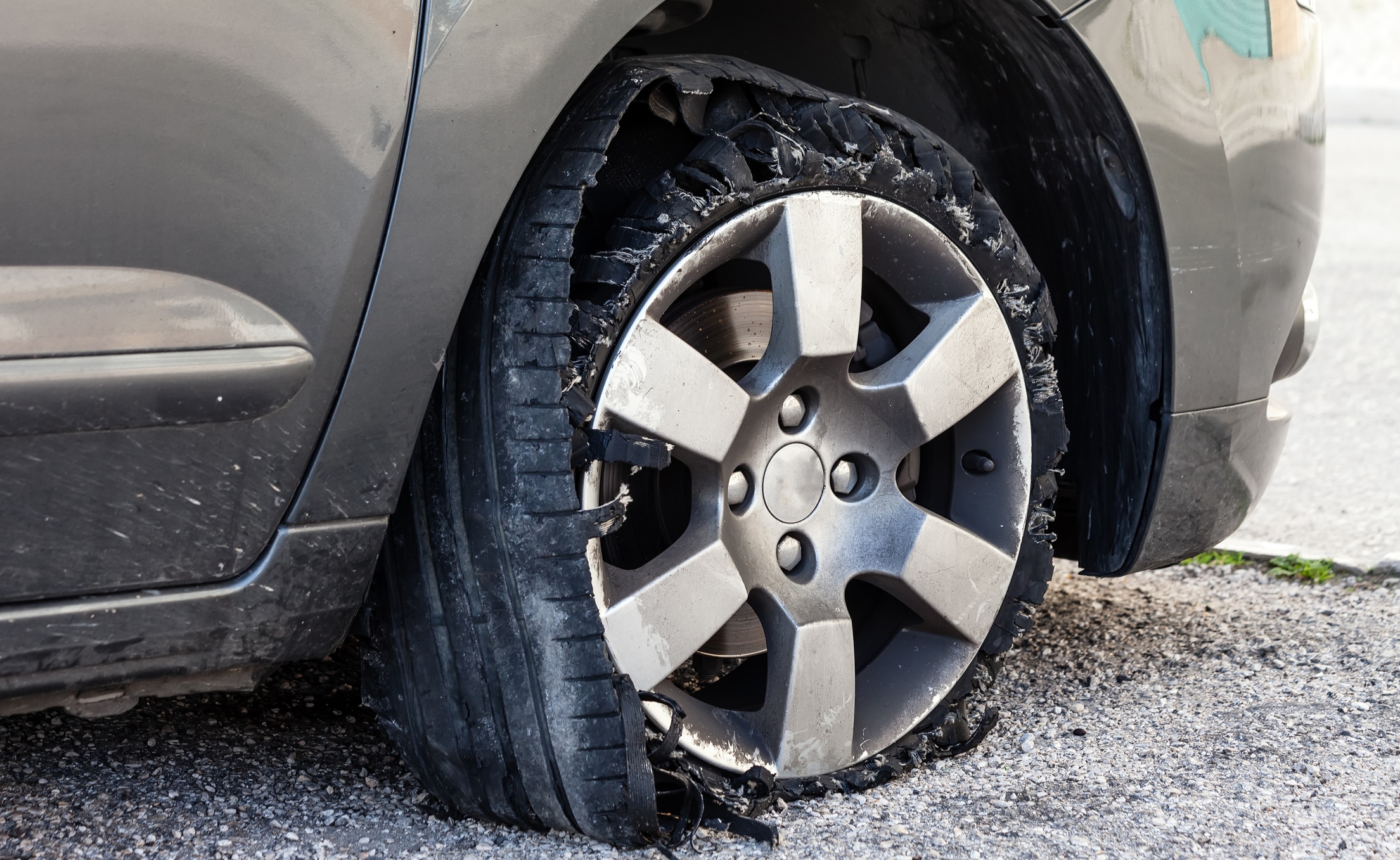
Carefully inspect the damaged tire. Beyond the obvious tire destruction, look for secondary damage to surrounding components. This can include a bent or cracked wheel rim, compromised brake lines or calipers, damage to the fender or wheel well lining, or even suspension components. A high-speed blowout can impart significant force, causing damage that isn’t immediately apparent. For example, a severe blowout might bend a rim, which, if overlooked, could lead to vibrations or another tire failure even after replacement.
Roadside Assistance vs. DIY Repair
Determine if changing the tire yourself is feasible and safe. If you possess the necessary tools (jack, lug wrench, spare tire), knowledge, and are in a safe, well-lit environment away from traffic, a DIY spare tire change is an option. However, if you are unsure, the environment is unsafe (e.g., narrow shoulder, heavy traffic), or if you lack confidence in your abilities, calling professional roadside assistance is always the more responsible choice. It is estimated that over 70% of drivers do not check their spare tire’s pressure regularly, rendering it useless in an emergency. Always check your spare’s pressure if you plan on using it.
Post-Repair Inspection: Don’t Skip This
Even after a spare tire is mounted or a new tire is installed, scheduling a professional inspection of your vehicle’s alignment and suspension system is absolutely critical. The violent impact and subsequent strain from a blowout can easily throw off wheel alignment, potentially causing premature wear on new tires and affecting vehicle handling. Furthermore, unnoticed stress on suspension components can lead to long-term issues. A professional post-blowout inspection can prevent subsequent issues arising from unseen component stress, ensuring your vehicle remains safe and reliable for the road ahead.
Preventing Future Tire Blowouts: A Professional’s Guide to Tire Longevity
As a seasoned expert, I can confidently state that tire blowouts are largely preventable with diligent maintenance and informed driving practices. Investing time in routine tire care is a reliable strategy to ensure safety, extend tire life, and protect your overall vehicle investment for 2026 and beyond.
Regular Tire Pressure Monitoring
The cornerstone of tire longevity is proper inflation. Emphasize checking tire pressure at least monthly, including your spare tire, using a quality pressure gauge. Always consult your vehicle’s owner’s manual or the sticker on the driver’s side door jamb for the manufacturer-recommended PSI, which refers to cold inflation pressure. Maintaining correct pressure is not only crucial for safety but also efficiency; proper tire inflation can extend tire life by up to 15%.
Consistent Tire Rotation and Balancing
Routine tire rotations are essential for ensuring even wear across all four tires. Since each wheel position experiences different stresses, rotating them prevents specific tires from wearing prematurely. Simultaneously, professional balancing helps to distribute the tire’s weight evenly around the axle, preventing vibrations and reducing uneven stress on tire components that could lead to early failure. Follow your vehicle manufacturer’s recommendations, typically every 5,000 to 7,500 miles.
Frequent Tire Inspections: A Visual Checklist
Make a habit of visually inspecting your tires regularly. Look for:
- Tread Depth: Use a penny test (insert a penny head-first into a tread groove; if you can see Lincoln’s entire head, your tread is too shallow) or a dedicated tread depth gauge.
- Signs of Uneven Wear: Look for ‘cupping’ (scalloped wear), feathering, or excessive wear on one side of the tire, which can indicate alignment or suspension issues.
- Cracks and Bulges: Inspect sidewalls for any signs of cracking (dry rot), blistering, or bulges, which are strong indicators of internal structural damage and imminent failure.
- Embedded Foreign Objects: Check for nails, screws, glass, or other debris lodged in the tread.
A professional tire inspection should be performed every 5,000 to 10,000 miles or annually, whichever comes first, as part of your routine vehicle maintenance.
Adhering to Load Capacity Limits
Never exceed the vehicle’s or the tires’ specified load ratings. This information can typically be found on a sticker inside the driver’s door jamb, along with recommended tire pressures. Overloading generates excessive heat and places undue stress on the tire’s internal structure, dramatically increasing the risk of a blowout, especially during extended travel or high speeds.
Mindful Driving Practices
Your driving habits significantly impact tire longevity and blowout risk. Avoid aggressive driving, which includes sudden braking, rapid acceleration, and fast cornering, as these actions stress tires disproportionately. Minimize contact with road hazards like potholes, curbs, and debris. If you cannot avoid a pothole, slow down significantly and loosen your grip on the steering wheel slightly (while maintaining control) to allow the tire to absorb the impact more effectively, reducing the chance of impact damage.
In summary, the precise steps for immediate, controlled reaction (firm grip, gradual deceleration, gentle steering) are paramount during a blowout. Simultaneously, prevention through diligent tire maintenance (correct pressure, regular inspection, timely rotation) significantly reduces blowout risk. Finally, thorough post-blowout assessment and professional inspection are crucial for long-term vehicle safety and reliability. Prioritize your safety and vehicle integrity by consistently practicing these expert guidelines. Regularly inspect your tires, adhere to maintenance schedules, and be prepared to execute the precise steps outlined to confidently navigate a tire blowout emergency, ensuring a trusted and reliable journey.
Frequently Asked Questions
What does a tire blowout feel like and sound like?
A tire blowout is typically characterized by a sudden, loud ‘bang’ or ‘pop’ sound, similar to a gunshot. Immediately following, you’ll experience a distinct pull on the steering wheel, often accompanied by strong vibrations, a ‘flapping’ noise from the deflating tire, and a noticeable loss of vehicle stability. The severity depends on the tire’s position and speed.
Should I brake immediately if a tire blows out?
No, braking immediately is strongly discouraged during a tire blowout. Abrupt braking can cause the vehicle to swerve violently, leading to a loss of control. The professional recommendation is to slowly ease off the accelerator, allowing the vehicle to decelerate naturally while maintaining a firm grip on the steering wheel, only applying gentle brake pressure at very low speeds.
How can I prevent tire blowouts effectively?
Effective prevention hinges on consistent, quality tire maintenance. Regularly check tire pressure to manufacturer specifications, rotate and balance tires every 5,000-7,500 miles, and inspect them for wear, damage, or embedded objects. Adhere to load capacity limits and replace tires that are aged (typically 6-10 years) or significantly worn, even if they appear fine.
Is it safe to drive on a spare tire after a blowout?
A spare tire, especially a ‘donut’ or temporary spare, is intended for short-term, emergency use only. It’s designed for limited distances and speeds (typically under 50 miles and 50 mph). Driving on it safely requires adherence to these restrictions. For full-size spares, ensure it’s properly inflated and matches the other tires’ specifications before longer journeys. Always seek professional replacement quickly.
What is the most common cause of tire blowouts?
The most common cause of tire blowouts is severe underinflation. When a tire is significantly underinflated, its sidewalls flex excessively, generating immense heat. This heat weakens the tire’s internal structure and can lead to a catastrophic failure, often manifesting as tread separation or a rapid loss of air. Regular pressure checks are therefore critical for reliable tire performance.
