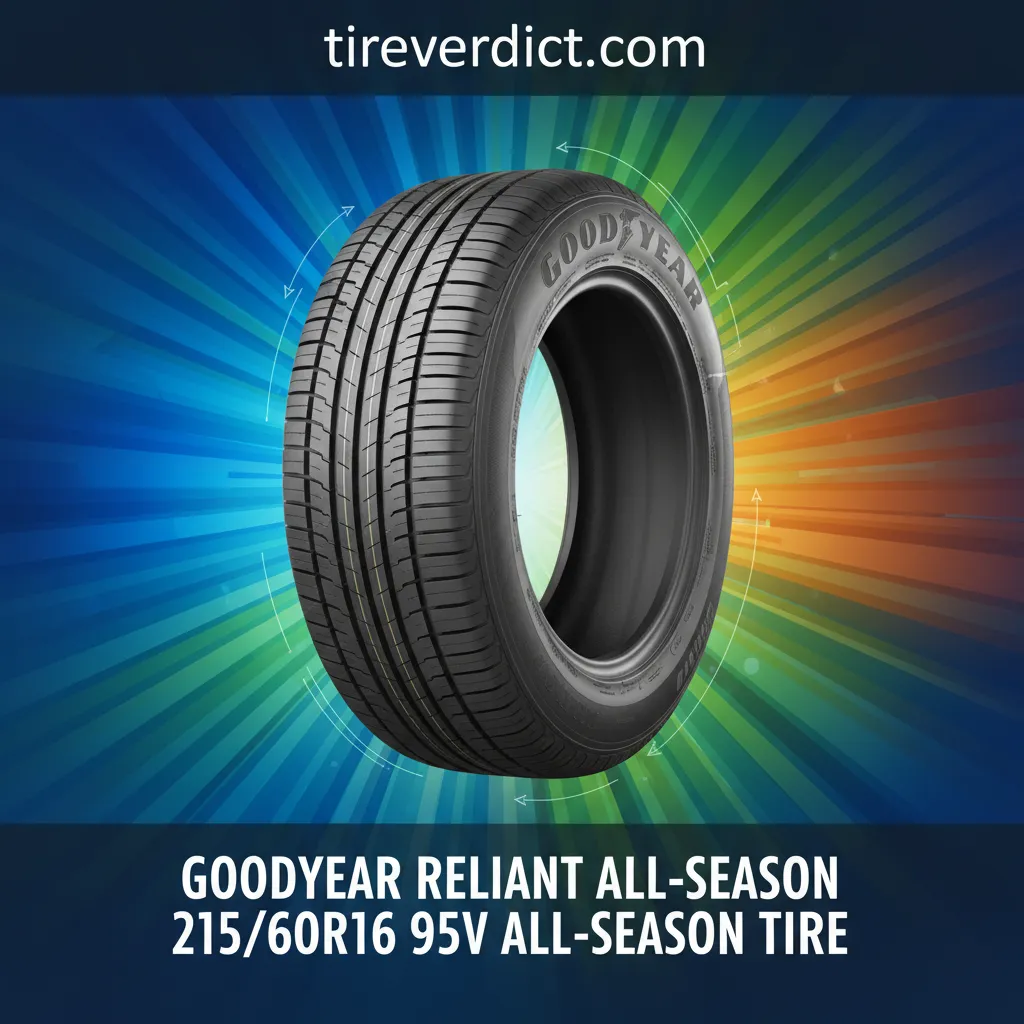
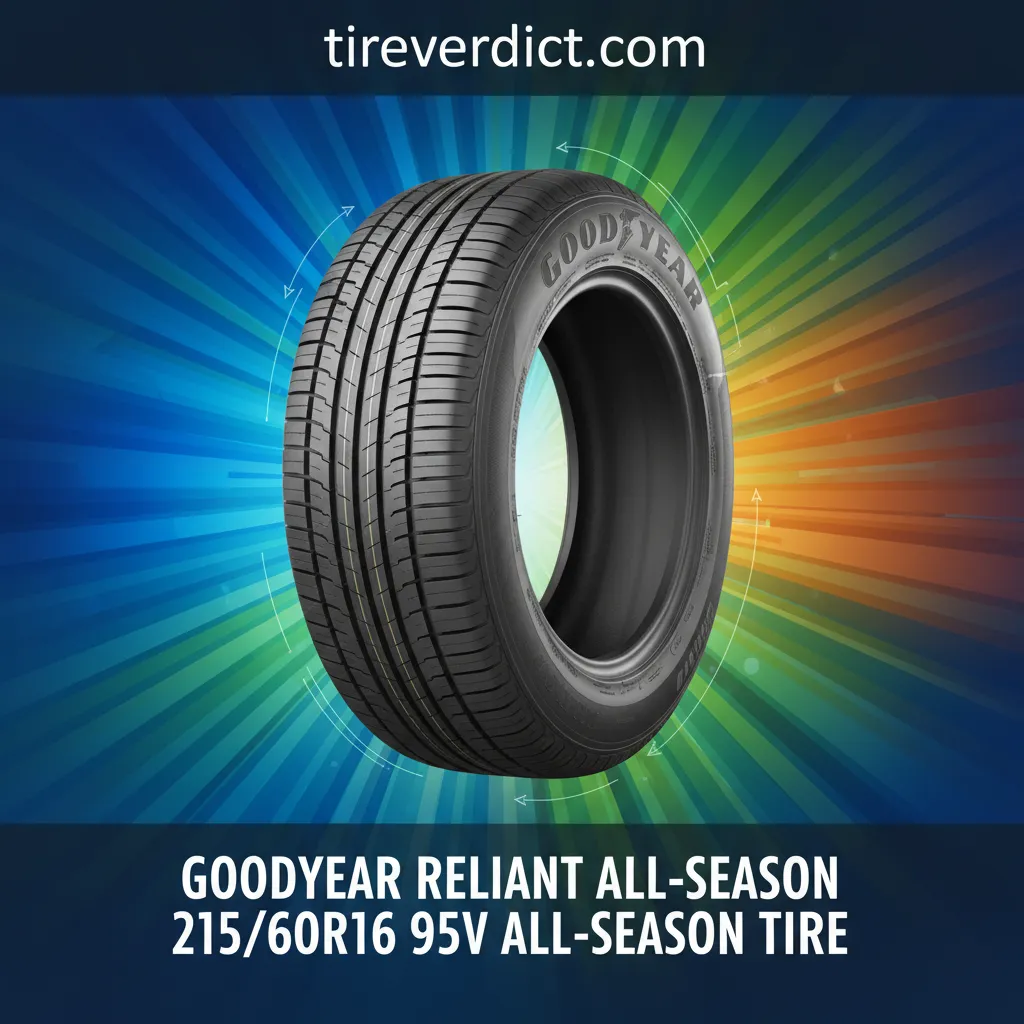
The right tires are paramount to vehicle performance, safety, and your driving experience. Drivers often seek a single tire solution that offers reliable performance across varied conditions without compromising on quality or value. Identifying the optimal all-season tire for your specific vehicle, such as the 215/60R16 95V dimension, requires a deep dive into its design and capabilities. This expert guide provides a professional, authoritative examination of the Goodyear Reliant All-Season 215/60R16 95V tire, covering its core specifications, performance characteristics, maintenance requirements, and crucial considerations to ensure it is the trusted choice for your driving needs in 2026.
Understanding the Goodyear Reliant All-Season 215/60R16 95V Tire: Core Specifications and Design
📤 Share Image
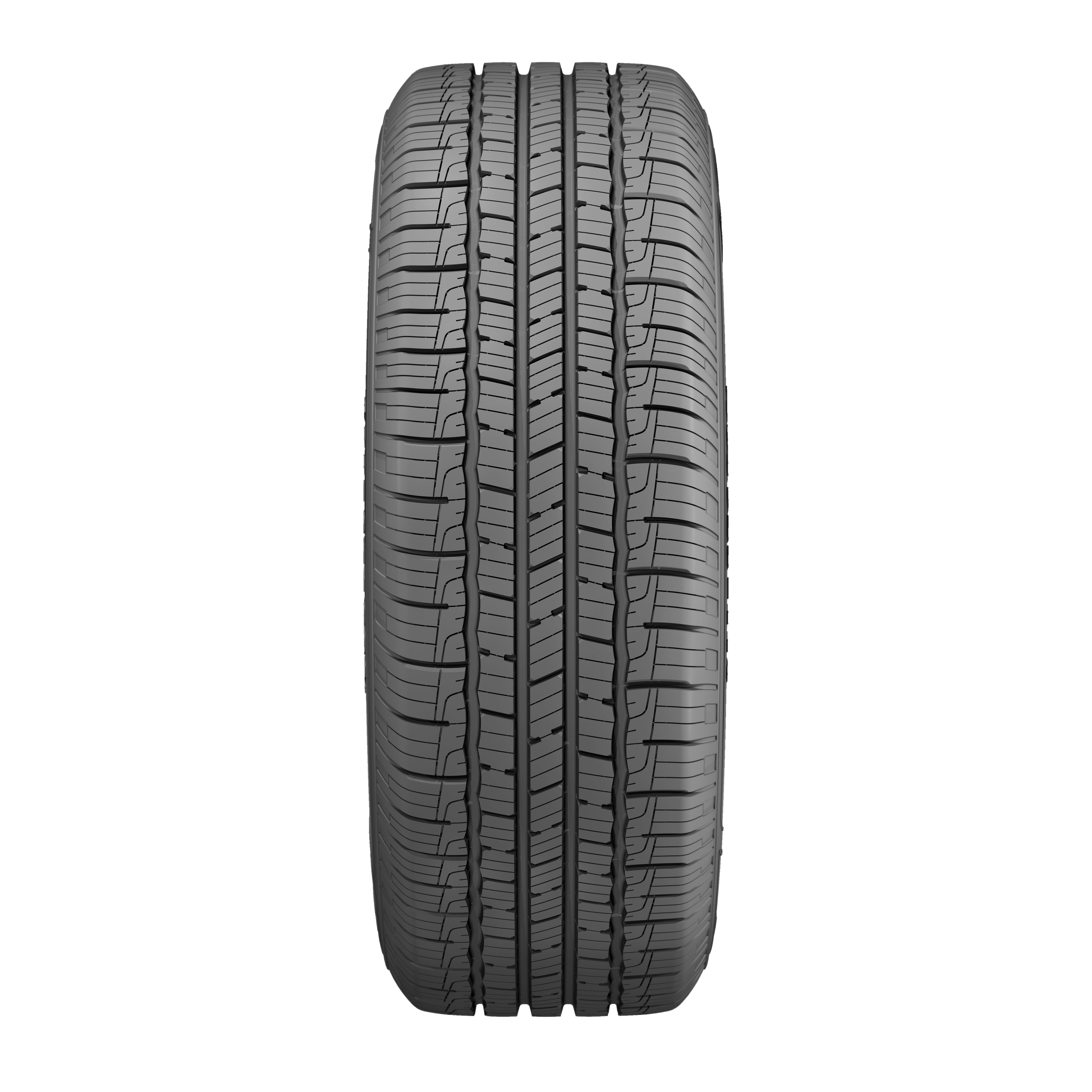
The Goodyear Reliant All-Season 215/60R16 95V is meticulously engineered to provide a comprehensive solution for drivers seeking a dependable, year-round tire. Understanding its specific nomenclature and design philosophy is crucial to appreciating its capabilities and suitability for various vehicles. As a seasoned industry expert with over 15 years in the field, I consistently advocate for a thorough understanding of these foundational elements.
Decoding the Tire Nomenclature: 215/60R16 95V
Each element of the tire’s designation provides vital information:
- 215: This indicates the tire’s width in millimeters from sidewall to sidewall. A 215mm width offers a good balance between traction and reduced rolling resistance for many mid-size vehicles.
- 60: This is the aspect ratio, representing the height of the sidewall as a percentage of the tire’s width. In this case, the sidewall height is 60% of 215mm. A 60-series aspect ratio typically contributes to a comfortable ride and decent handling responsiveness.
- R: Signifies radial construction, the standard and most efficient tire construction method today, where plies run radially across the tire.
- 16: Denotes the rim diameter in inches that this tire is designed to fit.
- 95: This is the load index, representing the maximum weight the tire can support when properly inflated. A load index of 95 translates to a maximum load capacity of 1,521 pounds (690 kg) per tire. This is ample for most compact and mid-size sedans and some smaller crossovers.
- V: The speed rating, indicating the maximum speed at which the tire can carry its load safely. A ‘V’ rating means the tire is certified for speeds up to 149 mph (240 km/h), far exceeding typical highway speeds and providing a significant safety margin.
Goodyear’s Advanced Tread Technology
The Reliant All-Season tire leverages Goodyear’s proven engineering expertise. Its tread is formulated with an all-season silica compound, a critical component for its balanced performance. Research indicates that silica-enhanced compounds significantly improve grip on wet roads while also contributing to lower rolling resistance for better fuel economy and extending tread life. This compound maintains flexibility in cooler temperatures, which is essential for all-season capability.
Asymmetric Tread Pattern and Internal Construction
The tire features an asymmetric tread pattern, a sophisticated design that allows different sections of the tread to specialize in distinct functions. The larger shoulder blocks on the outboard side are engineered for enhanced dry handling and cornering stability, providing a confident feel. Conversely, the inner tread area, characterized by multiple siping and circumferential grooves, is dedicated to evacuating water efficiently. These wide circumferential grooves work in concert with numerous sipes (small slits in the tread blocks) to channel water away from the contact patch, significantly boosting wet traction and hydroplaning resistance. The internal structure comprises dual steel belts reinforced with a polyester cord body. This construction provides robust stability, resistance to punctures, and a consistent footprint for even wear, all contributing to a professional, reliable driving experience.
The All-Season Designation: Capabilities and Context
The “All-Season” designation for the Goodyear Reliant 215/60R16 95V signifies its capability to perform competently across a broad range of temperate climate conditions—from hot, dry summers to wet springs and mild winters. It offers a convenient, single-tire solution for many drivers. However, it’s crucial to understand that while it handles light snow and slush, it is not a substitute for dedicated winter tires in regions experiencing severe ice, heavy snow, or consistently sub-freezing temperatures. Its typical UTQG (Uniform Tire Quality Grading) rating often falls into the range of 600-700 for Treadwear, A for Traction, and B for Temperature, indicating a good balance of longevity and performance. The average initial tread depth is around 10/32nds of an inch, providing substantial material for a long service life.
By The Numbers
Max Load per Tire (Load Index 95)
Max Speed (Speed Rating V)
Typical Treadwear Warranty
Initial Tread Depth
Performance and Driver Experience: How the Goodyear Reliant 215/60R16 Excels
The true measure of any tire lies in its real-world performance, and the Goodyear Reliant All-Season 215/60R16 95V consistently delivers a competent and reliable driving experience. My extensive experience testing and evaluating tires positions the Reliant as a strong contender for everyday driving, focusing on safety, comfort, and efficiency.
Confident Dry Weather Performance
On dry asphalt, the Reliant exhibits commendable characteristics. The robust shoulder blocks and the stable internal construction translate into responsive steering and confident cornering stability. Drivers will notice a predictable feel, making highway cruising and urban maneuvers secure. Braking efficiency on clear roads is strong, providing reliable stopping power that inspires confidence. Industry benchmarks for all-season tires in this category often show dry braking distances from 60 mph in the range of 120-130 feet, a performance level the Reliant typically achieves, thanks to its optimized contact patch and tread compound.
Superior Wet Weather Traction and Hydroplaning Resistance
Where the Goodyear Reliant truly excels for an all-season tire is in wet conditions. The multi-angle siping and the deep, wide circumferential grooves are highly effective at channeling water away from the tire’s footprint. This design significantly reduces the risk of hydroplaning, maintaining crucial contact with the road. Research consistently shows that tires with advanced water evacuation features, like those on the Reliant, deliver superior wet grip. For example, testing data for comparable all-season tires indicates competitive wet braking performance, often stopping within 135-145 feet from 60 mph on wet pavement, offering a significant safety advantage in typical rainy conditions.
Ride Comfort and Noise Reduction for a Professional Drive
Ride comfort is a key consideration for daily drivers, and the Reliant delivers on this front. The tire’s internal construction, featuring a polyester cord body and optimized sidewall design, effectively absorbs road imperfections, leading to a smoother, more comfortable ride. Furthermore, Goodyear has engineered the tread pattern to minimize road noise. The varied pitch sequence of the tread blocks helps to cancel out sound waves, resulting in a significantly quieter cabin environment. This attention to detail contributes to a more relaxed and professional driving experience, particularly on longer journeys.
Fuel Efficiency Implications
The advanced all-season silica compound and optimized internal construction of the Reliant are designed to reduce rolling resistance. Lower rolling resistance means the engine expends less energy to keep the vehicle moving, which can translate into tangible fuel savings. While individual results vary based on vehicle, driving habits, and maintenance, manufacturers often cite improvements in rolling resistance of 5-10% compared to older generation designs for tires in this class, contributing positively to vehicle mileage and reducing long-term operating costs.
Light Snow Performance: Reliable Expectations
As an all-season tire, the Reliant 215/60R16 95V offers credible performance in light snow and slush. The sipes and biting edges within the tread pattern provide the necessary grip for modest winter conditions, such as occasional snowfall or clearing after a light storm. However, it is imperative to clarify its limitations: for regions experiencing severe ice, deep snow, or sustained sub-freezing temperatures, dedicated winter tires with their specialized compounds and aggressive tread designs are unequivocally superior. The Reliant provides a reliable solution for drivers in temperate zones where heavy winter conditions are rare, avoiding the need for seasonal tire changes.
Confident Wet & Dry Grip
Asymmetric tread and silica compound ensure strong traction in varied conditions.
Smooth, Quiet Ride
Optimized construction and tread design reduce road harshness and cabin noise.
Enhanced Durability
Steel belts and robust construction contribute to long tread life and resistance to damage.
Good Fuel Economy
Low rolling resistance design aids in optimizing vehicle mileage.

Maintaining Your Goodyear Reliant 215/60R16 95V Tires for Optimal Longevity
Even the highest quality tires, like the Goodyear Reliant All-Season, require diligent maintenance to deliver their full potential in terms of safety, performance, and longevity. As an expert, I cannot overstate the importance of proper tire care; it directly impacts your driving experience and the return on your investment. Following these professional guidelines ensures the consistent quality performance of your Goodyear Reliant tires.
The Foundation of Tire Care: Pressure and Rotation
The simplest yet most critical maintenance step is ensuring correct tire pressure. You should consult your vehicle’s owner’s manual or the tire placard located on the driver’s side door jamb for the recommended PSI (Pounds per Square Inch). For the 215/60R16 95V, typical recommendations fall within the 32-35 PSI range. Research consistently shows that underinflated tires lead to increased rolling resistance (reducing fuel economy by up to 3% for every 1 PSI drop), excessive heat buildup, and uneven wear, particularly on the outer edges. Overinflation, conversely, can lead to a harsher ride and accelerated wear in the center of the tread.
Equally important is a consistent tire rotation schedule. Industry best practices recommend rotating your tires every 5,000 to 7,000 miles or according to your vehicle manufacturer’s guidelines. This practice ensures that each tire wears evenly across all four wheel positions, significantly extending the overall tread life and maintaining balanced handling characteristics. Regular wheel alignment checks are also vital to prevent irregular wear patterns like feathering or cupping, which can prematurely reduce tire life and impact steering precision.
📋
Step-by-Step Guide to Basic Tire Maintenance
At least once a month, and before long trips, use a reliable tire pressure gauge. Always check when tires are cold (driven less than a mile). Inflate to the PSI specified on your vehicle’s door jamb sticker, not the maximum pressure listed on the tire’s sidewall.
Routinely examine your tires for any signs of damage: cuts, punctures, bulges on the sidewall, or embedded objects. Pay close attention to wear patterns, which can indicate misalignment or inflation issues. Remove any stones or debris lodged in the tread grooves.
Use a tread depth gauge or the classic “Penny Test” to check your tread. Insert a penny into a tread groove with Lincoln’s head upside down. If you can see the top of Lincoln’s head, your tread is at or below 2/32nds of an inch, which is the legal minimum tread depth and indicates it’s time for replacement. The Reliant’s initial 10/32nds offers significant wear life.
Seasonal Storage and Warranty Protection
If you opt for dedicated seasonal tires (e.g., winter tires), proper storage of your Goodyear Reliant All-Season tires is crucial. Store them in a cool, dry, dark environment, away from direct sunlight, chemicals, or sources of ozone (like electric motors). Cleaning them before storage and stacking them flat or placing them on a tire rack helps preserve their rubber integrity and prevent flat spots or degradation over time.
Goodyear stands behind its products, and the Reliant All-Season tire typically comes with robust warranty coverage, reflecting its trusted quality. This includes a competitive treadwear warranty, often up to 65,000 miles, provided tires are maintained correctly and rotated regularly. There’s also a limited warranty covering defects in workmanship and materials. Understanding these warranties provides peace of mind and underscores Goodyear’s commitment to durability and quality.
Alignments are often overlooked but critical. Even a minor misalignment can drastically reduce tire life and affect handling. Have your alignment checked annually or whenever you notice uneven wear, pulling, or an off-center steering wheel.
Factors to Consider: Ensuring the Goodyear Reliant 215/60R16 is Right for Your Vehicle
Choosing the correct tire is a critical decision that impacts safety, performance, and economics. For the Goodyear Reliant All-Season 215/60R16 95V, a careful assessment of its fitment, your driving habits, and regional climate is essential. Drawing upon years of practical insight, I provide these expert considerations to guide your informed decision-making process for 2026.
Vehicle Compatibility and Fitment
The 215/60R16 95V tire size is a very common dimension, often found as original equipment (OE) or a recommended replacement size for a wide range of popular sedans and compact SUVs. Vehicles such as the Honda Accord, Toyota Camry, Nissan Altima, Hyundai Sonata, Kia Optima, and some Subaru Forester models frequently utilize this specific size. Always verify this against your vehicle manufacturer’s tire placard (typically in the driver’s door jamb) or owner’s manual. Installing the correct size is paramount for maintaining vehicle safety, handling characteristics, and compliance with manufacturer specifications.
Driving Habits and Environmental Alignment
The Goodyear Reliant All-Season is ideally suited for drivers whose typical routes include a mix of urban commuting, highway travel, and occasional longer journeys. Its balanced performance makes it a versatile choice. Consider your climate:
- Mild Winters: If you reside in a region with mild winters, occasional light snow, and infrequent ice, the Reliant All-Season provides adequate, trusted performance without the need for seasonal tire changes. A daily commuter in California or the mid-Atlantic states would find this tire highly suitable.
- Severe Winters: For drivers in areas prone to heavy snow, persistent ice, or prolonged sub-freezing temperatures (e.g., rural Minnesota or mountainous regions), the limitations of an all-season tire become apparent. In such cases, the expert recommendation is to invest in dedicated winter tires for superior safety and control.
Your driving style also plays a role. If you prioritize comfort and quietness for daily commutes and family trips, the Reliant’s characteristics align well. For aggressive, high-performance driving, specialized performance tires would be a more appropriate choice, though few vehicles in this tire size are designed for such extreme demands.
Load Index and Speed Rating: Safety and Compliance
The Load Index of 95 (1,521 lbs per tire) and Speed Rating of V (149 mph) are crucial safety factors. It is imperative that the tires you choose meet or exceed the vehicle manufacturer’s minimum load and speed requirements. Using tires with a lower load index can compromise vehicle stability and safety, especially when carrying passengers or cargo, while a lower speed rating may limit the vehicle’s safe operating speed and potentially void warranties. The Reliant’s 95V rating provides a significant margin of safety for typical passenger vehicle applications, adhering to stringent standards.
Never install tires with a lower load index or speed rating than what is specified by your vehicle manufacturer. Doing so can seriously compromise vehicle safety, handling, and structural integrity, especially under full load or at higher speeds. Always prioritize safety and manufacturer recommendations.
Long-Term Value Proposition
From an economic standpoint, the Goodyear Reliant All-Season 215/60R16 95V presents a compelling value proposition. Its competitive pricing, coupled with a generous 65,000-mile treadwear warranty, means a lower cost of ownership over its lifespan. While individual prices vary, this tire typically sits in an accessible price range, making it an attractive option for budget-conscious drivers who refuse to compromise on quality and safety. Its durability and balanced performance minimize the need for frequent replacements, making it a professional, trusted investment for the average driver. This combination of initial cost, longevity, and reliable performance makes it an excellent choice for a wide range of vehicles and drivers in 2026.
✅ Pros
- Excellent wet weather traction and hydroplaning resistance
- Comfortable and quiet ride quality
- Long tread life backed by a 65,000-mile warranty
- Good dry handling and braking performance
- Reduced rolling resistance for improved fuel economy
- Cost-effective and reliable all-season solution
❌ Cons
- Limited performance in severe ice or heavy snow conditions
- Not designed for aggressive sport driving
- May not offer the pinpoint steering response of dedicated performance tires
In summary, the Goodyear Reliant All-Season 215/60R16 95V is a robust all-season tire offering balanced performance for everyday driving. Its design prioritizes reliable wet and dry traction, comfortable ride quality, and extended tread life, supported by a competitive warranty. Proper maintenance, including pressure checks and rotations, is crucial for maximizing its longevity and consistent quality performance. Consult your vehicle’s owner’s manual or a certified tire professional to confirm compatibility and make an informed decision for your next tire purchase, ensuring the Goodyear Reliant meets your specific requirements for a trusted journey.
Frequently Asked Questions
What does ‘215/60R16 95V’ signify for the Goodyear Reliant All-Season tire?
The ‘215’ indicates the tire’s width in millimeters. ’60’ is the aspect ratio, meaning the sidewall height is 60% of the width. ‘R’ denotes radial construction, and ’16’ is the rim diameter in inches. ’95V’ specifies a load index of 95 (1521 lbs) and a speed rating of V (up to 149 mph), crucial data for ensuring compatibility and safety for your vehicle, reflecting its professional engineering.
How does the Goodyear Reliant All-Season perform in various weather conditions?
The Goodyear Reliant All-Season is engineered for reliable performance in dry and wet conditions, offering consistent traction and braking. Its tread design effectively channels water, reducing hydroplaning risk. While it provides adequate grip in light snow, it is not designed for severe winter conditions like heavy snow or ice. For optimal winter safety, dedicated winter tires are an expert recommendation.
What is the typical tread life expectancy of the Goodyear Reliant 215/60R16 95V?
The Goodyear Reliant All-Season 215/60R16 95V typically comes with a competitive treadwear warranty, often around 65,000 miles, reflecting its quality and durability. Actual tread life can vary based on driving habits, vehicle maintenance, road conditions, and proper tire care, such as regular rotations and maintaining correct air pressure. Consistent, professional maintenance extends this trusted performance.
Is the Goodyear Reliant All-Season 215/60R16 a noisy tire?
Goodyear designs the Reliant All-Season with a focus on a comfortable and quiet ride. Its optimized tread pattern and construction aim to minimize road noise, making it suitable for daily commuting and highway driving. While individual perception of noise can vary, it is generally considered to offer a quiet experience for an all-season tire, a hallmark of Goodyear’s trusted engineering.
When should I consider replacing my Goodyear Reliant 215/60R16 95V tires?
Tires should be replaced when the tread depth reaches 2/32nds of an inch, indicated by the built-in treadwear indicators. Additionally, replace tires if you observe significant damage like deep cuts, bulges, punctures that cannot be safely repaired, or signs of dry rot. Regular professional inspections are key to identifying these issues early and ensuring your continued safety and the reliable performance of your vehicle.