What Is The Metal Part Of A Tire Called: Explained With Examples 2026
The term ‘tire’ often conjures an image of black rubber, yet beneath this familiar exterior, and intrinsically linked to its function, lies a sophisticated network of metal components. Many drivers may be curious about the structural elements that give tires their strength, stability, and shape, particularly wondering about the ‘metal part’ that is so crucial to vehicle performance and safety. This article will demystify the metal components associated with tires, explaining their names, functions, and critical importance, from internal steel reinforcements to the external wheel assembly, ensuring a comprehensive understanding by 2026.
Diagnosing the ‘Metal Part’: Understanding Tire and Wheel Distinction
📤 Share Image
When discussing a vehicle’s tire, it’s common for the term to be used broadly, sometimes encompassing the entire assembly that mounts to the axle. However, as an expert in the field for over 15 years, it’s crucial to establish a fundamental distinction right from the outset. A ‘tire’ is strictly the resilient, pneumatic cushion composed primarily of synthetic and natural rubber compounds, reinforced by textile cords (like polyester or nylon) and occasionally steel. Its primary function is to provide traction, absorb road shock, and protect the wheel.
Conversely, the ‘wheel’ or ‘rim’ is the rigid, load-bearing metal structure to which the tire is securely mounted. This assembly, often seen as a standalone component in a tire shop, is what connects the tire to the vehicle’s hub. The question “what is the metal part of a tire called?” typically stems from this common misconception, where the visible metal structure is mistakenly associated as part of the tire itself, rather than its essential companion.
To further clarify this understanding, consider a dismounted automobile tire—it’s a flexible, toroidal rubber object. Beside it, you’ll find a sturdy steel or aluminum alloy wheel. These are two distinct entities. However, the tire itself does incorporate metal elements internally, which are indispensable for its modern performance. These metal components can be categorized into two main groups: external (the wheel assembly) and internal (metal elements integrated within the tire’s construction). Research indicates that modern tires are complex composites; typically, rubber compounds constitute 60-70% of a tire’s weight, with reinforcing materials (including steel and textile cords) making up the remaining 30-40%. This composite nature underscores the critical role of hidden metal.
The Internal Structure: Steel Belts and Bead Wires Explained
While the wheel is the most obvious metal component associated with a tire, the tire itself is far from a monolithic rubber block. Hidden within its layers are crucial metal elements that define its performance, durability, and safety. These internal metal parts are primarily the steel belts and bead wires, each playing an indispensable role in the tire’s functionality.
Steel Belts: The Foundation of Tread Stability
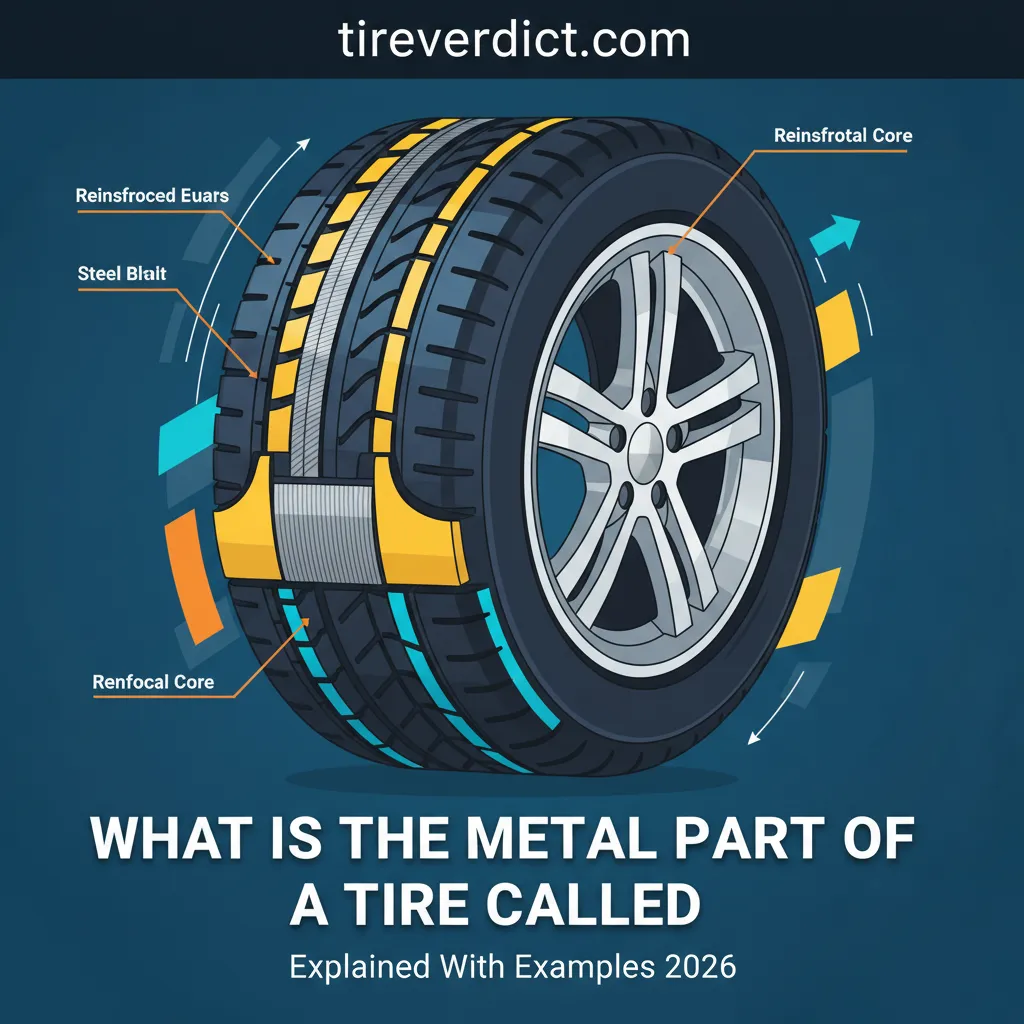
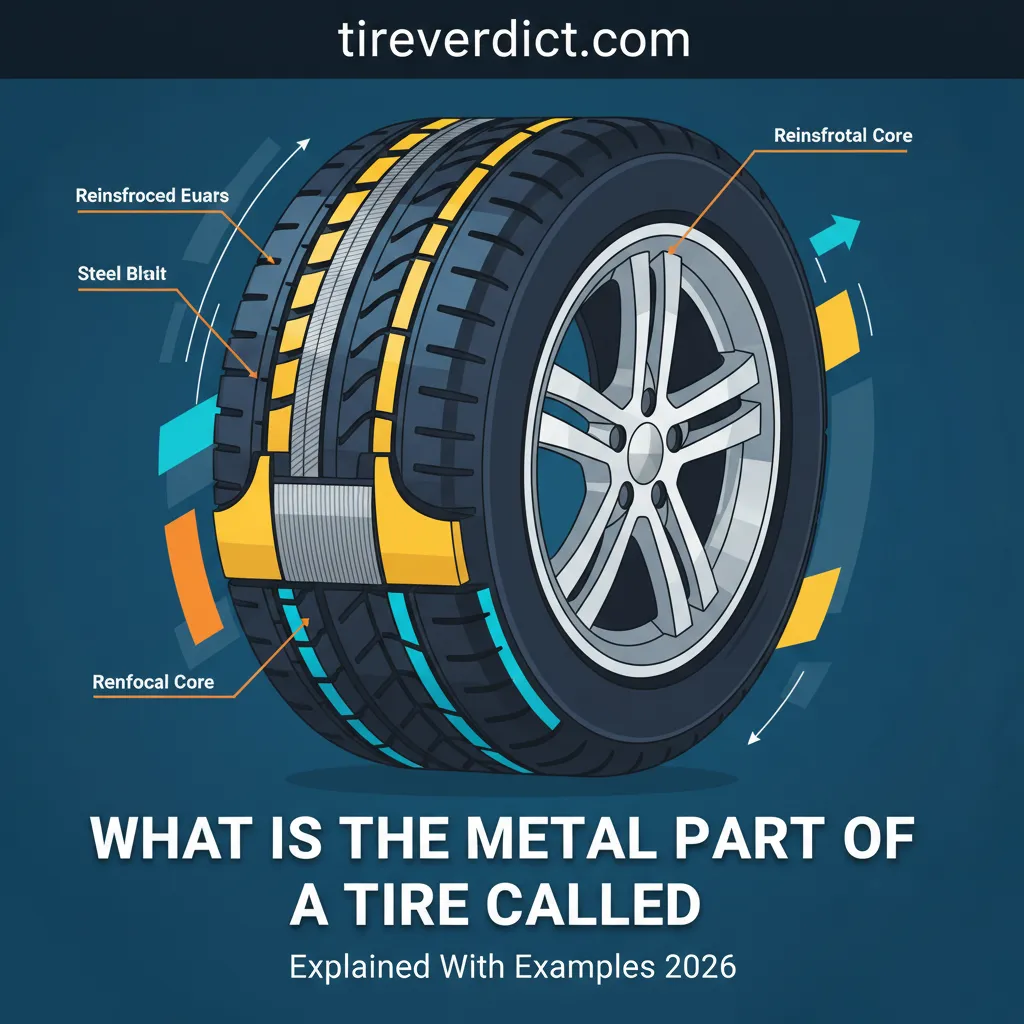
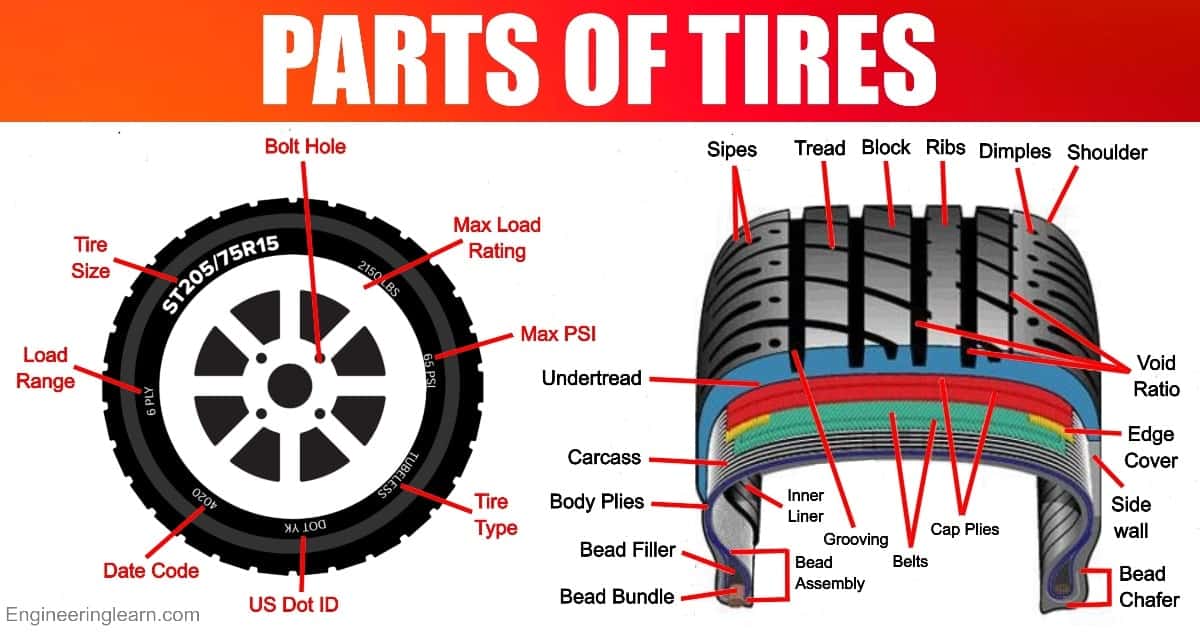
The steel belts are a defining feature of modern radial tires. These are layers of fine, high-strength steel filaments, often twisted together into cords, which are then embedded in rubber and placed circumferentially beneath the tire’s tread and above the casing plies. Think of them as a robust, non-stretchable girdle for the tire’s crown. Their key functions include:
- Providing significant rigidity to the tread area, ensuring it maintains a flat, stable contact patch with the road.
- Enhancing puncture resistance, acting as a protective barrier against road debris.
- Contributing to superior directional stability and steering responsiveness.
- Aiding in uniform tread wear by preventing tread squirm and distortion.
An overview of a cutaway radial tire would clearly show these parallel bands of steel mesh. The engineering advancements, particularly in radial tire technology pioneered in the mid-20th century, made steel belts indispensable for achieving the superior handling, longevity, and fuel efficiency we expect from tires today, especially compared to older bias-ply designs.
Bead Wires: The Tire’s Anchor to the Wheel
Equally critical are the bead wires. These are loops of high-tensile steel cables, typically bundled together and encased in rubber, located at the tire’s innermost circumference—the bead area. During tire mounting, these non-stretchable wires are compressed onto the wheel’s bead seat, forming a critical and airtight seal. This is an important mechanical connection, performing two vital functions:
- Creating an airtight seal with the wheel rim, essential for maintaining tire inflation pressure.
- Physically holding the tire onto the wheel flange, preventing it from detaching even under extreme lateral forces during cornering or heavy loads.
Without robust bead wires, a tire would simply fail to stay on the wheel or hold air. Their strength is phenomenal, allowing them to withstand incredible forces. This explanation highlights the basics of internal metal components.
By The Numbers
Tensile Strength of Bead Wire
Tire Weight: Rubber Compounds

The Wheel Assembly: Primary External Metal Component of a Tire System
Beyond the internal reinforcements of the tire itself, the most prominent and visible metal component directly associated with a tire is, without question, the wheel, commonly referred to as the rim. This rigid structure forms the crucial interface between the tire and the vehicle’s axle, undertaking massive responsibilities in terms of vehicle dynamics and safety. This overview covers its fundamentals.
Wheel Construction Materials: Steel vs. Alloy
Wheels are manufactured from various metals, each chosen for specific performance characteristics, cost, and aesthetics:
- Steel Wheels: Often made from stamped steel, these wheels are known for their durability, robustness, and cost-effectiveness. They are heavier than alloy wheels but are highly resistant to bending and cracking, making them common for commercial vehicles, entry-level passenger cars, and winter wheel sets. Their utilitarian appearance is typically covered by hubcaps.
- Aluminum Alloy Wheels: Comprising aluminum mixed with other metals (like magnesium), these wheels are manufactured through processes such as casting, forging, or flow-forming. They offer significant advantages: lower weight, enhanced aesthetics, and improved performance. Lower unsprung mass contributes to better handling, braking, and fuel efficiency. Examples include a performance-oriented forged aluminum alloy wheel on a sports car, prized for its strength-to-weight ratio.
Wheel Design and Functionality
Beyond their material, wheels are intricately designed to fulfill multiple critical functions:
- Providing the crucial mounting surface for the tire, ensuring it seats correctly and holds air.
- Supporting the vehicle’s entire static and dynamic load.
- Transferring braking and acceleration forces from the vehicle to the road.
- Facilitating heat dissipation from the brakes, especially with open-spoke alloy designs.
Valve Stem Components: Small but Mighty Metal Parts
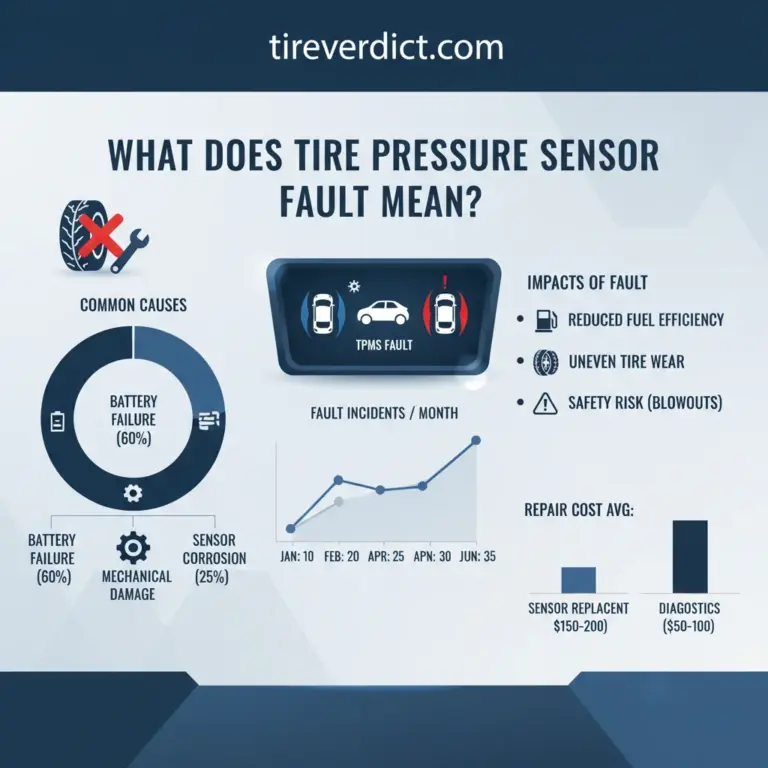
Within the wheel assembly, the valve stem, though small, contains vital metal parts. This includes the brass valve core, a tiny spring-loaded mechanism that allows air in and out while sealing the tire. For certain applications, valve stems themselves can be metal-bodied. Modern vehicles also often feature Tire Pressure Monitoring System (TPMS) sensors, which are sophisticated metal and electronic devices integrated into the valve stem, monitoring tire pressure and temperature, providing critical safety data to the driver. The typical Schrader valve core, for instance, is manufactured from brass and rated for pressures up to 300 psi.
Industry Data
Weight Reduction (Alloy vs. Steel Wheel)
Max Pressure Rating (Brass Schrader Core)

Performance and Safety: The Critical Role of Metal in Tire Functionality
The metal components within and around a tire are not merely structural; they are fundamental enablers of its performance, dictating everything from handling dynamics to crucial safety features. Their design and integration are a testament to sophisticated engineering, contributing to a vehicle’s overall stability, control, and efficiency. A detailed explanation of their impact is important for a complete understanding.
Enhanced Structural Integrity & Load Bearing
The robust steel belts and bead wires reinforce the tire’s ability to maintain its intended shape, resist deformation under varying loads, and safely support the vehicle’s weight. This is particularly crucial at higher speeds, where centrifugal forces and heat buildup can compromise less rigid structures. The wheel itself bears the entire vehicle load, ensuring it stays connected to the axle.
Superior Handling and Braking Performance
Stiff steel belts contribute significantly to improved steering response and enhanced cornering stability by minimizing tread squirm—the distortion of the tread block under lateral forces. This translates to a more precise feel and greater driver confidence. For braking, these belts help maintain a consistent and optimized contact patch with the road surface, leading to more effective and shorter stopping distances. Studies indicate that well-engineered steel belting can reduce stopping distances by several feet at highway speeds due to a more stable contact patch.
Enhanced Durability and Puncture Resistance
The metal reinforcements provide critical protection against common road hazards like nails, glass, and sharp objects, significantly extending the tire’s overall service life. This directly impacts long-term vehicle safety and operational costs. A strong wheel, whether steel or alloy, is designed to withstand impacts from potholes and curbs, preventing catastrophic failure during hard encounters and protecting the integrity of the tire and vehicle suspension.
Bead wire failures, though rare in properly maintained tires, almost invariably lead to rapid, uncontrolled deflation (a blowout). This sudden loss of tire pressure is an extreme safety hazard, significantly increasing the risk of loss of vehicle control, especially at higher speeds. Always ensure bead areas are inspected during tire mounting and rotation.
Maintaining Metal Components: Ensuring Longevity and Preventing Issues
The longevity and optimal performance of your tire system heavily depend on the careful maintenance of its metal components. Neglecting these parts can lead to premature wear, reduced safety, and increased operational costs. This section provides practical insights and recommendations for ensuring the health of the metal parts of your tires and wheels, outlining the key points for care.
📋
Step-by-Step Maintenance Guide
Perform frequent visual checks of both steel and alloy wheels. Look for signs of damage such as cracks, bends, curbing (scrapes from hitting curbs), or severe corrosion. A bent wheel can cause persistent steering wheel vibration, accelerated tire wear, and potentially premature suspension component failure. If you suspect a bend, a professional balancer can confirm it by observing wheel rotation. Promptly addressing any damage is critical; driving on structurally compromised wheels is extremely dangerous.
It is a best practice to replace standard rubber valve stems every time new tires are mounted, as their recommended service life is 3-5 years. For vehicles with TPMS, understand that the sensors often have specific maintenance requirements, such as replacing rubber gaskets or metal washers, and checking for corrosion around the metal stem base. Always check for air leaks around the valve stem using soapy water. Metal valve caps are preferable to plastic as they offer a better seal and protection.
Metal components are susceptible to corrosion, especially from road salt in winter climates, and harsh cleaning chemicals. Regularly clean your wheels using pH-neutral cleaners and rinse thoroughly. Consider protective coatings for alloy wheels to deter corrosion. Ensure proper torque settings when installing lug nuts, as incorrect torque can lead to wheel stud fatigue or uneven pressure, compromising the wheel’s integrity. Be mindful of galvanic corrosion between dissimilar metals, such as steel lug nuts on aluminum wheels; using anti-seize compound can help prevent galling and seizing.
After any wheel installation or tire rotation, re-torque your lug nuts after driving 50-100 miles. This accounts for any initial settling of components and helps ensure the wheel remains securely fastened, preventing potential loosening due to vibration or thermal expansion/contraction. Refer to your vehicle’s owner’s manual for the correct torque specifications.
Adhering to these fundamentals of maintenance not only extends the lifespan of your wheels and internal tire components but, more importantly, safeguards your driving experience and the safety of all occupants.
Conclusion
In conclusion, the inquiry into the “metal part of a tire” reveals a nuanced understanding of vehicle components. A tire itself is primarily rubber and fabric, but its functional assembly heavily relies on crucial metal components. Key internal metal parts include steel belts, providing tread stability, strength, and puncture resistance, and bead wires, essential for sealing the tire to the rim. The primary external metal component is the wheel or rim, made from steel or alloy, which provides the mounting surface and supports the vehicle’s load.
These metal components fundamentally impact a tire’s performance, vehicle handling, fuel efficiency, and critical safety features. Regular inspection, proper cleaning, and timely maintenance of wheels, valve stems, and consideration for internal metal structures are crucial for the longevity and safety of the entire tire system. Understanding these critical metal components empowers you to make informed decisions about tire maintenance and vehicle safety. Always consult a certified automotive technician for professional tire and wheel inspections, repairs, or replacements.
Frequently Asked Questions
What is the steel cord in a tire called?
The steel cords embedded within a tire are primarily known as ‘steel belts’ or ‘belt plies.’ These robust layers are strategically placed beneath the tread. Their main purpose is to provide crucial structural integrity, enhance puncture resistance, and contribute significantly to stable handling characteristics and extended tread life in modern radial tires.
What is the metal ring that holds the tire on called?
The metal ring that securely holds the tire onto the vehicle is unequivocally called the ‘wheel’ or ‘rim.’ It serves as the rigid structural foundation, typically manufactured from steel or aluminum alloy, onto which the tire is mounted and forms an airtight seal via the tire’s bead wires.
Are all tires reinforced with metal?
Most modern passenger, light truck, and many commercial vehicle tires are ‘radial’ tires, which extensively use steel belts and bead wires for reinforcement. While some specialized tires (e.g., certain industrial, agricultural, or very old bias-ply designs) might primarily use textile cords, steel reinforcement is the dominant standard for optimal performance, durability, and safety in contemporary automotive applications.
How important are bead wires in a tire?
Bead wires are critically important because they form the non-stretchable, high-strength core of the tire’s inner circumference. They are essential for creating and maintaining a tight, airtight seal with the wheel rim, preventing air loss, and securely anchoring the tire in place under all dynamic driving conditions. Their failure results in immediate and catastrophic tire separation from the wheel.
Can damaged metal tire parts be repaired?
Repairability depends heavily on the specific component and the extent of the damage. Minor cosmetic damage to alloy wheels (e.g., scuffs) can sometimes be repaired. However, any structural damage to a wheel (e.g., cracks, severe bends) or compromised internal steel belts/bead wires within a tire generally renders the component unsafe and necessitates immediate replacement for vehicle safety and performance.