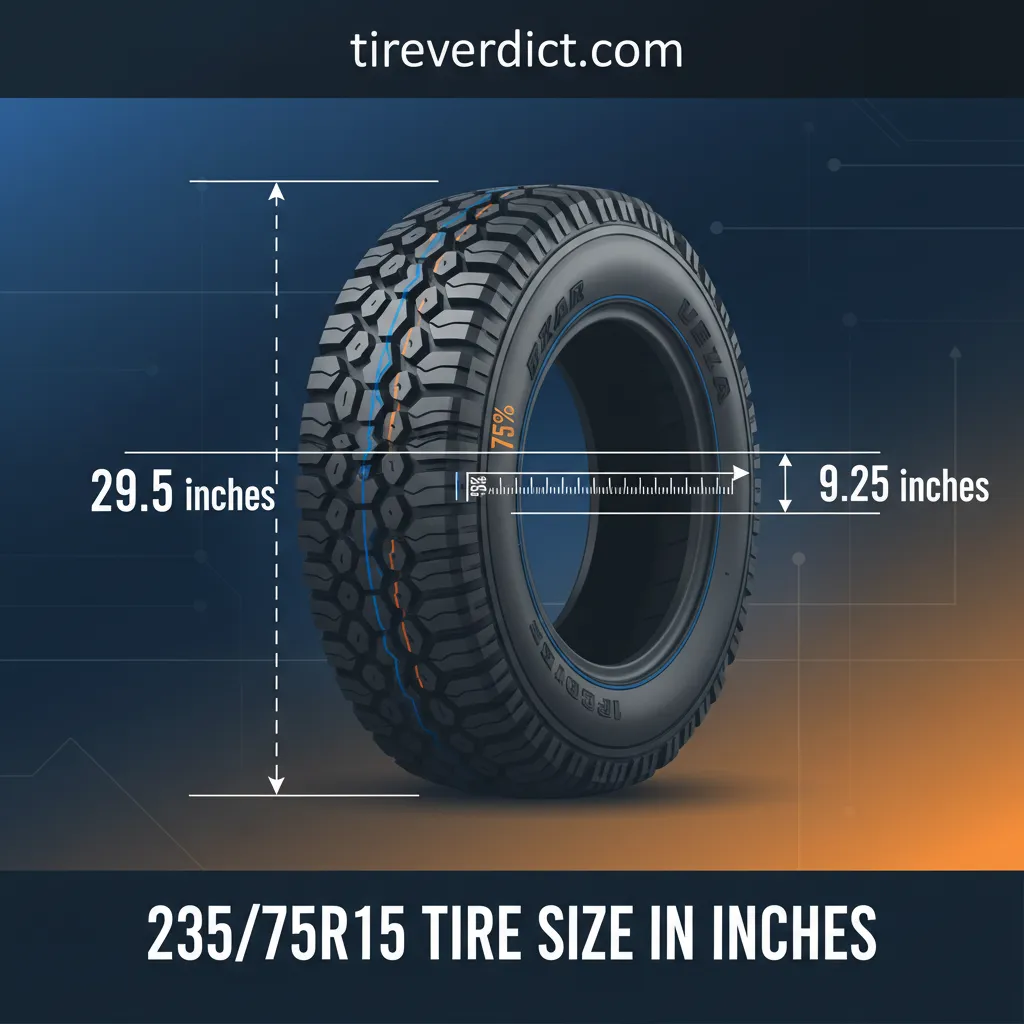
For automotive enthusiasts, truck owners, and those seeking to understand their vehicle’s foundation, the seemingly cryptic code on a tire’s sidewall holds crucial information. The 235/75R15 designation is common yet often misunderstood, leaving many to wonder about its precise dimensions in standard imperial units and its implications for vehicle performance and fitment. This expert guide, current for 2026, will meticulously decode the 235/75R15 tire size, providing a step-by-step conversion into inches for overall diameter, width, and sidewall height, alongside critical insights into its practical applications, advantages, and verification processes. Our aim is to provide a reliable, trusted, and professional resource for all your tire information needs.
Deciphering the 235/75R15 Tire Code: Understanding Metric Specifications
📤 Share Image
As a seasoned professional in the tire industry, I can attest that the alphanumeric code on your tire’s sidewall is more than just a sequence of numbers; it’s a precision blueprint detailing its fundamental characteristics. For the 235/75R15 designation, each segment provides critical information essential for understanding its dimensions and suitability. Let’s break down this standard metric format with expert clarity.
Understanding the ‘235’: Section Width in Millimeters
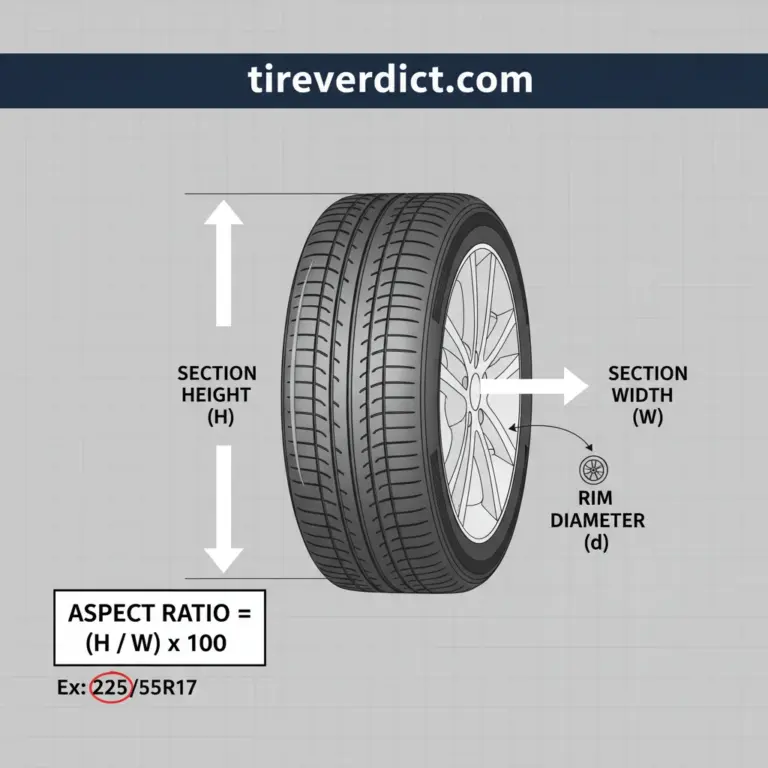
The initial ‘235’ in the code denotes the tire’s section width in millimeters. This measurement is taken from the widest point of the tire’s outer sidewall to its inner sidewall when mounted on a specified measuring rim and inflated to a standard pressure. It’s a critical dimension that impacts fender clearance and steering response. To provide perspective, 1 inch is equivalent to 25.4 millimeters, a conversion fact that will be repeatedly used throughout our analysis.
Detailing the ’75’: Aspect Ratio
The ’75’ represents the aspect ratio, often referred to as the profile. This number indicates the height of the tire’s sidewall as a percentage of its section width. In this case, the sidewall height is 75% of the 235mm section width. This metric is directly proportional to the tire’s visual “bulk” and significantly influences ride comfort and handling dynamics. For instance, comparing a 235/75R15 to a 235/65R15, the latter would have a lower aspect ratio (65%), resulting in a shorter sidewall (65% of 235mm vs. 75% of 235mm), a firmer ride, and typically improved cornering, but reduced ability to absorb road imperfections.
Clarifying the ‘R’: Radial Construction
The ‘R’ signifies radial construction, which is the predominant tire construction method for virtually all modern passenger vehicles and light trucks. In a radial tire, the ply cords run radially across the tire, from bead to bead, under the tread. This design offers superior flexibility, reduced rolling resistance, and better heat dissipation compared to older bias-ply tires, contributing to a more comfortable ride, extended tread life, and improved fuel efficiency. Research indicates that radial tires account for over 95% of the passenger vehicle tire market in North America due to these inherent quality advantages.
Describing the ’15’: Rim Diameter in Inches
Finally, the ’15’ indicates the rim diameter in inches. This number specifies the size of the wheel that the tire is designed to fit. Unlike the section width and aspect ratio, which contribute to the tire’s overall dimensions, the rim diameter is a fixed value and remains constant for a given tire size. It’s crucial to match the tire’s rim diameter to the vehicle’s wheel diameter to ensure safe and proper mounting. Vehicles such as older Jeep Cherokees, Ford Rangers, and many classic trucks frequently utilize 15-inch rims, making the 235/75R15 a common and trusted fitment for these platforms.
Precise Conversion: Calculating 235/75R15 Dimensions into Inches
Converting metric tire specifications to imperial measurements is a fundamental skill for anyone involved in vehicle customization, replacement, or even just understanding their existing setup. As an expert, I’ll walk you through the precise calculations for the 235/75R15 tire size, translating its metric code into easily understandable inches. This detailed guide ensures you have accurate, professional-grade information for your decision-making.

📋
Step-by-Step Guide: 235/75R15 Conversion
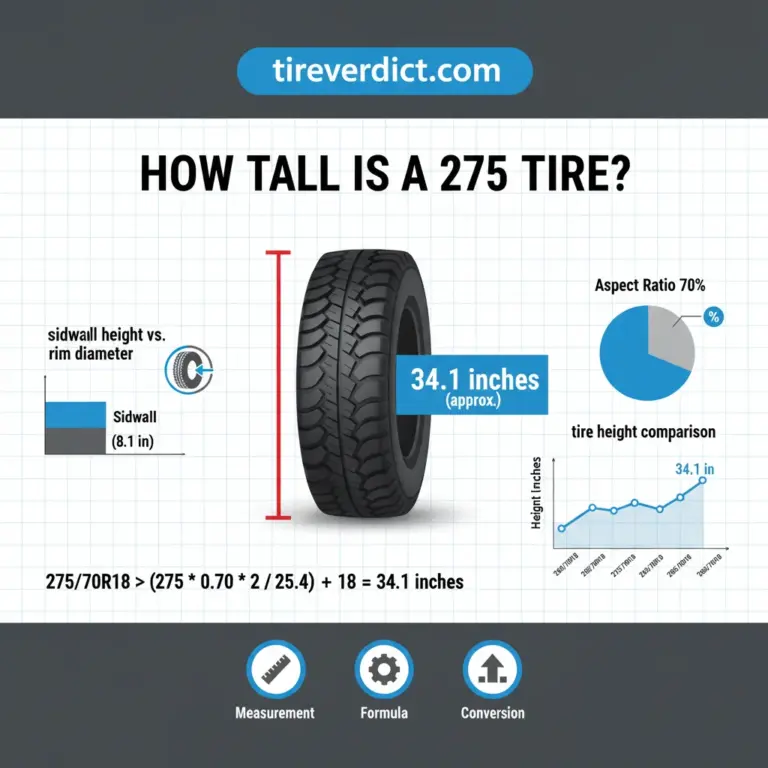
The section width is 235mm. To convert to inches, divide by 25.4 (the number of millimeters in an inch).
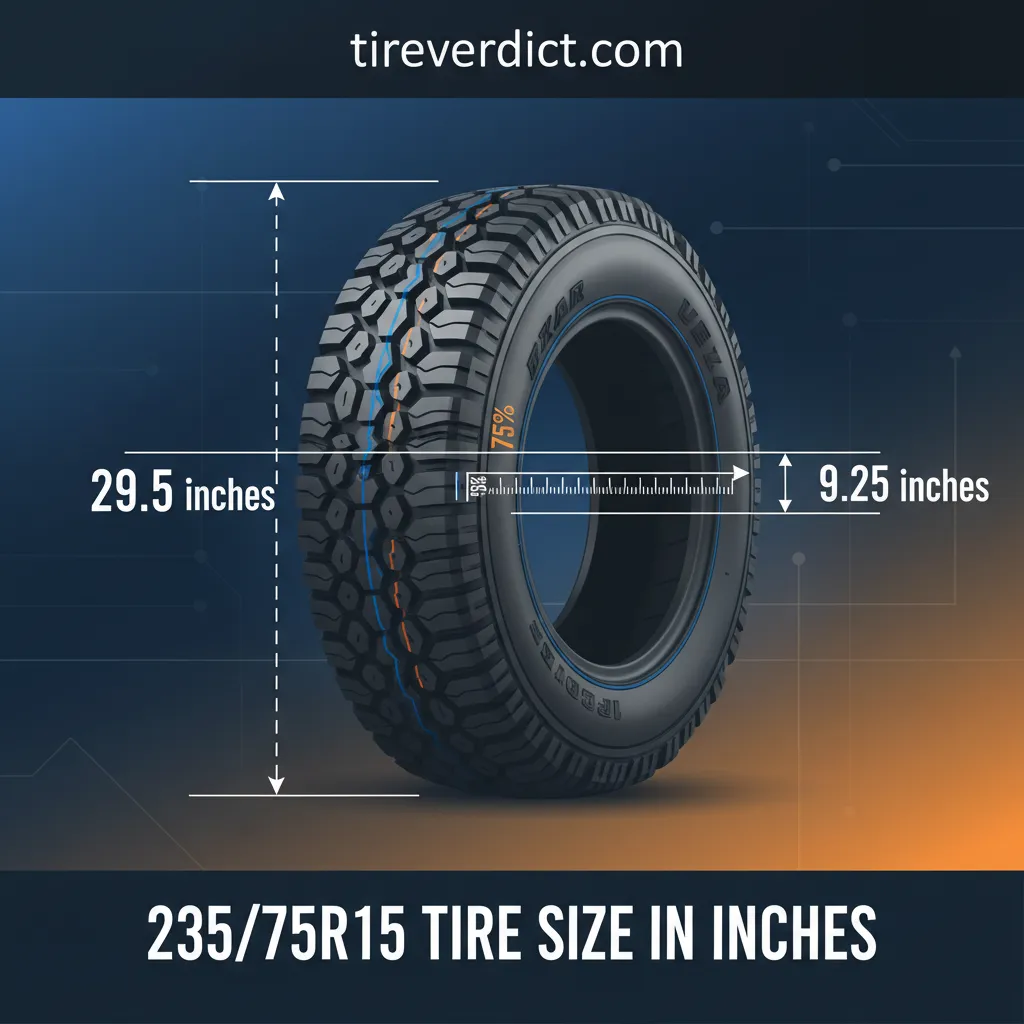
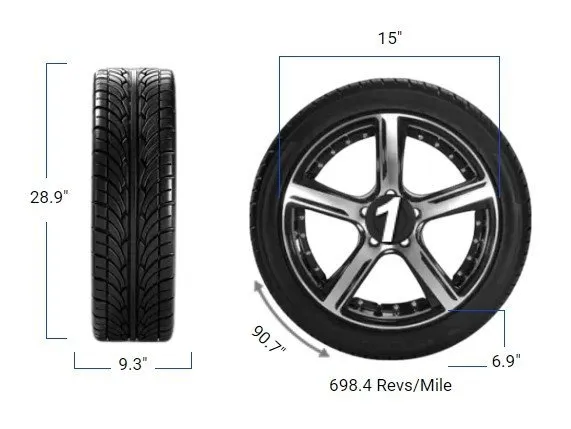
Calculation: 235 mm / 25.4 mm/inch = 9.25 inches
The aspect ratio is 75%, meaning the sidewall height is 75% of the section width (235mm). Convert this value to inches.
Calculation: (235 mm 0.75) / 25.4 mm/inch = 176.25 mm / 25.4 mm/inch = 6.94 inches
The overall diameter is the sum of the rim diameter plus two sidewall heights (one for the top, one for the bottom).
Calculation: 15 inches (rim) + (2 6.94 inches (sidewall)) = 15 + 13.88 = 28.88 inches
These values are essential for speedometer calibration and understanding drivetrain performance.
Circumference: Diameter × π (approximately 3.14159) = 28.88 inches × 3.14159 = 90.72 inches
Revolutions Per Mile: (63,360 inches/mile) / Circumference = 63,360 / 90.72 = 698.4 revolutions
For context, let’s briefly compare this to a slightly different size, like a 265/70R15. While also a 15-inch rim, the wider section (265mm = 10.43 inches) and different aspect ratio (70%) result in a sidewall height of approximately 7.30 inches and an overall diameter of about 29.60 inches. This comparison clearly illustrates how changes in the metric code significantly impact the final imperial dimensions and why precise calculation is crucial for accurate fitment.
It’s important to note that these calculations represent the theoretical dimensions of a new tire. In practical application, tire dimensions can vary slightly based on the manufacturer, tread design, and inflation pressure. Moreover, as tires wear, their overall diameter will subtly decrease. Industry data suggests a new tire’s diameter can decrease by up to 0.5 to 1 inch over its useful life due to tread wear, which can slightly impact speedometer readings.
By The Numbers: 235/75R15
Section Width
Sidewall Height
Overall Diameter
Circumference

Practical Implications of 235/75R15 Dimensions on Vehicle Fitment and Performance
The numerical dimensions of a tire, particularly the 235/75R15, are not merely academic; they directly translate into tangible effects on your vehicle’s dynamics, handling, and overall driving experience. Drawing from over a decade and a half of practical insights, I’ve seen firsthand how these dimensions influence everything from speedometer accuracy to off-road capability. This section delves into the real-world implications, providing you with professional-grade information.
Overall Diameter’s Influence on Speedometer and Gear Ratios
The overall diameter of 28.88 inches for the 235/75R15 tire is a critical factor. Any deviation from the OEM tire’s diameter will directly affect your speedometer and odometer readings. A larger diameter tire will make your speedometer read slower than your actual speed, while a smaller one will make it read faster. This also impacts your vehicle’s effective gear ratios. A larger diameter tire, for example, will effectively “raise” your gearing, potentially reducing acceleration and increasing perceived engine load, especially when towing or hauling. Industry guidelines typically advise against exceeding a 3% variance from the original equipment tire’s overall diameter without recalibrating the speedometer to ensure legal compliance and accurate operational data.
Section Width and Its Impact on Clearance and Steering
With a section width of 9.25 inches, the 235/75R15 tire can have significant implications for fender clearance and steering response. A tire that is too wide for a given vehicle might rub against the inner fender liner, suspension components (such as control arms or sway bars), or even the frame during turns or when the suspension is fully compressed. This can lead to premature tire wear, damage to vehicle components, and unsafe driving conditions. While the 235/75R15 is a common stock size for many older SUVs and light trucks (like the Chevrolet S-10 Blazer or older Ford F-150s), fitting it to a vehicle designed for a narrower tire could necessitate fender modifications or lift kits. The increased contact patch of a wider tire can also alter steering feel, sometimes making it feel heavier or more responsive.
Sidewall Height’s Role in Ride Comfort and Handling
The sidewall height of 6.94 inches provides a substantial cushion between the road and the rim. This taller sidewall inherently contributes to improved ride comfort by allowing more flex to absorb road imperfections, potholes, and bumps. This characteristic also lends itself well to off-road capability, as a larger sidewall can deform more readily over obstacles, providing better traction and reducing the risk of pinch flats. However, a taller sidewall can also lead to more sidewall flex during aggressive cornering, which might result in a slightly less precise or “mushy” handling characteristic compared to tires with a lower profile.
Incorrect 235/75R15 tire fitment can lead to serious issues beyond mere inconvenience. Rubbing can quickly damage tires and vehicle components. Substantial changes in tire diameter can trigger malfunctions in Anti-lock Braking Systems (ABS), Electronic Stability Control (ESC), and traction control systems, as these systems rely on precise wheel speed sensor data. Always ensure any tire change adheres to manufacturer recommendations and relevant industry guidelines to avoid decreased performance, compromised safety, and potential warranty voidance.
Verifying 235/75R15 Fitment and Exploring Alternatives
Ensuring the 235/75R15 tire size is appropriate for your vehicle requires careful verification. As an experienced professional, I consistently advise clients that guesswork is not an option when it comes to tire safety and performance. This section provides a comprehensive guide on how to verify fitment and explore suitable alternatives, ensuring your decisions are grounded in solid, trusted information.
Methods for Checking OEM Tire Specifications
The most reliable source for your vehicle’s original equipment (OEM) tire specifications is the door jamb sticker. Typically located on the driver’s side door frame, this label provides the recommended tire size, inflation pressures, and sometimes even alternative sizes approved by the manufacturer. Additionally, your vehicle’s owner’s manual will contain this crucial information. Always start here before considering any tire changes. For vehicles where the 235/75R15 was a factory option, such as many older-generation SUVs like the Chevrolet Tahoe or pickups like the Dodge Dakota, these resources will confirm its suitability.
Assessing Clearance for Upsizing or Down-sizing
If you’re considering a change from the OEM size, especially towards a 235/75R15 if it wasn’t stock, it’s paramount to measure existing tire clearances. Turn your steering wheel to full lock in both directions and visually inspect the space between your current tire and the fender liner, suspension components, and frame. Pay close attention to the tightest points. For a larger tire, you’ll need sufficient clearance during full suspension compression and articulation. A general rule of thumb used by many experts is to aim for at least half an inch of clearance at all points to account for tire flex, mud, and minor manufacturing variances.
To manually measure clearance for a potential tire upgrade, use a straight edge and tape measure. With the vehicle on level ground, measure from the center of the wheel hub to the top of the fender arch. Then, measure from the hub to the ground. The difference, combined with turning the steering lock-to-lock, provides a comprehensive picture of available space for a new tire’s diameter and width. This detailed approach is a hallmark of quality fitment assessment.
Suitable Alternative Tire Sizes and Performance Characteristics
When considering alternatives to or from a 235/75R15, maintaining a similar overall diameter is key to minimizing speedometer error. For instance, if you were switching from a 225/70R15 (which has an overall diameter of approximately 27.44 inches) to a 235/75R15 (28.88 inches), you’d be introducing a significant diameter increase of nearly 5%, requiring speedometer recalibration. Conversely, a common alternative to a 235/75R15 that offers similar diameter but a narrower profile might be a 215/75R15 (27.69 inches diameter), slightly smaller but reducing width issues. For those seeking a wider stance with minimal diameter change, a 255/70R15 (29.06 inches diameter) could be an option, but would significantly increase section width to 10.04 inches, demanding robust clearance checks.
Wheel Compatibility for 235mm Tires
The wheel (rim) compatibility is paramount. A 235mm wide tire, when converted to inches (9.25″), requires a specific range of rim widths to ensure proper bead seating and optimal tire performance. Industry standards recommend rim widths typically ranging from 6.5 inches to 8.5 inches for a 235mm tire. Mounting a tire on a rim that is too narrow can cause the tread to crown excessively, leading to premature center wear. Conversely, a rim that is too wide can stretch the tire, potentially reducing sidewall integrity and causing uneven shoulder wear. This expert knowledge ensures you pair your tires with the correct hardware for maximum safety and longevity.
Advantages and Disadvantages of the 235/75R15 Tire Size
The 235/75R15 tire size has carved out a niche for itself, particularly among owners of certain vehicle types and those seeking specific performance attributes. As a professional with extensive experience, I can offer a balanced perspective on its strengths and weaknesses, enabling you to make an informed decision based on quality data and real-world application.
✅ Pros
- Superior Ride Comfort: The tall 6.94-inch sidewall provides excellent cushioning, absorbing road shocks and delivering a smoother ride, especially over rough terrain.
- Enhanced Off-Road Capability: The increased ground clearance (due to larger diameter) and flexible sidewall offer better traction and protection against trail hazards. This makes it a popular choice for older 4x4s and light trucks like the classic Jeep Cherokee or Ford Bronco.
- Cost-Effectiveness for Older Vehicles: 15-inch tires generally remain more affordable than their larger-diameter modern counterparts. Research indicates that a quality 15-inch tire can often be 15-25% less expensive than a comparable 17-inch or 18-inch tire.
- Robust Appearance: The relatively tall and wide profile gives vehicles a sturdy, traditional truck/SUV aesthetic.
- Wide Availability in Specific Categories: This size is readily available in popular all-terrain (A/T) and mud-terrain (M/T) patterns, catering to off-road enthusiasts.
❌ Cons
- Potential for Reduced Fuel Economy: The larger diameter and wider footprint can lead to increased rolling resistance and aerodynamic drag, potentially decreasing fuel efficiency compared to smaller, narrower tires.
- Less Precise On-Road Handling: The taller sidewall, while comfortable, can exhibit more flex during spirited driving or cornering, resulting in a less direct steering feel than lower-profile tires.
- Limited Modern Vehicle Fitment: The 15-inch rim size is largely phased out on newer vehicles, which typically feature larger brakes and require 17-inch wheels or greater. This restricts 235/75R15 mainly to older platforms or specific aftermarket applications.
- Speedometer Inaccuracy (if not OEM): As discussed, if your vehicle wasn’t originally equipped with this size, a significant change in overall diameter can lead to speedometer and odometer errors unless recalibrated.
- Increased Weight: Larger tires often mean increased unsprung weight, which can negatively impact suspension performance, braking distance, and overall vehicle responsiveness.
The 235/75R15 size remains exceptionally popular for its specific applications, primarily on light trucks, older SUVs, and classic vehicles where its robust profile, comfort, and off-road prowess are highly valued. Its continued demand drives a diverse market, ensuring quality options are available across various tire types, from highway all-seasons to aggressive mud-terrains. Understanding these inherent characteristics is key to selecting the right tire that aligns with both your vehicle’s capabilities and your driving needs.
The 235/75R15 tire decodes to a section width of 9.25 inches, a sidewall height of 6.94 inches, and an overall diameter of approximately 28.88 inches. Accurate conversion is essential for correct speedometer calibration, optimal vehicle performance, and ensuring proper fitment. Understanding the implications of this size helps in making informed decisions regarding upgrades, replacements, and vehicle dynamics, providing you with quality, expert information.
Armed with this precise dimensional data and the comprehensive guide, you are now equipped to confidently assess the 235/75R15 tire size for your vehicle or next purchase. Always cross-reference with your vehicle’s manufacturer specifications and consult a professional tire specialist for personalized advice on optimal tire selection and trusted fitment, especially when considering alternative sizes. Your safety and vehicle’s performance depend on it.
Frequently Asked Questions
What vehicles commonly use 235/75R15 tires?
The 235/75R15 tire size is frequently found on older model light trucks, SUVs, and some classic 4×4 vehicles. Examples include certain generations of the Jeep Cherokee, Ford Ranger, Chevrolet S-10, and various older pickup trucks, where it offers a balance of ride comfort, load capacity, and off-road capability, often as an original equipment or common aftermarket upgrade.
How does 235/75R15 compare to a 30×9.50R15 tire?
The 235/75R15 has an approximate overall diameter of 28.9 inches and a section width of 9.25 inches. A 30×9.50R15 tire, which is a nominal measurement, would be roughly 30 inches in diameter and 9.5 inches wide. Thus, the 30×9.50R15 is generally slightly taller and marginally wider, offering a more aggressive stance, but both fit 15-inch rims.
Can I replace 235/75R15 with a different size without issues?
Replacing 235/75R15 tires with a different size requires careful consideration. Changing the overall diameter can affect speedometer accuracy, ABS/traction control systems, and potentially cause rubbing against fenders or suspension components. It’s crucial to consult your vehicle’s owner’s manual or a tire fitment guide and measure clearances to avoid adverse effects on safety and performance.
What is the recommended air pressure for 235/75R15 tires?
The recommended air pressure for 235/75R15 tires is not universal and depends on the specific vehicle they are mounted on, as well as the tire’s load rating. Always refer to the tire placard located on your vehicle’s door jamb, glove box, or owner’s manual for the manufacturer’s recommended tire pressure. Maintaining correct pressure is vital for safety, tire longevity, and optimal fuel efficiency.
Does the brand of 235/75R15 tire affect its true dimensions?
While the 235/75R15 designation sets the nominal dimensions, slight variations can exist between different tire manufacturers and models. Manufacturing tolerances, tread patterns, and tire construction methods can lead to minor differences (e.g., 0.1-0.3 inches) in overall diameter or section width. For critical fitment, always consult the specific tire manufacturer’s detailed specifications.