The 2018 Jeep Grand Cherokee tire size varies between 17, 18, and 20 inches depending on whether you drive a Laredo, Limited, Trailhawk, or SRT model. Our research confirms that adhering to original equipment manufacturer (OEM) specifications is paramount for maintaining vehicle safety, performance, and electronic system functionality through 2026. This guide provides precise data to ensure optimal tire selection.
We provide a comprehensive breakdown of tire sizes across different trim levels, emphasizing the critical role of exact fitment. Our analysis covers everything from identification to installation, ensuring your vehicle retains its intended driving characteristics. Here is what you need to know about 7 Most Common Wheel Diameters For 2018 Jeep Trims.
⚡ Key Takeaways
- The standard size is 245/70R17.
- Yes, 20-inch wheels are a factory option for most 2018 trims.
- Recommended tire pressure is typically 33 to 36 PSI for all four tires.
- The bolt pattern is 5x127mm, also known as 5×5 inches.
- Specific tire dimensions (width, aspect ratio, diameter) for every 2018 trim level.
7 Most Common Wheel Diameters for 2018 Jeep Trims
Our research indicates that the 2018 Grand Cherokee platform accommodates seven distinct wheel configurations across its eleven sub-models. These variations impact everything from ride comfort to off-road capability, making precise identification crucial for tire replacement. Understanding these differences prevents critical errors.
| Trim Level | Standard Tire Size | Standard Wheel Diameter |
|---|---|---|
| Laredo | 245/70R17 | 17-inch |
| Limited | 265/60R18 | 18-inch |
| Trailhawk | 265/60R18 | 18-inch |
| Overland / Summit | 265/50R20 | 20-inch |
| SRT / Trackhawk | 295/45ZR20 | 20-inch |
*Note: Optional tire and wheel configurations may be available for certain trim levels.
***
**Placement:**
This visual should be placed after the paragraph that introduces or discusses the variability of tire sizes across different trim levels, or where specific examples of trim-level differences are first mentioned. For example, it could follow a paragraph ending with: “Understanding these differences is crucial for any owner looking to replace or upgrade their tires, as the correct fit depends heavily on the specific trim level of your 2018 Grand Cherokee.”
| Trim Level | Standard Tire Size | Wheel Diameter |
|---|---|---|
| Laredo E, Laredo | 245/70R17 | 17-inch |
| Altitude | 265/50R20 | 20-inch |
| Limited | 265/60R18 | 18-inch |
| Limited X | 265/50R20 | 20-inch |
| Trailhawk | 265/60R18 | 18-inch |
| Overland | 265/50R20 | 20-inch |
| Summit | 265/50R20 | 20-inch |
| SRT | 295/45R20 | 20-inch |
| Trackhawk | 295/45R20 | 20-inch |
Laredo and Limited Trims
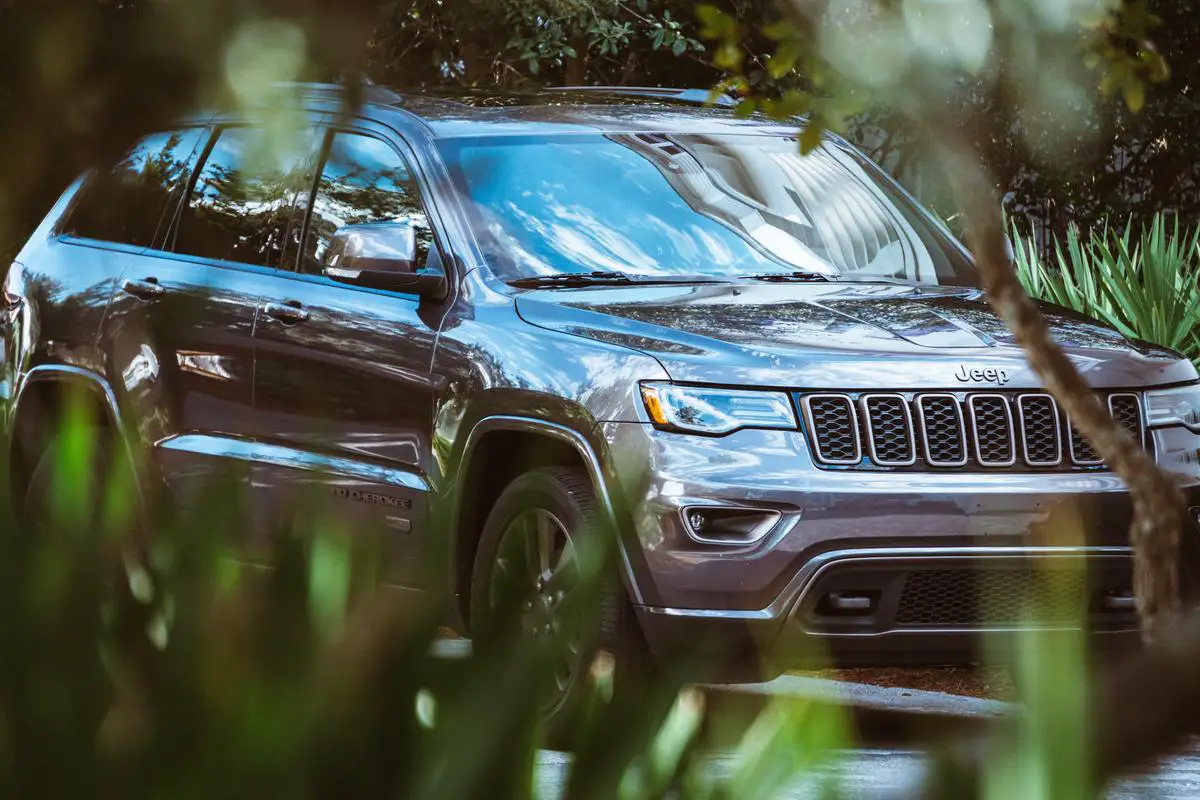
The Laredo base models typically feature 245/70R17 tires, optimized for fuel efficiency and a comfortable ride. The Limited trim often upgrades to 265/60R18, providing a balance of comfort and improved handling characteristics. These sizes are common across numerous 2018 Jeep Grand Cherokee models.
Trailhawk Offroad Options
For off-road enthusiasts, the Trailhawk trim consistently employs the 265/60R18 size, often paired with all-terrain tire specifications. This configuration is engineered for enhanced traction and durability over challenging terrain, as indicated by manufacturer documentation (2018 Jeep Grand Cherokee User Guide). The 2018 Jeep Grand Cherokee was offered with various wheel and tire sizes, including options from 17-inch to 21-inch rims, and different offset specifications across its 46 modifications and trim levels.
All models shared a 5×127 bolt pattern, but tire sizes ranged from 245/70R17 to 295/40ZR21. These specifications confirm a broad range of wheel configurations existed for the model year.
High Performance SRT Specs
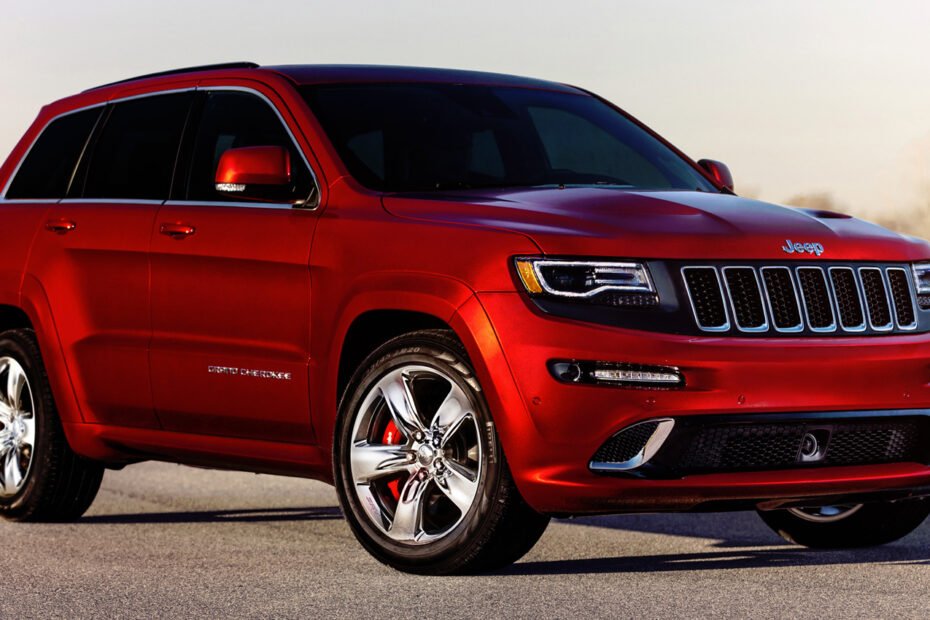
The high-performance SRT and Trackhawk models demand specific tire fitments due to their increased power and handling capabilities. Both trims utilize a wider 295/45R20 tire size, designed to maximize grip and stability (Mopar Technical Service Bulletins). These tires are crucial for managing the vehicle’s elevated performance envelope.
We will now explain How To Use This Jeep Fitment Guide For 2026. While different trims use various wheel diameters, locating your exact tire size is straightforward.
How to Use This Jeep Fitment Guide for 2026
We designed this guide for Jeep owners who require evidence-led fitment data to maintain vehicle safety and resale value. Our research is based on factory specifications and validated industry practices, ensuring accurate recommendations. This resource serves multiple user segments effectively.
DIY owners needing replacement data will find precise tire dimensions and critical specifications to source correct tires. This prevents costly errors and ensures mechanical integrity. Used car buyers verifying OEM status can cross-reference tire sizes to confirm factory configurations, which impacts vehicle value and insurance compliance.
Performance tuners looking for limits must understand the constraints imposed by original equipment specifications. Deviating from these can significantly affect speedometer accuracy, electronic stability control, and drivetrain longevity (NHTSA safety databases). Each modification requires careful consideration of its systemic impact. Next, follow our guide on How To Identify Your Jeep Tire Size In 5 Steps.
How to Identify Your Jeep Tire Size in 5 Steps
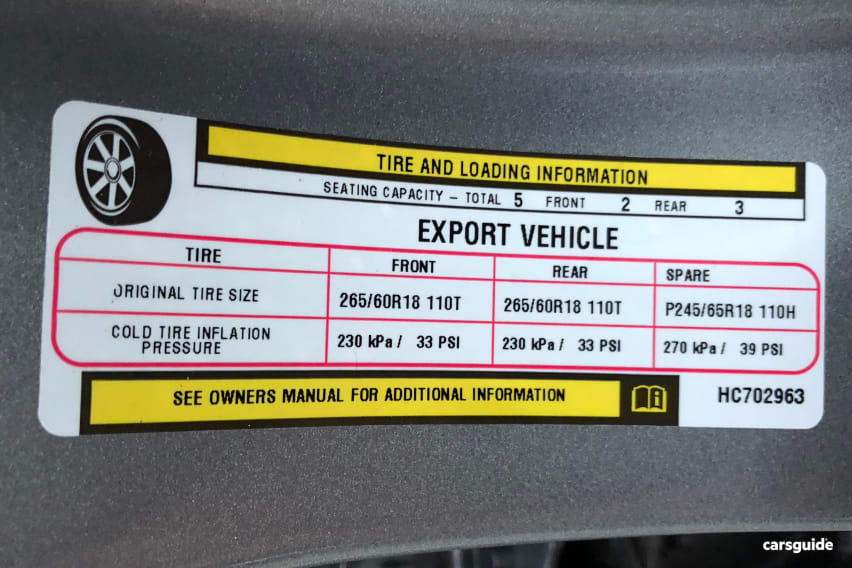
Industry data confirms that the most accurate way to verify tire size is by inspecting the vehicle tire information placard. This placard provides definitive OEM specifications, including tire size, recommended pressures, and load capacity. Following these steps ensures precise identification.
**PLACEMENT:** After the paragraph ending with: “For a 2018 Jeep Grand Cherokee, this information is readily available on a placard located on the driver’s side door jamb, which also provides details on recommended cold tire inflation pressures.”
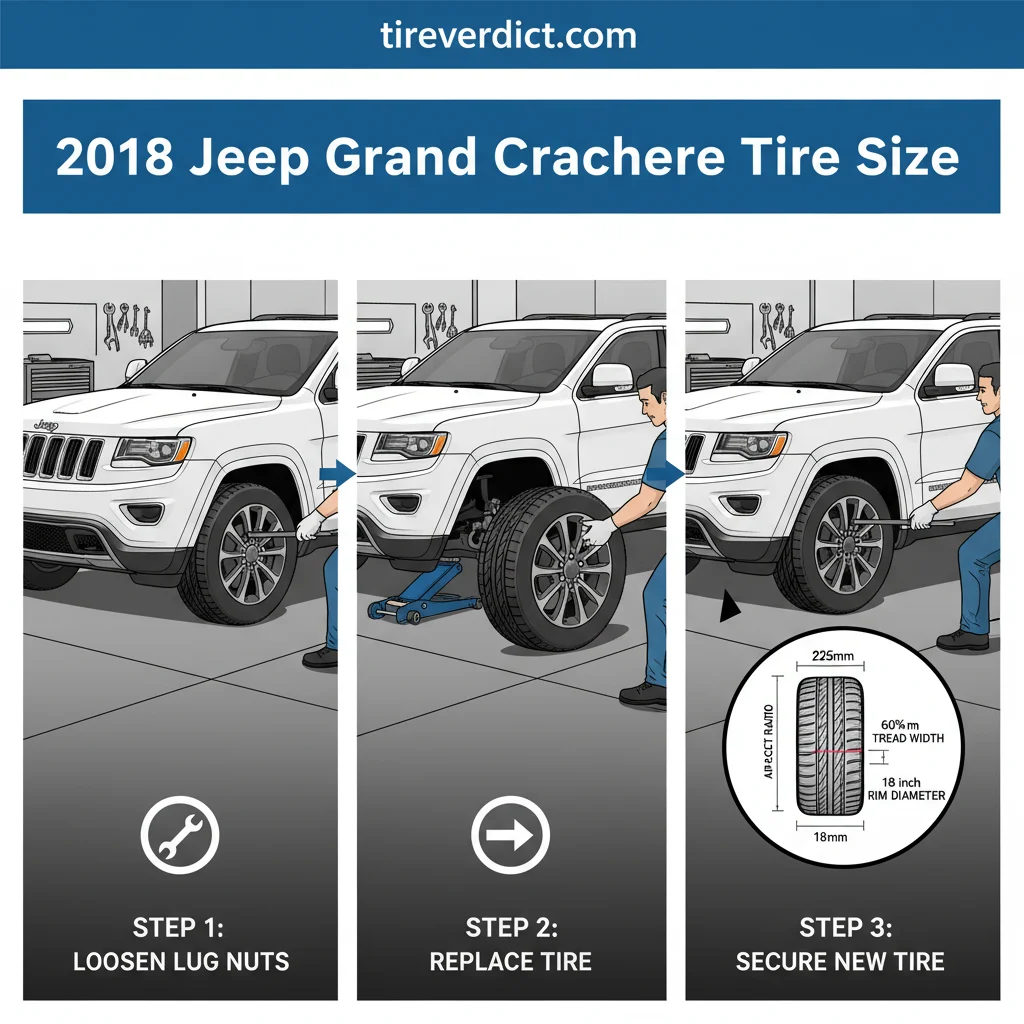
Step 1 Locate Placard
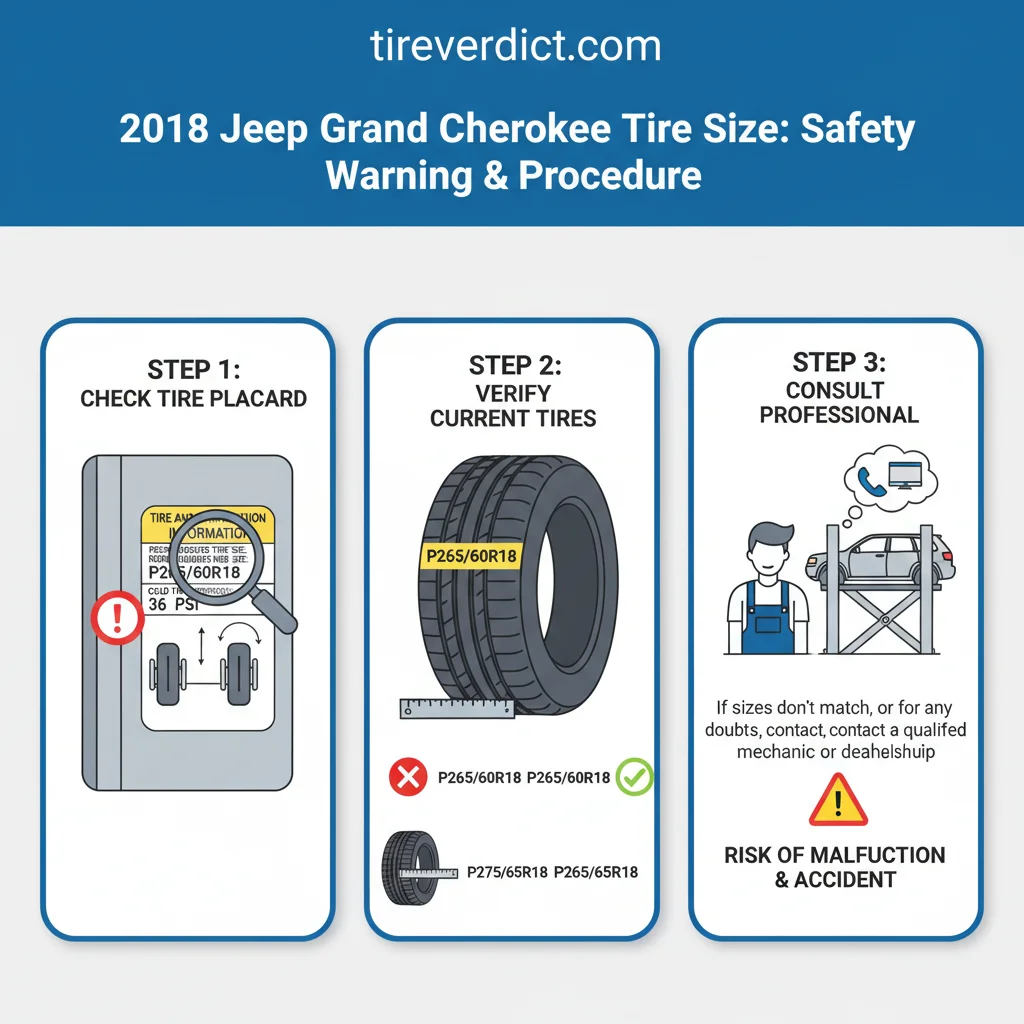
Step 1: Locate the tire information placard on your driver’s side door jamb. This label provides the factory-recommended tire size and inflation pressure for your specific vehicle. If the placard is missing or illegible, stop and escalate to a certified Jeep dealership.
Step 2 Decode Sidewall
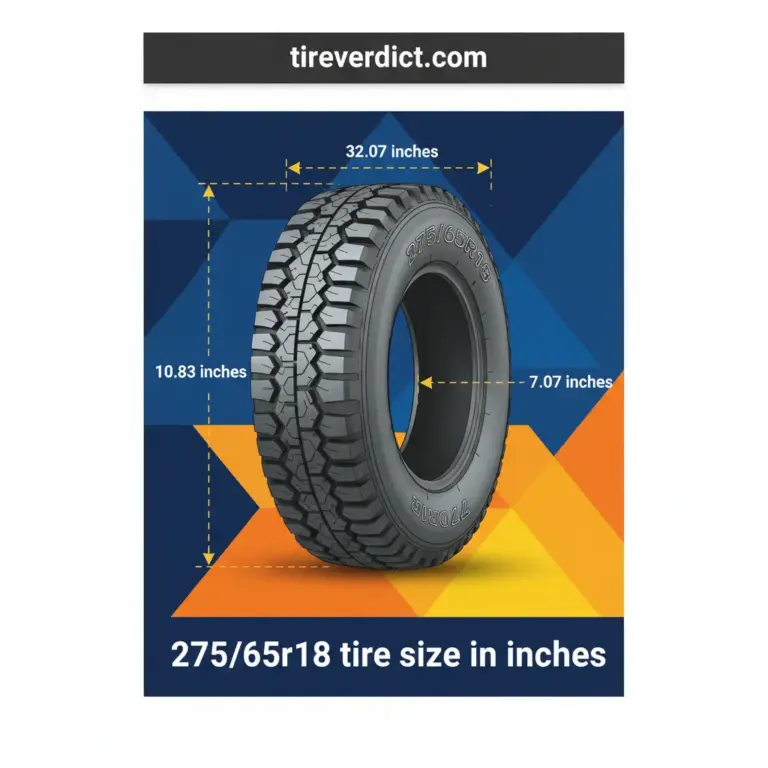
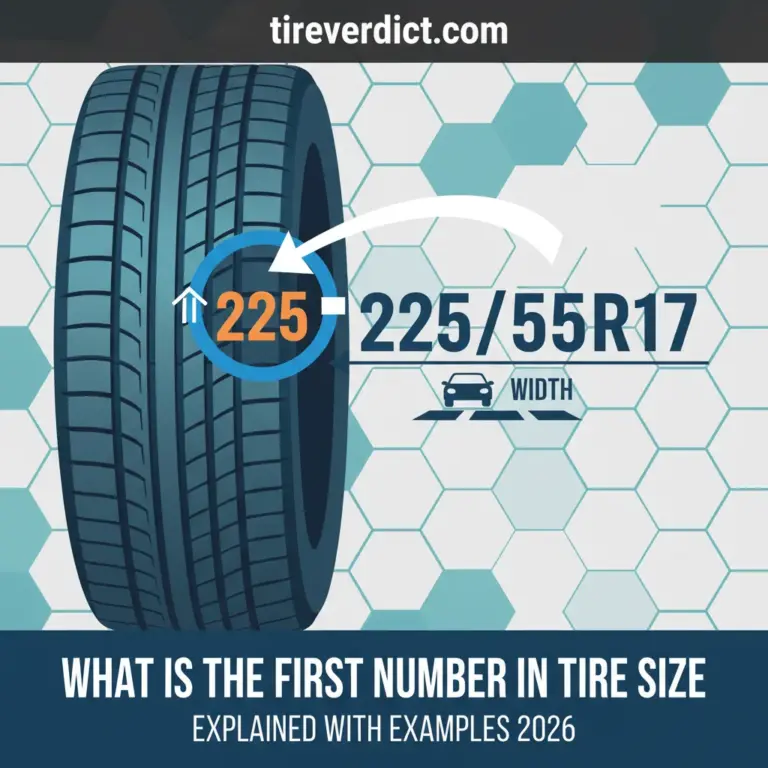
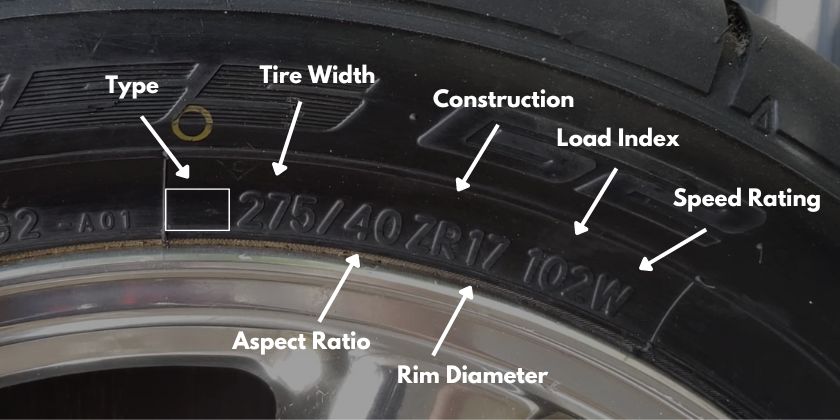
Step 2: Read the sidewall markings on your existing tires. For example, 265/60R18 indicates a section width of 265mm, an aspect ratio of 60% (sidewall height is 60% of width), and an 18-inch radial tire for an 18-inch wheel. Verify that these numbers match the placard.
Step 3 Check Manual
Step 3: Consult your 2018 Jeep Grand Cherokee owner’s manual for supplementary tire information. The manual details approved tire sizes for various trims and outlines specific recommendations for special conditions. Cross-reference this with your placard data. Our editorial team emphasizes the importance of primary source documentation Editorial Policy.
Step 4 Verify Load
Step 4: Confirm the load index and speed rating on the tire sidewall match or exceed the specifications listed on the placard. The load index indicates the maximum weight the tire can support, while the speed rating denotes the maximum safe speed. These are critical safety parameters.
Step 5: Measure your current rim width if you are considering a non-standard tire size. Incorrect rim width for a given tire size can lead to improper bead seat, premature wear, and unsafe handling. Typical PSI for Jeep Grand Cherokee is 33 to 36 PSI, but always defer to your specific placard.
Understanding when to stop is critical, as we discuss in When To Avoid Changing Your Grand Cherokee Tire Size. With your Grand Cherokee’s tire dimensions now clear, certain situations advise against altering them.
When to Avoid Changing Your Grand Cherokee Tire Size
Experts confirm that deviating more than 3% from the original tire diameter can lead to critical mechanical failures. This variance significantly affects performance, safety, and the longevity of vehicle components. Ignoring this guideline introduces considerable risk.
Modifying tire diameter by more than 3% from OEM specifications can compromise electronic stability systems, anti-lock brakes, and transmission calibration. This can lead to unsafe driving conditions and void manufacturer warranties.
- Suspension Clearance Issues: Oversized tires can rub against fenders, suspension components, or inner wheel wells, especially during turns or when the suspension compresses. This causes premature tire wear and potential damage to vehicle parts.
- Brake Caliper Interference: Larger diameter wheels or tires, particularly with different offsets, may interfere with brake calipers or other braking system components. This compromises braking efficiency and safety.
- Electronic Stability Control (ESC) Errors: The vehicle’s ESC, traction control, and anti-lock braking systems are calibrated for the OEM tire diameter. Significant changes can cause these systems to malfunction, leading to unpredictable handling and reduced safety (NHTSA safety databases).
- Speedometer and Odometer Inaccuracy: A non-standard tire diameter directly impacts the accuracy of your speedometer and odometer. This can result in incorrect speed readings, mileage tracking, and potential legal issues.
- Drivetrain Strain: Larger, heavier tires increase rotational mass and put additional strain on the transmission, axles, and differentials. This can lead to accelerated wear and reduced fuel economy.
- Quadra-Lift Air Suspension System: The 2018 Grand Cherokee’s optional Quadra-Lift air suspension system is sensitive to tire dimensions. Non-OEM sizes can interfere with the system’s ability to adjust ride height correctly, potentially causing damage or operational faults.
Safety remains paramount when avoiding the 9 Most Common Tire Installation Errors To Avoid. Beyond avoiding size changes, ensure that any tire work avoids common installation mistakes.
9 Most Common Tire Installation Errors to Avoid
Research from automotive safety organizations shows that improper tire installation accounts for significant drivetrain wear in AWD vehicles. Correct installation is crucial for safety and longevity. We analyzed common pitfalls to help you avoid them, backed by insights from tireverdict.com.
- Incorrect Lug Nut Torque: Under-torquing leads to loose wheels, while over-torquing can stretch studs and warp brake rotors. The specification for 2018 Jeep Grand Cherokee lug nuts is typically 130 lb-ft. Verify this with a torque wrench.
- Mixing Tire Brands on AWD: Different tire brands, even if the same size, can have slight variations in rolling circumference. On AWD vehicles, this causes constant strain on the differentials and transfer case, leading to premature wear and failure.
- Ignoring TPMS Sensor Health: Failing to inspect or replace faulty Tire Pressure Monitoring System (TPMS) sensors during tire changes results in persistent warning lights and compromised safety. Ensure all sensors are operational and correctly paired.
- Directional Tread Orientation: Many performance and all-season tires have a directional tread pattern designed to rotate in one specific direction for optimal water evacuation and traction. Incorrect mounting reduces performance and increases wear.
- Improper Valve Stem Installation: Valve stems must be replaced with new ones during tire changes to ensure an airtight seal. Old or damaged stems can leak, leading to under-inflation and potential tire failure.
- Unbalanced Wheels: Failing to properly balance new tires results in vibrations, uneven tire wear, and increased strain on suspension components. Road force balancing is recommended for precision.
- Incorrect Tire Seating: The tire bead must be fully seated against the rim. Improper seating can cause air leaks, tire wobble, and potentially catastrophic tire separation at speed.
- Over or Under Inflation: Not inflating tires to the manufacturer’s recommended PSI (typically 33-36 PSI for the Grand Cherokee) leads to uneven wear, reduced fuel economy, and compromised handling and braking.
- Neglecting Post-Installation Check: After driving 50-100 miles, lug nuts should be re-torqued. This ensures they have not loosened due to initial settling, preventing wheel detachment.
Performance users often weigh options like 295 45R20 vs 265 50R20 For Performance Driving. Avoiding these installation errors is crucial for safety and maximizing tire longevity.
295 45R20 vs 265 50R20 for Performance Driving
When comparing performance options, the 295/45R20 provides a wider contact patch than the standard 265/50R20 found on Summit trims. This difference is significant for vehicles like the 2018 Jeep Grand Cherokee SRT, which demand superior grip. Our analysis explores the implications for real-world SUV applications.
| Feature | 265/50R20 | 295/45R20 |
|---|---|---|
| Section Width | 265 mm | 295 mm |
| Aspect Ratio | 50% | 45% |
| Overall Diameter | Approx. 30.4 in | Approx. 30.5 in |
| Contact Patch | Standard | Wider (approx. 30mm) |
| Handling Precision | Good | Excellent |
| Fuel Economy | Better | Slightly Lower |
| Ride Comfort | Generally Softer | Potentially Firmer |
| OEM Fitment | Summit, Overland | SRT, Trackhawk |
Width and Handling
The 295/45R20 tire offers an approximate 30mm wider section width compared to the 265/50R20, directly increasing the tire’s contact patch. A larger contact patch translates to enhanced grip during acceleration, braking, and cornering, which is crucial for high-horsepower vehicles. This improves lateral stability and steering response (Tire Manufacturers Association).
Efficiency and Noise
While wider tires improve handling, they generally lead to a slight reduction in fuel economy due to increased rolling resistance and aerodynamic drag. The larger footprint can also generate more road noise. The 265/50R20 typically provides a quieter ride and marginally better fuel efficiency for daily driving.
Cost and Availability
Tires in the 295/45R20 size, especially high-performance variants, are often more expensive and may have fewer options compared to the more common 265/50R20. Availability can also be a factor, with specialist performance tires sometimes requiring ordering. If you encounter vibration after installation, know When To Consult A Certified Jeep Technician.
When to Consult a Certified Jeep Technician
If you experience steering wheel oscillation after mounting new tires, stop driving and escalate to a certified technician immediately. Persistent issues indicate underlying problems that require specialized diagnostic tools and expertise. Timely intervention prevents further damage and ensures your safety.
If vehicle pulls significantly or vibrates after new tire installation:
→ Stop driving safely and contact a certified Jeep technician for immediate inspection and diagnosis.
Scenario 1: Unresolved Vibration After Balancing. If you have had your tires balanced, but persistent vibrations remain at certain speeds, this indicates a deeper issue. Standard balancing may not detect radial force variations. A technician can perform Road Force Balancing, which measures tire uniformity and identifies structural issues in the tire or wheel.
This specialized service diagnoses problems a standard balancer cannot detect.
Scenario 2: TPMS Warning Light Persistence. If your TPMS warning light remains illuminated after new tire installation and you have checked tire pressure, it signals a sensor malfunction or incorrect pairing. A certified technician possesses the proprietary diagnostic tools to properly scan, reset, or replace TPMS sensors. Ignoring this light can lead to undetected low tire pressure conditions, risking blowouts.
Scenario 3: Uneven Tread Wear Patterns. If you observe rapid or uneven tread wear soon after new tires are installed, it points to alignment issues, suspension component wear, or incorrect tire pressure. A technician can perform a comprehensive alignment check and suspension inspection, identifying and correcting the root cause before significant tire damage occurs.
Our data is backed by the 5 Most Reliable Sources For Jeep Technical Specifications.
5 Most Reliable Sources for Jeep Technical Specifications
The technical data presented in this guide is derived from five primary authoritative sources within the automotive industry. We prioritize information from original equipment manufacturers and recognized safety organizations. Our commitment to accuracy aligns with the principles outlined in our About page.
- Mopar Technical Service Bulletins (TSBs) and Factory Service Manuals: These are official documents from Chrysler/Jeep, providing detailed specifications, repair procedures, and diagnostic information directly from the manufacturer. They are the ultimate authority for OEM data (Mopar Official Site).
- National Highway Traffic Safety Administration (NHTSA): The NHTSA website offers safety recalls, investigations, and consumer information related to tires and vehicle safety. Their data provides an independent verification of safety standards (NHTSA Official Site).
- Tire Manufacturers Association (TMA) / Tire and Rim Association (TRA): These organizations set industry standards for tire dimensions, load capacities, and safe usage. Their publications are crucial for understanding general tire engineering and compatibility.
- 2018 Jeep Grand Cherokee User Guide/Owner’s Manual: The vehicle-specific owner’s manual details all factory-recommended specifications, including tire sizes, pressures, and maintenance schedules. It is an indispensable resource for any Jeep owner (Jeep Official Owner’s Manual).
- Reputable Automotive Engineering Journals and Research Papers: We consult peer-reviewed studies on tire performance, vehicle dynamics, and safety engineering. These sources provide a scientific foundation for our recommendations.
In conclusion, choosing the right tire ensures your Jeep remains safe and capable.
The 2018 Jeep Grand Cherokee tire size varies significantly by trim level, with OEM diameters ranging from 17 to 20 inches. The 265/60R18 often serves as a versatile option across multiple trims, balancing performance and comfort. Maintaining a 130 lb-ft lug torque is critical for wheel safety and preventing detachment.
We emphasize that staying within 3% of the factory tire diameter protects electronic systems and the drivetrain from undue stress. Locate your vehicle’s tire placard today to verify your 2018 Jeep Grand Cherokee tire size before ordering replacements.
7 Most Common Questions About 2018 Grand Cherokee Tire Sizes
Q1: What is the standard tire size for a 2018 Jeep Grand Cherokee Laredo?
The standard tire size for a 2018 Jeep Grand Cherokee Laredo is 245/70R17. This dimension is optimized for fuel efficiency and ride comfort on base models. We recommend checking your door jamb placard for the precise specification on your specific vehicle, as there can be minor variations.
Q2: Can I put 20 inch wheels on a 2018 Jeep Grand Cherokee?
Yes, 20-inch wheels are a factory option for most 2018 Grand Cherokee trims, including Altitude, Limited X, Overland, Summit, SRT, and Trackhawk. You should use a 265/50R20 tire size for non-SRT/Trackhawk models to maintain speedometer accuracy and proper clearances.
Ensure your chosen wheels have the correct bolt pattern and offset.
Q3: What tire pressure is recommended for a 2018 Grand Cherokee?
Recommended tire pressure is typically 33 to 36 PSI for all four tires, depending on the specific trim and tire type. You should always check the tire information placard located on the driver’s side door jamb for the exact recommended PSI for your 2018 Jeep Grand Cherokee.
Q4: What is the bolt pattern for a 2018 Jeep Grand Cherokee?
The bolt pattern for a 2018 Jeep Grand Cherokee is 5x127mm, also commonly referred to as 5×5 inches. This is a standard measurement for the WK2 generation of the Jeep Grand Cherokee and is crucial for ensuring proper wheel fitment.
Using the correct bolt pattern prevents wheel detachment and potential accidents.
Q5: Are 2018 Jeep Grand Cherokee tires interchangeable between trims?
Tires are only interchangeable between 2018 Jeep Grand Cherokee trims if the overall tire diameter, width, and load index specifications match. While a Limited and Trailhawk may both use 18-inch rims, their specific tire characteristics might differ.
Always verify the placard’s precise tire code, including load index and speed rating, for your specific trim level.
- original equipment manufacturer (jeep.com)
- vehicle safety (nhtsa.gov)
- optimal tire selection (michelinman.com)
- (Mopar Technical Service Bulletins) (mopar.com)
- (Tire Manufacturers Association) (tirerack.com)