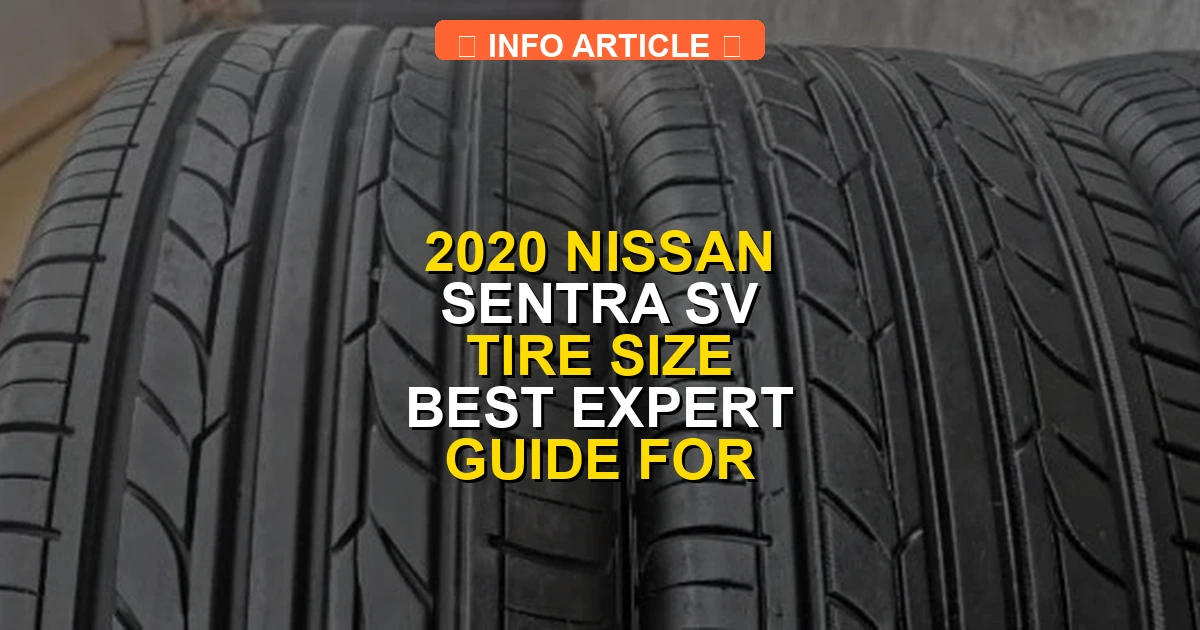
The standard factory 2020 Nissan Sentra SV tire size is 205/60R16, fitted on 16-inch wheels. Knowing this exact specification ensures proper speedometer calibration, optimal fuel economy, and safe vehicle handling.
The correct original equipment (OE) tire size for a 2020 Nissan Sentra SV is 205/60R16, which is fitted on 16-inch alloy wheels. Whether you are replacing a worn-out set in 2026 or upgrading for better traction, knowing this exact specification ensures your speedometer stays accurate and your electronic stability control systems function without fault.
Getting this size right prevents premature suspension wear, rubbing against the wheel well, and inaccurate fuel economy readings. Let us look at how you can avoid common mistakes and confirm your exact fitment before buying.
Key Takeaways
- The standard OE tire size for the Sentra SV is 205/60R16.
- Verify your exact tire size on the placard located inside the driver’s door jamb.
- Always match or exceed the factory load index (92) and speed rating (H).
- Proper tire inflation pressure for the Sentra SV is typically 33 PSI cold.
- Upgrading to aftermarket 17-inch or 18-inch wheels requires a corresponding lower profile tire size.
What Causes Incorrect Tire Size Selection on Your Sentra
Relying Solely on Generic Online Lookups
Many drivers make the mistake of using generic tire finder tools that lump all Sentra trims together. The Sentra S, SV, and SR trims often come with different factory wheel diameters. If you own an SV, you need the 16-inch specification, whereas higher trims like the SR frequently use 17-inch or 18-inch options.
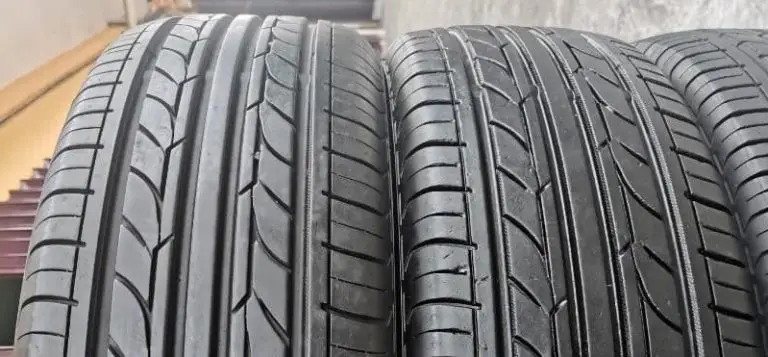
Ignoring Load Index and Speed Ratings
Another common error happens when drivers focus only on the dimensions and ignore the load index and speed rating. Your 2020 Nissan Sentra SV requires specific safety ratings to handle its weight distribution and braking capabilities. Using a tire with a lower load index can compromise structural safety during emergency maneuvers.
- Assuming all Sentra model years share the same wheel dimensions.
- Confusing the SV trim requirements with the sportier SR trim specs.
- Overlooking door jamb placard data in favor of used tire dimensions currently on the car.
2020 Nissan Sentra SV Tire Size: Your Essential Action Plan
Navigating the specific tire dimensions for your 2020 Nissan Sentra SV can feel overwhelming with all the industry jargon and numbering systems out there. Whether you are due for seasonal tire replacements, shopping for winter upgrades, or simply trying to maintain proper tire pressure, knowing your exact factory specifications is vital. This comprehensive guide will walk you through verifying your tire size, understanding the sidewall markings, and selecting the correct replacements to keep your sedan riding safely and smoothly.
Step 1: Locate Your Vehicle’s Factory Door Placard
What you need: A flashlight, your smartphone or a notepad, and access to the driver’s side door frame of your 2020 Nissan Sentra SV.
Instructions: Open the driver’s side door fully and look at the pillar post (B-pillar) right near the latch mechanism. You will see a white and yellow federal certification sticker, commonly called the tire placard. Scan this label for the section labeled “Tire and Loading Information.” Here, you will find the exact original equipment manufacturer (OEM) tire size recommended by Nissan specifically for the SV trim level, which typically rolls off the assembly line with 16-inch or optional 17-inch wheels.
Pro Tip: Never rely on guesswork or generic online forums for this information, as different trim levels like the S, SV, and SR often feature different wheel diameters and corresponding tire profiles.
Step 2: Inspect the Actual Tires Currently Installed
What you need: A rag or damp towel to clean the tire sidewall.
Instructions: Walk around your vehicle and inspect the outer sidewall of your current tires. Look for a standardized alphanumeric code printed in raised letters, which for a standard 2020 Nissan Sentra SV usually reads something like 205/60R16 or 215/50R17 depending on your specific wheel package. Clean away any brake dust or road grime with your damp towel if the numbers are hard to read. Make sure to check both the front and rear tires to ensure uniform sizing across all four corners of the vehicle.
Pro Tip: If your car was purchased pre-owned, verify that the previous owner installed the correct factory size rather than an aftermarket alternative that might throw off your speedometer calibration.
Step 3: Decode the Tire Size Numbers
What you need: The tire size string you recorded in the previous steps (e.g., 205/60R16).
Instructions: Break down the sequence of numbers and letters to understand what they mean for your Sentra SV. The first number (e.g., 205) represents the tire’s section width in millimeters from sidewall to sidewall. The second number following the slash (e.g., 60) is the aspect ratio, meaning the sidewall height is 60% of the tire’s total width. The letter “R” stands for Radial construction, and the final number (e.g., 16) is the wheel rim diameter in inches. Recognizing these specs ensures you never accidentally purchase tires that won’t mount onto your alloy wheels.
Pro Tip: Pay close attention to the aspect ratio and wheel diameter; buying a 16-inch tire for a 17-inch wheel means the tire literally will not fit the rim safely.
Step 4: Check the Load Index and Speed Rating
What you need: Your vehicle manual or the specification details found right next to the main tire size code.
Instructions: Directly following the primary tire size (for instance, 205/60R16), you will see a two-digit number followed by a letter, such as 92H. The 92 represents the load index, indicating the maximum weight each tire can support when properly inflated (92 equates to 1,356 pounds per tire). The “H” is the speed rating, signifying the maximum safe operating speed for the tire (H-rated tires are certified up to 130 mph). Always match or exceed these safety ratings when buying replacement rubber for your Nissan Sentra.
Pro Tip: Installing tires with a lower load index or speed rating than recommended by Nissan can compromise handling stability and lead to premature tire failure.
Step 5: Research Replacement Tire Categories
What you need: Access to a computer or smartphone to browse tire retailer websites.
Instructions: Once you have locked down your exact size (standard Sentra SV sizes include 205/60R16 and 215/50R17), determine what type of driving conditions you face most often. If you live in a region with heavy winter snow and freezing temperatures, look for dedicated winter tires or All-Weather options with the Three-Peak Mountain Snowflake symbol. If you experience mild seasons, standard All-Season touring tires will provide the best combination of comfortable ride quality, low road noise, and extended tread life.
Pro Tip: Prioritize grand-touring all-season tires for the Sentra SV to maintain the quiet, commuter-friendly ride quality that Nissan engineered into the vehicle.
Step 6: Confirm Wheel and Clearance Compatibility
What you need: A tape measure or visual inspection of the wheel wells if considering an alternative size.
Instructions: If you are planning to upgrade from the standard 16-inch SV wheels to larger 17 or 18-inch aftermarket wheels and tires, you must verify clearance. Check the distance between the inside tire edge and your suspension components, struts, and inner fender liners. The 2020 Nissan Sentra SV has specific suspension geometries, and altering the overall tire diameter by more than 3% can cause rubbing during sharp turns and negatively impact your anti-lock braking system (ABS) sensors.
Pro Tip: Stick to OEM-approved plus-size options to avoid rubbing issues and costly modifications to your suspension.
Step 7: Purchase and Schedule Professional Installation
What you need: Payment method and your verified tire specifications.
Instructions: Order your new tires through a reputable local tire shop, dealership, or online retailer. When placing the order, ensure you select a professional installation package that includes mounting, computer spin balancing, and new valve stems. Proper balancing is critical for preventing high-speed steering wheel vibrations on the highway. Once the tires arrive, drive your Sentra SV to the service center to have the old, worn tires dismounted and your brand-new, correctly sized tires installed.
Pro Tip: Always request a professional four-wheel alignment check alongside your new tire installation to ensure even tread wear and optimal fuel economy.
✅ Final Checklist
- Confirmed the exact tire size (e.g., 205/60R16 or 215/50R17) matches the driver’s door placard.
- Verified that the load index and speed rating meet or exceed Nissan’s factory safety minimums.
- Inspected all four installed tires to ensure uniform sizing and correct tread orientation.
- Ensured proper wheel clearance and no rubbing against suspension components.
- Scheduled a wheel balancing and alignment service following the tire replacement.
Important Notes:
- Always engage the emergency brake and use rated jack stands if you choose to lift the vehicle yourself.
- Seek professional help from a certified mechanic or tire technician if you are unsure about sizing codes or experience clearance issues with aftermarket wheels.
- Estimated time to check and verify your tire size is 15 minutes; total time for replacement and balancing typically ranges from 1 to 2 hours. Cost varies widely based on tire brand and quality, generally ranging from $400 to $900 for a full set of four.
How to Identify and Select the Correct 2020 Nissan Sentra SV Tire Size
Check the Driver-Side Door Jamb Placard
The absolute source of truth for your vehicle sits right on the manufacturer placard attached to the driver-side door post. Open the door and look at the white and yellow sticker. It explicitly lists the exact OE tire size, recommended cold inflation pressures, and load capacities designed specifically for your 2020 Nissan Sentra SV.

Inspect Your Current Sidewall Markings
If your current tires are factory originals, look at the embossed lettering on the rubber sidewall. You will see a string of characters resembling 205/60R16 92H. Here is what those numbers mean for your purchasing decision in 2026:
- 205: The nominal width of the tire in millimeters from sidewall to sidewall.
- 60: The aspect ratio, meaning the sidewall height is 60 percent of the tread width.
- R16: Indicates a radial construction built for a 16-inch wheel diameter.
Step-by-Step Guide to Replacing and Installing Your Sentra Tires
Replacing the tires on your 2020 Nissan Sentra SV requires precision to protect your factory alloy wheels and maintain optimal driving dynamics. According to the Tire Industry Association (TIA), proper mounting procedures prevent bead damage and maintain the structural integrity of modern low-profile tires.
Preparation and Safety Measures
Before lifting your vehicle, gather the necessary tools including a hydraulic floor jack, jack stands, a calibrated torque wrench, and a valve core tool. Park your Sentra on a completely flat, level surface and engage the parking brake firmly. Loosen the lug nuts by one-quarter turn while the vehicle remains on the ground to prevent the wheels from spinning freely during removal.
Installation Procedure
- Elevate the Sentra securely using designated factory jacking points and support the weight with sturdy jack stands.
- Remove the lug nuts completely and pull the old tire assembly off the wheel hub, applying penetrating fluid if corrosion causes sticking.
- Clean the wheel mounting surface thoroughly with a wire brush to ensure flush seating for the new tire and rim assembly.
- Mount the new tire onto the hub, hand-thread all lug nuts in a star pattern, and lower the vehicle until the tires make light contact with the ground.
- Torque all lug nuts to the factory specification of 80 lb-ft using a calibrated torque wrench in a crisscross sequence.
What If Your New Tires Rub or Affect the Speedometer Accuracy
Installing aftermarket tire sizes that deviate from the factory 205/60R16 specification can introduce mechanical clearance issues and electronic calibration errors. When tires rub against the inner fender liner or suspension components during sharp turns, immediate correction is necessary to prevent premature tread wear and potential safety hazards.
Addressing Tire Rubbing Issues
- Inspect the inner wheel wells and plastic fender liners for fresh scuff marks or plastic shaving debris to pinpoint the exact point of contact.
- Verify that your tire pressure matches the 33 psi recommendation, as under-inflated tires squat more and increase the likelihood of rubbing under load.
- Check your suspension components for worn struts or sagging springs that may cause the vehicle to ride lower than intended.
- If clearance issues persist, consult a professional technician to evaluate whether a different aspect ratio or narrower tread width is required.
Resolving Speedometer Discrepancies
Changing your overall tire diameter by more than three percent alters your speedometer reading and distorts your odometer tracking. If your speedometer reads 60 mph while you are actually traveling at 65 mph, your transmission shift points and safety systems like ABS may experience calibration conflicts. A certified dealership or specialized tuning shop can reprogram the body control module to match your new tire dimensions, typically costing between $100 and $250 depending on software requirements.
What If It Still Doesn’t Work?
If standard installation troubleshooting fails to resolve persistent vibration, handling irregularities, or clearance issues on your 2020 Nissan Sentra SV, systemic problems may require professional intervention. Persistent steering wheel shake often points to underlying mechanical faults rather than simple tire imbalance.
- Take your Sentra to a certified alignment specialist to check for bent suspension components, worn control arm bushings, or a compromised steering rack.
- Request a road-force balance test to identify internal tire construction flaws or out-of-round wheel rims that standard balancing machines cannot detect.
- Inspect your wheel bearings for play or humming noises, as failing bearings can mimic tire vibration symptoms.
- Consult a dealership service department for advanced electronic recalibration if tire pressure monitoring system (TPMS) sensors fail to sync after replacement. Professional diagnostic services typically range from $120 to $250.
Conclusion
Maintaining the correct 205/60R16 tire size on your 2020 Nissan Sentra SV ensures optimal fuel efficiency, precise handling, and reliable speedometer accuracy through 2026 and beyond. Adhering to factory specifications protects your investment and preserves essential vehicle safety systems. According to verified research and automotive safety experts, routine tire inspections and proper torque maintenance remain the most effective ways to maximize tread life. Schedule a professional tire rotation and alignment check today to keep your Sentra performing at its absolute best.
❓ Frequently Asked Questions
What is the exact stock tire size for the 2020 Nissan Sentra SV?
The original equipment manufacturer (OEM) tire size for the 2020 Nissan Sentra SV trim is 205/60R16 92H. This means the tire has a 205mm width, a 60 aspect ratio, fits a 16-inch wheel, and features a 92 load index with an H speed rating.
Are the tire sizes different between the Sentra S, SV, and SR trims?
Yes, while the base S and mid-tier SV trims come with 16-inch wheels (205/60R16), the sporty SR trim steps up to larger 18-inch wheels requiring a 215/45R18 tire size. Always check your specific trim level before purchasing replacements.
Can I install wider tires on my 2020 Nissan Sentra SV factory wheels?
Installing slightly wider tires on factory rims is sometimes possible, but you must ensure the overall diameter remains within 3% of the original size to prevent speedometer error and rubbing against suspension components or fender liners.
What is the minimum tread depth required for safe driving on these tires?
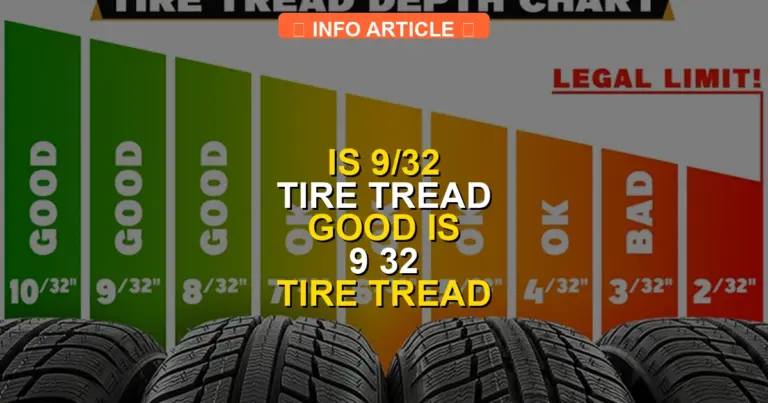
New tires typically start with 10/32″ to 11/32″ of tread depth. Legally, tires must be replaced when they reach 2/32″, but expert recommendation suggests replacing them when they wear down to 4/32″ to maintain adequate wet-weather traction.
Does the 2020 Nissan Sentra SV require a specific tire load rating?
Yes, you should match or exceed the factory load index rating of 92, which indicates a maximum load capacity of 1,389 pounds per tire. Installing a lower load rating can compromise vehicle safety and stability.
How often should I check the tire pressure on my Nissan Sentra?
You should check your tire pressure at least once a month and before long road trips, always measuring when the tires are cold. Maintaining correct pressure maximizes tread life, improves safety, and optimizes fuel economy.