If installed correctly, a professionally repaired plug can last for the entire remaining lifespan of the tire, often thousands of miles. However, this assumes the puncture is on the tread and not the sidewall. Always monitor the tire pressure regularly to ensure the plug is holding.
If you are wondering how long you can drive on a plugged tire, the short answer is that a properly installed puncture repair can easily last the remaining lifespan of your tire—often 20,000 to 40,000 miles or several years. However, this assumes the puncture is small, located squarely in the main tread, and was repaired using an industry-standard combination plug-patch rather than a quick roadside string plug alone.
Navigating tire maintenance in 2026 requires understanding the exact limits of temporary versus permanent repairs. Ignoring safety guidelines can lead to sudden air loss at highway speeds. Knowing what your plug can handle keeps you safe and prevents you from spending money on an unnecessary replacement.
Key Takeaways
- Properly installed plugs can last the remaining lifespan of the tire.
- Punctures must be located strictly within the tread, never the sidewall.
- Avoid sustained high speeds immediately after getting a tire plugged.
- Check tire pressure weekly to catch slow leaks from failing plugs early.
- External string plugs used by DIYers should ideally be backed up by an internal patch.
What Causes Tire Punctures and How Plugs Work
Understanding Common Road Hazards and Puncture Mechanics
Road debris is an unavoidable reality of daily driving. Nails, screws, metal shards, and sharp glass fragments frequently find their way into modern tire treads. When an object breaches the inner liner, air escapes rapidly. A tire plug works by filling that void with a compressed, rubberized strand or anchor. This creates a mechanical and frictional seal that blocks air from leaking out.
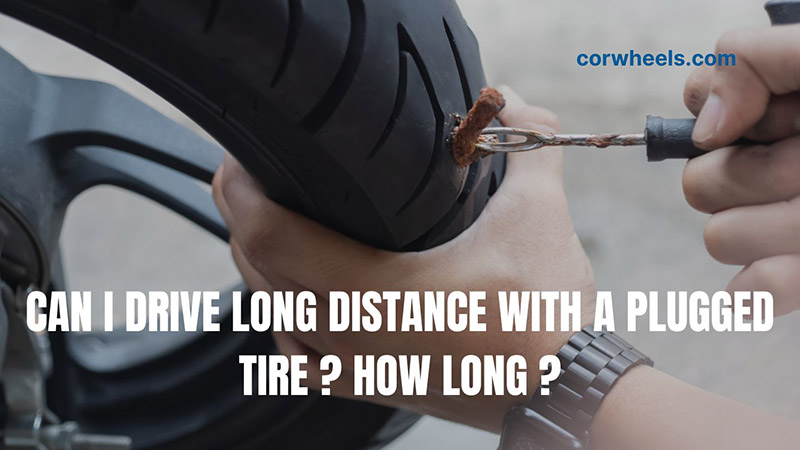
- Nails and screws: The most common culprits, usually leaving a clean, round hole that is ideal for plugging.
- Metal shards: Irregular objects that can cause jagged tears, which are much harder to plug securely.
- Valve stem and bead leaks: Issues unrelated to the tread face that cannot be resolved with a standard tire plug.
Lifespan, Mileage Limits, and Speed Ratings for Plugs
While a quality plug can technically last until your tread wears down to the 2/32-inch legal limit, longevity depends heavily on how the repair was performed. A standard roadside string plug is technically designed as a temporary emergency fix to get you to a tire shop. Driving thousands of miles on an exterior string plug alone increases the risk of slow leaks.
- Mileage expectancy: A professional interior patch-plug can last the entire remaining life of the tire.
- Speed restrictions: Avoid sustained speeds over 85 mph on a plugged tire, as heat buildup can weaken the adhesive bond.
- Weight loads: Heavy towing or hauling puts extra stress on the repair site, potentially shortening its secure lifespan.
How to Inspect a Plugged Tire for Long-Term Safety
Critical Inspection Criteria for Plugged Tires
Not every puncture is safe to leave alone for the long haul. Before trusting a plugged tire for your daily commute in 2026, you must inspect the damage profile. The location and size of the original hole dictate whether your plug is a permanent solution or a ticking time bomb.
- Tread area only: Plugs are only safe if the hole is in the central three-quarters of the tread.
- Sidewall exclusion: Any puncture on the shoulder or sidewall cannot be safely plugged; the tire must be replaced immediately.
- Hole diameter limit: Punctures larger than one-quarter of an inch (6mm) generally exceed safe repair thresholds.
Professional vs. DIY Repairs and Maintenance Checks
The method used to fix your flat dictates how long you can rely on it. Exterior DIY string kits are convenient, but they lack the interior rubber patch that seals the inner liner from air pressure and moisture intrusion. For maximum longevity, a certified technician should dismount the tire, inspect the internal structural damage, and install a vulcanized combination patch.
- Pressure monitoring: Check your tire pressure weekly using a digital gauge to catch slow leaks early.
- Visual checks: Look for protruding plug material, cracking around the repair site, or bulging rubber.
- Professional follow-up: If a DIY plug starts losing more than 2 PSI per week, visit a shop for a proper interior patch.
What If It Still Leaks and When to Replace the Tire
A properly executed tire plug should hold air indefinitely, but minor leaks can persist if the puncture channel was irregular or debris remains trapped. According to data from the Rubber Manufacturers Association (RMA), any repair that continues to lose pressure after initial treatment requires immediate secondary intervention from a certified technician.

Immediate Fallback Steps
- Re-verify the exact location of the leak by applying a soapy water solution directly over the plugged area and watching for fresh bubbles.
- Avoid applying a second plug adjacent to the first one, as placing repairs too close together structurally compromises the integrity of the surrounding steel belts.
- Take the vehicle to a professional tire service center for a combined plug-and-patch procedure, which features an internal rubber patch that vulcanizes to the inner liner.
- Inspect the tire’s sidewall and shoulder regions for secondary damage, such as internal cord separation or hidden bulges caused by low-pressure driving.
- Replace the entire tire immediately if the puncture diameter exceeds one-quarter inch or if structural tread degradation is detected.
Professional tire repair services typically range from $20 to $40, while a complete tire replacement can cost anywhere from $100 to $300 depending on your vehicle specifications and tire grade for 2026.
Safe Driving Limits and Speed Restrictions for Plugged Tires
Driving on a newly plugged tire requires adhering to strict operational boundaries to prevent premature failure or blowouts at high velocities. Industry safety guidelines dictate that motorists should limit their maximum speed and total mileage during the critical break-in window following any roadside or professional tire repair.
Operational Thresholds and Restrictions
- Keep vehicle speeds under 50 to 60 miles per hour for the first 24 to 48 hours to minimize excessive internal heat generation within the rubber compound.
- Avoid heavy braking, rapid acceleration, and sharp cornering maneuvers that place extreme lateral stress on the plugged puncture site.
- Limit total mileage on a temporary string plug to fewer than 100 miles before scheduling a proper internal patch service for long-term safety.
- Monitor tire pressure monitoring system (TPMS) readouts daily to catch any slow pressure drops before they compromise vehicle handling dynamics.
Conclusion
While an exterior plug serves as a dependable emergency fix to get you off the shoulder, treating it as a permanent solution puts your safety at risk. Prioritize upgrading to an internal patch or replacing the tire if damage exceeds standard repair parameters. According to verified research and expert sources from leading automotive safety organizations, adhering to speed restrictions and monitoring pressure daily ensures maximum highway safety in 2026. Schedule a professional inspection today to verify your tire’s long-term structural integrity.
❓ Frequently Asked Questions
How many miles can you drive on a tire plug?
You can typically drive for the remainder of the tire’s tread life—often 20,000 to 40,000 miles—provided the repair was executed properly using a combination patch-plug from the inside.
Can a tire be plugged more than once?
Yes, a tire can usually have up to two plugs, provided they are at least 16 inches apart and neither is located near the shoulder or sidewall.
What is the difference between a plug and a patch?
A plug fills the hole from the outside, while a patch seals the inner liner of the tire. The safest method is an internal combination patch-plug.
Why do tire shops prefer patches over external plugs?
Internal patches create a permanent, airtight seal from the inside out and allow the technician to inspect the tire’s internal structure for hidden damage.
Can you plug a run-flat tire?
Most manufacturers and tire shops advise against plugging run-flat tires because driving on them while deflated compromises their structural integrity.
What should I do if my plugged tire keeps losing air?
If a plugged tire consistently loses pressure, the seal has failed or the puncture is too large. You must replace the tire immediately for safety.