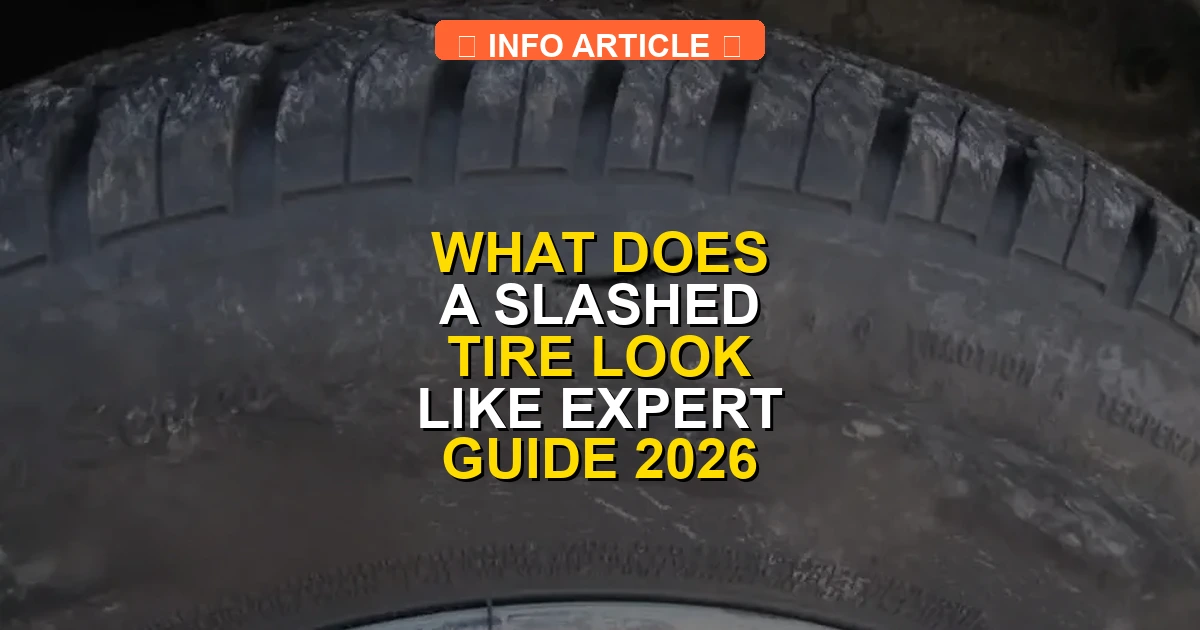
A slashed tire typically features clean, sharp-edged gashes located on the vulnerable sidewall rather than the thick tread. Knowing what a slashed tire looks like helps you quickly distinguish intentional vandalism from accidental road damage or natural wear.
A slashed tire almost always features a sharp, deliberate linear gash or puncture—typically measuring anywhere from one to several inches long—located directly on the vulnerable sidewall rather than the thick tread. Unlike a slow leak from a stray nail, a vandalized tire will usually deflate completely within seconds or a few minutes because the structural integrity of the rubber casing is instantly compromised.
Knowing exactly what malicious damage looks like matters practically for 2026 vehicle owners, insurance claims, and police reports. When you walk out to your car and hear a persistent hiss or notice your vehicle leaning heavily to one side, you need to identify the exact cause immediately to determine if you are dealing with common road hazard debris or intentional vandalism.
Key Takeaways
- Slashed tires feature clean, sharp cuts made by a blade.
- Vandals almost always target the flexible rubber sidewall.
- Accidental punctures from nails leave small, round holes.
- Dry rot cracks look frayed and weathered, unlike fresh cuts.
- Document intentional damage with clear photos for police and insurance.
What Does a Slashed Tire Look Like: Visual Signs of Vandalism
The Sidewall Gash
The sidewall is the thinnest and weakest part of your tire, making it the primary target for anyone intentionally causing damage. When you inspect a slashed tire, you will usually find a clean, razor-sharp incision. Vandals often use utility knives, box cutters, or hunting knives, leaving distinct physical markers:

- Linear Cuts: A straight, clean slit that looks like it was made with a surgical blade, measuring anywhere from half an inch to three inches across.
- Angled Punctures: V-shaped triangular flaps or jagged stabs where the perpetrator thrust a blade straight into the rubber at an angle.
- Multiple Slashes: It is common for vandals in 2026 to target more than one tire on a vehicle, often slicing two or three tires in a single incident.
Exposed Cords and Fabric
A deep slash goes beyond the outer layer of black rubber and exposes the internal architecture of the tire. If you look closely inside the cut, you will see a mesh of synthetic cords, steel belts, or nylon fabric. This inner webbing is normally sealed completely away from air and moisture. Seeing these frayed threads through an open gash is a definitive indicator of an intentional, high-force mechanical cut rather than a surface scuff.
How to Differentiate a Slashed Tire From Accidental Road Damage
Nails, Screws, and Punctures
Accidental flats usually happen when you roll over sharp debris on the highway or in your neighborhood. You can easily tell the difference between these common road hazards and vandalism by looking at the location and the object itself:
- Tread Location: Accidental punctures from nails, glass, or construction screws almost always occur on the thick flat tread area, not the smooth sidewall.
- Embedded Objects: A standard flat tire will still have the offending object lodged inside the rubber, whereas a slashed tire leaves behind an empty, gaping wound with no debris.
- Deflation Rate: A screw in the tread usually causes a slow leak over hours, while a slashed sidewall drops tire pressure to zero almost instantly.
Blowouts and Dry Rot Cracks
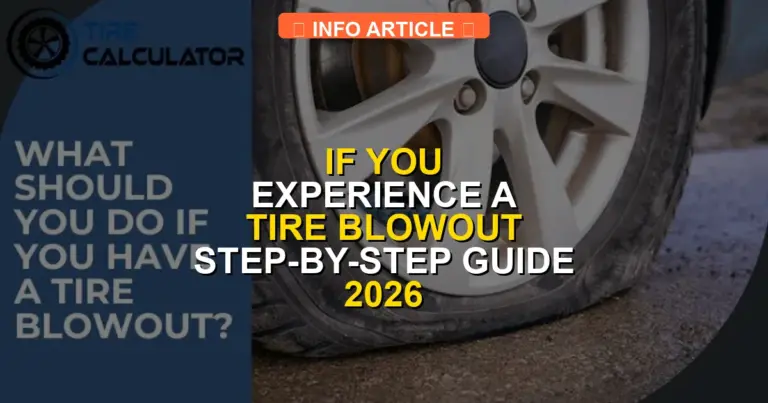
Sometimes natural tire degradation mimics the appearance of physical damage, causing confusion during a roadside inspection. Modern tires in 2026 are built to resist environmental decay, but older rubber can fail dramatically under stress. Dry rot creates a web of tiny, superficial surface cracks caused by UV exposure and age, but these micro-fissures never form clean, deep blade cuts. Similarly, a highway blowout from underinflation results in shredded, blown-out rubber with frayed edges spanning the entire circumference, lacking the precise, localized slice marks characteristic of a sharp tool.
Step-by-Step Guide to Documenting and Replacing a Slashed Tire
Discovering a damaged tire requires immediate and methodical action, especially when preparing insurance claims or police reports. Automotive safety experts recommend following a strict protocol to secure evidence and restore vehicle safety safely in 2026.

1. Capture Comprehensive Photographic Evidence
Before touching or moving the vehicle, photograph the damage from multiple angles. Take wide shots showing the entire vehicle and its surroundings, followed by close-up macro shots of the slash itself. According to forensic investigators, capturing the angle and depth of the cut helps law enforcement determine if the damage was caused by a blade, a sharp tool, or a road hazard.
2. File an Official Police Report
Vandalism is a criminal offense, and insurance providers almost universally require a police report to process vandalism claims. Contact your local non-emergency dispatch line immediately. Obtain the official case number, as insurance adjusters will request this documentation before approving payouts for comprehensive coverage.
3. Execute the Replacement Process
If you possess a functional spare tire and the necessary tools, you can replace the wheel yourself or call roadside assistance. Follow these exact steps:
- Engage the parking brake firmly and place wheel chocks against the tires remaining on the ground to prevent rolling.
- Loosen the lug nuts slightly using a lug wrench before lifting the vehicle with a jack.
- Raise the vehicle until the slashed tire clears the ground completely by at least six inches.
- Remove the lug nuts entirely, slide the damaged wheel off the hub bolts, and mount the spare tire.
- Hand-tighten the lug nuts in a star pattern, lower the vehicle, and torque the nuts to manufacturer specifications using a torque wrench.
What If Your Insurance Denies the Claim or You Need Alternative Support
Dealing with a comprehensive claim denial can be stressful, particularly when unexpected repair costs strain your budget. If your insurance provider refuses coverage due to a high deductible or policy exclusions, several alternative pathways exist to resolve the issue efficiently.
Alternative Support Options
- Request a formal claims review by submitting additional neighbor security camera footage or independent mechanic verification proving intentional vandalism.
- Utilize premium roadside assistance memberships, which frequently subsidize towing fees and minor on-site tire changes up to a designated annual limit.
- Visit local independent tire shops that offer tiered pricing or second-hand certified pre-owned tires, which can significantly lower immediate out-of-pocket replacement costs compared to dealership pricing.
- Check if local community victim-support funds or neighborhood associations offer emergency relief grants for targeted property vandalism.
Professional replacement costs for a single standard passenger tire generally range from $100 to $300, including balancing and mounting fees. Performance or specialty truck tires can escalate total replacement expenses up to $500 per corner in 2026.
Conclusion
Recognizing the distinct structural profile of a slashed tire enables vehicle owners to differentiate intentional vandalism from accidental road hazard blowouts quickly. Documenting the incident thoroughly and replacing the compromised wheel restores critical driving safety without delay. According to verified research and automotive security sources, proactive evidence collection remains the single most effective method for securing insurance reimbursement and deterring future property crimes. One actionable next step is to inspect your vehicle’s dashcam or nearby security coverage immediately to preserve critical footage before it automatically overwrites.
❓ Frequently Asked Questions
What does a slashed tire look like compared to a blowout?
A blowout from a pothole or high speed results in shredded rubber, jagged tears, and a separated tread. A slashed tire shows a precise, knife-like cut with smooth, clean edges.
Why do vandals target the sidewall instead of the tread?
The tread area contains heavy steel belts and thick rubber designed to resist sharp objects. The sidewall is much thinner, making it effortless to puncture with a standard pocket knife.
Will insurance cover the cost of a slashed tire?
Comprehensive auto insurance policies typically cover acts of vandalism like tire slashing. However, you must file a police report and ensure the replacement cost exceeds your deductible.
Can a tire with a small slash be plugged?
Never attempt to plug or patch a slash on the sidewall. Sidewall repairs fail under normal driving loads and create a severe blowout risk at high speeds.
What should I do immediately after discovering a slashed tire?
Take high-resolution photographs of the damage from multiple angles before moving the vehicle. File a police report for vandalism documentation, then call roadside assistance to install your spare.
How do dry rot cracks differ from tire slashes?
Dry rot causes many small, superficial, weathered cracks across the rubber surface due to age and sun exposure. A slash is a deep, single, fresh incision with raw rubber visible inside.