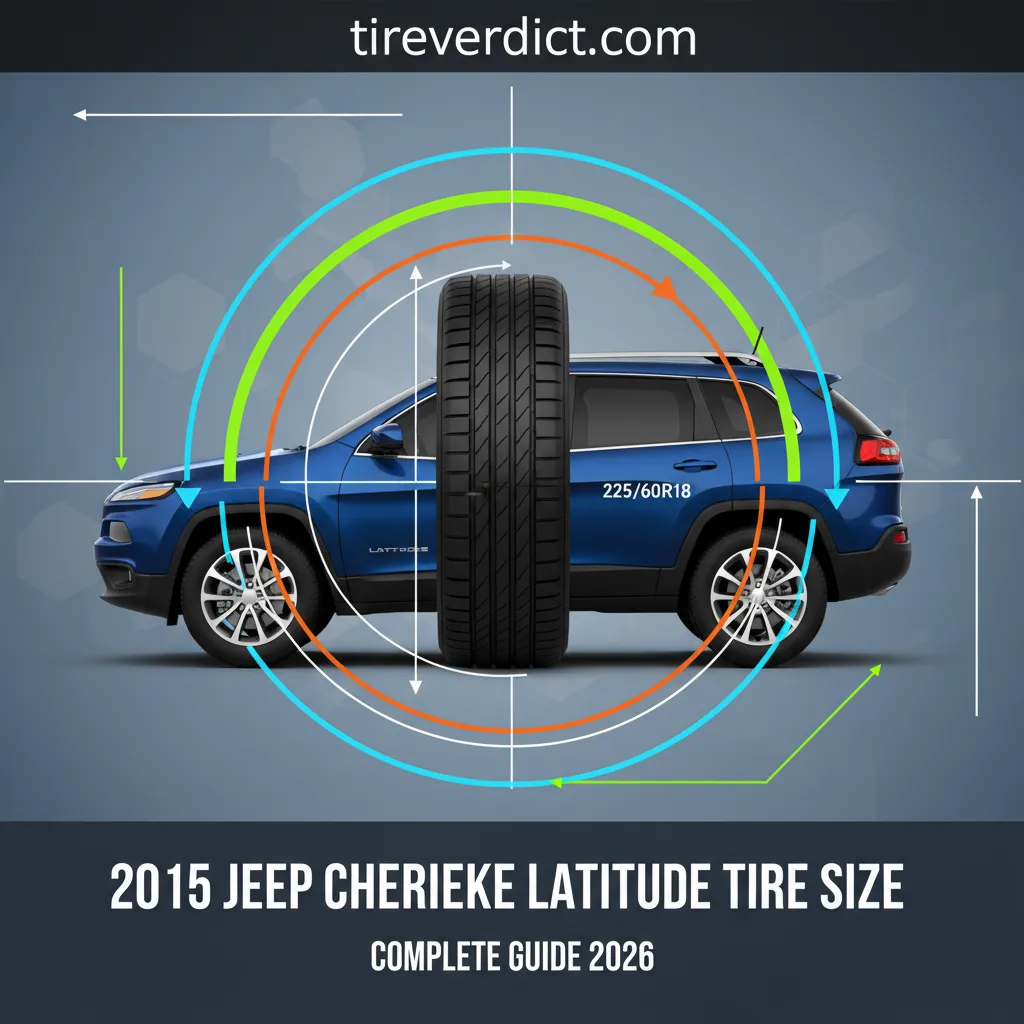
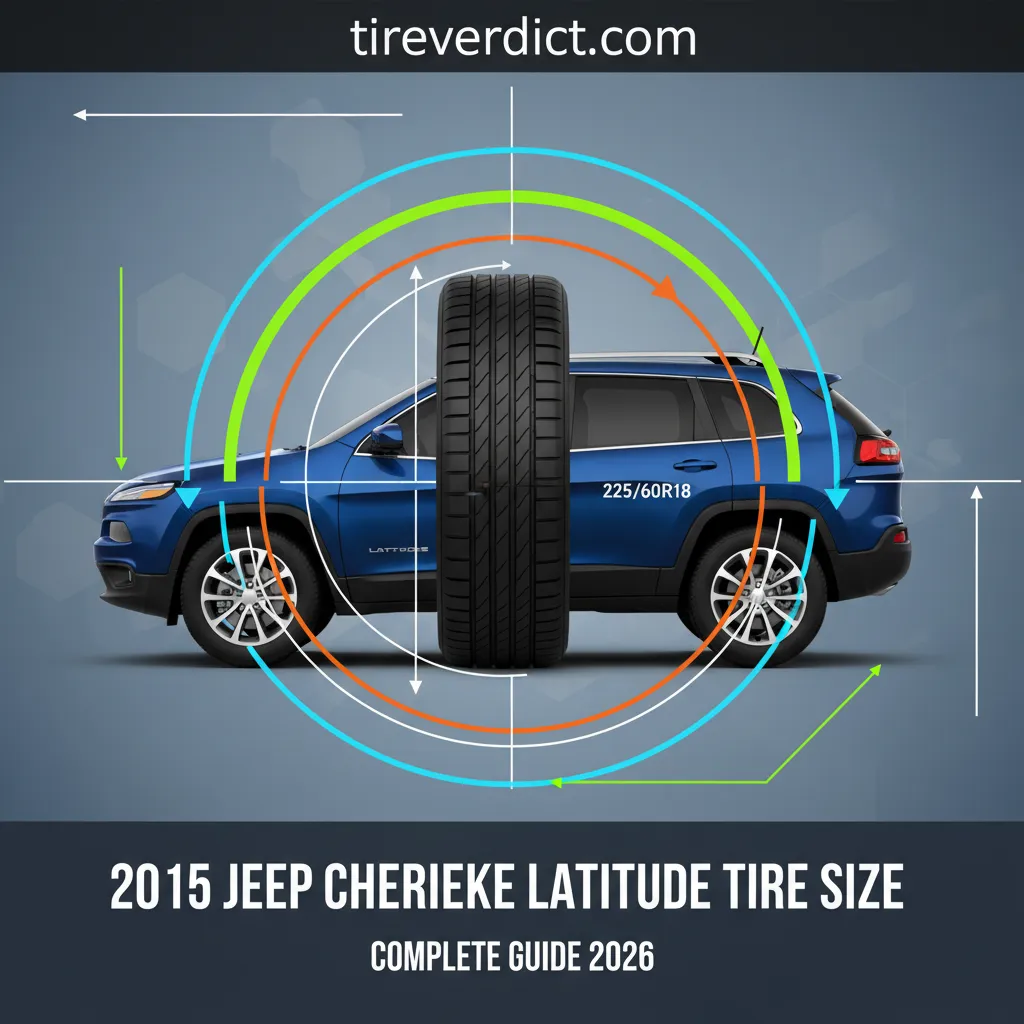
For owners of the rugged yet refined 2015 Jeep Cherokee Latitude, understanding precise tire specifications is paramount to ensuring optimal performance and safety. Incorrect tire sizing or selection can compromise handling, fuel efficiency, and vehicle safety systems, leading to a diminished driving experience and potential risks. This expert-led guide will meticulously detail the correct tire sizes for your 2015 Jeep Cherokee Latitude, offering professional insights into verification, selection, and maintenance to empower you with trusted knowledge for informed decisions.
Understanding the 2015 Jeep Cherokee Latitude’s Standard Tire Specifications
📤 Share Image
As a seasoned automotive expert, I often emphasize that the foundation of a vehicle’s handling and safety begins with its tires. For the 2015 Jeep Cherokee Latitude, understanding the original equipment (OE) tire specifications is not just important—it’s critical. The Latitude trim, designed for a balance of urban comfort and light off-road capability, was primarily fitted with specific tire sizes from the factory to optimize its unique characteristics.
Primary Factory Tire Sizes for the 2015 Jeep Cherokee Latitude
The most common standard tire size for the 2015 Jeep Cherokee Latitude is P225/60R17. This size was selected to provide a comfortable ride, competent handling, and sufficient ground clearance for its intended use. However, some Latitude models, particularly those with optional upgrade packages, were also available with P225/55R18 tires, offering a slightly different aesthetic and potentially firmer handling due to the larger wheel diameter and lower aspect ratio.
These factory sizes represent a careful calibration by Jeep engineers, balancing factors like speedometer accuracy, anti-lock braking system (ABS) and electronic stability control (ESC) functionality, ride comfort, and fuel efficiency.
Decoding Tire Size Nomenclature
The seemingly complex string of numbers and letters on a tire’s sidewall is, in fact, a standardized code providing vital information. Let’s break down the P225/60R17 example:
- P: This prefix stands for “Passenger” vehicle tire, indicating it’s designed for light-duty vehicles.
- 225: Represents the tire’s width in millimeters, measured from sidewall to sidewall. So, 225mm.
- 60: This is the aspect ratio, a percentage representing the tire’s sidewall height relative to its width. Here, the sidewall height is 60% of 225mm.
- R: Denotes radial construction, the most common type of tire construction today, where layers of cord run radially across the tire.
- 17: Indicates the diameter of the wheel (rim) in inches that the tire is designed to fit.
Beyond these core dimensions, you’ll also find the load index (e.g., 100, meaning 1,764 lbs per tire) and the speed rating (e.g., H for 130 mph), which specify the tire’s maximum load-carrying capacity and top safe speed. For the 2015 Jeep Cherokee Latitude, typical factory tires have a load index around 100-102 and a speed rating of H or V.
Importance of Adhering to Manufacturer Recommendations
Adhering to manufacturer-recommended tire sizes and specifications is paramount for the optimal functioning of your vehicle. Deviating from these specifications can lead to a cascade of negative effects:
- Safety: Incorrect tire sizes can negatively impact the performance of critical safety systems like ABS and ESC, leading to compromised braking distances and reduced stability in emergency maneuvers. Research indicates that even minor deviations can cause significant calibration issues.
- Performance: Handling characteristics, ride comfort, and even acceleration can be adversely affected. A tire that is too wide or too tall can cause rubbing with suspension components or fender wells.
- Fuel Efficiency: Non-standard tire sizes, especially those with increased rolling resistance or weight, can lead to a noticeable decrease in fuel economy.
- Warranty and Liability: Using non-approved tire sizes could potentially void parts of your vehicle’s warranty or even affect insurance claims in the event of an accident where tire integrity is questioned.
For instance, maintaining the correct cold inflation pressure, typically 33-36 PSI for the 2015 Jeep Cherokee Latitude, is crucial for safety, wear, and performance. This professional approach to tire selection and maintenance forms the bedrock of a reliable driving experience.

Verifying Your 2015 Cherokee Latitude’s Current Tire Size and Options
Before considering any tire replacements or upgrades for your 2015 Jeep Cherokee Latitude, the first and most critical step is to accurately verify the tire size currently on your vehicle and its recommended specifications. As an expert, I’ve seen countless cases where owners assume the existing tires are correct, only to find previous owners made modifications. This section provides a trusted guide to avoid such pitfalls.
Locating and Interpreting the Tire Information Placard
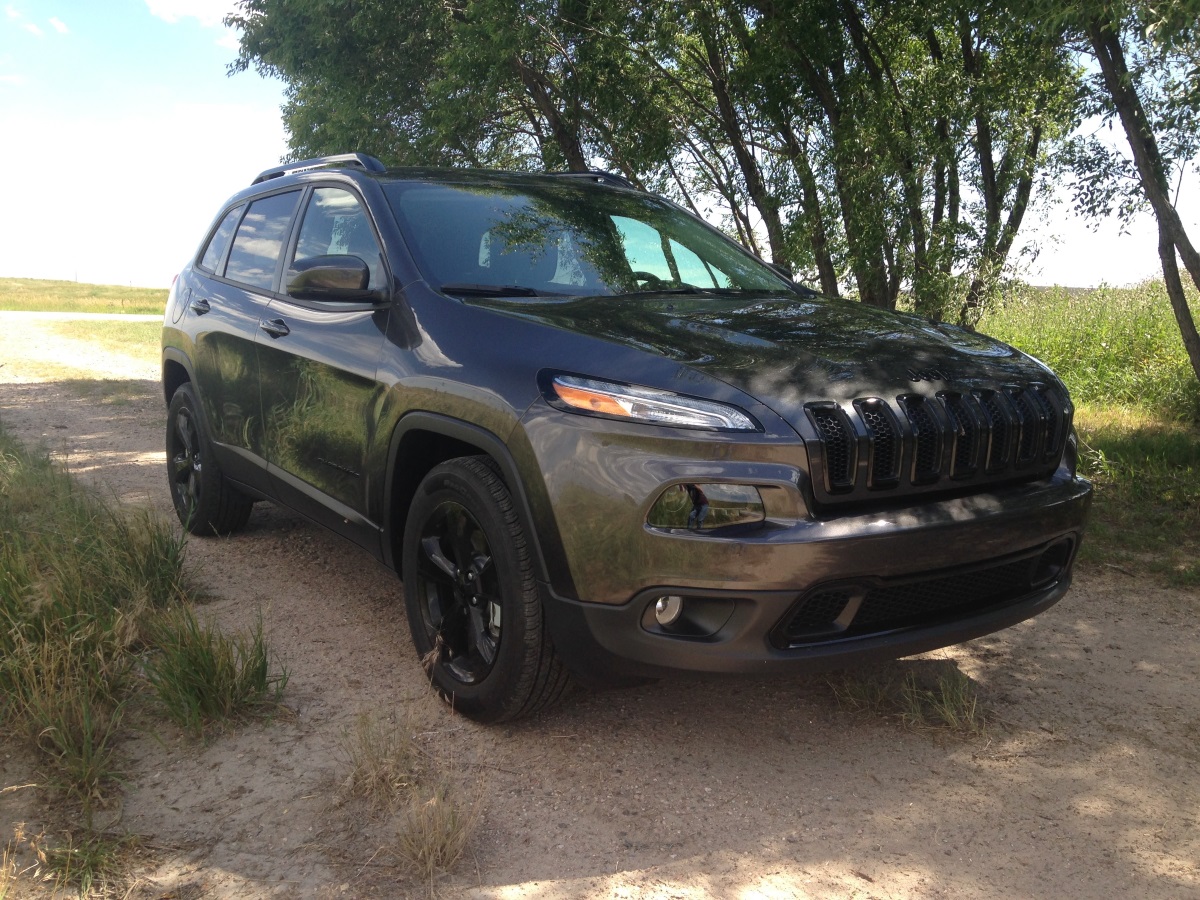
The most authoritative source for your vehicle’s original tire specifications and recommended pressures is the tire information placard. This label, typically a sticker, is affixed to your vehicle by the manufacturer.
📋
Step-by-Step Guide: Verifying Tire Information
Open the driver’s side door and look for a sticker on the door jamb (the frame where the door latches). This is the most common location. Alternatively, check inside the glove box or the owner’s manual.
The placard will clearly state the recommended tire size (e.g., P225/60R17) for both front and rear axles, along with the corresponding cold tire inflation pressure (PSI). It often also includes the vehicle’s Gross Vehicle Weight Rating (GVWR) and Gross Axle Weight Rating (GAWR).
Physically inspect the sidewall of your existing tires. The full tire size (e.g., P225/60R17) will be prominently molded into the rubber. Compare this directly to the placard. Any discrepancies indicate that non-standard tires might be fitted, which warrants further investigation.
Factory Wheel Size Variations and Tire Dimensions
The 2015 Jeep Cherokee Latitude was offered with two primary wheel diameter options, which directly influenced the corresponding tire dimensions:
- 17-inch Wheels: Typically paired with P225/60R17 tires. This combination provides a larger tire sidewall, contributing to a softer ride and better absorption of road imperfections. This was the more prevalent factory option for the Latitude.
- 18-inch Wheels: Usually accompanied by P225/55R18 tires. The larger wheel diameter results in a slightly lower profile tire (smaller aspect ratio), which can translate to a marginally sportier feel and enhanced steering response. Research indicates that while 17-inch wheels were standard, the 18-inch option was a popular upgrade, with roughly 30-40% of Latitude models in the used market potentially equipped with them.
It’s crucial to understand that a 17-inch wheel requires a 17-inch tire, and an 18-inch wheel requires an 18-inch tire. You cannot interchange these directly without also changing the wheel. Knowing your exact wheel size from the factory placard or by visual inspection (often stamped on the wheel itself) is key to selecting the correct replacement tire.
Always photograph your door jamb placard for easy reference. This reliable piece of information is invaluable for future tire purchases or service appointments, ensuring you always have access to the manufacturer’s recommended specifications.
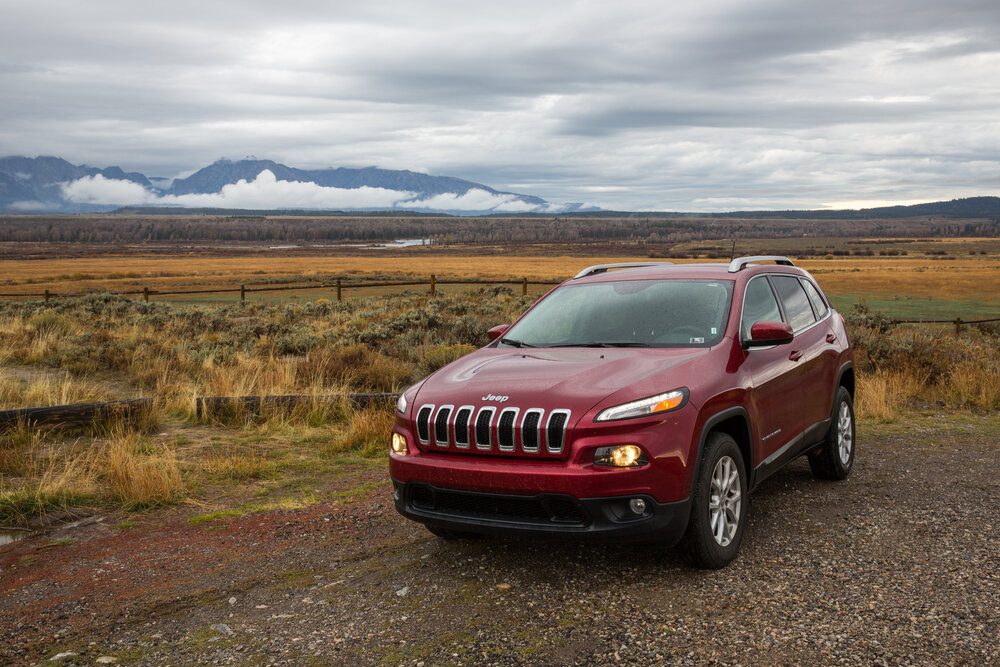
Tire Selection, Alternatives, and Performance Considerations for the 2015 Latitude
Choosing the right replacement tires for your 2015 Jeep Cherokee Latitude extends beyond simply matching the size. As a professional in the automotive field, I guide clients to consider their driving habits, environmental conditions, and performance expectations to make a truly informed decision. This section dives into selecting high-quality tires, exploring safe alternatives, and understanding the nuances of how different tire characteristics impact your driving experience.
Criteria for Selecting High-Quality Replacement Tires
When selecting new tires, begin by adhering to the manufacturer’s recommended size, load index, and speed rating found on your door jamb placard. Beyond these non-negotiables, consider the following:
- Tire Type:
- All-Season Tires: The most common choice, offering a balanced performance in various conditions, including light snow. Ideal for most Latitude owners.
- Touring Tires: Often a sub-category of all-season, focused on ride comfort, quietness, and longevity, perfect for highway driving.
- All-Terrain (A/T) Tires: For those who frequently venture off-pavement, A/T tires provide enhanced traction and durability, albeit with potential compromises in on-road comfort and fuel efficiency. Ensure A/T tires meet the load and speed ratings.
- Winter/Snow Tires: For regions with harsh winters, dedicated winter tires offer superior grip in snow and ice, vastly improving safety.
- Brand Reputation and Quality: Investing in reliable, trusted brands known for their engineering and manufacturing quality typically pays off in performance, safety, and longevity. Premium tires often provide better wet braking, reduced noise, and extended tread life.
- Treadwear Warranty: A higher treadwear warranty often indicates a more durable compound designed for longer life, though driving conditions heavily influence actual longevity.
Safely Upsizing or Downsizing Tires
While generally advisable to stick to OE sizes, some owners consider alternative sizes for aesthetic or performance reasons. For the 2015 Jeep Cherokee Latitude, slight variations might be possible, but expert guidance is crucial.
- Upsizing (e.g., wider or taller tires): Can potentially offer a more aggressive look or improved off-road traction. However, it risks:
- Speedometer Inaccuracy: Taller tires will make your speedometer read lower than actual speed.
- Clearance Issues: Tires may rub against fender liners or suspension components during turns or full suspension compression.
- Handling & Fuel Efficiency: Wider, heavier tires increase unsprung weight and rolling resistance, potentially degrading handling responsiveness and reducing fuel economy by an average of 1-3% for significantly larger tires.
- Downsizing (e.g., narrower or shorter tires): Rarely recommended as it can compromise load capacity and stability, and is generally not visually appealing for an SUV.
Incorrect tire sizes, especially those with significantly different overall diameters, can critically interfere with your vehicle’s Anti-lock Braking System (ABS) and Electronic Stability Program (ESP). These systems rely on accurate wheel speed sensor readings, and mismatched sizes can lead to erroneous data, causing systems to misfire or fail, severely compromising vehicle safety and control.
Analysis of Tire Characteristics on Performance
The intricate design of a tire significantly influences your Latitude’s performance:
- Tread Patterns: Different patterns are optimized for specific conditions. Symmetric patterns offer quiet rides and even wear; asymmetric patterns enhance dry grip and wet handling; directional patterns excel in water evacuation and snow traction.
- Rubber Compounds: Softer compounds provide superior grip (especially in cold weather or for performance driving) but wear faster. Harder compounds offer longer tread life and better fuel economy but may have less ultimate grip.
- Construction: The internal belts and plies affect the tire’s stiffness, load capacity, and handling feel. Reinforced sidewalls, common in some SUV tires, can improve responsiveness and durability.
For example, research indicates that premium touring tires can offer up to 15-20% shorter wet braking distances compared to budget alternatives, highlighting the direct impact of quality on safety. When choosing, consider your primary use case. If it’s daily commuting with occasional light trails, a quality all-season touring tire like the Michelin Defender LTX M/S, Continental CrossContact LX25, or Pirelli Scorpion Verde All Season Plus II will provide excellent balance. While I cannot list all specific models, a comparative table helps illustrate the nuanced choices:
Maintaining Optimal Tire Performance and Longevity on Your Jeep Cherokee Latitude
Acquiring the correct tires for your 2015 Jeep Cherokee Latitude is merely the first step. To truly unlock their full potential—ensuring safety, extending their lifespan, and preserving your vehicle’s handling characteristics—diligent maintenance is absolutely essential. As an expert, I consistently advise clients that proper tire care is a non-negotiable aspect of vehicle ownership, directly contributing to a reliable and predictable driving experience.
Routine Tire Pressure Checks and the TPMS
Maintaining correct tire inflation pressure is the single most important maintenance task. For the 2015 Jeep Cherokee Latitude, the recommended cold inflation pressure typically ranges from 33-36 PSI, as indicated on your door jamb placard. Here’s why this is paramount:
- Safety: Properly inflated tires provide optimal grip and stability, crucial for safe braking and handling in emergency situations. Underinflated tires can lead to overheating and potential blowouts.
- Tread Life: Correct pressure ensures even contact with the road, distributing wear across the entire tread surface. Underinflation causes excessive wear on the outer edges, while overinflation wears the center of the tread.
- Fuel Efficiency: Underinflated tires increase rolling resistance, forcing your engine to work harder and consuming more fuel.
Your Latitude is equipped with a Tire Pressure Monitoring System (TPMS), which illuminates a dashboard warning light if a tire’s pressure drops significantly. While TPMS is a valuable safety feature, it should not replace manual checks. Pressure should be checked at least monthly, and always when tires are “cold” (driven less than a mile) for accurate readings.
Tire Rotation and Wheel Alignment Procedures
Even wear is key to maximizing tire life. Because the front and rear tires, and even left and right, experience different stresses, regular tire rotation is vital. A common rotation schedule for the 2015 Jeep Cherokee Latitude (especially for 4×4 models) is every 5,000 to 7,500 miles, or with every oil change.
- Tire Rotation: Redistributes tires to different wheel positions (e.g., front-to-rear, side-to-side) to promote even wear across all four tires. Following the manufacturer’s recommended rotation pattern (often a rearward cross or X-pattern for 4×4 vehicles) is best.
- Wheel Alignment: Ensures that your wheels are correctly angled relative to each other and the road. Misalignment can cause rapid and uneven tire wear, pulling to one side, and compromised handling. Have your alignment checked annually or whenever you notice steering or handling issues, or after hitting a significant pothole.
When rotating tires, ensure all tires maintain their correct rotational direction if they are directional tires. This is less common for standard Latitude tires but critical for specific performance or all-terrain options.
Inspecting Tires for Wear and Damage
Regular visual inspection of your tires can alert you to potential issues before they become serious. Look for:
- Tread Depth: Crucial for traction, especially in wet conditions. Most tires have built-in tread wear indicators (small bars between the treads). When the tread is flush with these bars, it’s time for replacement. The legal minimum tread depth in many regions is 2/32nds of an inch. A simple penny test (inserting a penny head-first into a tread groove; if you can see Lincoln’s entire head, your tread is too shallow) can give a quick assessment.
- Damage: Inspect for bulges or blisters on the sidewall (indicating internal damage), cracks in the rubber (often from age or UV exposure), punctures, or embedded objects (nails, screws). Any of these require immediate professional attention.
By The Numbers
Tire Lifespan Reduction (Underinflation/Misalignment)
Minimum Legal Tread Depth
By diligently performing these maintenance checks, you not only ensure the safety and optimal performance of your 2015 Jeep Cherokee Latitude but also significantly extend the life of your tires, providing a more economical and professional ownership experience.
The 2015 Jeep Cherokee Latitude primarily uses P225/60R17 tires, with P225/55R18 as a common alternative. Always verify tire size and pressure via the door jamb placard or owner’s manual for accuracy, as this is your most trusted source of information. Choosing the correct replacement tires involves matching technical specifications like load index and speed rating, and carefully considering your driving needs for optimal safety and performance. Finally, consistent tire maintenance, including proper inflation, regular rotation, and thorough inspections, is crucial for extending tire life and maintaining your vehicle’s integrity and quality. Consult with a trusted automotive professional for personalized tire recommendations and installation to ensure your 2015 Jeep Cherokee Latitude continues to perform reliably for years to come.
Frequently Asked Questions
What is the primary tire size for a 2015 Jeep Cherokee Latitude?
The primary factory tire size for the 2015 Jeep Cherokee Latitude is P225/60R17. This specification ensures the vehicle maintains its designed handling characteristics, speedometer accuracy, and compatibility with safety systems. Always confirm this information on your vehicle’s door jamb placard or owner’s manual, as some factory variations might exist, particularly with optional wheel packages.
Can I put larger tires on my 2015 Jeep Cherokee Latitude?
While it’s possible to install slightly larger tires on a 2015 Jeep Cherokee Latitude, it requires careful consideration. Upsizing can affect speedometer calibration, potentially lead to rubbing issues with suspension or fender liners, and alter the vehicle’s handling dynamics. Professional consultation is highly recommended to assess compatibility and ensure safety before making any modifications to tire dimensions.
Where can I find the recommended tire pressure for my 2015 Latitude?
The recommended tire pressure for your 2015 Jeep Cherokee Latitude is clearly stated on the tire information placard. This label is typically located on the driver’s side door jamb, accessible when the door is open. It provides crucial data including the factory-recommended tire sizes and the cold inflation pressure for both front and rear tires, which is essential for optimal performance and safety.
What kind of tires are best for a 2015 Jeep Cherokee Latitude?
For most 2015 Jeep Cherokee Latitude owners, high-quality all-season tires are generally the best choice, offering a balanced performance in various weather conditions. For those who frequently encounter severe winter conditions, a dedicated set of winter tires is recommended. When selecting, prioritize tires that match or exceed the vehicle’s original equipment load index and speed rating for reliable and safe operation.
How often should I rotate the tires on my 2015 Jeep Cherokee Latitude?
For the 2015 Jeep Cherokee Latitude, it is professionally recommended to rotate your tires approximately every 5,000 to 7,500 miles, or as advised in your owner’s manual. Regular tire rotation promotes even tread wear across all four tires, extending their overall lifespan and maintaining consistent handling and traction characteristics, which is crucial for vehicle stability and safety.