Imagine driving with complete confidence, knowing your tires are always at their optimal pressure. For many vehicle owners, the meaning behind the ‘TPMS’ dashboard light or the concept of a ‘tire monitor system’ can be unclear, leading to confusion about its importance and proper maintenance. This expert guide will demystify what a Tire Pressure Monitoring System means, detailing its functions, different types, critical benefits, and how to maintain it for peak safety and reliability, ensuring you are equipped with professional knowledge for 2026 and beyond.
What is a Tire Pressure Monitoring System (TPMS) and How Does It Work?
📤 Share Image
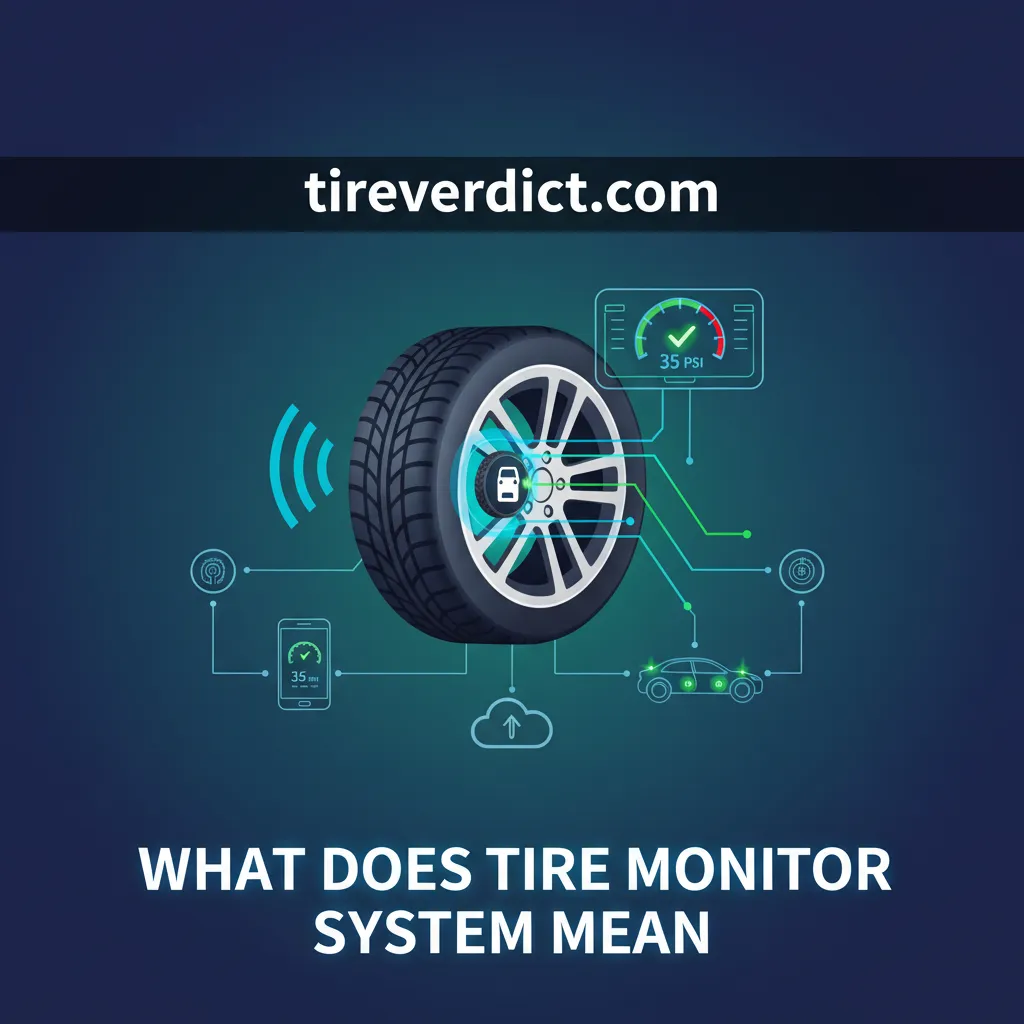
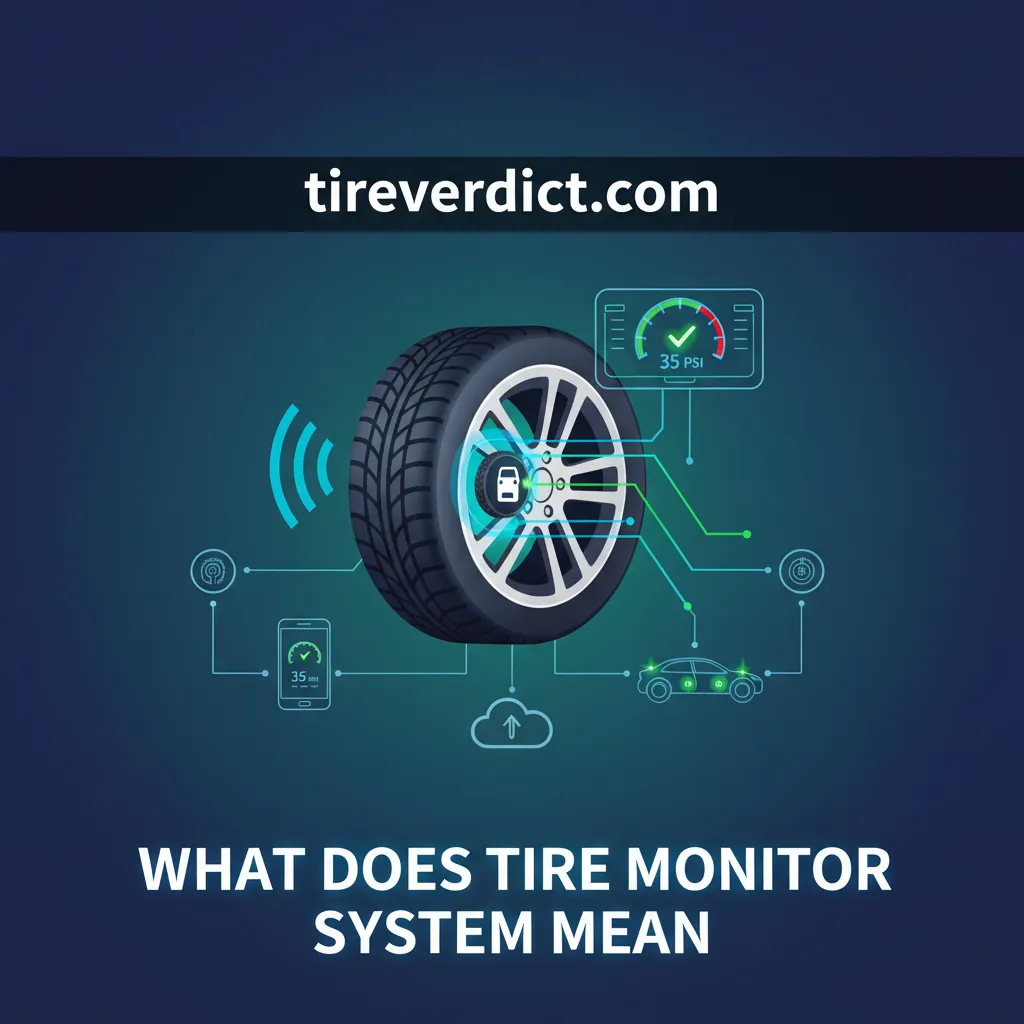
A Tire Pressure Monitoring System, or TPMS, is far more than just a dashboard light; it’s an essential electronic system engineered to monitor the air pressure within your vehicle’s tires. Its primary function is to alert the driver when tire pressure falls below safe levels, acting as a proactive guardian for vehicle safety, fuel economy, and tire longevity. This sophisticated system provides reliable information, allowing drivers to maintain optimal tire conditions.
Core Components and Their Functions
At its heart, a TPMS consists of several crucial components that work in concert:
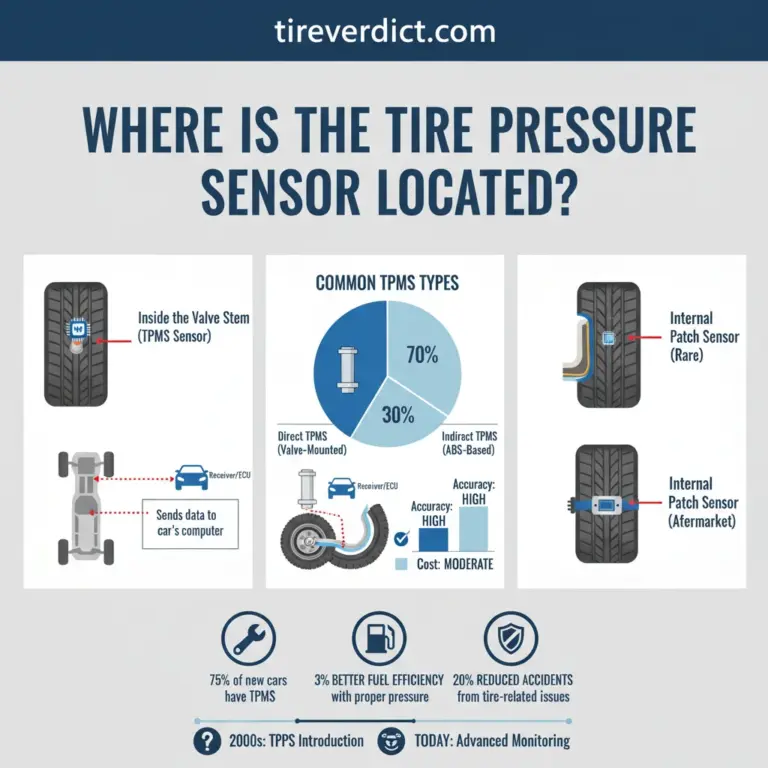
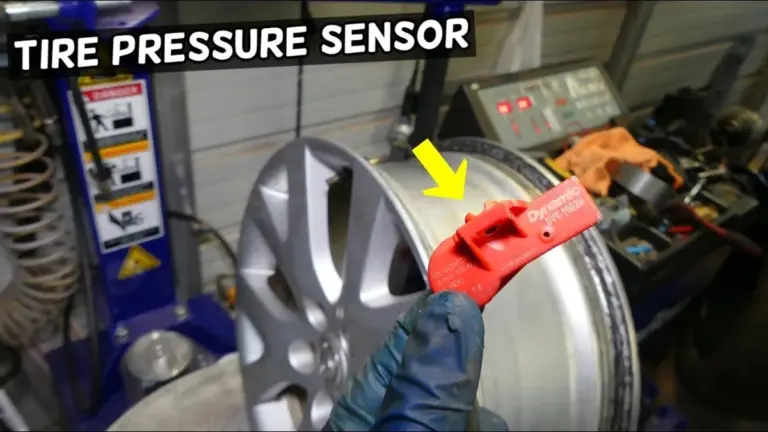
- Pressure Sensors: In direct TPMS, these are small, battery-powered sensors typically mounted inside each tire or integrated into the valve stem. They constantly measure tire pressure and temperature.
- Electronic Control Unit (ECU): The vehicle’s central computer, or a dedicated TPMS control module, receives data from the sensors. It processes this information, comparing it against the vehicle’s recommended tire pressure specifications.
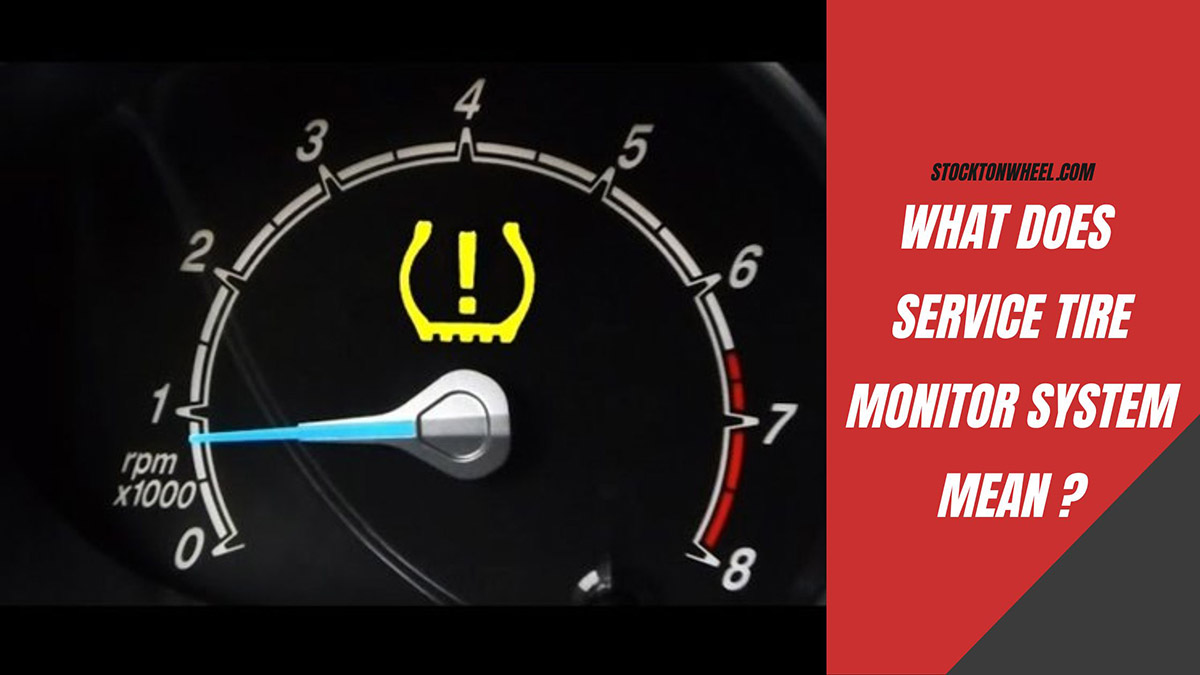
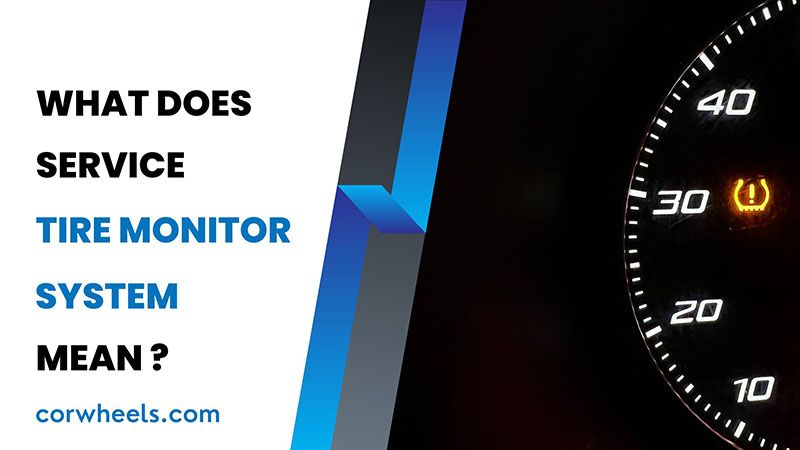
- Dashboard Indicator Light: This is the visual alert for the driver. It typically appears as an amber horseshoe-shaped icon with an exclamation point (
) or sometimes the text ‘TPMS’. A solid light indicates low pressure, while a flashing light usually signals a system malfunction.
- Communication Pathways: Sensors transmit data wirelessly to the ECU, often using radio frequency (RF) signals, ensuring continuous, quality data flow.
The Operational Process of Pressure Detection and Alerting
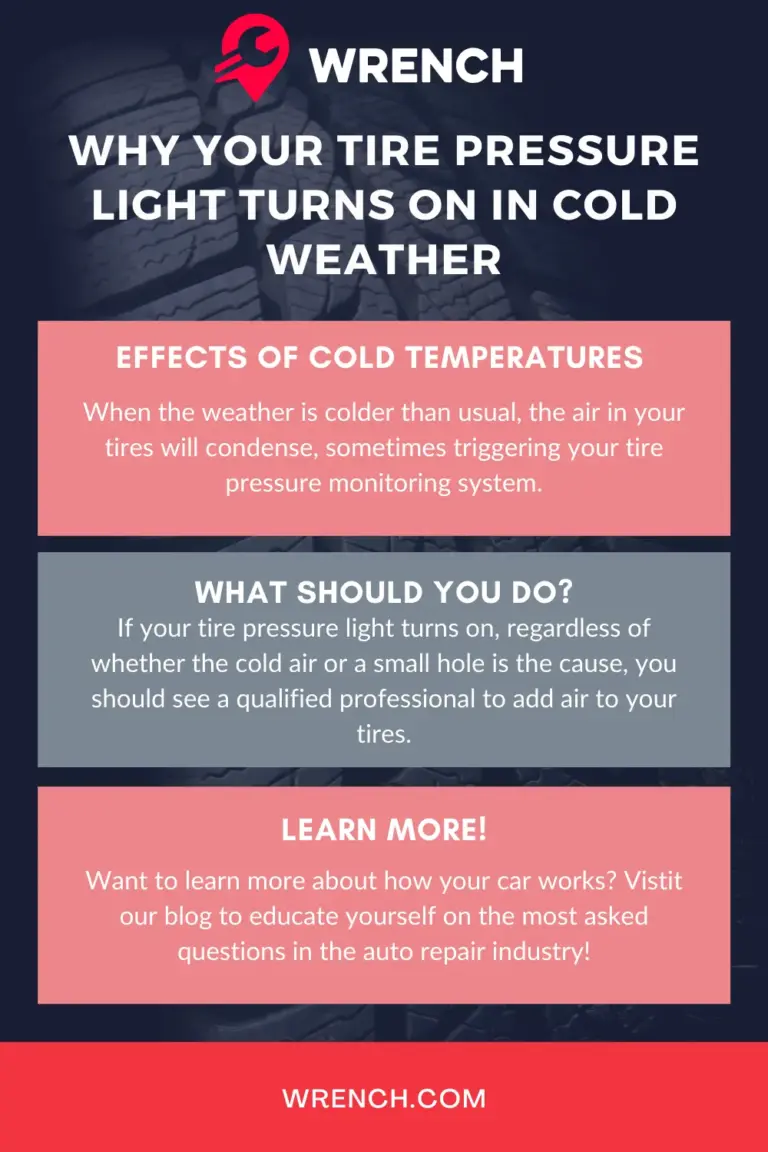
The TPMS operates by continuously monitoring tire pressure. In direct systems, sensors directly measure actual pressure. For instance, if a tire’s pressure drops 25% below the manufacturer’s recommended PSI (Pounds per Square Inch) – a common trigger threshold – the sensor transmits this data to the ECU. The ECU then analyzes this deviation. If the pressure falls below the preset safety threshold, it immediately illuminates the TPMS warning light on the dashboard, typically the amber tire icon, providing a real-time alert to the driver. This prompt notification is crucial in preventing scenarios like a gradually deflating tire from becoming a critical safety hazard. Vehicle manufacturers integrate these systems with sophisticated algorithms to ensure accuracy and timely alerts.
Regulatory Mandates and Their Impact on Vehicle Design
The widespread adoption of TPMS didn’t happen by chance. Its integration into modern vehicles was largely driven by regulatory mandates following safety concerns. In the U.S., the TREAD Act of 2000 (Transportation Recall Enhancement, Accountability, and Documentation Act) was enacted, which subsequently led to a National Highway Traffic Safety Administration (NHTSA) regulation mandating TPMS in all new passenger vehicles weighing under 10,000 pounds sold in the U.S. by September 1, 2007. Similarly, the European Union implemented its own regulations, making TPMS mandatory for all new car models introduced from November 2012 and for all new cars sold from November 2014. Research indicates that this regulatory push has had a significant positive impact on public safety. NHTSA data has consistently shown a reduction in tire-related accidents and fatalities since TPMS became standard, underscoring its recognized importance as a fundamental safety feature in vehicle design.
Direct vs. Indirect TPMS: Unpacking the Technological Differences
While the ultimate goal of TPMS—alerting drivers to underinflated tires—remains consistent, the technological approaches to achieving this vary significantly. Understanding the distinction between direct TPMS and indirect TPMS is fundamental for any professional involved in vehicle maintenance or anyone seeking trusted information about their car’s systems.
Direct TPMS: In-Tire Monitoring for Precision
Direct TPMS systems utilize individual pressure sensors mounted inside each tire or integrated into the valve stem. These sensors directly measure the air pressure and temperature within each tire and wirelessly transmit this real-time data to the vehicle’s ECU. This method offers high accuracy and the ability to detect slow leaks, often even when the vehicle is stationary. Many modern vehicles, including most Ford and GM models, employ direct TPMS. The primary external factor impacting these systems is the battery life of the sensors, which typically lasts between 5 to 10 years.
✅ Pros
- High Accuracy: Measures actual tire pressure directly.
- Real-Time Data: Alerts can trigger even when the vehicle is parked.
- Pinpoints Specific Tire: Can often identify which tire is low.
- Detects Slow Leaks: Superior for subtle pressure drops.
❌ Cons
- Sensor Battery Life: Sensors have finite battery life and need replacement.
- Higher Installation/Replacement Cost: Sensors are individual components.
- Vulnerable to Damage: Sensors can be damaged during tire service.
- Recalibration Post-Service: Often requires a relearn procedure after tire work.
Indirect TPMS: Leveraging Existing Vehicle Systems
In contrast, indirect TPMS does not use dedicated tire sensors. Instead, it ingeniously leverages existing vehicle systems, primarily the Anti-lock Braking System (ABS) or Electronic Stability Control (ESC) sensors. These systems monitor wheel speed. When a tire is underinflated, its diameter decreases slightly, causing it to rotate faster than correctly inflated tires over the same distance. Indirect TPMS detects this change in rotational speed and infers that a tire is low on pressure. Some Honda and VW models are known to use indirect systems. While simpler and generally more affordable initially, they are less precise and typically only activate when the vehicle is in motion.
✅ Pros
- Lower Cost: No individual sensors to purchase or replace.
- Less Maintenance: No sensor batteries to worry about.
- Integrated System: Uses existing ABS/ESC hardware.
❌ Cons
- Lower Accuracy: Infers pressure, not direct measurement.
- No Real-Time Stationary Alerts: Only works when driving.
- Cannot Pinpoint Tire: Typically indicates a general low pressure, not specific tire.
- Less Sensitive to Slow Leaks: May not detect very gradual pressure loss until significant.
Comparative Analysis of Performance and Maintenance
The choice between direct and indirect TPMS has significant implications for both performance and long-term maintenance. Direct systems offer superior quality in measurement and immediate alerts, while indirect systems provide a simpler, often more integrated solution. For consumers, this translates into different costs and service requirements.
OEM Preferences and Aftermarket Considerations
As an expert in the field, I’ve observed that original equipment manufacturers (OEMs) often select the TPMS type based on a balance of cost, performance, and regional regulations. In the U.S. market, direct TPMS is overwhelmingly prevalent due to the precise nature of NHTSA mandates. Globally, however, both systems coexist. When considering aftermarket solutions or replacement parts, professional advice is paramount. For direct TPMS, always opt for OEM-spec or high-quality aftermarket sensors to ensure proper communication and accuracy. For indirect systems, understanding the recalibration process is key, as a simple button press or driving cycle often suffices, negating the need for sensor replacements.
The Paramount Importance of TPMS: Safety, Efficiency, and Longevity
The significance of a fully functional TPMS cannot be overstated. It’s not merely a convenience feature; it’s a critical system that directly contributes to driver and passenger safety, enhances vehicle operational efficiency, and prolongs the lifespan of costly components. This guide emphasizes its multifaceted value for every driver.
Enhancing Road Safety and Preventing Catastrophic Failures
Properly inflated tires are the bedrock of vehicle control. When tires are underinflated, they generate excessive heat, deform more, and reduce the contact patch with the road. TPMS acts as an early warning system, alerting drivers before these conditions become critical. This significantly reduces the risk of dangerous scenarios like sudden tire blowouts, which can lead to loss of control, especially at highway speeds. Moreover, correct tire pressure improves vehicle handling, optimizes braking performance by ensuring even pressure distribution, and mitigates hydroplaning dangers in wet conditions. Research by AAA indicates that a significant percentage of tire-related accidents are directly attributable to underinflation, making TPMS an indispensable tool for safeguarding occupants and other road users.
Optimizing Fuel Efficiency and Reducing Operating Costs
There’s a direct and impactful correlation between tire pressure and fuel consumption. Underinflated tires have increased rolling resistance, meaning the engine has to work harder to maintain speed. This leads to wasted fuel. The U.S. Environmental Protection Agency (EPA) estimates suggest that for every 1 PSI increase up to the recommended pressure, fuel economy can improve by approximately 0.2%. While seemingly small, these percentages accumulate significantly over a year of driving. For example, consistently driving on tires underinflated by just 6 PSI can reduce fuel efficiency by up to 3%, translating to hundreds of dollars in additional fuel costs annually for the average driver. TPMS, therefore, doesn’t just improve safety; it offers tangible financial advantages by ensuring reliable tire monitoring.
Extending Tire Lifespan and Ensuring Even Wear
Tires are a substantial investment, and maintaining their proper inflation is key to maximizing their lifespan and ensuring quality performance. Both under- and over-inflation can lead to uneven tread wear. Underinflation typically causes excessive wear on the outer edges of the tire, while overinflation leads to wear in the center. Industry data indicates that driving with tires just 25% underinflated can reduce their lifespan by 15-20%. A properly functioning TPMS ensures that tires maintain optimal pressure, promoting even wear across the entire tread surface. This not only extends the life of your tires but also maintains their intended performance characteristics, such as grip and stability, making your investment last longer.
Environmental Impact and Reduced Emissions
The environmental benefits of TPMS extend beyond individual cost savings. By ensuring optimal tire pressure, TPMS contributes to lower fuel consumption. This reduction in fuel burn directly correlates to a decrease in harmful carbon dioxide (CO2) emissions. In an era where environmental consciousness is paramount, a well-maintained TPMS plays a small yet significant role in reducing a vehicle’s carbon footprint, supporting broader sustainability efforts.
Enhanced Safety
Significantly reduces risk of blowouts, improves handling and braking.
Cost Savings
Optimizes fuel efficiency and extends tire lifespan, reducing overall operating costs.
Environmental Benefit
Contributes to reduced CO2 emissions through lower fuel consumption.
By The Numbers
U.S. TPMS Mandate Year
Fuel Econ. Increase per 1 PSI
Tire Life Reduction (25% Underinflated)
Years Direct TPMS Battery Life
Diagnosing and Resolving Common TPMS Alerts and Malfunctions
Understanding what your TPMS warning light is communicating is crucial for effective problem-solving. As an expert technician, I’ve seen countless drivers needlessly worry or, conversely, ignore critical alerts. This section provides a professional guide to interpreting and acting upon common TPMS signals, ensuring trusted action.
Interpreting TPMS Warning Lights: Solid vs. Flashing Indicators
The TPMS indicator light, typically an amber icon, provides two distinct warnings:
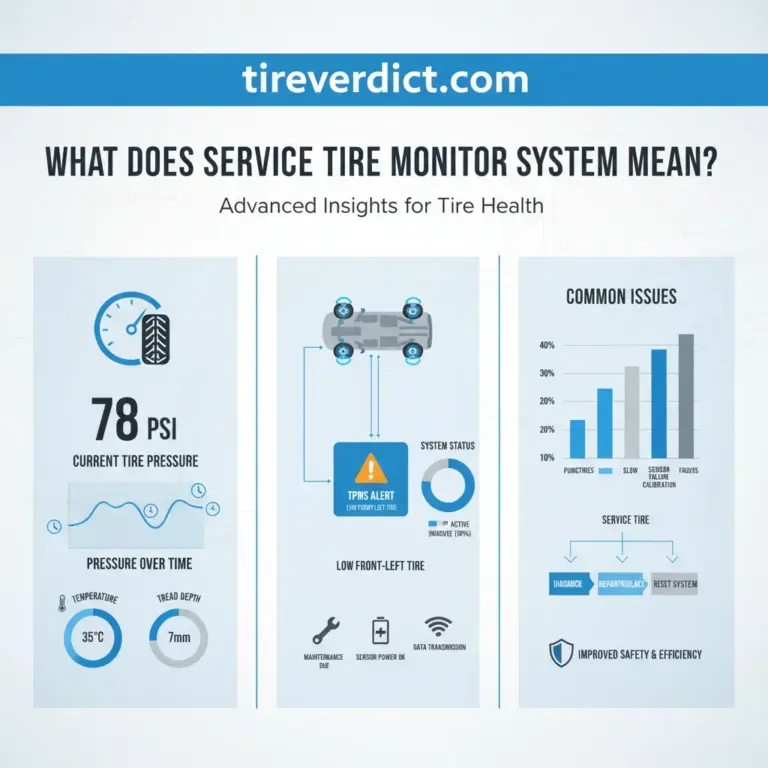
- Solid TPMS Light: This is the most common alert. A continuously illuminated (solid) light signifies that one or more tires have fallen below the recommended pressure threshold (usually 25% below OEM specification). This indicates low tire pressure, requiring immediate attention.
- Flashing TPMS Light: A flashing TPMS light is a more serious indicator. It signals a system malfunction with the TPMS itself. This could be due to a faulty sensor, a communication error, or a depleted sensor battery. Even if your tire pressures are correct, a flashing light means the system is not functioning as intended and cannot provide reliable pressure readings.
Addressing Low Tire Pressure: The Most Frequent Alert
When the solid TPMS light appears, your immediate action is straightforward:
📋
Step-by-Step Guide: Addressing Low TPMS Alert
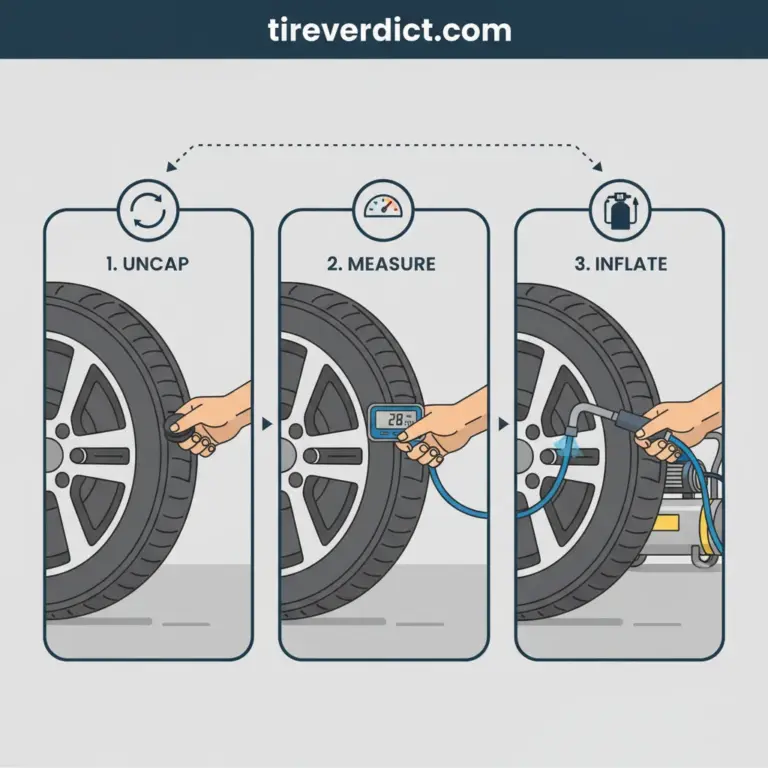
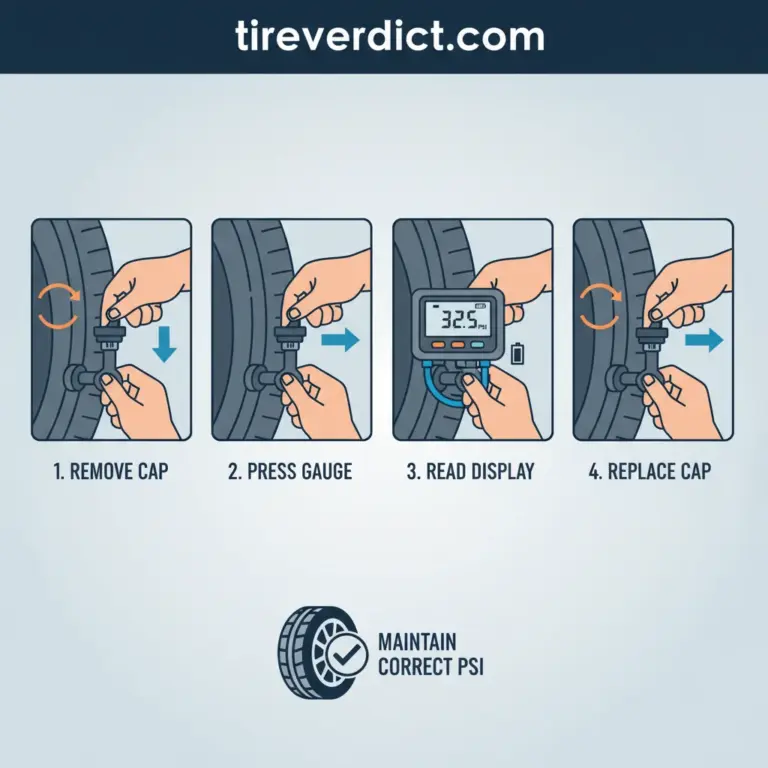
Find a safe location to stop. Use a high-quality tire pressure gauge to check the pressure of all four tires, including the spare if equipped with TPMS. Compare readings to the vehicle manufacturer’s recommended PSI, usually found on a sticker inside the driver’s side door jamb or in the owner’s manual.
Add air to any underinflated tires until they reach the correct PSI. Be careful not to overinflate. If a tire is significantly low or completely flat, you may have a puncture and require roadside assistance or a tire repair.
After inflation, drive the vehicle for 10-20 minutes at speeds above 25 mph. Often, the light will extinguish on its own. Some vehicles require a manual reset button press or a specific driving pattern (refer to your owner’s manual) to clear the light.
Identifying TPMS Sensor Malfunctions or Battery Depletion
A flashing TPMS light, or a solid light that remains on even after all tires are correctly inflated, points to a sensor or system issue. For direct TPMS, the most common culprit is a depleted sensor battery, as these batteries have a typical lifespan of 5-10 years, aligning with the age of many vehicles on the road today. Other issues can include physical damage to a sensor (e.g., during tire changes), corrosion of the valve stem sensor, or a communication failure with the ECU. Symptoms might include intermittent warnings, inconsistent readings, or the light returning shortly after a manual reset. The average cost of replacing a single direct TPMS sensor can range from $50-$150 per sensor, excluding labor, which also involves tire removal and rebalancing.
Recalibration Needs and Post-Service Procedures
TPMS recalibration is often necessary after various service events. For indirect TPMS, recalibration is usually required after adjusting tire pressures, rotating tires, or replacing a tire, to “re-learn” the new wheel speed baseline. Direct TPMS systems may also require a “relearn” procedure after sensor replacement, tire rotations, or even significant pressure adjustments to ensure the ECU correctly identifies each sensor’s location. These procedures can range from a simple manual button press in the cabin to a specific driving cycle, or in more complex cases, require a professional scan tool that connects directly to the vehicle’s diagnostic port.
When to Seek Professional Diagnostic and Repair Services
While basic pressure checks and simple resets can often resolve a solid TPMS light, a flashing light or a persistent solid light after correct inflation requires the attention of an expert automotive technician. A trusted service center possesses specialized diagnostic tools (e.g., TPMS scan tools) to accurately read sensor data, identify faulty sensors, and perform complex relearn procedures. Attempting to ignore a flashing light or improperly address a system malfunction compromises your vehicle’s safety features and can lead to more costly repairs down the line. Investing in professional diagnostics ensures your TPMS remains a reliable guardian of your tire health.
Never ignore a flashing TPMS light. This indicates a system malfunction and means your TPMS is not actively monitoring your tires. Driving without a functional TPMS compromises a critical safety system, potentially leaving you unaware of dangerous tire pressure drops.
Maintaining Your TPMS for Optimal Reliability and Performance
Ensuring your TPMS remains functional and accurate over time requires a proactive approach to maintenance. This isn’t just about reacting to a warning light; it’s about safeguarding the quality and reliability of a vital safety component. As an expert, I recommend these best practices.
Regular Manual Tire Pressure Verification
While TPMS is a highly reliable system, it should supplement, not replace, periodic manual tire pressure checks. Use a professional-grade tire pressure gauge at least once a month, and always before long trips, to verify all tire pressures. This helps detect subtle pressure changes that may not immediately trigger the TPMS light (especially with indirect systems) and confirms the accuracy of your TPMS. This simple habit is the cornerstone of proactive tire maintenance.
Professional Tire Service and TPMS Awareness
During tire rotations, mounting, balancing, or replacement, it’s paramount to choose qualified technicians who are knowledgeable about TPMS. Improper handling can easily damage direct TPMS sensors. Ensure your trusted tire service center uses appropriate tools and follows manufacturer procedures for removing, re-installing, and re-calibrating TPMS sensors. Statistics show that sensors are often damaged during improper tire service, leading to unnecessary replacement costs and system malfunctions.
Strategic TPMS Sensor Replacement and Quality Assurance
Direct TPMS sensors have a finite battery life, typically 5-10 years. When a sensor battery depletes, the entire sensor must be replaced. Similarly, sensors can be damaged by impact, corrosion, or incorrect tire mounting. When replacement is necessary, always advise on selecting high-quality OEM or reputable aftermarket sensors. While cheaper alternatives exist, they often lead to compatibility issues, intermittent signals, or premature failure, undermining the system’s reliability and your safety. A professional technician can help you source the correct parts.
Understanding and Performing System Relearn Procedures
After any tire service—rotations, replacements, or even significant pressure adjustments—your TPMS might require a relearn or recalibration procedure. The method varies significantly by vehicle make and model. Some vehicles have a simple reset button; others require a specific driving cycle, while many newer vehicles demand a professional scan tool for the relearn process. Always consult your vehicle’s owner’s manual or a trusted technician for the specific steps applicable to your car. Failing to perform a proper relearn can result in the TPMS warning light remaining on, even if tire pressures are correct.
Preventative Measures and Longevity Tips
A few simple preventative measures can extend the lifespan of your TPMS and maintain its optimal quality:
- Use Correct Valve Stem Caps: Ensure your valve stems (especially for direct TPMS with integrated sensors) have their caps securely on. These prevent dirt, moisture, and road salt from entering and potentially corroding the valve stem or sensor.
- Avoid Harsh Tire Chemicals: Be cautious with certain tire shine products or harsh cleaners that could potentially degrade the rubber components or sensor housing over time.
- Promptly Address Warning Lights: Don’t delay addressing a TPMS warning. Early detection prevents minor issues from escalating into more complex and costly repairs.
- Consider a Full TPMS Service Kit: When replacing tires on vehicles with direct TPMS, consider having the valve stems serviced with new caps, seals, and nuts. This is a common professional recommendation.
When getting new tires, ask your technician about a “TPMS rebuild kit.” This usually includes new seals, nuts, and caps for your direct TPMS sensors. It’s an inexpensive way to prevent corrosion and ensure sensor longevity, reinforcing the system’s overall reliability.
In conclusion, a Tire Pressure Monitoring System is a vital safety system continuously monitoring tire pressure to prevent accidents and optimize vehicle performance. Understanding the differences between direct and indirect TPMS is crucial for proper maintenance and addressing alerts. Regular TPMS checks and professional service are essential to ensure its reliability, enhance fuel efficiency, and extend tire lifespan.
Ensure your TPMS is functioning optimally by regularly checking your tire pressures and consulting a trusted professional for any warnings or maintenance needs. Drive safer and smarter by staying informed about your vehicle’s critical safety systems with this comprehensive guide.
Frequently Asked Questions
What is the primary function of a Tire Pressure Monitoring System?
The primary function of a TPMS is to constantly monitor the air pressure within your vehicle’s tires. It is designed to alert the driver via a dashboard indicator light if one or more tires become significantly under-inflated or over-inflated. This crucial safety feature helps prevent tire failure, improves vehicle handling, and contributes to better fuel economy and extended tire life, ensuring reliable operation.
How do I know if my TPMS is working correctly?
A correctly functioning TPMS typically operates without a dashboard light illuminated, assuming all tire pressures are within specification. If the light comes on solid, it usually indicates low tire pressure in at least one tire. If the light flashes upon startup or while driving, it signals a system malfunction. Regular manual pressure checks also serve as a quality verification of your TPMS’s accuracy.
Can I drive with the TPMS warning light on?
While it’s technically possible, driving with the TPMS warning light on is highly discouraged. A solid light indicates under-inflation, which compromises safety, fuel efficiency, and tire longevity. A flashing light signals a system malfunction, meaning you lack crucial pressure monitoring. For expert advice and to ensure trusted vehicle operation, addressing the warning promptly by checking tire pressure or seeking professional diagnosis is critical.
How often do TPMS sensors need to be replaced?
Direct TPMS sensors typically have a battery life of 5 to 10 years, which is often integrated and not replaceable. Once the battery dies, the entire sensor must be replaced. Additionally, sensors may need replacement if damaged during tire service or an impact. Indirect TPMS systems do not have individual sensors in each wheel and thus do not require sensor replacement, but require periodic recalibration.
What should I do if my TPMS light comes on after getting new tires?
If your TPMS light comes on after new tires, first ensure all tires are inflated to the correct PSI as specified on your vehicle’s door jamb. Sometimes, a simple recalibration (often detailed in your owner’s manual) is needed. If the light persists or flashes, it could indicate a sensor was damaged during installation, or the system needs a professional relearn procedure. Consult a trusted tire expert for diagnosis and resolution.