Driving with properly inflated tires isn’t just about performance; it’s a critical component of vehicle safety and economic efficiency. Despite its importance, many drivers find themselves asking: ‘Where can I reliably get air in my tire?’ in moments of need, often unsure of their options or the correct procedure. This expert guide will navigate the myriad of accessible locations for tire inflation in 2026, from public stations to professional service centers, and provide precise instructions to ensure your tires are always optimally maintained.
Understanding Tire Pressure Loss: Why Your Tires Need Air
Maintaining correct tire pressure is not merely a recommendation; it’s a fundamental aspect of vehicle safety, fuel efficiency, and tire longevity. As an expert with over 15 years in automotive maintenance, I’ve seen firsthand the detrimental effects of neglected tire care. Understanding why tires lose air is the first step toward proactive maintenance.
📤 Share Image
Natural Permeation: The Inescapable Reality
Even perfectly sound tires gradually lose air due to a phenomenon called natural permeation. Tire rubber, despite its density, is porous at a microscopic level, allowing air molecules to slowly escape. Research indicates that tires typically lose about 1-3 pounds per square inch (PSI) per month through this process. This natural loss is compounded by various factors, making regular checks essential.
Punctures and Leaks: Common Culprits
Beyond natural permeation, specific damage can accelerate pressure loss. Common causes include:
- Tread Punctures: Nails, screws, or other sharp debris often embed themselves in the tire tread, creating a slow leak.
- Valve Stem Issues: The valve stem, a small rubber or metal component that allows air into the tire, can degrade over time, develop cracks, or become loose, leading to leaks.
- Bead Leaks: The tire bead is the edge of the tire that seals against the wheel rim. Corrosion on the rim, improper tire mounting, or minor damage to the bead can compromise this seal, resulting in air loss.
Impact of Temperature Changes: The Silent Deflator
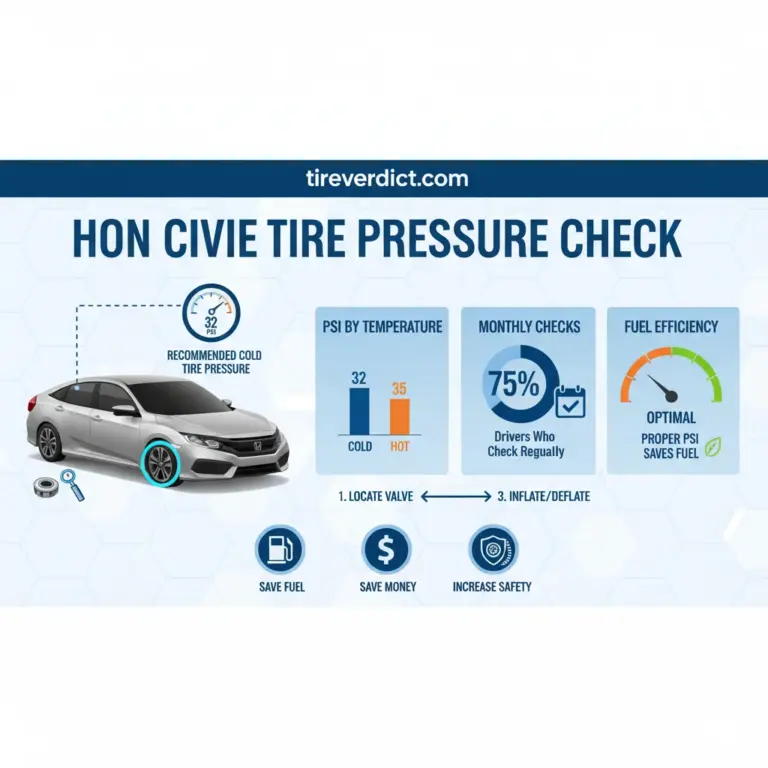
Temperature plays a significant role in tire pressure. For every 10°F drop in ambient temperature, tire pressure can decrease by approximately 1 PSI. This is why a vehicle parked outdoors during a cold snap in winter might appear to have a ‘flat’ tire even without a physical leak. The air inside contracts, reducing pressure. Conversely, hotter temperatures can increase internal pressure.
Consequences of Underinflation: More Than Just a Minor Inconvenience
Driving on underinflated tires carries serious risks and diminishes your vehicle’s overall performance. As a professional, I consistently stress these points:
- Reduced Fuel Efficiency: Soft tires increase rolling resistance, forcing your engine to work harder. Comparing fuel economy metrics, an improperly inflated tire can reduce efficiency by 0.2% for every 1 PSI drop in all four tires.
- Premature Tire Wear: Underinflation causes the tire’s shoulders to bear more weight and friction, leading to rapid and uneven wear. Visually, you’ll often see the outer edges of the tread worn down significantly more than the center.
- Decreased Handling and Braking: The tire’s contact patch with the road changes, impairing steering responsiveness, stability, and braking effectiveness, particularly in emergency maneuvers.
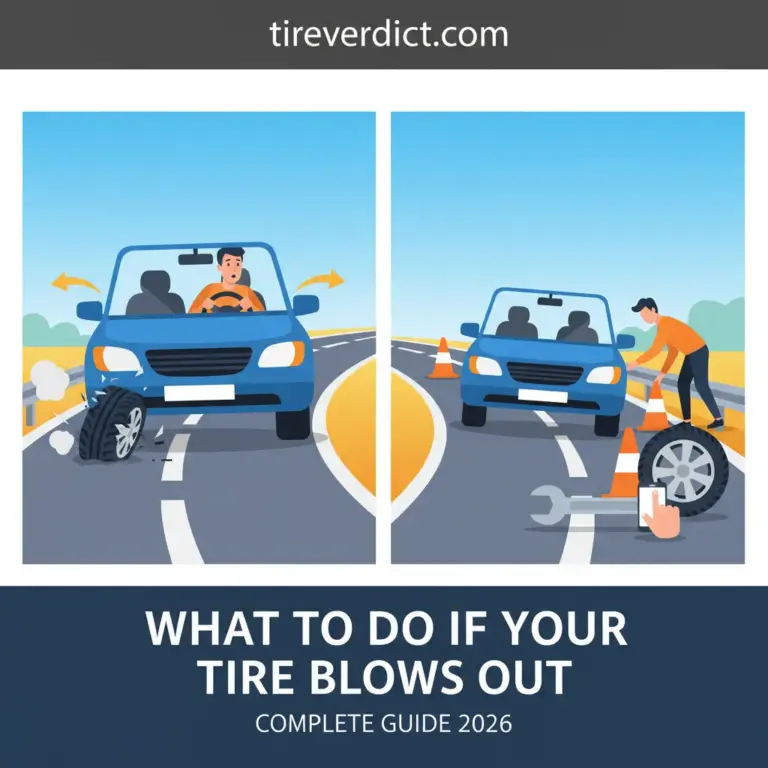
- Increased Risk of Blowouts: The excessive flexing and heat buildup in underinflated tires create a dangerous environment, significantly increasing the likelihood of a sudden, catastrophic tire failure.
By The Numbers
Vehicles with at least one underinflated tire (AAA 2023)
Fuel efficiency drop per 1 PSI loss
Pressure loss per 10°F temperature drop
According to the National Highway Traffic Safety Administration (NHTSA), underinflated tires are a leading cause of tire-related crashes, highlighting the severe safety implications. A 2023 study by AAA further revealed that a staggering 28% of vehicles on the road have at least one underinflated tire, underscoring the widespread nature of this preventable issue.

Primary Locations for Professional & Public Tire Inflation Services
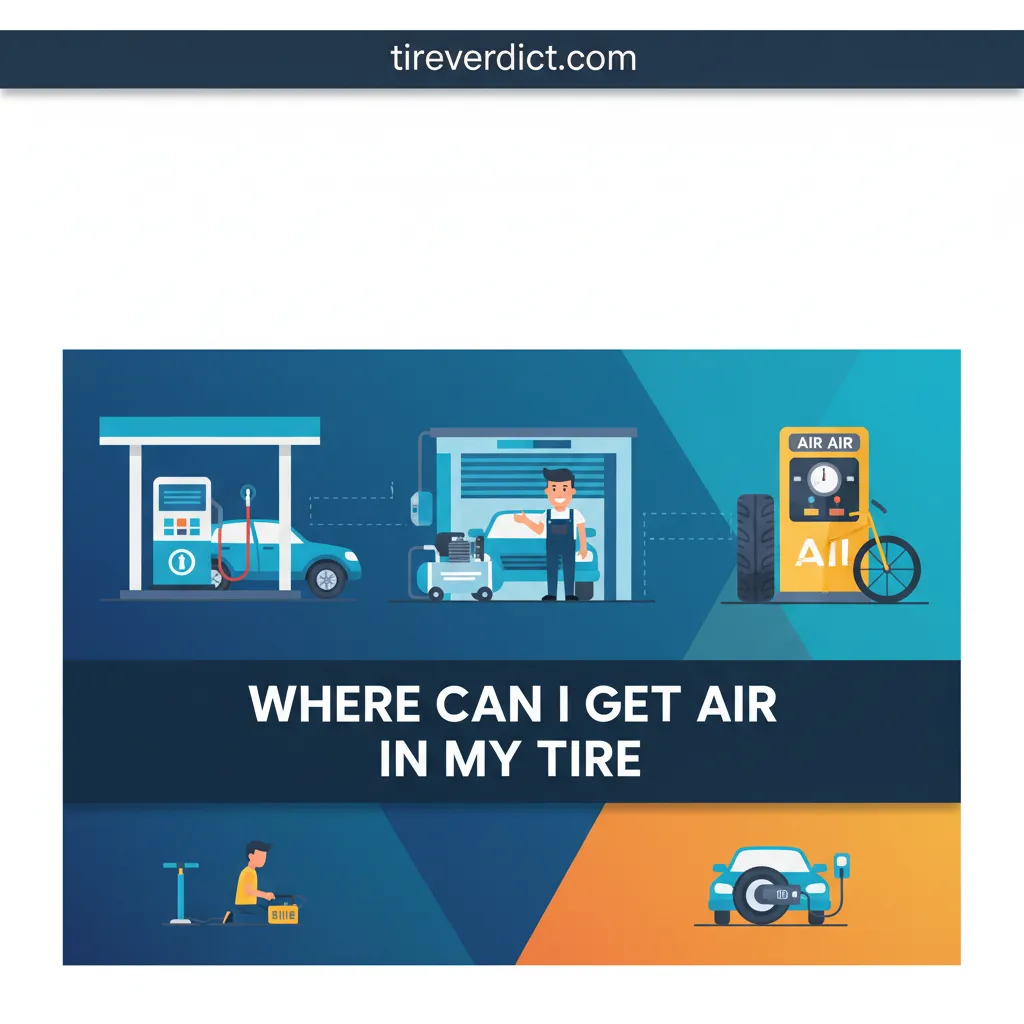
When you need to top off your tires, numerous reliable options are available across the country. My years of experience navigating the automotive service landscape confirm that access to air is rarely far away, though the quality and cost can vary.
Gas Stations and Convenience Stores
These are arguably the most common and accessible locations. Major chains like Chevron, Exxon, Shell, and BP, along with countless independent convenience stores, typically offer air pumps. The distinction often lies between free and pay-per-use services.
- Free Air: Some stations, particularly in certain states (e.g., California), are mandated to provide free air with a fuel purchase. Others offer it as a customer amenity. It’s always worth checking for a sign or asking an attendant.
- Pay-per-Use: Many gas stations utilize coin-operated or digital payment air pumps. These typically cost between $1.00 to $2.50 per use for a set duration, often allowing enough time for all four tires and a spare. Many gas stations now integrate digital payment options for air services.
Quality & Maintenance: The equipment quality can vary significantly. Some pumps feature integrated gauges and automatic shut-offs, providing a more reliable experience. However, others might have less accurate gauges or be poorly maintained. Always bring your own trusted, calibrated gauge for verification.
Dedicated Tire Service Centers and Automotive Repair Shops
For a truly professional and reliable experience, tire service centers and automotive repair shops are your best bet. Establishments like Discount Tire, Pep Boys, Firestone Complete Auto Care, and local independent repair shops almost universally offer complimentary tire pressure checks and inflation.
- Expert Service: Technicians at these locations use calibrated, high-quality gauges and air compressors, ensuring accurate inflation. They can also quickly spot potential issues like slow leaks or valve stem problems that a motorist might miss. An expert technician using a trusted calibrated gauge guarantees precision.
- No Cost: A 2025 industry survey indicated that 90% of tire service centers offer complimentary tire pressure checks, making this a highly recommended option for both convenience and peace of mind.
Big Box Retailers and Membership Warehouses with Auto Centers
Major retailers that operate auto service centers, such as Costco, Sam’s Club, and Walmart Auto Centers, are excellent resources. If you’ve purchased tires from them, air checks and rotations are often part of the deal. Even if not, many offer free air pressure checks as a standard customer service or a benefit for members.
- Costco Tire Center: Renowned for offering free nitrogen inflation and pressure checks to all members, regardless of where the tires were purchased.
- Walmart Auto Care Center: Typically provides free air for tires during their operating hours.
Car Dealerships
Most car dealerships provide free tire pressure checks and inflation as a standard customer service. Whether you’re in for a routine oil change or just passing by, many will gladly top off your tires. It’s often viewed as a gesture of goodwill and an opportunity to build customer loyalty, making them a trusted source for this basic maintenance task.
Widespread Accessibility
Gas stations and convenience stores are virtually everywhere, providing quick access.
Expert Accuracy
Tire centers and dealerships offer services performed by skilled technicians with calibrated equipment.
Cost-Effective Options
Many locations, especially service centers and membership clubs, provide complimentary air checks.

Step-by-Step Guide to Safely and Accurately Inflating Your Tires
Knowing where to get air is only half the battle. The other half is knowing how to perform the inflation correctly. An accurate and safe inflation process is paramount for achieving optimal tire performance and extending their lifespan. As a seasoned expert, I always advise following these precise steps.
Locating the Correct Tire Pressure (PSI) Specification
The most crucial piece of information you need is your vehicle’s recommended tire pressure. This is NOT the maximum pressure listed on the tire sidewall, which is a safety limit. Your vehicle’s specific PSI can be found in several trusted locations:
- Driver’s Side Door Jamb Placard: The most common location. Open the driver’s door and look for a sticker on the door frame. This placard provides recommended PSI for front, rear, and sometimes spare tires, often including pressures for varying load conditions.
- Owner’s Manual: Your vehicle’s comprehensive guide will always list the recommended tire pressures.
- Fuel Filler Cap: Some vehicles have a tire pressure sticker inside the fuel filler door.
Selecting the Right Tools and Equipment
To ensure accuracy, having the right tools is key:
- Accurate Tire Pressure Gauge: Invest in a good quality gauge. Digital gauges are generally easier to read and more precise than traditional stick-style or dial gauges.
- Air Compressor:
- Public Air Stations: Utilize the air pump hose and chuck provided.
- Portable Air Compressors: A valuable tool for home use or emergencies, these plug into your vehicle’s 12V outlet and come with an integrated gauge and hose.
Always check and adjust tire pressure when tires are “cold,” meaning the vehicle hasn’t been driven for at least three hours or less than a mile. Studies show that tires heat up by 50°F after just 20 minutes of driving, increasing internal pressure by approximately 5 PSI, leading to an inaccurate reading if checked warm. This is a critical nuance for achieving precise inflation.
📋
Step-by-Step Inflation Process
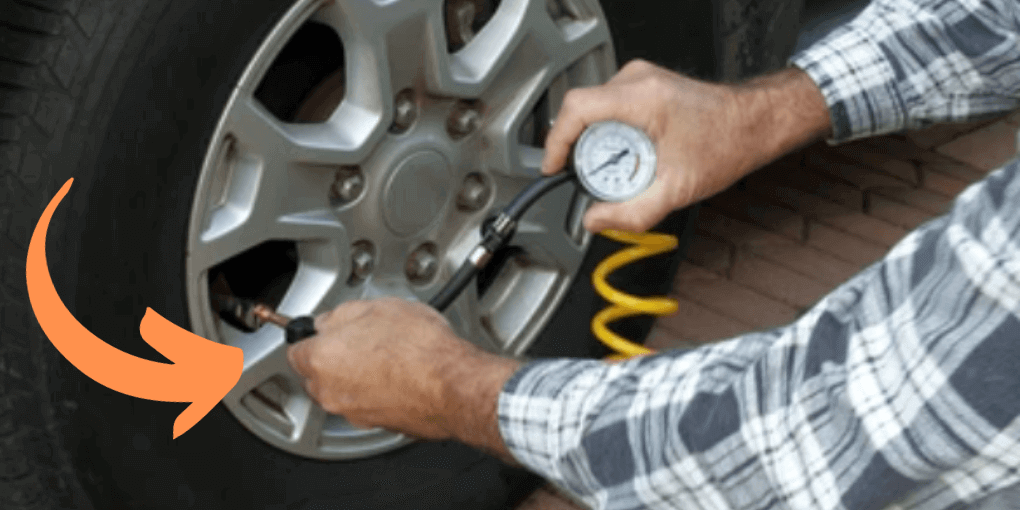
Unscrew the valve stem cap from the tire. Press your tire pressure gauge firmly onto the valve stem for a quick, accurate reading. Note the current PSI for each tire.
Press the air compressor’s chuck (nozzle) firmly onto the valve stem. You’ll hear air flowing in. If using a public pump, press the lever. Add air in short bursts, typically 3-5 seconds, then remove the chuck and re-check the pressure with your gauge. Repeat this process until you reach the manufacturer’s recommended PSI.
Repeat Steps 1 and 2 for all four tires, and don’t forget to check your spare tire if applicable. Once all tires are at the correct pressure, replace all valve stem caps to prevent dirt and moisture from entering and causing leaks.
Post-Inflation Checks and Best Practices
After inflation, a quick visual inspection can go a long way. Look for any obvious signs of damage, such as bulges, cracks, or embedded objects. Experts recommend checking tire pressure monthly, even if your vehicle is equipped with a Tire Pressure Monitoring System (TPMS), as these systems often only alert you when pressure drops significantly below the recommended level.
Addressing Persistent Tire Pressure Issues: When to Seek Expert Service
While routine inflation is straightforward, persistent pressure loss signals a more significant underlying issue. Ignoring a recurring low tire pressure warning or a tire that consistently needs air is a gamble with your safety and wallet. This is when the advice of a qualified professional becomes indispensable.
Identifying the Source of a Slow Leak
If a tire repeatedly loses air despite proper inflation, it’s likely experiencing a slow leak. You can perform a rudimentary self-diagnosis:
- The Soapy Water Test: Inflate the suspected tire to its correct pressure. Mix water with a few drops of dish soap in a spray bottle. Spray the solution onto the valve stem, tire beads (where the tire meets the rim), and slowly around the entire tread surface. Look for bubbles forming, which indicate escaping air. A scenario where a tire repeatedly loses air despite inflation, signaling a deeper issue, warrants this test.
Recognizing Irreparable Damage: Industry Standards
Not all punctures are repairable. Attempting to repair certain types of damage can compromise the tire’s structural integrity, leading to dangerous consequences. The Rubber Manufacturers Association (RMA) guidelines, which are the industry standard, stipulate that:
- Only punctures under 1/4 inch (6mm) in diameter, located in the tread area, are safely repairable.
- Punctures in the tire’s sidewall or shoulder are generally not repairable due to the high flex and stress in these areas.
- If a tire has been driven on while significantly underinflated, it might have sustained internal damage (even if not visible externally) rendering it irreparable.
Never attempt to repair a sidewall puncture or any damage larger than 1/4 inch in the tread. These types of damage compromise the tire’s structural integrity and can lead to a catastrophic failure at speed. Always consult a professional for assessment.
Valve Stem and Bead Leak Diagnosis
These are common but often overlooked sources of slow leaks. A professional technician can easily identify these issues:
- Valve Stem Replacement: A quick and inexpensive fix, especially if the rubber has deteriorated.
- Bead Resealing: Often involves removing the tire, cleaning the rim and bead, and reapplying a bead sealer to create a tight seal.
An expert inspection often reveals the root cause in over 85% of cases of persistent slow leaks, demonstrating the value of professional assessment.
Tire Replacement Considerations
Sometimes, a tire is simply beyond repair. This occurs if:
- The damage is too extensive or in an unrepairable area.
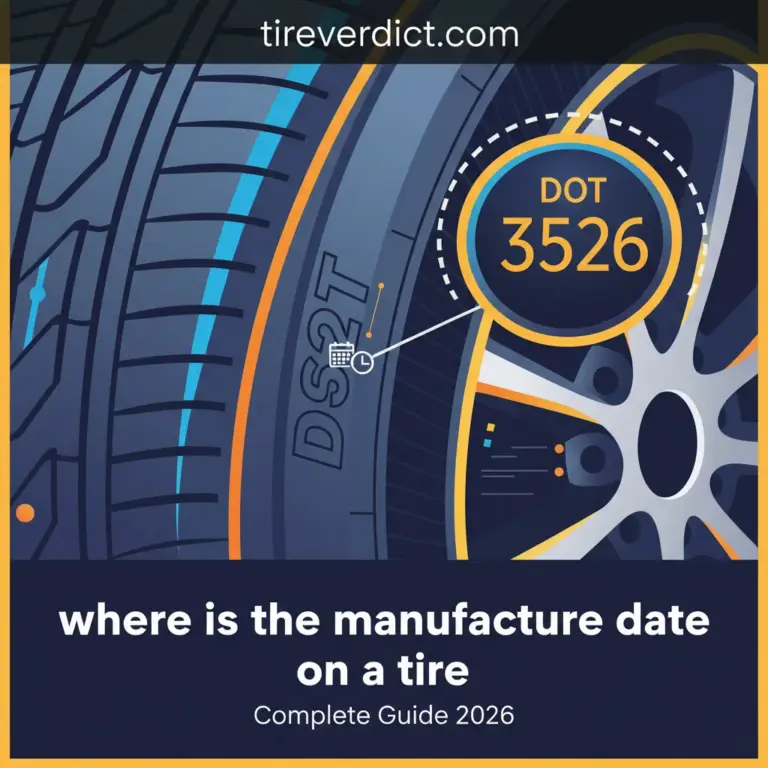
- The tire is too old (typically 6-10 years from its manufacture date, regardless of tread wear).
- The tread depth is below the legal minimum (often 2/32nds of an inch).
When replacing tires, always ensure they match your vehicle’s specifications, and ideally, replace them in pairs or as a full set for optimal handling and safety, especially with all-wheel-drive vehicles.
Advanced Considerations for Optimal Tire Maintenance in 2026
As we move further into 2026, tire technology and best practices continue to evolve. Beyond basic inflation, there are several advanced considerations that any discerning vehicle owner should be aware of to ensure long-term tire health and peak performance.
Utilizing Tire Pressure Monitoring Systems (TPMS)
Since 2007, all new passenger vehicles sold in the U.S. are mandated to have TPMS. This system uses sensors to monitor tire pressure and alerts the driver with a dashboard warning light if one or more tires are significantly under-inflated (typically 25% below recommended PSI). While invaluable, it’s essential to understand its role:
- Warning, Not Prevention: TPMS is a warning system, not a substitute for manual checks. It alerts you to a problem, but doesn’t prevent it or guarantee optimal inflation.
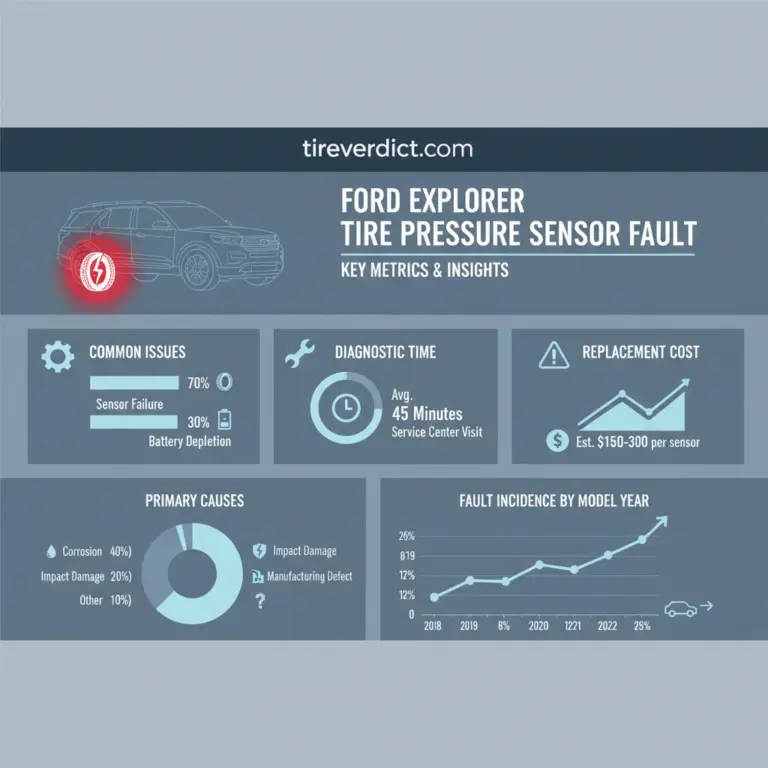
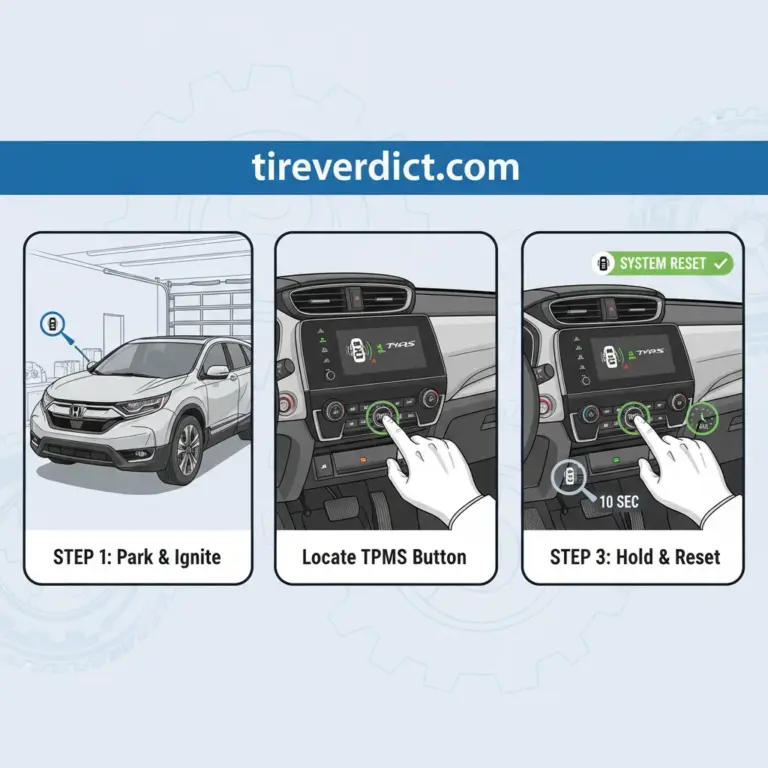
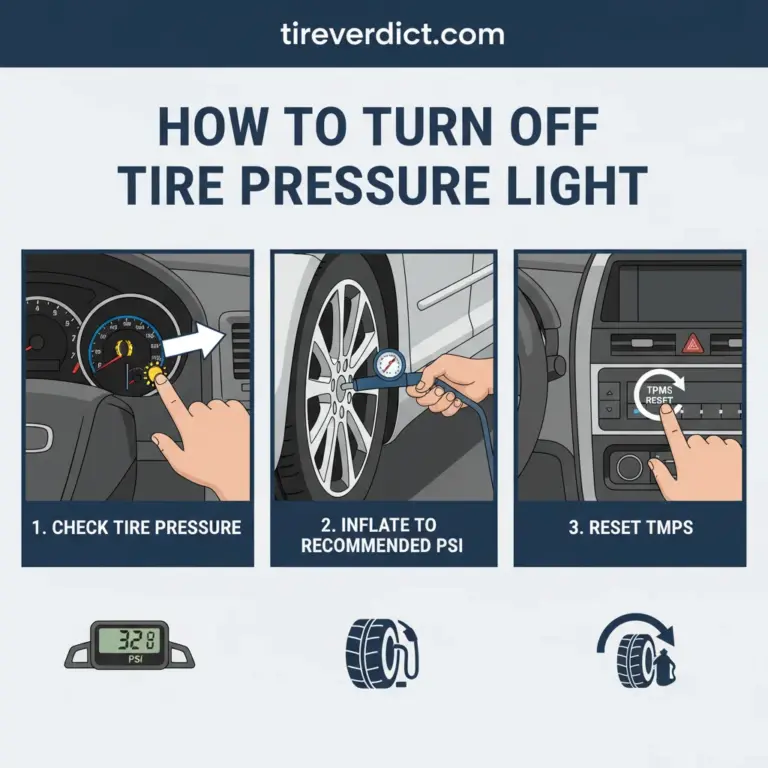
- Response to Alerts: If your TPMS light comes on, treat it seriously. Find a safe place to stop, manually check all tire pressures, and inflate as needed. If the light remains on after inflation, a professional inspection is required, as a sensor may be faulty.
The Role of Nitrogen Inflation
Nitrogen inflation has gained popularity, especially among those seeking a marginal edge in tire maintenance. While compressed air is about 78% nitrogen, using pure nitrogen offers a few benefits:
- Slower Pressure Loss: Nitrogen molecules are larger and less prone to permeation through rubber than oxygen. This means tires inflated with nitrogen can maintain pressure longer. While nitrogen can reduce pressure loss by up to 30% compared to air, its primary benefit is consistency in racing or specialized applications where even minor pressure fluctuations are critical.
- Consistent Pressure: Nitrogen is less susceptible to temperature-induced pressure fluctuations.
- No Moisture: Nitrogen used for tires is typically dry, reducing the risk of internal rim corrosion.
However, it comes with drawbacks: cost and availability. Not all service centers offer nitrogen, and it usually costs more than standard air. For the average driver, consistent manual checks with air provide nearly identical practical benefits.
Impact of Vehicle Load and Towing on Tire Pressure
When carrying heavy loads or towing, your tire pressure requirements change significantly. Overloading or towing without adjusted tire pressure can lead to excessive heat buildup and tire failure. Always consult:
- Your Vehicle’s Owner’s Manual: It will specify higher recommended pressures for maximum load conditions.
- Trailer’s Placard: The trailer itself will have a placard indicating its specific tire pressure requirements.
For instance, a truck towing a heavy trailer will often need significantly increased rear tire pressure to safely manage the additional weight and maintain stability.
Proactive Tire Rotations and Wheel Alignments
While not directly about inflation, these practices are integral to overall tire health and often occur during professional tire maintenance appointments. They contribute to maintaining even wear and extending tire life.
- Tire Rotations: Regularly moving tires to different wheel positions promotes uniform wear, maximizing tread life. Professional tire rotations every 5,000-8,000 miles can extend tire life by up to 20%.
- Wheel Alignments: Ensures that all four wheels are properly angled and parallel to each other and perpendicular to the ground, preventing uneven tire wear and maintaining precise handling.
These maintenance steps, combined with proper inflation, form a holistic approach to ensuring your tires provide reliable, trusted performance throughout their lifespan.
Tire pressure maintenance is crucial for safety, fuel economy, and tire longevity, with various common factors causing pressure loss. Numerous reliable options exist for tire inflation, including gas stations, professional automotive centers, and personal equipment. Correct inflation technique and timely attention to persistent pressure issues are vital for ensuring optimal vehicle performance and preventing costly damage. Prioritize your safety and vehicle’s health by regularly checking your tire pressure. Utilize the information provided in this comprehensive guide to locate a trusted air source and maintain optimal inflation, seeking professional assistance for any persistent concerns.
Frequently Asked Questions
How often should I check my tire pressure?
Experts recommend checking tire pressure at least once a month, as well as before long trips or significant temperature changes. This proactive approach helps maintain optimal performance, fuel efficiency, and extends tire lifespan by catching pressure drops early, preventing uneven wear and potential safety hazards.
Is it better to put nitrogen or regular air in my tires?
While regular compressed air (approximately 78% nitrogen) is perfectly acceptable for most drivers, nitrogen-filled tires may maintain pressure longer due to larger molecule size. However, the benefits are often negligible for daily driving, and the cost and availability of nitrogen can be higher. Always prioritize correct pressure, regardless of the gas type.
Are gas station air pumps accurate and reliable?
Gas station air pumps vary in accuracy and maintenance. While many provide a convenient option, their gauges can be unreliable due to heavy use or damage. For trusted accuracy, it’s advisable to use your own quality, calibrated tire pressure gauge, or visit a professional tire service center where equipment is regularly maintained and calibrated by expert technicians.
What should I do if my TPMS light comes on?
If your Tire Pressure Monitoring System (TPMS) light illuminates, immediately check all your tire pressures using a reliable gauge. Inflate any underinflated tires to the vehicle manufacturer’s recommended PSI. If the light remains on after proper inflation, or if pressure drops again, it indicates a leak or system malfunction requiring professional inspection and repair by a qualified technician.
Can I inflate a completely flat tire myself?
You can inflate a completely flat tire if you identify the cause of the flatness and it’s a simple pressure loss. However, if the tire is severely damaged, dislodged from the rim, or if the cause of the flatness is unknown, it’s safer to use a spare tire or call roadside assistance. Attempting to inflate a damaged tire can be hazardous and may worsen the damage.