The reliable performance of your 2014 Honda CR-V fundamentally depends on one critical component: its tires. These four contact patches are not merely accessories; they are central to your vehicle’s safety, handling, fuel efficiency, and overall driving experience. Navigating the complexities of tire sizes, specifications, and optimal selection can be daunting, leading many CR-V owners to uncertainty about making the best choice for safety, performance, and longevity. This expert guide provides a comprehensive and authoritative resource on 2014 Honda CR-V tire sizes, offering trusted insights into original equipment specifications, proper selection for replacement, and essential maintenance practices to ensure your vehicle remains safe and performs optimally well into 2026 and beyond.
Understanding 2014 Honda CR-V Original Equipment (OE) Tire Specifications by Trim
📤 Share Image
As an industry professional with extensive experience, I can confidently state that understanding your vehicle’s Original Equipment (OE) tire specifications is the foundational step for any tire-related decision. For the 2014 Honda CR-V, tire sizes were primarily determined by the trim level, reflecting Honda’s engineering choices for optimal performance and comfort across its range. This section provides an authoritative overview of these standard specifications, guiding you to accurately identify your vehicle’s factory setup.
Detailed Breakdown: 2014 CR-V LX Trim
The 2014 Honda CR-V LX trim, designed as the entry-level offering, was equipped with a specific tire size focused on a balance of ride comfort, fuel efficiency, and all-season capability. The standard OE tire specification for the LX model is 215/70R16. This breaks down as:
- 215: The tire’s section width in millimeters (215mm).
- 70: The aspect ratio, indicating the tire’s sidewall height as a percentage of its width (70% of 215mm). This contributes to a taller sidewall, often providing a smoother ride quality.
- R: Denotes radial construction, the standard for modern automotive tires due to its strength and flexibility.
- 16: The wheel diameter in inches (16 inches).
These tires were typically mounted on 16-inch steel wheels, sometimes with full wheel covers. The relatively higher aspect ratio of 70 contributes to a comfortable ride, absorbing more road imperfections, which aligns with the LX trim’s practical and value-oriented positioning.
Comprehensive Explanation: 2014 CR-V EX and EX-L Trims
Stepping up to the 2014 Honda CR-V EX and EX-L trims introduced a larger wheel and a slightly different tire specification, providing a more premium look and often a marginally sportier handling feel. Both the EX and the top-tier EX-L models shared a standard OE tire size of 225/65R17. This specification implies:
- 225: A slightly wider section width of 225mm compared to the LX.
- 65: A lower aspect ratio of 65%. While still providing good comfort, it’s slightly lower than the LX, contributing to a subtly firmer ride and potentially more responsive steering.
- R: Radial construction.
- 17: A larger wheel diameter of 17 inches.
These tires were typically paired with 17-inch alloy wheels, which offered both aesthetic enhancement and reduced unsprung weight compared to the LX’s steel wheels. The visual difference between the 16-inch wheels of the LX and the 17-inch wheels of the EX/EX-L is readily apparent, marking a clear distinction in their factory setups.
Verifying OE Specifications: The Tire Information Placard
For absolute certainty regarding your specific vehicle’s OE tire size and crucial operational parameters, always refer to the tire information placard. This small but incredibly important sticker is typically located on the driver’s side door jamb, sometimes on the inside of the fuel filler door. It lists not only the OE tire size but also the recommended tire pressures for both front and rear axles (e.g., 30-32 PSI, though this can vary slightly) and the vehicle’s maximum load capacity. It serves as your most trusted and reliable guide for maintaining your vehicle’s safety and performance.
While the specified OE sizes are standard, slight variations in wheel options or regional packages might influence the exact OE tire size. For instance, some markets or special editions might have offered different wheel options. Always individual vehicle verification via the door jamb placard to confirm your specific CR-V’s setup, especially if you suspect aftermarket wheels were installed by a previous owner. An aftermarket wheel might retain the same overall tire diameter but require different tire considerations due to varying wheel width or offset.
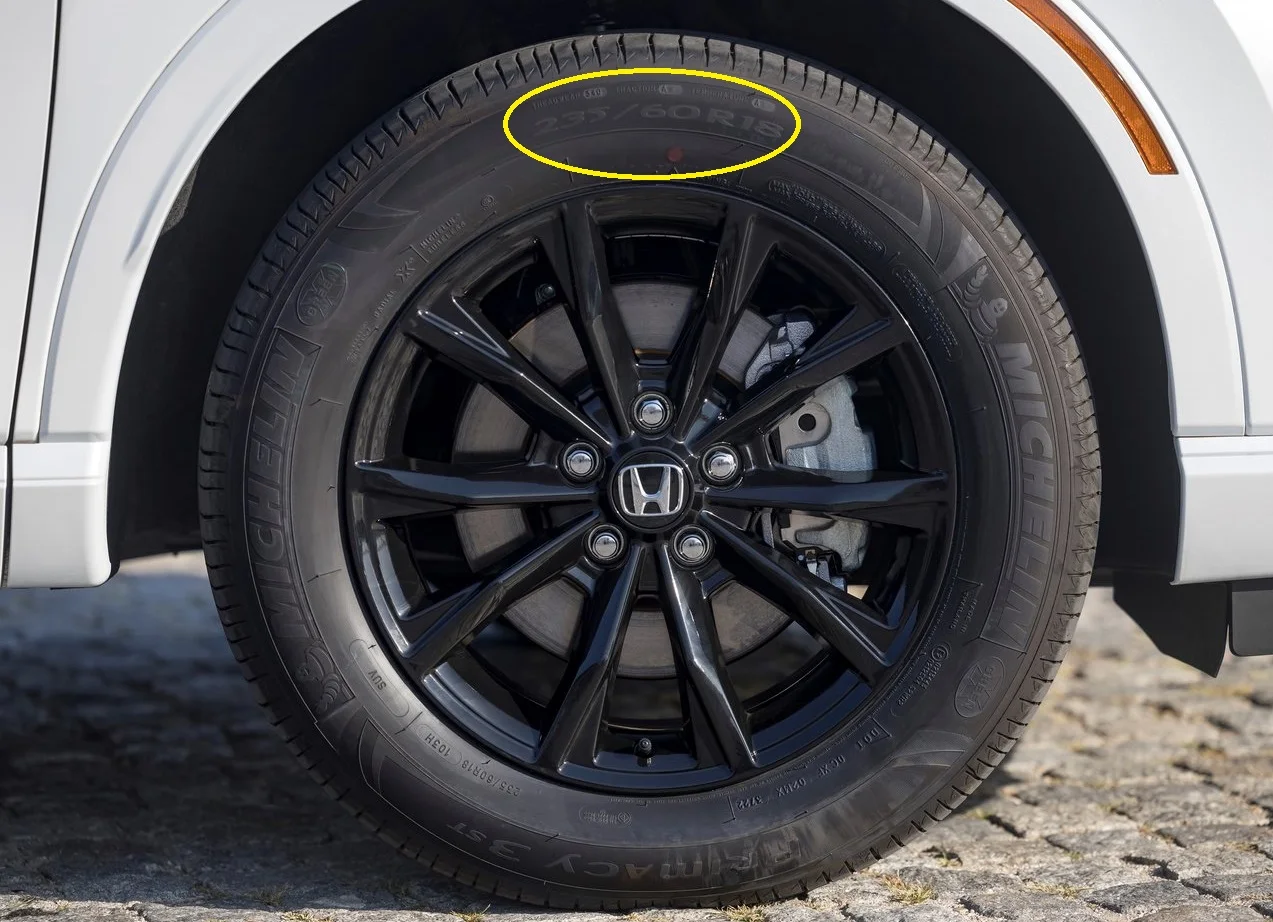
Deciphering Tire Size Markings: An Expert’s Guide for Your 2014 Honda CR-V
The alphanumeric code on your tire’s sidewall is more than just a random sequence; it’s a precise language that conveys critical information about the tire’s design, capabilities, and intended use. For 2014 CR-V owners, understanding these markings is essential for making informed decisions about tire selection, replacement, and safety. As a seasoned expert, I’ll break down each component, transforming complex codes into clear, actionable information.
The Foundation: Type, Width, and Aspect Ratio
Let’s take a common 2014 CR-V tire marking, such as P225/65R17 99H, and dissect its initial components:
- P (P-metric): This prefix denotes a “Passenger Car” tire, designed for vehicles like your CR-V. It indicates the tire adheres to specific P-metric sizing standards set by the Tire and Rim Association, ensuring it’s optimized for typical passenger vehicle loads and usage. Light truck (LT) tires, for instance, have different load characteristics.
- 225 (Section Width): This number represents the tire’s width in millimeters, measured from sidewall to sidewall when mounted on its specified rim. A wider tire (e.g., 225mm vs. 215mm) generally offers a larger contact patch, potentially improving grip and stability, particularly in cornering.
- 65 (Aspect Ratio): This is the height of the tire’s sidewall, expressed as a percentage of its section width. So, “65” means the sidewall height is 65% of 225mm. A higher aspect ratio (like 70 for the LX) means a taller sidewall, often leading to a softer ride. A lower aspect ratio (like 65 for the EX/EX-L) means a shorter, stiffer sidewall, which can enhance steering response and provide a sportier feel.
Construction Type and Rim Diameter
Following the aspect ratio, you’ll find:
- R (Radial Construction): This indicates that the tire has radial plies, which are cords that run perpendicularly across the tire’s tread, providing structural integrity, flexibility, and longevity. Radial tires are the universal standard today, offering superior handling, wear, and fuel economy compared to older bias-ply designs.
- 17 (Rim Diameter): This number specifies the diameter of the wheel (rim) in inches that the tire is designed to fit. It is crucial that this number matches your wheel size precisely, as an incorrect fit can be dangerous and impossible to mount.
Critical Safety Indicators: Load Index and Speed Rating
These two codes are paramount for safety and performance:
- 99 (Load Index): This numerical code corresponds to the maximum weight a single tire can safely support when properly inflated. For a load index of 99, each tire can carry 1709 lbs (775 kg). It’s essential that replacement tires meet or exceed the OE load index to ensure your CR-V can safely carry its intended payload and passengers. Using a tire with a lower load index can compromise safety, lead to premature tire failure, and affect handling characteristics.
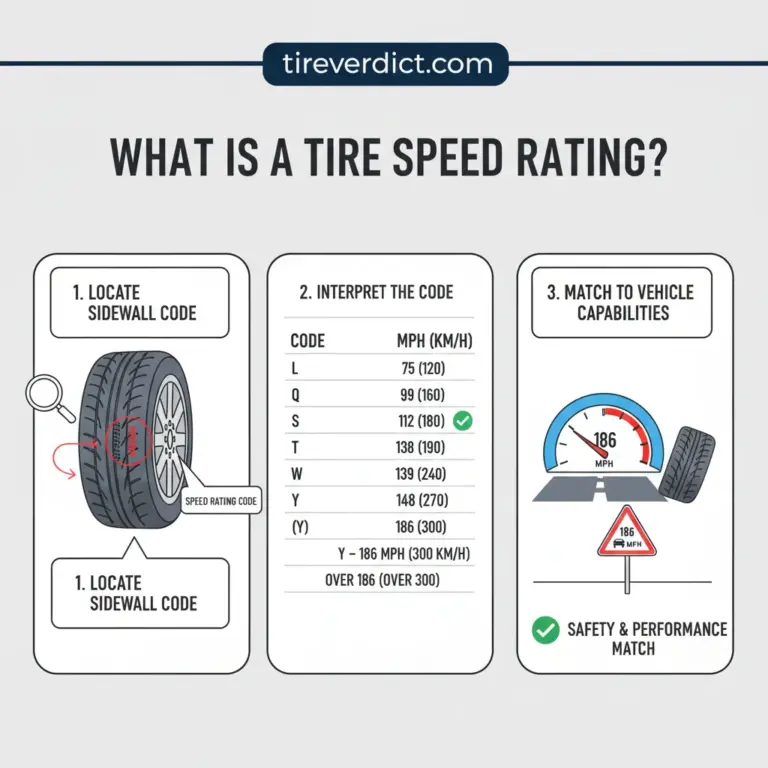
- H (Speed Rating): This letter indicates the maximum speed at which the tire is certified to carry a load corresponding to its load index under specific service conditions. An H speed rating signifies a maximum speed of 130 mph (210 km/h). While your CR-V may never reach these speeds, the speed rating also reflects the tire’s ability to dissipate heat and withstand forces at various speeds, influencing its handling and stability. Always ensure replacement tires meet or exceed the OE speed rating.
By The Numbers
Load Index (1709 lbs/tire)
Speed Rating (130 mph)
2014 CR-V LX OE Size
2014 CR-V EX/EX-L OE Size
Additional Markings for a Complete Understanding
Beyond the core sizing, other markings provide valuable professional information:
- M+S (Mud and Snow): Indicates the tire is designed to provide better-than-average traction in light mud and snow conditions. Most all-season tires carry this marking.
- Three-Peak Mountain Snowflake (3PMSF): A more stringent designation than M+S, indicating the tire meets specific performance requirements in severe snow conditions. This symbol is found on dedicated winter tires and some all-weather tires.
- UTQG (Uniform Tire Quality Grade): This rating system includes Treadwear, Traction, and Temperature grades. While useful for comparison, it’s manufacturer-assigned, so only compare tires within the same brand. Typical Treadwear ratings for CR-V tires range from 400-800, Traction from A-AA, and Temperature from A.
- DOT (Department of Transportation) Stamp & Date Code: The DOT stamp confirms the tire meets U.S. safety standards. Within the DOT code, a four-digit number indicates the week and year of manufacture (e.g., “1522” means the 15th week of 2022). This is crucial for checking the age of a tire, as tires typically have a recommended service life of 6-10 years, regardless of tread depth.
Selecting Replacement Tires for Your 2014 Honda CR-V: Performance and Safety Considerations
Choosing replacement tires for your 2014 Honda CR-V is a critical decision that impacts everything from driving dynamics and fuel economy to safety and longevity. As a trusted resource, this section guides you through the process, ensuring you select tires that meet both your performance needs and the highest safety standards. Our goal is to provide quality information that empowers you to make a professional choice.
The Importance of Maintaining OEM Tire Size
Our professional advice is clear: for optimal performance, fuel efficiency, and speedometer accuracy, it is strongly recommended to maintain the Original Equipment (OE) tire size for your 2014 CR-V. Honda engineers designed the vehicle’s suspension, steering, and braking systems to work harmoniously with these specific tire dimensions. Deviating significantly can lead to:
- Inaccurate Speedometer/Odometer: Changing the overall tire diameter affects how quickly the wheel rotates, leading to incorrect speed and distance readings.
- Compromised Handling: Different widths or aspect ratios can alter the vehicle’s center of gravity and contact patch dynamics, potentially degrading stability and cornering ability.
- Reduced Fuel Economy: Larger or wider tires often increase rolling resistance and weight, leading to higher fuel consumption.
- Potential Clearance Issues: Overly large tires can rub against fenders or suspension components, causing damage.
Sticking to 215/70R16 for LX or 225/65R17 for EX/EX-L ensures the vehicle performs as intended by the manufacturer.
Matching Tire Types to Driving Conditions
The choice of tire type significantly impacts your CR-V’s capability in various conditions:
- All-Season Tires: These are the OE standard for the 2014 CR-V. They offer a balanced performance across various conditions, including dry, wet, and light snow. They are a reliable choice for most climates.
- Summer Tires: Optimized for warm, dry, and wet conditions, offering superior grip and handling. However, their performance degrades significantly below 45°F (7°C), becoming stiff and losing traction, making them unsuitable for cold climates.
- Winter Tires: Specifically designed with specialized rubber compounds and aggressive tread patterns to excel in cold temperatures, snow, and ice. For a driver in a snowy climate, dedicated winter tires are an invaluable safety investment. Research indicates that winter tires can reduce stopping distances by up to 25% on icy roads compared to all-season tires in cold conditions. This dramatically enhances safety in severe winter weather.
For optimal safety and performance in regions with distinct seasons, a common expert recommendation is to use two sets of tires: all-season for warmer months and dedicated winter tires for colder months. This provides the best of both worlds.
Critical Safety: Load Index and Speed Rating Matching
When selecting replacement tires, it is paramount that their Load Index and Speed Rating meet or exceed the original equipment specifications. For your 2014 CR-V, this typically means a load index of at least 99 and a speed rating of at least H.
Installing tires with a lower load index than specified by Honda can lead to dangerous situations, including tire overheating, increased risk of blowouts, compromised handling, and premature tire failure, especially when the vehicle is loaded to capacity. Always prioritize safety over cost savings for these critical specifications.
Brand Reputation, Warranty, and Professional Installation
Investing in quality tires from reputable brands (e.g., Michelin, Goodyear, Continental, Pirelli, Bridgestone, etc.) is a wise decision. These manufacturers invest heavily in research, development, and stringent quality control, offering reliable products with often comprehensive warranties covering treadwear and defects. An average lifespan expectation for quality all-season tires on a CR-V can range from 40,000 to 80,000 miles, depending on driving habits and maintenance.
Furthermore, always opt for professional installation and balancing. Proper mounting ensures the tire is correctly seated on the rim, and precise balancing eliminates vibrations, contributing to a smoother ride and preventing uneven wear. This expert service is crucial for maximizing the lifespan and performance of your new tires.
Maximizing Tire Longevity and Performance for Your 2014 Honda CR-V: A Professional Maintenance Protocol
Tires represent a significant investment in your 2014 Honda CR-V’s safety and performance. Adhering to a professional maintenance protocol is not merely about extending their lifespan; it’s about ensuring consistent, reliable performance and safeguarding your vehicle’s occupants. As an expert, I’ve seen firsthand how diligent maintenance can dramatically impact tire quality and vehicle dynamics.
The Absolute Necessity of Proper Tire Inflation
No single maintenance practice is more critical than maintaining proper tire inflation. The correct pressure is specified on your driver’s side door jamb placard, typically around 30-32 PSI for the 2014 CR-V (check your specific placard). Regular checks, ideally once a month and before long trips, are paramount. Underinflation leads to:
- Increased Rolling Resistance: Decreases fuel efficiency.
- Uneven Wear: Primarily on the outer edges (shoulders) of the tread.
- Heat Buildup: The primary cause of tire failure, increasing the risk of blowouts.
- Degraded Handling and Braking: Affects stability and stopping distances.
Conversely, overinflation can lead to center tread wear, a harsher ride, and reduced contact patch. Research shows that being just 10 PSI under the recommended pressure can reduce tire life by up to 15% and decrease fuel economy by approximately 1 MPG.
The Power of Regular Tire Rotation
Tire rotation is a simple yet highly effective practice for promoting uniform wear across all four tires. Because front and rear axles experience different stresses and loads, tires wear at varying rates if left in the same position. For most 2014 Honda CR-V models, a rotation interval of every 5,000 to 7,500 miles (or every other oil change) is recommended. A common rotation pattern for a front-wheel-drive (FWD) or all-wheel-drive (AWD) CR-V involves moving the front tires straight back and crossing the rear tires to the front (rear-cross pattern) or a simple X-pattern. This systematic movement ensures even tread wear, maximizing the usable life of your entire tire set.
Wheel Alignment and Balancing: Precision for Longevity
Beyond basic inflation and rotation, routine wheel alignment and balancing are indispensable for maintaining tire health and vehicle performance. An accurate wheel alignment ensures that all four wheels are pointing in the correct direction relative to each other and the road. Misalignment, often caused by hitting potholes or curbs, can lead to rapid and uneven tire wear (e.g., feathering on one edge), reduced fuel efficiency, and a vehicle that pulls to one side. We recommend checking alignment annually or whenever you notice steering irregularities.
Tire balancing ensures that the weight of the tire and wheel assembly is evenly distributed. Unbalanced tires cause vibrations at certain speeds, leading to uncomfortable driving, accelerated wear on tires and suspension components, and potential safety risks. Balancing should be performed whenever new tires are installed or whenever abnormal vibrations are felt.
Expert Visual Inspections: Your First Line of Defense
As a CR-V owner, you are your vehicle’s first line of defense. Develop a habit of conducting regular visual inspections of your tires. This includes checking:
- Tread Depth: Use a tread depth gauge or the built-in wear bars. The minimum legal tread depth in many regions is 2/32nds of an inch. Once tires reach this point, their wet weather traction is severely compromised.
- Damage: Look for cuts, cracks, bulges (indicating internal damage), punctures, or embedded objects. Even minor damage can compromise structural integrity.
- Unusual Wear Patterns: Recognize signs like feathering, cupping, or severe shoulder wear, which signal underlying issues with inflation, alignment, or suspension components.
Early detection of these issues can prevent more serious and costly problems down the road, ensuring a quality and safe driving experience.
Common Tire Issues and Troubleshooting for the 2014 Honda CR-V Owner
Even with diligent maintenance, tires on your 2014 Honda CR-V can encounter issues. Recognizing these problems early and understanding their potential causes is key to timely intervention and maintaining vehicle safety and performance. As an expert, I’ll provide trusted diagnostic insights and professional solutions for frequently encountered tire-related challenges.
Diagnosing Uneven Wear Patterns
Uneven tire wear is a tell-tale sign of underlying mechanical or maintenance issues:
- Shoulder Wear (Outer Edges): This typically indicates underinflation. The tire’s center collapses, forcing the outer edges to bear more load. Can also be caused by excessive cornering.
- Center Wear: Most commonly a symptom of overinflation. The excessive pressure causes the center of the tread to bulge and make more contact with the road, leading to faster wear there.
- Feathering/Scalloping: This pattern, where one side of a tread block is higher than the other, often points to improper toe alignment (wheels are angled inward or outward) or worn suspension components.
- Cupping/Scalloping: Characterized by uneven dips or hollows around the tire, often indicative of worn shock absorbers or unbalanced tires, causing the tire to bounce and wear erratically.
Addressing these patterns quickly with a professional inspection can prevent further damage and extend tire life.
Troubleshooting Vibrations and Vehicle Pull
If your 2014 CR-V exhibits vibrations or pulls, tires are a prime suspect:
- Vibrations: Persistent vibrations, especially noticeable at highway speeds (e.g., 50-70 mph), are often caused by unbalanced wheels. This can also indicate a bent wheel, worn wheel bearings, or even uneven tire wear. If the vibration occurs only at low speeds, a tire separation or bent rim is possible.
- Vehicle Pull: If your CR-V consistently drifts to one side when driving on a flat road, the most common culprit is improper wheel alignment. It can also be caused by tire pressure discrepancies between sides, worn suspension parts, or even worn or damaged tires themselves.
Any noticeable vibration or pull warrants immediate professional inspection to diagnose the root cause and ensure continued safe operation.
Addressing Punctures, Leaks, and Bulging Sidewalls
Direct tire damage requires prompt attention:
- Punctures and Slow Leaks: Small punctures in the tread area (not near the sidewall) are often repairable by a professional using specific patching techniques. However, sidewall punctures or large holes generally necessitate tire replacement. Neglecting even slow leaks can lead to significant underinflation and potential tire failure.
- Bulging Sidewalls: A bulge on the tire’s sidewall is an extremely dangerous condition. It indicates that the internal structural cords have broken, allowing air pressure to push the rubber outward. This can happen from severe impacts (e.g., hitting a pothole) or manufacturing defects. A bulging tire is at imminent risk of a catastrophic blowout and requires immediate replacement.
Statistics show that neglecting minor tire damage accounts for a significant portion of premature tire failures. Always consult a professional tire technician for evaluation and repair. The average cost of a professional tire repair is significantly less than a full replacement, making prompt action economical as well as safe.
Understanding Tire Noise Variations
Different tire noises can signal various problems:
- Humming or Roaring: Often indicates advanced or uneven tire wear, especially feathering or cupping, where the irregular tread pattern creates noise as it contacts the road. It can also be a sign of worn wheel bearings, which should be checked by a mechanic.
- Thumping or Clunking: Could be a tire with a flat spot, internal damage, or even something stuck in the tread.
Any new or unusual tire noise should be investigated. A quality diagnostic approach starts with ruling out tire-related issues before moving to other vehicle systems.
The 2014 Honda CR-V typically uses 215/70R16 tires for the LX trim and 225/65R17 for the EX and EX-L trims, verifiable via the door jamb placard. Understanding tire markings, including the critical load index and speed rating, is crucial for making safe and informed replacement choices. Consistent maintenance—including proper inflation, regular rotation, and alignment—significantly extends tire lifespan and ensures optimal vehicle performance and safety. Finally, selecting quality replacement tires that match or exceed OE specifications is vital for reliable operation and preventing common issues.
For precise fitment and professional service, always consult your vehicle’s owner’s manual or a certified automotive technician before purchasing and installing new tires. Prioritize regular inspections and proactive maintenance to maintain your 2014 Honda CR-V’s safety and performance well into 2026 and beyond.
Frequently Asked Questions
Can I put a different tire size on my 2014 Honda CR-V?
While minor variations might be possible, it is professionally recommended to stick to the original equipment (OE) tire size for your 2014 Honda CR-V. Deviating can negatively impact speedometer accuracy, ABS/VSA system functionality, fuel economy, and vehicle handling. Always consult a trusted tire professional if considering alternative sizes to ensure safety and compatibility.
How do I find the correct tire pressure for my 2014 Honda CR-V?
The accurate and reliable tire pressure for your 2014 Honda CR-V is prominently displayed on a placard located on the driver’s side door jamb. This vital information is specific to your vehicle’s model and original equipment tires. Never rely solely on the maximum pressure listed on the tire’s sidewall, as this is not the recommended operating pressure.
What is the typical lifespan of tires on a 2014 Honda CR-V?
The lifespan of tires on a 2014 Honda CR-V typically ranges from 40,000 to 80,000 miles, depending on the tire type, driving habits, road conditions, and adherence to a professional maintenance schedule. Regular rotations, proper inflation, and accurate alignment are key factors in maximizing tire longevity and ensuring reliable performance.
Do I need special tires for winter for my 2014 Honda CR-V?
For optimal safety and control in severe winter conditions (snow, ice, slush, or temperatures consistently below 45°F), dedicated winter tires are highly recommended for your 2014 Honda CR-V. While all-season tires offer some capability, winter tires provide superior traction, braking, and handling due to their specialized rubber compounds and tread patterns, offering a more reliable driving experience.
What does ’99H’ mean on my 2014 Honda CR-V tire?
On your 2014 Honda CR-V tire, ’99H’ represents the Load Index and Speed Rating. The ’99’ is the Load Index, indicating the maximum weight the tire can safely support (approximately 1,709 lbs). The ‘H’ is the Speed Rating, signifying the maximum speed the tire is designed to safely maintain (up to 130 mph). These are critical safety specifications.