For many drivers, the Tire Pressure Monitoring System (TPMS) light appearing on the dashboard can be a source of confusion or frustration, often raising questions about the longevity of these crucial components. Beyond simply signaling low tire pressure, a flashing TPMS light often indicates a sensor malfunction, leading vehicle owners to wonder how long these internal devices are designed to last and what factors contribute to their eventual failure. This comprehensive guide, crafted for 2026, will provide an expert overview of TPMS sensor lifespans, delve into the primary influences on their durability, illuminate the signs of impending failure, and offer professional insights into maintenance and replacement strategies, ensuring you maintain a reliable and trusted monitoring system for years to come.
Understanding TPMS: The Role and Mechanics of Tire Pressure Sensors
📤 Share Image
The Tire Pressure Monitoring System (TPMS) represents a significant advancement in automotive safety, evolving into a mandatory feature for all new passenger vehicles under 10,000 pounds in the U.S. starting September 1, 2007, under the TREAD Act. Similar regulations have been adopted globally, underscoring the critical role these systems play in modern vehicle operation. TPMS alerts drivers to under-inflated tires, a condition that can lead to catastrophic tire failure, reduced fuel economy, and compromised vehicle handling. This makes TPMS sensors an essential, albeit consumable, component for safety and operational efficiency.
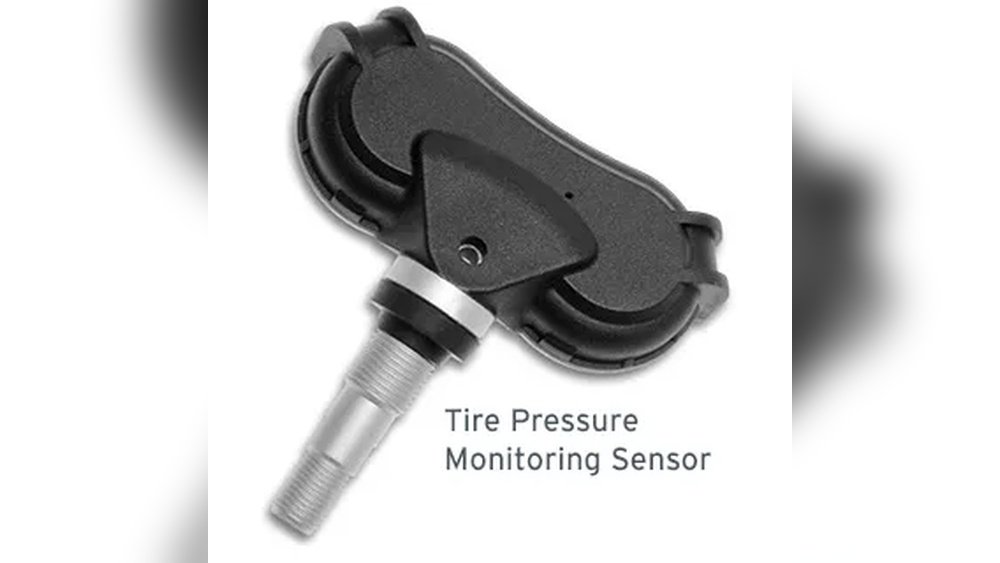
There are two primary types of TPMS: indirect and direct. While indirect systems use wheel speed sensors to estimate tire pressure, our focus for longevity discussions is on direct TPMS. Direct TPMS systems utilize individual sensors housed within each tire assembly. These sensors are sophisticated devices, often integrated into the valve stem (the most common type) or sometimes band-mounted to the wheel, positioned strategically to endure the dynamic forces within the tire.
The mechanics of direct TPMS sensors involve several precise functions. Each sensor contains a small pressure transducer, a temperature sensor, a micro-controller, a radio frequency (RF) transmitter, and a sealed, non-replaceable lithium-ion battery. These components work in concert to measure the precise air pressure and temperature within the tire. This data is then wirelessly transmitted to the vehicle’s Engine Control Unit (ECU) or a dedicated TPMS receiver. The ECU continuously monitors these readings, and if any tire falls below a predetermined pressure threshold (typically 25% below the recommended cold inflation pressure), the TPMS warning light illuminates on the dashboard. Research indicates that properly inflated tires can improve fuel efficiency by up to 3%, alongside significantly enhancing safety and tire lifespan.

Primary Factors Influencing TPMS Sensor Longevity and Battery Degradation
Understanding the lifespan of TPMS sensors primarily hinges on recognizing the limitations of their internal power source: a sealed, non-replaceable lithium-ion battery. Unlike many other vehicle components, when this battery depletes, the entire sensor requires replacement. This battery powers all sensor functions, including pressure measurement, temperature monitoring, data processing, and crucially, wireless data transmission. The more frequently and vigorously the sensor transmits data, the faster its battery drains.
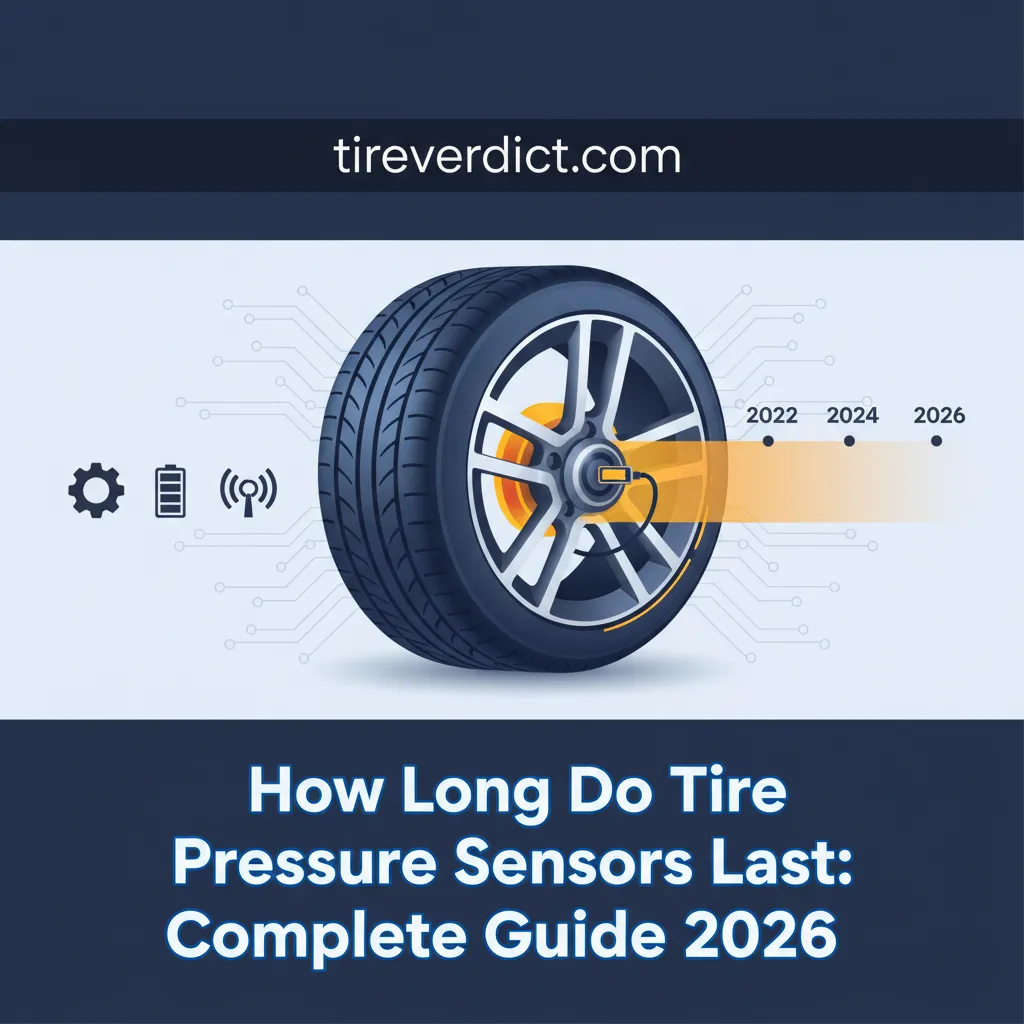
Industry averages indicate a typical lifespan of 5-10 years for most TPMS sensors, with many professional estimates leaning towards 7 years as a common point of failure. This window accounts for various influencing factors:
Impact of Environmental Conditions
- Extreme Heat: High ambient temperatures, particularly those experienced in regions like Arizona, significantly accelerate chemical reactions within the lithium-ion battery, leading to faster degradation and a reduced overall lifespan. Prolonged exposure to intense heat can also stress internal electronic components.
- Extreme Cold: While less damaging in the long term, extreme cold can temporarily reduce battery performance and output, sometimes causing intermittent sensor communication issues until temperatures normalize.
Influence of Driving Habits and Mileage
The operational pattern of a vehicle directly impacts sensor battery life. Sensors are designed to transmit data more frequently when the vehicle is in motion compared to when it’s stationary. A vehicle primarily used for long commutes or as a delivery vehicle will engage its sensors far more often than a leisure vehicle with lower annual mileage. Frequent, prolonged driving and high speeds mean more transmissions, thus depleting the battery faster. Annual mileage directly correlates with sensor activity and, consequently, its lifespan.
Sensor Quality and Manufacturer Variations
The quality of the sensor itself plays a crucial role. OEM (Original Equipment Manufacturer) sensors from trusted brands like Schrader, Continental, or Pacific are engineered to meet specific vehicle specifications and often boast superior build quality, battery capacity, and resistance to environmental stressors. Aftermarket sensors, while often more affordable, can vary widely in quality. Professional-grade aftermarket options from reputable manufacturers can offer comparable reliability, but generic, low-cost alternatives may have shorter lifespans or exhibit premature failure.
Physical Stress and Wear
Beyond battery depletion, physical damage can shorten a sensor’s life. Impacts from potholes, accidental curb strikes, or even improper tire mounting and dismounting procedures can cause internal component damage or external housing cracks. These physical stressors can lead to sensor failure irrespective of the remaining battery life, manifesting as signal loss or erroneous readings.
By The Numbers
Typical Sensor Lifespan
Common Battery Failure Point
Typical Battery Voltage
Fuel Economy Improvement (Proper Inflation)
Recognizing the Symptoms: Diagnosing a Failing TPMS Sensor
Identifying a malfunctioning TPMS sensor early can prevent more significant issues. As an expert, I’ve observed several clear indicators that point to sensor failure. It’s crucial to understand these symptoms to avoid misdiagnosis and ensure timely, professional intervention.
Interpretation of TPMS Dashboard Warning Lights
- Solid Indicator: A solid TPMS warning light typically indicates that one or more tires are significantly under-inflated (usually 25% below the recommended pressure). This isn’t necessarily a sensor failure, but a functional alert.
- Flashing Indicator: A flashing TPMS light, especially one that flashes for 60-90 seconds upon startup before staying solid, is the definitive sign of a system malfunction or sensor fault, as mandated by federal regulations. This means the system itself has detected an issue with a sensor or its communication.
Inaccurate or Intermittent Pressure Readings
A common symptom of a failing sensor is its inability to report accurate or consistent pressure. You might observe a scenario where one tire consistently shows a 5 PSI difference from others despite being manually checked and confirmed to be at the correct pressure. Alternatively, the sensor might report pressure intermittently, dropping out then reappearing, or simply displaying dashes where pressure values should be.
Failure to Re-learn or Register New Sensors
After tire service such as rotation, replacement, or even seasonal tire swaps, the vehicle’s TPMS needs to “re-learn” the sensor positions or recognize new sensors. If the system fails to register sensors or throws a fault despite proper re-learn attempts, it often points to a sensor malfunction rather than a calibration issue. This is particularly noticeable if you’ve recently had a professional tire service.
Diagnostic Trouble Codes (DTCs)
For a precise diagnosis, a professional technician can use specialized OBD-II scanners to retrieve specific Diagnostic Trouble Codes (DTCs) related to the TPMS. Codes such as C0210 (Sensor Fault) or similar manufacturer-specific codes provide definitive evidence of which sensor is malfunctioning or if there’s a broader system issue. A professional diagnostic tool can pinpoint the exact faulty sensor by reading its unique ID and status, providing invaluable information.
Age-Related Failure
Perhaps the most straightforward symptom is when sensors simply cease to function around the 5-10 year mark, with no apparent external damage or obvious events causing failure. This typically confirms battery depletion, as the sensor no longer has the power to transmit data, making it a reliable indicator of its natural end-of-life.
Extending Sensor Life and The Professional Replacement Process
While TPMS sensors have a finite lifespan, primarily dictated by their internal battery, there are practical steps vehicle owners and technicians can take to maximize their operational life and ensure a reliable system. When replacement is inevitable, understanding the professional process is key to a trusted solution.
Proactive Maintenance for Longevity
- Consistent Tire Pressure Checks: Manually checking tire pressure regularly, even with TPMS, ensures tires are optimally inflated. This reduces stress on both the tires and the sensors, preventing the system from constantly alerting for minor pressure drops.
- Proper Rotations and Balancing: Adhering to manufacturer-recommended tire rotation schedules and ensuring wheels are properly balanced minimizes uneven wear and potential stress on the sensors.
- Avoiding Physical Damage: Exercise caution when driving over potholes, hitting curbs, or during tire service. Improper handling during tire mounting/dismounting is a common cause of sensor damage.
Always have TPMS sensor service performed by a qualified technician, especially during tire mounting or dismounting. Their specialized tools and training help prevent accidental damage to sensors, extending their life.
The Professional Replacement Procedure
When a sensor reaches its end-of-life, a professional replacement is required. This is a multi-step process that demands precision and specialized equipment.
📋
TPMS Sensor Replacement Steps
The wheel must be removed from the vehicle, and the tire carefully dismounted from the rim. The old, failing sensor is then removed from its valve stem or band mounting.
A new, quality sensor is installed. This step also typically includes servicing the valve stem components (cap, core, seals) to ensure an airtight seal and prevent future leaks.
The tire is carefully remounted onto the rim, inflated to the correct pressure, and the wheel is professionally balanced to ensure smooth operation.
This crucial step involves programming the new sensor’s unique ID into the vehicle’s ECU. This requires specialized tools (e.g., Autel, Bartec). Depending on the vehicle, this could be an OBD-II relearn, an auto relearn performed by driving, or a manual relearn procedure.
Cost Considerations
The cost of TPMS sensor replacement can vary. For a single sensor, expect to pay $50-$150 for the part itself, depending on whether it’s an OEM sensor or a high-quality aftermarket alternative. Labor for installation, which includes tire dismounting, remounting, balancing, and programming, typically ranges from $30-$100 per wheel. While the upfront cost may seem significant, especially if multiple sensors need replacing, the value of maintaining a functional TPMS for safety and optimal fuel economy far outweighs this expense.
✅ Pros: Quality Aftermarket Sensors
- More affordable than OEM parts.
- Often offer comparable performance and reliability from trusted brands.
- Widely available for most vehicle makes and models.
❌ Cons: Generic Aftermarket Sensors
- Varying quality and potential for premature failure.
- May have compatibility issues with vehicle’s ECU.
- Often lack comprehensive warranties or reliable support.
Troubleshooting Common TPMS Issues and Expert Assessment
Beyond straightforward sensor failure, TPMS systems can exhibit various quirks that puzzle drivers. A comprehensive understanding allows for effective troubleshooting and knowing when to seek professional help for a reliable solution.
Addressing ‘False Alarms’ or Intermittent Warnings
Sometimes, the TPMS light might illuminate seemingly without cause. These ‘false alarms’ are often attributed to:
- Minor Pressure Fluctuations: Even a slight drop in temperature can cause tire pressure to decrease, triggering the light, especially in colder climates.
- Drastic Temperature Changes: Rapid shifts from warm to cold weather can cause tire pressure drops significant enough to activate the warning.
- Signal Interference: While rare, strong electromagnetic interference can temporarily disrupt sensor communication.
Always start by manually checking and adjusting all tire pressures to the manufacturer’s specification before assuming a sensor fault.
Post-Service TPMS Issues
It’s not uncommon for TPMS lights to appear after routine tire services like rotations, replacements, or repairs. This is frequently due to the sensors needing to be re-registered or “re-learned” by the vehicle’s ECU. A trusted tire shop will always perform this relearn procedure as part of their service. If the light persists, it could indicate either an improper relearn or accidental damage to a sensor during service.
Manual Reset Procedures
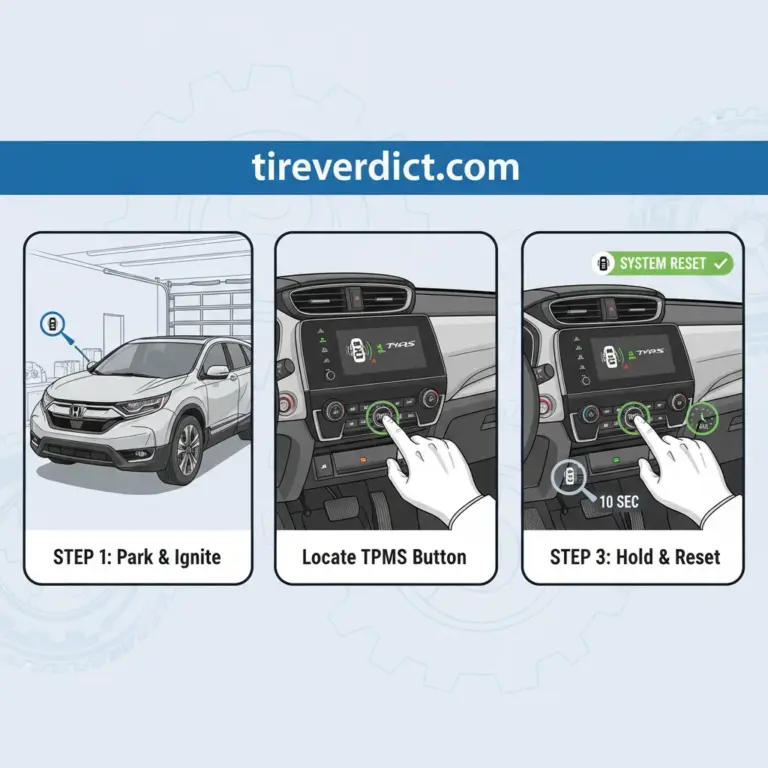
Many vehicles have a manual TPMS reset button or a sequence that can be performed via the infotainment system. It’s important to note that these procedures typically only reset the warning light and do not fix any underlying sensor issues or battery depletion. They are designed for situations where the pressure has been corrected, but the light hasn’t automatically extinguished. For instance, a seasonal tire swap may require a manual relearn, but if the light reappears or flashes, it’s indicative of a deeper problem.
When to Consult a Professional
The vast majority of TPMS systems require a specific ‘re-learn’ procedure after sensor replacement to function correctly. If you’ve addressed tire pressure, attempted a manual reset, and the TPMS light remains on or continues to flash, it’s time to consult a qualified automotive professional. Persistent issues, multiple sensor failures, or unknown causes warrant an expert diagnostic scan and physical inspection.
Never ignore a flashing TPMS light. It signifies a system malfunction that directly impacts your vehicle’s safety features. Delaying diagnosis can lead to inaccurate pressure readings, potentially causing serious tire issues and compromising safe driving.
The Value of a Trusted Automotive Professional
Approximately 1 in 5 vehicles entering service bays has a TPMS-related issue. A reputable shop with an expert mechanic possesses the specialized equipment – such as advanced TPMS scanners that can check individual sensor signal strength, battery status, and sensor IDs – to accurately diagnose complex TPMS faults. They can differentiate between a faulty sensor, a damaged receiver module, or issues within the vehicle’s wiring harness. Their professional assessment provides a reliable diagnosis and efficient repair, ensuring your TPMS system operates as intended, offering you peace of mind and maintaining optimal safety on the road.
TPMS sensors typically last 5-10 years, primarily limited by their sealed battery life. Lifespan is significantly influenced by driving habits, environmental factors, and sensor quality. Regular tire maintenance and professional replacement procedures are key to system reliability. Ensuring your TPMS is fully functional is not just about extinguishing a dashboard light; it’s about upholding a critical safety system that actively contributes to road safety, tire longevity, and optimal fuel efficiency.
Ensure the continued safety and efficiency of your vehicle by proactively monitoring your TPMS system. If you suspect a sensor malfunction or observe a persistent warning light, consult a qualified automotive professional for a comprehensive diagnosis and reliable solution. Their expert service provides the trusted information and maintenance necessary to keep your vehicle performing at its best.
Frequently Asked Questions
Can I replace just one TPMS sensor, or do I need to replace all of them?
While it’s technically possible to replace only a single faulty TPMS sensor, it’s often recommended by professional technicians to consider replacing all sensors if they are of similar age and approaching the end of their typical 5-10 year lifespan. This proactive approach can prevent subsequent failures and additional labor costs down the line, ensuring a more reliable system overall.
What happens if I ignore a flashing TPMS light?
Ignoring a flashing TPMS light, which indicates a system malfunction rather than just low pressure, can compromise your vehicle’s safety features. Without a functioning TPMS, you lose the ability to detect significant pressure drops, increasing the risk of tire failure, reduced fuel efficiency, and compromised handling. A professional diagnosis is crucial to restore this critical safety system.
Are aftermarket TPMS sensors as good as OEM sensors?
The quality of aftermarket TPMS sensors can vary significantly. While some high-quality aftermarket options from reputable brands offer comparable reliability, performance, and warranties to OEM sensors, cheaper generic alternatives may not. It’s essential to choose trusted aftermarket sensors that are compatible with your vehicle and installed by an expert technician to ensure proper function and longevity.
Does my TPMS sensor battery get recharged by driving?
No, the batteries within TPMS sensors are typically sealed, non-rechargeable lithium-ion cells. They are designed to last for the sensor’s operational life, usually 5-10 years. Driving does not recharge these batteries; rather, the act of driving causes the sensors to transmit data, which gradually drains the battery. Once depleted, the sensor requires full replacement.
How do extreme temperatures affect TPMS sensor life?
Extreme temperatures significantly impact TPMS sensor life. Prolonged exposure to high heat, such as in hot climates or during intense driving, accelerates the chemical degradation of the internal battery, shortening its lifespan. Conversely, very cold temperatures can temporarily reduce battery efficiency and signal strength, although direct damage is less common than with heat.