
For the discerning Mazda CX-5 owner, understanding tire specifications is not merely a technicality but a cornerstone of vehicle performance, safety, and the driving experience. This expert guide offers trusted insights into one of the most critical components of your vehicle.
Many drivers grapple with deciphering complex tire codes, determining the correct size for replacements, or understanding the nuanced implications of different tire types on their CX-5’s handling and efficiency. Without accurate information, vehicle dynamics can be compromised, and safety features undermined.
This authoritative guide will demystify Mazda CX-5 tire sizes through 2026, providing professional insights into factory specifications, crucial considerations for replacement, and reliable advice for maintaining your vehicle’s optimal dynamics and longevity. Our aim is to empower you with the knowledge to make informed, quality decisions about your CX-5’s tires.
Deciphering Mazda CX-5 Tire Specifications: A Professional Overview
Understanding the alphanumeric sequence on your Mazda CX-5’s tire sidewall is fundamental for any owner. This code is not merely a string of numbers and letters; it’s a detailed blueprint of the tire’s design, capabilities, and intended performance, crucial for maintaining your vehicle’s quality and safety. As a professional, I emphasize that this information is your first line of defense against incorrect tire choices.
Explanation of Tire Size Nomenclature
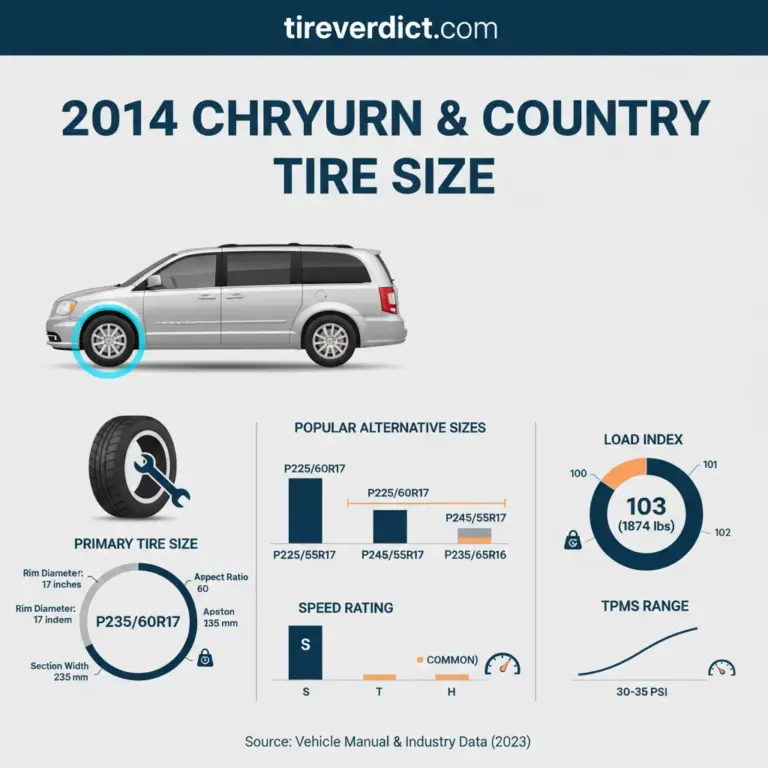
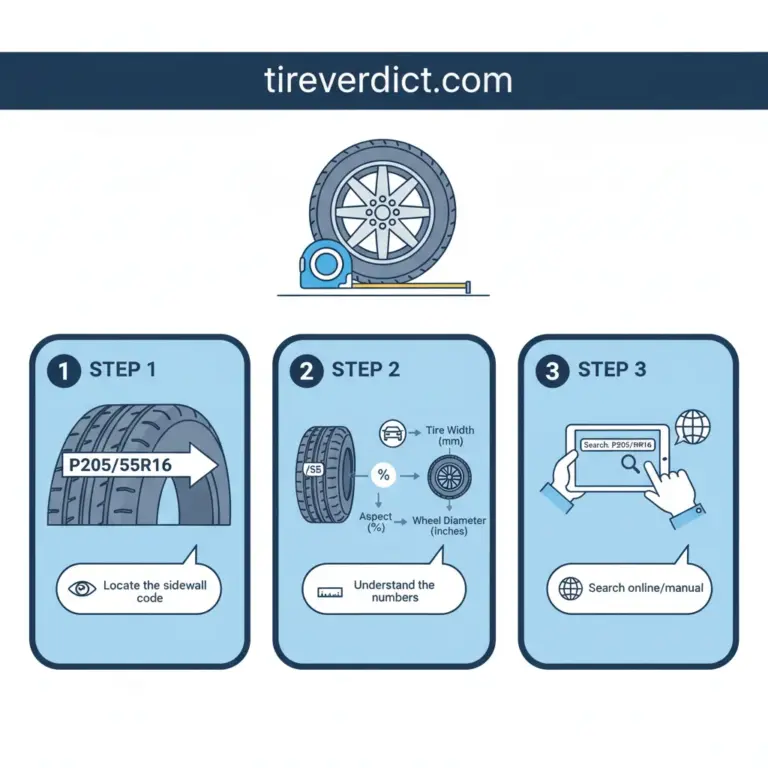
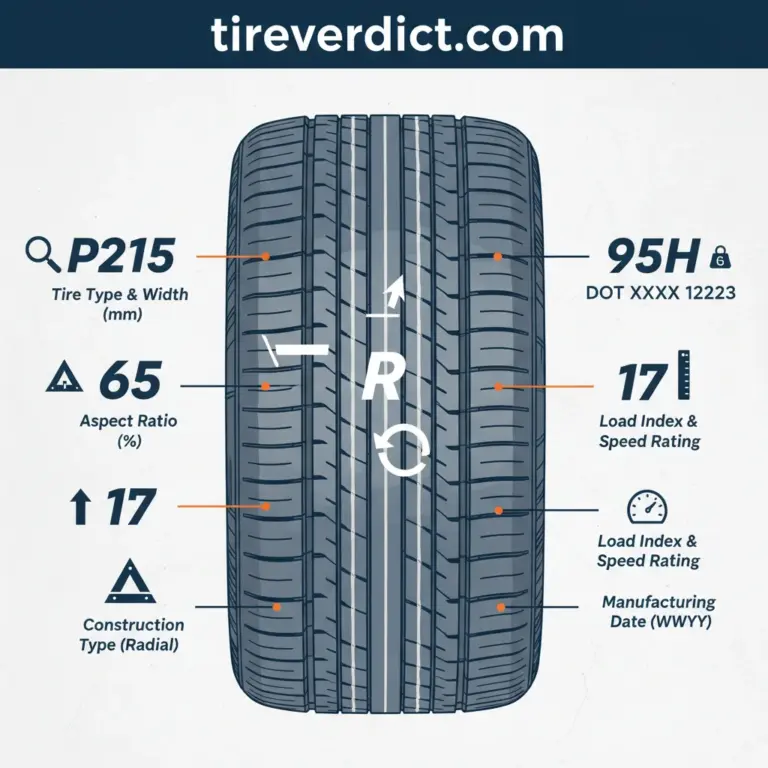
Let’s break down a common Mazda CX-5 tire code, such as P225/65R17 102H, to illuminate each component’s meaning:
- P (Type of Tire): Denotes a “P-metric” tire, indicating it’s for passenger vehicles. Light Truck (LT) tires exist but are not typically found on the CX-5.
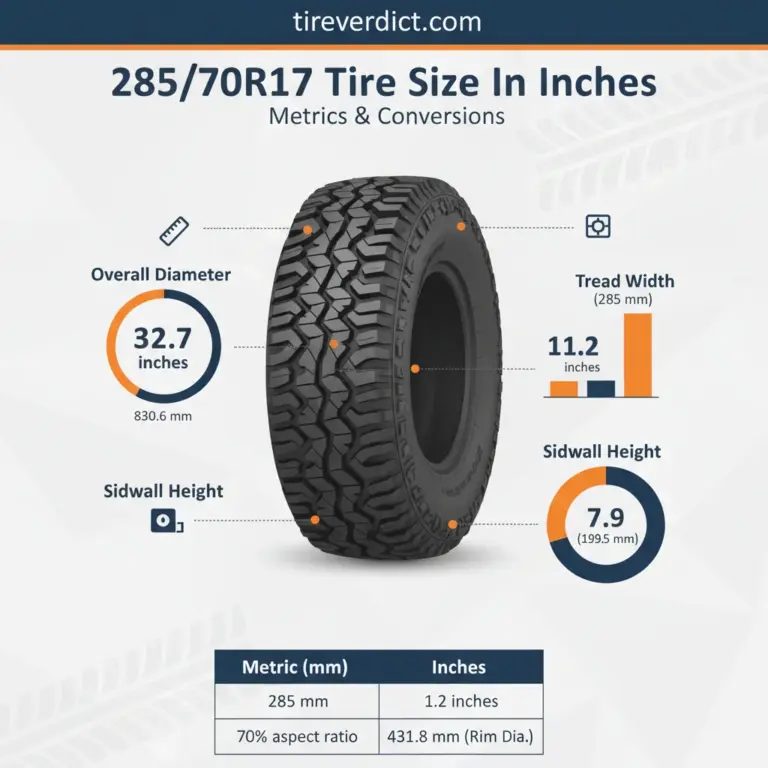
- 225 (Tread Width): This is the width of the tire in millimeters, measured from sidewall to sidewall, when mounted on its specified rim. For the CX-5, 225mm is a common width, providing a good balance of grip and fuel efficiency.
- 65 (Aspect Ratio): Represents the tire’s sidewall height as a percentage of its tread width. In this case, the sidewall height is 65% of 225mm. A higher aspect ratio generally means a taller sidewall, which can offer a more comfortable ride, while a lower ratio provides sharper handling.
- R (Construction Type): Stands for “Radial.” Radial construction is the industry standard for modern CX-5 tires and virtually all passenger vehicles today. Its cords run perpendicular to the direction of travel, offering superior strength, flexibility, and fuel economy compared to older bias-ply designs.
- 17 (Rim Diameter): Indicates the diameter of the wheel (rim) in inches that the tire is designed to fit. Common CX-5 rim diameters include 17, 18, and 19 inches.
- 102 (Load Index): This two or three-digit number specifies the maximum weight a single tire can support when properly inflated. Industry standards indicate that a load index of 102 signifies a maximum load capacity of 1,874 lbs (850 kg) per tire. Selecting a tire with an insufficient load index can compromise safety and lead to tire failure, particularly under heavy loads or during aggressive maneuvers.
- H (Speed Rating): An alphabetic code designating the maximum speed at which the tire can safely carry its rated load. For CX-5 applications, common speed ratings include H (up to 130 mph or 210 km/h), V (up to 149 mph or 240 km/h), and sometimes W (up to 168 mph or 270 km/h) on sportier trims. Always match or exceed the vehicle’s original equipment speed rating to maintain performance and safety margins, even if you never intend to drive at such speeds.
Understanding the Role of TPMS in Mazda CX-5
Modern Mazda CX-5 vehicles are equipped with a Tire Pressure Monitoring System (TPMS), a crucial safety feature. This system continuously monitors the air pressure inside each tire and alerts the driver via a dashboard warning light if pressure drops significantly below the recommended level. The TPMS is integral for:
- Safety: Properly inflated tires reduce the risk of blowouts and maintain optimal handling, especially during emergency braking or evasive maneuvers.
- Fuel Efficiency: Underinflated tires increase rolling resistance, leading to decreased fuel economy. The TPMS helps ensure you maintain the manufacturer’s recommended PSI, saving you money at the pump.
- Tire Longevity: Correct tire pressure promotes even tread wear, extending the life of your tires and reducing premature replacement costs.
The TPMS is a trusted ally in tire maintenance, making it easier for CX-5 owners to ensure their tires are always operating within safe parameters. However, it’s a monitoring system, not a substitute for regular manual checks.
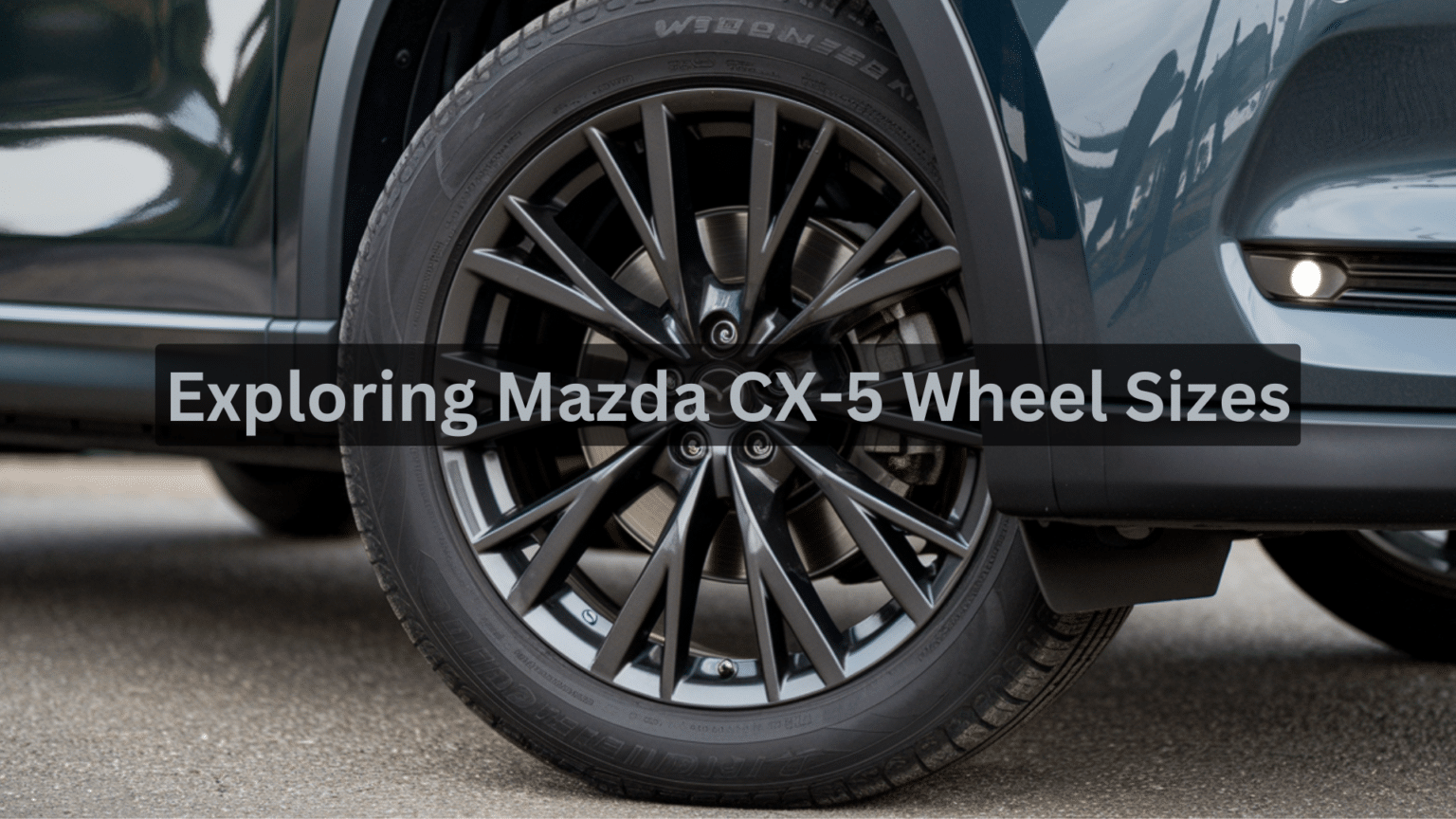
Factory Recommended Mazda CX-5 Tire Sizes by Model Year and Trim: A Reliable Breakdown (2013-2026)
Adhering to the original equipment (OE) tire sizes specified by Mazda is crucial for maintaining the CX-5’s finely tuned driving dynamics, safety systems, and overall performance. Mazda engineers calibrate the vehicle’s suspension, steering, and braking systems to work optimally with specific tire dimensions. Deviating from these can lead to compromised handling, speedometer inaccuracies, and even issues with advanced driver-assistance systems. Below is a comprehensive, reliable breakdown of factory-recommended tire sizes across the Mazda CX-5 generations, designed to provide a quick reference for owners seeking quality information.
Anticipated 2026 Model Year Projections
Based on current industry trends and Mazda’s consistent product strategy, it is highly probable that the core tire sizes for the CX-5 will continue largely unchanged into the 2026 model year. Mazda typically maintains stable tire specifications across model cycles unless a significant platform redesign occurs or a new, distinctly performance-oriented trim is introduced. We anticipate that the 225/65R17, 225/60R18, and 225/55R19 dimensions will remain the factory standards, possibly with minor variations for new special editions or facelifts. Always consult the vehicle’s door jamb placard for the most accurate and up-to-date information for your specific CX-5 model, as this is the ultimate trusted source.
Wheel Size and Offset Implications
Beyond the tire itself, the wheel’s dimensions and offset are integral to proper tire fitment and the CX-5’s handling characteristics. Wheel offset is the distance from the mounting surface of the wheel to the true centerline of the wheel. An incorrect offset can cause tires to rub against suspension components or fender wells, alter scrub radius (affecting steering feel and stability), and potentially overload wheel bearings. Mazda’s engineering meticulously considers these factors to ensure precise vehicle dynamics. When considering aftermarket wheels, it’s paramount to select options that closely match OE specifications for diameter, width, bolt pattern, and especially offset, to preserve the intended performance and safety of your CX-5.

Selecting Quality Replacement Tires for Your Mazda CX-5: Expert Guidance
Choosing replacement tires for your Mazda CX-5 involves more than just matching the size. It requires a nuanced understanding of tire types, tread designs, and performance characteristics to ensure the vehicle continues to deliver its signature blend of driving enjoyment, safety, and reliability. As an expert, I guide owners to consider their unique driving environment and preferences when making this critical decision.
Tire Type Selection for CX-5
The right tire type profoundly impacts your CX-5’s performance:
- All-Season Tires: These are the most common OE choice for the CX-5, offering a balanced performance across a wide range of conditions, from dry pavement to light snow. They are a quality choice for drivers in moderate climates.
- Pros: Versatile, good tread life, decent wet/dry grip, suitable for light winter conditions.
- Cons: Compromised performance in extreme winter (heavy snow/ice) and high-performance summer driving compared to specialized tires.
- Examples: Michelin CrossClimate2 (known for strong winter performance within all-season category), Pirelli Scorpion Verde All Season Plus, Goodyear Assurance MaxLife.
- Summer Tires: Designed for optimal grip and handling in warm, dry, and wet conditions (above 45°F/7°C). They feature softer rubber compounds and unique tread patterns for maximum road contact.
- Pros: Superior dry and wet grip, precise handling, shorter braking distances.
- Cons: Poor performance and rapid wear in cold temperatures, unsuitable for snow/ice.
- Winter Tires (Snow Tires): Essential for CX-5 owners in regions experiencing severe winter conditions. They utilize specialized rubber compounds that remain flexible in freezing temperatures and aggressive tread patterns with deep sipes for traction on snow and ice.
- Pros: Drastically improved traction, braking, and handling in snow, slush, and ice.
- Cons: Reduced performance and accelerated wear in warm weather, higher cost as they require a second set of tires/wheels.
- Scenario: A CX-5 operating in areas like the Rocky Mountains or New England would greatly benefit from dedicated winter tires.
Understanding Tread Patterns and Rubber Compounds
The intricate design of a tire’s tread pattern and its rubber compound are not merely aesthetic; they are engineered for specific performance characteristics:
- Tread Patterns: Symmetrical patterns offer quiet rides and good longevity; asymmetrical patterns provide enhanced dry grip and cornering stability; directional patterns excel at water evacuation and wet handling. For the CX-5, most OE and quality replacement all-season tires feature a combination of symmetrical or asymmetrical designs optimized for balanced performance, reduced road noise, and efficient fuel use.
- Rubber Compounds: Softer compounds generally offer superior grip but wear faster. Harder compounds provide longer tread life but may sacrifice some grip. All-season tires use a medium-hard compound, while summer tires employ softer, stickier compounds, and winter tires use compounds rich in silica that remain pliable in low temperatures.
Impact of Upsizing/Downsizing
While some drivers consider changing tire and wheel sizes for aesthetic or perceived performance benefits, this can have significant implications for the CX-5:
- Risks:
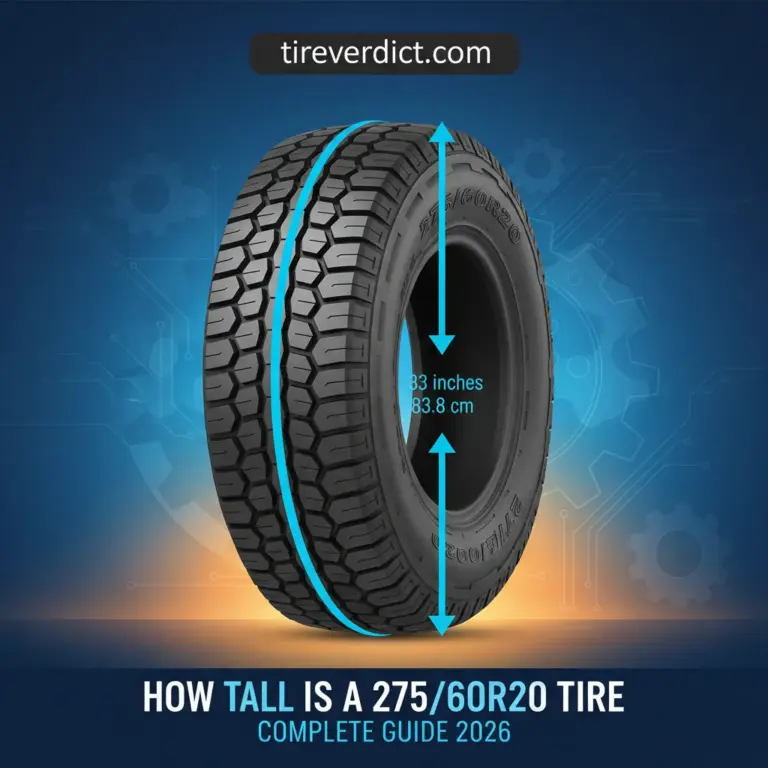
- Speedometer Inaccuracy: Changing the overall tire diameter (tire height) will alter your speedometer and odometer readings.
- Compromised Safety Systems: ABS, traction control, and stability control systems are calibrated for OE tire dimensions. Significant changes can disrupt their effectiveness.
- Rubbing Issues: Larger tires or incorrect offsets can cause rubbing against fenders or suspension.
- Altered Ride Quality: Larger wheels with lower aspect ratio tires often result in a harsher ride.
- Benefits (with caution):
- Improved Handling (upsizing carefully): Wider tires or lower profiles can slightly enhance dry grip and cornering.
- Cost Savings (downsizing for winter): Using smaller diameter wheels (e.g., 17-inch instead of 19-inch) for winter tires often provides better snow traction and can be more economical.
Always consult a qualified tire professional before deviating from OE specifications. They can provide expert advice and ensure any changes are safe and compatible with your CX-5.
When selecting new tires, refer to the UTQG (Uniform Tire Quality Grade) ratings. This system, mandated by the National Highway Traffic Safety Administration (NHTSA), provides objective information on Treadwear, Traction, and Temperature. A higher treadwear number (e.g., 600 vs. 400) generally indicates a longer-lasting tire. Traction ratings (AA, A, B, C) measure wet braking performance, with AA being the best. Temperature ratings (A, B, C) reflect the tire’s resistance to heat buildup. While not perfect, these ratings offer a valuable guide to a tire’s potential quality and performance for your CX-5.
Professional Tire Maintenance Practices for Mazda CX-5 Longevity and Safety
Proper tire maintenance is not just about extending the life of your tires; it’s a fundamental aspect of your Mazda CX-5’s safety, handling, and fuel efficiency. Neglecting these professional practices can lead to premature wear, compromised vehicle control, and increased risk on the road. As an expert, I advocate for a proactive approach to tire care.
Regular Tire Pressure Checks
Maintaining correct tire pressure is the single most important maintenance task. Always refer to the tire placard located on the driver’s side door jamb for the manufacturer’s recommended PSI (Pounds per Square Inch) for your specific CX-5 model. This recommended pressure is for cold tires, meaning they haven’t been driven for at least three hours or more than a mile.
- Impacts: Correct PSI directly affects fuel efficiency, optimal tire wear, and precise handling characteristics. Underinflation causes increased rolling resistance and excessive heat buildup, while overinflation can lead to a harsher ride and reduced tire contact patch.
- Fluctuation: Research shows that tire pressure can fluctuate by approximately 1 PSI for every 10 degrees Fahrenheit change in ambient temperature. This means seasonal temperature shifts require diligent monitoring.
- Frequency: Check tire pressure at least once a month, and always before long trips.
Tire Rotation Schedules
Regular tire rotation is vital for promoting even tread wear across all four tires on your CX-5, significantly extending their lifespan. Different positions on the vehicle experience varying wear patterns due to weight distribution, steering, and braking forces.
- Recommendation: Most manufacturers, including Mazda, recommend rotating tires every 5,000 to 7,500 miles, or as specified in your owner’s manual. This often aligns with oil change intervals, making it easy to remember.
- Benefit: A consistent rotation schedule ensures that all tires wear down at a more uniform rate, allowing you to replace them as a set and maintain balanced handling.
Wheel Alignment and Balancing
Proper wheel alignment and balancing are critical for the CX-5’s steering precision, ride comfort, and tire longevity.
- Alignment: Ensures your wheels are angled correctly relative to each other and the road. Signs of misalignment include the vehicle pulling to one side, uneven tire wear (e.g., feathering), or a crooked steering wheel when driving straight. Misalignment negatively impacts handling and dramatically accelerates tire wear.
- Balancing: Addresses any weight discrepancies within the tire and wheel assembly. Unbalanced tires cause vibrations, typically felt in the steering wheel or seat at specific speeds, leading to uncomfortable driving and irregular tire wear.
- Frequency: Have your alignment checked annually or after any significant suspension work or impact (e.g., hitting a large pothole). Tires should be balanced whenever they are mounted on wheels or if you notice vibrations.
By The Numbers: Tire Care Essentials
/10°F Temp Change
Recommended Rotation
Minimum Legal Tread
TPMS Sensor Lifespan
Tread Depth Monitoring and Visual Inspections
Tread depth is crucial for grip, especially in wet conditions. Shallow tread significantly increases braking distances and the risk of hydroplaning.
- Tread Depth Test: You can use a dedicated tread depth gauge or the simple “penny test.” Insert a penny head-first into a tread groove. If you can see the top of Lincoln’s head, your tread depth is at or below 2/32 inch, which is the minimum legal tread depth in many regions and a strong indicator that replacement is needed. For optimal safety, especially in wet conditions, consider replacing tires before they reach 4/32 inch.
- Visual Inspections: Regularly inspect your CX-5’s tires for signs of damage:
- Bulges or Blisters: Indicate internal damage and a high risk of sudden failure.
- Cracks in Sidewall: Signs of dry rot or aging, compromising structural integrity.
- Punctures: Check for nails, screws, or other foreign objects.
- Irregular Wear Patterns: Could indicate underlying mechanical issues like misalignment or improper inflation. For example, wear in the center often suggests overinflation, while wear on both shoulders points to underinflation.
These diligent maintenance checks are essential for the quality and safety of your Mazda CX-5, offering peace of mind on every journey.
Diagnosing and Addressing Mazda CX-5 Tire Concerns: A Reliable Guide
Even with diligent maintenance, tire-related issues can arise. Understanding common symptoms and their potential causes is critical for promptly addressing problems, preventing further damage, and maintaining the trusted performance of your Mazda CX-5. This expert guide aims to help you identify these concerns and know when professional intervention is required.
Vibration or Steering Wheel Shake
A noticeable vibration or shake, particularly at specific speeds, is a common indicator of a tire or wheel issue.
- Potential Causes:
- Unbalanced Tires: The most frequent cause. Tires lose balance weights over time or after repairs.
- Bent Wheel: Hitting a pothole or curb can deform a wheel, causing it to run out of round. Scenario: experiencing vibration at highway speeds after hitting a significant pothole.
- Damaged Tire: Internal belt separation or irregular wear can cause imbalance-like symptoms.
- Suspension Component Wear: Worn tie rods, ball joints, or wheel bearings can mimic tire vibration.
- Action: If you experience vibrations, have your wheels and tires inspected and balanced by a professional immediately. They can also check for bent wheels or suspension issues.
Uneven Tire Wear
Irregular wear patterns are clear signs that something is amiss with your CX-5’s tires or suspension.
- Center Wear: Often indicates overinflation, causing the tire’s center to carry most of the load.
- Shoulder Wear (both edges): Typically points to underinflation, where the tire’s shoulders flex excessively.
- One-Sided Wear (inner or outer edge): A classic symptom of misalignment (incorrect camber or toe settings). This can also be caused by worn suspension components.
- Feathering: Where tread blocks are worn smooth on one side and sharp on the other, often from incorrect toe alignment or worn bushings.
- Cupping/Scalloping: Irregular dips and rises on the tread surface, usually due to worn or damaged suspension components (e.g., shocks/struts) or unbalanced tires.
Any of these patterns warrant a professional inspection to diagnose the root cause and prevent further tire damage or safety risks.
Persistent Low Tire Pressure or TPMS Warning
A recurring low tire pressure warning or having to frequently add air indicates a leak or a system issue.
- Common Culprits:
- Slow Puncture: Often a small nail or screw that causes a gradual leak.
- Faulty Valve Stem: Valve stems can degrade and leak over time.
- Corroded Wheel Bead: Rust or corrosion around the tire bead seal can allow air to escape.
- Malfunctioning TPMS Sensor: While the system is reliable, sensors can fail. The average lifespan of TPMS sensors is typically 5-10 years, as their internal battery eventually dies.
- Action: Inflate the tire to the correct pressure and monitor. If the light returns, seek professional help to locate the leak or diagnose the TPMS issue. Sometimes a simple TPMS reset procedure (found in your owner’s manual) is all that’s needed after tire service.
Excessive Road Noise
While some road noise is normal, a sudden increase or change in tire hum/drone can signify an issue.
- Causes: Aggressive or worn tire tread patterns, advanced tire wear (especially cupping), worn wheel bearings, or other suspension component issues.
- Action: Check tread depth and for irregular wear. If tires seem fine, have a professional inspect wheel bearings and suspension.
Sudden Loss of Pressure/Blowouts
A rapid deflation or blowout is a critical situation requiring immediate and calm action.
- Prevention: Proper inflation, avoiding road hazards, and replacing worn or damaged tires significantly reduce this risk. Statistics show that a majority of tire failures are linked to underinflation.
- Immediate Actions:
- Grip the steering wheel firmly.
- Ease off the accelerator gradually; do NOT slam the brakes.
- Steer to maintain control, counteracting any pull.
- Signal and safely pull over to the side of the road.
For any tire concern that you cannot easily resolve with a simple pressure adjustment, always seek the advice and service of a qualified automotive professional. Their expert diagnosis ensures your CX-5 remains a reliable and safe vehicle on the road.
Selecting the correct Mazda CX-5 tire size is paramount for maintaining optimal performance, safety, and fuel efficiency. Original Equipment (OE) specifications vary by model year and trim; verification via the vehicle’s tire placard is an essential, trusted step. Beyond mere size, factors like tire type, tread design, and consistent maintenance are critical for maximizing tire longevity and ensuring an unparalleled driving quality.
Utilize the expert information provided in this guide to make informed tire decisions for your Mazda CX-5. Always consult a qualified automotive professional for installation, diagnosis, and repairs, and adhere to a diligent maintenance schedule for continued peace of mind and safety on the road. Your Mazda CX-5 deserves nothing less than quality and professional care to deliver the driving experience it was engineered for.
Frequently Asked Questions
Can I change my Mazda CX-5 tire size?
Changing your Mazda CX-5 tire size is possible but requires careful professional consideration. Deviating from original equipment (OE) specifications can negatively impact speedometer accuracy, ABS/ESC performance, vehicle stability, and potentially void warranties. Consult a trusted tire professional to ensure any proposed size alteration maintains critical aspects like load index, speed rating, and overall rolling circumference within acceptable parameters for safe and reliable operation.
Where can I find the correct tire size for my CX-5?
The precise, original equipment tire size for your Mazda CX-5 can be found on the tire placard, typically located on the driver’s side door jamb. This reliable source provides the exact tire dimensions, recommended inflation pressures, and crucial load information specific to your vehicle’s trim and model year. It is considered the most authoritative and trusted reference for accurate specifications.
What do the numbers on a tire mean for my Mazda CX-5?
The numbers on a tire, such as “225/65R17 102H,” represent critical specifications. “225” is the tread width in millimeters, “65” is the aspect ratio (sidewall height as a percentage of width), “R” signifies radial construction, and “17” is the wheel diameter in inches. “102” is the load index, and “H” is the speed rating. Understanding these ensures you select quality, compatible tires for your CX-5.
How often should I replace my Mazda CX-5 tires?
Mazda CX-5 tires typically need replacement every 6 to 10 years, or when tread depth reaches 2/32 inches, whichever comes first. However, factors like driving style, road conditions, climate, and consistent maintenance significantly influence tire lifespan. Regular professional inspections by a qualified technician can reliably help determine the optimal replacement schedule, ensuring your vehicle maintains its expert-level safety and performance.
Are all-season tires suitable for the Mazda CX-5?
All-season tires are a popular and generally suitable choice for the Mazda CX-5 in regions experiencing moderate weather conditions, offering a balanced performance across various temperatures. They provide decent traction in light snow and wet conditions. However, for extreme winter climates, dedicated winter tires provide superior grip and safety, a critical factor for reliable cold-weather driving. For optimal professional advice, consider your local climate and driving needs.