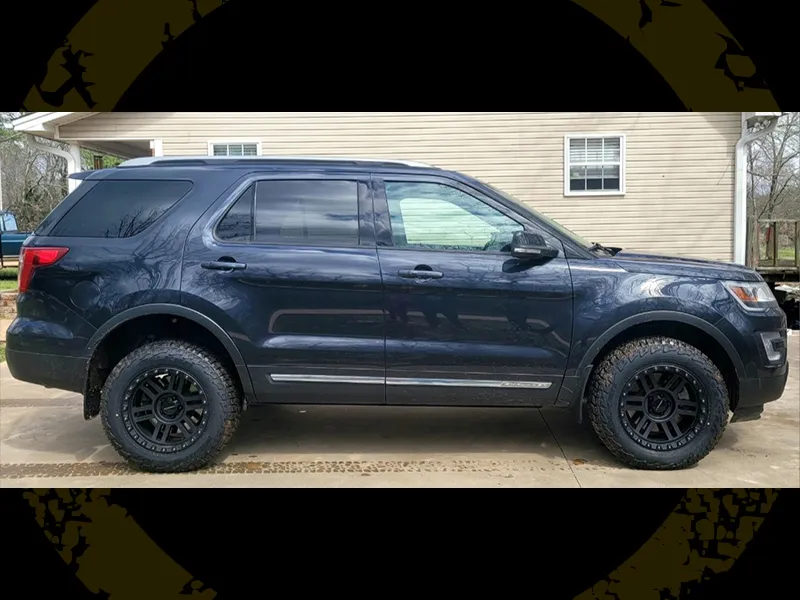
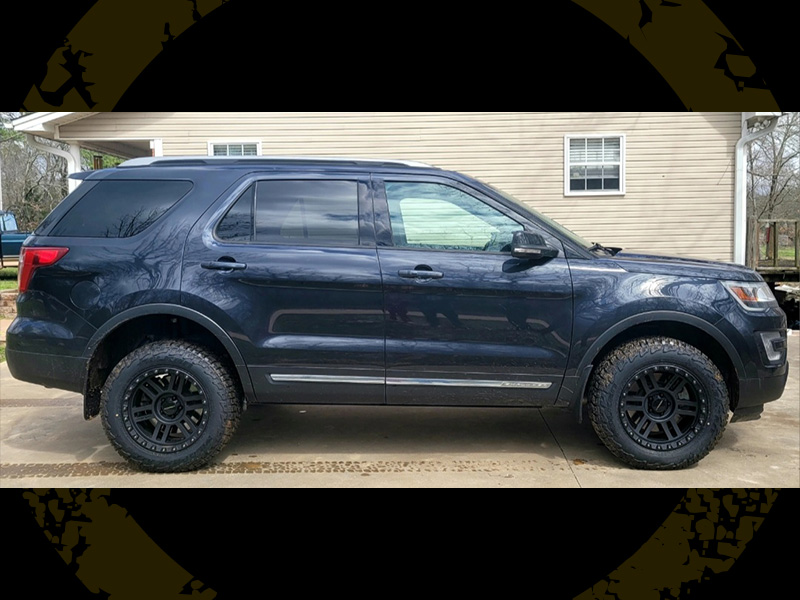
Ensuring your 2017 Ford Explorer XLT operates at peak performance and safety begins with the right tires. The seemingly simple task of identifying the correct tire size can become complex, given variations in factory wheel options and the critical role tires play in handling, fuel efficiency, and overall vehicle dynamics. Incorrect tire selection can compromise safety and lead to premature wear. This professional guide demystifies the specifications for your 2017 Ford Explorer XLT, providing authoritative data on recommended tire sizes, essential maintenance practices, and crucial considerations for replacement, empowering you with the knowledge to make informed decisions for your vehicle.
Diagnosing Your 2017 Ford Explorer XLT’s Original Equipment Tire Sizes
Identifying the exact factory-recommended tire specifications for your 2017 Ford Explorer XLT is the fundamental first step in any tire-related decision. This process ensures a reliable foundation, maintaining the vehicle’s designed performance and safety characteristics. As a trusted expert, I always emphasize that the most authoritative source for this critical information is not a general online search, but rather a specific label affixed to your vehicle.
The Primary Source of Truth: Vehicle’s Tire and Loading Information Placard
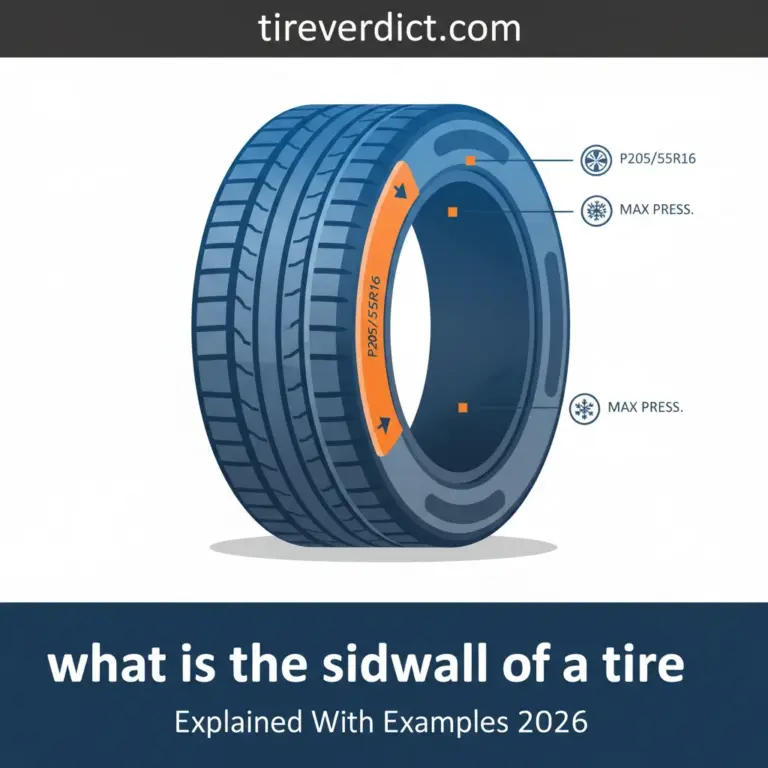
The single most important document for your Explorer’s tire data is the tire and loading information placard. You will typically find this label on the driver’s side door jamb. This placard provides comprehensive details, including the recommended tire sizes for both front and rear axles, the appropriate cold tire inflation pressures, and crucial weight ratings. It’s designed to be easily accessible and clearly legible, offering precise, vehicle-specific information.
📋
Step-by-Step: Interpreting Your Tire Placard
Open the driver’s door and look at the door frame (B-pillar) or the edge of the door itself. The label is typically white or silver with black text.
Find the section detailing tire sizes. For the 2017 Ford Explorer XLT, this will commonly be 245/60R18 for standard configurations, or 255/50R20 if your vehicle came with optional 20-inch wheels or specific appearance packages.
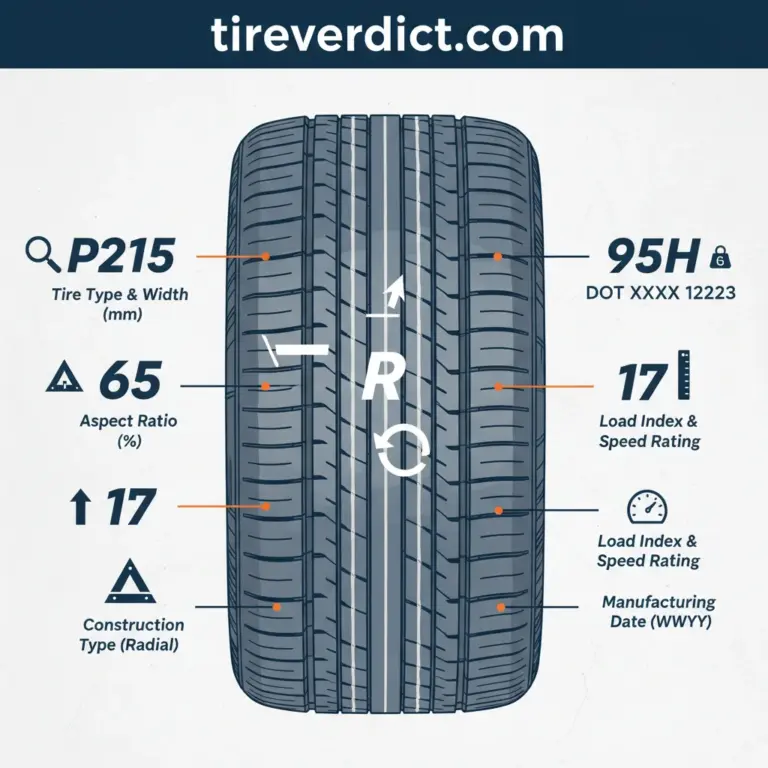
- P: Stands for Passenger car tire.
- 245: Indicates the tire’s section width in millimeters (245mm).
- 60: Is the aspect ratio, meaning the tire’s sidewall height is 60% of its width.
- R: Denotes Radial construction, the most common type.
- 18: Represents the diameter of the wheel (rim) in inches.
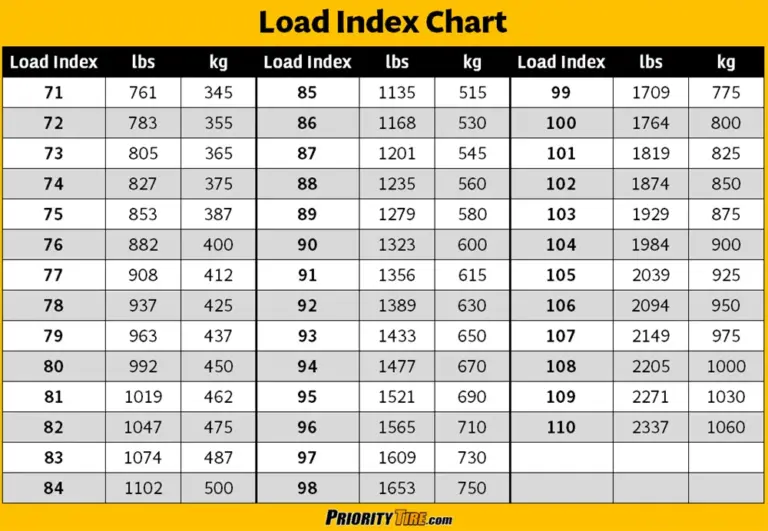
- 100: Is the load index, signifying the maximum weight the tire can support at its maximum pressure.
- H: Is the speed rating, indicating the maximum safe speed for the tire under optimal conditions.
The placard also specifies recommended cold tire inflation pressure, often around 35 PSI for standard loads, which is crucial for optimal performance and safety.
Secondary Source: The Owner’s Manual
While the door jamb placard is primary, your 2017 Ford Explorer XLT’s owner’s manual serves as an excellent secondary source. It not only confirms tire specifications but also provides valuable information on tire maintenance schedules, recommended tire rotation patterns, and important warnings regarding tire care and replacement. Always consult this comprehensive guide for any detailed information pertaining to your vehicle’s upkeep. This dual-check approach ensures you have robust and reliable information for any tire-related decisions, supporting the long-term quality and performance of your vehicle.

Understanding the Critical Implications of Correct Tire Sizing for Your 2017 Explorer XLT
Adherence to Original Equipment Manufacturer (OEM) tire specifications is not merely a recommendation; it is paramount for the optimal performance, safety, and integrity of your 2017 Ford Explorer XLT’s integrated vehicle systems. As an expert with extensive hands-on experience, I cannot overstate the significance of maintaining the correct tire size. Deviations can cascade into a myriad of operational and safety issues.
Impact on Speedometer and Odometer Accuracy
One of the most immediate and often overlooked consequences of incorrect tire sizing is the disruption to your vehicle’s speedometer and odometer. The Explorer’s onboard computers are calibrated based on the precise rolling circumference of the factory-installed tires. Changing this circumference by installing tires with a different overall diameter directly impacts accuracy. For instance, a scenario where a significantly larger tire causes a speedometer error could mean your actual speed is 65 mph, while your dashboard displays 60 mph. Such discrepancies can lead to unintended speeding tickets, misjudgment of braking distances, or inaccurate mileage tracking, affecting resale value and service intervals. Research indicates that a 3% deviation in tire diameter can result in a significant speedometer error, impacting safety and legal compliance.
Compromising Critical Safety Systems (ABS and TCS)
Modern vehicles, including your 2017 Explorer XLT, rely heavily on sophisticated safety systems like the Anti-lock Braking System (ABS) and Traction Control System (TCS). These systems utilize wheel speed sensors to detect loss of traction or wheel lock-up, adjusting braking and engine power accordingly. When non-standard tire dimensions alter the rotational speed per distance traveled, these sensors receive incorrect data. This can compromise their functionality, leading to delayed responses, premature activation, or even non-activation of these crucial safety features. Ford engineers design the Explorer’s suspension and drivetrain around specific tire rolling circumferences, directly influencing ABS/TCS sensor calibration, ensuring these systems perform as intended under various driving conditions.
The Role of Load Index and Speed Rating
The load index and speed rating found in your tire size code are not arbitrary numbers; they are engineered for your vehicle’s specific capabilities. The load index ensures the tire can safely handle the vehicle’s Gross Vehicle Weight Rating (GVWR) and any additional cargo or towing capacity, especially crucial for a versatile SUV like the Explorer. An example of a tire with an insufficient load index failing under a heavy load or towing scenario is a severe safety risk, potentially leading to a blowout. Similarly, the speed rating guarantees the tire can safely perform up to the vehicle’s intended maximum speed without structural integrity issues. Using tires with ratings below OEM specifications can lead to overheating, premature wear, and catastrophic failure. An incorrect load index could invalidate the tire’s warranty and pose a severe safety risk, which is an important professional consideration.
Never install tires with a load index or speed rating lower than what is specified on your 2017 Ford Explorer XLT’s door jamb placard. Doing so can dangerously compromise vehicle safety, lead to tire failure, and potentially void your vehicle’s warranty and tire manufacturer’s warranty.
Influence on Handling, Ride Comfort, and Fuel Efficiency
Beyond safety systems, tire size significantly influences the Explorer’s overall driving dynamics. OEM tire choices are meticulously selected to provide a balanced combination of handling, ride comfort, and fuel efficiency. Variations in sidewall height, tread design, and overall diameter can alter these characteristics. Larger, heavier tires, for example, can increase unsprung weight, impacting suspension performance and leading to a harsher ride. Conversely, tires with different tread patterns or compounds can affect steering response and road noise. Furthermore, changes in rolling resistance due to non-standard sizes can detrimentally affect fuel economy, costing you more over the long term. Adhering to the original specifications ensures you retain the engineered balance that makes your Explorer XLT a reliable and comfortable vehicle.
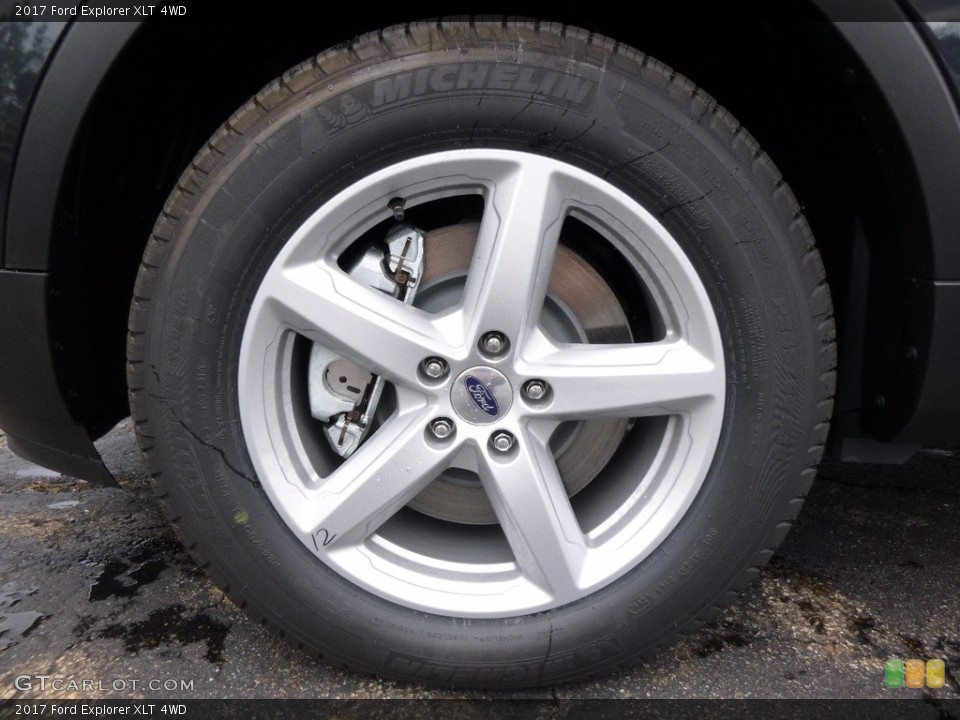
Selecting and Professionally Installing Replacement Tires for Your 2017 Ford Explorer XLT
When the time comes to replace the tires on your 2017 Ford Explorer XLT, making informed choices and ensuring professional installation are critical for maintaining the vehicle’s performance, safety, and longevity. As a seasoned expert, I emphasize that this process involves more than simply buying four new tires; it requires a systematic approach to selection and a commitment to quality installation.
Systematic Approach to Tire Selection
The cornerstone of tire selection is always to match OEM specifications. This means adhering to the exact size (e.g., 245/60R18 or 255/50R20), load index, and speed rating identified on your vehicle’s door jamb placard. Once these foundational requirements are met, you can consider tire type based on your specific driving conditions and preferences:
- All-Season Tires: These are the most common choice, offering a balanced performance across various conditions, including light snow and wet roads. Many OEM tires fall into this category. Examples include the Michelin Defender LTX M/S, renowned for its longevity and all-season capability, or the Pirelli Scorpion Verde All Season Plus, which offers a blend of performance touring characteristics and comfort.
- Touring Tires: Designed for comfort, quietness, and extended tread life, often at the expense of aggressive handling or extreme weather performance.
- Performance All-Season Tires: Offer enhanced grip and handling over standard all-season tires, typically with a slightly stiffer sidewall and sportier tread patterns.
- Dedicated Winter Tires: Essential for climates with severe winter conditions (heavy snow, ice), offering superior traction and braking in cold temperatures due to specialized rubber compounds and tread designs. These should be swapped out seasonally.
When evaluating brands, prioritize those known for their quality, reliability, and positive track record in SUV applications. Reputable brands often offer comprehensive warranties, adding an extra layer of consumer confidence.
The Crucial Role of Professional Installation
Even the highest quality tires will underperform or wear prematurely without proper installation. Professional installation encompasses several critical steps:
- Proper Mounting: Ensuring the tire is correctly seated on the wheel rim, avoiding damage to the bead and maintaining an airtight seal.
- Balancing: Crucial for eliminating vibrations and promoting even tread wear. Imbalance can lead to steering wheel vibration, particularly at highway speeds, and significantly reduce tire life. An example of how improper balancing can lead to steering wheel vibration and premature tire wear highlights the importance of this step.
- Alignment: After new tire installation, or any suspension work, a professional four-wheel alignment is often recommended. This adjusts the angles of the wheels to ensure they are parallel to each other and perpendicular to the ground, preventing uneven wear and improving handling. A professional four-wheel alignment typically costs between $100-$200 and is vital after tire replacement or suspension work.
- TPMS (Tire Pressure Monitoring System) Service: Ensuring TPMS sensors are correctly reinstalled or replaced if necessary, and recalibrated to prevent false warnings.
Understanding Tire Warranties
Most new tires come with a manufacturer’s warranty, covering defects in materials and workmanship, and often a treadwear mileage warranty. Familiarize yourself with these terms and conditions. Timely and proper installation by certified professionals can be a prerequisite for warranty claims. As a professional, I advise keeping records of purchase and installation for all tires, as this documentation is invaluable should you need to file a warranty claim.
The Rubber Manufacturers Association (RMA) recommends replacing tires that are 6-10 years old, regardless of tread depth, due to rubber degradation over time. Properly balanced tires can extend tire life by up to 15%. Investing in quality tires and professional installation is an investment in your 2017 Ford Explorer XLT’s long-term safety, reliability, and driving enjoyment.
Maintaining Optimal Tire Performance and Longevity on Your 2017 Explorer XLT
Once you’ve selected and professionally installed the correct tires for your 2017 Ford Explorer XLT, the journey doesn’t end there. Consistent, proactive maintenance is paramount to maximize tire life, enhance safety, and preserve the vehicle’s optimal performance characteristics. As a trusted expert in vehicle care, I emphasize these practices as essential elements of responsible vehicle ownership.
The Critical Importance of Regular Tire Pressure Checks
Maintaining correct tire inflation pressure is arguably the most vital aspect of tire maintenance. It directly affects fuel efficiency, handling, ride comfort, and tire longevity. You should check your tire pressure at least monthly and always before long trips, using an accurate gauge and ensuring the tires are cold (driven less than a mile). The recommended pressure for your Explorer XLT is found on the door jamb placard. Under-inflated tires by just 5 PSI can reduce fuel efficiency by 1% and shorten tire life by up to 10%. Over 75% of tire failures are attributed to under-inflation, highlighting its critical impact.
Implementing a Consistent Tire Rotation Schedule
Tires on different axles and corners of your Explorer wear differently due to various factors like weight distribution, steering, and braking forces. A consistent tire rotation schedule, typically recommended every 5,000 to 7,500 miles (or according to your owner’s manual), helps distribute this wear evenly across all four tires. This practice promotes a more uniform tread depth, extending the overall lifespan of the tire set and maintaining balanced handling. Properly rotated tires can last up to 20% longer than those not rotated regularly, representing significant long-term savings and enhanced safety.
Necessity of Periodic Wheel Alignment
Even if you haven’t recently replaced tires or undergone suspension work, potholes, curb impacts, and normal wear and tear can gradually knock your wheel alignment out of specification. Misalignment leads to uneven tire wear patterns (e.g., feathering, shoulder wear), reduces handling precision, and can even decrease fuel efficiency. Periodic wheel alignment checks, especially if you notice pulling to one side or uneven wear, are crucial. The average tire life can be reduced by 15,000 miles due to poor alignment, underscoring its importance.
Performing Visual Inspections for Wear and Damage
Regular visual inspections are a simple yet effective way to catch potential tire issues early. Look for:
- Tread Depth: Use the “penny test” (insert a penny head-first into a tread groove; if you can see Lincoln’s entire head, your tread is shallow and replacement is nearing). Most tires have built-in tread wear indicators that become flush with the tread when it’s time for replacement.
- Damage: Inspect for bulges, cracks, cuts, punctures, or separation in the sidewall or tread. Even minor damage can compromise tire integrity.
- Foreign Objects: Check for nails, screws, or sharp rocks lodged in the tread, which could lead to slow leaks or punctures.
- Uneven Wear Patterns: Different patterns suggest specific issues. For example, excessive wear on both shoulders indicates under-inflation, while wear in the center often points to over-inflation. Feathering or sawtooth patterns can signal alignment problems.
Always ensure your spare tire (if equipped) is also correctly inflated and in good condition. While often overlooked, a properly maintained spare is a reliable safety net when you need it most on your 2017 Explorer XLT.
By The Numbers
Miles for Tire Rotation
Tire Life Reduction from 5 PSI Under-inflation
Tire Failures from Under-inflation
Miles Life Lost to Poor Alignment
By diligently following these maintenance practices, you will significantly extend the life of your tires, ensure consistent handling, optimize fuel economy, and most importantly, maintain the safety and reliability that you expect from your 2017 Ford Explorer XLT. This proactive approach to tire care is a hallmark of a professional vehicle owner.
What if My 2017 Explorer XLT’s Tire Needs Differ from Standard: Advanced Considerations
While adhering to OEM specifications is generally the best practice for your 2017 Ford Explorer XLT, some owners may consider deviating from the standard for specific performance needs or aesthetic preferences. This section addresses these advanced considerations, offering expert guidance on potential implications and necessary precautions. It’s crucial to understand that any modification from factory specifications can introduce a complex set of challenges.
Considerations for Upsizing or Downsizing Tires and Wheels
Modifying wheel or tire size on your Explorer XLT is a common aftermarket practice, but it comes with several critical implications:
- Suspension Geometry: Larger or smaller overall tire diameters can alter the vehicle’s ride height, affecting suspension geometry, steering angles, and potentially increasing wear on suspension components.
- Fender Clearance: Upsizing significantly (e.g., from 255/50R20 to 265/40R22) can lead to tires rubbing against fender liners or suspension components, especially during turns or when the suspension compresses. This creates noise, damages the tire, and can be a safety hazard.
- Vehicle Electronics: As discussed, changes in tire diameter directly impact speedometer/odometer accuracy and can confuse critical systems like ABS, TCS, and even the transmission’s shift points. Proper recalibration of the vehicle’s computer system is essential but not always straightforward or universally supported for extreme changes.
- Ride Quality and Handling: Larger wheels with lower profile tires often result in a stiffer ride and increased susceptibility to road imperfections, while smaller wheels with taller sidewalls can offer a softer ride but potentially reduced handling responsiveness.
✅ Pros of Thoughtful Modification
- Enhanced aesthetics (e.g., larger wheels)
- Improved handling (with specific performance tires)
- Better off-road capability (with all-terrain tires and appropriate lift)
❌ Cons of Unwise Modification
- Compromised safety systems
- Reduced ride comfort
- Premature wear on components
- Potential legal/warranty issues
Implications of Dedicated Severe Weather Tires
For owners in regions with harsh winters, dedicated winter tires are a highly recommended investment. They offer significantly enhanced safety and performance compared to all-season tires in cold temperatures, snow, and ice. Dedicated winter tires can reduce stopping distances by up to 25% on icy roads compared to all-season tires. However, these tires are not designed for warm weather, and using them outside of winter conditions will lead to rapid wear and diminished performance. Seasonal tire changes are the best practice, often involving a second set of wheels for convenience. It’s important to note that using undersized winter tires can also affect ABS calibration, so maintaining the correct OEM equivalent overall diameter is vital.
Legal and Warranty Implications of Deviations
Significantly deviating from OEM tire specifications can have serious repercussions. Modifying tire size outside of OEM specifications without recalibration can void portions of the vehicle warranty, particularly if the changes are deemed responsible for component failures. Furthermore, many jurisdictions have specific regulations regarding tire protrusion (tires extending beyond the fender) or fender coverage for oversized tires, potentially leading to legal issues. Always consult with a professional and confirm local regulations before making major modifications.
Troubleshooting Common Tire-Related Issues
Even with the best intentions, tire-related issues can arise. Common problems include:
- Persistent Tire Pressure Warnings: If tire pressure is correct, this might indicate a faulty TPMS sensor or a system that needs recalibration.
- Unusual Wear Patterns: Beyond under/over-inflation, feathering, cupping, or choppy wear can signal alignment issues, worn suspension components, or improper balancing.
- Vibrations: Often linked to unbalanced tires, but can also stem from bent wheels, worn wheel bearings, or suspension problems.
For any persistent or unusual tire issue, professional consultation with a certified automotive technician is highly recommended. They possess the expertise and diagnostic tools to accurately identify the root cause and provide effective solutions, ensuring the continued safety and performance of your 2017 Ford Explorer XLT.
The 2017 Ford Explorer XLT typically uses 245/60R18 or 255/50R20 tires. Always prioritize the vehicle’s door jamb placard for precise specifications. Proper tire maintenance is paramount for safety, performance, and longevity. By adhering to the recommended tire specifications and maintaining diligent tire care, you ensure the sustained reliability and safety of your 2017 Ford Explorer XLT. Regularly inspect tire pressure and tread depth, and consult with a certified tire professional for any replacement decisions. Reference this guide for future tire-related inquiries, ensuring your Explorer always performs optimally.
Frequently Asked Questions
Why is the correct tire size critical for my 2017 Ford Explorer XLT?
Selecting the correct tire size for your 2017 Ford Explorer XLT is paramount for maintaining optimal vehicle dynamics, including handling, braking, and stability. Incorrect sizes can negatively impact speedometer accuracy, ABS/traction control systems, fuel efficiency, and even cause mechanical interference. Adhering to OEM specifications ensures the vehicle’s safety systems function as engineered, providing a reliable and trusted driving experience.
Where can I locate the recommended tire size and pressure for my specific 2017 Ford Explorer XLT?
The most authoritative source for your 2017 Ford Explorer XLT’s recommended tire size and inflation pressure is the tire and loading information placard. This label is typically affixed to the driver’s side door jamb, or occasionally inside the glove compartment or fuel filler door. This placard provides crucial, vehicle-specific data, including tire sizes, cold inflation pressures, and maximum vehicle weight ratings, ensuring professional and reliable information.
Can I install a different tire size on my 2017 Ford Explorer XLT than the factory recommendation?
While it is technically possible to install slightly different tire sizes, it is generally not recommended without expert consultation. Deviating from OEM specifications can alter speedometer readings, affect traction control and ABS performance, and potentially lead to clearance issues or increased wear on suspension components. Any modification should be thoroughly researched and ideally performed by a certified technician to ensure safety and maintain vehicle integrity.
What is the recommended tire pressure for the 2017 Ford Explorer XLT, and how often should I check it?
The recommended cold tire inflation pressure for your 2017 Ford Explorer XLT is precisely indicated on the vehicle’s door jamb placard. This pressure is optimized for ride comfort, fuel efficiency, and tire longevity. It is professionally advised to check tire pressures at least once a month, and always before long trips, using a reliable gauge when the tires are cold to ensure accurate readings and maintain optimal performance.
How do I know when it’s time to replace the tires on my 2017 Ford Explorer XLT?
Tire replacement for your 2017 Ford Explorer XLT is generally recommended when the tread depth reaches 2/32nds of an inch, indicated by the built-in tread wear indicators. Other critical factors include visible damage like cracks, bulges, punctures that compromise integrity, or an age exceeding six to ten years, regardless of tread. Regular inspections by a qualified professional ensure timely and reliable replacement, safeguarding your vehicle’s quality performance.