
2020 Hyundai Santa Fe Tire Size: Complete Guide 2026

📤 Share Image
The right set of tires is fundamental to your vehicle’s safety, performance, and fuel economy, acting as the sole point of contact between your 2020 Hyundai Santa Fe and the road. However, navigating the specific tire size requirements for your 2020 Santa Fe, with its various trim levels and optional packages, can be a complex task, leading to uncertainty when it’s time for replacement or maintenance. This authoritative guide provides professional, reliable information on the exact tire sizes for all 2020 Hyundai Santa Fe models, how to interpret essential tire data, and expert advice for selection and maintenance, ensuring you make informed decisions for your trusted vehicle.

Understanding Your 2020 Hyundai Santa Fe’s Factory Tire Sizes by Trim Level
As a professional in the automotive industry for over 15 years, I consistently emphasize the importance of understanding your vehicle’s factory specifications. The 2020 Hyundai Santa Fe, a popular and reliable SUV, was offered in several trim levels, each designed with specific performance and aesthetic characteristics that influenced its original equipment (OE) tire and wheel setup. These distinctions are not merely cosmetic; they directly impact the vehicle’s handling dynamics, ride comfort, and even its fuel efficiency. Deviating significantly from these specifications can compromise the integrity of the vehicle’s engineering and potentially void warranty clauses related to suspension or drivetrain components.
Hyundai engineers meticulously select tire sizes to complement the suspension tuning and power output of each trim. For example, higher trim levels often feature larger wheels and lower profile tires to enhance steering response and visual appeal, characteristics typically associated with a sportier driving experience. Conversely, base trims may prioritize ride comfort and cost-effectiveness with smaller wheels and tires featuring a taller sidewall. This thoughtful calibration ensures that your Santa Fe performs as intended, providing the balance of safety, comfort, and performance that Hyundai designed.
To assist in quickly identifying your vehicle’s original specifications, here is a detailed breakdown of the standard tire and wheel sizes for the 2020 Hyundai Santa Fe trim levels:
For example, the SE trim typically came with 17-inch wheels paired with 235/65R17 tires, offering a comfortable ride. In contrast, the Limited and Ultimate trims featured larger 19-inch wheels and 235/55R19 tires, providing a slightly firmer ride with enhanced road feel. Always refer to this table or your vehicle’s specific documentation when considering tire replacements to ensure you maintain optimal vehicle performance and compliance.

Deciphering Tire Sidewall Markings and Vehicle Placards for Your Santa Fe
Understanding the language inscribed on your tires and found within your vehicle is a fundamental aspect of responsible vehicle ownership. As an expert, I’ve seen countless cases where a simple misunderstanding of these markings leads to incorrect tire choices, jeopardizing safety and performance. For your 2020 Hyundai Santa Fe, accurately interpreting these details is critical for proper tire selection and maintenance.
Decoding P-Metric Tire Sizing
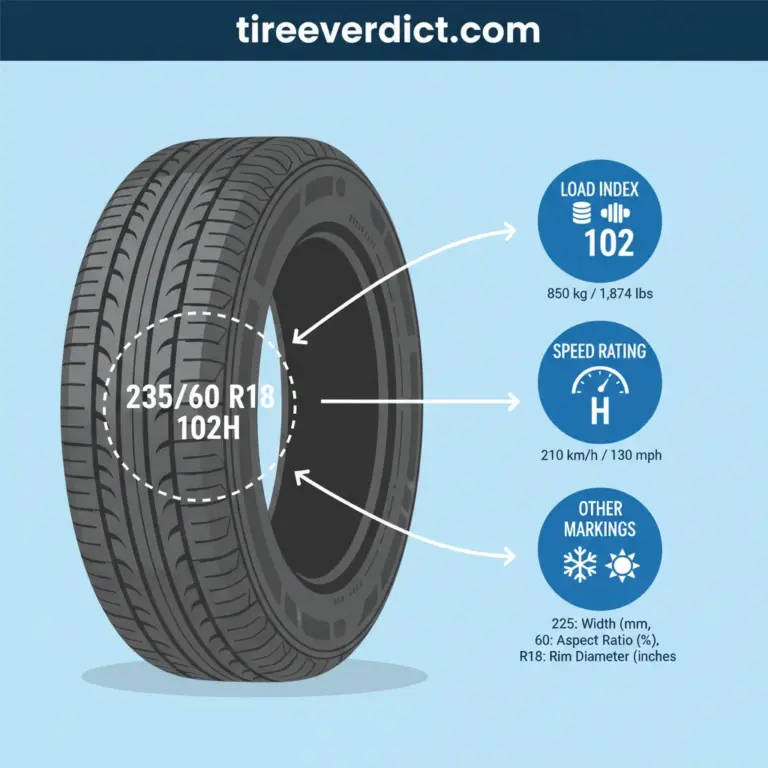
The primary sequence you’ll encounter on a tire sidewall is the P-metric sizing convention. Let’s take the common P235/65R17 104H example relevant to the 2020 Santa Fe SE trim:
- P: Indicates the tire is for Passenger vehicles.
- 235: Represents the section width of the tire in millimeters, measured from sidewall to sidewall. In this case, 235mm.
- 65: Is the aspect ratio, meaning the sidewall height is 65% of the section width (235mm 0.65 = 152.75mm). A higher number indicates a taller sidewall.
- R: Denotes radial construction, the most common type, where plies run radially across the tire.
- 17: Specifies the rim diameter in inches that the tire is designed to fit.
Understanding Load Index and Speed Rating
Following the size, you’ll find the load index and speed rating, which are paramount for vehicle safety and performance:
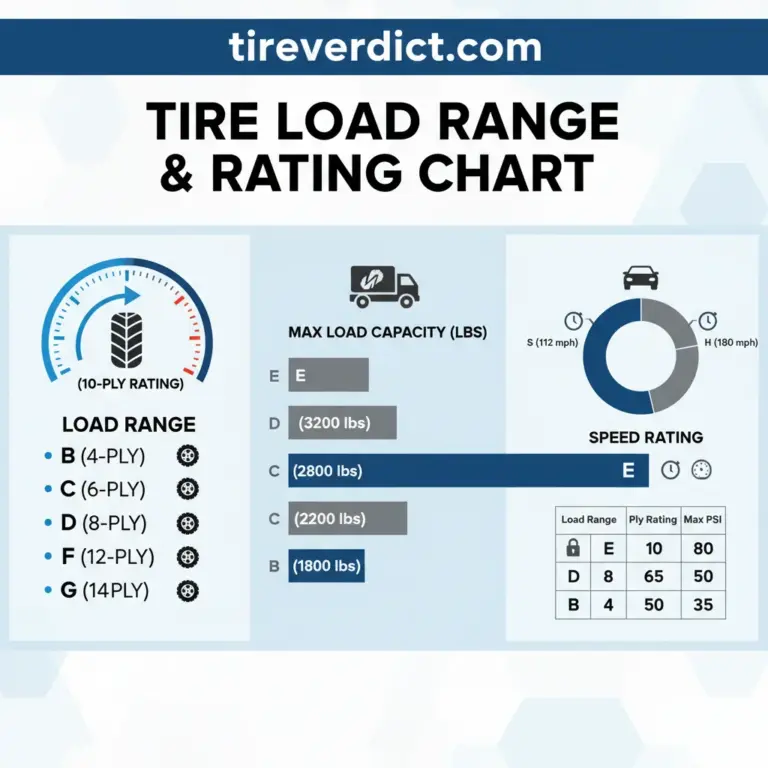
- 104 (Load Index): This two or three-digit number refers to the maximum weight the tire can support when properly inflated. A load index of 104 means the tire can carry 1984 pounds (900 kg). Never install tires with a lower load index than specified by the manufacturer for your Santa Fe.
- H (Speed Rating): This letter indicates the maximum safe speed for the tire under optimal conditions. An H speed rating signifies a maximum speed of 130 mph (210 km/h). It is crucial never to exceed your tire’s speed rating or install tires with a lower rating than OE specifications.
The Vehicle Placard: Your Ultimate Reference
While the sidewall provides tire-specific data, the vehicle’s tire and loading information placard is your go-to source for the recommended tire size and cold tire inflation pressure for your specific 2020 Santa Fe. This placard is typically located on the driver’s side door jamb, inside the glove box, or occasionally on the fuel filler door. It will clearly state the OE tire size and the recommended PSI (pounds per square inch) for both front and rear tires, often around 33 PSI cold for the Santa Fe, varying slightly by load and trim. Always consult this placard before checking or adjusting tire pressure.
Other Important Sidewall Markings
- DOT Code: This identifies the manufacturer, plant, size, and date of manufacture (e.g., 3619 would mean the 36th week of 2019). Tires older than 6 years should be inspected, regardless of tread.
- UTQG Ratings (Uniform Tire Quality Grading):
- Treadwear: A relative wear rate (e.g., 600 will last longer than 300).
- Traction: Rates a tire’s ability to stop on wet pavement (AA, A, B, C – AA is best).
- Temperature: Rates a tire’s resistance to heat buildup (A, B, C – A is best).
Always double-check both your tire’s sidewall and your Santa Fe’s door jamb placard. The placard is the authoritative source for your specific vehicle’s recommended tire size and pressure, which can sometimes vary even within the same trim due to optional packages.

Selecting and Maintaining Optimal Replacement Tires for Your 2020 Hyundai Santa Fe
Selecting the correct replacement tires for your 2020 Hyundai Santa Fe is one of the most impactful decisions you can make for your vehicle’s safety, performance, and longevity. Having spent years guiding clients through this process, I advocate for a balanced approach that considers both original equipment specifications and individual driving habits. Post-purchase, consistent maintenance is paramount to maximizing your investment.
Criteria for Selecting Replacement Tires
The primary goal is to match OE specifications for size, load index, and speed rating. This ensures your Santa Fe retains its factory-engineered handling characteristics, braking performance, and speedometer accuracy. Beyond that, consider your typical driving conditions:
- All-Season Tires: These are the most common choice, offering a versatile blend of performance in various conditions – dry, wet, and light snow. They are suitable for most climates where extreme winter conditions are not prevalent. Reputable brands like Michelin Defender LTX M/S, Goodyear Assurance MaxLife, or Continental CrossContact LX25 are excellent, high-quality options known for their reliability and longevity.
- Performance All-Season Tires: If your 2020 Santa Fe is one of the higher trims and you appreciate more responsive handling, these tires offer better grip and cornering stability, often at the expense of some ride comfort and potentially winter traction.
- Winter Tires: For drivers in colder climates with consistent snow and ice, investing in a dedicated set of winter tires is a critical safety upgrade. Tires like the Bridgestone Blizzak WS90 or Michelin X-Ice Snow dramatically improve traction, braking, and control below 45°F (7°C), where all-season compounds harden. This is a professional recommendation that can significantly improve safety.
Critical Tire Maintenance Practices
Once you’ve selected your tires, ongoing maintenance is vital for maximizing their lifespan and ensuring your Santa Fe operates optimally. Industry research indicates that improper maintenance is a leading cause of premature tire wear and compromised vehicle dynamics.
- Tire Rotation: Regular rotation, typically every 5,000-7,500 miles, ensures even wear across all four tires, extending their overall lifespan. Follow the pattern recommended in your Santa Fe’s owner’s manual.
- Wheel Balancing: Tires should be balanced when installed and re-checked if you notice vibrations. Proper balancing prevents uneven wear and ensures a smooth ride.
- Wheel Alignment: Misalignment can cause rapid and uneven tire wear and affect steering. Have your Santa Fe’s alignment checked annually or after any significant suspension work or impact.
Monitoring Tread Depth and Tire Pressure
These two factors are fundamental to safety:
- Tread Depth: Regularly check your tread depth using a tread depth gauge or the traditional penny test. While new tires typically have 10/32″ to 12/32″ of tread, the industry recommendation for minimum safe tread depth is 2/32 inch. At this point, wet traction is significantly compromised, and replacement is imperative.
- Tire Pressure: Correct tire pressure is perhaps the most overlooked maintenance item. Check pressure monthly, or more frequently with significant temperature changes, always when tires are cold. The TPMS (Tire Pressure Monitoring System) in your Santa Fe provides an alert, but it’s not a substitute for manual checks. Properly inflated tires improve fuel efficiency, handling, and prevent premature wear, with under-inflation being a major cause of tire failure.
Never mix different tire sizes or types on your 2020 Hyundai Santa Fe unless explicitly specified by the manufacturer. Doing so can confuse the vehicle’s AWD system (if equipped), ABS, and stability control, leading to unpredictable handling and potential mechanical damage.
Addressing Common Tire Fitment Questions and Upgrade Considerations for the 2020 Santa Fe
Many 2020 Hyundai Santa Fe owners contemplate altering their tire and wheel setup for aesthetic reasons or perceived performance gains. While some modifications are feasible, it’s crucial to understand the engineering implications. As a seasoned expert, I always advise caution, as improper fitment can lead to significant issues, from minor annoyances to serious safety concerns.
Implications of Upsizing or Downsizing Tires and Wheels
Modifying wheel diameter or tire profile can have several consequences:
- Speedometer Accuracy: Changing the overall tire diameter (the combined height of the wheel and tire) directly affects your speedometer and odometer readings. If the new overall diameter is larger, your speedometer will read slower than your actual speed, and vice-versa. A common mistake is installing tires with a significantly larger overall diameter, which can cause the speedometer to under-report speed by up to 5% at highway velocities, leading to unintended speeding tickets or unsafe driving.
- Fender Clearance: Larger tires or wheels with an aggressive offset can rub against fender liners, suspension components, or even bodywork, especially during turns or when the suspension compresses. This creates wear and can be a safety hazard.
- Suspension Geometry: Changes in wheel offset and tire width can alter scrub radius and steering axis inclination, impacting steering feel, stability, and potentially accelerating wear on wheel bearings and suspension components.
- Ride Comfort & Handling: Larger wheels often mean lower-profile tires, which can provide sharper steering response but typically result in a firmer, less comfortable ride as there’s less sidewall to absorb road imperfections.
Maintaining Correct Overall Tire Diameter
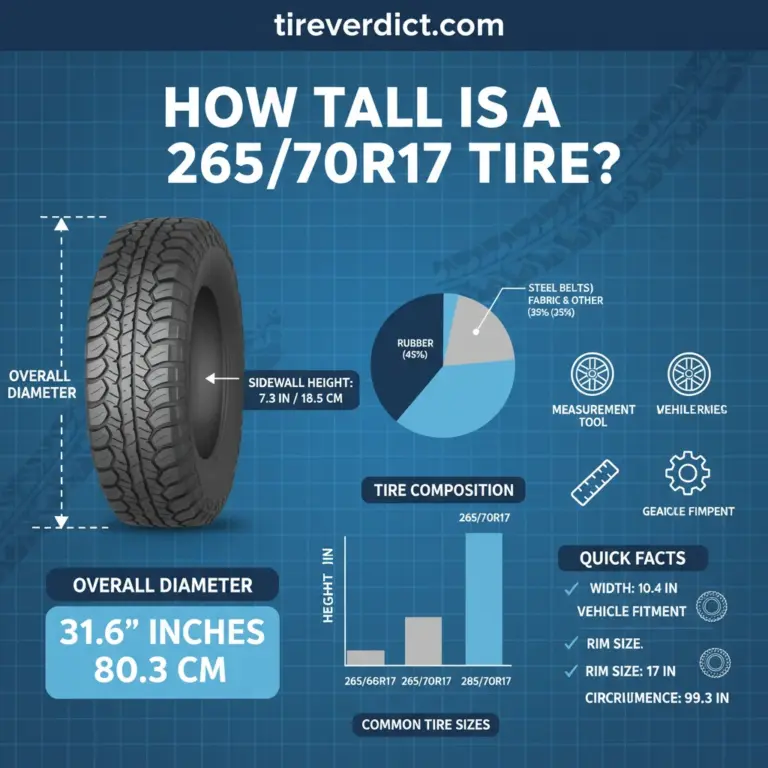
When considering a wheel size change, the goal is to keep the overall tire diameter as close as possible to the OE specification to mitigate speedometer errors and preserve vehicle dynamics. This is often achieved by adjusting the tire’s aspect ratio. For instance, if you move from 17-inch to 18-inch wheels, you’ll need a tire with a lower aspect ratio to compensate for the larger wheel diameter. The formula for calculating overall tire diameter is: (Tire Width Aspect Ratio 2 / 25.4) + Wheel Diameter. For a 235/65R17, this equates to approximately (235 0.65 * 2 / 25.4) + 17 = 29.05 inches. The acceptable speedometer error is generally considered to be less than 3%.
Troubleshooting Common Issues
Improper tire installation or selection can manifest in several ways:
- Rubbing: Indicated by scraping sounds during turns or over bumps, often caused by oversized tires or incorrect wheel offset. For example, a non-OEM wheel offset might cause the tire shoulder to contact the inner fender well.
- Vibration: Can stem from unbalanced tires, bent wheels, or tires that are out of round. Persistent vibration impacts comfort and can stress suspension components.
- TPMS Sensor Malfunctions: Swapping wheels often requires new TPMS sensors or recalibration. Incorrectly installed or incompatible sensors can trigger warning lights.
- Compromised Handling: Tires with inadequate load ratings or vastly different characteristics than OE can lead to spongy steering, reduced braking effectiveness, or instability, particularly when towing or carrying heavy loads.
Matching Load Index and Speed Rating for Aftermarket Tires
When upgrading or replacing tires, it is non-negotiable to match or exceed the OE load index and speed rating. This is especially critical if your 2020 Santa Fe is regularly used for towing or if you tend to carry heavy loads. Lower-rated tires can overheat, fail prematurely, and are a significant safety risk. Always prioritize safety over aesthetic or cost-saving compromises. Consulting a professional tire technician with experience in Hyundai vehicles is always recommended for any significant modifications.
✅ Pros of Thoughtful Upgrades
- Improved aesthetics and vehicle stance
- Enhanced dry handling and cornering grip (with performance tires)
- Customization for specific driving needs (e.g., dedicated off-road tires)
❌ Cons of Improper Upgrades
- Compromised safety and handling
- Premature wear on suspension components
- Speedometer and odometer inaccuracies
- Potential warranty invalidation
Conclusion
Navigating the world of tire sizes for your 2020 Hyundai Santa Fe doesn’t have to be daunting. By following this expert guide, you’re now equipped with the essential knowledge to make informed decisions. Remember these key points:
- Always verify tire size using your 2020 Santa Fe’s door jamb placard or owner’s manual for precise OE specifications.
- Understand load index and speed rating as they are fundamental for safety, vehicle capacity, and performance.
- Prioritize quality replacement tires that match OE specifications for reliability and to maintain your vehicle’s engineered dynamics.
- Consistent maintenance, including correct tire pressure, rotation, balancing, and alignment, extends tire life and ensures optimal handling and fuel efficiency.
Utilize this professional guide to confidently select and maintain the correct tires for your 2020 Hyundai Santa Fe. If you have any specialized requirements or concerns about fitment or potential upgrades, always consult with a trusted professional tire technician to ensure your safety and your vehicle’s long-term performance.
Frequently Asked Questions
What is the most common tire size for a 2020 Hyundai Santa Fe?
The most common tire sizes for the 2020 Hyundai Santa Fe vary by trim. The SE model typically uses 235/65R17, the SEL often 235/60R18, and the Limited or Ultimate trims commonly utilize 235/55R19. It is crucial to verify your specific vehicle’s placard for the exact original equipment (OE) tire size to ensure proper fitment and performance, as configurations can differ.
Can I put different size tires on my 2020 Hyundai Santa Fe?
While it is technically possible to change tire sizes, it is generally recommended to adhere to the factory specifications. Altering tire dimensions can affect speedometer accuracy, ABS/ESC system calibration, fuel economy, and potentially cause fender rubbing or premature wear. Consult with a qualified tire professional to evaluate any proposed changes and understand their implications for your 2020 Santa Fe’s handling and safety.
Where can I find the recommended tire pressure for my 2020 Santa Fe?
The recommended cold tire inflation pressure for your 2020 Hyundai Santa Fe is precisely indicated on the tire and loading information placard. This label is typically located on the driver’s side door jamb, or sometimes inside the fuel filler door. It specifies the optimal pressure for both front and rear tires, crucial for safe operation, fuel efficiency, and tire longevity.
What do the numbers ‘235/65R17’ mean for my Santa Fe’s tires?
For your 2020 Hyundai Santa Fe, ‘235’ denotes the tire’s section width in millimeters. ’65’ is the aspect ratio, indicating the tire’s sidewall height is 65% of its width. ‘R’ signifies radial construction, and ’17’ is the diameter of the wheel in inches. This complete sequence provides the essential dimensions for proper tire fitment.
How often should I rotate the tires on my 2020 Hyundai Santa Fe?
For optimal wear and extended lifespan, it is professionally recommended to rotate the tires on your 2020 Hyundai Santa Fe approximately every 5,000 to 7,500 miles, or according to your vehicle’s owner’s manual. Regular rotation helps distribute wear evenly across all four tires, mitigating irregular wear patterns and maintaining balanced handling and traction for improved reliability.