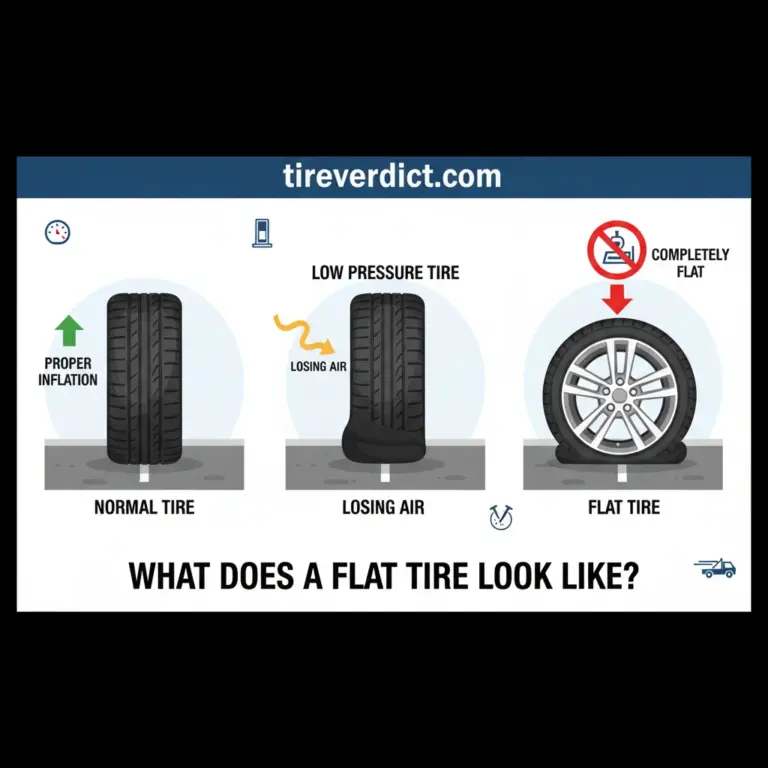
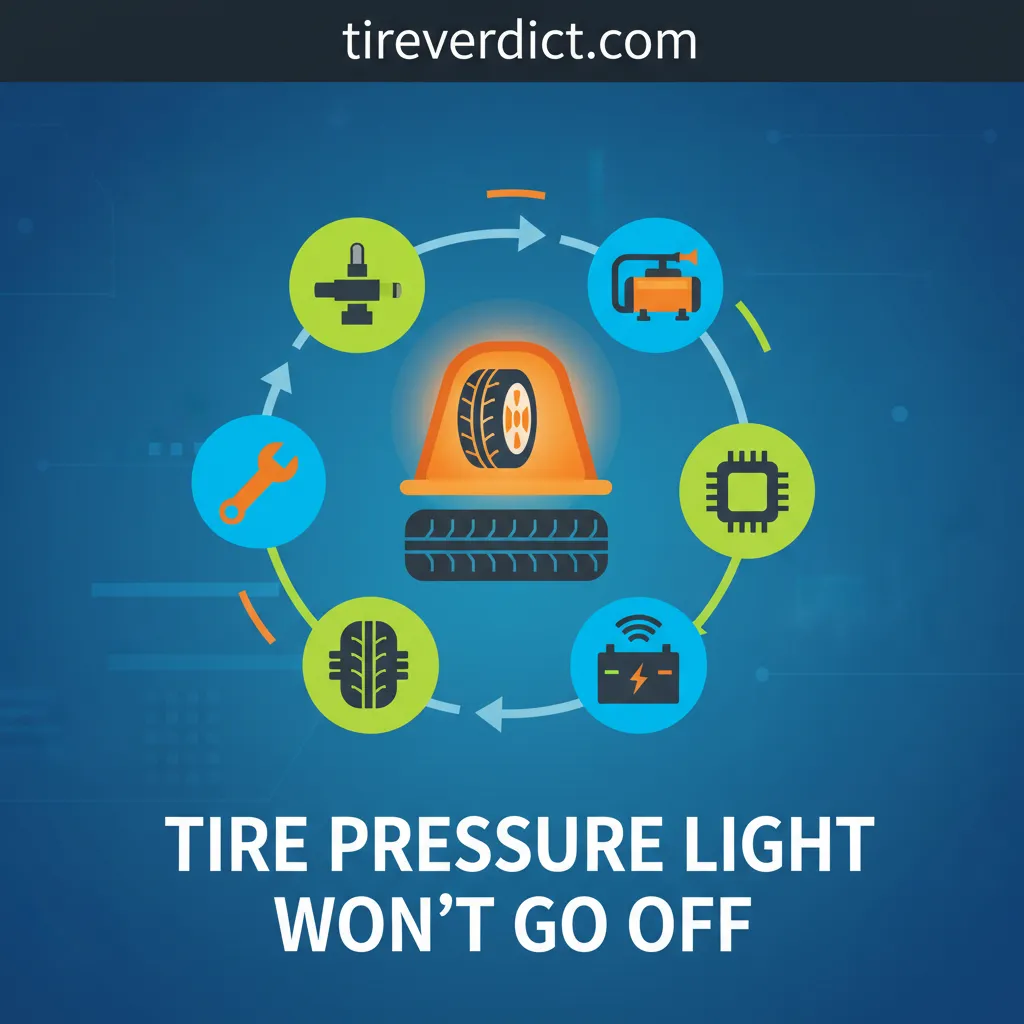
The illumination of your tire pressure warning light can be a source of immediate concern for any driver. While often a simple alert for low tire pressure, a persistent TPMS light, even after pressure adjustments, signals a more complex underlying issue. This can range from sensor malfunction to system errors, all of which compromise vehicle safety and performance. This comprehensive guide for 2026 provides expert insights and actionable strategies to diagnose, troubleshoot, and resolve why your tire pressure light won’t extinguish, ensuring your vehicle remains reliable and safe on the road.
Understanding Your Vehicle’s Tire Pressure Monitoring System (TPMS)
📤 Share Image
The Tire Pressure Monitoring System, or TPMS, is a critical safety feature mandated in most vehicles manufactured since the mid-2000s. Its primary purpose is to enhance vehicle safety and optimize fuel efficiency by alerting the driver when one or more tires are significantly under-inflated. In the United States, the TREAD Act (Transportation Recall Enhancement, Accountability and Documentation Act) made TPMS standard for all new passenger vehicles under 10,000 lbs by 2007. This regulatory push was a direct response to research indicating that under-inflated tires contributed to a significant number of accidents and fatalities annually. NHTSA estimates suggest that TPMS could prevent thousands of accidents and related injuries each year, underscoring its importance.
Direct vs. Indirect TPMS: Knowing Your System
Modern vehicles predominantly use one of two types of TPMS:
- Direct TPMS: This is the more common and generally more precise system. It utilizes individual pressure sensors, often mounted inside each tire on the valve stem, to directly measure the air pressure and temperature. These sensors wirelessly transmit data to the vehicle’s onboard computer. An example is a sensor unit that replaces the standard rubber valve stem with a metallic one, clearly visible when looking at the wheel. The advantage here is immediate, accurate, and specific pressure readings for each tire.
- Indirect TPMS: This system uses the vehicle’s Anti-lock Braking System (ABS) or wheel speed sensors to estimate tire pressure. An under-inflated tire has a slightly smaller diameter, causing it to rotate faster than a properly inflated tire. The system monitors these rotational differences. If a tire consistently spins faster, the system infers it’s under-inflated. While less expensive and requiring no sensor maintenance, indirect TPMS cannot provide exact pressure readings and typically only activates after a significant pressure drop (e.g., 25% below recommended PSI). It also requires a manual reset after tire rotation or pressure adjustment.
Dashboard Indicator Interpretation
Understanding the TPMS dashboard light is crucial for proper diagnosis:
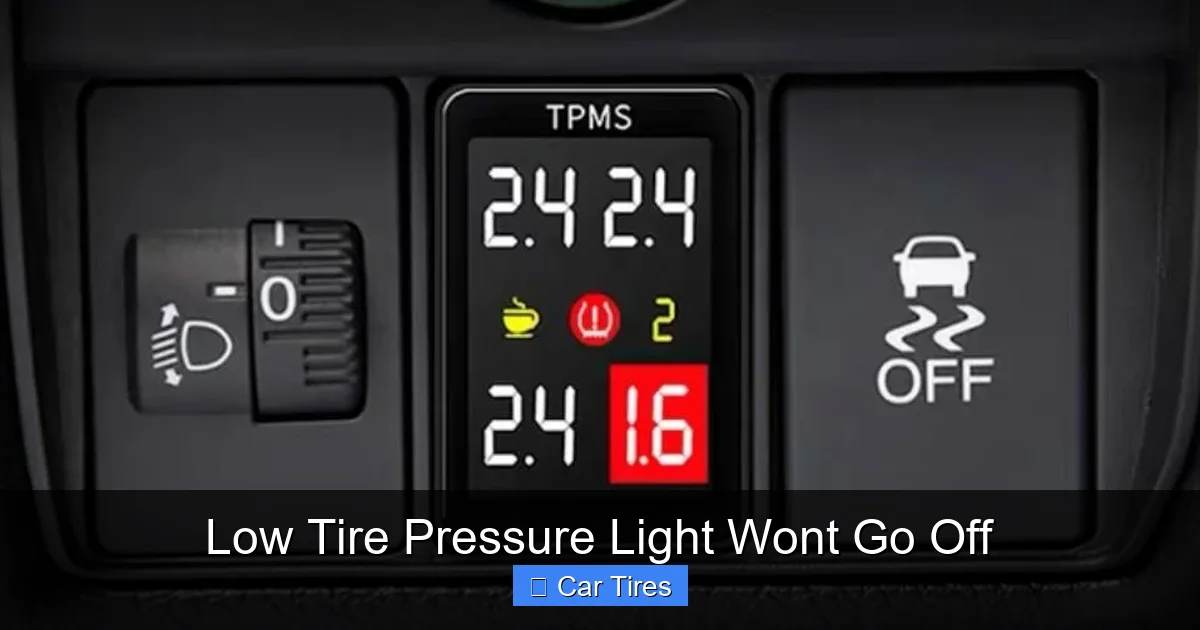
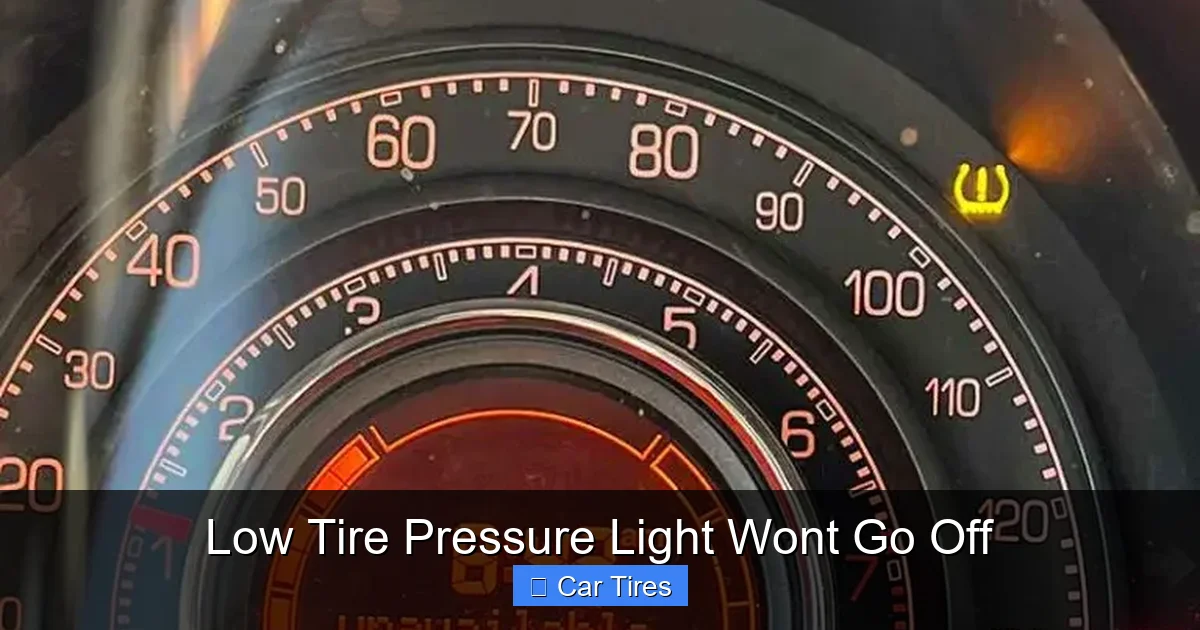
- Solid TPMS Light: A steady illumination of the TPMS symbol (often depicted as a horseshoe with an exclamation mark) typically indicates that one or more tires are significantly under-inflated, usually by 25% or more below the manufacturer’s recommended PSI. This is the most common alert.
- Flashing TPMS Light: A TPMS light that flashes for 60-90 seconds upon startup and then remains solid usually signals a system malfunction. This means the TPMS itself is not operating correctly. The vehicle’s computer might not be receiving signals from one or more sensors, or there could be an issue with the TPMS control module. This often happens if a sensor battery dies or a sensor is damaged.
Impact of Accurate Tire Pressure
Maintaining correct tire pressure is not just about silencing a warning light; it’s fundamental to vehicle performance and safety. As a seasoned industry expert with 15+ years of experience, I’ve seen countless issues stem from neglected tire pressure. Under-inflation, for instance, leads to:
- Increased Tire Wear: Uneven tread wear, especially on the outer edges, significantly reducing tire lifespan.
- Reduced Fuel Economy: Increased rolling resistance means your engine works harder, consuming more fuel. A scenario often observed is a consumer reporting reduced MPG without a clear cause, only to find significantly under-inflated tires.
- Compromised Handling and Braking: Reduced contact patch and increased sidewall flex can severely impact steering response and braking distance.
- Risk of Tire Failure: Excessive heat buildup from increased friction can lead to tread separation or a blowout.
Conversely, over-inflation also presents issues, though often less severe for safety:
- Reduced Traction: A smaller contact patch with the road.
- Harsher Ride: Less tire flex means less absorption of road imperfections.
- Premature Wear: Concentrated wear in the center of the tread.
For optimal performance and safety, always adhere to the manufacturer’s recommended tire pressure, found on a placard typically located on the driver’s side door jamb or in the owner’s manual.

What Causes Your Tire Pressure Light to Remain On? Diagnostic Pathways
When your TPMS light won’t go off, even after you’ve seemingly addressed the initial low pressure, it’s time to dig deeper. This persistence indicates a more nuanced issue within the system. As a professional, I approach this with a systematic diagnostic pathway.
Persistent Low Tire Pressure or Slow Leak
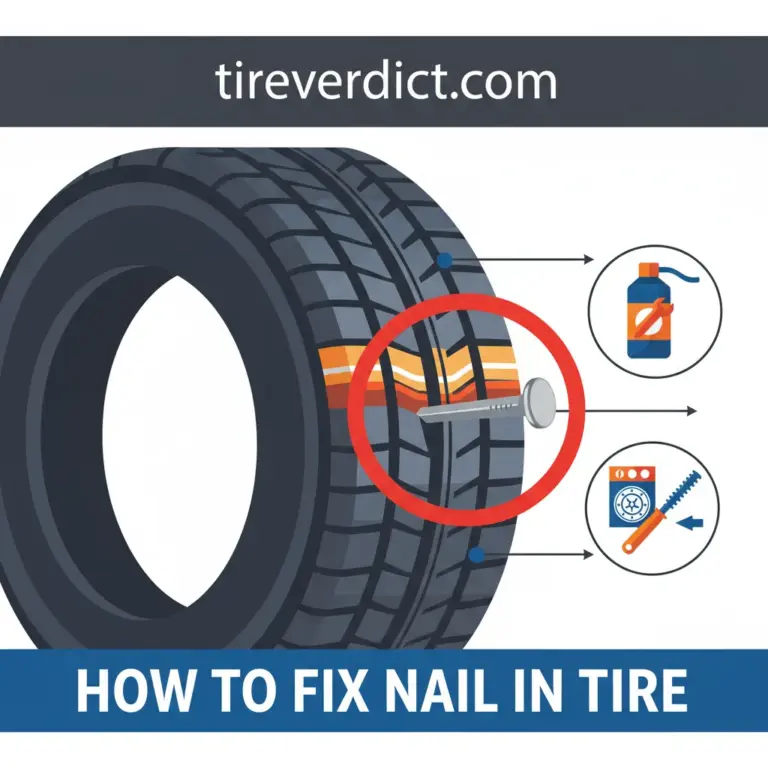
This is the most common reason for a recurring light. You might inflate your tires, and the light briefly extinguishes, only to reappear the next morning. This is often due to a slow puncture, a leaking valve stem, or a poor bead seal where the tire meets the rim. A common scenario is a driver inflating tires, and the light returns the next morning, only to find a small nail or screw embedded in the tread that’s causing a barely perceptible leak.
TPMS Sensor Malfunction or Battery Failure
Direct TPMS sensors are powered by non-rechargeable lithium-ion batteries with a finite lifespan. Research indicates that the average lifespan of a TPMS sensor battery is typically 5-10 years, though environmental factors and usage can influence this. When a sensor battery dies, it can no longer transmit data, leading to a system malfunction (flashing light followed by solid). Sensors can also fail due to physical impact (e.g., during tire changes), corrosion from road salts or moisture, or manufacturing defects. In older vehicles, it’s not uncommon to see a scan tool showing ‘N/A’ for certain wheel positions, indicating a dead or faulty sensor.
TPMS System Reset Failure
After adjusting tire pressures or rotating tires, many vehicles require a TPMS reset or relearn procedure. If this procedure is not performed correctly, or if the system encounters a glitch, the light may remain on. Some vehicles require a simple button press, others a driving cycle, and some advanced systems automatically relearn. Incorrect execution is a common pitfall.
Environmental Factors and Extreme Temperature Changes
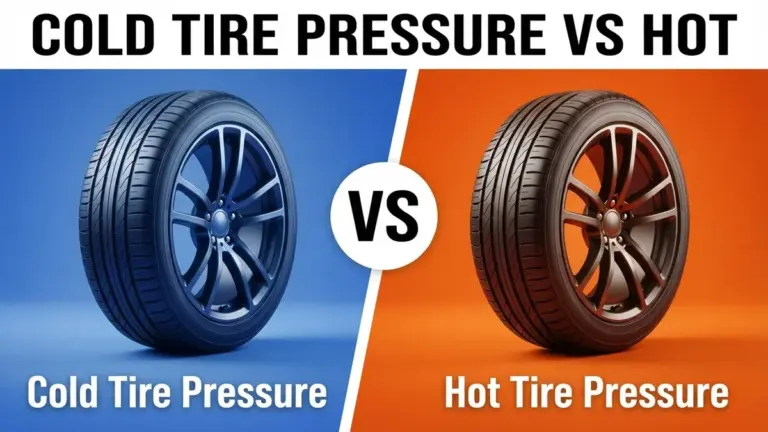
Temperature significantly affects tire pressure. Air contracts in the cold and expands in the heat. As a rule of thumb, tire pressure decreases by approximately 1-2 PSI for every 10°F (5.5°C) drop in ambient temperature. This means if you set your tire pressure in warmer weather and a sudden cold snap hits, your tires can easily drop below the TPMS threshold, triggering the light. A common occurrence is the TPMS light appearing after the first significant cold spell of the season, even if tires were recently adjusted in milder conditions.
Recent Tire Service or Wheel Change Issues
Improper handling during tire mounting, balancing, or replacement is a frequent cause of TPMS sensor damage. Sensors can be broken if not removed or reinstalled carefully, or if the tire bead is improperly seated. Furthermore, if a new sensor isn’t correctly programmed or ‘relearned’ to the vehicle’s system, it won’t communicate, keeping the light on. This highlights the importance of choosing a quality service provider for tire work.
By The Numbers
Year TPMS became standard in US
Average TPMS sensor battery life
Pressure drop per 10°F temp decrease
Minimum pressure drop for TPMS alert (typical)
Professional Steps to Address a Persistent TPMS Warning Light
Addressing a persistent TPMS light requires a structured and methodical approach. As an expert, I always recommend these steps to diagnose and rectify the issue effectively.
📋
Step-by-Step Guide
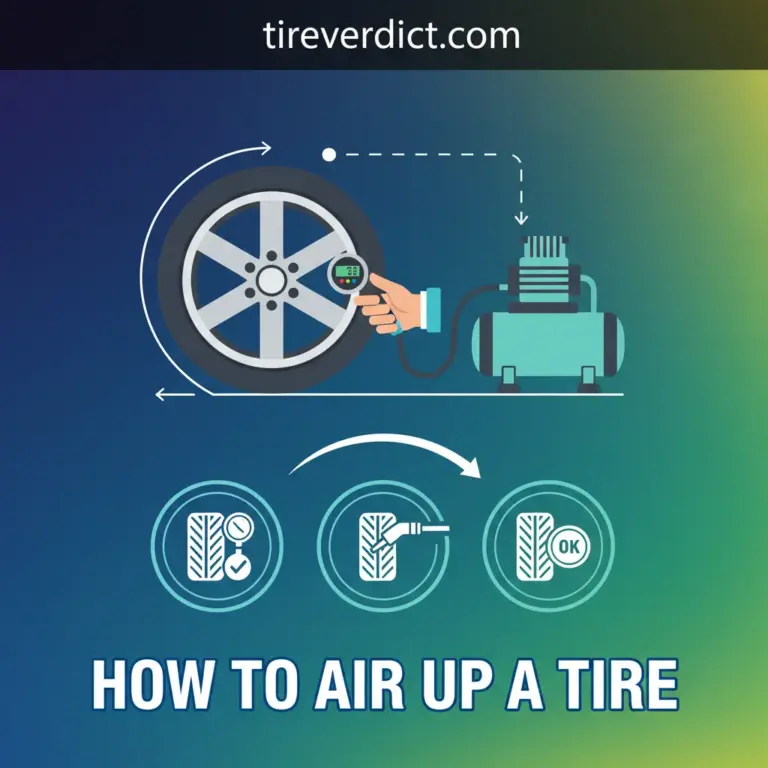
Always begin by using a trusted, high-quality pressure gauge to check the pressure of all five tires (including the spare, if your vehicle’s system monitors it). Compare these readings against the manufacturer’s recommended PSI, typically found on a sticker on the driver’s side door jamb or in the owner’s manual. Adjust each tire to the precise specification. This simple, yet critical, step eliminates false readings from faulty gauges or initial hurried checks.
After inflation, perform the vehicle-specific TPMS reset procedure. This varies significantly by make and model. Some popular vehicles, like many older Honda Civics, require a dashboard button press followed by a driving cycle. Newer models might automatically relearn after a specific driving duration (e.g., 10-20 minutes above 20 mph). Always consult your owner’s manual for the exact sequence. For example, some Ford models require a complex ignition key sequence or a dedicated TPMS tool to enter ‘relearn mode’.
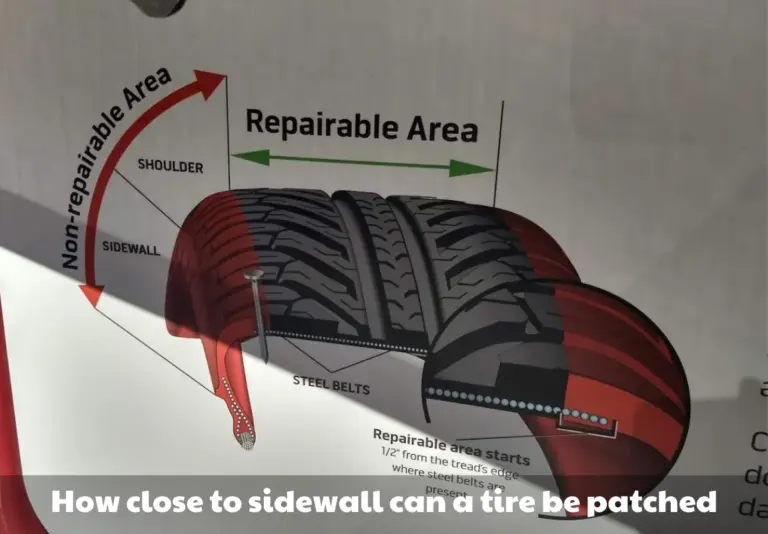
Even if the gauge reads correctly, visually inspect all tires for potential culprits. Look for embedded nails, screws, cuts, or bulges. Pay close attention to valve stems for damage or leaks (e.g., a cracked rubber stem or loose core). For subtle leaks, use a spray bottle with soapy water on the tire tread, sidewalls, and around the valve stem. Bubbles indicate an air leak. This proactive check can reveal the underlying cause of persistent pressure loss.
If the light persists after manual checks and reset attempts, the next step is utilizing a specialized OBD-II scanner with TPMS capabilities. Generic code readers typically cannot access TPMS-specific data. A professional scan tool can read individual sensor IDs, display live pressure readings, report sensor battery status, and pull specific trouble codes (DTCs) related to the TPMS module or individual sensors (e.g., C1290 for a sensor malfunction, C1294 for a low sensor battery). This provides invaluable diagnostic clarity, often pinpointing the exact faulty sensor or system component.
Once a faulty sensor or system component is identified, a qualified technician will proceed with service. This typically involves dismounting the tire, replacing the faulty sensor (average cost for a TPMS sensor replacement, including parts and labor, typically ranges from $50 to $200 per wheel, excluding the tire service), and then performing a relearn or reprogramming procedure. Specialized tools are required to remove old sensors, install new ones without damaging the tire or rim, and often to program the new sensor’s ID into the vehicle’s computer. In 2026, many sensors are now universal programmable, but still require specific tools and knowledge for proper setup and calibration.
When replacing a single TPMS sensor due to battery failure, consider the age of the other sensors. If they are all of similar age (e.g., 5-7 years old), proactive replacement of the remaining sensors during the same tire service can save you future trips and associated labor costs. This is a common practice among savvy vehicle owners and trusted service centers.
Advanced Troubleshooting: When Standard Procedures Fail to Extinguish the Light
While many TPMS issues can be resolved with the steps above, some situations require a deeper dive into the vehicle’s electrical and communication systems. These advanced problems are less common but frustratingly persistent.
Identifying TPMS Control Module Malfunctions
The TPMS control module acts as the brain of the system, receiving signals from sensors, processing data, and communicating with the vehicle’s main computer. If this module fails, the entire system can go offline. Symptoms often include a flashing TPMS light that eventually stays solid, accompanied by multiple sensor error codes (e.g., C0200, C0210) or communication errors on a diagnostic scanner. Average frequency of TPMS control module failures is relatively low compared to sensor failures, but when they do occur, they necessitate professional diagnosis and replacement, which can be a more significant expense.
Wiring Harness Issues or Corrosion
Vehicles, especially older models or those exposed to harsh climates (road salt, excessive moisture), can develop corrosion or damage in the wiring harness connecting TPMS receivers (if applicable), the control module, or even power sources. This can lead to intermittent or complete signal loss. A case study of a vehicle requiring a new TPMS control module due to internal failure found that underlying issues sometimes stemmed from persistent wiring shorts or corrosion. Diagnosing these issues requires expertise in electrical diagnostics, including continuity testing and voltage drop checks.
Interference from Aftermarket Accessories
Certain aftermarket electronic devices can, in rare instances, interfere with the radio frequencies used by direct TPMS sensors. Items like poorly installed remote starters, dashcams, or even certain GPS units can create electromagnetic interference (EMI) that disrupts sensor communication. If the TPMS light appeared shortly after an aftermarket accessory installation, temporary removal of the accessory can help rule this out. This is a nuanced issue that expert technicians often check for as a last resort.
Compatibility Issues with Replacement Sensors
While universal programmable sensors have become more sophisticated by 2026, ensuring exact compatibility remains critical. Using generic or improperly programmed replacement sensors can lead to communication failures with the vehicle’s TPMS module. The system may simply not recognize the new sensor, resulting in the light remaining on, often with a “sensor not found” or “sensor ID invalid” error. This often requires reprogramming with a specific tool or, in some cases, replacing with an OEM (Original Equipment Manufacturer) or certified equivalent sensor.
Diagnostic Software Updates or Recalibrations
Sometimes, persistent TPMS issues are rooted in software glitches within the vehicle’s computer system. Dealer-level tools often have the capability to perform software updates or specific recalibration procedures for the TPMS module. These updates can resolve known bugs or improve communication protocols, effectively extinguishing a stubborn warning light that was not caused by a hardware fault. Typical cost range for dealer-level software updates can vary from $100 to $250, depending on the vehicle and the complexity of the update.
Preventive Measures and Maintaining TPMS System Reliability
Maintaining a reliable TPMS system is a blend of proactive checks and informed service practices. As a professional, I emphasize prevention to avoid future headaches and ensure optimal safety.
Routine Tire Pressure Checks
Even with a functional TPMS, manual tire pressure checks are paramount. Tire manufacturers and safety organizations recommend checking tire pressure at least monthly, and always before long trips. This proactive measure ensures pressures are optimal and catches slow leaks before the TPMS light even activates. It’s a simple habit that significantly contributes to tire longevity and fuel efficiency.
Scheduled TPMS Sensor Inspection and Battery Replacement
Integrate TPMS sensor inspection into your regular vehicle maintenance schedule, particularly during tire rotations or replacements. Given the 5-10 year average lifespan of sensor batteries, consider proactive replacement of all sensors around the 5-7 year mark. While it might seem like an upfront cost, replacing all sensors at once during a tire change can be more cost-effective than multiple individual replacements, as the labor for tire dismounting is already being performed. The typical warranty period for new TPMS sensors is often 1-3 years, but their operational lifespan extends beyond this.
Proper Tire Service Practices
Always choose qualified tire shops and service centers that demonstrate proficiency in TPMS servicing. Ask if their technicians are trained and equipped with the specialized tools needed for TPMS sensor removal, installation, and programming. Untrained personnel can easily damage sensors during tire mounting, leading to costly replacements. A trusted facility will often have technicians with specific certifications in tire and wheel service, including TPMS.
Awareness of Environmental Impacts
Be mindful of how significant temperature fluctuations impact tire pressure. As detailed earlier, cold weather decreases pressure. Make it a habit to check and adjust tire pressures seasonally, especially when transitioning from warm to cold months, to prevent the TPMS light from needlessly illuminating.
Understanding TPMS Warranty and Service Intervals
Consult your vehicle’s owner’s manual for recommended TPMS service intervals and warranty coverage. While TPMS components are generally durable, understanding their expected service life and any applicable warranty can save you time and money when issues arise. Many manufacturers specify checks for the system at routine maintenance milestones.
For optimal long-term reliability and accurate readings, invest in a quality digital tire pressure gauge. Analog gauges can lose calibration over time, while a reliable digital gauge provides consistent, precise measurements essential for TPMS system integrity.
A persistent TPMS light indicates more than just low pressure, often signaling sensor or system malfunctions. Systematic diagnosis, from manual pressure checks to advanced scanning, is crucial for accurate problem identification. Professional intervention is frequently required for sensor replacement, system reprogramming, or complex module issues. Proactive maintenance and understanding TPMS functionality are key to preventing future warning light occurrences. For precise diagnosis and expert resolution of a persistent tire pressure light, consult with a trusted automotive service professional. Ensuring your TPMS is fully operational is paramount for your safety and vehicle longevity.
Frequently Asked Questions
Why would my tire pressure light stay on after I’ve added air?
The light often remains on due to a system that hasn’t recalibrated, a slow leak, or a faulty TPMS sensor. The system needs to register the correct pressure and sometimes requires a specific driving cycle or manual reset. A professional diagnostic tool can confirm if a sensor is malfunctioning or if there’s a persistent pressure loss not immediately apparent.
How do I reset my tire pressure light if it won’t go off?
Reset procedures vary by vehicle; consult your owner’s manual for the specific method, which may involve a button on the dashboard, a sequence of ignition cycles, or driving at a certain speed for a period. If these fail, it indicates a deeper issue than a simple reset can resolve, suggesting sensor or system fault requiring expert assessment.
Can a dead TPMS sensor battery cause the light to stay on?
Absolutely. TPMS sensors are battery-powered, and when their internal battery dies (typically after 5-10 years), the sensor stops transmitting data. The vehicle’s TPMS control module interprets this lack of signal as a fault, causing the light to illuminate, often flashing initially before remaining solid. Replacement of the faulty sensor is the usual remedy.
Is it safe to drive with the tire pressure light on?
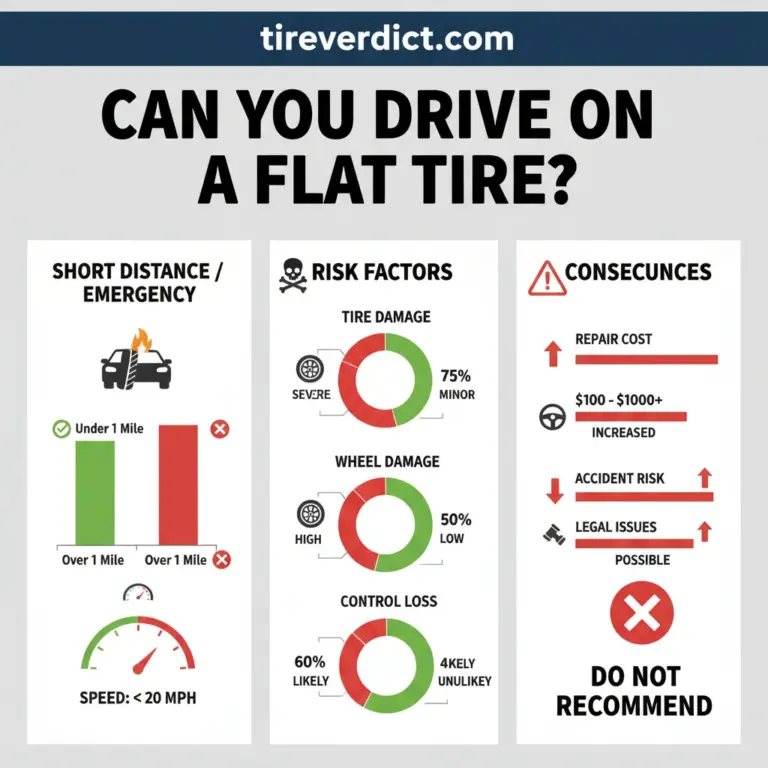
Driving with a persistent TPMS light, especially if it’s not flashing, carries inherent risks. While it might be a sensor issue, it could also indicate dangerously low tire pressure or a developing tire problem. Continued operation can lead to reduced fuel efficiency, uneven tire wear, compromised handling, or even tire blowout. Professional inspection is strongly advised.
What is the typical cost to repair a persistent TPMS light issue?
The cost varies significantly based on the root cause. If it’s a simple reset, it might be minimal. If a sensor replacement is needed, costs typically range from $150 to $300 per wheel, including parts, labor, and reprogramming. More complex issues like control module replacement or wiring repairs can be substantially higher, necessitating a professional diagnosis for an accurate estimate.