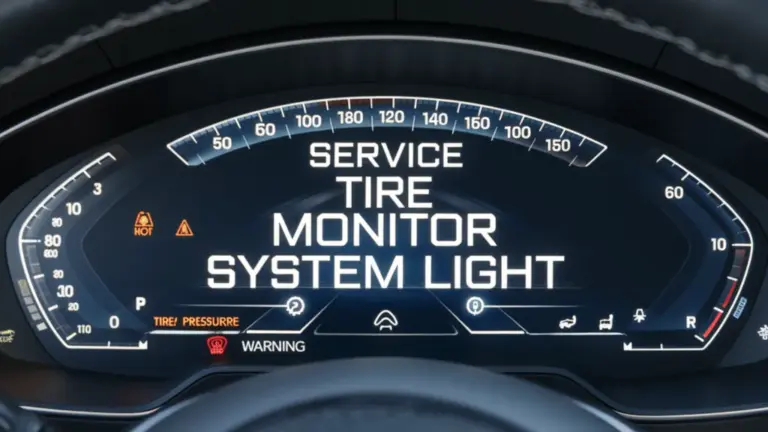
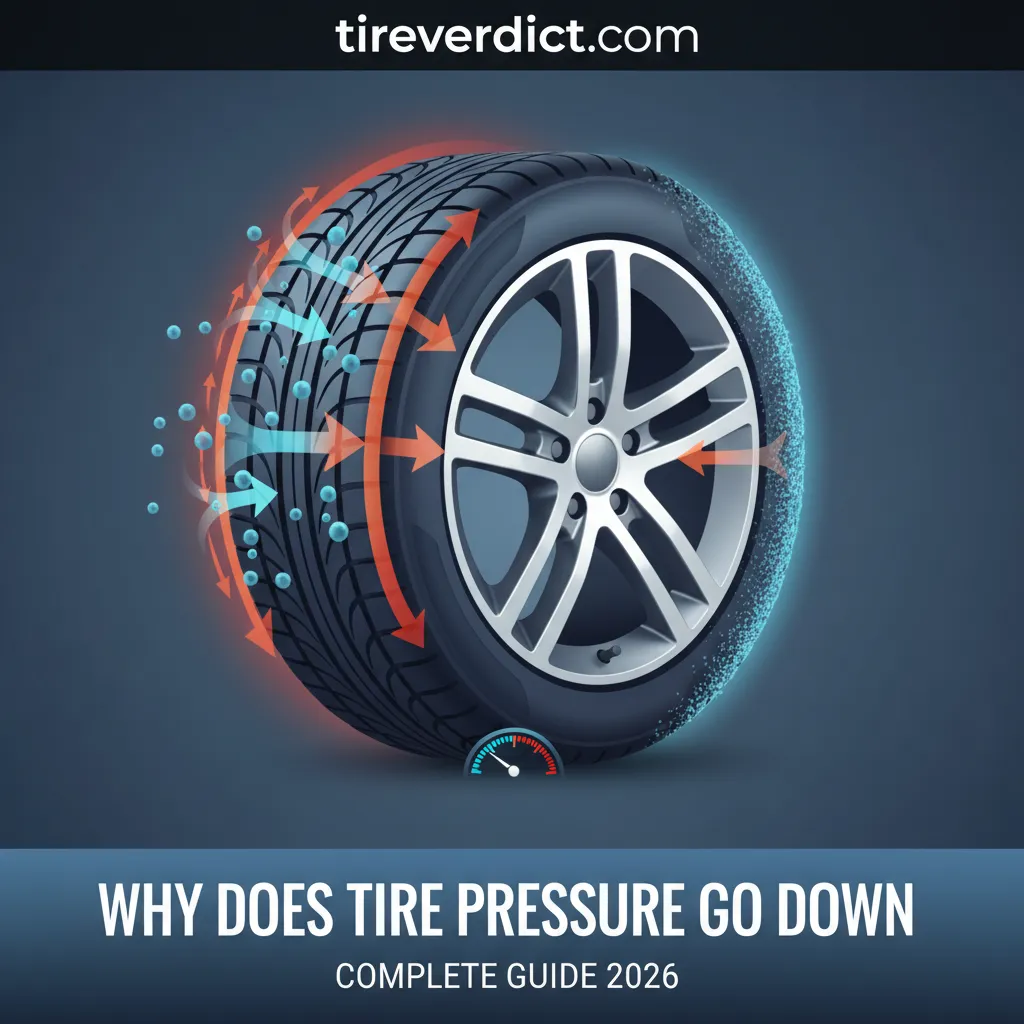
Few sensations are as disconcerting for a driver as the sudden illumination of the Tire Pressure Monitoring System (TPMS) light, or the visual confirmation of a visibly deflated tire. Beyond immediate safety concerns, a steady, unexplained drop in tire pressure can lead to reduced fuel efficiency, premature tire wear, and compromised vehicle handling. Many drivers find themselves asking: ‘Why does tire pressure go down?’ even when there’s no obvious puncture. This comprehensive guide will demystify the various reasons behind tire pressure loss – from natural phenomena to mechanical failures – and equip you with the knowledge and actionable strategies to accurately diagnose, prevent, and effectively address these common automotive challenges, ensuring optimal tire performance and safety throughout 2026 and beyond.
Understanding the Dynamics: An Overview of Tire Pressure Loss
📤 Share Image
At its core, tire pressure, typically measured in pounds per square inch (PSI) or kilopascals (kPa), is a critical component of vehicle operation, directly influencing vehicle dynamics, safety, and fuel efficiency. Optimal tire pressure ensures proper load distribution, maintains the tire’s structural integrity, and maximizes the contact patch with the road for enhanced grip and braking performance. Without the correct pressure, a tire cannot perform as designed, leading to a cascade of negative effects.
The fundamental principles governing tire pressure involve the inherent nature of pressurized air and the materials used in tire construction. Even in a perfectly sound tire, air molecules gradually escape through the rubber compound—a natural phenomenon known as permeation. This natural loss typically amounts to about 1-3 PSI per month, making a gradual pressure decrease an expected, albeit manageable, occurrence. This foundational understanding is important for any driver.
Beyond natural permeation, external factors such as ambient temperature fluctuations significantly influence internal tire pressure. As a rule of thumb, a 10-degree Fahrenheit drop in ambient temperature can reduce tire pressure by approximately 1 PSI. This is why TPMS lights often illuminate on cold mornings. It’s crucial to distinguish between this natural temperature-induced pressure change and pressure loss caused by mechanical defects or actual damage, as each requires a different approach. The basics of tire pressure maintenance are a key point for vehicle owners.
By The Numbers
Typical Monthly Natural Loss
Loss per 10°F Temp Drop
Underinflation reduces tire life by 25%
Fuel Efficiency Loss for 6 PSI Underinflation
Fact: An underinflated tire by just 6 PSI can reduce tire life by up to 25% and decrease fuel efficiency by 3%. This statistic underscores the critical importance of maintaining correct tire pressure, not just for safety, but for long-term operational costs and environmental impact. Understanding these fundamentals provides a solid introduction to why tires lose pressure.

Primary Causes: Diagnosing Why Tire Pressure Goes Down
Identifying the exact reason for tire pressure loss requires a nuanced understanding of common issues. From the unavoidable physics of air to discrete mechanical failures, a range of factors contribute to a decrease in tire pressure. This overview will explain the key points of tire pressure reduction.
Permeation (Natural Diffusion)
Even a brand-new, perfectly sealed tire will lose air over time due to permeation. The rubber compounds used in tire construction, while highly durable, are not entirely airtight at a molecular level. Air molecules are small enough to gradually migrate through the tiny spaces in the rubber. This natural diffusion is slow but constant, resulting in a typical loss of 1-3 PSI per month. This is an inherent property of all pneumatic tires and is a fundamental aspect of understanding tire pressure dynamics, explained clearly.
Temperature Fluctuations
One of the most significant external factors is ambient temperature. According to Charles’s Law, gases expand when heated and contract when cooled. For every 10°F decrease in ambient temperature, tires can lose approximately 1 PSI. Conversely, warmer temperatures will see a pressure increase. This is a common cause for TPMS warnings, particularly during seasonal changes. For instance, a vehicle parked overnight during a sharp temperature drop from 70°F to 30°F could easily see a 4 PSI reduction in its tire pressure, potentially triggering a warning light, even without a physical leak. This overview highlights the impact of environmental factors.
Valve Stem Leaks
The valve stem is the only opening in your tire, and it’s a common point of failure. Issues can range from a loose or corroded valve core, a degraded rubber seal at the base of the stem, or actual damage to the stem body itself. Over time, rubber valve stems can crack, become brittle, or even tear, especially if exposed to harsh elements or mechanical stress. A visually cracking valve stem is a clear indicator of potential failure. Data indicates that approximately 85% of slow leaks are attributed to issues with the valve stem or tire bead/rim interface.
Wheel Rim Leaks
The seal between the tire bead and the wheel rim is critical. Over time, corrosion can build up on the rim, creating microscopic pathways for air to escape. Similarly, a bent or damaged rim, improper tire mounting, or a failure of the tire sealant can compromise this seal. Even minor impacts, such as hitting a pothole, can slightly deform the rim, leading to a slow, persistent leak that is difficult to detect. This provides a deep understanding of tire integrity.
Punctures and Structural Damage
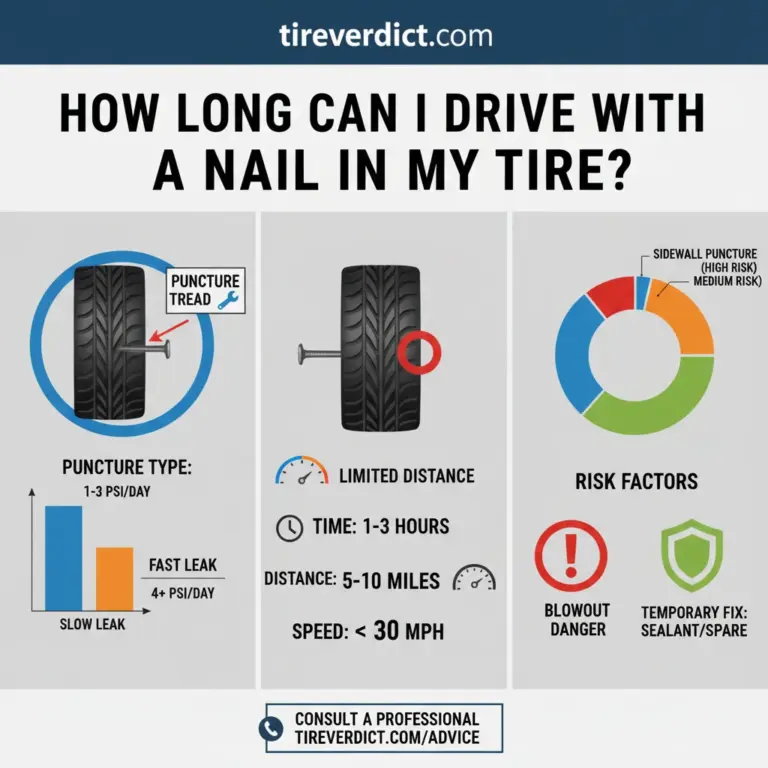
This is often the most obvious cause of pressure loss, though not always immediately visible. Foreign objects like nails, screws, or sharp debris can penetrate the tire tread, leading to either a rapid deflation or a slow leak. Sidewall damage, caused by impacts with curbs or road hazards, is particularly dangerous as it compromises the tire’s structural integrity and often necessitates immediate replacement. Less common but equally problematic are internal tire liner compromises or manufacturing defects that develop over time, leading to air escaping into the tire’s internal structure or out through the sidewall.
Key Statistics
Slow Leaks from Valve Stem/Rim
Loss for every 10°F Drop

Addressing Pressure Loss: How to Identify and Prevent Recurring Drops
Proactive maintenance is your best defense against unexpected tire pressure loss. Regular checks and informed actions can significantly extend tire life, enhance safety, and optimize fuel economy. This section provides actionable strategies for managing your tires effectively.
Regular Pressure Checks
The single most important preventative measure is to check your tire pressure regularly. Aim for at least once a month, and always before long trips. It’s crucial to check tires when they are “cold”—meaning the vehicle hasn’t been driven for at least three hours or more than a mile. Refer to your vehicle’s door jamb placard (or owner’s manual) for the manufacturer’s recommended ‘cold inflation pressure’, which may differ from the maximum pressure listed on the tire’s sidewall.

📋
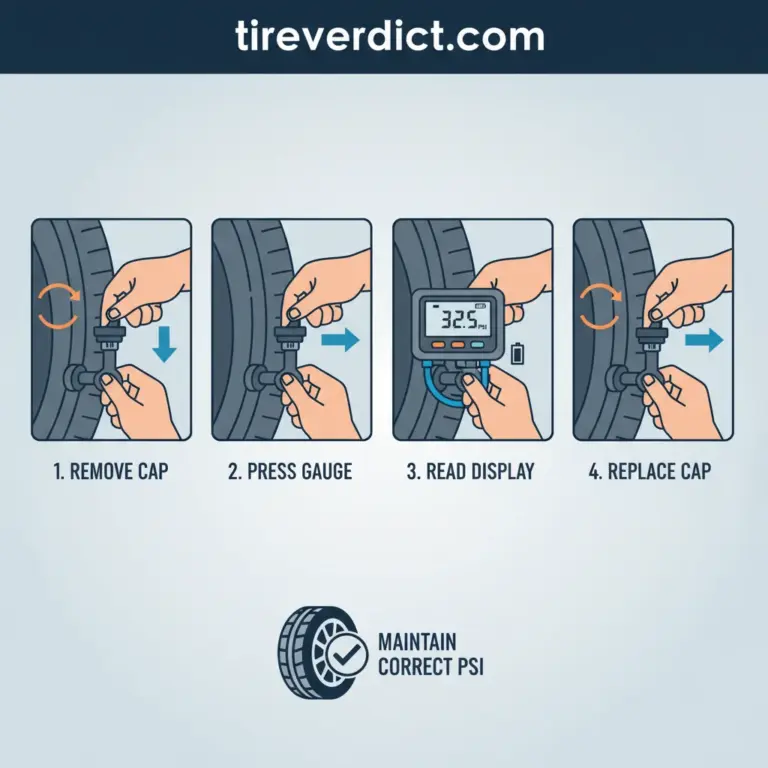
Step-by-Step Guide: Accurate Tire Pressure Check
Acquire a high-quality tire pressure gauge (digital gauges offer greater accuracy). Locate your vehicle’s recommended cold inflation pressure on the driver’s side door jamb or in the owner’s manual.
Remove the valve stem cap from one tire. Firmly press the gauge onto the valve stem. The gauge will display the pressure. For a digital gauge, it’s a simple reading. For a stick gauge, pull out the indicator rod. Repeat for all four tires, and the spare if applicable. Ensure the tires are ‘cold’ for the most accurate reading.
If the pressure is too low, add air using an air compressor until it reaches the recommended PSI. If it’s too high, gently press the pin in the center of the valve stem to release air. Re-check the pressure until it matches the specification. Replace valve stem caps securely.
Visual Inspections
Beyond pressure checks, a quick visual inspection of your tires each time you get in your vehicle can catch issues early. Look for obvious signs of damage such as bulges, cracks, embedded objects (nails, screws), or uneven wear patterns. Pay attention to the valve stems; they should appear intact and free of cracks. A tire that consistently looks ‘lower’ than the others, even after inflation, is a red flag.
Leak Detection Techniques
If you suspect a slow leak, the soap and water test is a simple yet effective method. Mix dish soap with water in a spray bottle. Inflate the suspect tire to its recommended pressure. Spray the soapy solution generously over the valve stem, around the tire bead (where the tire meets the rim), and across the tread. Bubbles forming indicate an air leak. For example, a clear, frothy bubbling coming from the base of the valve stem pinpoints a problem with the valve core or seal.
Correct Inflation Procedures
When inflating tires, always use a reputable air source. While gas station compressors are convenient, their gauges can sometimes be inaccurate. It’s always best to rely on your own calibrated gauge. Inflate in short bursts, checking the pressure frequently to avoid overinflation, which can be as detrimental as underinflation to handling and tire wear.
Tire Pressure Monitoring Systems (TPMS)
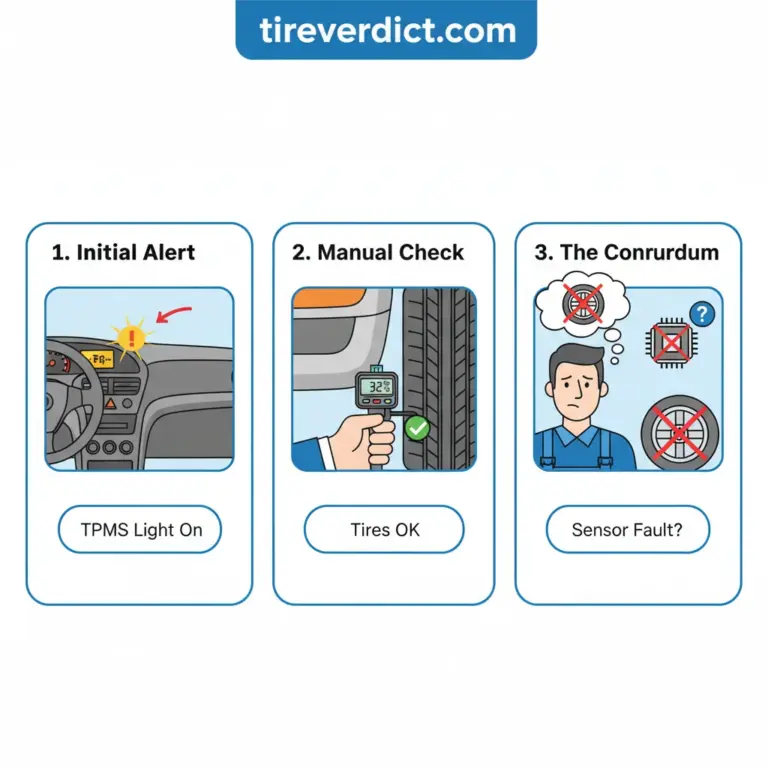
TPMS has been mandatory on all new passenger vehicles in the U.S. from 2007, providing a valuable layer of safety. These systems alert you when one or more tires are significantly underinflated. However, it’s important to understand their limitations. Fact: Many TPMS systems only alert once pressure drops 25% below the recommended level, highlighting the need for manual checks. A scenario where a TPMS light illuminates on a cold morning often indicates a temperature-related pressure drop, requiring a simple top-up rather than pointing to a major leak. Always address a TPMS warning promptly, as ignoring it compromises safety and fuel efficiency.
Consider using nitrogen instead of compressed air for tire inflation. While air is 78% nitrogen, pure nitrogen molecules are larger and escape rubber more slowly, potentially reducing natural pressure loss and requiring less frequent top-ups. This is a best practice for maintaining stable tire pressure.
What If Tire Pressure Loss Persists: Advanced Troubleshooting and Professional Intervention
When basic checks and inflation don’t resolve persistent tire pressure loss, it’s time to consider more advanced troubleshooting and, most likely, professional intervention. Automotive technicians possess specialized tools and expertise to diagnose and repair issues that are not visible to the untrained eye.
Thorough Tire and Wheel Inspection
A professional will conduct a detailed inspection, often requiring the tire to be dismounted from the wheel. This allows for a comprehensive examination of the inner liner of the tire for punctures not visible externally – a tiny embedded shard of metal, for example, might only be detectable from the inside. The wheel itself is inspected for hairline cracks, manufacturing defects, or corrosion that might be causing a subtle leak. A wheel balancer can even detect an unnoticed rim deformity that could compromise the tire bead seal.
Wheel Bead Sealing Issues
If a slow leak is traced to the tire bead, professionals employ specialized techniques. This can involve carefully cleaning the rim and tire bead surfaces to remove corrosion or debris, applying a bead sealer compound, or even re-seating the tire on the rim with higher pressure to ensure a perfect seal. These nuanced steps are often necessary to address microscopic leaks.
Valve Stem Replacement
While a loose valve core can be tightened, and a faulty core replaced, a degraded or damaged valve stem often requires full replacement. This involves dismounting the tire, pulling out the old stem, and installing a new one – a quick procedure for a professional, but one that requires specialized tools and careful handling to avoid damaging the wheel or tire.
Tire Repair vs. Replacement
Not all punctures can be repaired safely. The Tire Industry Association (TIA) provides stringent guidelines for tire repair. Punctures are generally repairable if they are within the tread area (the central portion of the tire that contacts the road), are no larger than ¼ inch in diameter, and the tire’s internal structure has not been compromised. A sidewall puncture, for instance, cannot be safely repaired due to the high stress placed on this area of the tire, necessitating full tire replacement. While a tire repair generally costs 1/10th of a new tire, emphasizing cost-effective repair when appropriate, safety must always come first.
Regulation: Tire Industry Association (TIA) guidelines specify repairable areas on a tire tread and prohibit repairs on sidewalls. Attempting to repair a tire outside of these guidelines can lead to catastrophic tire failure, posing severe safety risks. Always consult a certified tire professional for repairs.
Alignment and Suspension Checks
While not a direct cause of pressure loss, misaligned wheels or worn suspension components can lead to abnormal and uneven tire wear patterns. This uneven wear can weaken certain areas of the tire, making it more susceptible to damage and micro-leaks over time. A professional assessment can identify these underlying issues and correct them, preventing future tire problems and ensuring an important aspect of vehicle longevity.
In summary, tire pressure reduction is a multifaceted issue influenced by natural permeation, temperature, and specific mechanical faults. Proactive measures such as regular checks and visual inspections are paramount for early detection and mitigation. Understanding the causes and implementing preventative maintenance significantly extends tire longevity, enhances safety, and optimizes fuel economy. Prioritize regular tire pressure maintenance as a critical aspect of vehicle care. Implement a monthly pressure check routine and consult a certified technician promptly if persistent or unexplained pressure loss occurs, ensuring your vehicle remains safe and efficient on the road.
Frequently Asked Questions
How much tire pressure loss is normal per month?
Under normal conditions, tires can naturally lose 1 to 3 PSI of pressure per month due to air permeating through the rubber. This rate can increase with factors like ambient temperature changes, specific tire constructions, and minor, undetectable leaks. Regular monitoring is essential to differentiate between natural loss and a developing issue.
Does cold weather cause tire pressure to go down?
Yes, cold weather significantly causes tire pressure to drop. For every 10-degree Fahrenheit decrease in ambient temperature, tire pressure can fall by approximately 1 PSI. This is due to the air molecules inside the tire contracting in colder conditions, reducing the overall pressure. It’s crucial to check and adjust tire pressure as seasons change.
Can a bad valve stem cause slow tire pressure loss?
Absolutely. A deteriorating or damaged valve stem is a very common cause of slow tire pressure loss. Over time, the rubber seals can crack, the valve core can loosen, or the stem itself can corrode, creating a pathway for air to escape. Professional replacement of a faulty valve stem is generally required to resolve this issue.
Why do my tires keep losing air even after getting them patched?
If tires continue to lose air after a patch, several issues could be at play. The original repair might not have been performed correctly (e.g., improper sealing, patch not fully adhering), or there could be a new, separate leak elsewhere on the tire, the wheel rim, or the valve stem. A comprehensive re-inspection by a professional is necessary.
Is it safe to drive with low tire pressure?
No, it is generally not safe to drive with significantly low tire pressure. Underinflated tires can lead to increased rolling resistance, reduced fuel economy, excessive heat buildup (which can cause tire failure), compromised handling, and longer braking distances. It is imperative to inflate tires to the manufacturer’s recommended PSI before driving.