For owners of heavy-duty trucks, SUVs, or those frequently towing, understanding tire specifications like ‘Load Range E’ is not just technical jargon—it’s critical for safety and performance. Many drivers are confused by tire sidewall markings, particularly load range classifications, leading to potential misapplication of tires that can compromise vehicle handling, safety, and tire longevity, especially when dealing with heavy loads. This article will demystify Load Range E, explaining its precise meaning, characteristics, applications, and how to properly select and maintain these essential tires, empowering you to make informed decisions for your heavy-duty needs, with insights relevant through 2026 and beyond.
Decoding Tire Load Ranges: An Overview of Industry Standards
📤 Share Image
In the world of vehicle dynamics and safety, understanding tire specifications is paramount. Among these, load ranges stand out as a critical indicator of a tire’s ability to support weight. Simply put, a tire’s load range specifies the maximum weight it can safely carry at a particular inflation pressure. This understanding is directly tied to a vehicle’s Gross Vehicle Weight Rating (GVWR) and Gross Axle Weight Rating (GAWR), ensuring that the tires can handle the vehicle’s total weight, including passengers, cargo, and any towed loads, without failure.
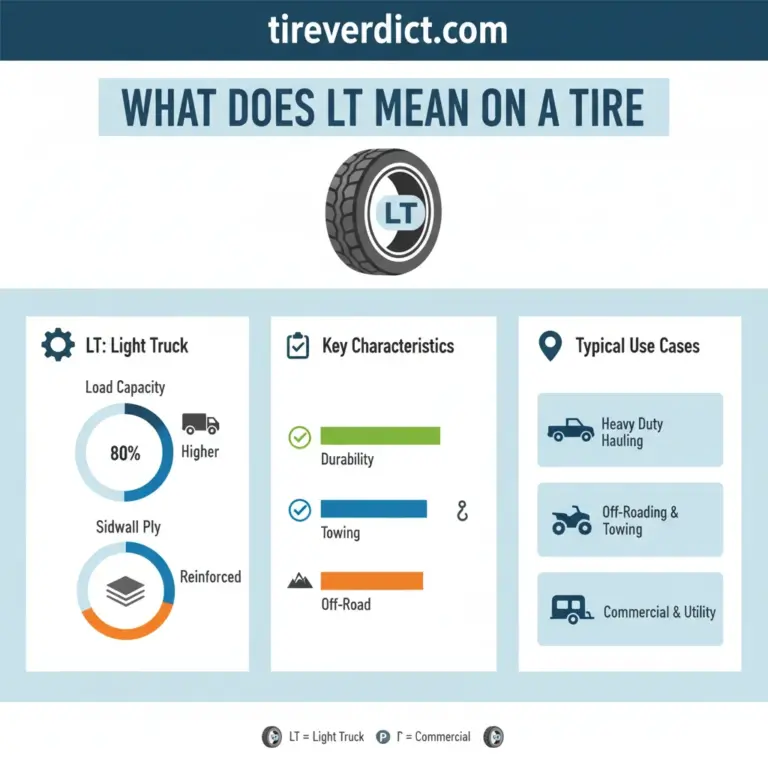
The industry employs a standardized alphanumeric system for tire load ranges, primarily for Light Truck (LT) tires: B, C, D, E, F, and even higher for specialized applications. This system evolved from an older, more direct measurement known as ply rating. Historically, bias-ply tires were manufactured with layers (plies) of fabric, and a ‘4-ply’ or ‘6-ply’ rating directly indicated the number of material layers in the tire’s construction. As tire technology advanced, particularly with the advent of radial tires, the actual number of plies no longer correlated directly with strength. Modern radial tires use fewer but stronger plies, often incorporating steel belts, to achieve superior strength and durability. Consequently, the term “ply rating” transitioned to “ply equivalent,” signifying the tire’s strength and load-carrying capacity relative to the older bias-ply standards, rather than the literal ply count.
For instance, a standard passenger car tire (often designated SL for Standard Load) might be designed for a maximum inflation pressure of 35-44 PSI, whereas a Light Truck (LT) tire with a higher load range will accommodate significantly more pressure and, therefore, more weight. Organizations like the Tire and Rim Association (TRA) in North America and the European Tyre and Rim Technical Organisation (ETRTO) establish these crucial standards, ensuring consistency and safety across the tire manufacturing industry. Matching the tire’s load range to the vehicle’s GVWR and GAWR is not merely a recommendation; it’s a fundamental safety requirement. Using tires with an insufficient load range can lead to tire failure, loss of control, and catastrophic accidents, especially when the vehicle is at its maximum rated capacity.

What Exactly Is Load Range E on a Tire? Definition and Characteristics
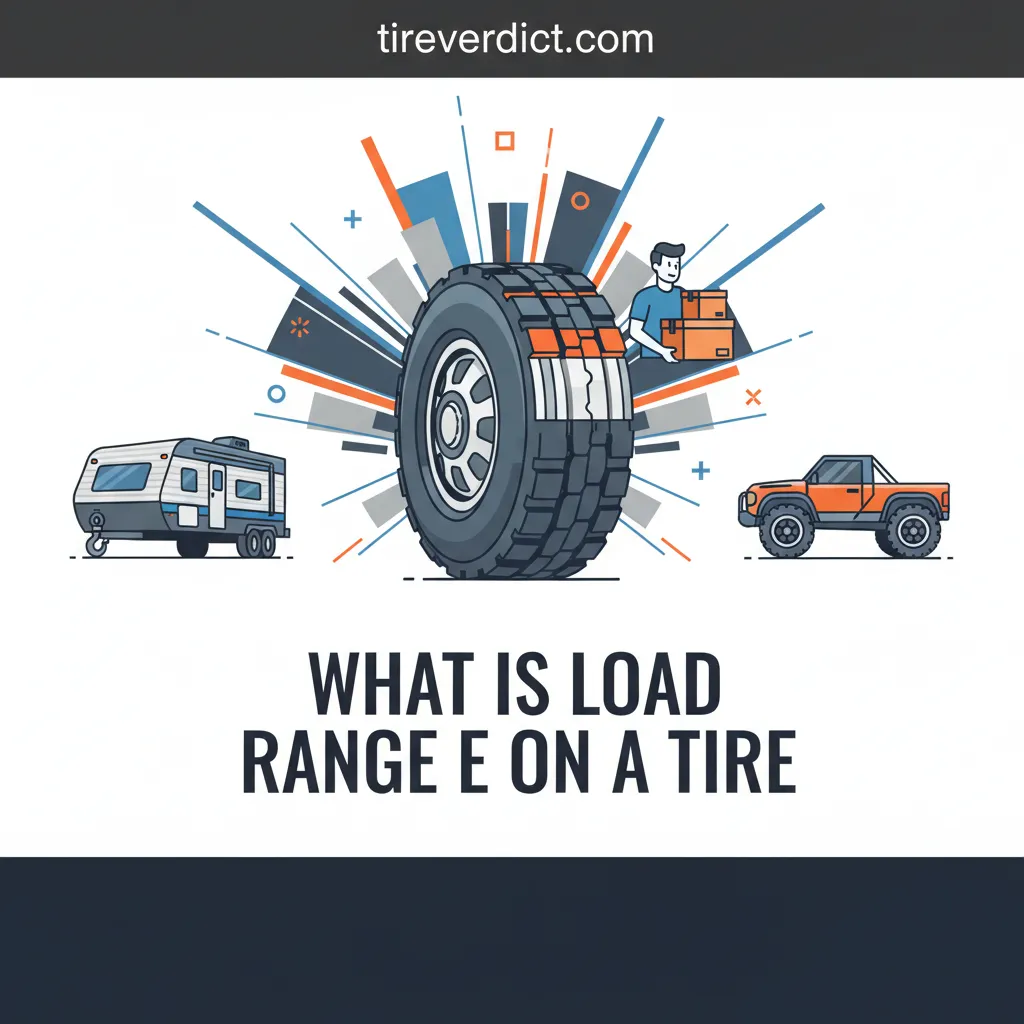
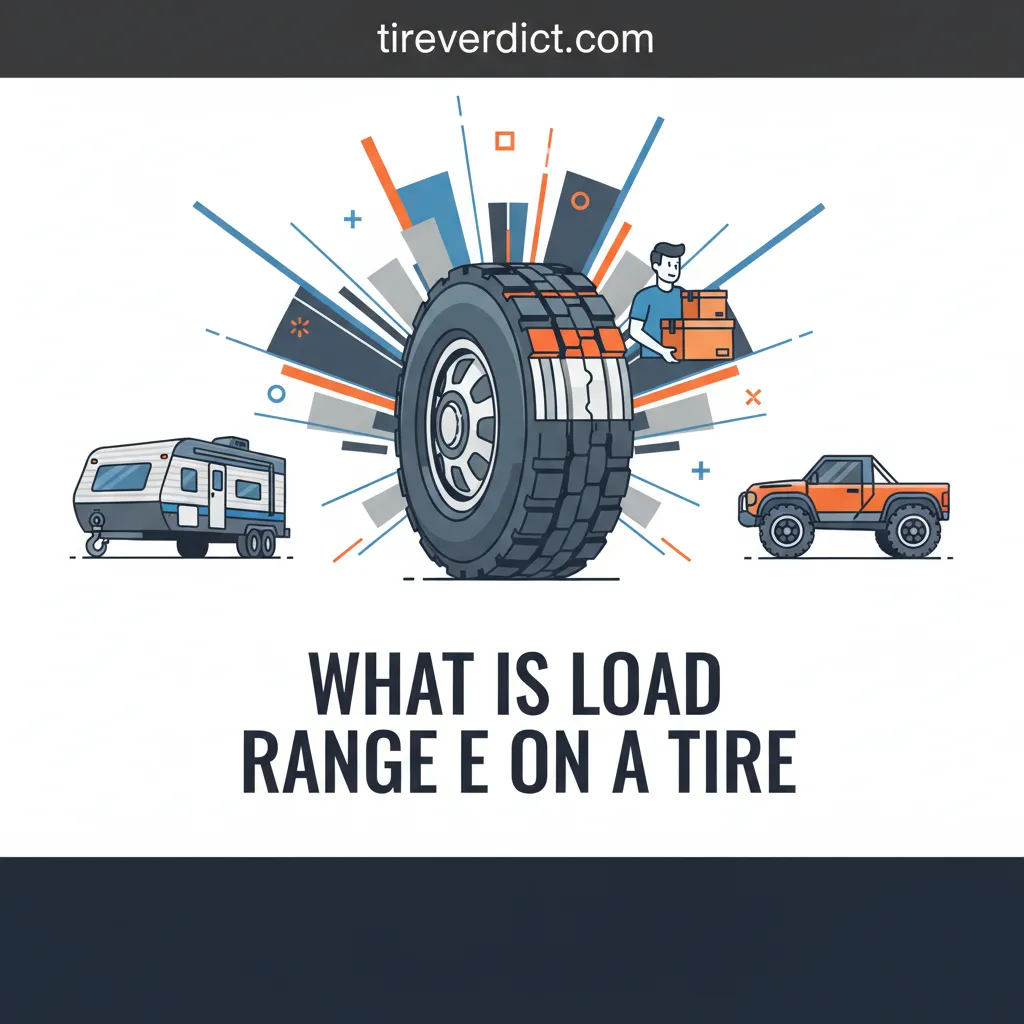
Load Range E represents a specific classification within the light truck tire segment, signifying a tire engineered for substantial load-carrying capabilities. Formally, a tire marked with Load Range E is considered heavy-duty and is equivalent to a 10-ply rating. This designation doesn’t mean the tire literally has ten plies; rather, it indicates its strength and weight capacity are comparable to a historical 10-ply bias-ply tire. This makes it a crucial component for vehicles regularly subjected to demanding conditions.
One of the most defining characteristics of Load Range E tires is their maximum permissible cold inflation pressure, which is typically 80 PSI for LT (Light Truck) tires. This high inflation pressure directly translates to a greater load-carrying capacity. To withstand such pressures and the stresses of heavy loads, Load Range E tires feature a robust internal construction. This often includes stronger sidewalls, multiple layers of high-strength steel belts, and specialized body plies, all designed for increased durability, resistance to punctures, and improved heat dissipation under prolonged heavy use. Research indicates that the advanced composite materials used in these tires significantly contribute to their structural integrity, far surpassing the capabilities of standard passenger tires.
To illustrate the significant increase in weight support, consider this: while a Load Range C tire (6-ply equivalent) might support around 2,000-2,200 lbs per tire at 50 PSI, and a Load Range D tire (8-ply equivalent) around 2,500-2,700 lbs at 65 PSI, a common LT265/70R17 E tire can handle approximately 3,195 lbs per tire in a single configuration, or 2,910 lbs per tire in a dual configuration, when inflated to its maximum 80 PSI cold pressure. This substantial difference is why vehicles like a Ford F-250, especially when towing heavy fifth-wheel campers or utility trailers, mandate Load Range E tires. In contrast, a Ford F-150, depending on its specific configuration and intended use, might be sufficiently equipped with Load Range C or D tires.
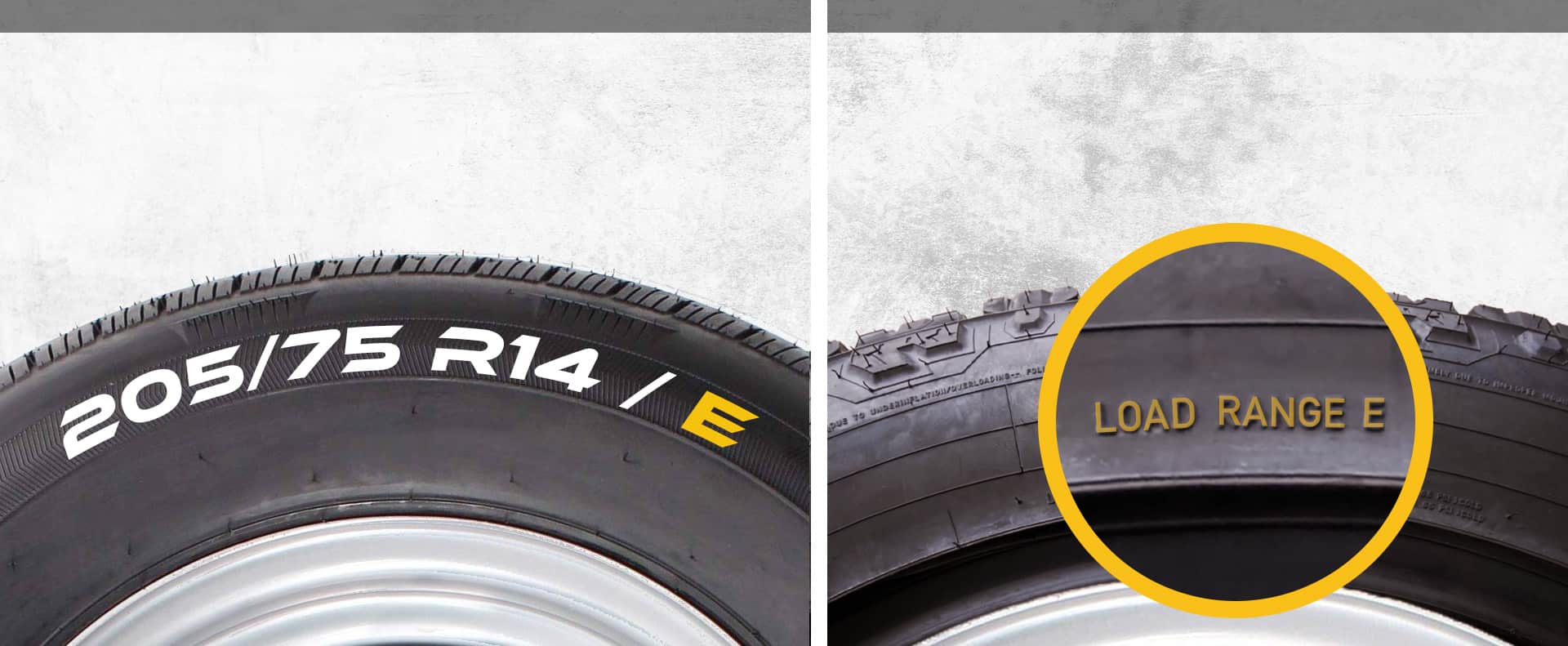
The “E” in the tire size designation, such as LT265/70R17 E, explicitly indicates its Load Range, providing clear guidance to consumers and technicians alike. This overview highlights the fundamental differences, reinforcing why Load Range E is synonymous with heavy-duty performance and reliability.
By The Numbers
Load Range Designation
Ply Rating Equivalent
Max Cold Inflation Pressure
Typical Single Tire Capacity (at 80 PSI)
Applications and Performance: Where Load Range E Tires Excel
Load Range E tires are not merely an option; they are a necessity for specific vehicle types and demanding applications where lesser-rated tires would quickly fail or compromise safety. These tires excel particularly on vehicles designed to carry significant weight or tow substantial loads. This includes 3/4-ton and 1-ton pickup trucks such as the Ram 2500, Chevrolet Silverado 3500, and Ford F-350, as well as many heavy-duty SUVs and certain commercial vehicles like utility vans or flatbed trucks. If your truck came from the factory with Load Range E tires, it’s because the manufacturer determined they are essential for its designed capabilities.
The performance advantages of Load Range E tires are most evident in towing and hauling scenarios. Their robust construction and ability to maintain higher inflation pressures translate into superior stability, significantly reduced sway, and a much safer operation when pulling heavy loads like large fifth-wheel campers, substantial utility trailers carrying equipment, or car haulers. Under such stress, the stiff sidewalls and strong belts of Load Range E tires resist deflection, maintaining a more consistent contact patch with the road. This directly impacts critical aspects like braking distance and vehicle handling, preventing the spongy, unstable feeling often associated with overloaded or under-specced tires.
Beyond load support, Load Range E tires offer increased durability and resistance to wear and tear. Their heavy-duty construction makes them more resilient against punctures from road debris, impacts from potholes, and the abrasive forces encountered in construction sites or off-road conditions. For commercial operators or individuals who frequently drive on challenging surfaces, this enhanced ruggedness translates to fewer tire failures and longer service life. However, it’s important to acknowledge a potential trade-off: when unloaded, the stiffer construction and higher required inflation pressures of Load Range E tires can result in a firmer or harsher ride quality compared to vehicles equipped with standard load or lighter LT tires. This is a common pitfall if not anticipated, but for most heavy-duty vehicle owners, the safety and performance benefits under load far outweigh this characteristic.
Superior Load Capacity
Safely supports substantial payloads and tow weights, preventing tire failure.
Enhanced Stability & Handling
Minimizes vehicle sway and improves control, especially when heavily loaded.
Increased Durability
Stronger construction resists punctures and damage, extending tire life in tough conditions.
Better Heat Dissipation
Engineered to manage heat generated under continuous heavy loads, reducing risk of failure.

Selecting and Maintaining Load Range E Tires: Key Considerations for Optimal Performance
Selecting and maintaining Load Range E tires correctly is fundamental for ensuring safety, achieving optimal performance, and maximizing tire longevity. The first step involves accurately identifying your vehicle’s requirements and the tire’s specifications.
📋
Step-by-Step Guide to Selection & Maintenance
Always refer to your vehicle’s door jamb placard (or glove box/owner’s manual). This sticker provides the recommended tire size, load range, and inflation pressure for the original equipment (OE) tires. For example, it might specify an LT tire with Load Range E.
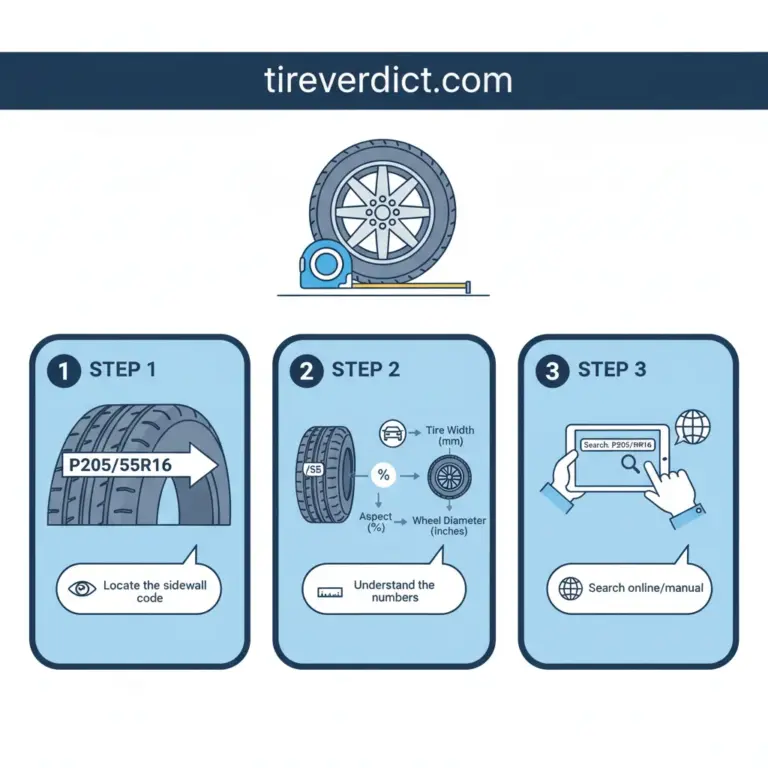
Tire information, including load range, is molded into the sidewall. A typical marking for Load Range E would be ‘LT275/65R20 126/123S E’. The ‘E’ explicitly states the load range, while ‘126/123’ indicates the load index for single and dual applications, respectively, and ‘S’ is the speed rating.
Always match or exceed the vehicle manufacturer’s recommended load range. Installing tires with a lower load range than specified is a serious safety hazard, as it compromises the vehicle’s structural and dynamic integrity, particularly under load.
This is the single most critical maintenance item. For Load Range E tires, the placard’s pressure recommendation (often 80 PSI for the rear when loaded) is crucial for carrying maximum loads safely. A 10 PSI under-inflation can reduce a tire’s load capacity by over 10% and significantly shorten its life. Always check cold tire pressure monthly with a reliable gauge.
Periodically inspect tires for uneven wear, cuts, bulges, or embedded objects. Follow a proper tire rotation schedule (e.g., every 5,000-7,000 miles) to promote even wear across all four tires, extending their usable life and maintaining balanced handling.
Finally, when selecting Load Range E tires, consider the tire type that best suits your driving conditions. Do you need an all-terrain tire for off-road excursions and unpaved roads, or is a highway tire better suited for primarily paved road use and maximum fuel efficiency? Reputable tire professionals can provide expert advice, but the ultimate responsibility for ensuring the correct load range and proper maintenance rests with the vehicle owner.
Never install tires with a lower load range than what is specified on your vehicle’s door jamb placard. Doing so can lead to dangerous conditions, including tire overheating, rapid tread wear, blowouts, and a severe compromise of vehicle stability and braking performance, particularly when the vehicle is loaded or towing.
Addressing Common Misconceptions About Load Range E Tires
Despite their crucial role, Load Range E tires are often subject to several common misconceptions. As an expert with extensive experience, I frequently encounter these misunderstandings, which can lead to suboptimal performance or, worse, safety hazards. Let’s clarify some of the most prevalent ones.
One of the most persistent myths is the idea that “10-ply rated” means the tire literally contains ten layers of material. This harks back to the bias-ply era. In modern radial tire construction, the “ply rating” is an equivalence rating. Contemporary radial tires, even those with a 10-ply equivalent (Load Range E), typically feature a body composed of perhaps two polyester plies, reinforced by two or three steel belt plies and nylon overlays. Advanced materials and engineering allow for exceptional strength with fewer actual plies, making the term more about a performance standard than a literal count. You won’t find ten distinct fabric layers in a Load Range E radial tire.
Another frequent misconception is that Load Range E tires must always be inflated to their maximum 80 PSI, regardless of the load. While 80 PSI is the maximum cold inflation pressure required to achieve the tire’s full load-carrying capacity, it is not always the ideal pressure for an unloaded vehicle. Running an unloaded truck at 80 PSI can indeed lead to a harsher ride, reduced traction (due to the tire bulging in the center), and accelerated wear in the center of the tread. The vehicle manufacturer’s placard specifies the optimal pressure for the original equipment tires under varying load conditions, and that is the paramount guide. Adjusting pressure downwards when driving an unloaded truck can significantly improve ride comfort, as long as it remains within safe limits for highway driving and is promptly reinflated for heavy loads.
For Load Range E tires on heavy-duty trucks, consider adjusting tire pressure based on your load. When running unloaded, reducing the pressure (e.g., to 50-60 PSI for the rear, matching the front if recommended) can dramatically improve ride comfort and potentially fuel efficiency. However, always reinflate to the vehicle placard’s recommended pressure before carrying heavy loads or towing. Consult your owner’s manual or a tire expert for specific guidelines for your vehicle.
Linked to the inflation myth is the belief that Load Range E tires inherently provide a perpetually “harsh” or “uncomfortable” ride. While their stiffer construction can contribute to a firmer ride when unloaded, modern vehicle suspension systems and proper tire pressure management significantly mitigate this. Many heavy-duty trucks are engineered with suspensions designed to handle heavy loads, which also contribute to the ride quality. With appropriate pressure adjustment, the ride quality can be quite acceptable, even comfortable for many drivers.
Finally, a critical point to clarify is that simply installing Load Range E tires on a vehicle not originally designed for them does not magically increase its load capacity. A vehicle’s maximum load capacity (GVWR and GAWR) is determined by its weakest link—which includes its frame, axles, suspension, and braking system—not just its tires. While having the correct Load Range E tires is essential to meet a heavy-duty truck’s designed capacity, putting them on a half-ton truck, for example, will not allow that half-ton truck to safely carry or tow a load intended for a one-ton vehicle. The vehicle’s structural limits remain the ultimate constraint.
Dispelling these misconceptions is crucial for every driver, ensuring that the substantial benefits of Load Range E tires are fully realized safely and effectively.
In summary, Load Range E signifies a heavy-duty tire with a 10-ply rating equivalent, designed for high load capacity and typically inflated to 80 PSI. These tires are crucial for the safe and stable operation of heavy-duty trucks and SUVs, particularly when towing or hauling substantial weights, offering enhanced stability, durability, and resistance to damage. Proper selection, adherence to vehicle manufacturer specifications found on the door placard, and diligent maintenance—especially consistent and correct tire pressure based on load—are absolutely essential for optimal performance and safety. Don’t compromise on these key points.
Ensure your vehicle’s tires match its load requirements. Consult your vehicle’s placard and, if in doubt, speak with a certified tire professional to confirm you have the correct Load Range E tires for your demanding applications. Always maintain proper inflation pressure, adjusting it as needed for load conditions, to guarantee safety, maximize tire life, and ensure peak vehicle performance for many miles to come.
Frequently Asked Questions
What is the difference between Load Range E and Load Range D tires?
Load Range E tires are heavy-duty (10-ply rated) designed for higher load capacities and maximum inflation pressures, typically 80 PSI. Load Range D tires are medium-duty (8-ply rated), supporting less weight at a lower maximum pressure, usually around 65 PSI. The choice depends entirely on your vehicle’s GVWR and intended use, especially if towing or hauling significantly.
Can I put Load Range E tires on a vehicle that originally came with Load Range C or D?
While physically possible, it’s generally not recommended without careful consideration. Using a higher load range tire won’t increase your vehicle’s payload capacity, which is limited by its suspension and chassis. It may also result in a harsher ride and potentially uneven wear if not properly inflated for the actual load, as the stiffer sidewall requires more pressure to flex correctly.
Does ’10-ply rated’ mean a Load Range E tire actually has 10 plies?
No, ’10-ply rated’ is a historical term indicating the tire’s load-carrying capacity and strength equivalent to an older bias-ply tire with 10 plies. Modern radial tires achieve this strength with fewer, but stronger, internal plies made of advanced materials like steel and polyester. The rating is a performance metric, not a literal construction count.
What tire pressure should I run in my Load Range E tires?
Always refer to your vehicle’s tire placard (usually on the driver’s side door jamb) for the recommended cold inflation pressure. This pressure is specific to your vehicle’s original tire size and load range when carrying its maximum load. When driving unloaded, some owners reduce pressure slightly for comfort, but never below the minimum pressure specified by the tire manufacturer or for safely supporting the vehicle’s curb weight.
Are Load Range E tires always better for off-roading?
Load Range E tires offer superior durability and puncture resistance due to their robust construction, which can be advantageous in rugged off-road conditions. However, their stiffer sidewalls may provide less flexibility for conforming to obstacles, potentially reducing traction when aired down. The ‘best’ tire depends on specific off-road terrain and vehicle setup; a Load Range D might offer a better compromise for some applications.