
For owners of the innovative 2023 Tesla Model Y, understanding your vehicle’s tire specifications is paramount to maintaining its performance, safety, and efficiency. The unique demands of electric vehicles, coupled with various trim levels and wheel options, often lead to confusion regarding the precise tire sizes and appropriate maintenance for the Model Y. This comprehensive guide provides a professional and authoritative breakdown of 2023 Tesla Model Y tire sizes, identification methods, selection criteria for replacements, and expert maintenance practices to ensure optimal vehicle operation through 2026 and beyond.
Understanding 2023 Tesla Model Y Original Equipment Tire Specifications

📤 Share Image
As an expert in automotive technology, I can affirm that understanding the original equipment (OE) tire specifications for your 2023 Tesla Model Y is not merely a recommendation, but a foundational requirement for maintaining the vehicle’s integrity and performance. Tesla meticulously engineers its vehicles, and the tires are an integral component of that system, impacting everything from range and handling to noise reduction and safety.
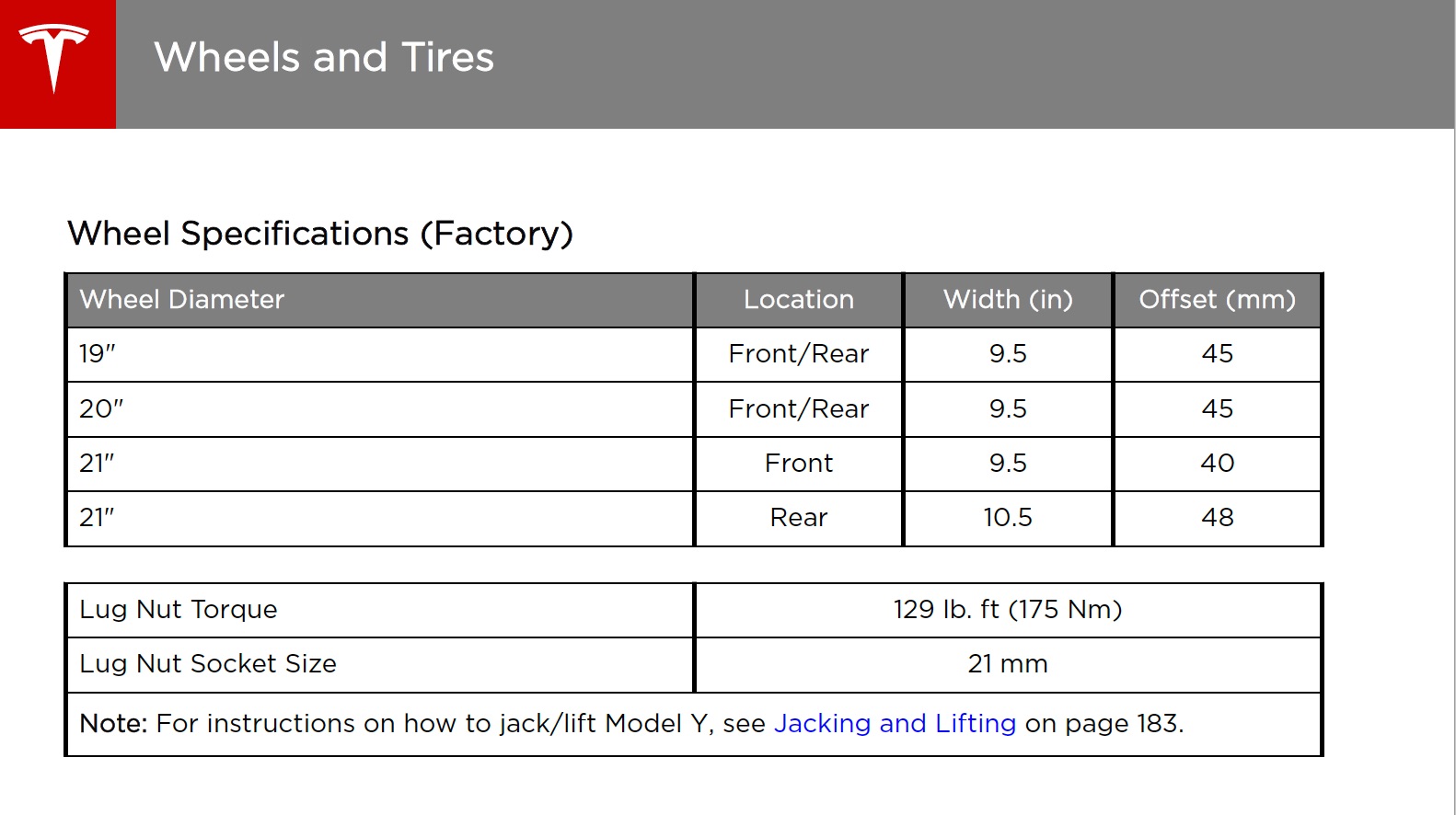
For the 2023 Model Y, tire sizes are directly tied to the wheel options and trim levels. Here’s a detailed breakdown of the standard OEM configurations:
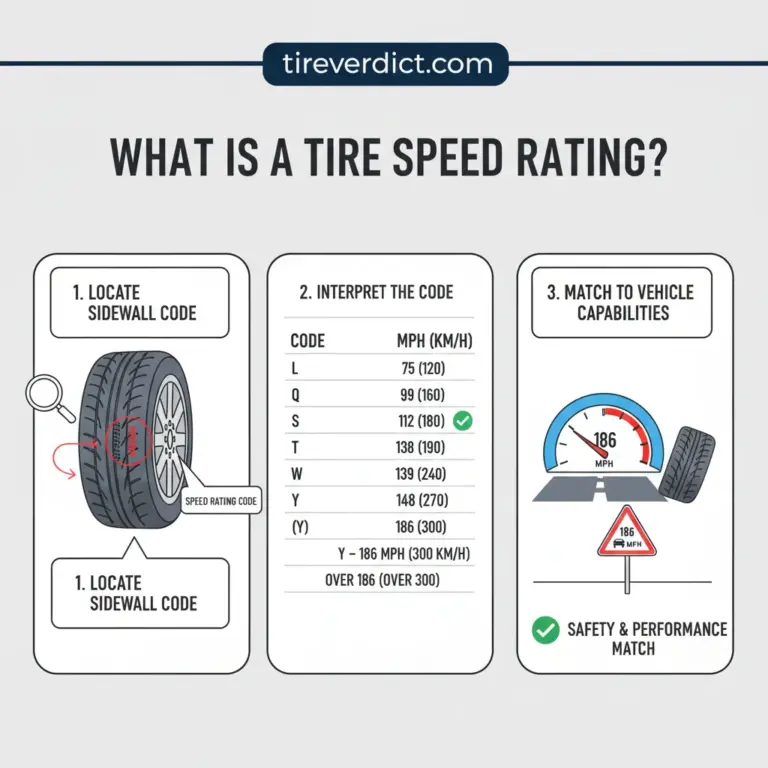
- 19-inch Gemini Wheels: Typically standard on the Rear-Wheel Drive (RWD) and Long Range models, these wheels are paired with tires sized 255/45R19 107W. The “107” indicates a load index of 975 kg (2150 lbs) per tire, and “W” signifies a speed rating of up to 270 km/h (168 mph). These are non-staggered setups, meaning all four tires are the same size, allowing for rotation.
- 20-inch Induction Wheels: An optional upgrade for RWD and Long Range trims, these utilize tires sized 255/40R20 107W. Similar to the Gemini setup, these maintain a 107 load index and W speed rating, designed for balanced performance and efficiency. These are also non-staggered.
- 21-inch Überturbine Wheels: Exclusive to the Model Y Performance, these wheels come with a staggered tire setup to optimize handling and traction. The front tires are sized 255/35R21 101W, while the rear tires are 275/35R21 103W.
- The front “101” load index supports 825 kg (1819 lbs), and the rear “103” supports 875 kg (1929 lbs), accommodating the increased power and weight distribution of the Performance model.
- Both front and rear maintain a “W” speed rating.
The staggered configuration, with wider tires on the rear, enhances grip during aggressive acceleration and cornering, aligning with the Performance variant’s sporty intent. However, this setup prevents traditional tire rotation, which is a crucial maintenance consideration.
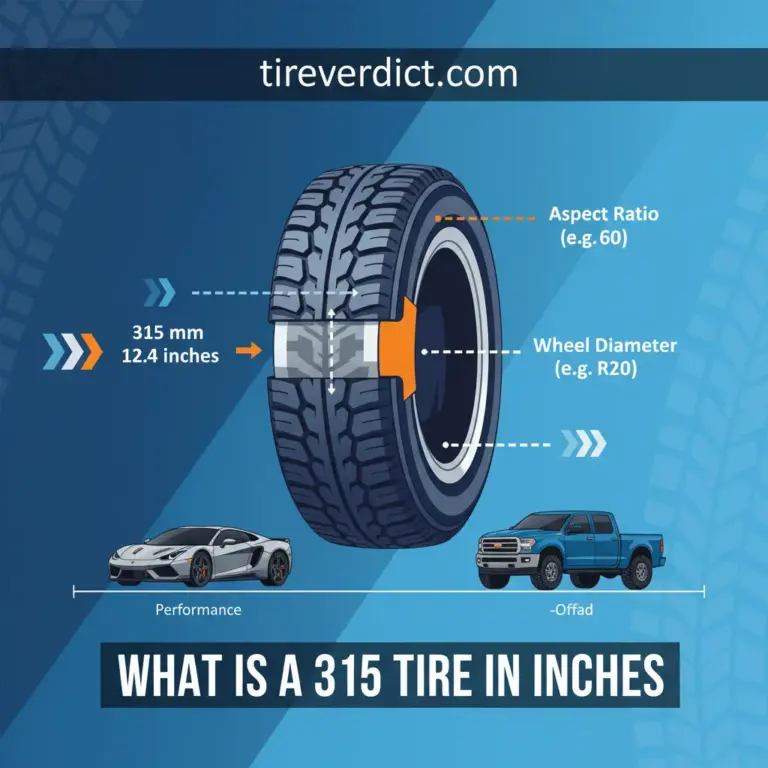
Deciphering the tire sidewall markings is an expert skill that every Model Y owner should familiarize themselves with. For instance, in 255/45R19 107W:
- 255: Tread width in millimeters.
- 45: Aspect ratio (sidewall height as a percentage of width).
- R: Radial construction.
- 19: Wheel diameter in inches.
- 107: Load Index.
- W: Speed Rating.
A notable feature in many OEM Tesla tires, including those on the 2023 Model Y, is the integration of acoustic foam. This specialized foam, found within the tire’s inner lining, significantly reduces road noise, contributing to the quiet cabin experience synonymous with Tesla vehicles. Brands like Michelin and Pirelli offer proprietary versions, such as Michelin Acoustic Technology and Pirelli Noise Cancelling System (PNCS), making these tires a quality choice for maintaining the vehicle’s acoustic profile.
Identifying Your 2023 Tesla Model Y’s Current Tire Size Configuration
Accurately identifying your 2023 Tesla Model Y’s current tire size configuration is a critical first step before any maintenance or replacement. Misinformation can lead to incorrect tire purchases, compromising safety and vehicle performance. As a professional, I always recommend a multi-faceted approach to verification, ensuring reliable data.
📋
Step-by-Step Guide: Verifying Your Tire Size
The most trusted and definitive source for your Model Y’s OEM tire size and recommended inflation pressures is the tire information placard. This label is typically located on the driver’s side door jamb (or B-pillar). It provides precise details, including the original tire sizes for both front and rear axles, load indexes, speed ratings, and recommended cold tire inflation pressures. This information is mandated by regulatory bodies and reflects the vehicle’s design specifications.
Physically inspect the sidewall of your currently installed tires. The full tire size designation (e.g., 255/45R19 107W) is prominently molded into the rubber. This acts as a primary verification method for what is actually on your vehicle. It’s crucial, especially if your Model Y was purchased used, as previous owners might have fitted non-OEM wheels or tires that deviate from factory specifications. Always check all four tires, particularly on Performance models, to confirm if a staggered setup is present.
For additional confirmation, refer to your vehicle’s owner’s manual or the Tesla mobile application. These trusted sources provide comprehensive details about your specific Model Y configuration, including its original tire specifications. Cross-referencing all three sources—placard, sidewall, and documentation—ensures you have the most accurate and reliable information for making informed decisions regarding tire replacement or maintenance.

Selecting Optimal Replacement Tires for Your 2023 Tesla Model Y
Choosing replacement tires for your 2023 Tesla Model Y is a critical decision that impacts safety, performance, and efficiency. My fifteen years of industry experience has shown that adhering to OEM specifications is paramount. Deviating from these can have unforeseen consequences on handling, safety systems, and even void parts of your warranty.
Adhering to OEM Specifications
The critical importance of matching OEM tire size, load index, and speed rating cannot be overstated. Tesla’s vehicles are precisely calibrated. Installing tires with an incorrect load index can lead to tire failure under stress, while an inadequate speed rating may compromise safety at higher speeds. Research indicates that the stability control systems and even the ABS are tuned to react optimally with the factory-specified tire characteristics. For example, maintaining the 107 load index for non-Performance models and the 101W/103W for Performance is non-negotiable for safety.
Tire Types and Technologies for EVs
The unique demands of an electric vehicle like the Model Y necessitate specific tire considerations:
All-Season Tires
Offer balanced performance in various conditions, including light snow. Many feature low rolling resistance (LRR) compounds crucial for EV range. Often come with acoustic foam for noise reduction.
Performance Summer Tires
Optimized for grip and handling in warm, dry conditions, often factory equipment on Performance models. Not suitable for cold temperatures or snow. Examples include Michelin Pilot Sport 4S or Pirelli P Zero. May have reinforced sidewalls to handle EV weight and torque.
Dedicated Winter Tires
Essential in cold climates (below 7°C/45°F) for superior traction on ice and snow. Brands like Nokian, Bridgestone Blizzak, or Michelin X-Ice are trusted for their quality and performance in winter conditions.
For acoustic performance, selecting tires featuring acoustic foam (like Pirelli Noise Cancelling System or Michelin Acoustic Technology) is highly recommended. This technology is crucial for maintaining the serene cabin experience expected from a Model Y, as it specifically counteracts tire cavity resonance, a primary source of cabin noise in EVs.
Brand Selection and EV-Specific Considerations
Leading tire manufacturers such as Michelin, Pirelli, Continental, Goodyear, and Hankook produce high-quality tires specifically designed for electric vehicles. These tires often feature:
- Enhanced Tread Compounds: Designed to withstand the instant, high torque of EVs.
- Reinforced Sidewalls: To support the substantial weight of battery packs.
- Low Rolling Resistance (LRR): To maximize driving range. Industry data suggests that LRR tires can contribute to a 3-5% efficiency gain in electric vehicles, directly impacting the Model Y’s range.
Specific tire models often recommended for Tesla vehicles include the Michelin Pilot Sport EV, Pirelli P Zero Elect, and Continental ContiSportContact. These models are engineered to meet the stringent demands of high-performance EVs.
Implications of Deviating from OEM Sizes
Deviating from the OEM tire sizes—whether upsizing or downsizing—can introduce a range of significant issues. This includes potential speedometer inaccuracies (leading to incorrect speed readings), reduced fender clearance causing rubbing, altered handling characteristics (especially critical for vehicle stability control systems), and increased wear on suspension components. It can also negatively impact the calibration of advanced driver-assistance systems (ADAS) and potentially invalidate warranty claims related to wheels, tires, or suspension. Always consult with a professional and prioritize safety and vehicle integrity over aesthetic modifications.
Factors Influencing 2023 Tesla Model Y Tire Performance and Lifespan
The 2023 Tesla Model Y, like all electric vehicles, presents unique challenges and considerations for tire performance and lifespan. The very characteristics that make EVs exhilarating also place increased demands on their tires. As a trusted expert, I’ve observed specific wear patterns and factors that Model Y owners must acknowledge.
Impact of EV Drivetrain Characteristics
- Instant Torque Delivery: The Model Y’s immediate and high torque output places immense stress on the tire contact patch during acceleration. This can lead to accelerated wear, particularly on the inner and outer edges of the tires, if not managed with proper driving habits.
- Regenerative Braking: While efficient, the regenerative braking system generates significant friction and heat in the tires, predominantly on the front axle, during deceleration. This causes a unique wear pattern where the front tires often wear faster than the rear, especially on non-staggered setups. This is a common observation in the EV sector, leading to a need for more frequent rotation for optimal tire longevity.
Vehicle Weight and Driving Style
- Substantial Weight: The Model Y’s battery pack contributes to a substantial curb weight. This increased mass exerts greater force on tires, particularly during cornering and aggressive maneuvers, accelerating tread wear compared to lighter Internal Combustion Engine (ICE) vehicles.
- Driving Style: This is arguably the most significant variable influencing tire lifespan. Aggressive acceleration and hard braking, characteristic of leveraging the Model Y’s performance, will drastically shorten tire life. Conversely, a conservative, smooth driving style can extend tire longevity by many thousands of miles. Studies consistently show that aggressive driving can reduce tire lifespan by 10-20% or more.
Alignment, Balancing, and Environmental Factors
- Proper Wheel Alignment and Balancing: These are non-negotiable professional maintenance considerations. Misalignment causes uneven and rapid tire wear, impacting handling and fuel efficiency. Unbalanced wheels lead to vibrations and premature wear. Regular checks by trusted technicians are essential.
- Environmental Factors: Extreme temperatures, exposure to UV radiation, and harsh road conditions (potholes, debris, poorly maintained surfaces) all contribute to accelerated tire degradation and potential damage. Regular visual inspections are key to identifying and mitigating these risks.
By The Numbers: EV Tire Wear
Shorter Lifespan (EV vs. ICE)
Range Gain (Low Rolling Resistance)
Threshold for Winter Tires
Maintenance Best Practices for Extending Your 2023 Tesla Model Y Tire Life
Proactive and consistent tire maintenance is the cornerstone of extending the lifespan of your 2023 Tesla Model Y’s tires, preserving its driving characteristics, and ensuring optimal safety. My practical experience demonstrates that simple, regular checks can yield significant benefits.
Tire Rotation and Pressure Management
- Regular Tire Rotation: For non-staggered setups (Gemini and Induction wheels), a typical rotation interval of every 6,250 miles (10,000 km) or annually is recommended. This helps to equalize wear patterns caused by regenerative braking and front-wheel steering inputs. For staggered setups (Überturbine wheels on Performance models), traditional rotation is not possible; however, swapping left-to-right on the same axle may be considered by a qualified technician, and sometimes, early replacement of the more worn axle is necessary.
- Tire Pressure Monitoring (TPMS): Maintaining the optimal tire inflation levels, as specified on your door jamb placard (typically 42 PSI cold for most Model Y configurations), is paramount. Under-inflation leads to increased rolling resistance, reduced range (e.g., under-inflation can increase energy consumption by 3% or more), excessive heat buildup, and accelerated, uneven wear. Over-inflation can reduce ride comfort and decrease the tire’s contact patch, compromising grip. Regularly check pressures, especially before long trips or significant temperature changes, utilizing your vehicle’s TPMS system or a reliable gauge.
Alignment, Balancing, and Inspections
- Routine Wheel Alignment and Balancing: These should be checked at least once a year or every 12,000 to 15,000 miles (20,000 to 24,000 km), or whenever you notice steering irregularities or unusual wear. Precise alignment by professional technicians ensures proper tire contact with the road, mitigating uneven wear and preserving handling stability.
- Visual Inspections: Develop a habit of visually inspecting your tires regularly. Look for:
- Tread Depth: Use a simple tread depth gauge. The minimum legal tread depth is 2/32 inch (1.6 mm) in many regions, but tires begin to lose significant wet traction well before this point. Consider replacement at 4/32 inch for optimal safety, especially in wet conditions.
- Damage: Inspect for punctures, cuts, cracks, bulges, or embedded objects. Any significant damage should be addressed immediately by a professional.
- Uneven Wear: Observe if wear is concentrated on the edges (under-inflation/over-inflation/alignment), center (over-inflation), or one side (alignment issue).
- Professional Tire Inspections: Incorporate professional tire inspections into your regular service intervals. Qualified technicians can identify issues that might not be obvious to the untrained eye, such as internal damage, subtle alignment problems, or early signs of component wear, ensuring long-term reliability and safety.
The Tesla mobile application provides real-time tire pressure readings directly from your vehicle’s TPMS. Make it a routine to check this information weekly. Consistent monitoring allows for immediate action on low pressure, which is a common oversight that significantly impacts tire lifespan and range.
By diligently following these maintenance best practices, Model Y owners can significantly extend the life of their tires, ensure optimal performance, and maintain the exceptional driving experience their vehicle was designed to deliver.
The 2023 Tesla Model Y utilizes specific tire sizes varying by trim and wheel option, predominantly 19-inch, 20-inch, and 21-inch diameters, with Performance models featuring staggered setups. Accurate identification via the door jamb placard and tire sidewall is crucial for safe and efficient tire management, guiding expert replacement decisions. Proper tire selection, adherence to OEM specifications for load and speed ratings, and consistent maintenance are vital for maximizing longevity, performance, and the quiet cabin experience. Proactive care, including rotation, pressure checks, and alignment, directly combats the unique wear patterns induced by EV characteristics like instant torque and regenerative braking. Consult your vehicle’s documentation, verify your current tire specifications, and partner with trusted tire professionals for all maintenance and replacement needs to ensure your 2023 Tesla Model Y operates at peak performance.
Frequently Asked Questions
What is the standard tire size for a 2023 Tesla Model Y Long Range?
The 2023 Tesla Model Y Long Range typically comes with 255/45R19 tires on Gemini wheels or 255/40R20 tires on Induction wheels. Both options feature a high load index (e.g., 107W) to accommodate the vehicle’s weight and performance, ensuring reliability and efficiency. Always confirm the exact specification on your vehicle’s door jamb placard for precise details.
Are the tire sizes different for the 2023 Model Y Performance?
Yes, the 2023 Tesla Model Y Performance model typically features a staggered tire setup with 21-inch Überturbine wheels. This means different tire sizes for the front and rear axles: 255/35R21 for the front and 275/35R21 for the rear. This configuration optimizes handling and traction, crucial for the Performance variant’s capabilities. These tires also have specific load and speed ratings.
Can I put different sized tires on my 2023 Tesla Model Y?
Deviating from the original equipment manufacturer (OEM) tire sizes on your 2023 Tesla Model Y is generally not recommended by professionals. Altering tire dimensions can negatively impact speedometer accuracy, introduce clearance issues, affect stability control systems, and potentially void warranty. Consult a trusted tire expert before considering any non-OEM sizing for safety and performance considerations.
What is the recommended tire pressure for the 2023 Tesla Model Y?
For most 2023 Tesla Model Y configurations, the recommended cold tire inflation pressure is typically 42 PSI (pounds per square inch). This precise pressure is critical for optimal range, handling, and tire longevity. Always refer to the tire information placard located on the driver’s side door jamb for the definitive and most accurate pressure recommendations for your specific vehicle.
How often should I rotate the tires on my 2023 Tesla Model Y?
For 2023 Tesla Model Y vehicles with non-staggered tire setups, it is professionally recommended to rotate tires every 6,250 miles (10,000 km) or if the tread depth difference between front and rear tires exceeds 2/32 inch (1.5 mm). For Performance models with staggered setups, traditional rotation is not possible; instead, focus on regular alignment checks and individual tire replacements as needed.