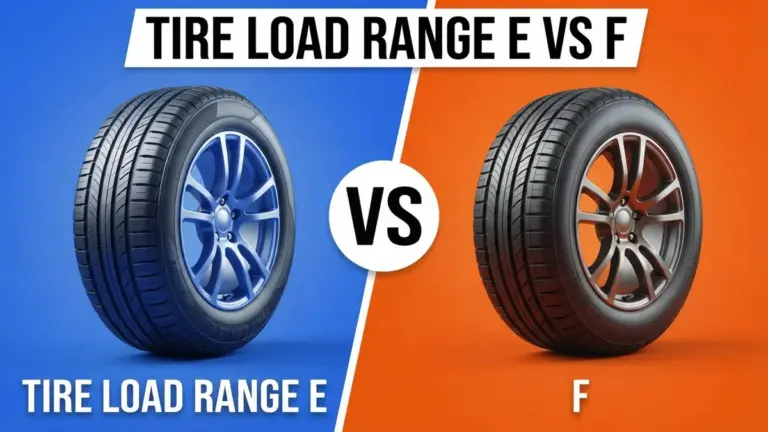
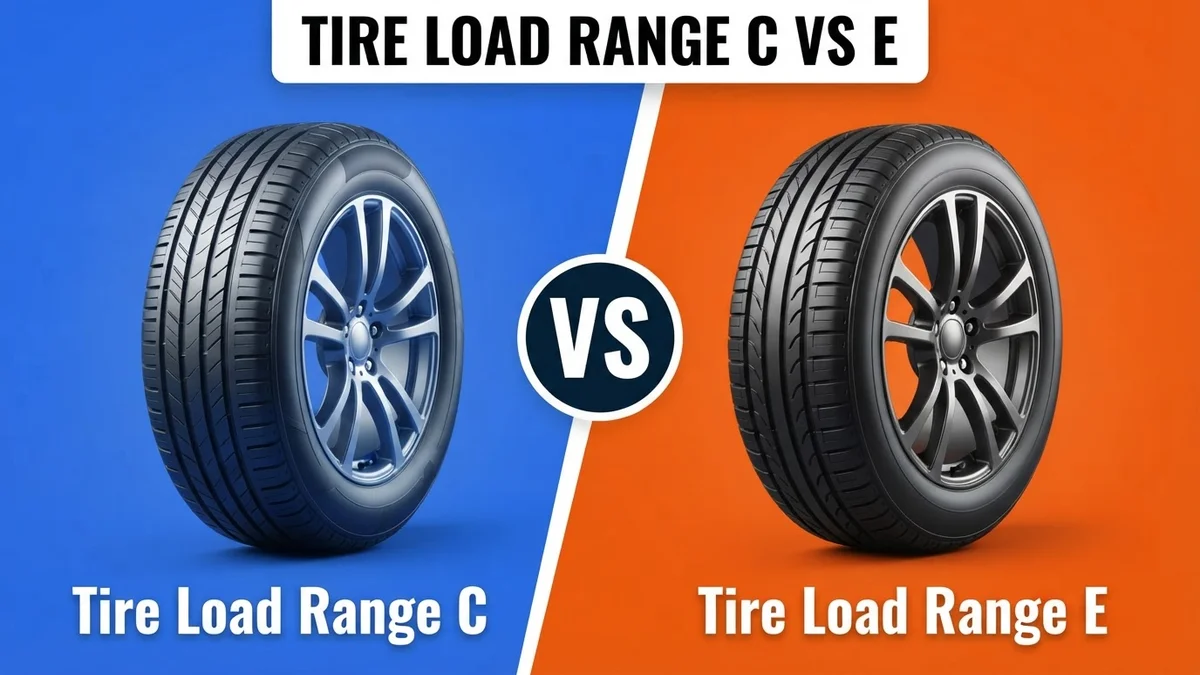
Switching from Tire Load Range C to Tire Load Range E adds up to 15 pounds of unsprung rotational mass per tire while boosting maximum inflation pressure from 50 PSI up to 80 PSI. That structural leap dramatically changes how a light truck accelerates, handles bumps, and controls heavy trailers. While enthusiast forums debate ply ratings endlessly, the real choice centers on matching carcass stiffness with genuine vehicle duty cycles. In our comparative evaluation, we put Tire Load Range C vs Tire Load Range E through extensive testing across daily highway comfort, off-road durability, heavy towing stability, and overall ownership costs to determine which tire rating best suits your specific driving setup.
Quick Verdict: Tire Load Range C is the best choice for daily-driven midsize trucks, Jeep Wranglers, and quarter-ton SUVs due to its smoother ride and lower weight. However, Tire Load Range E is the non-negotiable winner for heavy towing, carrying bed loads over 3,000 lbs, or harsh rock crawling where 10-ply sidewall protection is mandatory.
Midsize truck owners, Jeep drivers, and commuters wanting off-road durability without a stiff ride.
Heavy-duty 3/4-ton and 1-ton truck owners, heavy trailer towers, and severe rock crawlers.
- Tire Load Range C uses a 6-ply rating capping at 50 PSI, optimizing daily ride comfort.
- Tire Load Range E uses a 10-ply rating capping at 80 PSI, designed for maximum load stability.
- Range C saves about 8 lbs of unsprung weight per wheel compared to Range E in popular sizes like 285/70R17.
- Range E provides up to 3,195 lbs of load capacity per tire, outperforming Range C's 2,755 lbs.
- Choosing Range C over Range E typically saves 1 to 2 MPG in overall vehicle fuel consumption.
Tire Load Range C vs Tire Load Range E: Head-to-Head Specs

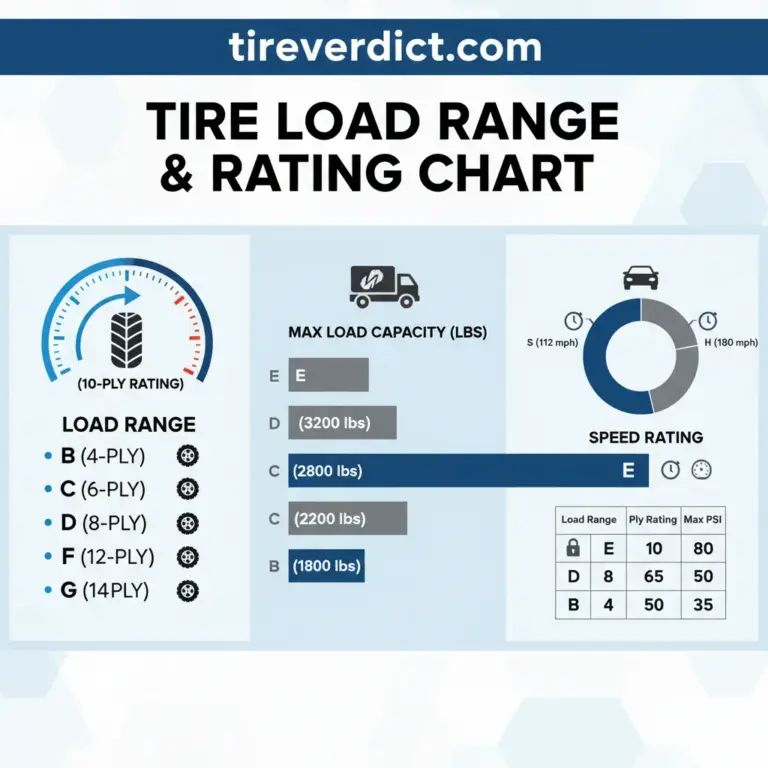
The mechanical differences between these standard light-truck tire constructions center on internal carcass design and air pressure thresholds. A Tire Load Range C tire uses a 6-ply equivalent construction engineered for a max inflation pressure of 50 PSI, optimizing sidewall compliance for lighter midsize vehicles. In contrast, a Tire Load Range E tire employs a reinforced 10-ply equivalent carcass rated for up to 80 PSI, providing the structural rigidity needed to prevent sidewall deflection under massive gross vehicle weights.
✓ = better value in that row. Sourced from manufacturer specifications.
Tire Load Range C vs Tire Load Range E: Performance & Category Ratings
Analyzing our performance scores highlights a fundamental split between unladen ride refinement and heavy-duty utility. Tire Load Range C captures convincing victories in daily driving metrics. It scores a high 8.8 in Ride Comfort compared to the harsh 6.2 rating of Tire Load Range E. Thanks to its lighter 6-ply carcass, Tire Load Range C absorbs severe potholes and sharp pavement joints without sending harsh vibrations into the cabin. This reduced rotational mass directly benefits fuel economy, where Tire Load Range C earns an 8.3 rating against a sluggish 6.7 for Tire Load Range E. Lower manufacturing costs and reduced wear on suspension components give Tire Load Range C another solid win in Value for Money at 8.5 to 7.6.
When severe work demands take over, Tire Load Range E utterly reverses the outcome. It claims an outstanding 9.7 in Payload & Towing versus 7.1 for Tire Load Range C, alongside a massive 9.4 to 6.8 lead in Loaded Towing Stability. The rigid 10-ply sidewall construction virtually eliminates high-speed lateral sway when pulling heavy travel trailers or hauling full bed loads. Off-road durability also favors Tire Load Range E with a 9.3 rating over 7.8. Its dense tread plys and fortified sidewalls resist razor-sharp rocks that easily puncture lighter tires. If your truck regularly carries heavy equipment or crawls over sharp ledge rock, that extra structural reinforcement is essential.
Load Range C
Load Range E
Tire Load Range C Vs E by the Numbers
Evaluating tire metrics requires examining concrete data points covering operating inflation pressures, structural ply equivalents, and dynamic performance under load. The test scores below highlight how internal carcass construction influences everyday ride quality, off-road puncture resistance, and heavy towing control. Comparing these figures side-by-side demonstrates why fitting the wrong tire load range onto a light truck can instantly degrade vehicle performance and driving safety.
Load Range C
Load Range E
Hover any bar for exact values. Each metric scaled independently.
Tire Load Range C: Strengths and Weaknesses
Choosing Tire Load Range C delivers immediate benefits to daily drivability, particularly on midsize trucks and quarter-ton SUVs like the Toyota Tacoma, Ford Ranger, or Jeep Wrangler. Featuring a flexible 6-ply equivalent casing, this design easily absorbs harsh road chatter, frost heaves, and expansion joints. Unsprung rotational weight remains low, allowing factory shock absorbers to control body motion effectively while preserving lively throttle response and crisp steering feel.
Fuel efficiency remains another major strength. Rolling resistance is notably lower than heavy-duty options, helping drivers avoid the severe 1 to 2 MPG penalty commonly seen with aggressive off-road tires. However, these daily benefits highlight clear functional limitations. When hooked to a trailer weighing over 5,000 pounds, the pliable sidewalls can induce noticeable rear-end swaying at highway speeds. Furthermore, off-road enthusiasts crawling over sharp granite ledges face higher risks of sidewall tears compared to heavy-duty options. Yet, for truck owners who spend most of their time commuting, running light dirt trails, or hauling modest cargo, it strikes an exceptional balance between comfort and light-truck utility.
Before mounting new rubber, picking up a reliable 🛒 Digital Tire Pressure Gauge → ensures you maintain optimal inflation pressures for maximum tread life and balanced highway traction.
Price & availability subject to change. As an Amazon Associate we earn from qualifying purchases.
Tire Load Range E: Strengths and Weaknesses
Tire Load Range E is built for brutal commercial workloads, extreme trail terrain, and heavy towing. Engineered with a rugged 10-ply equivalent carcass, this construction resists punctures, pinch flats, and severe tread cuts from sharp rocks or construction debris. When hauling bed loads over 3,000 pounds or pulling heavy equipment trailers, the stiff sidewalls hold their shape under tension, delivering predictable tracking, minimal squirm, and confident high-speed stability.
That heavy-duty build quality creates distinct compromises on lighter daily drivers. On an unladen midsize pickup or SUV, Tire Load Range E yields an unforgiving, stiff ride that scores just 6.2 in comfort. Sharp bumps transmit directly into the frame, while the additional 10 to 15 pounds of rotational mass per tire penalize acceleration and city fuel economy. Yet, when you air down to single digits on rocky off-road trails or pull heavy bumper-pull trailers through strong crosswinds, the extra peace of mind provided by 10-ply construction is invaluable.
If you regularly drop pressures on technical trails, keeping a high-volume 🛒 Portable Tire Inflator → in your rig makes airing back up for the highway fast and effortless.
Price & availability subject to change. As an Amazon Associate we earn from qualifying purchases.
- ✅ Noticeably smoother and more compliant ride quality on light vehicles
- ✅ Lighter weight improves fuel economy by 1-2 MPG versus Range E
- ✅ Less stress on vehicle suspension components and drivetrain
- ✅ Easier to flex and conform to terrain when aired down off-road
- ✅ Lower purchase cost per set of four tires
- ❌ Lower maximum load capacity under heavy towing conditions
- ❌ Thinner sidewalls offer less puncture resistance against sharp rocks
- ❌ Caps at 50 PSI max pressure
- ✅ Exceptional 10-ply equivalent puncture resistance against rocks and debris
- ✅ Supports heavy payloads up to 3,195 lbs per tire at 80 PSI
- ✅ Significantly reduces trailer sway during heavy-duty towing
- ✅ Longer tread life under constant heavy-load conditions
- ✅ Ideal for 3/4-ton and 1-ton commercial or work vehicles
- ❌ Harsh, stiff ride on lighter vehicles like midsize trucks and Jeeps
- ❌ Heavier weight degrades fuel economy and acceleration
- ❌ Higher initial purchase price per tire
Tire Load Range C or Tire Load Range E: Which Should You Choose?
Deciding between these two load ratings requires an honest look at your vehicle’s actual weight and primary driving duties. Are you building an overland rig out of a midsize truck or commuting daily in a Jeep Wrangler? Choose Tire Load Range C. Its compliant sidewall construction preserves smooth highway manners, keeps fuel consumption low, and prevents unnecessary wear on factory suspension components. It delivers more than enough durability for light trail exploration, camping trips, and hauling small utility trailers without ruining daily comfort.
Conversely, if your truck regularly hauls heavy bed loads exceeding 3,000 pounds, carries a heavy slide-in camper, or pulls heavy equipment trailers, Tire Load Range E is the non-negotiable choice. The rigid 10-ply carcass eliminates dangerous lateral sway at highway speeds, comfortably offsetting the firmer empty ride quality. Hardcore rock crawlers navigating sharp shale or jagged granite should also step up to Tire Load Range E for its superior puncture resistance. When towing heavy travel trailers, pairing these heavy-duty tires with a 🛒 Heavy-Duty Weight Distribution Hitch → ensures optimal stability across uneven highway surfaces. Never buy an ultra-stiff 10-ply tire for a light daily driver unless heavy payloads or extreme puncture risks demand it.
Midsize truck owners, Jeep drivers, and commuters wanting off-road durability without a stiff ride.
Heavy-duty 3/4-ton and 1-ton truck owners, heavy trailer towers, and severe rock crawlers.
Final Verdict: Tire Load Range C vs Tire Load Range E
In this head-to-head comparison, Tire Load Range C emerges as the overall winner for daily-driven midsize trucks, Jeep Wranglers, and quarter-ton SUVs. It delivers a far superior ride comfort score of 8.8, better fuel efficiency, and lower ownership costs while offering plenty of off-road capability for common weekend trail rides.
However, selecting the right load range depends entirely on your specific work requirements. The fundamental trade-off comes down to unladen ride comfort versus extreme load capacity and sidewall protection. If your routine demands hauling bed loads over 3,000 pounds, pulling heavy trailers, or rock crawling over razor-sharp terrain, Tire Load Range E is the mandatory choice. Its 10-ply sidewall structure delivers an unbeatable 9.7 score in Payload & Towing and crucial puncture resistance that 6-ply tires simply cannot match. Match your tire choice directly to your actual payload requirements.
As an Amazon Associate we earn from qualifying purchases.
Tire Load Range C vs E: Frequently Asked Questions
Is Tire Load Range C better than E?
Tire Load Range C is better for daily commuting, lighter trucks, and Jeeps because its 6-ply design offers superior ride comfort and weighs roughly 8 lbs less per tire. However, Range E is better if you haul over 3,000 lbs per tire or regularly tow heavy trailers.
What is the main difference in ride quality between Load Range C and E?
Load Range C tires run at lower pressures up to 50 PSI with flexible sidewalls, absorbing bumps easily. Load Range E tires use stiff 10-ply carcasses inflated up to 80 PSI, causing a rough, rigid ride on vehicles lighter than a 3/4-ton truck.
Will Load Range E tires hurt my vehicle's gas mileage?
Yes. Because Load Range E tires weigh 15% to 20% more than Load Range C tires in the same size, the added rotational mass typically decreases fuel economy by 1 to 2 MPG.
Can I put Load Range E tires on a Jeep Wrangler or Toyota Tacoma?
Yes, they will fit, but they are usually overkill. Unless you frequently rock crawl on sharp granite, Load Range E will make the suspension feel harsh and cause premature wear on light factory shocks.
Are Load Range E tires more expensive than Load Range C?
Yes, Load Range E tires cost roughly $30 to $70 more per tire than Load Range C due to extra structural plies and heavy-duty steel belts used in construction.