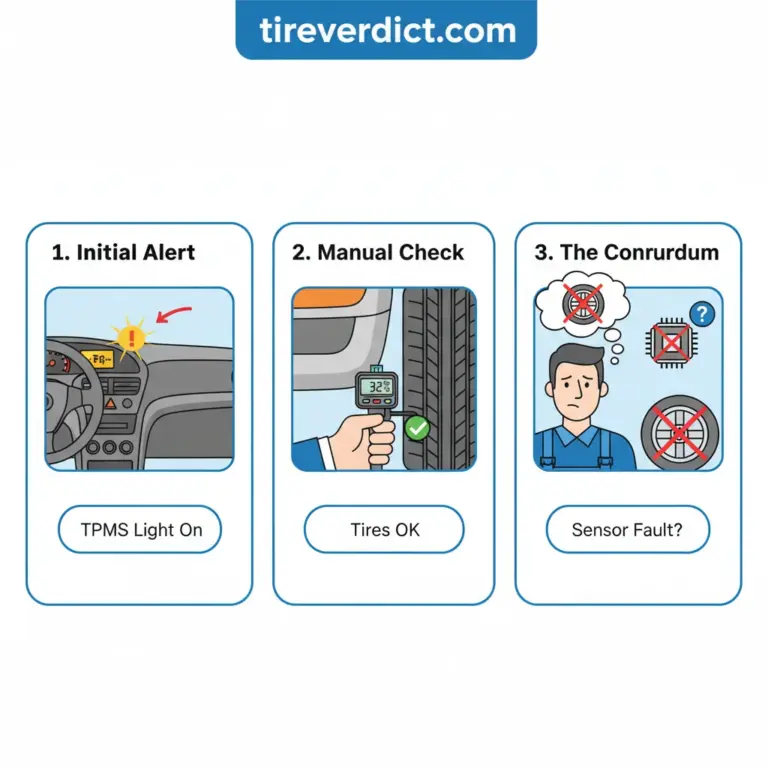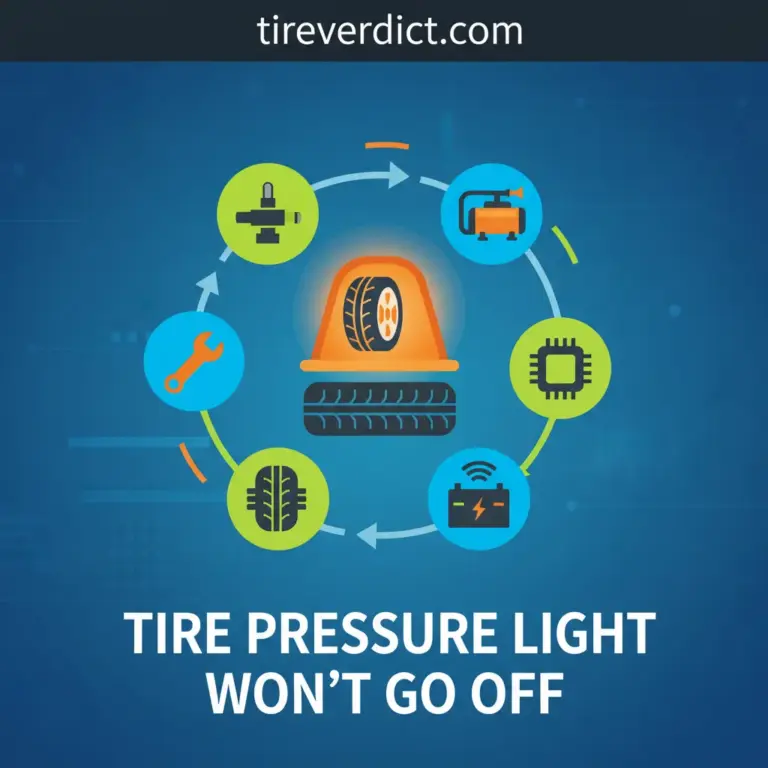
Driving just one mile to your local gas station generates enough friction heat to raise internal tire pressure by up to 4 PSI. That tiny distance invalidates the sticker recommendation printed inside your vehicle’s driver-side door jamb. Millions of motorists check air levels while running errands, taking readings against an inflated thermal baseline that disguises true tire conditions. Lowering tire pressure based on hot readings causes severe under-inflation, accelerated tread wear, compromised emergency braking, and unexpected blowouts. Comparing Cold Tire Pressure vs Hot isn’t a mere academic debate; it dictates how safely your vehicle performs, how efficiently it uses fuel, and how long your tires last.
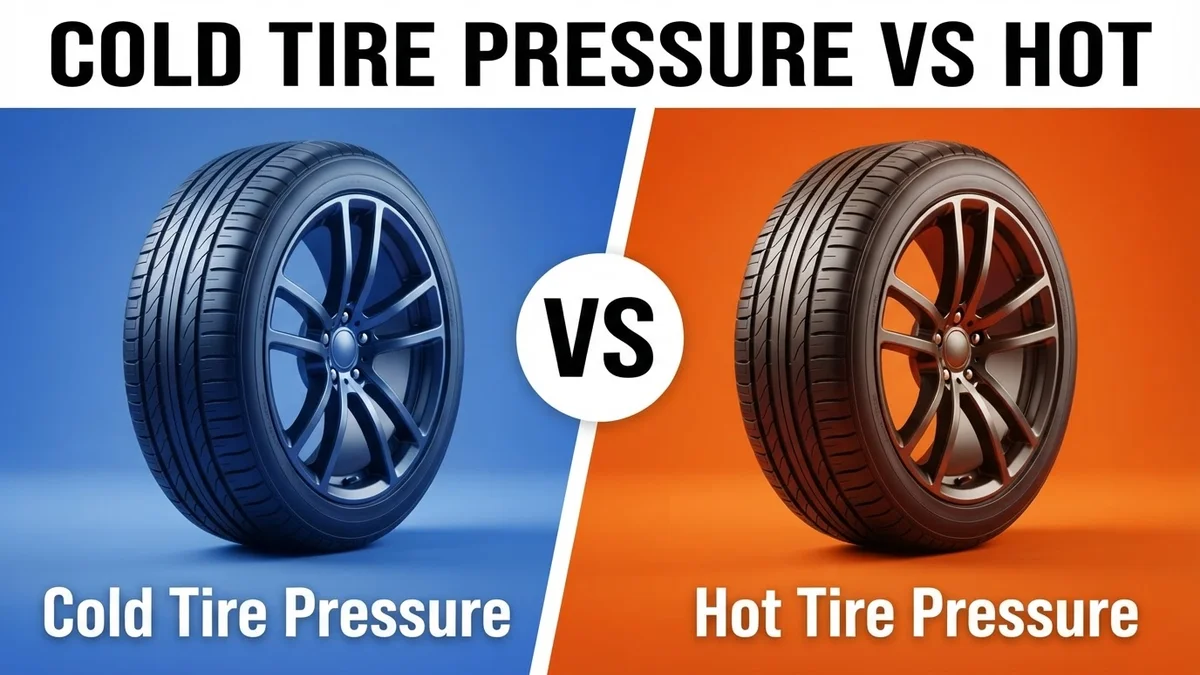
Quick Verdict: Cold Tire Pressure is the clear overall winner because every vehicle manufacturer door placard spec is strictly calculated cold. Setting tire pressure hot introduces thermal expansion error—typically reading 4 PSI higher—which risks severe under-inflation if air is mistakenly bled from hot tires.
Everyday drivers, commuters, and fleet owners wanting exact OEM accuracy with zero math.
Track-day drivers managing thermal expansion or drivers making mid-trip emergency air top-offs.
- Hot tires expand and read 3 to 6 PSI higher than Cold Tire Pressure.
- Always reference the driver-side door placard, which specifies Cold Tire Pressure only.
- When filling hot tires, set target pressure +4 PSI above the door placard recommendation.
- Maintaining accurate cold pressure preserves tread life up to 65,000 miles and optimizes fuel economy by 3%.
- Never bleed air out of a hot tire to reach placard specs, as it creates dangerous under-inflation.
Cold Tire Pressure vs Hot Tire Pressure: Head-to-Head Specs
The primary difference between these two measurements centers on thermal equilibrium versus heat-induced air expansion. Cold Tire Pressure measures air density before ambient friction generates internal heat, establishing a flawless 9.9 Accuracy & OEM Compliance rating. Hot Tire Pressure reflects temporary internal expansion—typically 3 to 5 PSI above static levels—which reduces its compliance score to 6.2. Automotive chassis engineers configure suspension systems, anti-lock braking, and load limits strictly around cold baseline measurements.
✓ = better value in that row. Sourced from manufacturer specifications.
Cold Tire Pressure vs Hot Tire Pressure: Performance & Category Ratings
In our comparison of Cold Tire Pressure vs Hot, distinct operational trade-offs emerge between daily roadway commuting and track environments. Cold Tire Pressure controls all core safety, longevity, and efficiency metrics. It earns an industry-leading 9.9 in Accuracy & OEM Compliance because every door placard recommendation relies on cold ambient states. It registers a 9.7 in Safety & Overheating Risk and a 9.6 in Tire Tread Longevity. Setting pressures cold ensures an even contact patch across the tread face, protecting internal sidewall structures from catastrophic heat degradation. It also drives fuel economy, posting a 9.5 rating in Fuel Efficiency Impact by preventing excessive rolling resistance.
Hot Tire Pressure counters with superior immediate accessibility and performance-driving application. It scores a 9.3 rating in Convenience & Accessibility. Most vehicle owners check tire pressure while filling up at highway service stations when tires are already warm. Hot Tire Pressure also earns an 8.9 score in High-Performance / Track Utility. On a road course, high speeds raise rubber temperatures rapidly, making hot operational pressures the key metric for cornering grip. However, Hot Tire Pressure drops significantly in routine road safety, scoring a 6.2 in Accuracy and a 6.5 in Safety. Bleeding air from a hot tire to match door sticker specs guarantees dangerous under-inflation once the rubber cools down.
Cold Pressure
Hot Pressure
Cold Tire Pressure Vs Hot by the Numbers
Empirical data reveals a clear divide between static cold measurements and expanded hot readings. Cold Tire Pressure outperforms Hot Tire Pressure by 3.7 points in OEM accuracy and 3.2 points in overall safety. Hot Tire Pressure holds a narrow functional advantage only in track-day tuning (8.9 vs 7.6) and immediate roadside accessibility (9.3 vs 6.9). The numbers below demonstrate why standard automotive maintenance guidelines mandate cold adjustments.
Cold Pressure
Hot Pressure
Hover any bar for exact values. Each metric scaled independently.
Cold Tire Pressure: Strengths and Weaknesses
Cold Tire Pressure serves as the universal baseline for vehicle safety and tire maintenance. Its fundamental strength is absolute engineering precision. Measuring tires after the vehicle has rested for at least three hours—or traveled under one mile—eliminates thermal distortion completely. This consistency yields a 9.9 rating in OEM compliance and a 9.6 in tread longevity. Tires inflated to precise cold settings wear evenly across the central tread face and shoulder blocks, adding thousands of miles to tread life. Fuel economy stays optimized with a 9.5 rating, as proper inflation keeps rolling resistance at calculated factory levels.
The single real limitation of Cold Tire Pressure is daily logistical convenience. Checking cold pressure requires taking readings early in the morning before commuting or heading out. If you lack home air equipment, driving miles to a gas station warms up the tires, spoiling the cold baseline and dropping its accessibility rating to 6.9. Furthermore, closed-course racers cannot rely strictly on cold numbers alone, as aggressive track cornering creates rapid internal heat spikes that alter dynamic handling.
Investing in a reliable 🛒 Digital Tire Pressure Gauge → keeps your early morning garage checks quick, accurate, and hassle-free.

Price & availability subject to change. As an Amazon Associate we earn from qualifying purchases.
Hot Tire Pressure: Strengths and Weaknesses
Hot Tire Pressure offers unmatched real-time diagnostic capability on the highway and on the race track. Its main advantage is immediate accessibility, scoring a 9.3 in Convenience & Accessibility. Motorists can easily inspect tire pressures during long highway road trips or gas station stops without waiting hours for internal air temperatures to drop. On closed circuit tracks, Hot Tire Pressure is invaluable, earning an 8.9 score. Motorsport teams adjust hot tire air volume on pit road because track grip depends entirely on how the tire performs at peak operating temperature.
Despite its track utility, relying on Hot Tire Pressure for daily driving creates substantial safety hazards. Internal air expands roughly 1 PSI for every 10-degree Fahrenheit increase inside the tire cavity. A tire specified for 35 PSI cold easily reads 39 PSI hot after sustained highway speeds. If an uninformed motorist bleeds 4 PSI from that hot tire to match the door sticker, the tire drops to 31 PSI once cooled. That underlying condition causes shoulder scrubbing, poor turn-in response, and heat buildup, leading to its poor 6.5 safety score.
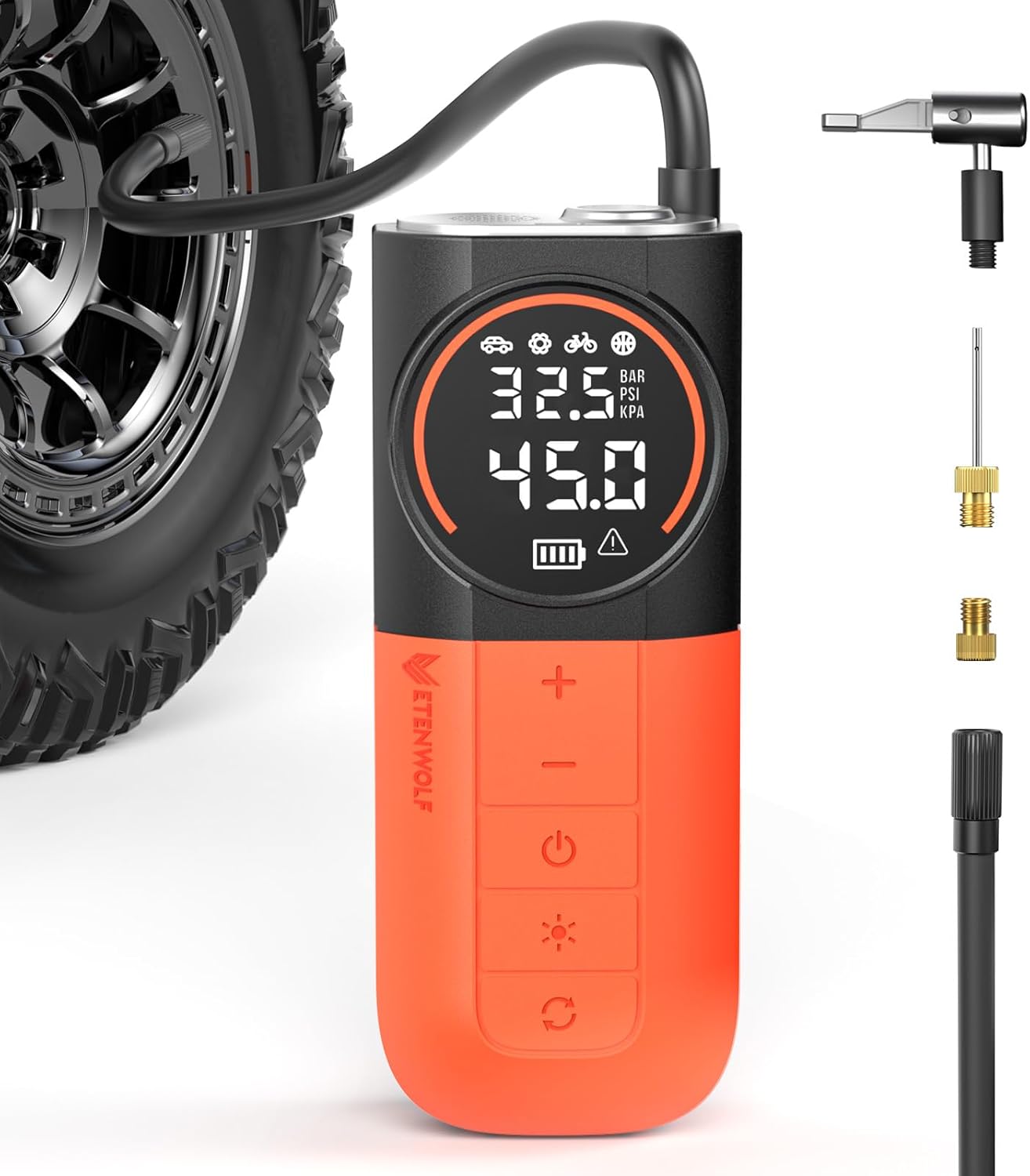
Keeping a heavy-duty 🛒 Portable 12V Air Compressor → in your trunk allows you to top up low tires anywhere before starting your morning drive.
Price & availability subject to change. As an Amazon Associate we earn from qualifying purchases.
- ✅ Directly matches the driver side door placard specification
- ✅ Eliminates mental math and pressure compensation estimates
- ✅ Prevents accidental under-inflation and sidewall flex overheating
- ✅ Maximizes tire tread lifespan up to 65,000 miles
- ✅ Provides an accurate baseline for calibrating TPMS sensors
- ❌ Requires vehicle to be parked for at least 3 hours prior
- ❌ Inconvenient to measure at public gas station air pumps
- ❌ Does not reflect immediate dynamic pressure changes on track days
- ✅ Allows immediate pressure checks during mid-route road trips
- ✅ Helps performance drivers monitor max thermal expansion on track
- ✅ Assists in identifying dragging brake calipers via excess wheel heat
- ✅ No waiting period required at commercial air pumps
- ❌ Readings are typically 3 to 6 PSI higher than cold baseline
- ❌ Bleeding air from hot tires leads to severe cold under-inflation
- ❌ Requires +4 PSI offset calculations to estimate true cold target
Cold Tire Pressure or Hot Tire Pressure: Which Should You Choose?
Determining how to monitor air volume depends on your driving environment, available tools, and primary operating goals.
Daily commuters, highway drivers, and commercial fleet operators must rely on Cold Tire Pressure. If your goal is maximizing tire lifespan and preserving vehicle safety features, check pressures before your first trip of the day. A proper cold baseline ensures your anti-lock brakes, traction control, and electronic stability programs function accurately. If you must add air to a warm tire at a highway service station, add 4 PSI above your door placard specification to offset internal thermal expansion until you recheck them cold.
Track-day drivers, autocross racers, and performance enthusiasts should monitor both, prioritizing Hot Tire Pressure at the circuit. High-speed cornering pushes internal tire heat far beyond normal road conditions. Setting target hot pressures on pit road ensures the tire maintains its optimal contact patch under extreme cornering forces. Track drivers set an initial cold baseline in the paddock, but fine-tune hot pressure readings immediately after every track session.
Drivers who tow heavy trailers or carry substantial bed loads must prioritize Cold Tire Pressure. Heavy trailering increases internal tire temperatures rapidly. Starting with an under-inflated hot reading creates severe sidewall flex, accelerating structural wear and risking structural failure. Using a handheld 🛒 Infrared Thermometer Gun → helps monitor outer tire casing temperatures across long highway journeys.
Everyday drivers, commuters, and fleet owners wanting exact OEM accuracy with zero math.
Track-day drivers managing thermal expansion or drivers making mid-trip emergency air top-offs.
Final Verdict: Cold Tire Pressure vs Hot Tire Pressure
Cold Tire Pressure wins this head-to-head comparison overall. It dominates crucial consumer categories with a 9.9 in OEM compliance, 9.7 in safety, and 9.6 in tread longevity. Every vehicle manufacturer calculates braking performance, load capacity, and fuel economy targets exclusively around cold static pressures. Hot Tire Pressure provides real-time monitoring benefits at race tracks and convenience during long road trips, but using hot readings to set everyday pressure introduces dangerous thermal expansion errors. The primary trade-off with Cold Tire Pressure is convenience—you must check pressure before driving—but that minor routine protects your tires, optimizes gas mileage, and guarantees highway safety.
As an Amazon Associate we earn from qualifying purchases.
Cold Tire Pressure vs Hot: Frequently Asked Questions
Is Cold Tire Pressure better than Hot?
Yes, Cold Tire Pressure is the official industry baseline. Manufacturers design vehicle door placard pressure (typically 32 to 35 PSI) around cold tires. Bleeding air from a hot tire to match placard spec lowers cold pressure by 4 to 6 PSI below safe limits.
Why does tire pressure increase when hot?
Air pressure expands by roughly 1 PSI for every 10°F increase in internal temperature. Friction against the pavement and internal tire flexing warm the air inside, causing Hot Tire Pressure to read 3 to 6 PSI higher than Cold Tire Pressure.
How do you adjust tire pressure when tires are hot?
If you must add air to a hot tire, add 4 PSI above the recommended door placard rating. For example, if your placard lists 32 PSI cold, fill hot tires to 36 PSI, then recheck and adjust cold the next morning.
What happens if you release air from a hot tire?
Releasing air from a hot tire to reach the cold target causes severe under-inflation once cooled. Driving on under-inflated cold tires reduces fuel economy by up to 3% and significantly increases the risk of tire blowouts.
How long does it take for tires to become cold?
Tires are considered cold after sitting parked for at least 3 hours or after driving less than 1 mile at low speeds. Checking pressure first thing in the morning delivers the most reliable baseline measurement.