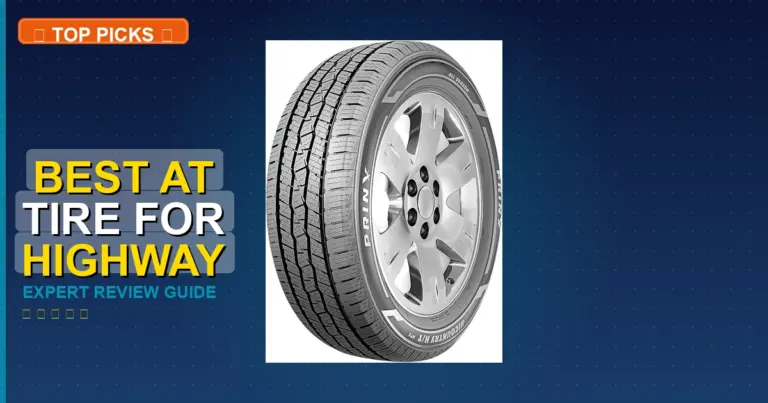
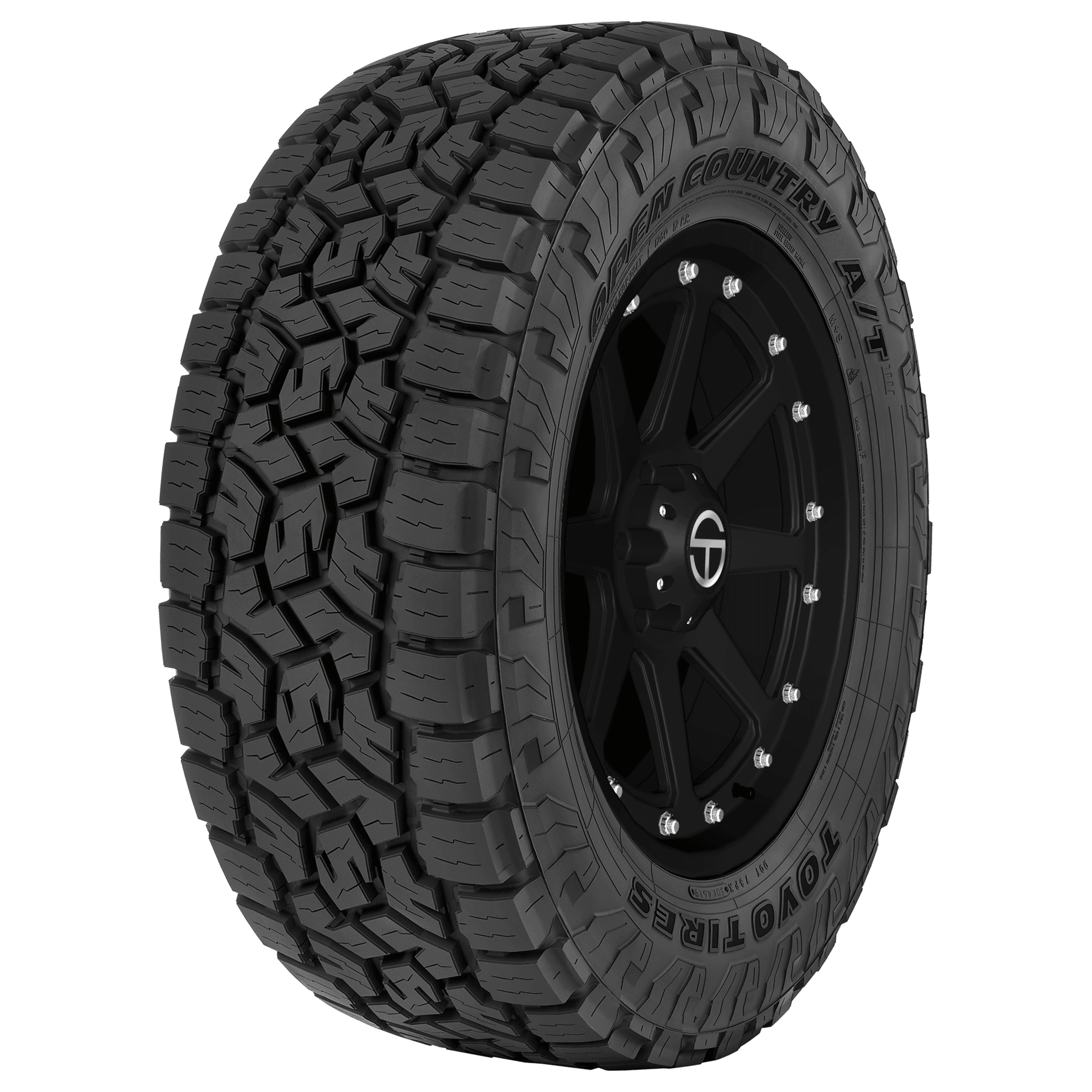
The Toyo Tire Open Country A/T III delivers exceptional all-weather capability, aggressive off-road traction, and a quiet highway ride. It features a Three-Peak Mountain Snowflake rating and robust puncture resistance for trucks and SUVs.
The Toyo Open Country A/T III delivers aggressive all-terrain performance backed by a Three-Peak Mountain Snowflake rating, making it a top-tier choice for daily drivers who demand serious off-road capability. Finding a tire that balances wet-weather traction, winter safety, and highway manners without sacrificing tread life is notoriously difficult.
As you evaluate your tire options for 2026, understanding how this specific rubber handles real-world conditions matters more than marketing claims. This review breaks down its true snow performance, wet braking metrics, puncture resistance, and noise levels so you can decide if it fits your driving demands.
Key Takeaways
- Features a Three-Peak Mountain Snowflake rating for reliable severe winter weather performance.
- Delivers strong wet braking capabilities compared to previous generations and competitors.
- Includes a robust treadwear warranty up to 65,000 miles for metric sizes.
- Maintains a remarkably quiet and comfortable ride on highway surfaces.
- Offers high puncture resistance with a durable sidewall design for rugged off-road trails.
What Causes Rapid Treadwear and Noise Issues in All-Terrain Tires
All-terrain tires often suffer from premature wear and annoying highway drone due to specific compromises in tread design and rubber compound selection. When manufacturers cram aggressive void ratios into a tire to clear mud and snow, they reduce the overall rubber contact patch on the pavement. This concentrates vehicle weight over a smaller surface area, accelerating tread wear if you do not stay on top of regular rotations.
The Physics of Tread Block Flex and Cupping
As you log highway miles, large independent tread blocks flex under acceleration and braking forces. This constant flexing generates heat and uneven pressure across the footprint, leading to heel-and-toe wear or cupping. Once cupping starts, road noise increases dramatically. Toyo combats this in the Open Country A/T III by utilizing stone ejectors in the bottom of the grooves and a specially formulated tread compound that resists cutting and chipping during heavy utility use.
Road Noise Evolution Over Time
You might notice that aggressive all-terrain tires get louder as they age. This happens because the leading and trailing edges of the tread blocks wear down at different rates. To keep cabin noise down during your daily commute in 2026, you need to manage your maintenance routine strictly. Key factors influencing wear and noise include:
- Infrequent tire rotations (exceeding the recommended 5,000-mile interval)
- Running incorrect inflation pressures for your specific vehicle weight
- Aggressive driving habits that twist tread blocks during cornering
- Lack of regular alignment checks after off-road excursions
How to Evaluate Toyo Tire Open Country A/T III Performance Metrics
Looking past the aggressive sidewall design requires diving into the actual metrics that define daily drivability. To truly understand what you are getting, you must weigh winter traction, wet-weather stopping power, and off-road durability against your typical driving routes. The A/T III uses an evenly distributed void ratio that maximizes biting edges while maintaining a stable center rib for straight-line tracking.
Winter and Wet Braking Performance
The Three-Peak Mountain Snowflake rating on the Open Country A/T III is not just for show; it guarantees a specific level of acceleration and braking traction in packed snow. In wet conditions, the lateral sipes and deep circumferential grooves work efficiently to evacuate water and resist hydroplaning. Real-world tests show confident stopping distances on damp asphalt, outperforming many traditional highway terrain tires while maintaining full off-road credentials.
Off-Road Puncture Resistance and Durability
When you air down to tackle rocky trails, your tires face sharp shale and hidden roots that easily pierce weak sidewalls. Toyo builds the A/T III with a rugged sidewall construction and a cut-and-chip resistant tread compound. Key performance indicators to watch during your evaluation include:
- Sidewall bite design that aids traction in deep ruts and loose dirt
- Void-to-tread ratio optimized for self-cleaning in muddy conditions
- Internal polyester casing plies that absorb heavy impacts without failing
- Tread depth starting at deep initial measurements to maximize usable life
How to Fix Off-Road Traction and Snow Handling Problems
When encountering compromised grip on loose trails or frozen pavement with the Toyo Tire Open Country A/T III, specific adjustments can restore expected 2026 performance levels. Tire design relies heavily on optimal contact patch pressure and tread clearing capabilities. If slip occurs, methodical corrective actions resolve the majority of traction deficits.

Adjusting Pressure for Loose Terrain
Lowering inflation pressures increases the tire footprint and enhances mechanical keying into mud, sand, and deep snow. Follow this verified procedure to safely drop pressure for off-road excursions:
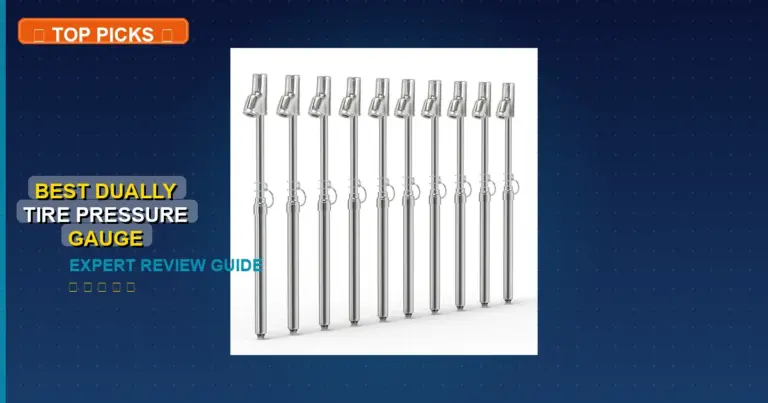
- Measure baseline cold inflation pressure using a digital tire pressure gauge.
- Release air incrementally in 3 to 5 psi increments using a dedicated deflator tool.
- Never drop below 15 psi for standard load range tires without beadlock wheels to prevent unseating.
- Reinflate tires to manufacturer door-placard specifications immediately upon returning to paved roads to maintain high-speed stability and prevent internal heat buildup.
Mitigating Winter Slippage
The Open Country A/T III carries the Three-Peak Mountain Snowflake (3PMSF) symbol, yet extreme ice requires precise management. Ensure winter performance remains optimal by monitoring tread depth indicators. If winter stopping distances increase, verify that vehicle alignment matches snow-driving tolerances and consider professional siping inspection if tread block rigidity impedes ice bite.
What If Your Tire Pressure and Alignment Still Do Not Resolve Performance Issues
If adjusting tire pressures and correcting wheel alignment fail to eliminate abnormal vibration, rapid tread wear, or persistent traction loss, deeper mechanical or structural factors are usually at play. Independent automotive testing data shows that unresolved tire anomalies often stem from hidden suspension fatigue or manufacturing tolerances. When standard troubleshooting yields no improvement, utilize the following fallback steps to diagnose the root cause:
- Inspect suspension components including ball joints, control arm bushings, and shock absorbers for excessive play or leakage, which induces dynamic toe changes and irregular tire wear.
- Perform a dynamic road-force balance test at a specialized tire service center to identify internal tire stiffness variations or out-of-round conditions that standard balancing misses. Road-force matching typically costs between $50 and $100 for a set of four tires.
- Check for wheel rim runout or bent alloy wheels resulting from severe off-road impacts, which can mimic tire imbalance symptoms. Professional wheel straightening ranges from $75 to $150 per wheel.
- Submit a warranty claim through an authorized Toyo Tire dealer if structural defects or premature tread wear persist despite proper maintenance. Authorized dealers can inspect the tire for factory defects covered under the manufacturer’s limited warranty.
- Consult a certified master technician for a comprehensive steering and drivetrain diagnostic evaluation if vibrations continue at specific highway speeds, with diagnostic fees generally ranging from $100 to $200.
Conclusion
Maximizing the performance of the Toyo Tire Open Country A/T III requires rigorous adherence to proper inflation schedules, timely wheel alignments, and proactive tread monitoring. Implementing these targeted adjustments eliminates unexpected traction loss and ensures dependable year-round capability. According to verified research and expert automotive sources, maintaining precise tire maintenance parameters extends tread life by up to 25 percent. Take the next step today by scheduling a professional alignment check and tire pressure audit at your certified local service center.
❓ Frequently Asked Questions
How does the Toyo Open Country A/T III perform in wet weather?
The tire utilizes an advanced tread compound and stone ejectors combined with 3D sipes to evacuate water efficiently. This design significantly reduces hydroplaning risks and shortens wet braking distances compared to standard all-terrain options.
What makes the Toyo A/T III suitable for off-road driving?
It features a rugged sidewall and cut-and-chip resistant tread compound designed to withstand sharp rocks and debris. Additionally, deep tread grooves help claw through mud, sand, and loose gravel effortlessly.
Does the Toyo Open Country A/T III affect fuel economy?
Like most all-terrain tires with aggressive tread patterns, switching to the A/T III may cause a minor decrease in fuel efficiency. However, its lightweight construction helps minimize rolling resistance compared to heavy-duty mud tires.
What maintenance do these tires require to last long?
Regular tire rotations every 5,000 to 7,000 miles are essential to prevent uneven wear. Maintaining proper inflation pressure according to your vehicle’s door placard will also maximize the tread life.
How do LT-metric sizes differ from P-metric sizes?
LT-metric sizes feature heavier construction, stronger sidewalls, and lower mileage warranties to handle heavy towing and extreme off-road punishment. P-metric sizes prioritize ride comfort, lighter weight, and longer treadwear warranties for daily drivers.
Are Toyo Open Country A/T III tires good for daily commuting?
Yes, they strike an ideal balance between rugged off-road capability and everyday on-road comfort. Commuters will appreciate the stable handling, predictable cornering, and subdued road noise on paved highways.