Your correct tire pressure is not printed on the tire itself, but rather on a dedicated sticker located on the driver’s side door jamb. Following these manufacturer-recommended PSI levels ensures optimal fuel economy, vehicle handling, and tire lifespan.
Your correct tire pressure is explicitly listed on the manufacturer placard located on the inside of your driver’s side door jamb, not on the tire itself. Maintaining this specific PSI ensures optimal fuel economy, predictable handling, and prevents premature tire failure on the road.
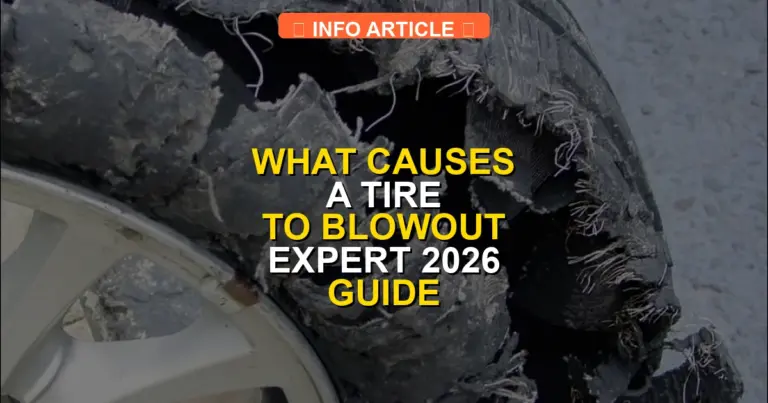
Ignoring this number leads to uneven tread wear, reduced braking efficiency, and a higher risk of a blowout. Whether you are driving a brand-new 2026 crossover or a trusted older sedan, checking your pressure takes less than five minutes and directly impacts your safety.
Key Takeaways
- Check the driver’s side door jamb sticker for your vehicle’s exact PSI requirements.
- Never use the maximum pressure printed on the tire sidewall.
- Always check your tire pressure when the tires are cold.
- Expect tire pressure to drop by about 1-2 PSI for every 10-degree drop in temperature.
- Standard passenger cars typically require between 32 to 35 PSI.
What Causes Incorrect Tire Pressure and Why It Matters
Tire pressure is not a set-it-and-forget-it vehicle maintenance task. Daily environmental changes and natural air loss constantly alter the pounds per square inch inside your tires.
Natural Air Loss and Weather Fluctuations
Even without a puncture, every vehicle loses about one to two PSI of air pressure every month due to natural permeation. Weather changes accelerate this process significantly. For every 10-degree Fahrenheit drop in ambient temperature, your tires lose approximately one to two PSI. A sudden cold front in late autumn can easily trigger your dashboard pressure warning light overnight.
The Risks of Ignoring Proper PSI
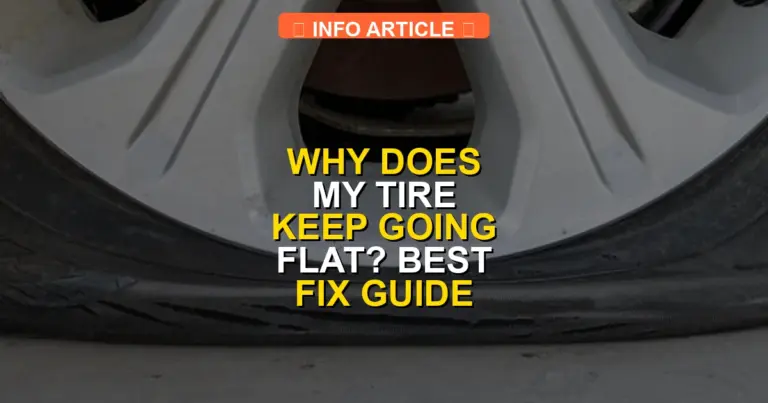
- Under-inflation: Creates excessive friction, causing the tire to overheat and increasing your risk of a sudden tread separation or blowout.
- Over-inflation: Reduces the tire contact patch with the road, leading to a harsh ride, reduced traction, and accelerated center tread wear.
- Fuel Economy Loss: Under-inflated tires increase rolling resistance, forcing your engine to burn more fuel to maintain speed.
- Compromised Handling: Incorrectly inflated tires negatively impact your vehicle’s stopping distance and emergency maneuverability.
How to Step-by-Step Find and Set Your Correct Tire Pressure
Finding the right number and setting your tires requires ignoring misleading information printed directly on the rubber. Follow this proven method to get it right every time.
Locating the Vehicle Placard
Open your driver-side door and look at the pillar or door jamb for a white and yellow federal certification label. This sticker displays the exact cold tire pressure recommended by your vehicle manufacturer for both front and rear tires. If you cannot find the door jamb sticker, check your glove box owner’s manual or the inside of the fuel filler door.
The Sidewall Warning Trap
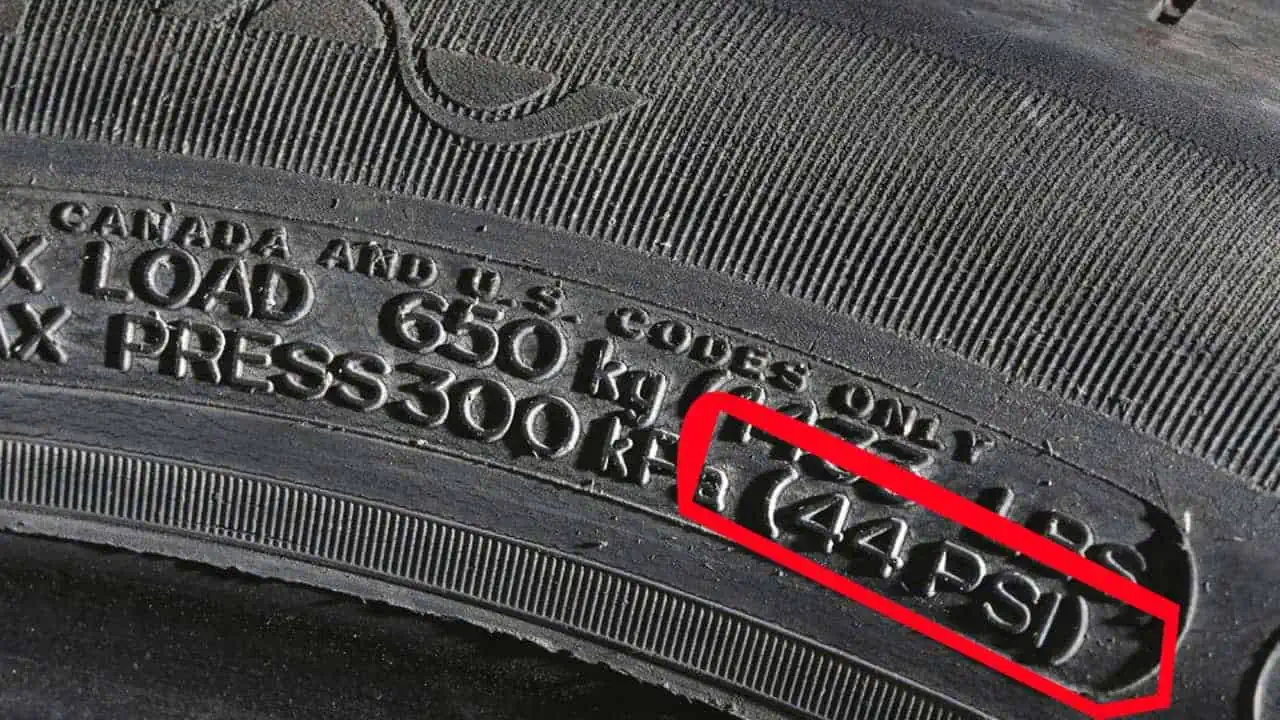
Never inflate your tires to the maximum PSI number printed on the tire sidewall. That sidewall number is a safety limit set by the manufacturer, not the ideal operating pressure for your specific car, truck, or SUV. Using the sidewall maximum will result in a dangerously stiff ride, poor traction, and uneven wear.
- Check your tires when they are cold, meaning the car has been parked for at least three hours or driven less than a mile.
- Unscrew the valve stem cap on your first tire.
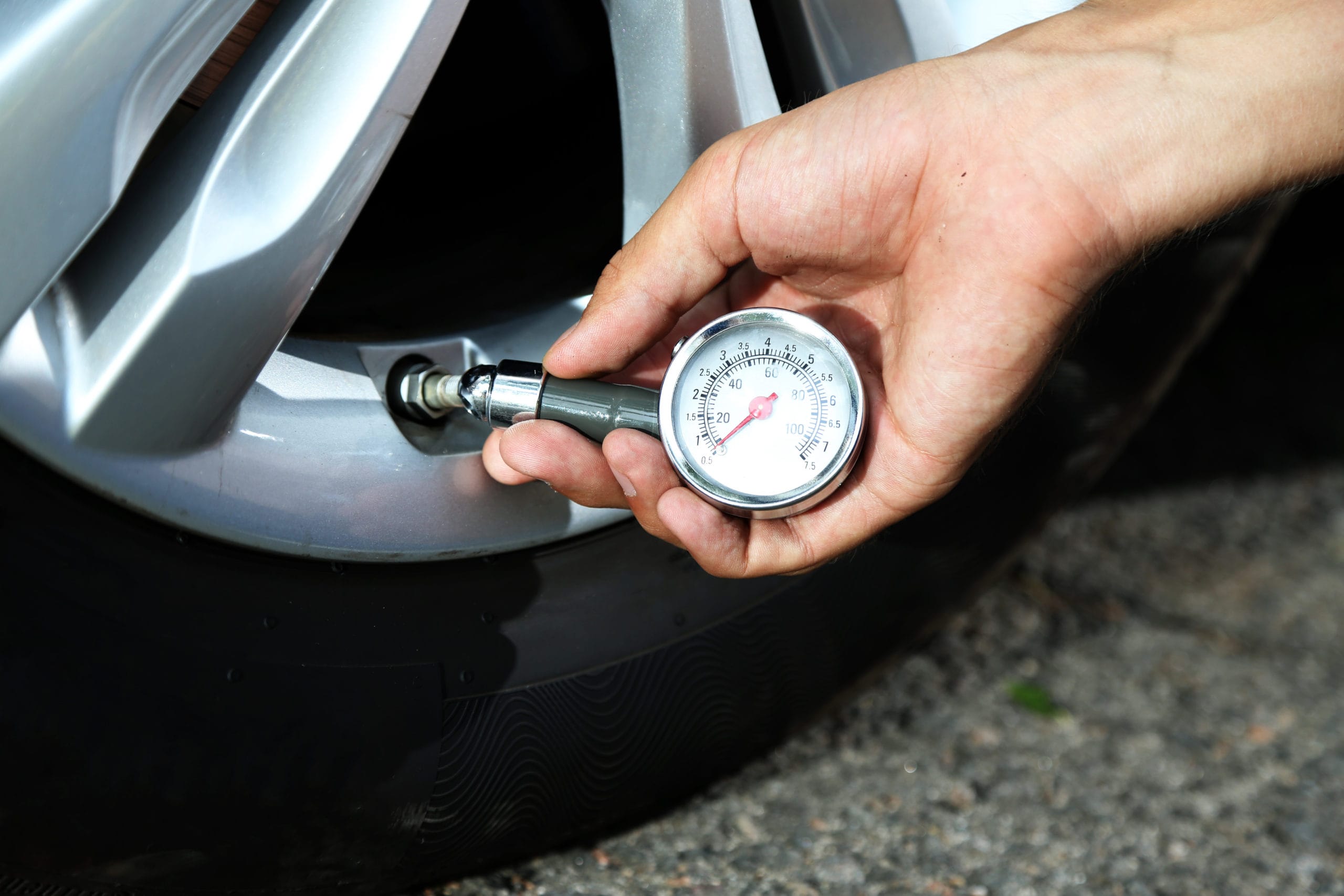
- Firmly press a reliable digital pressure gauge onto the valve stem to read the current PSI.
- Add air using a portable compressor or station pump if the reading is below the door jamb specification.
- Release excess air using the back of the gauge or valve pin if you overfill.
- Replace the valve stem cap securely and repeat the process for the remaining three tires, including the spare if required.
What If It Still Doesn’t Work and Your TPMS Light Stays On
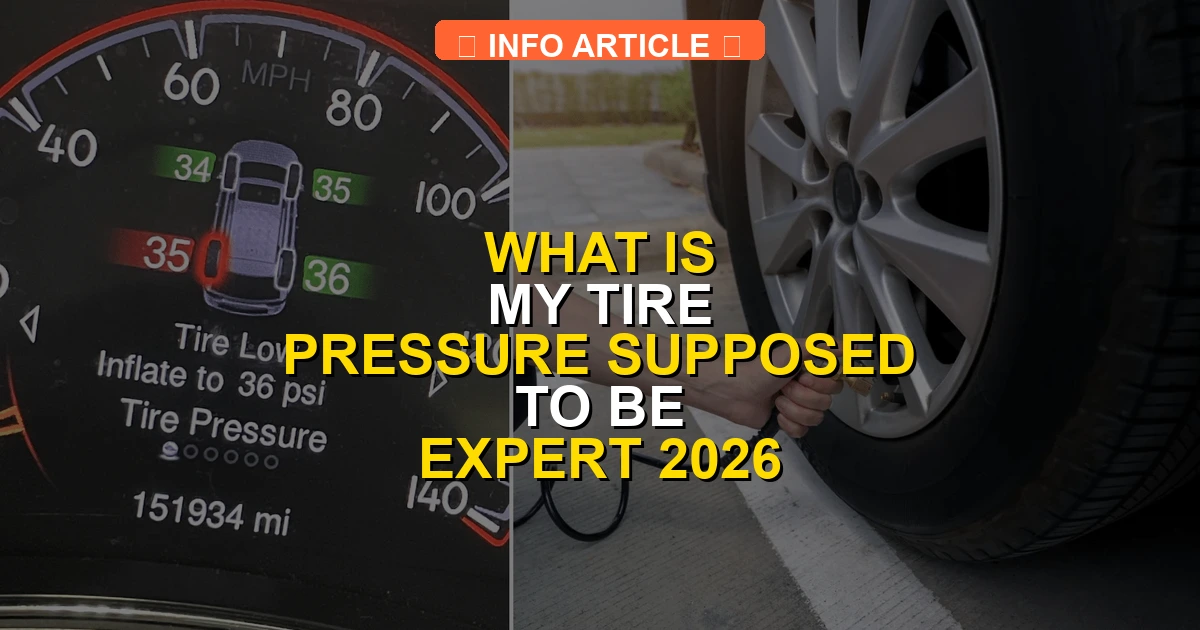
You checked the door placard, inflated your tires to the exact specification, and drove away, yet the stubborn Tire Pressure Monitoring System (TPMS) light refuses to go off. This is a common frustrating scenario for drivers navigating modern automotive maintenance in 2026. Fortunately, federal safety data and manufacturer guidelines point to a few specific reasons why your dashboard warning light persists despite correct inflation.
Common Causes for a Stubborn TPMS Light
Often, the sensor simply needs time to recalibrate after detecting a significant pressure drop and subsequent refill. In many vehicles, the TPMS requires you to drive continuously for 10 to 20 minutes at speeds above 25 miles per hour to reset the wireless sensors. Another frequent culprit is a failing or dead TPMS sensor battery. According to automotive service standards, standard direct TPMS sensors have a lithium-ion battery lifespan of 5 to 10 years, meaning older vehicles frequently experience hardware failures.
Steps to Resolve Persistent TPMS Issues
If driving does not clear the warning indicator, execute the following troubleshooting steps:
- Check the spare tire pressure: Many modern trucks and SUVs feature a TPMS sensor inside the full-sized spare tire, which often gets overlooked when inflating the active four tires.
- Perform a manual system reset: Locate the physical TPMS reset button (frequently found underneath the steering wheel column or inside the glove box) and hold it down with the ignition on until the light blinks twice.
- Inspect for slow leaks or valve stem damage: Apply soapy water to the valve core to check for microscopic air bubbles indicating a faulty Schrader valve.
- Consult a professional tire technician: Visit a certified service center if the dashboard light flashes instead of staying solid, which specifically indicates a system electrical fault rather than low pressure.
If a sensor replacement is required, expect an estimated professional cost ranging from $50 to $150 per wheel, including parts and labor, depending on whether your vehicle utilizes indirect software resets or direct physical sensor hardware.
Conclusion
Maintaining correct tire pressure remains one of the most vital aspects of vehicle safety, fuel economy, and tire longevity. By relying on the manufacturer placard rather than the maximum sidewall PSI, drivers ensure optimal braking performance and handling precision. According to verified research and expert sources from the National Highway Traffic Safety Administration, properly inflated tires can save up to 11 cents per gallon on fuel while dramatically reducing blowout risks. Take action today by grabbing a digital pressure gauge and inspecting your tread levels to ensure your vehicle is road-ready for 2026.
❓ Frequently Asked Questions
What is my tire pressure supposed to be if my car isn’t listed on the door sticker?
If the original door sticker is missing or damaged, you can look up the specifications in your vehicle owner’s manual or contact a local dealership with your Vehicle Identification Number (VIN).
Does tire pressure change when carrying heavy loads or towing?
Yes, some trucks and larger vehicles specify a higher rear tire pressure when towing trailers or carrying heavy cargo payloads. Consult your door jamb for specific loading guidelines.
What happens if I overinflate my tires beyond the recommended PSI?
Overinflated tires reduce the available contact patch on the road, leading to harsh ride quality, center tread wear, and reduced traction during braking.
What happens if my tires are underinflated?
Underinflation causes excessive sidewall flexing, which generates dangerous heat, increases fuel consumption, and leads to premature wear on the outer edges of the tread.
How often should I check my tire pressure?
It is recommended to check your tire pressure at least once a month and always before taking long road trips or experiencing major seasonal temperature shifts.
Why won’t my dashboard tire pressure light turn off after inflating?
Some vehicles require you to manually reset the Tire Pressure Monitoring System (TPMS) via a button in the glove box, the center console menu, or by driving continuously above 25 mph for a few miles.