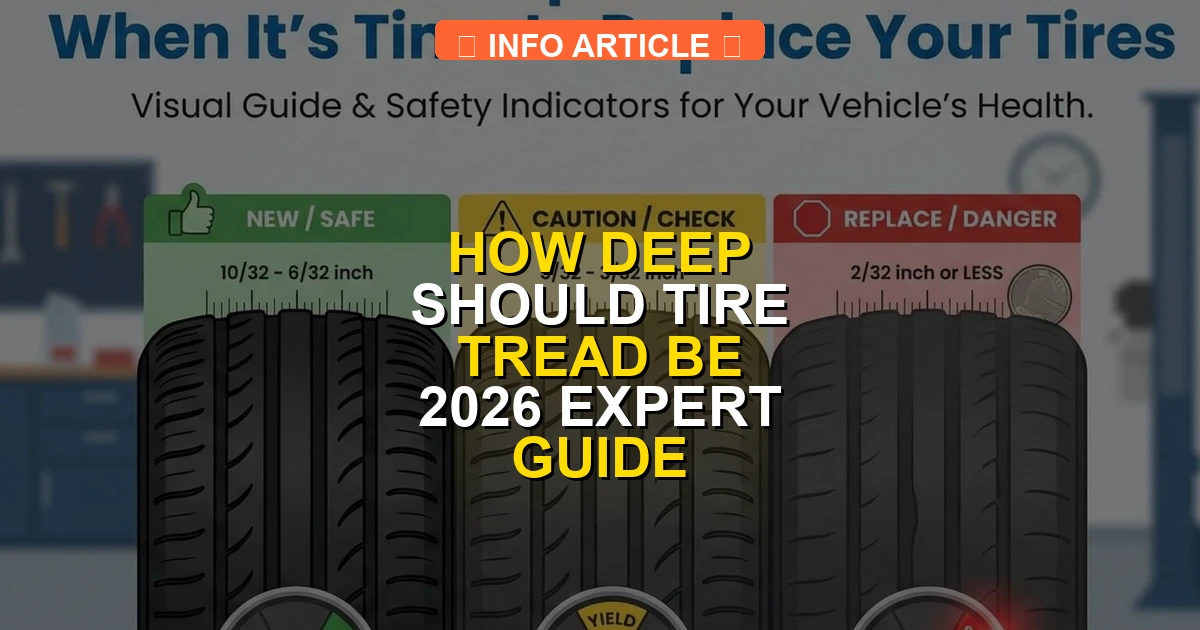
Tire tread depth is critical for maintaining traction and preventing hydroplaning on wet roads. The legal minimum safety limit is 2/32 of an inch, though replacing tires at 4/32 of an inch is strongly recommended for rain and snow.
The absolute minimum legal tire tread depth in most states and regions for 2026 is 2/32 of an inch. However, waiting until your tires reach this legal limit compromises your safety on wet or slippery roads, where experts recommend replacing them at 4/32 of an inch.
Maintaining proper tire tread depth is essential for keeping your vehicle firmly planted on the pavement. Knowing these exact measurements helps you avoid traffic fines, pass safety inspections, and most importantly, prevent dangerous hydroplaning during heavy rainstorms.
Key Takeaways
- The legal minimum tire tread depth is 2/32 of an inch.
- Replace tires at 4/32 of an inch for safe winter and wet weather driving.
- Use the penny test to quickly check if your tread is dangerously low.
- Tread wear indicator bars signal when a tire has reached the legal limit.
- Digital depth gauges provide the most accurate millimeter measurements.
What Causes Low Tire Tread and Why Depth Matters
Tire tread wears down gradually every time you drive. Friction between the rubber and the road surface slowly strips away the intricate groove patterns designed to channel water, mud, and snow away from your contact patch.

The Dangers of Driving on Worn Tires
As your tread depth decreases, your stopping distance increases dramatically. Here is what you need to know about the two critical depth thresholds:
- The 2/32-Inch Legal Limit: At this point, your tire is essentially bald. The tread blocks can no longer displace water, drastically increasing your risk of hydroplaning at highway speeds in 2026.
- The 4/32-Inch Safety Recommendation: Safety advocates and manufacturers suggest replacement here for wet weather. Front-wheel and all-wheel-drive vehicles lose significant snow traction below this depth.
Common Factors That Accelerate Tread Wear
Not all tires wear out at the same rate. Several mechanical and environmental issues can destroy your tread prematurely:
- Incorrect Tire Pressure: Overinflation wears the center tread, while underinflation destroys the outer shoulders.
- Suspension Misalignment: Bad alignment causes uneven “feathering” or edge wear on specific tires.
- Aggressive Driving Habits: Hard acceleration, fast cornering, and sudden braking burn through rubber fast.
How to Measure Tire Tread Depth Step-by-Step
You do not need an expensive mechanic to check your tires. You can accurately measure your tread depth right at home using a few simple tools and methods.
Using a Dedicated Tread Depth Gauge
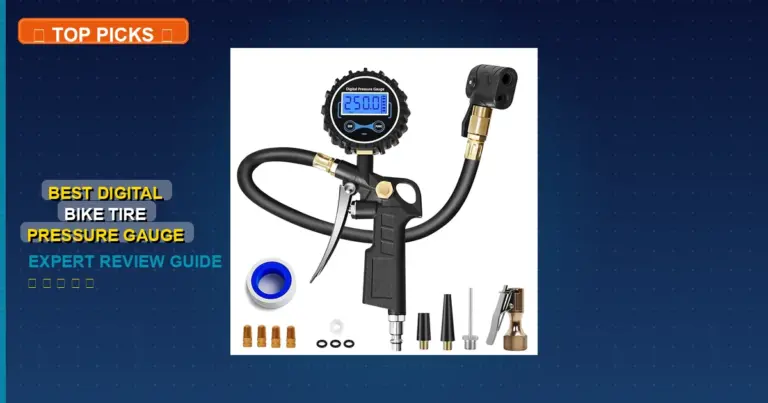
A manual or digital tread depth gauge is the most accurate way to check your tires. They are inexpensive and widely available at auto parts stores.
- Locate the main circumferential grooves in the center of your tire tread.
- Insert the metal probe of the gauge into the deepest groove.
- Press the base of the gauge flat against the top of the rubber tread block.
- Read the measurement in thirty-seconds of an inch to see if you are above 2/32 or 4/32.
- Test multiple spots across the width of the tire to check for uneven wear patterns.
The Coin Tests for Quick Checks
If you do not have a gauge, standard currency works well for a quick roadside estimation.
- The Penny Test: Insert a penny into the tread groove with Lincoln head upside down and facing you. If you can see the top of Lincoln’s head, your tread is below 2/32 of an inch and you need immediate replacements.
- The Quarter Test: Insert a quarter with Washington head upside down. If the tread touches or covers the top of Washington’s head, your tread is above 4/32 of an inch, indicating safe wet-weather performance.
What If Your Tread Is Too Low and Replacement Fails to Improve Traction
Replacing tires with worn tread usually restores vehicle control. However, drivers sometimes notice that new rubber fails to resolve slipping or sliding issues. When adequate tread depth does not eliminate poor traction, underlying mechanical or environmental factors require immediate investigation.

Suspension and Alignment Issues
Incorrect wheel alignment or worn suspension components cause uneven tire wear and reduce contact with the road. If shocks, struts, or control arms fail, even brand-new tires cannot maintain proper pressure against the pavement. According to automotive safety data, misaligned wheels reduce grip and accelerate tread degradation significantly.
Incorrect Tire Pressure
Over-inflation reduces the tire contact patch, while under-inflation causes the center tread to wear prematurely or forces the shoulders to bear excessive load. Maintaining manufacturer-recommended PSI is critical for optimal traction. Environmental factors, such as extreme winter temperatures common in 2026, also demand frequent pressure adjustments to match seasonal ratings.
What If It Still Doesn’t Work?
If new tires and correct inflation fail to restore proper vehicle handling, drivers should follow these advanced troubleshooting steps:
- Inspect the vehicle’s electronic stability control (ESC) and traction control systems for dashboard warning lights or stored diagnostic trouble codes.
- Check brake calipers and rotors for sticking or uneven engagement, which can mimic traction loss during acceleration or turning.
- Take the vehicle to a certified alignment specialist for a computerized four-wheel thrust and camber analysis.
- Consult a professional mechanic for a complete suspension system evaluation if vibrations or steering pull persist.
- Professional diagnostic services generally range from $100 to $250, while suspension component replacements can cost between $300 and $1,200 depending on the make and model.
Conclusion
Monitoring tire tread depth is essential for preventing hydroplaning and maintaining stopping power on wet or snowy roads. While the 2/32-inch penny test remains the legal baseline, experts recommend replacing tires at 4/32 inches for rain and 6/32 inches for snow to ensure maximum safety. According to verified research and automotive safety organizations, proactive tire replacement significantly reduces accident rates. Take the actionable next step today by grabbing a ruler or tread depth gauge to check all four of your tires before your next commute.
❓ Frequently Asked Questions
How deep is brand new tire tread?
Most new passenger vehicle tires start with a tread depth between 10/32 and 12/32 of an inch, though some heavy-duty or off-road tires may be deeper.
How fast does tire tread wear down?
On average, drivers lose about 1/32 of an inch of tread every 10,000 miles, though driving habits, alignment, and tire maintenance significantly affect this rate.
Is driving on 2/32 tread illegal?
Yes, driving with tread depth at or below 2/32 of an inch violates traffic laws in most states and can result in fines or failure during vehicle inspections.
Does tire rotation help extend tread life?
Regularly rotating your tires every 5,000 to 7,000 miles ensures even wear across all four tires, maximizing their overall lifespan and maintaining balanced traction.
What tools do professionals use to measure tread depth?
Mechanics use calibrated metal tread depth gauges that measure precisely in millimeters or 32nds of an inch for accurate safety assessments.
Why is 4/32 recommended over 2/32 for wet roads?
At 2/32 of an inch, tires struggle to channel water away quickly enough, greatly increasing stopping distances and the risk of hydroplaning compared to 4/32.